


Thyroid disease is a general term for problems that affect how your thyroid works. The two main types of thyroid diseases are hypothyroidism and hyperthyroidism. Despite being a small gland, it regulates energy, metabolism, and even mood. For those dealing with thyroid problems like hypothyroidism, taking thyroid medicine every day (usually levothyroxine) is a lifesaver. But a lot of people don't know this: what you eat and even when you eat can affect how effectively your thyroid medicine works.
Some foods, beverages, and habits have the ability to block the absorption of thyroid medication, leading to weight fluctuations, fatigue, and inconsistent hormone levels. Understanding these relationships can make a significant difference in maintaining stable thyroid function and general health.
This blog will help you to know about the thyroid foods to avoid and what to eat instead and habits that might hinder your treatment.
Can Foods Interfere with Thyroid Medication? The Hidden Connection
Yes—and the interference can be considerable.
Levothyroxine is a drug of choice for treating primary hypothyroidism and is highly sensitive to absorption issues. Although clinically significant interactions between levothyroxine and food can alter the safety and efficacy of the treatment, they still seem to be generally underestimated by patients, physicians, and pharmacists. (1)
When the absorption drops, your thyroid hormone levels may change even if you keep taking the same amount of medicine. This leads to symptoms such as brain fog, inactive metabolism, mood swings, and fatigue.
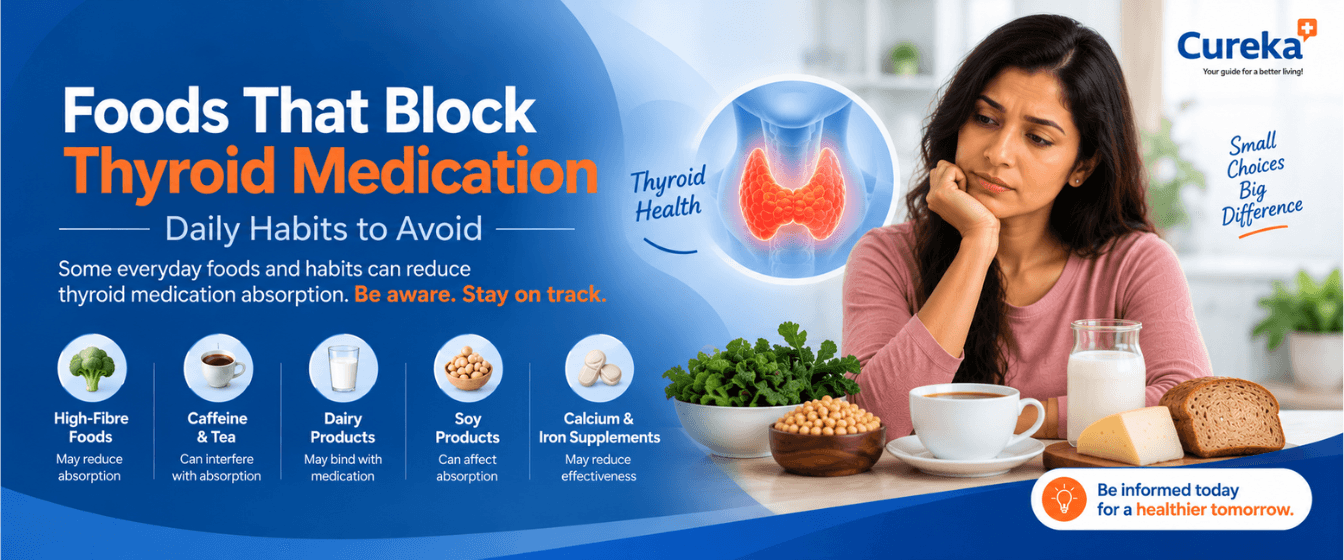
Common culprits include:
Soy products
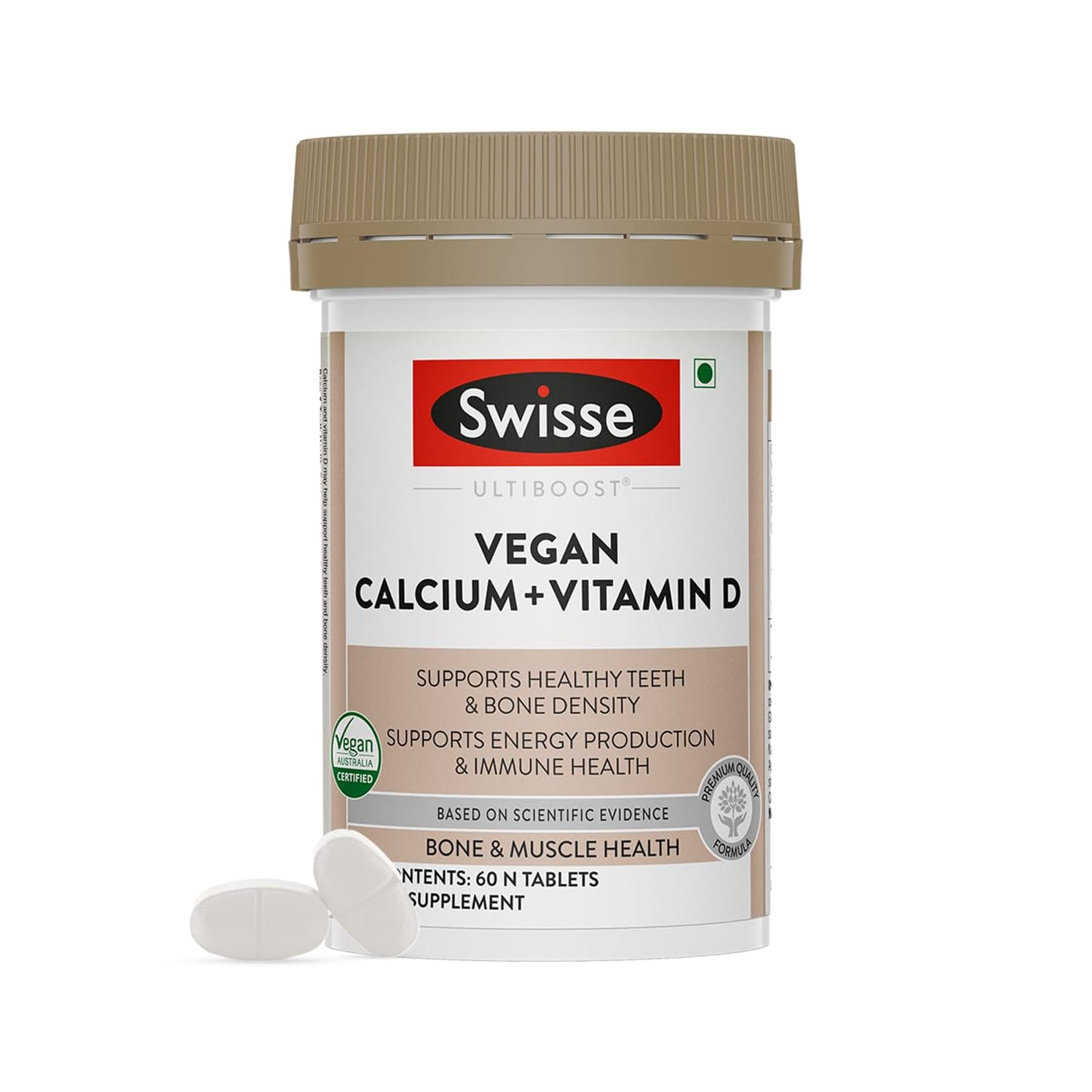
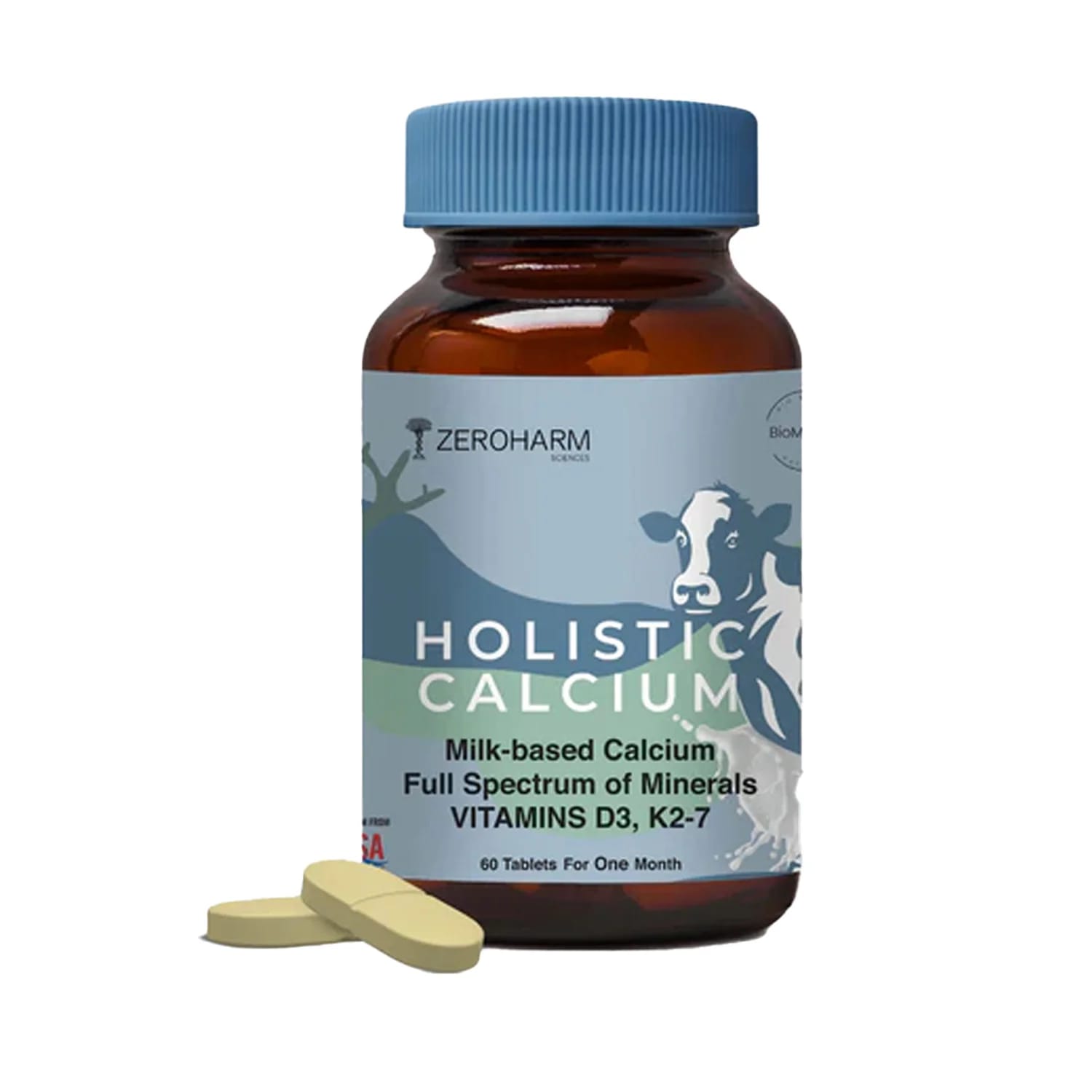
Calcium-rich foods
Iron supplements
High-fiber foods
That's why doctors advise taking your thyroid medicine on an empty stomach, preferably very early in the morning with a full glass of water and at least 30–60 minutes before you eat.
Which foods are prohibited for thyroid patients?
Some foods can not only affect your medicine, but they can also mess with how your thyroid works. Here we see the thyroid foods to avoid, especially when you’re on medication:
1. Soy and soy-based products
Thyroid medication may be less effective if soy products interfere with the body's ability to absorb the medication. Some studies suggest that excessive soy intake can decrease the body’s ability to absorb thyroid medications, especially during the time of medication.
Avoid large quantities of:
Soy protein bars
Tofu
Soy milk
If you eat soy occasionally, ensure you maintain a 4-hour gap after taking your medication.
2. High-fiber foods:
High-fiber foods are usually good for digestion, but they can interfere with the thyroid medication absorption by binding to the drug in the gut, making it less effective. Consuming moderate-fiber foods rather than high-fiber foods prior to medication increases the effectiveness of the drug.
3. Caffeine and coffee:
It's possible that your morning coffee is interfering with your thyroid medication. To ensure your medication is effective, wait at least 30 to 60 minutes after taking it before drinking coffee or other caffeinated beverages. Coffee consumption was not associated with the risk of hyperthyroidism and hypothyroidism. (2)
4. Calcium- and iron-rich foods:
Calcium- and iron-rich foods can decrease the absorption of thyroid medication by binding to the hormone in the stomach. It's advised to wait at least 45 minutes after taking your pill before enjoying your coffee.
5. Processed and packaged foods
High sodium levels and chemicals found in packaged snacks, quick soups, and canned products may upset the iodine balance and have a negative impact on thyroid health.
These are the main thyroid foods to avoid if you want to support stable thyroid function.
The daily habits that harm thyroid health
Even little habits can accumulate and interfere with thyroid function. Look out for these:
Taking medicine with breakfast or coffee
Take the medications at the different times daily.
Poor stress management and lack of sleep
Not monitoring interactions with supplements
Skipping the medications abruptly.
Cortisol levels are impacted by chronic stress and sleep deprivation, which can then interfere with the functions of thyroid hormones. Proper timing, balanced nutrition, and mindfulness can be the crucial aspects in maintaining healthy thyroid function.
Conclusion: Small changes, big results.
Managing a thyroid condition isn’t just based on the medications you take—it relies on how well your body absorbs and utilizes them. Understanding the thyroid foods to eat and the best foods for thyroid patients can make your medications very effective.
Your thyroid needs your attention, and simple, consistent changes in diet and routine can make a significant difference in how you feel every day.
References:
1. Levothyroxine Interactions with Food and Dietary Supplements–A Systematic Review - Mar 2021 - https://pmc.ncbi.nlm.nih.gov/articles/PMC8002057/
2. Effect of coffee consumption on thyroid function - Jun 2023 - https://pmc.ncbi.nlm.nih.gov/articles/PMC10282749/