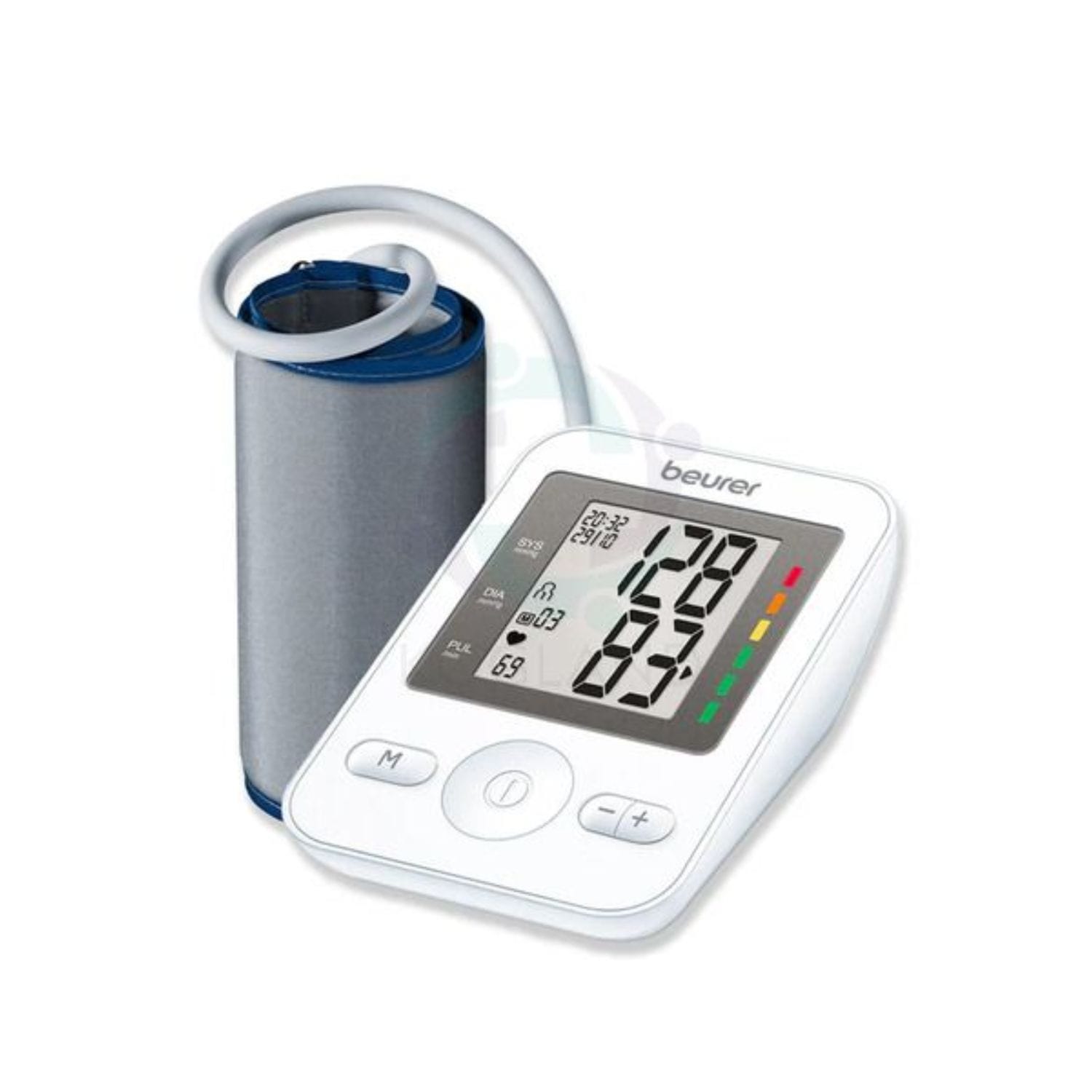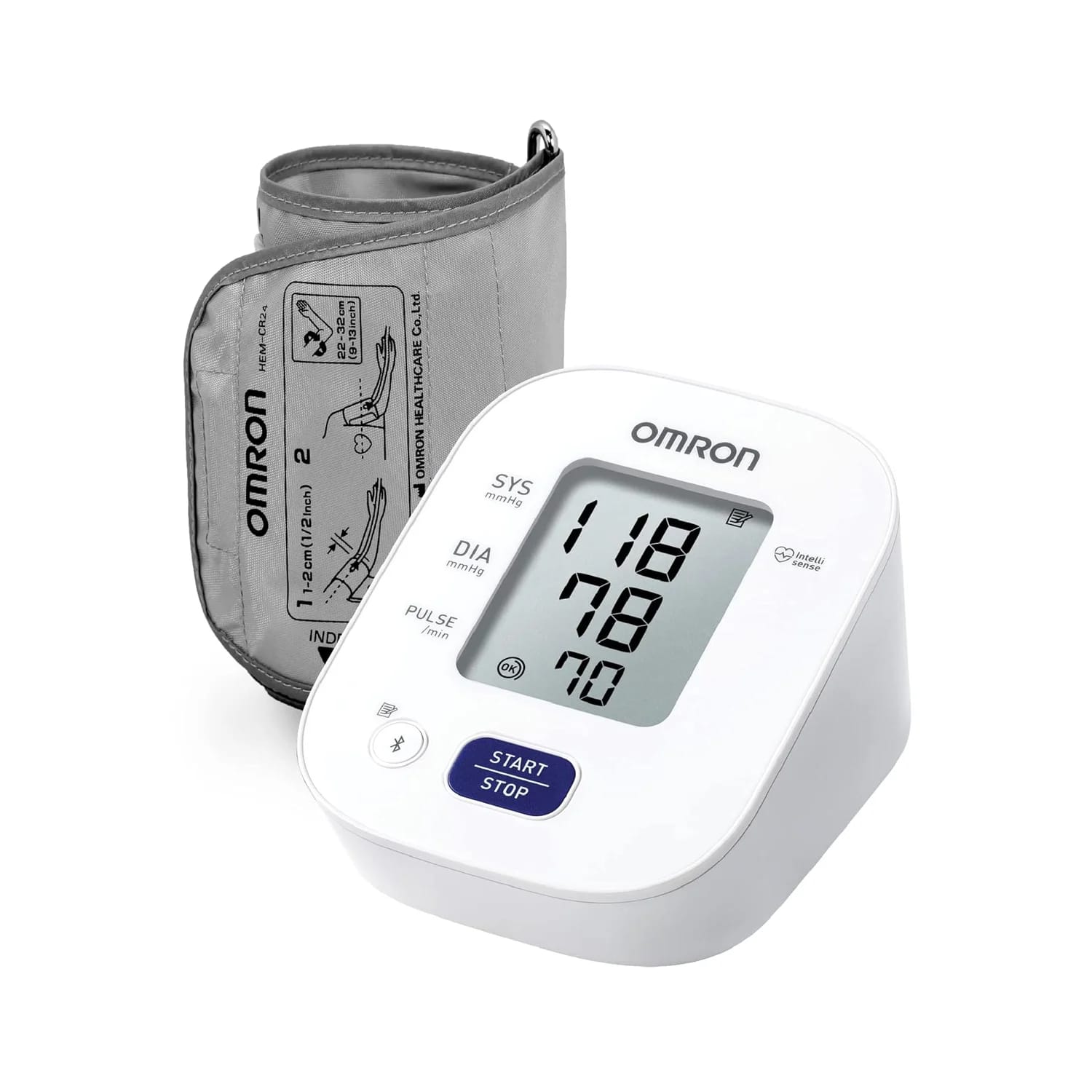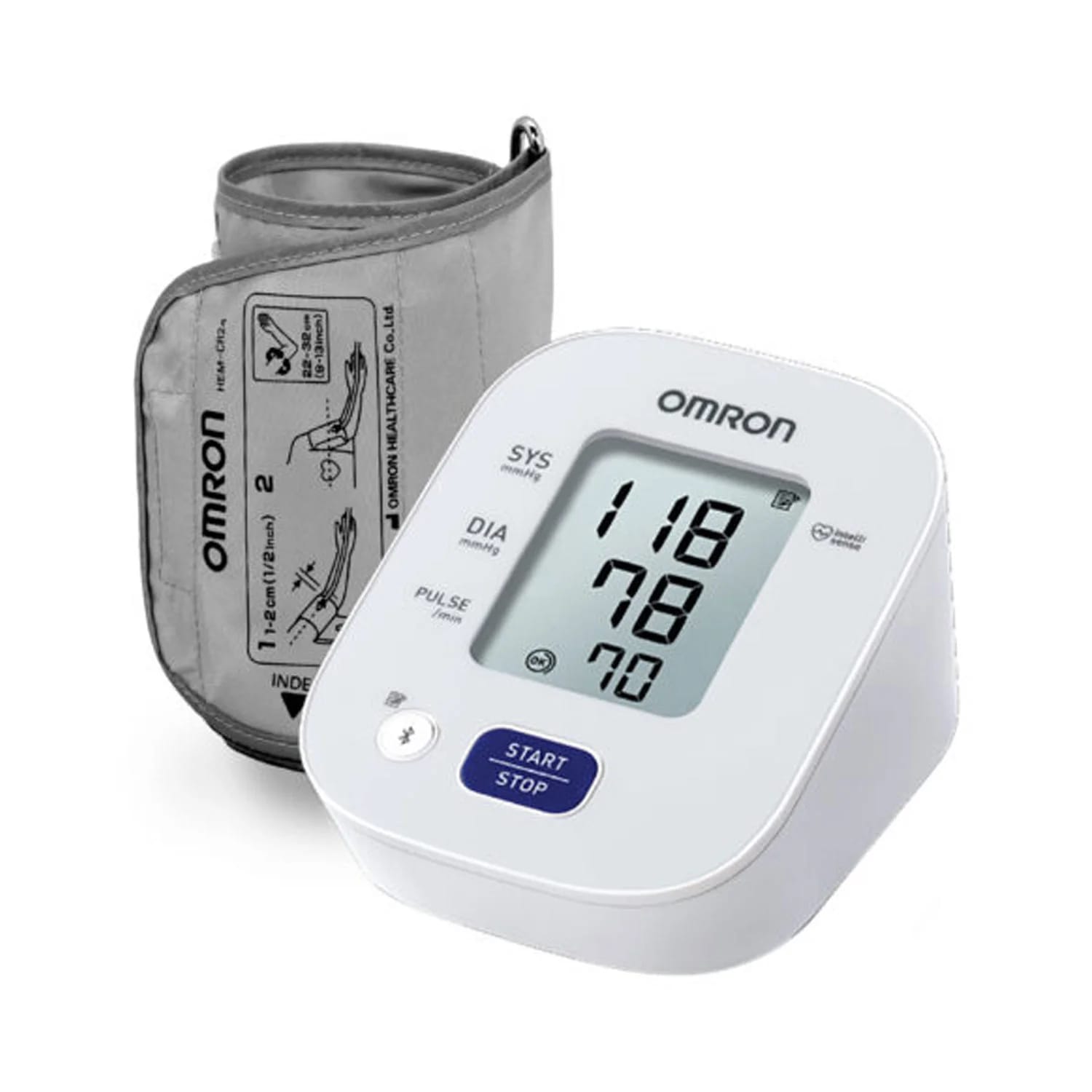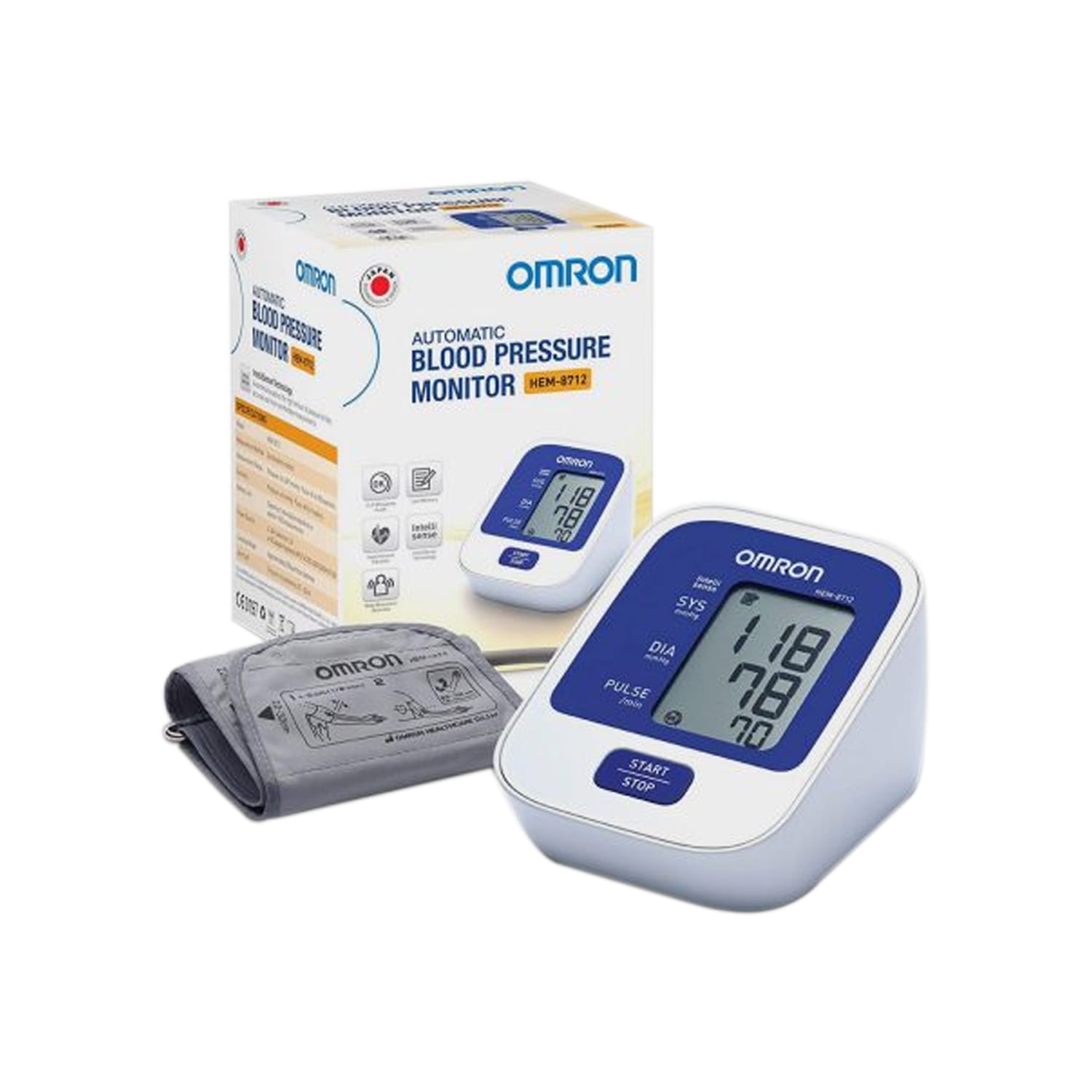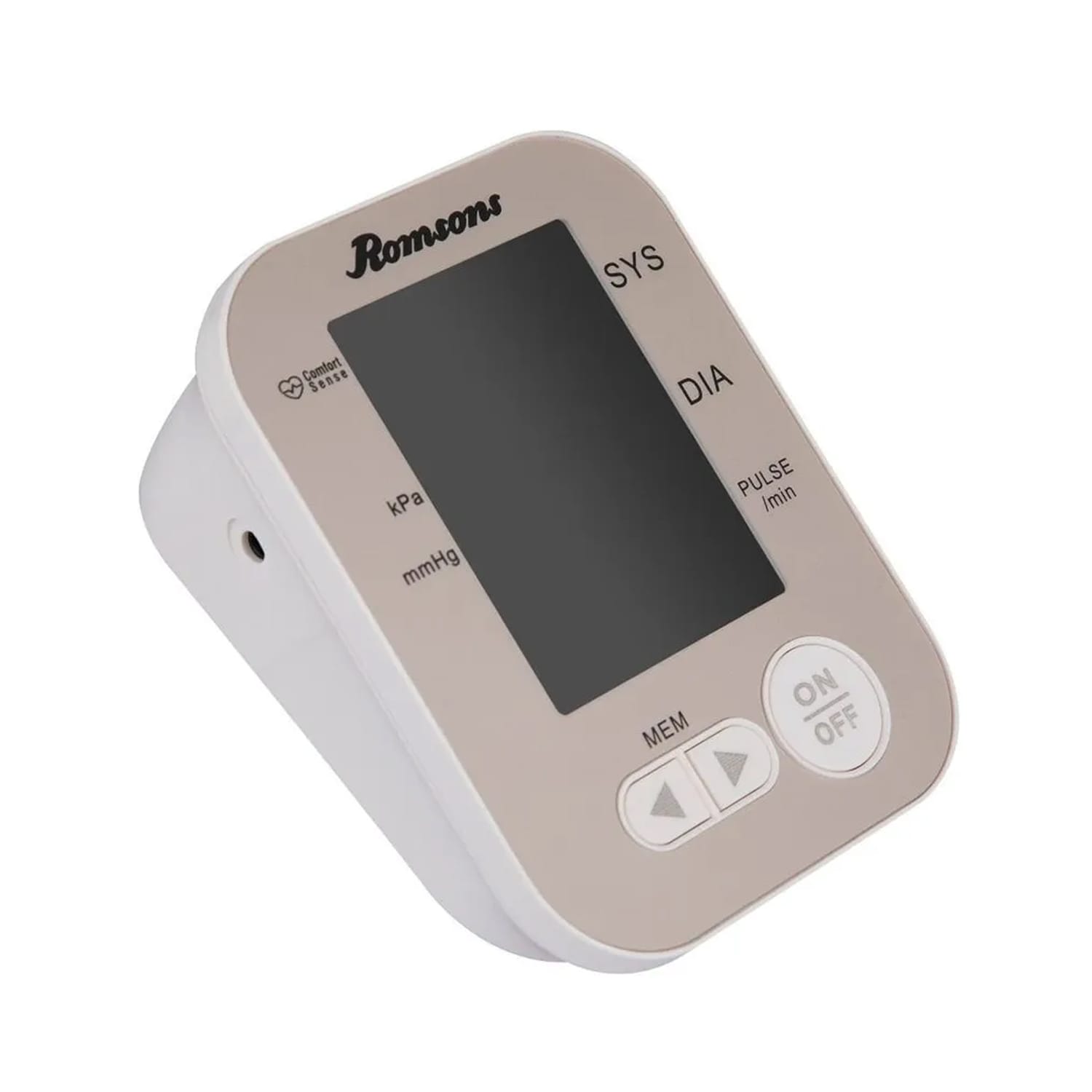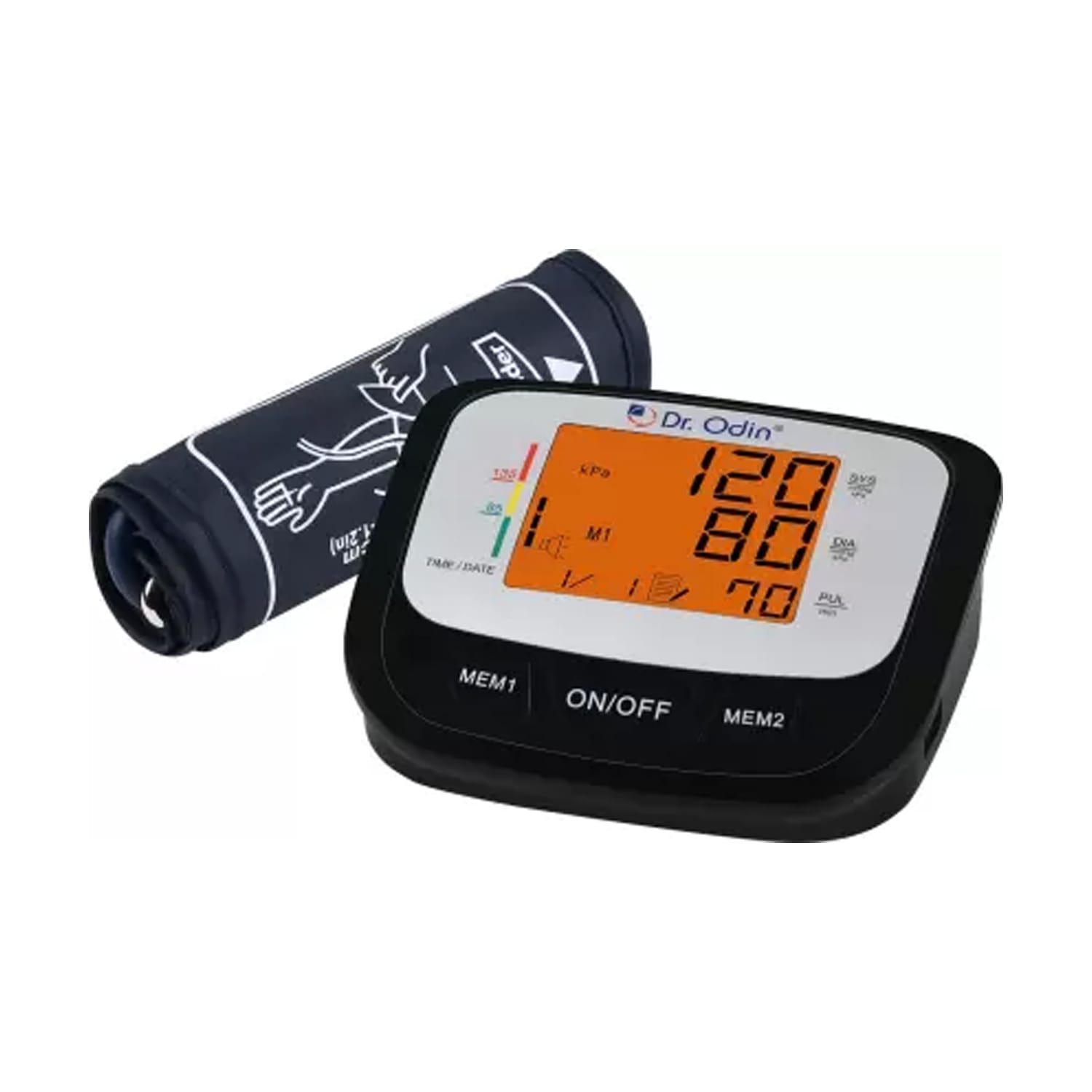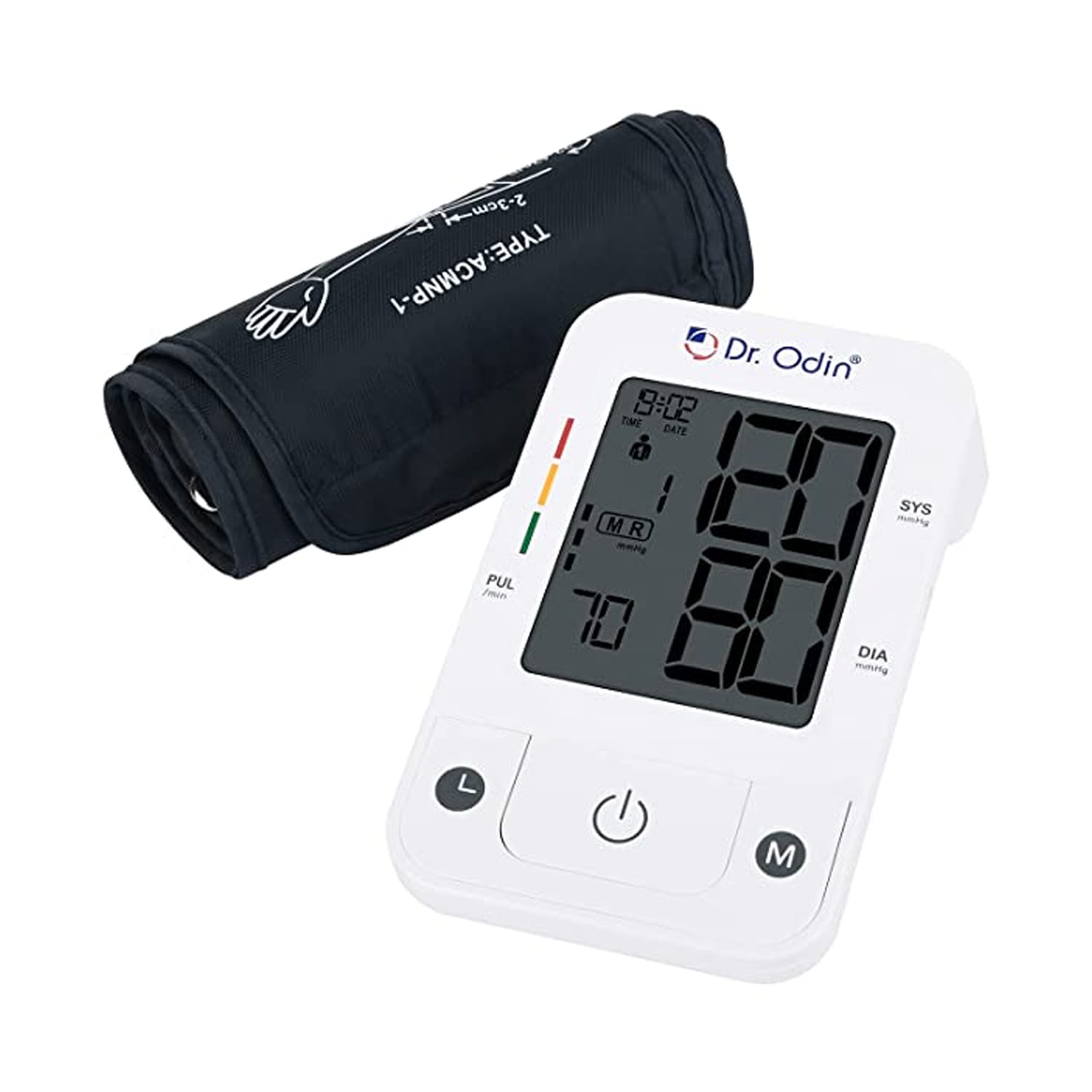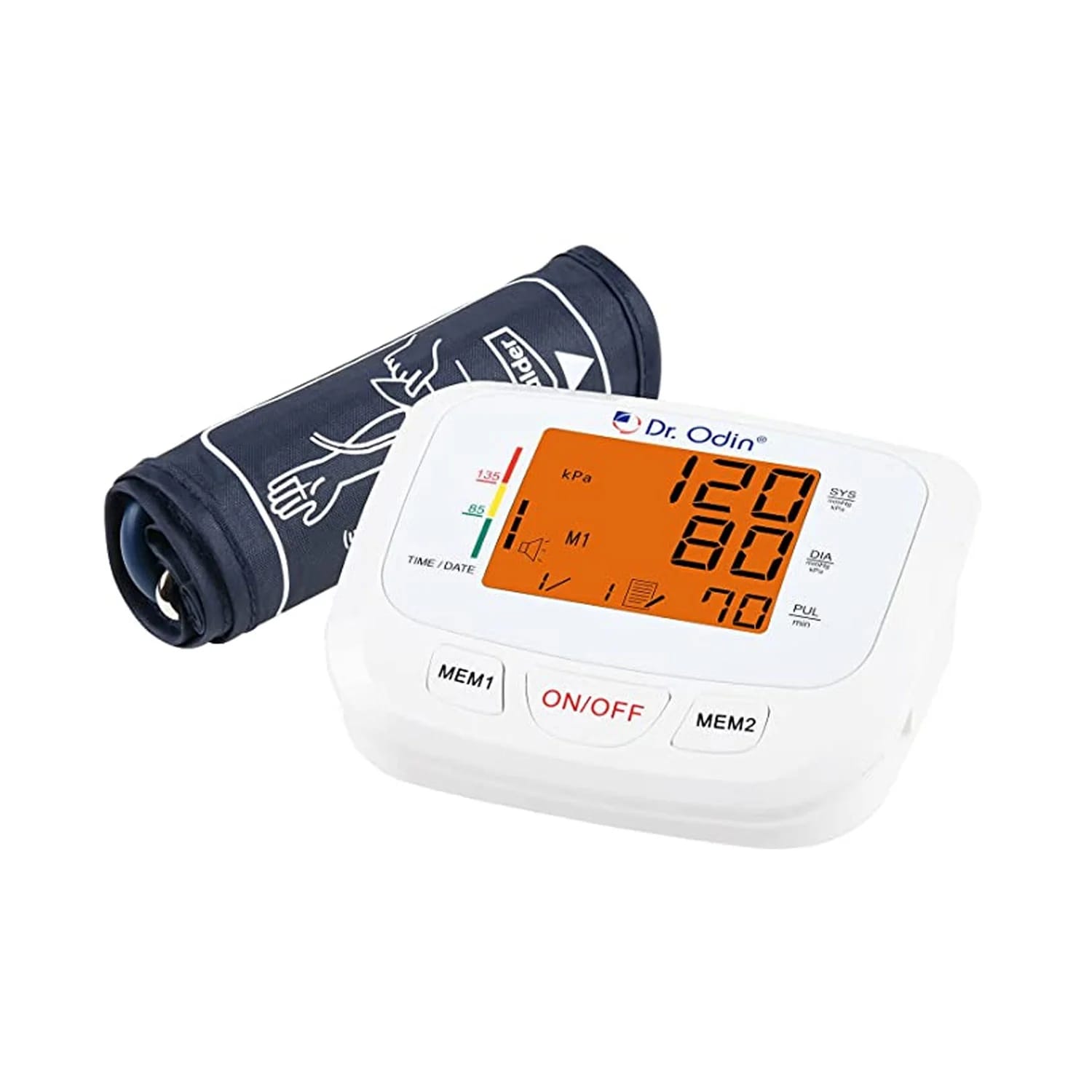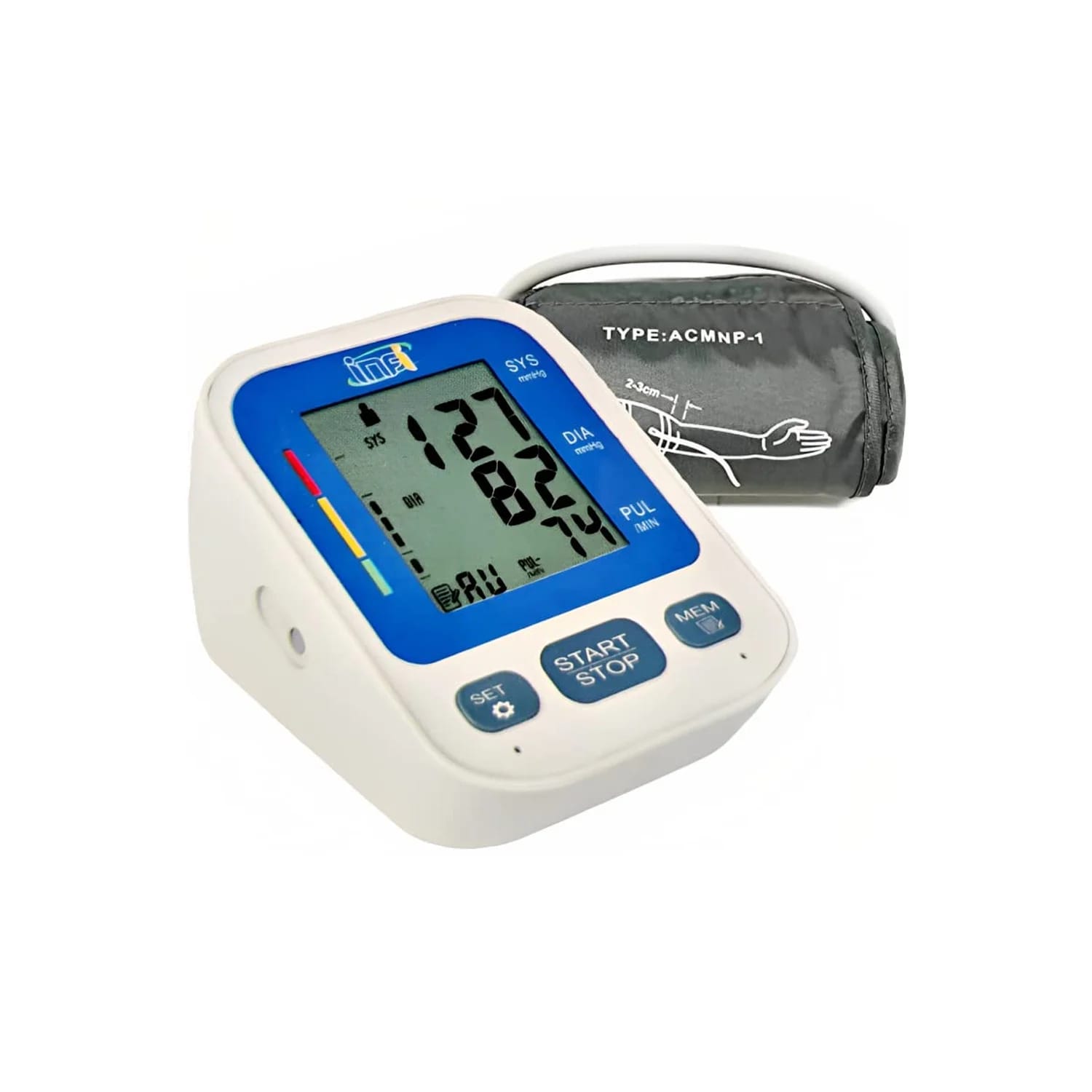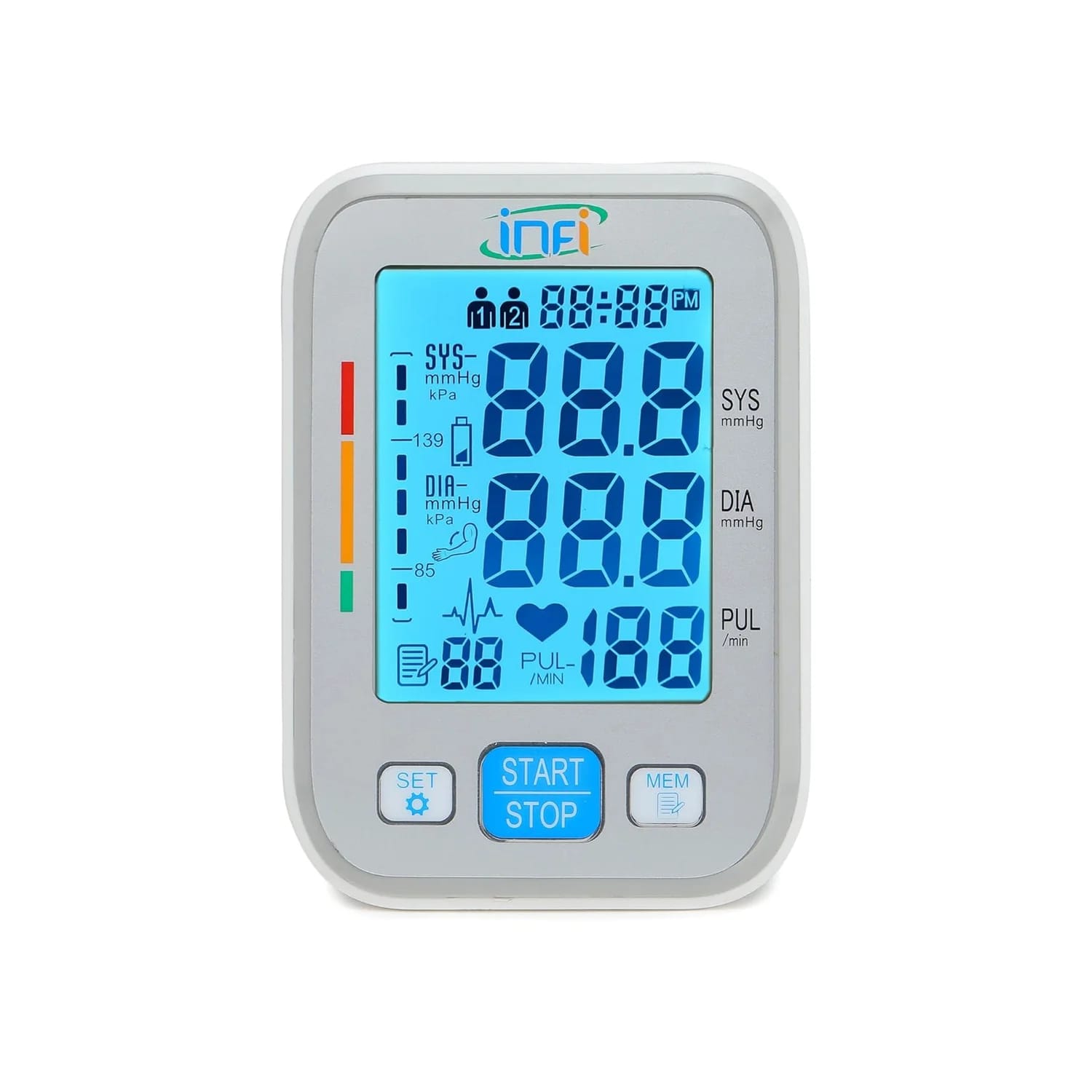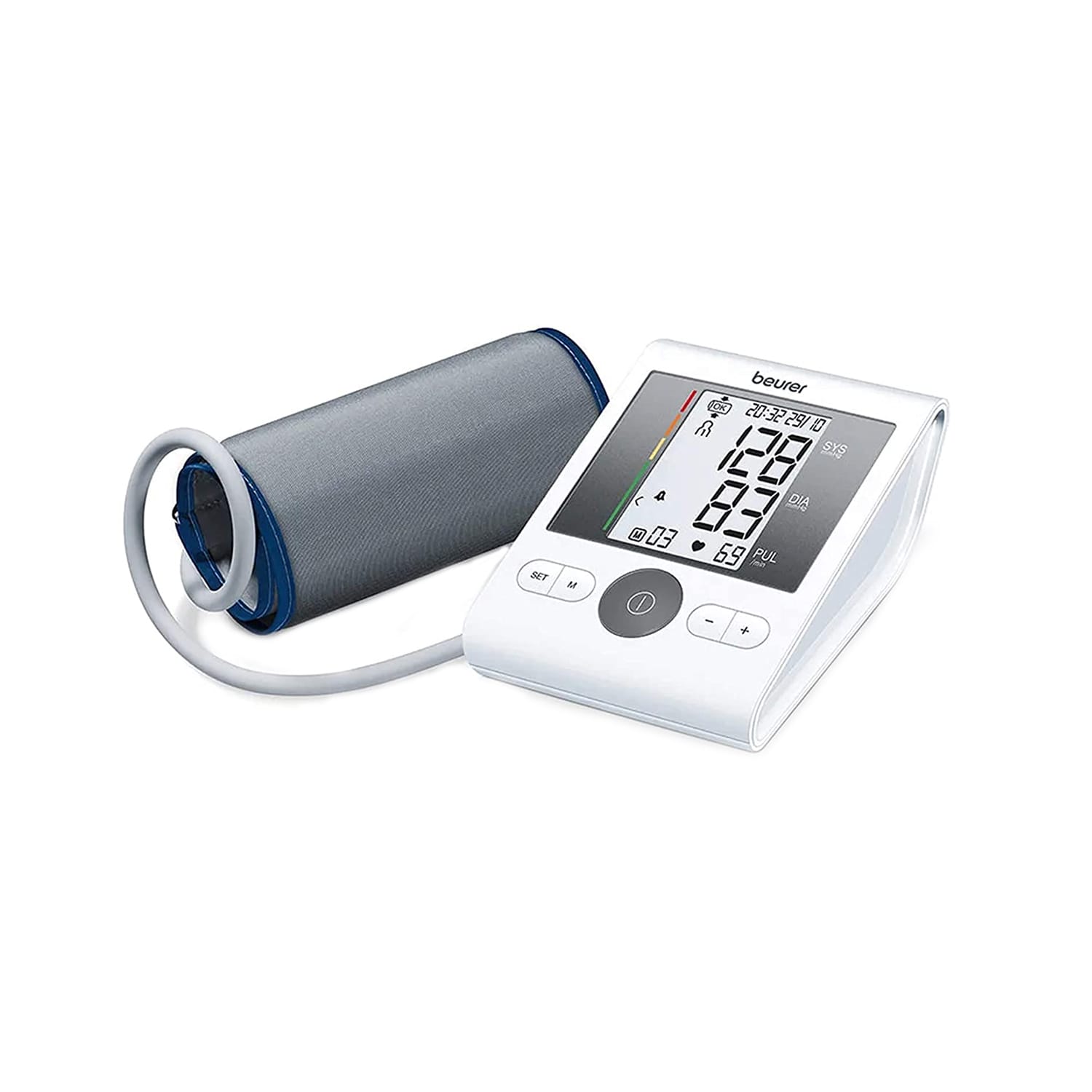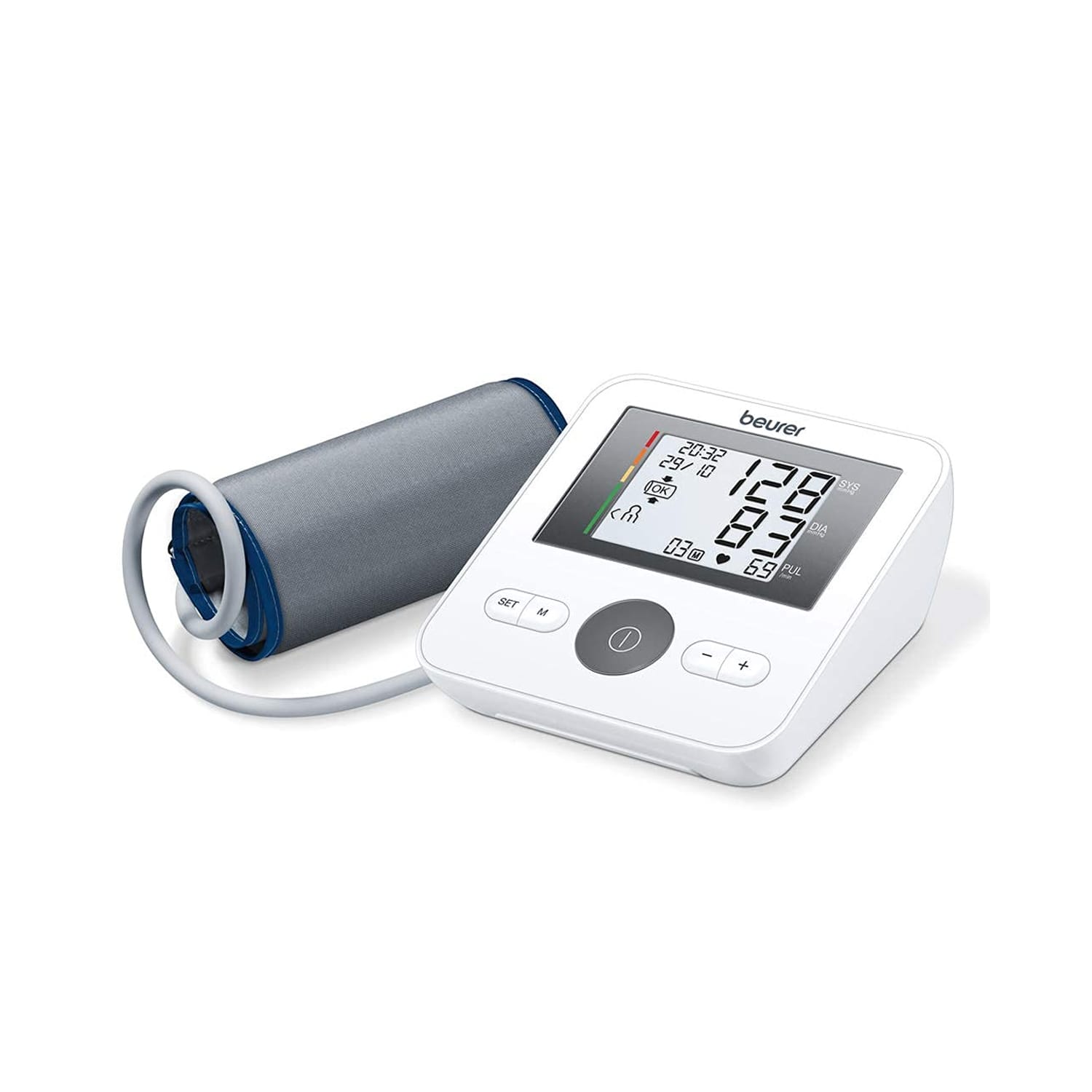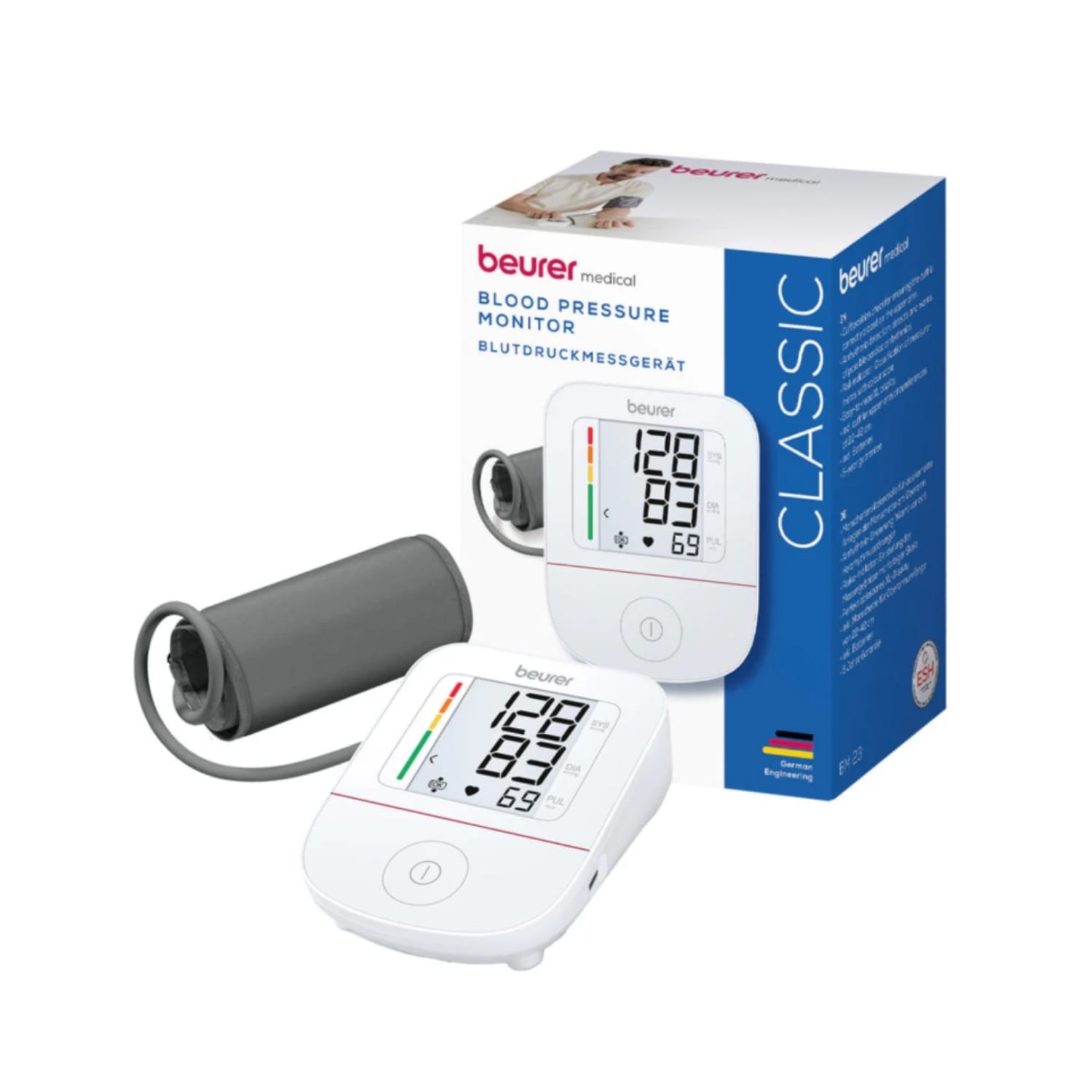


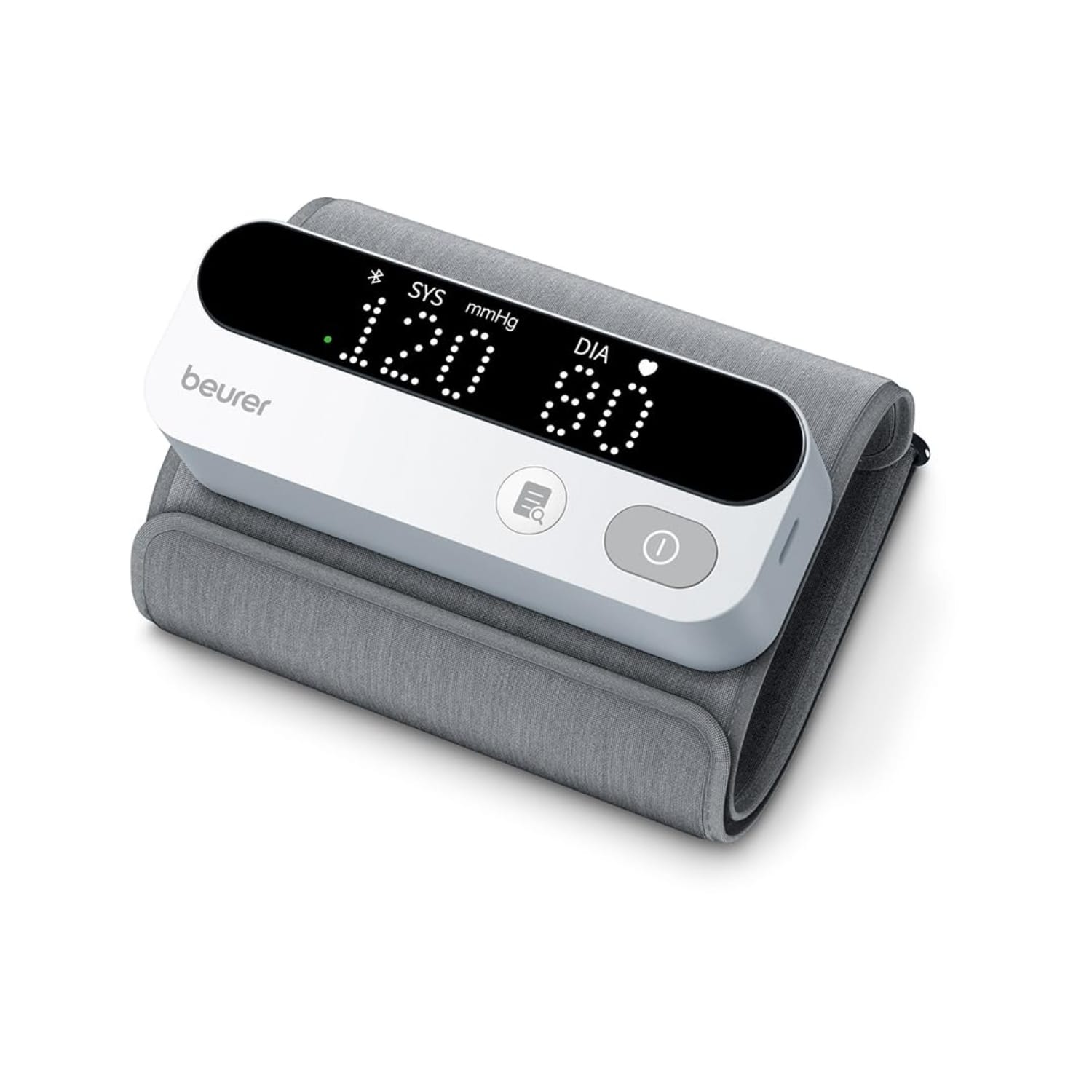
Beurer BM 59 Bluetooth Upper Arm Blood Pressure Monitor
Beurer
₹7,9715% off₹8,391
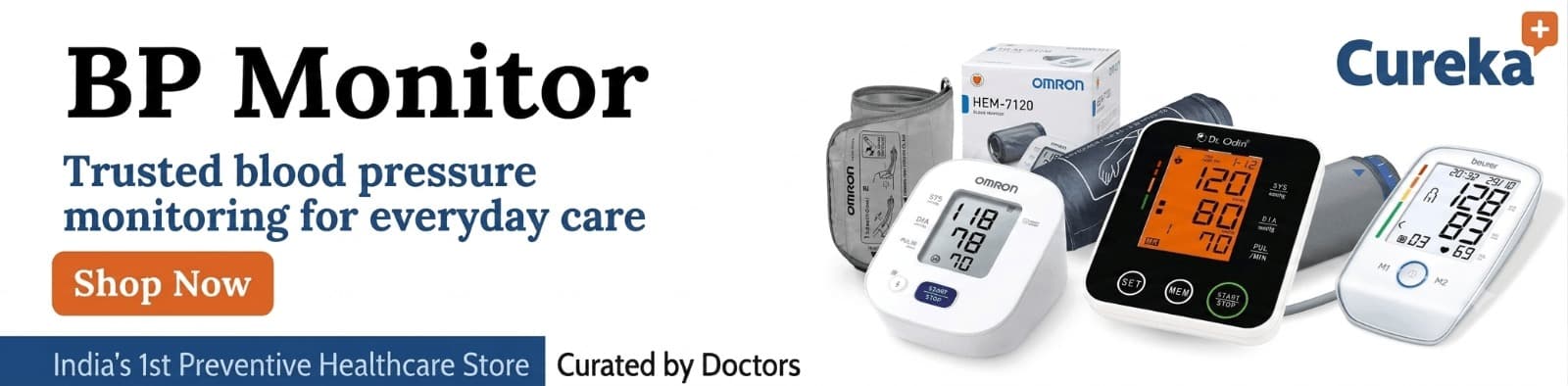
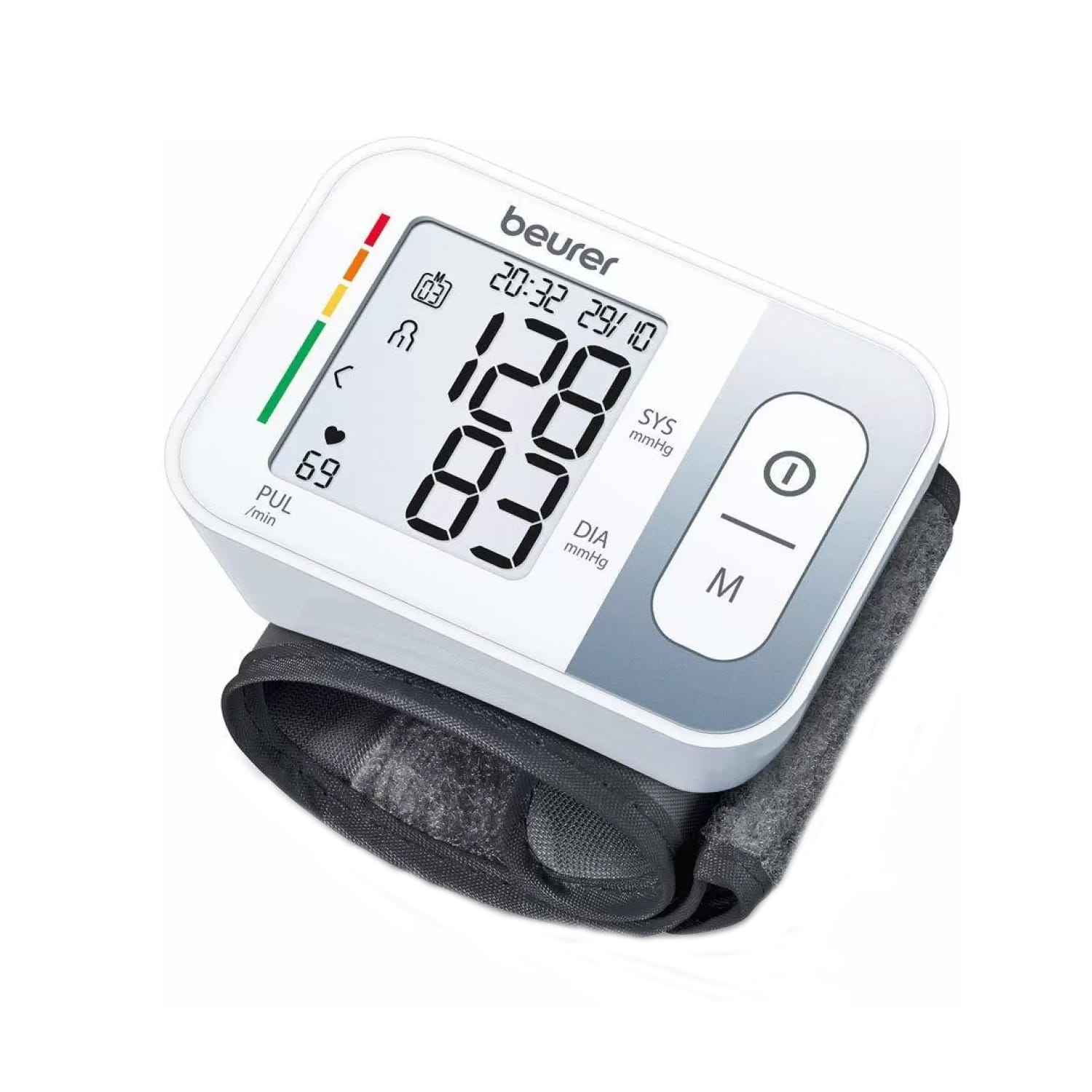
A BP monitor works by measuring the force your blood places against artery walls as it flows, giving you systolic and diastolic readings that help keep tabs on heart health right from home. Checking your numbers regularly can help you and your doctor catch changes early, something occasional clinic visits often miss.
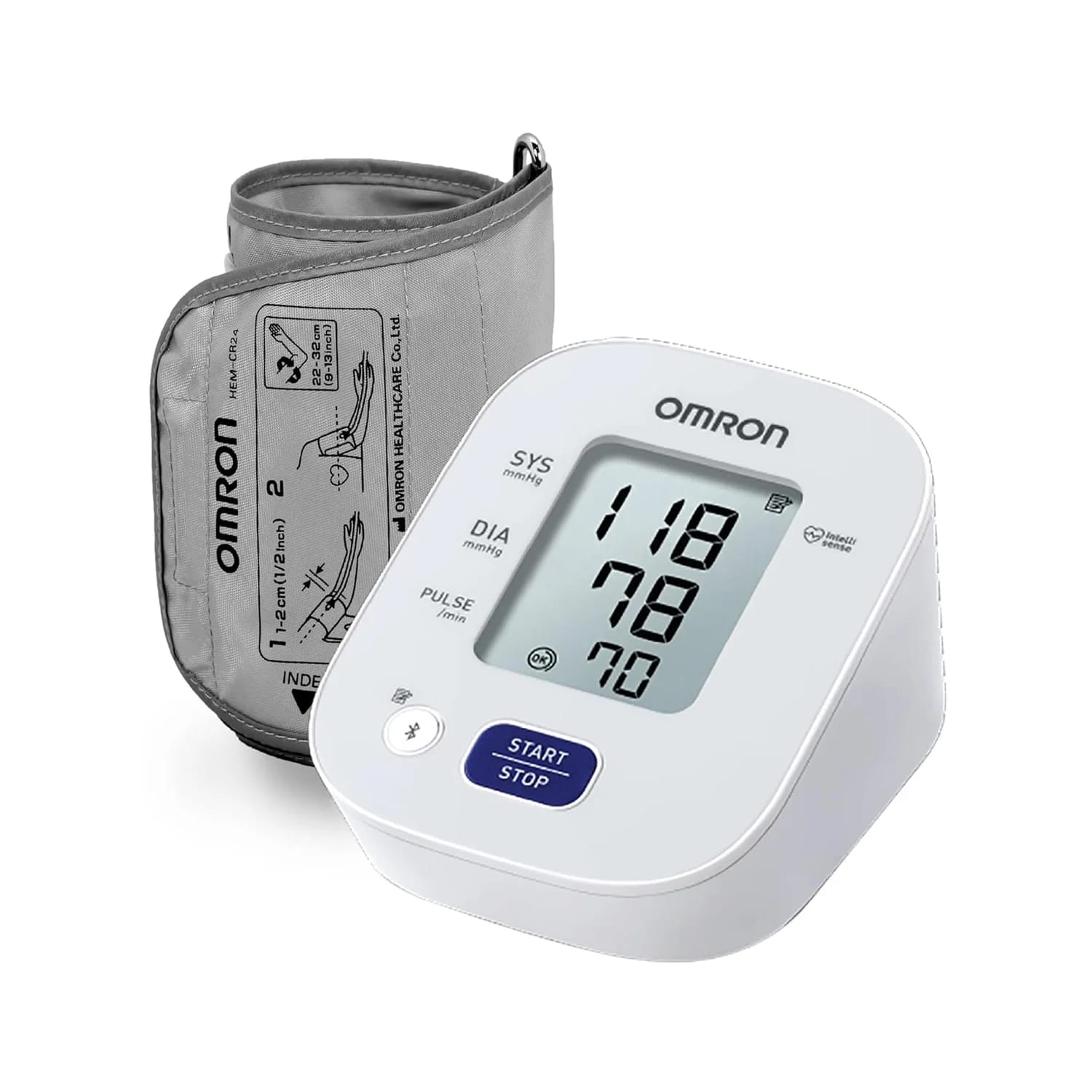
These fully automated devices inflate the cuff on their own and show the reading on a digital screen, needing very little effort from the user. That makes them a great fit for everyday self-checks at home.
Much like digital machines, these usually come with memory storage and irregular heartbeat detection built in, so you can track your numbers more closely over time.
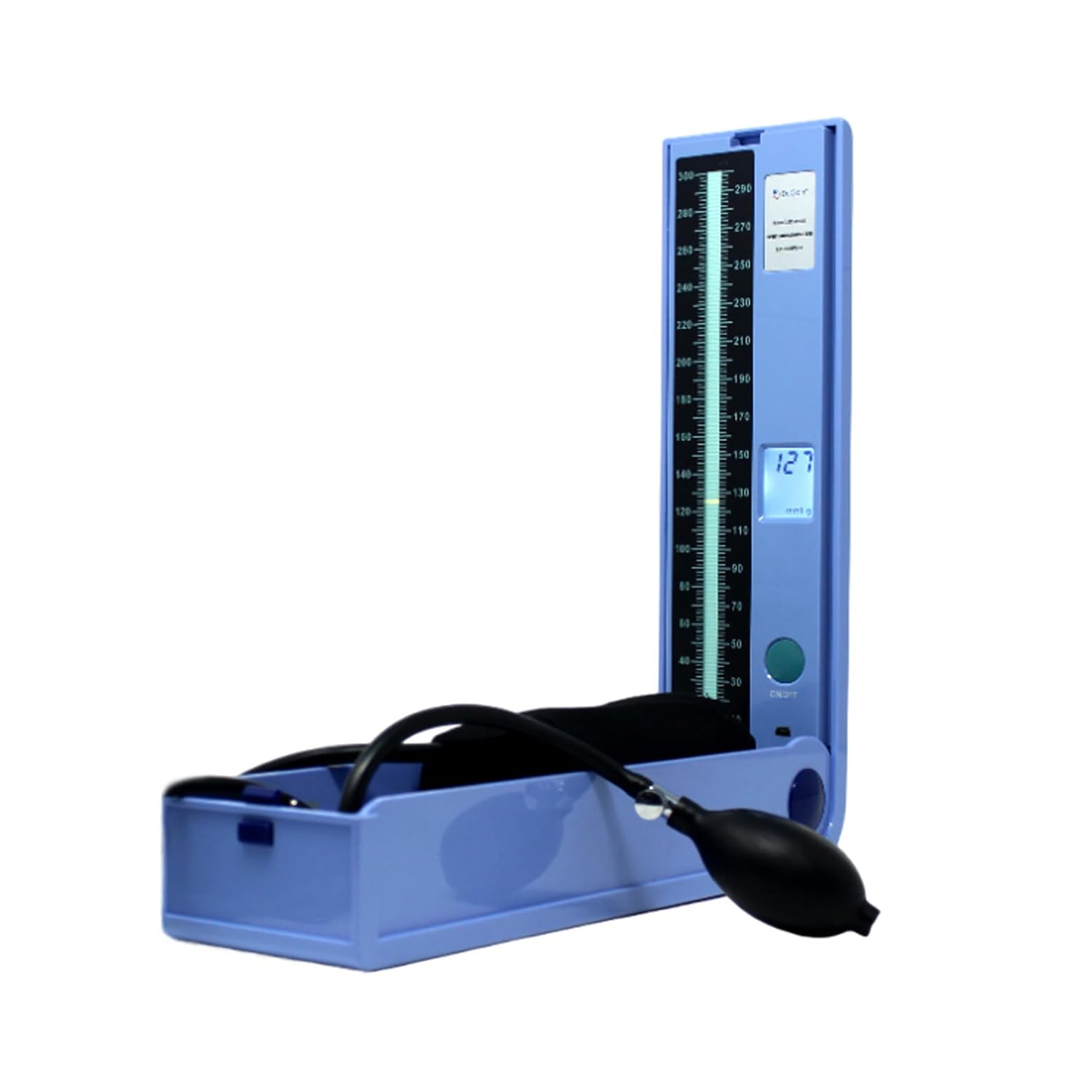
These need a hand pump and stethoscope to operate, so they're mostly used by trained professionals rather than for home use since reading them accurately takes some skill.
For most people, an upper-arm digital monitor with a straightforward display works best for daily home use, giving a solid mix of accuracy and convenience.
Look for a machine with automatic cuff inflation, memory that can hold data for multiple users, and a display that's easy to read, especially important if older family members will be using it.
A cuff that fits too tight or too loose can throw off your readings, so it helps to measure your arm circumference before buying so you pick the right size.
A bigger digital display with backlighting makes readings easier to see, particularly for older users or when checking in a dimly lit room.
Monitors that save past readings make it much simpler to spot trends and share your data with a doctor at appointments.
Some devices go a step further and detect irregular heartbeat patterns, giving you an extra bit of health insight beyond the basic reading.
Manual BP monitors are usually the cheapest option, while automatic digital machines with memory and extra features cost more depending on what they offer. Monitors with irregular heartbeat detection tend to fall at the higher end of the price range.
Sit quietly for a few minutes before you start, keep your arm supported at heart level, wrap the cuff snugly around your upper arm, and stay still while it takes the reading. Try not to talk or move during the process, since that can throw off the accuracy.
| Type | Key difference | Best suited for |
| Digital | Fully automatic, easy to use | Everyday home monitoring |
| Automatic with Memory | Stores readings, tracks trends | Regular long-term tracking |
| Manual | Requires stethoscope and hand pump | Clinical or professional use |