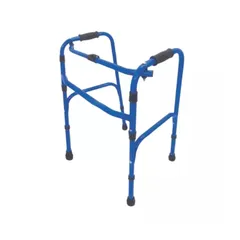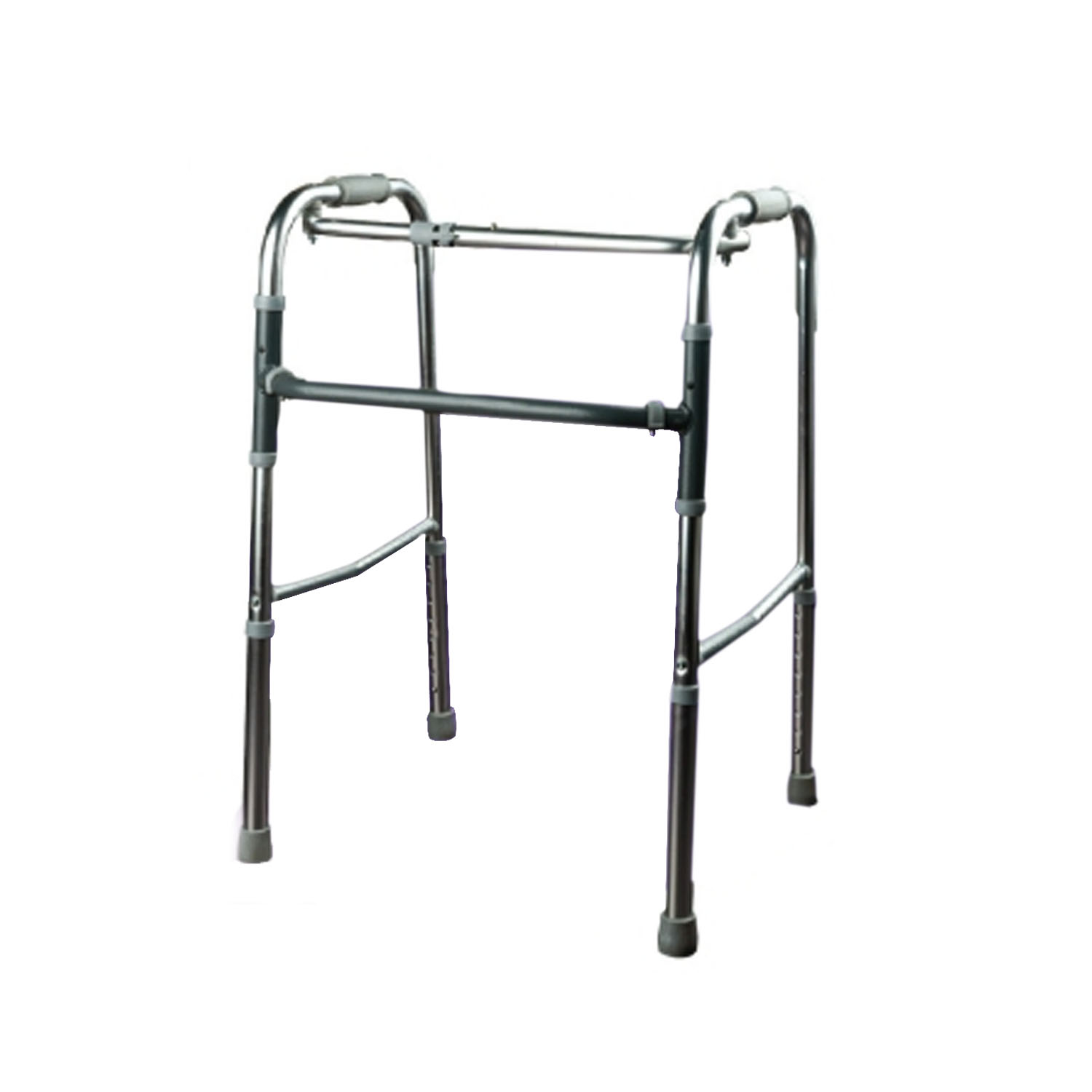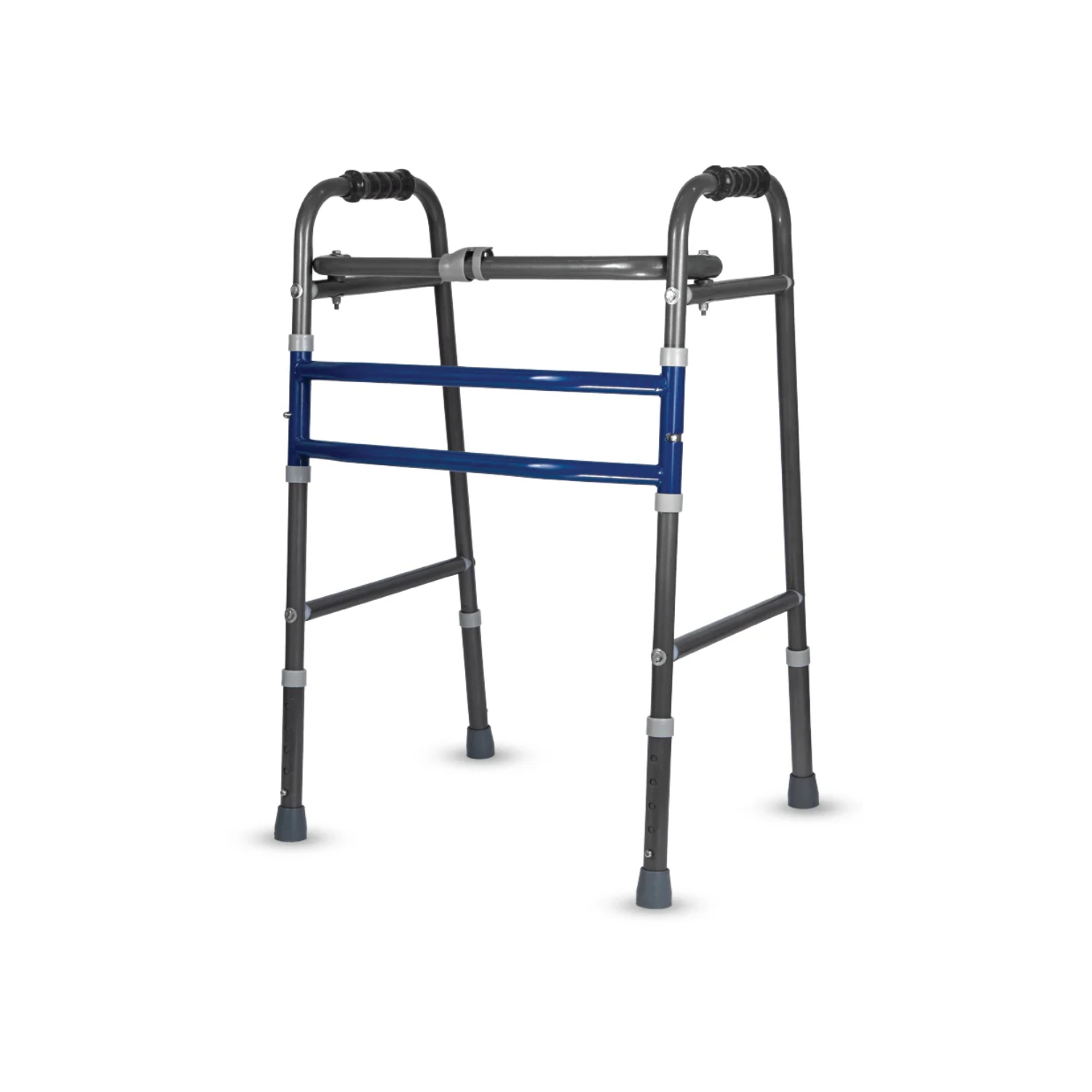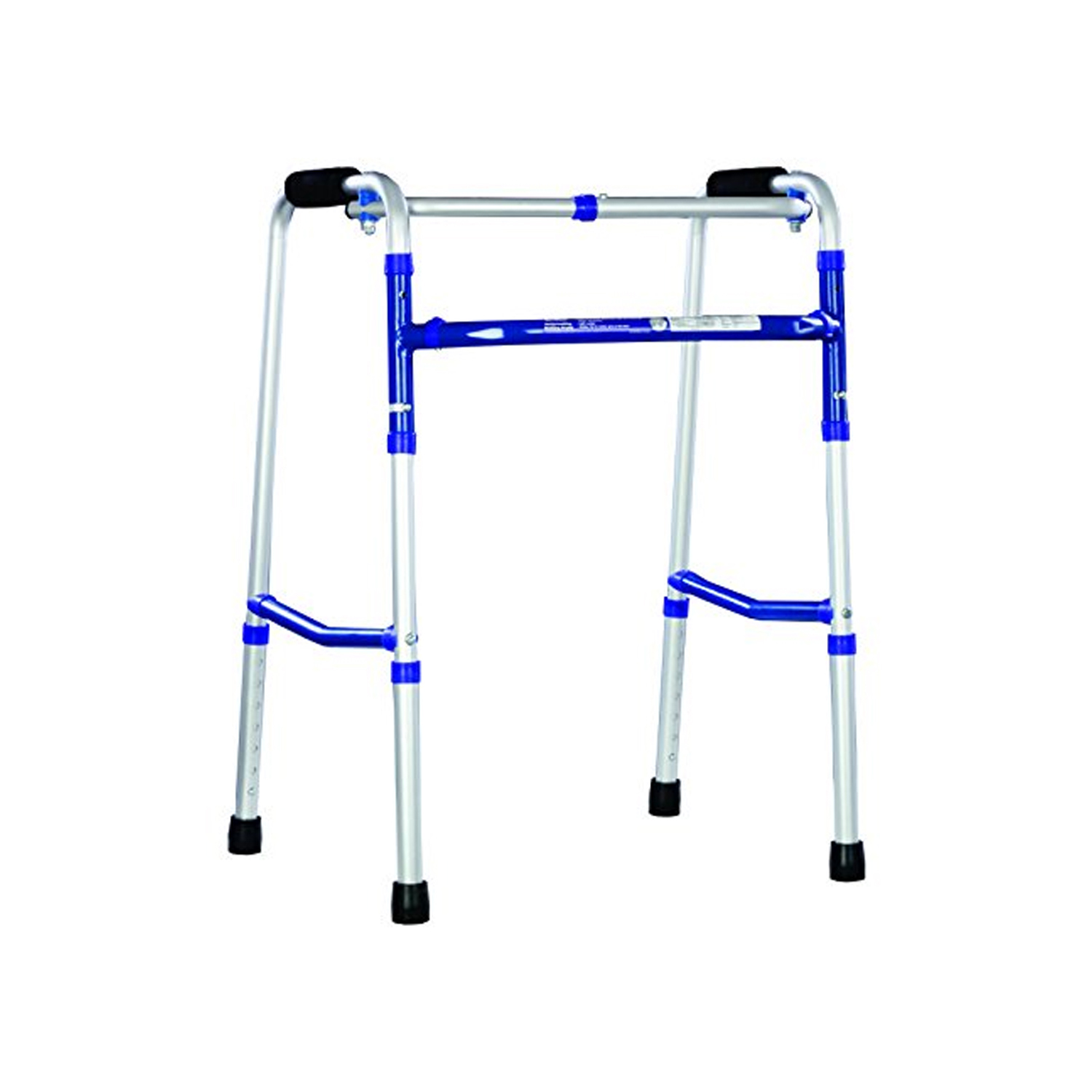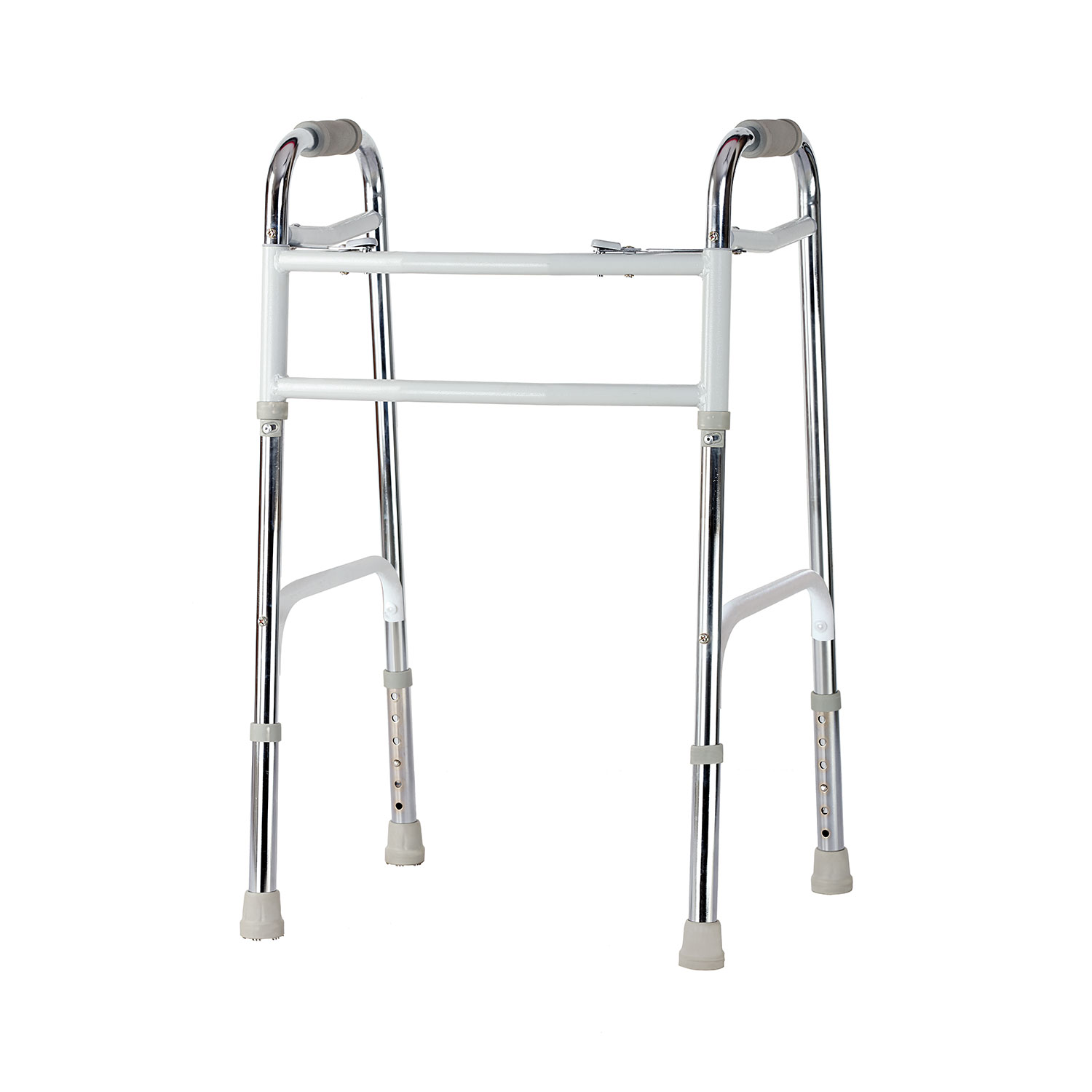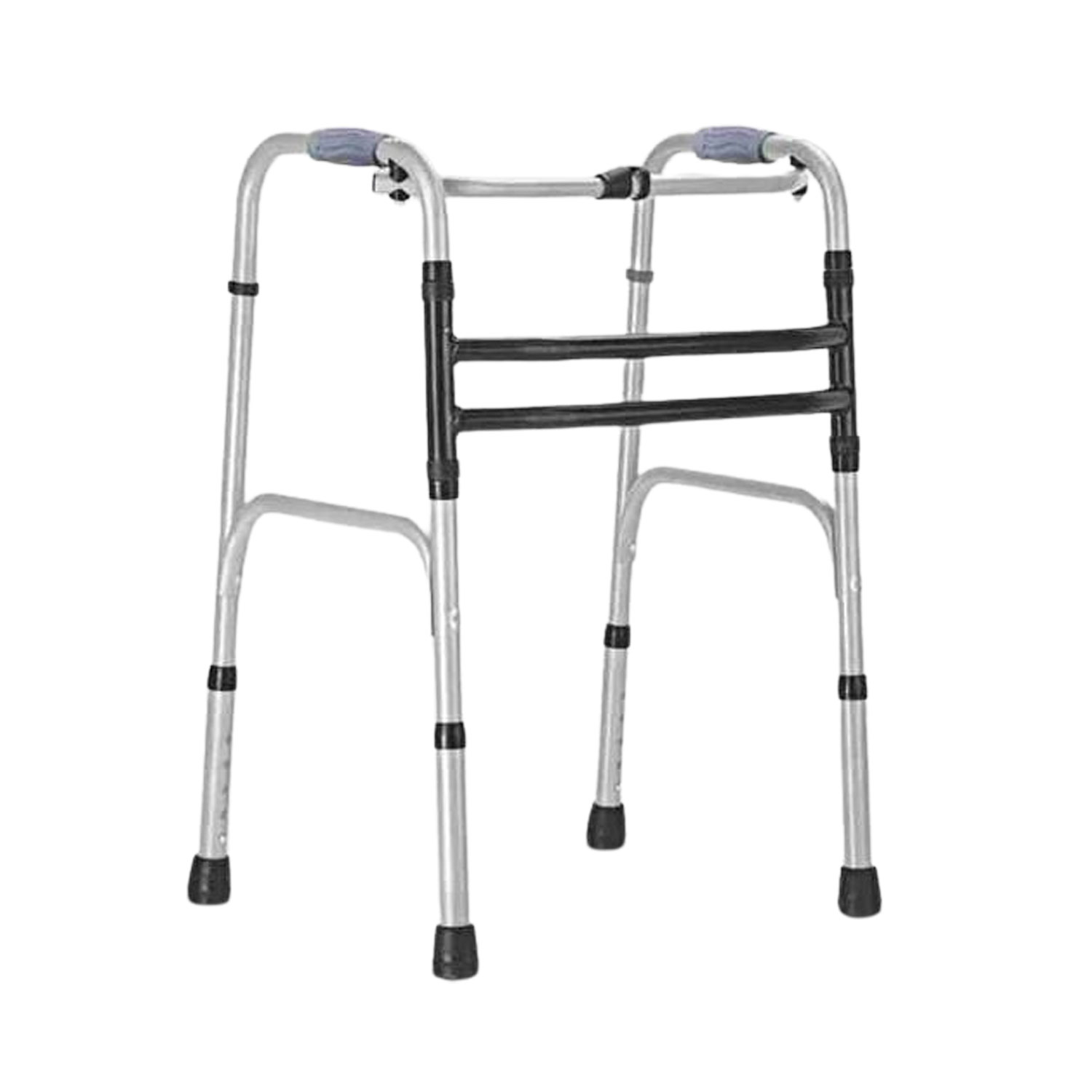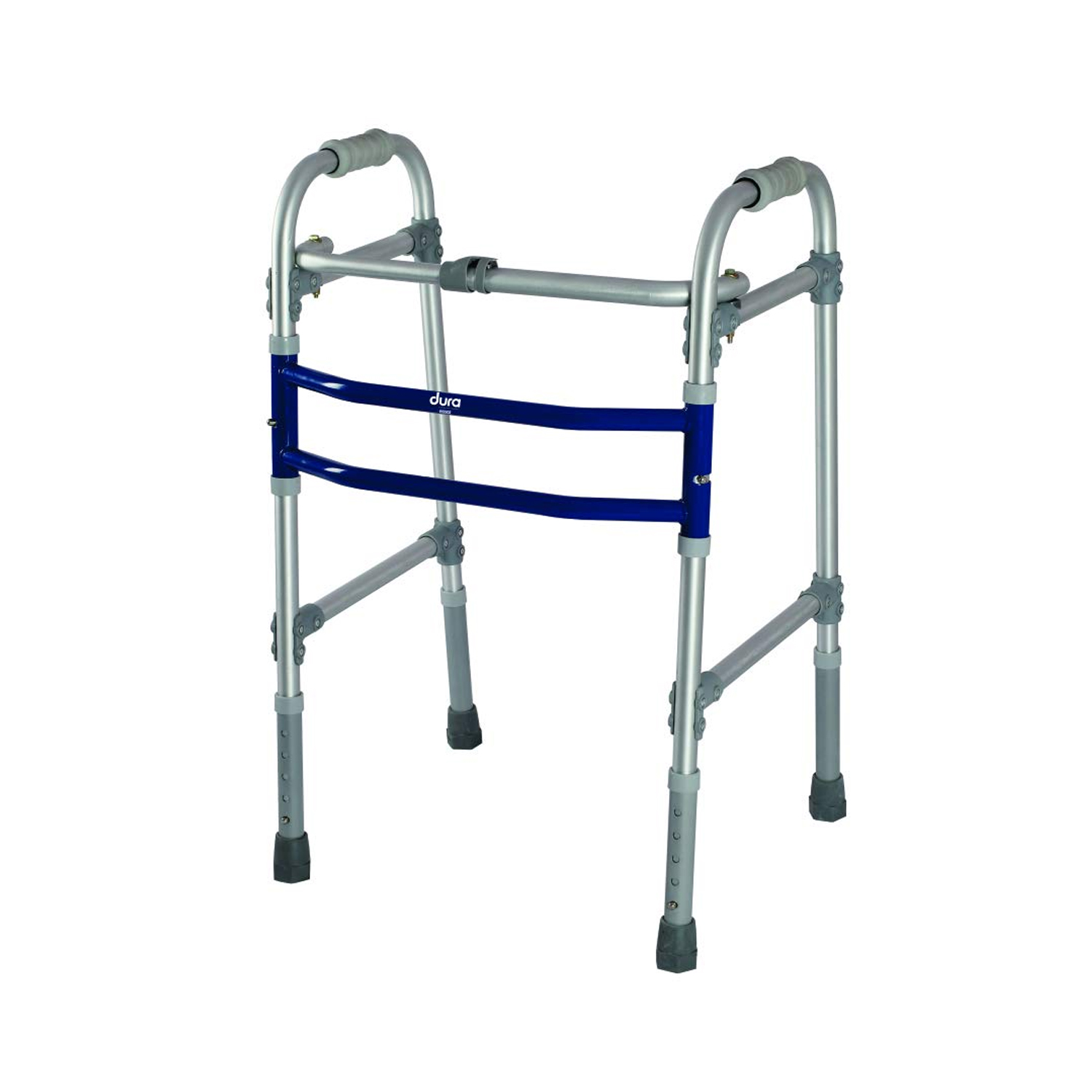


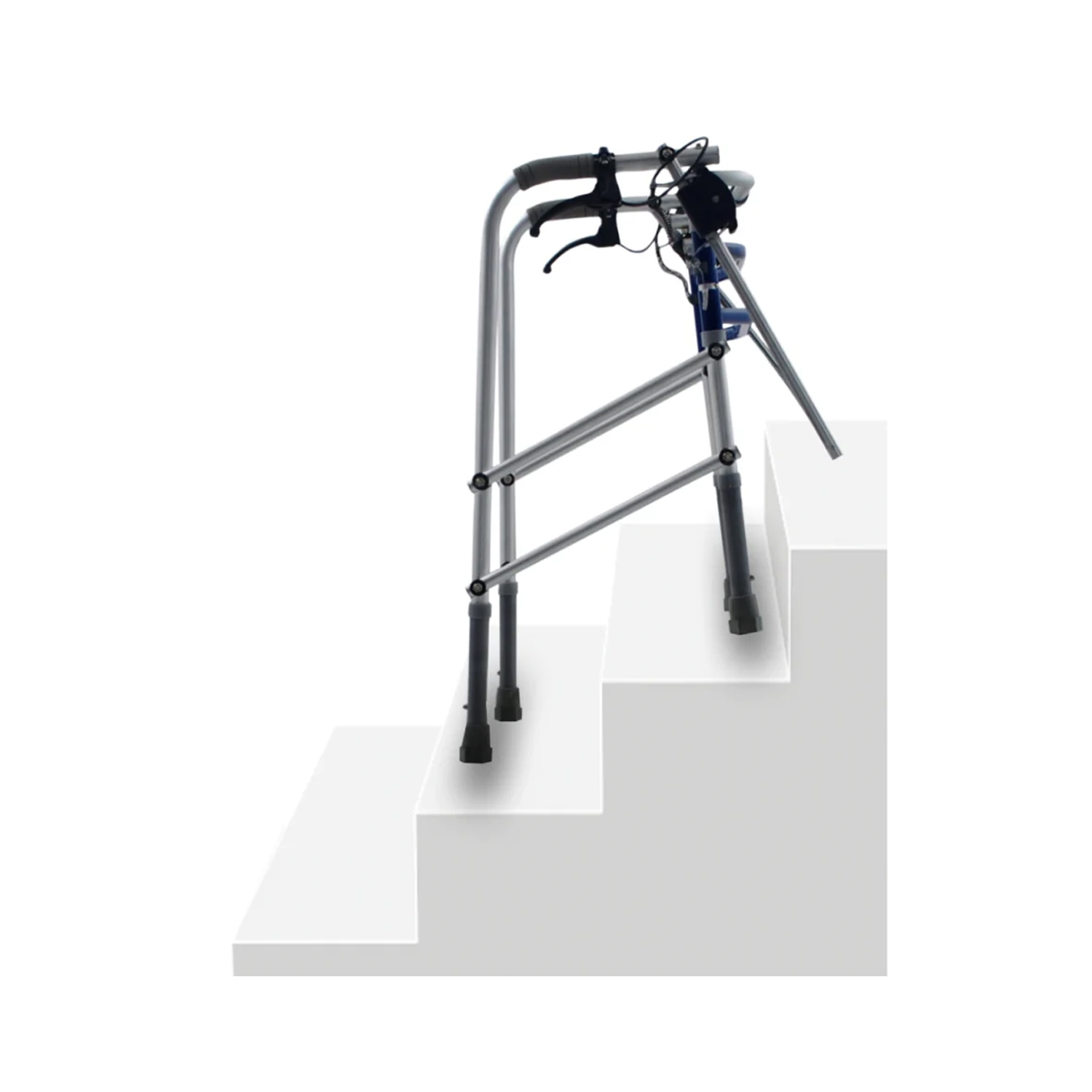
Dura Step Walker for Climbing Stairs (Aluminium with Step Adjustable) - Universal (PC. No.2941)
VISSCO
₹5,68820% off₹7,110

VISSCO
Tynor
VISSCO
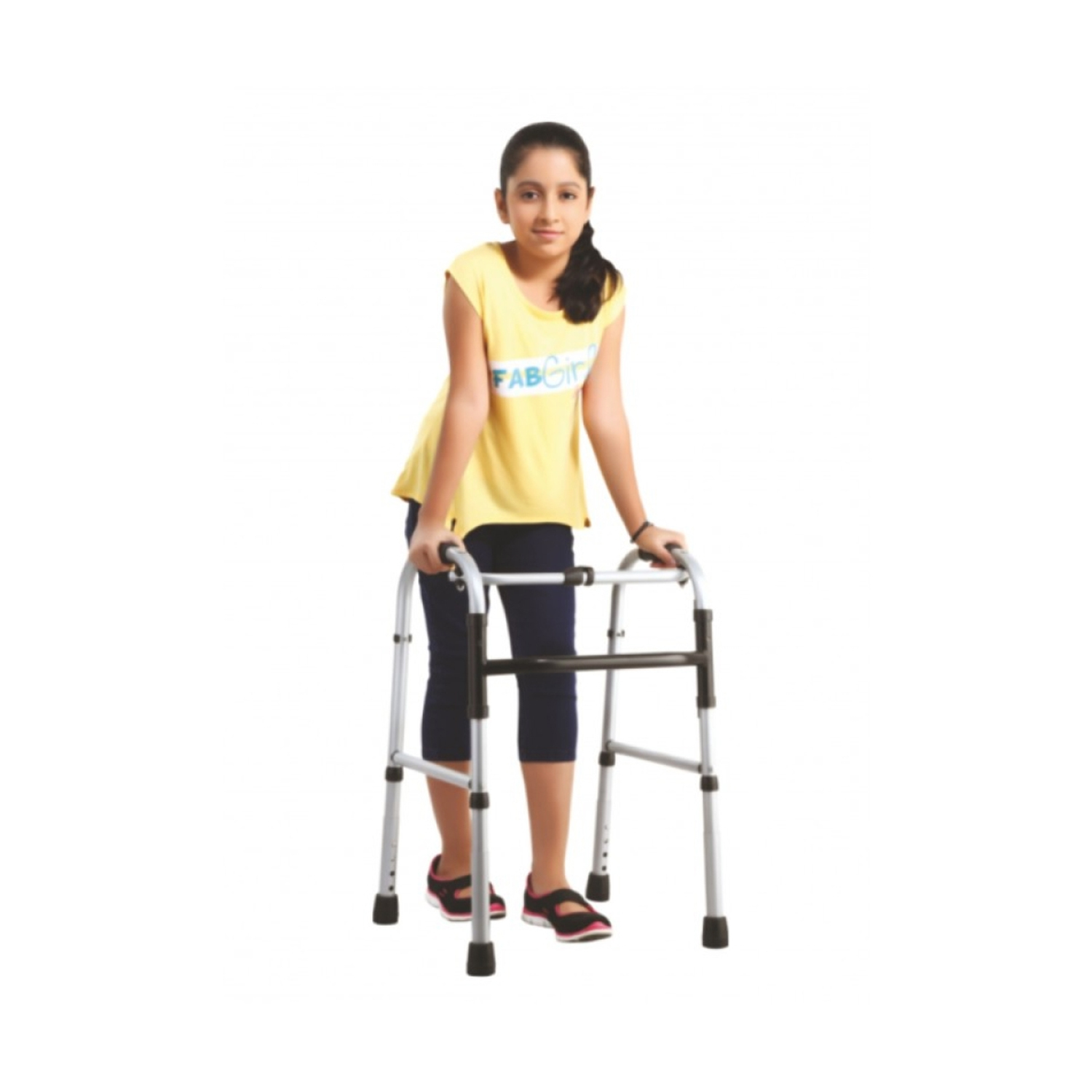
A walker is a widely used mobility aid that provides a broader base of support than a walking stick, making it an excellent choice for individuals with balance or mobility challenges. Designed primarily for those who require additional stability, walkers are commonly utilized by elderly individuals, as well as those recovering from injuries or surgeries. They can assist people facing mobility difficulties due to various conditions, including cerebral palsy, arthritis, stroke, post-surgery recovery, Parkinson’s disease, multiple sclerosis, and balance disorders.
Types of Walkers
Different types of walkers are available to cater to varying levels of mobility
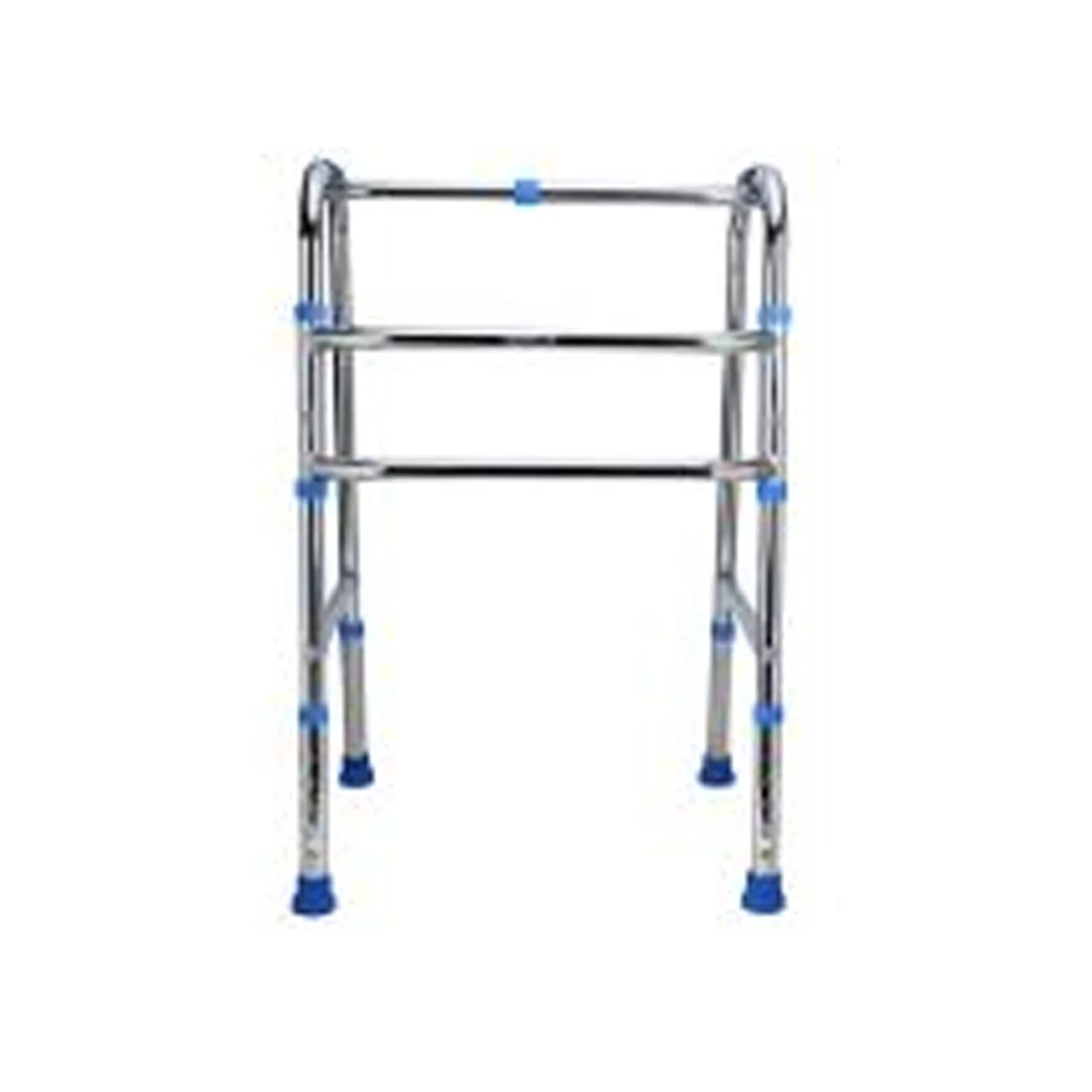
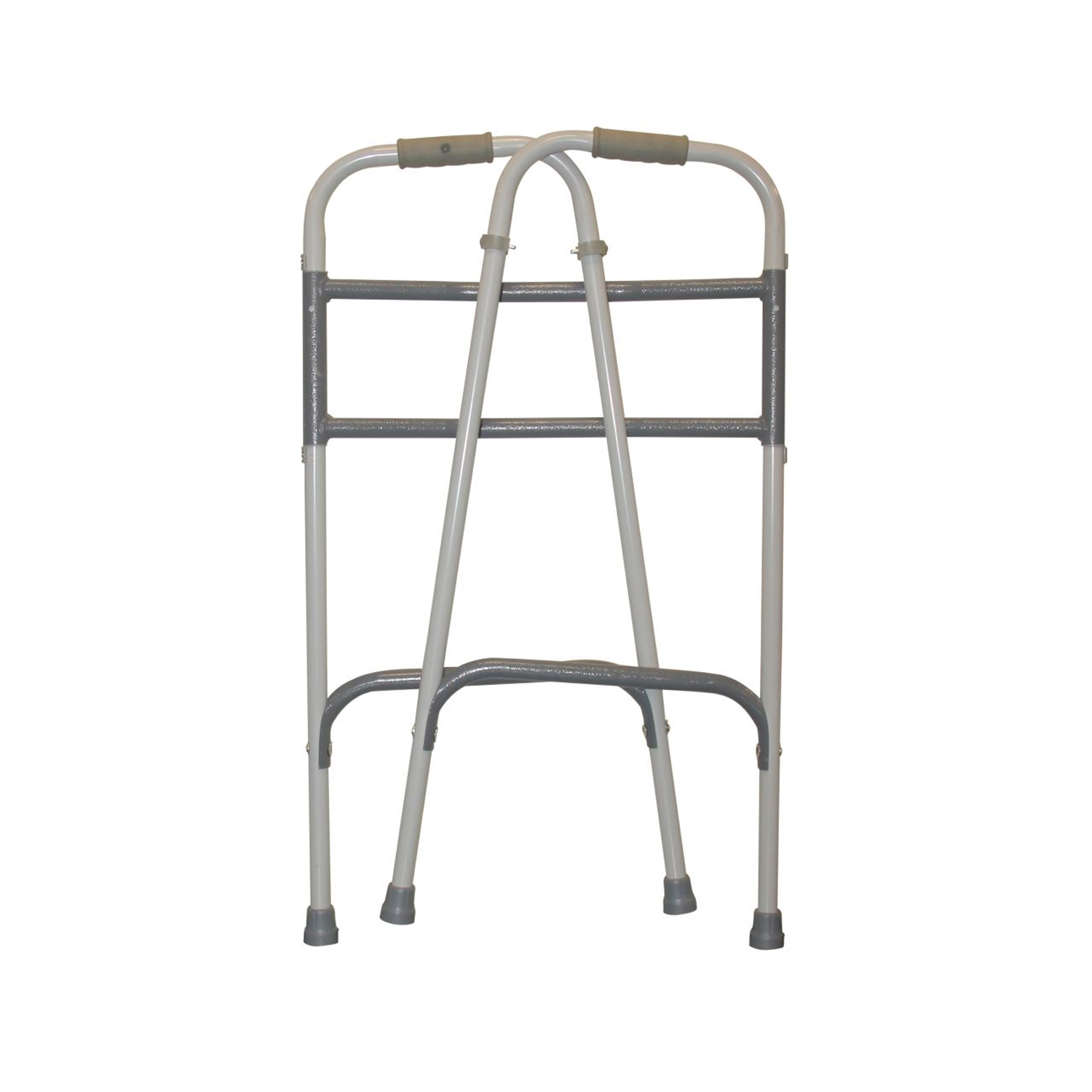
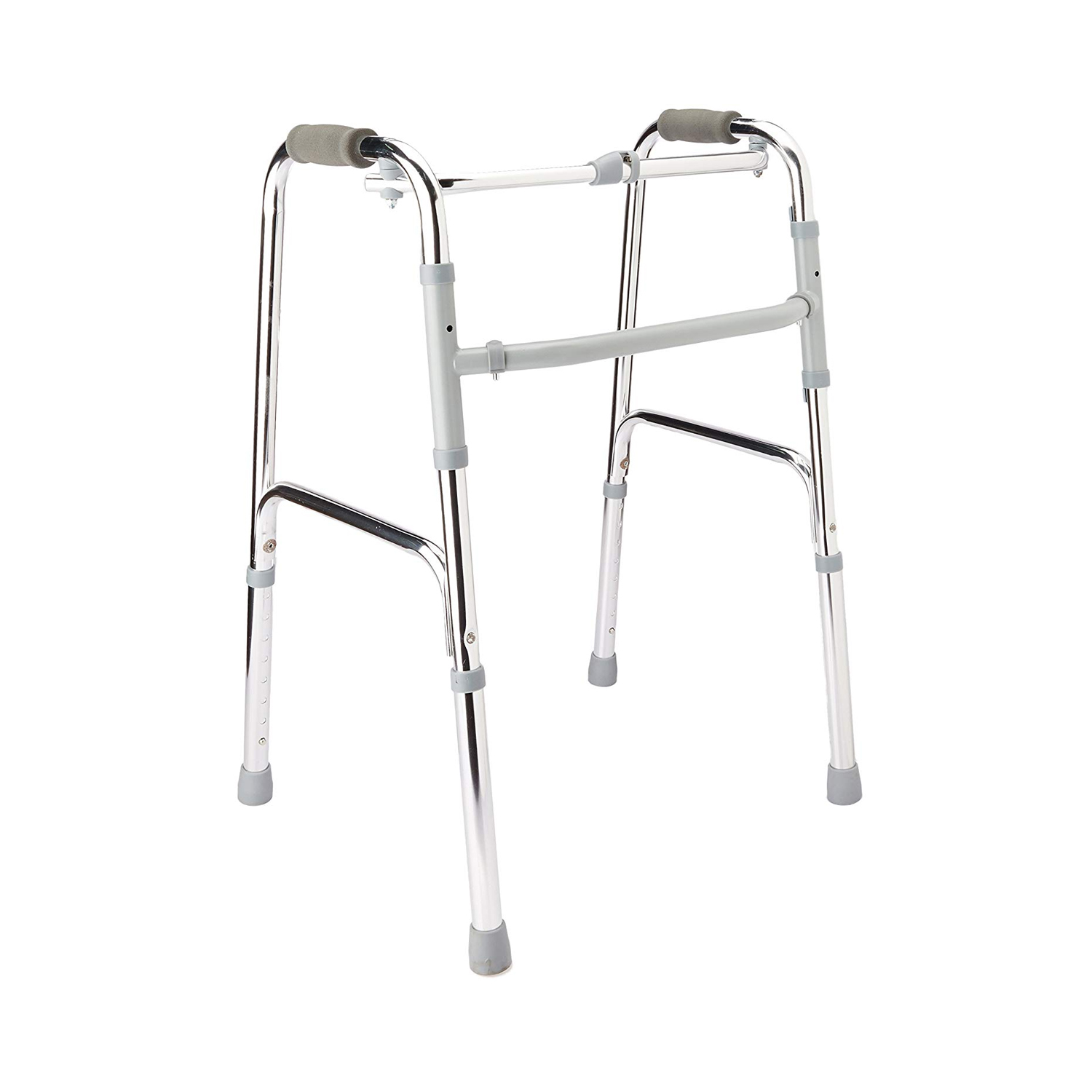
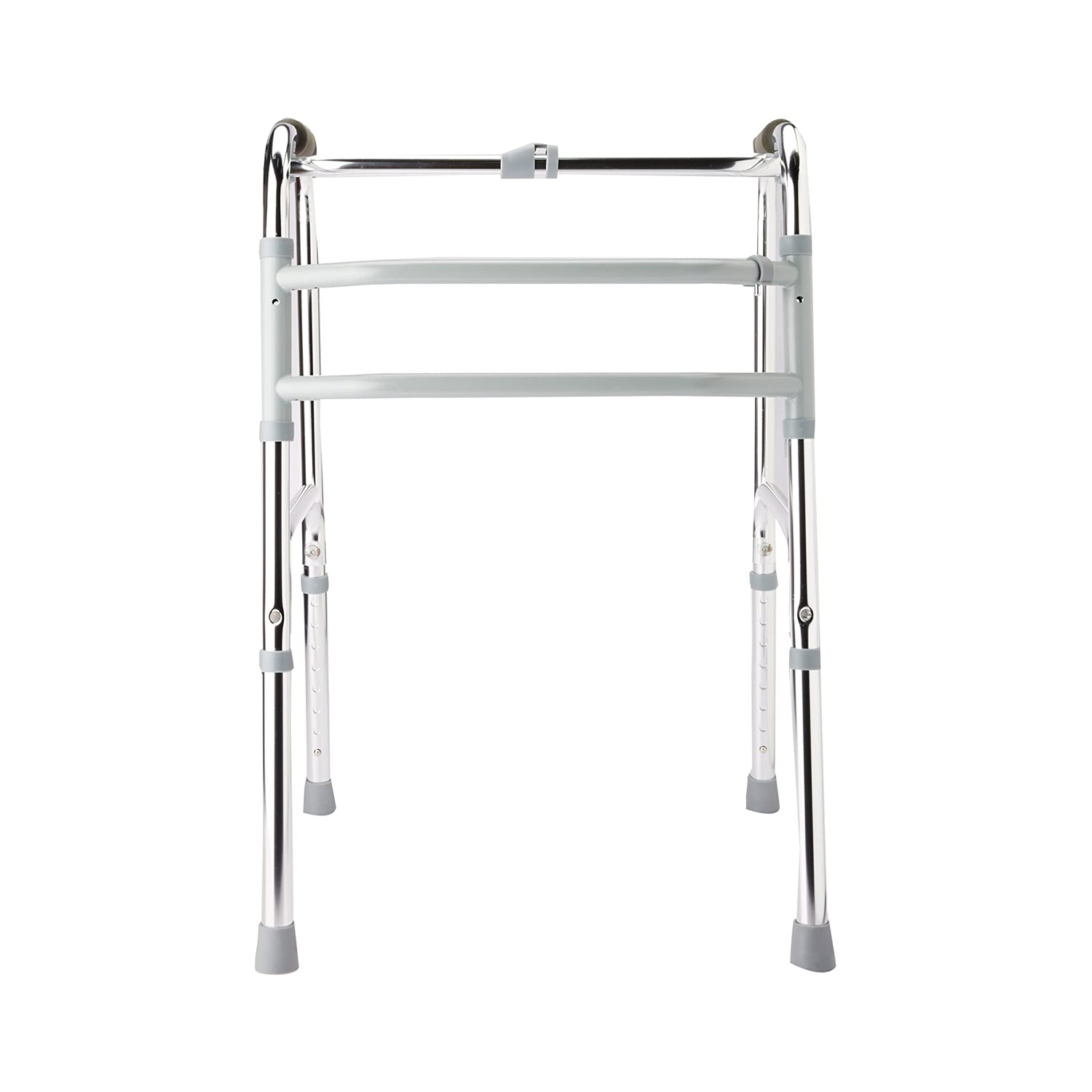
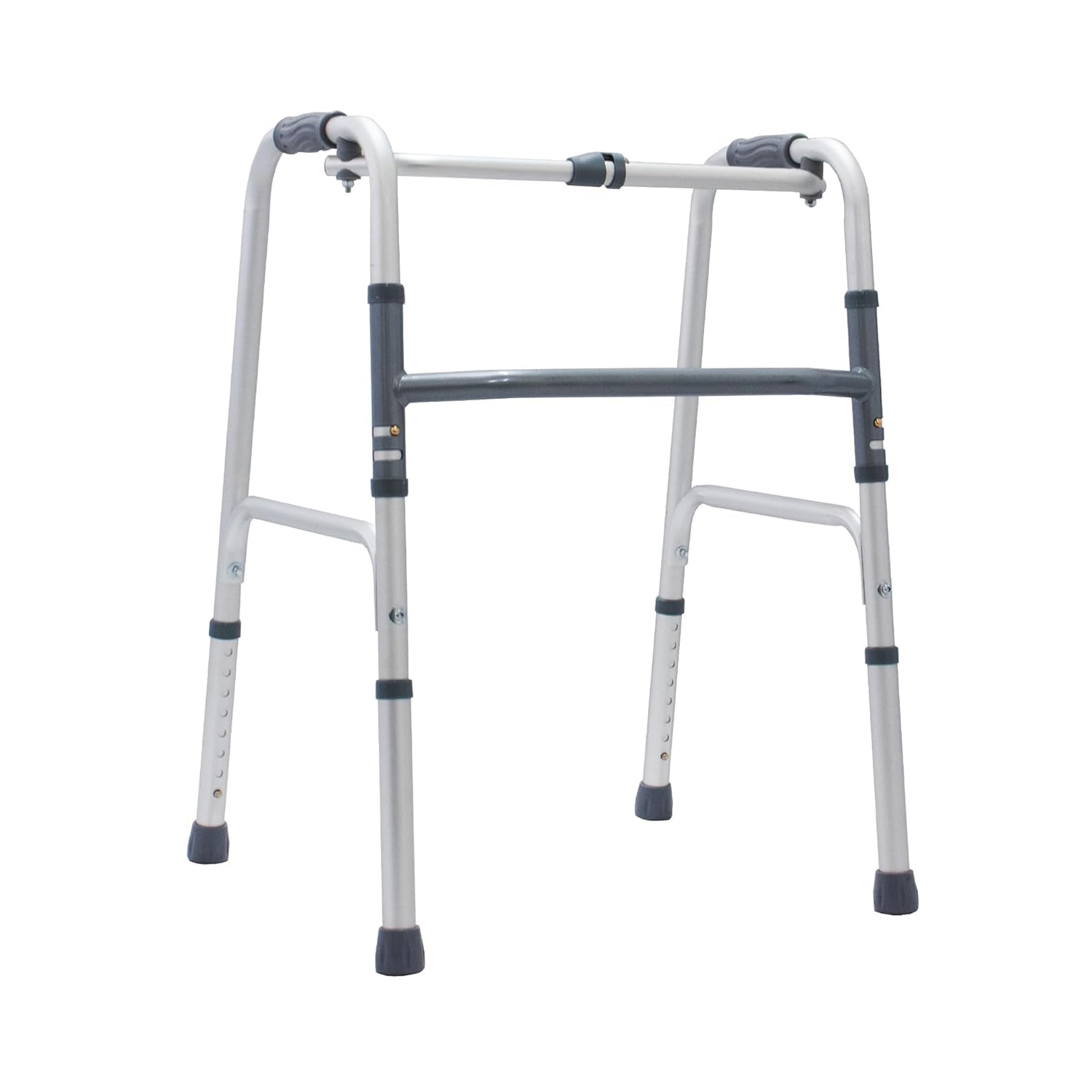
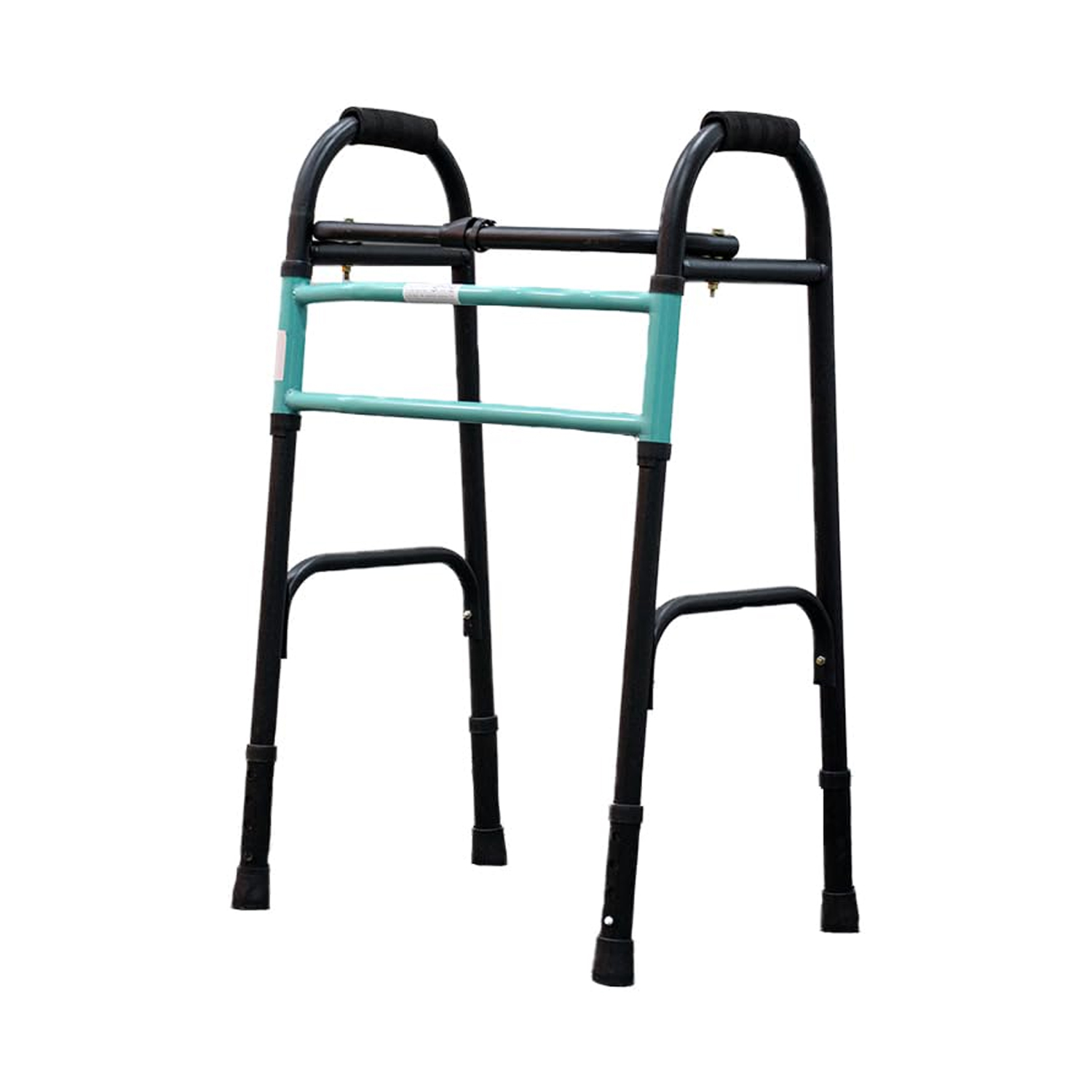
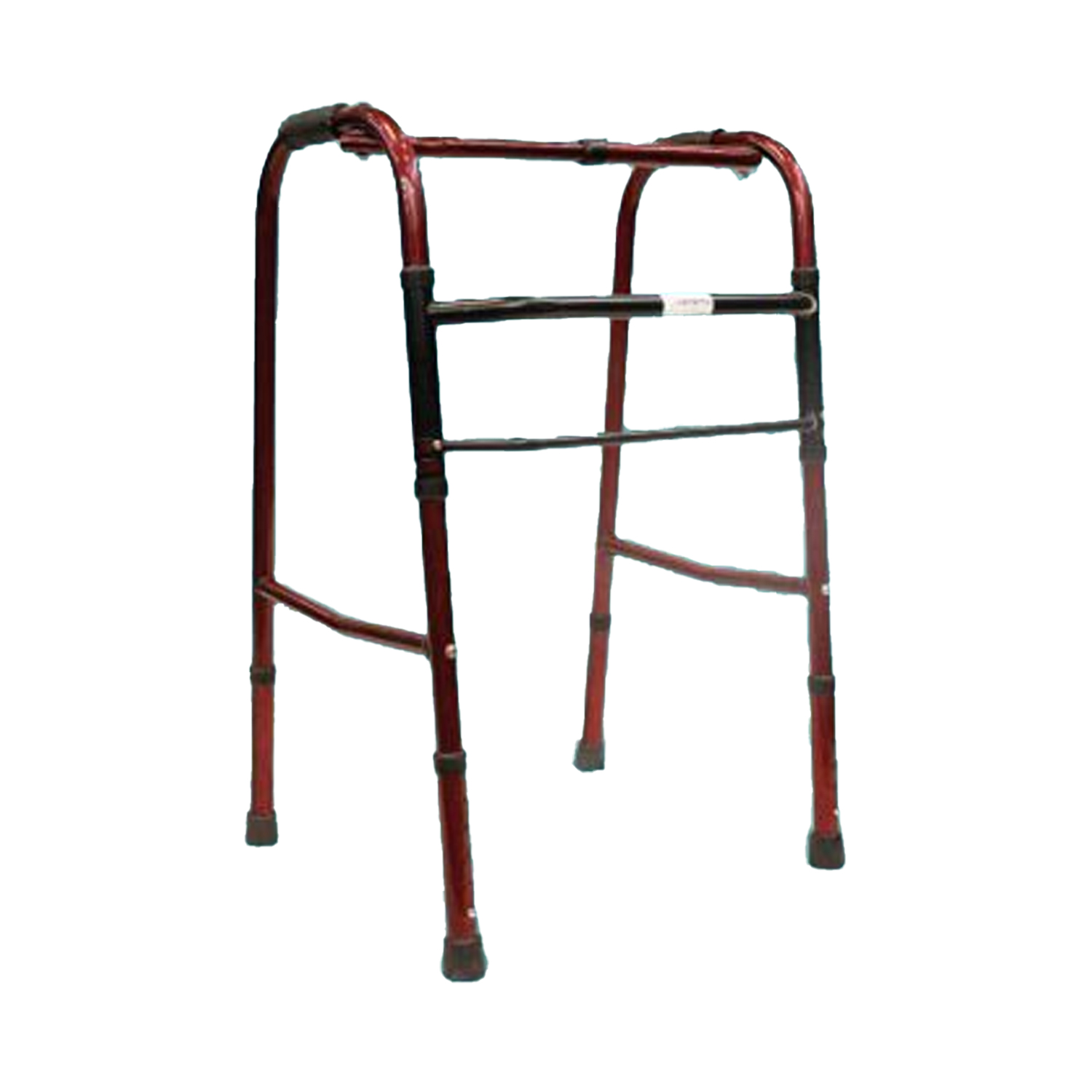
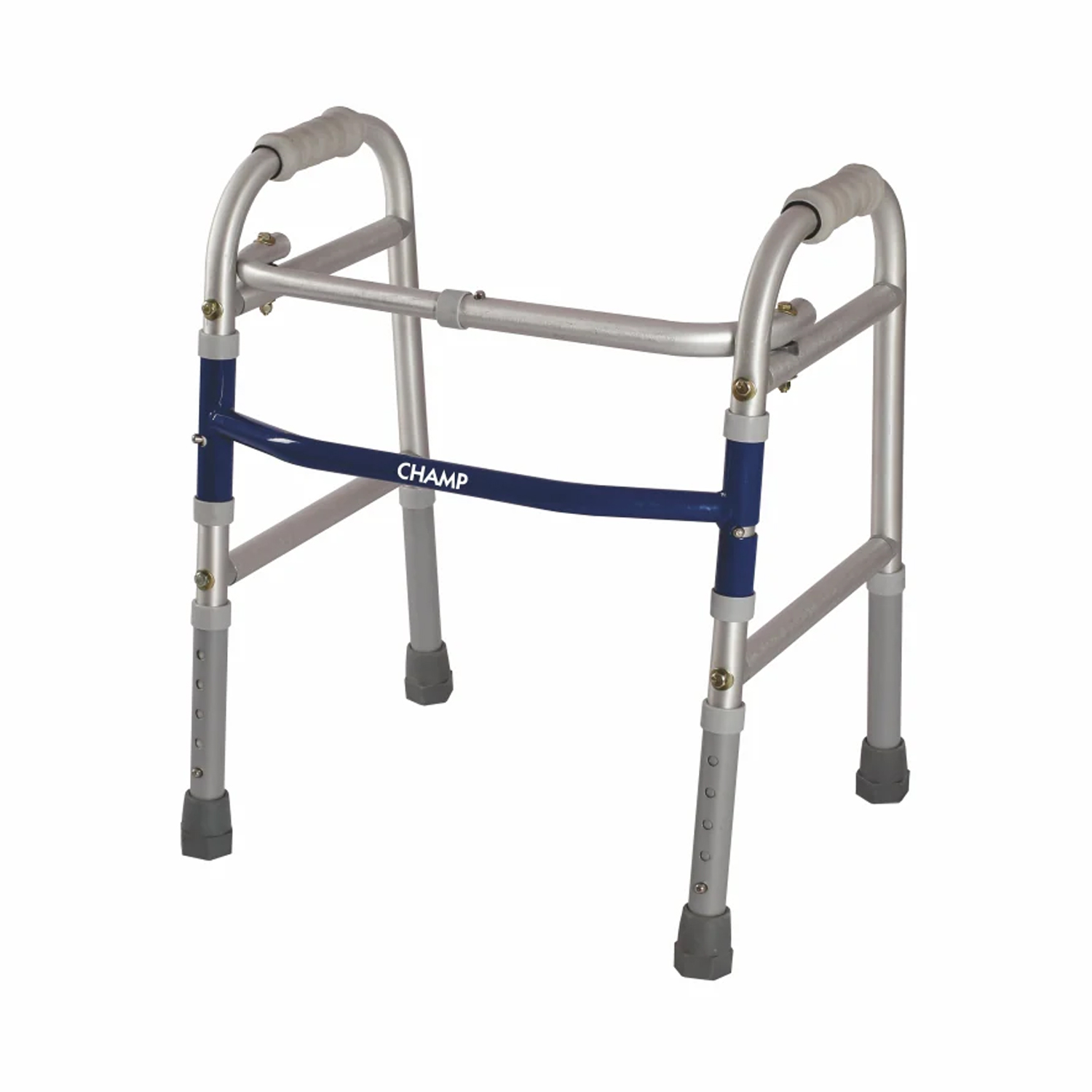
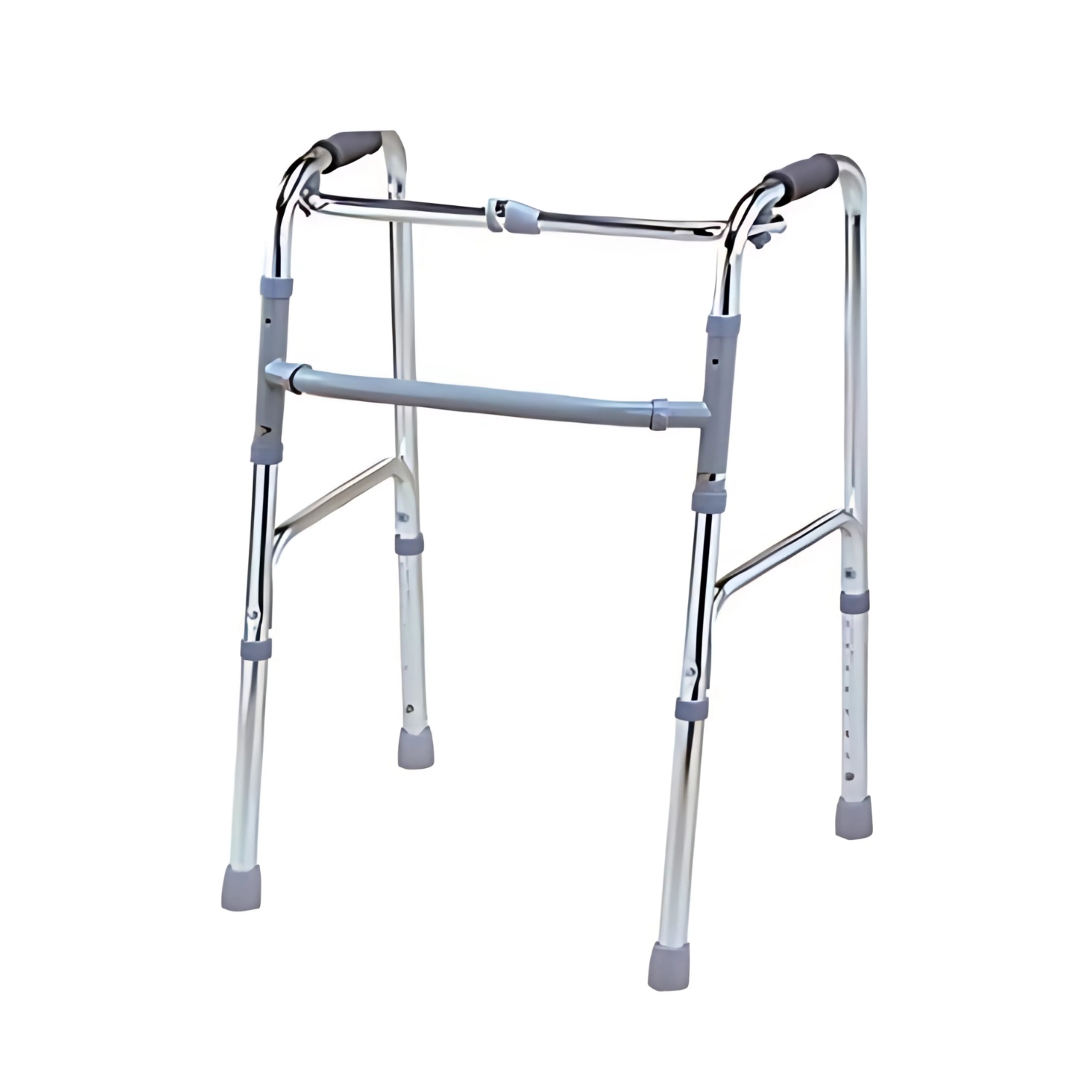
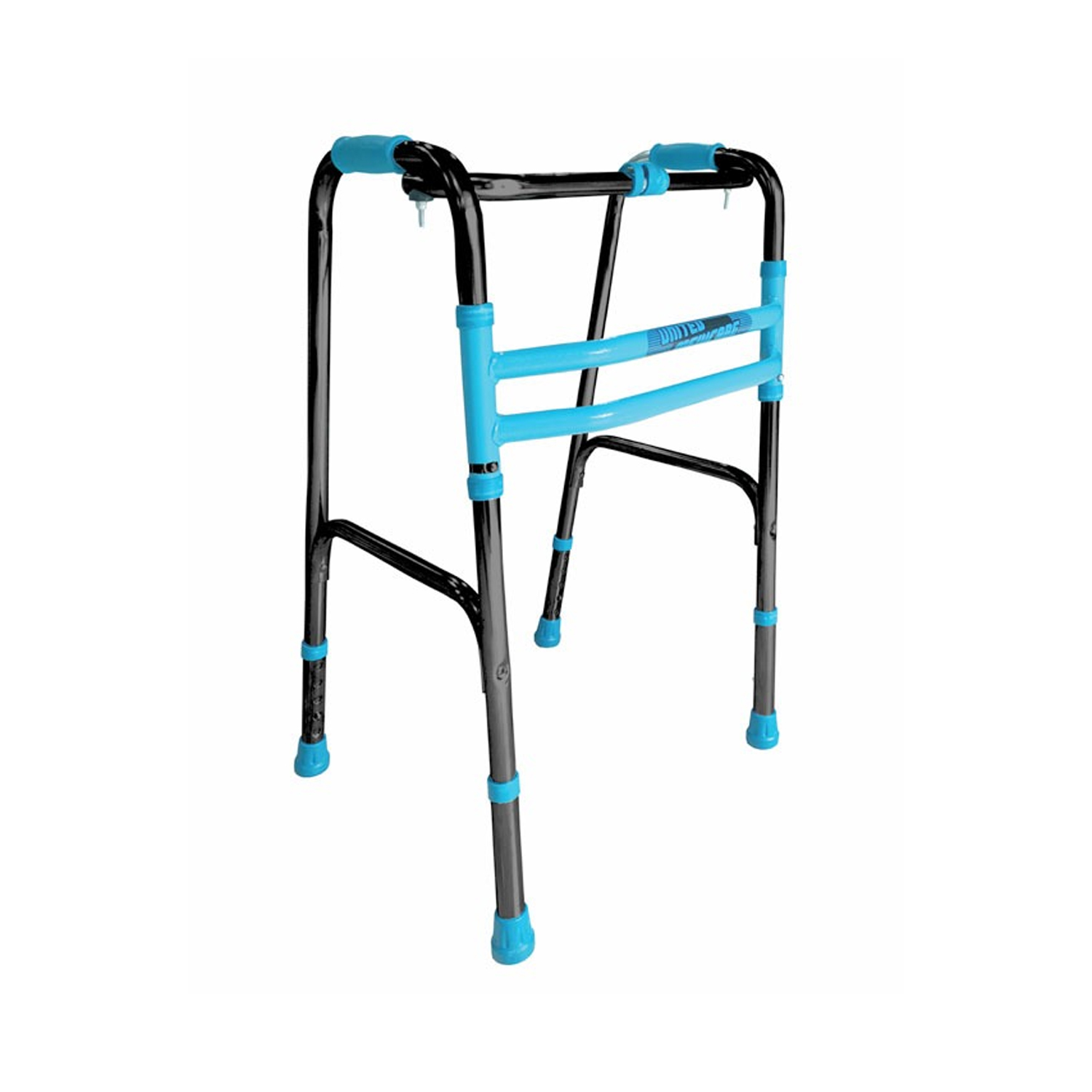
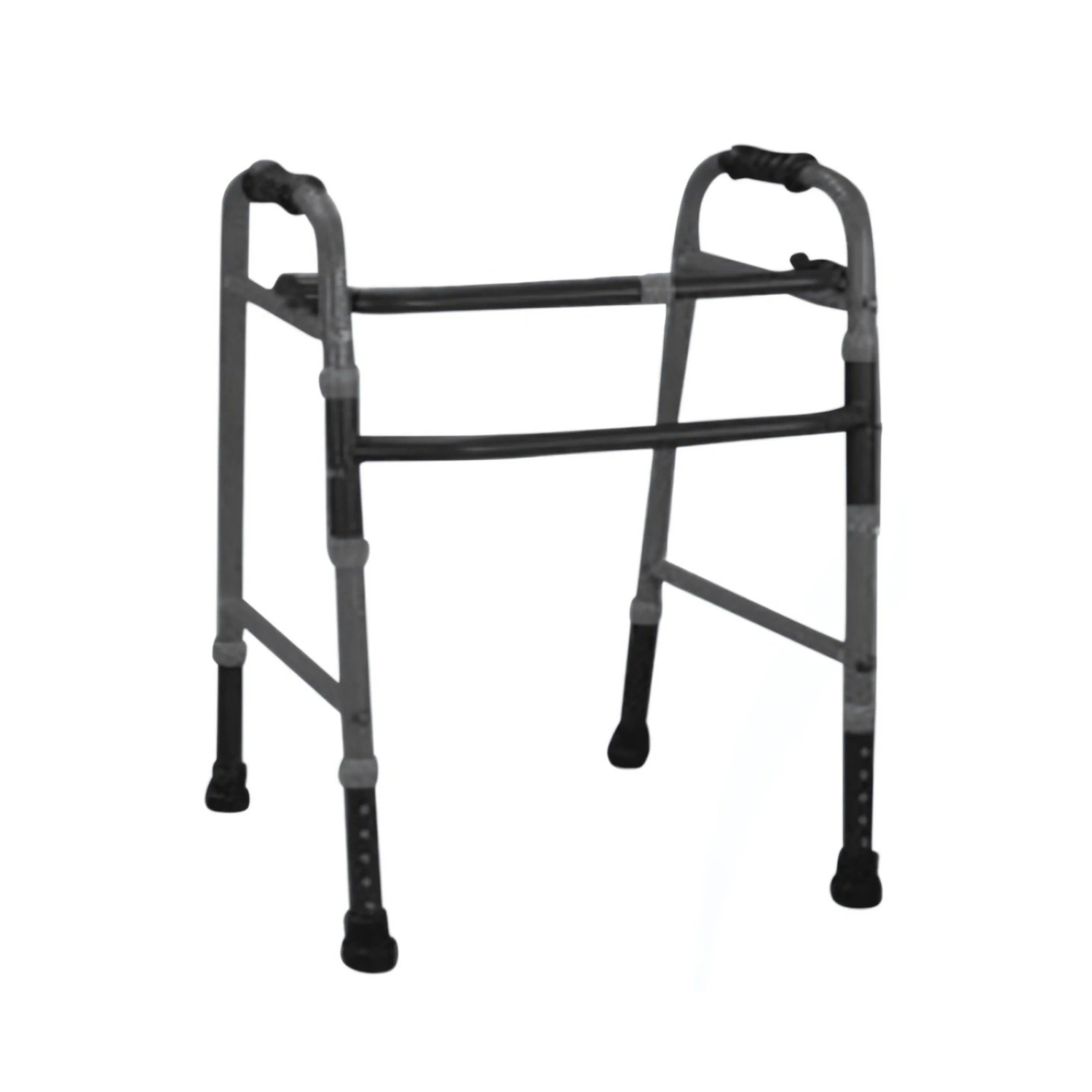
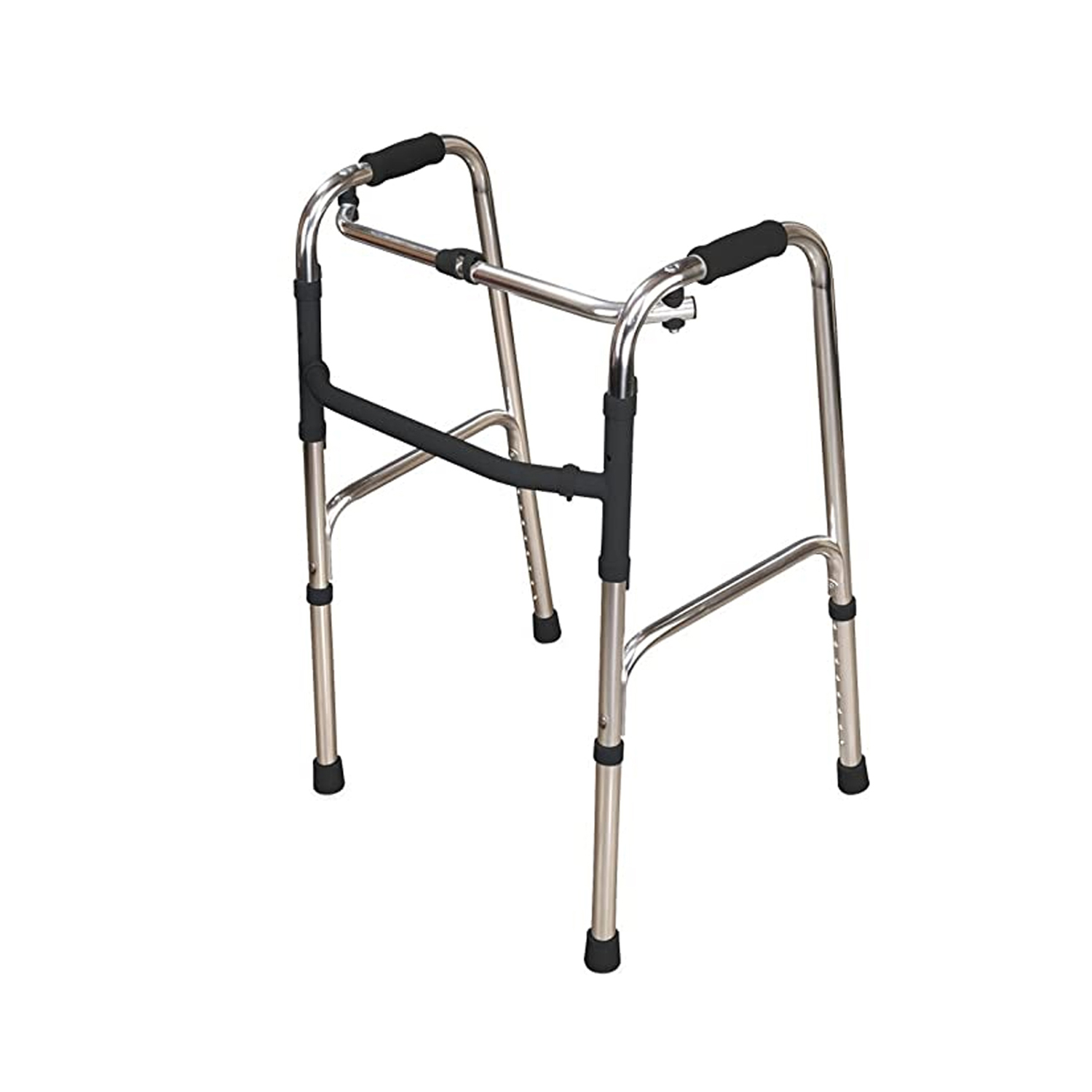
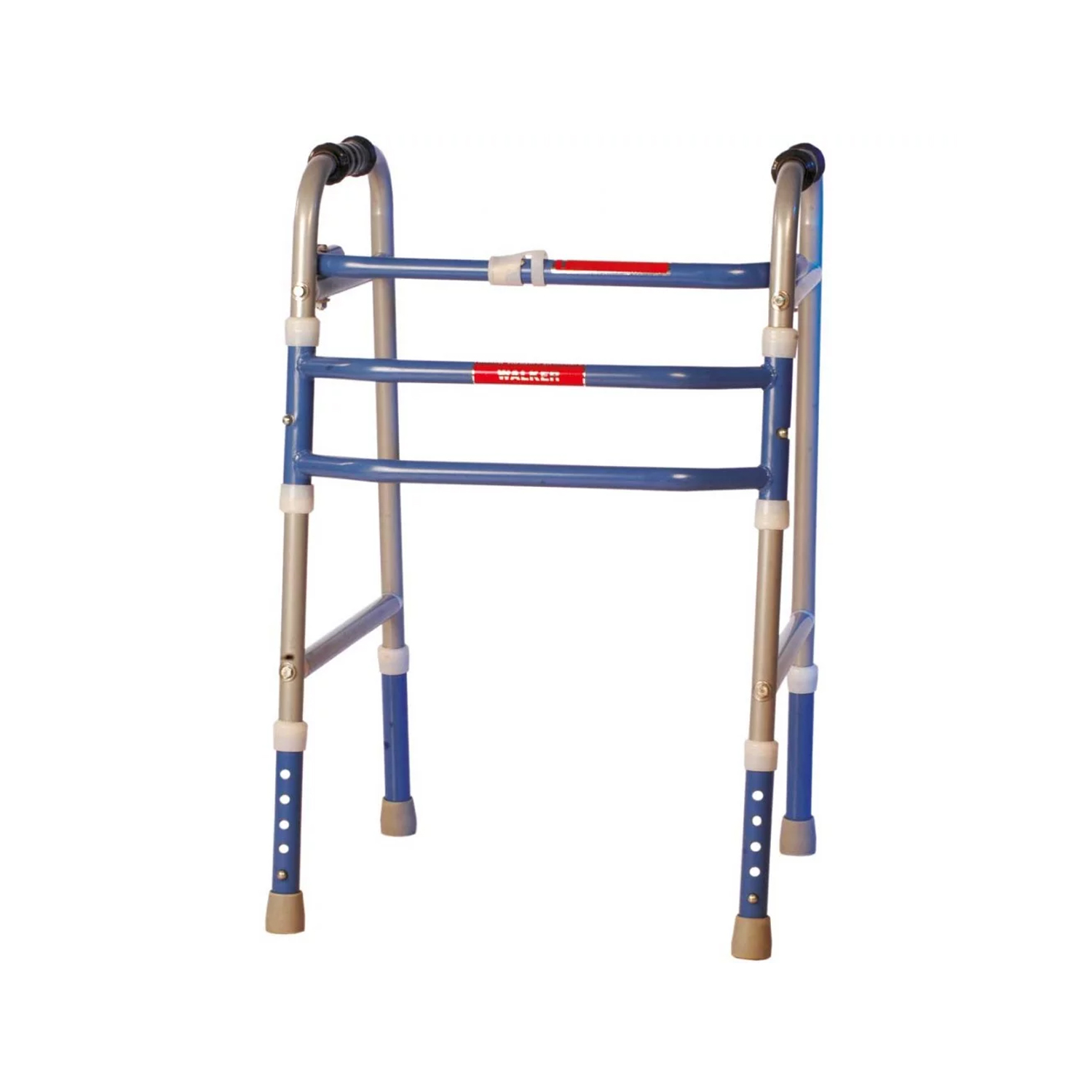
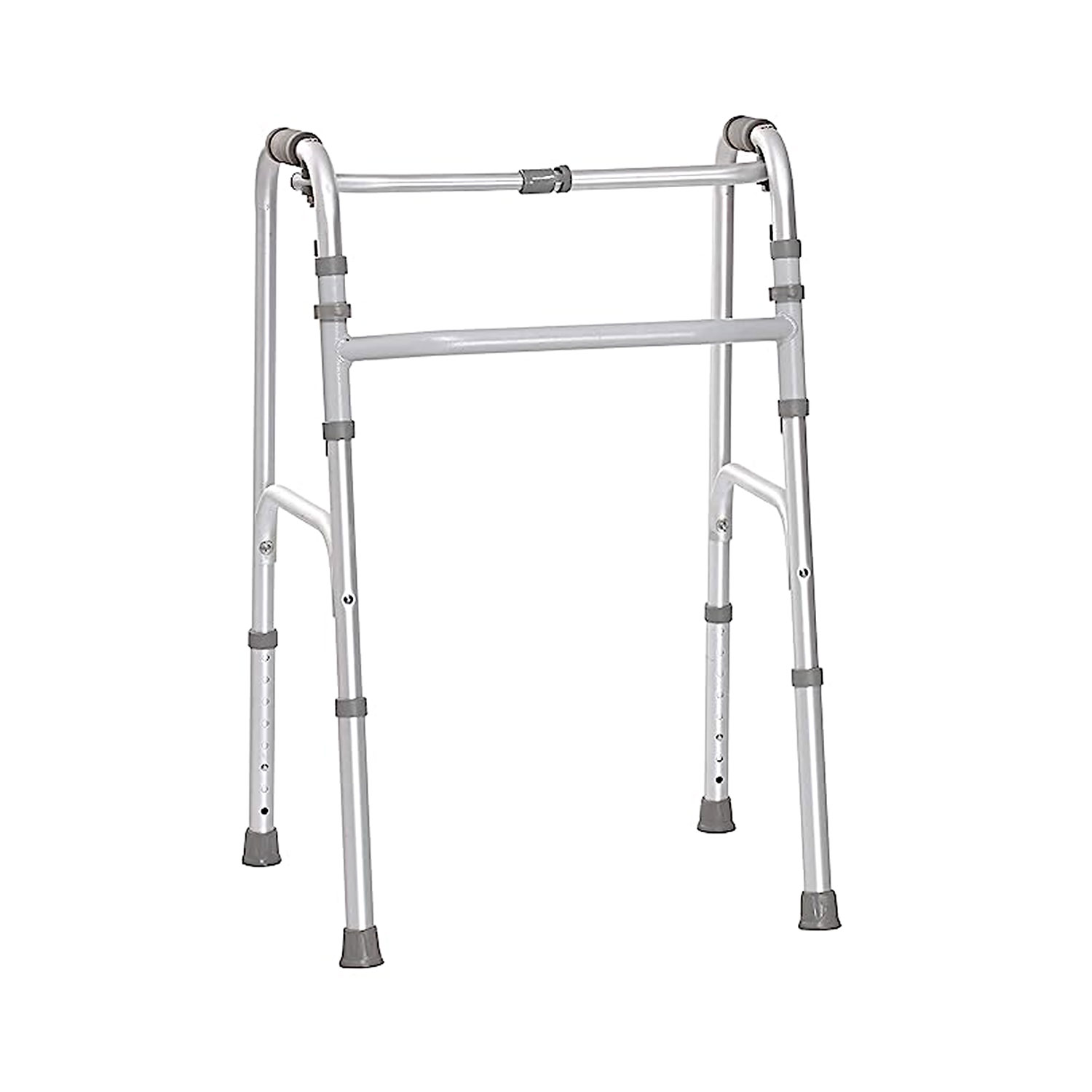
1. Standard Walkers: These walkers have four legs equipped with rubber tips. Individuals must lift and move the walker step-by-step, making this type suitable for those who need maximum stability. Standard walkers are particularly beneficial for individuals who may have significant balance issues or weakness in their legs.
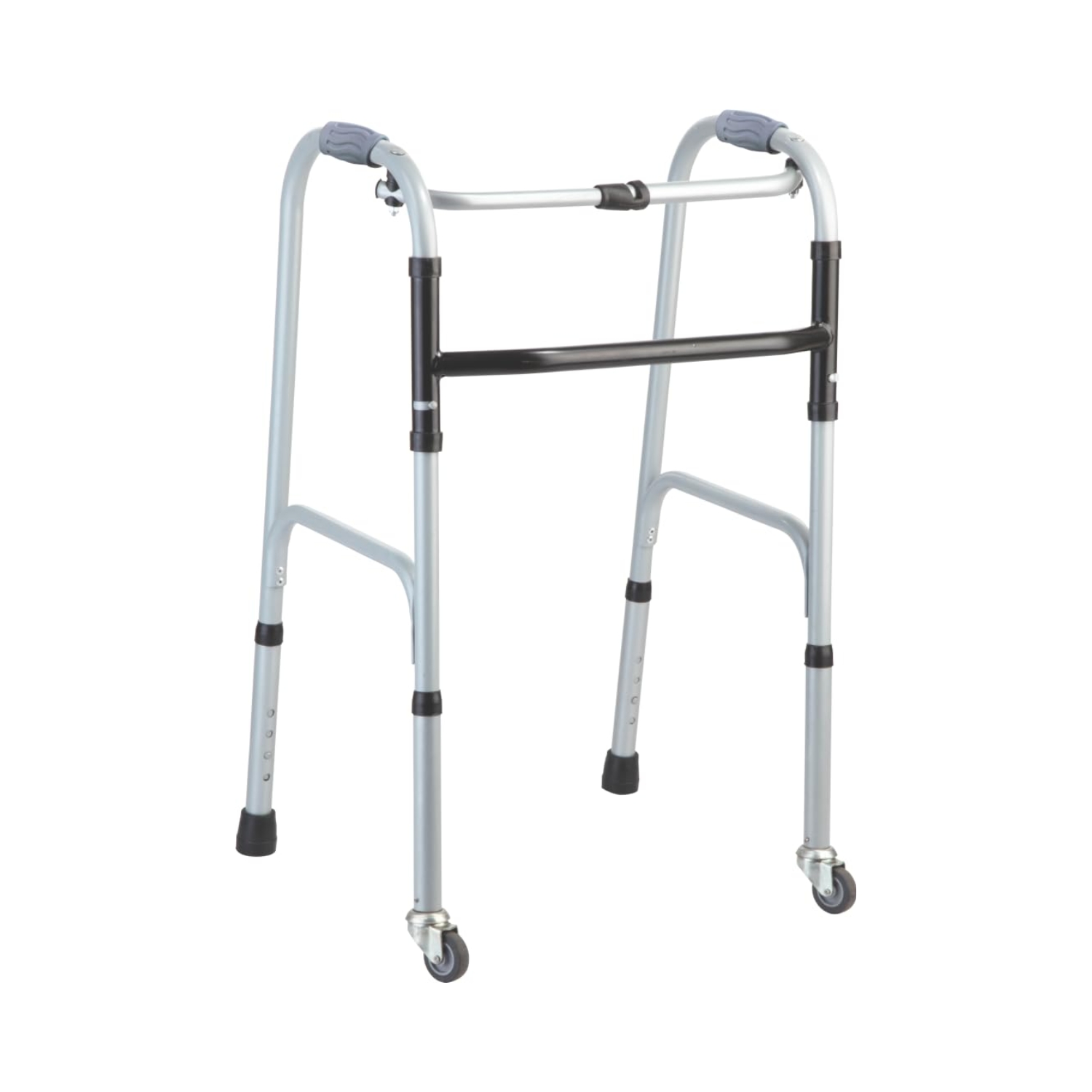
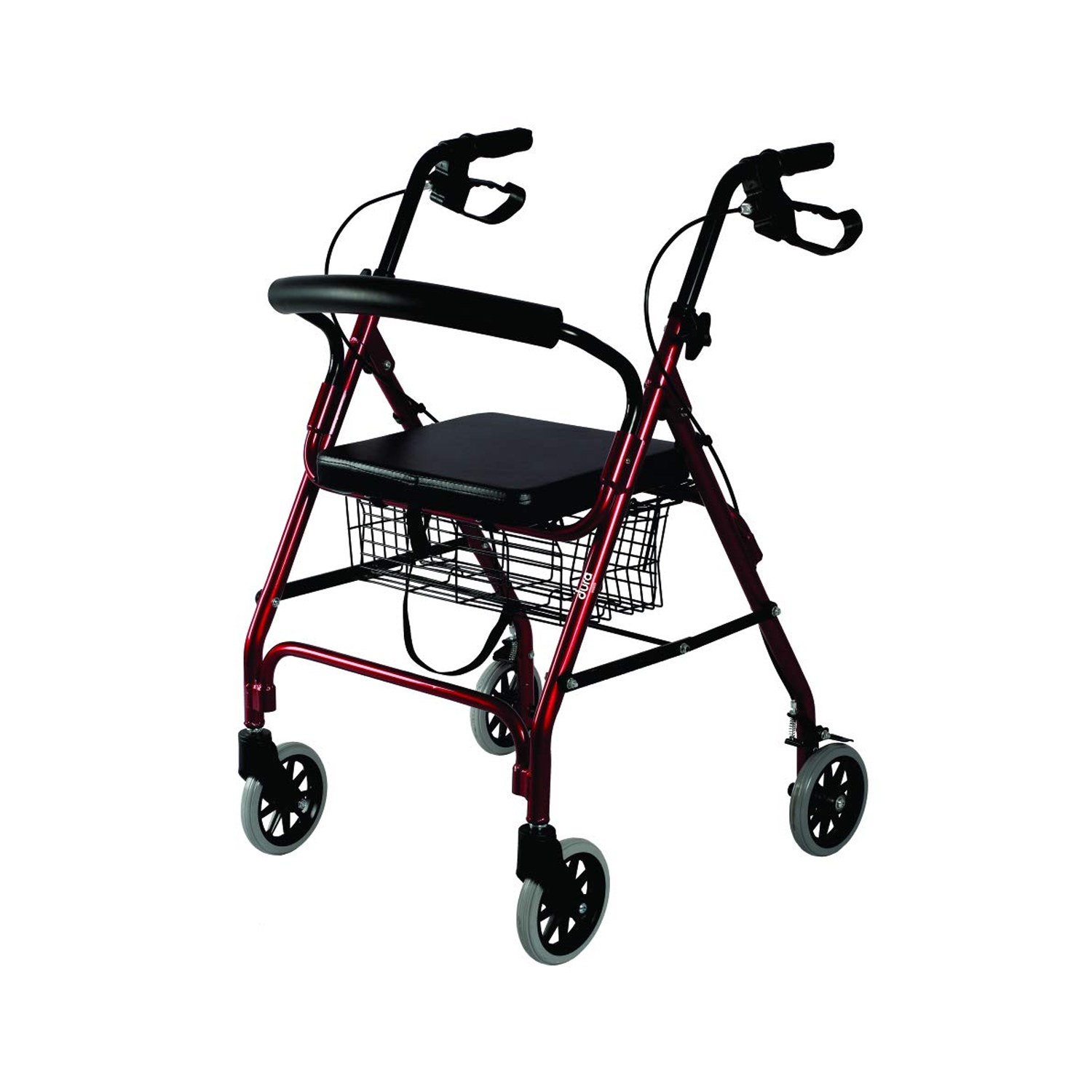
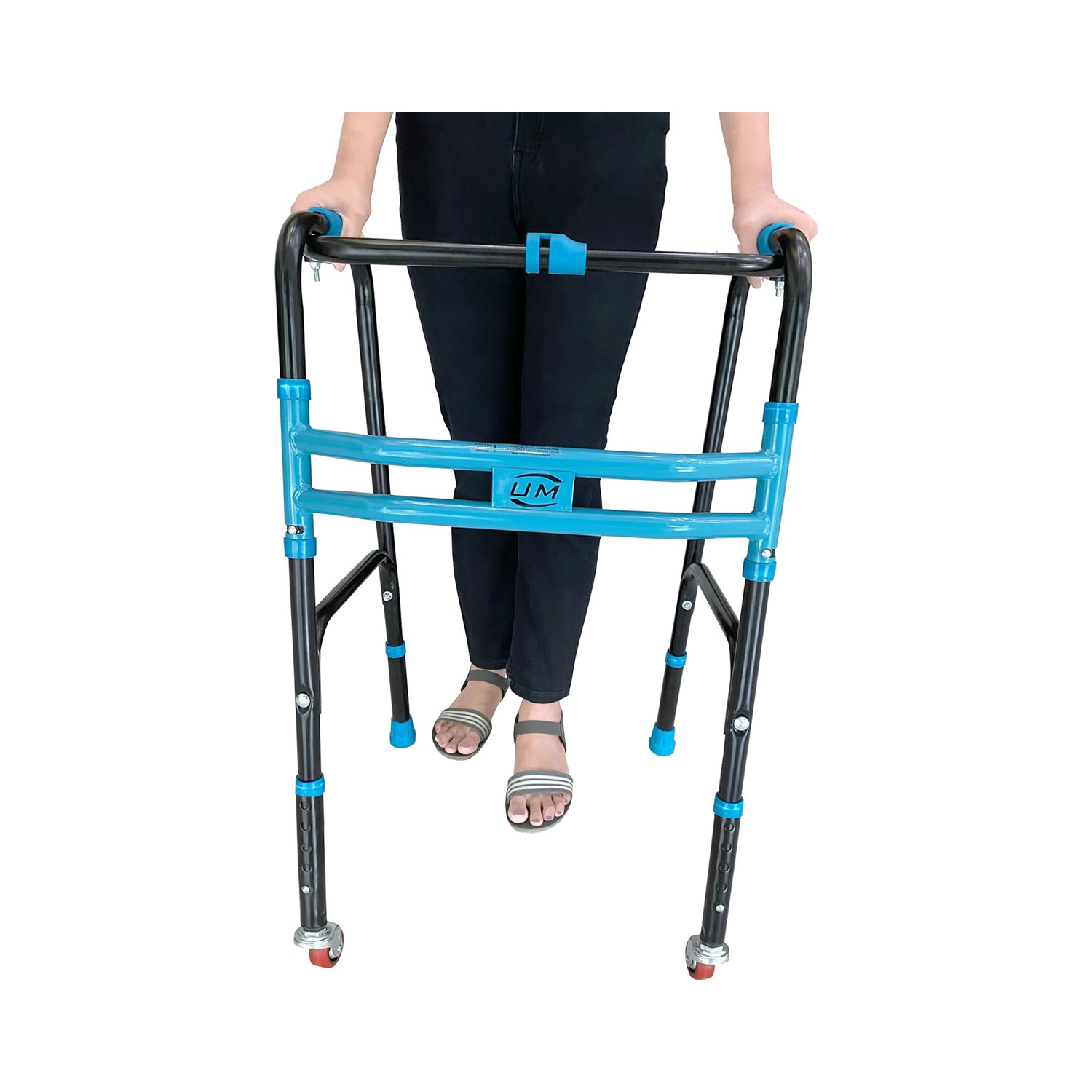
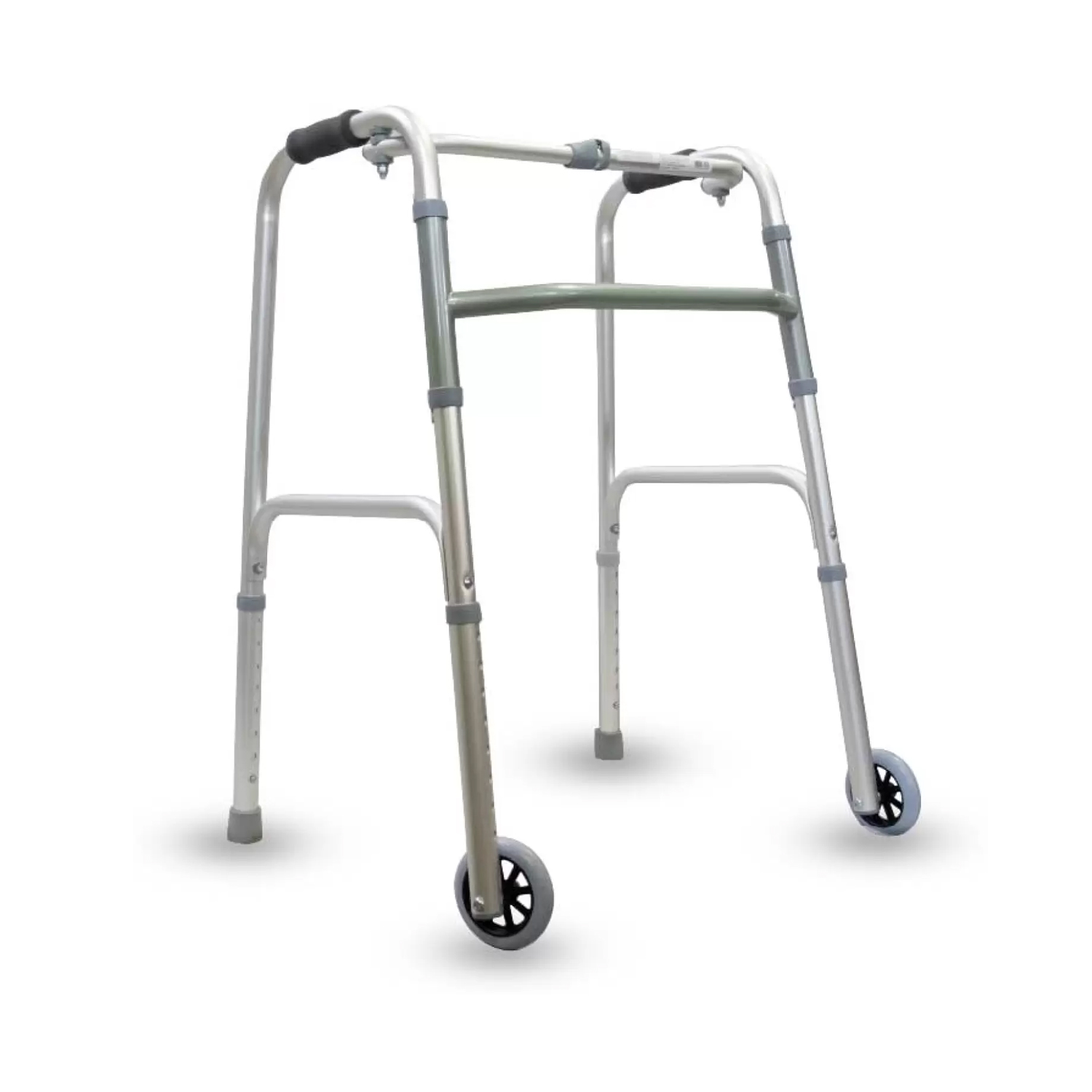
2. Rolling Walkers: Also known as rollators, these walkers come with wheels on the front legs, allowing for smoother movement and requiring less lifting than standard walkers. This design is ideal for people who have more strength and coordination, as it enables them to walk with greater ease and comfort. Rolling walkers often include hand brakes, which can provide additional safety by allowing users to stop and stabilize themselves when needed.
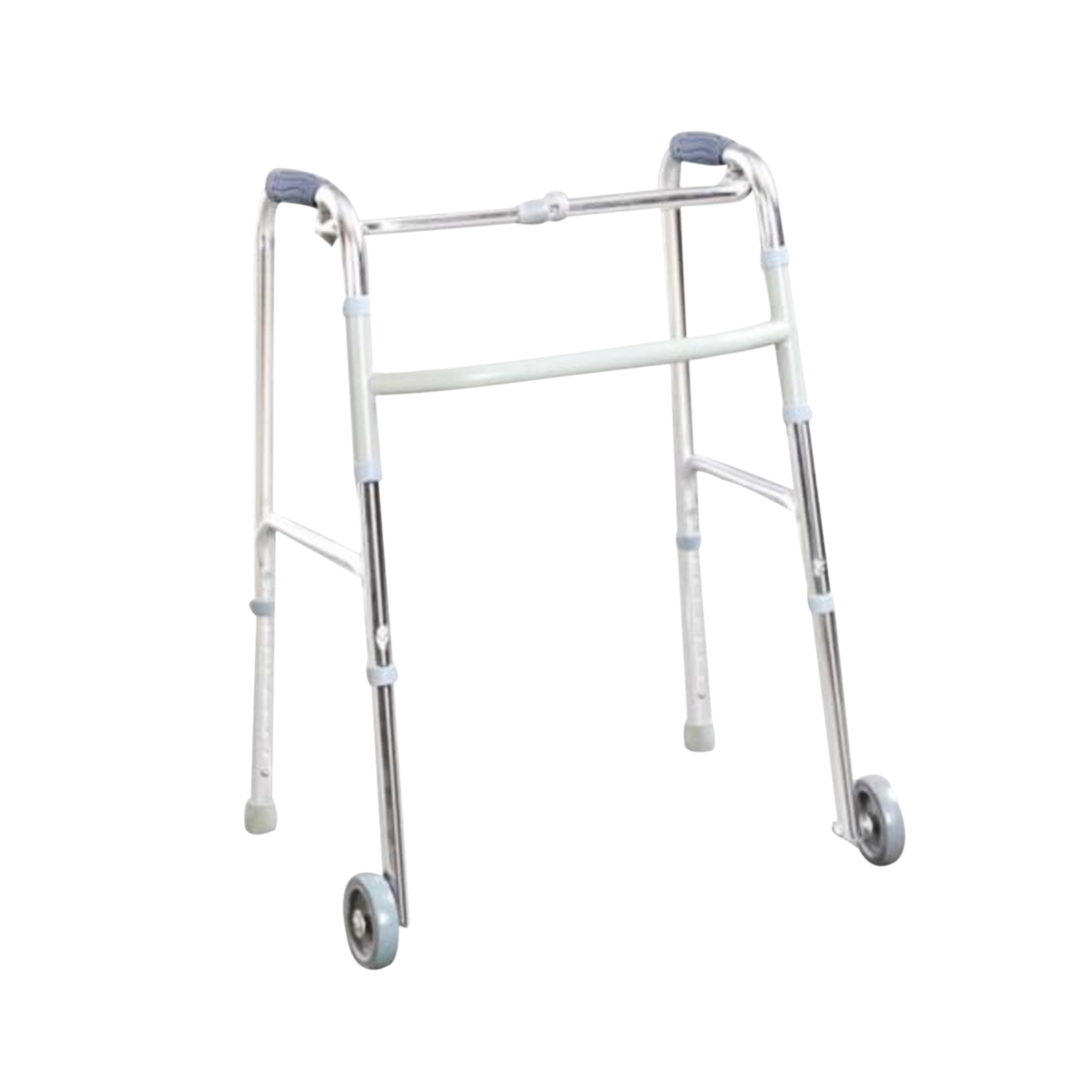
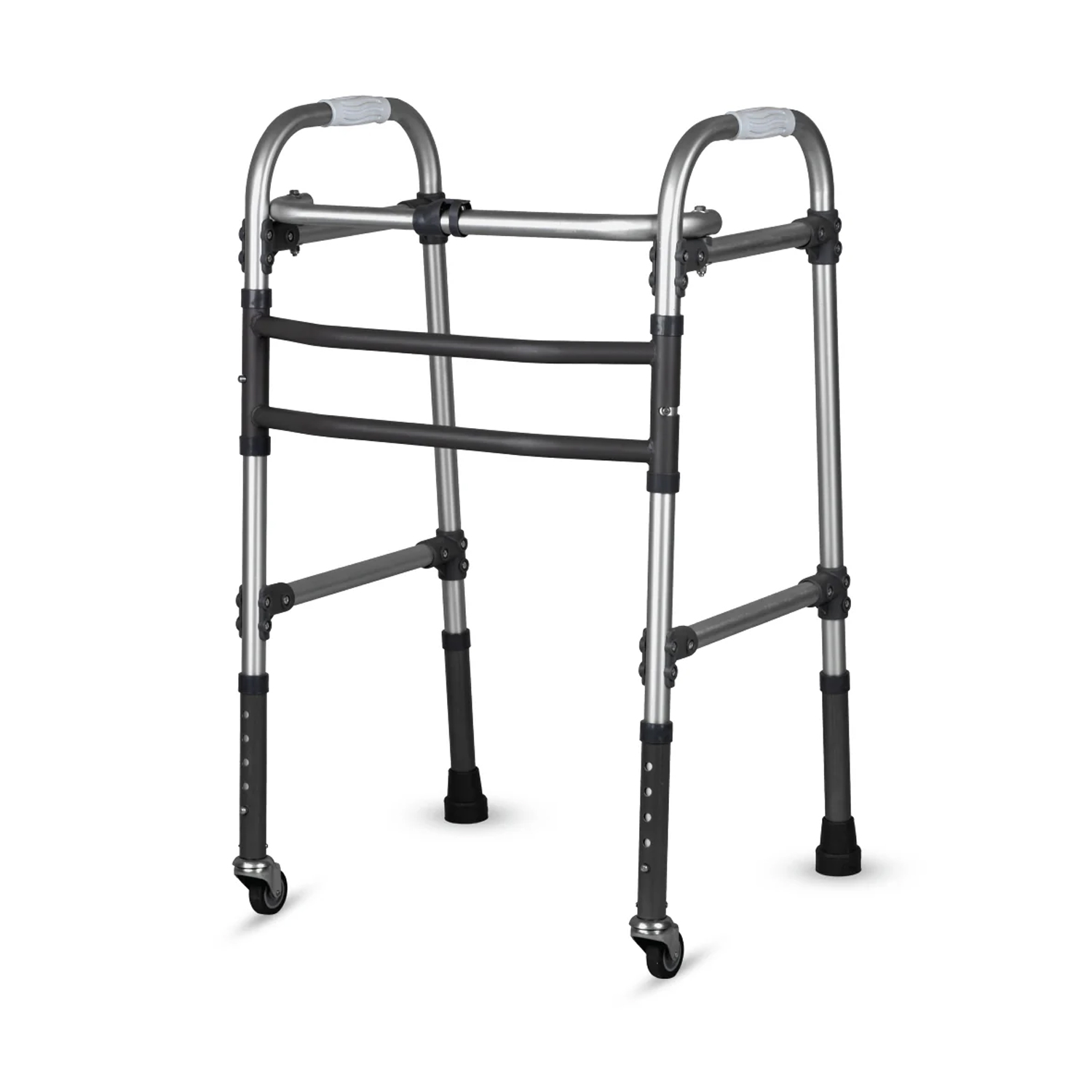
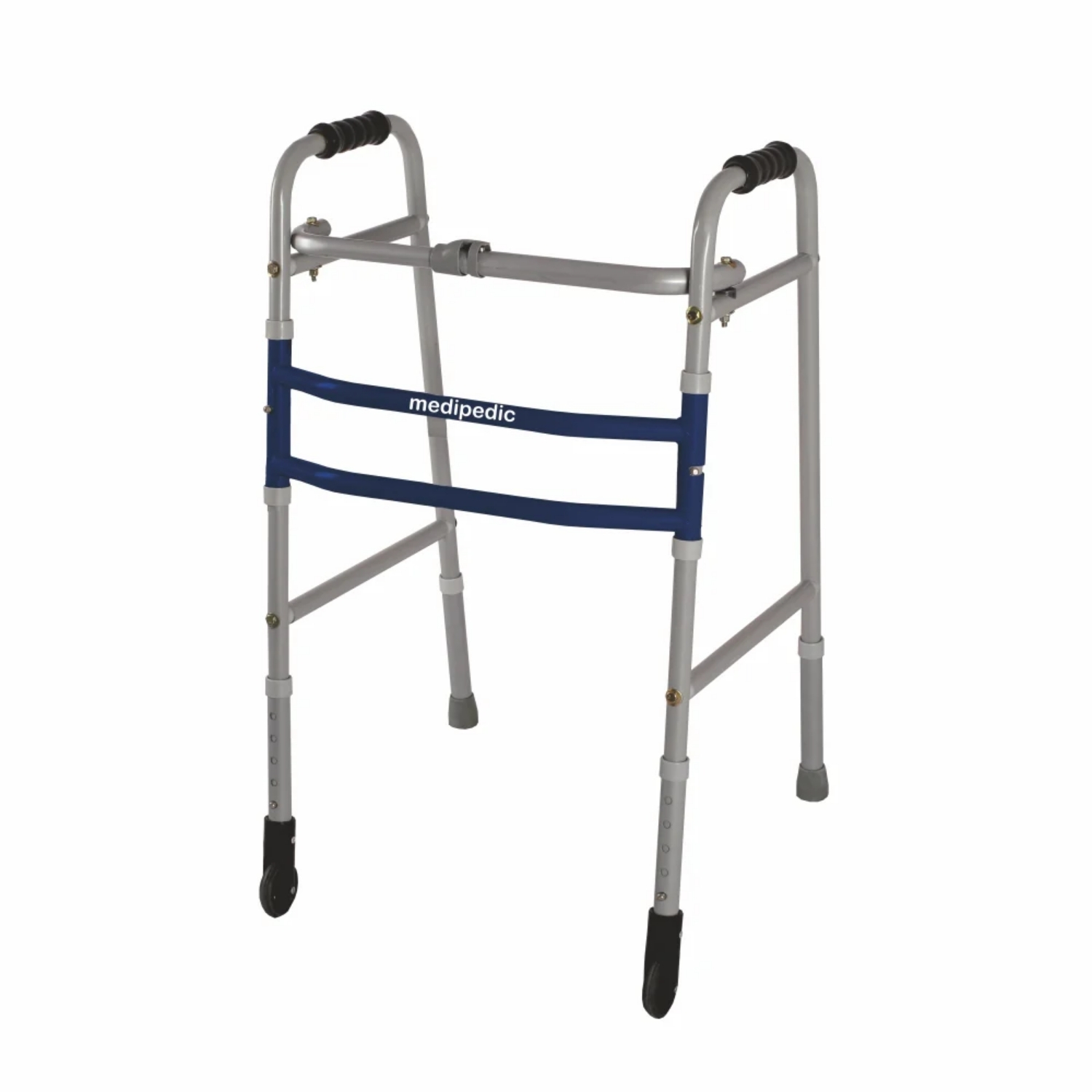
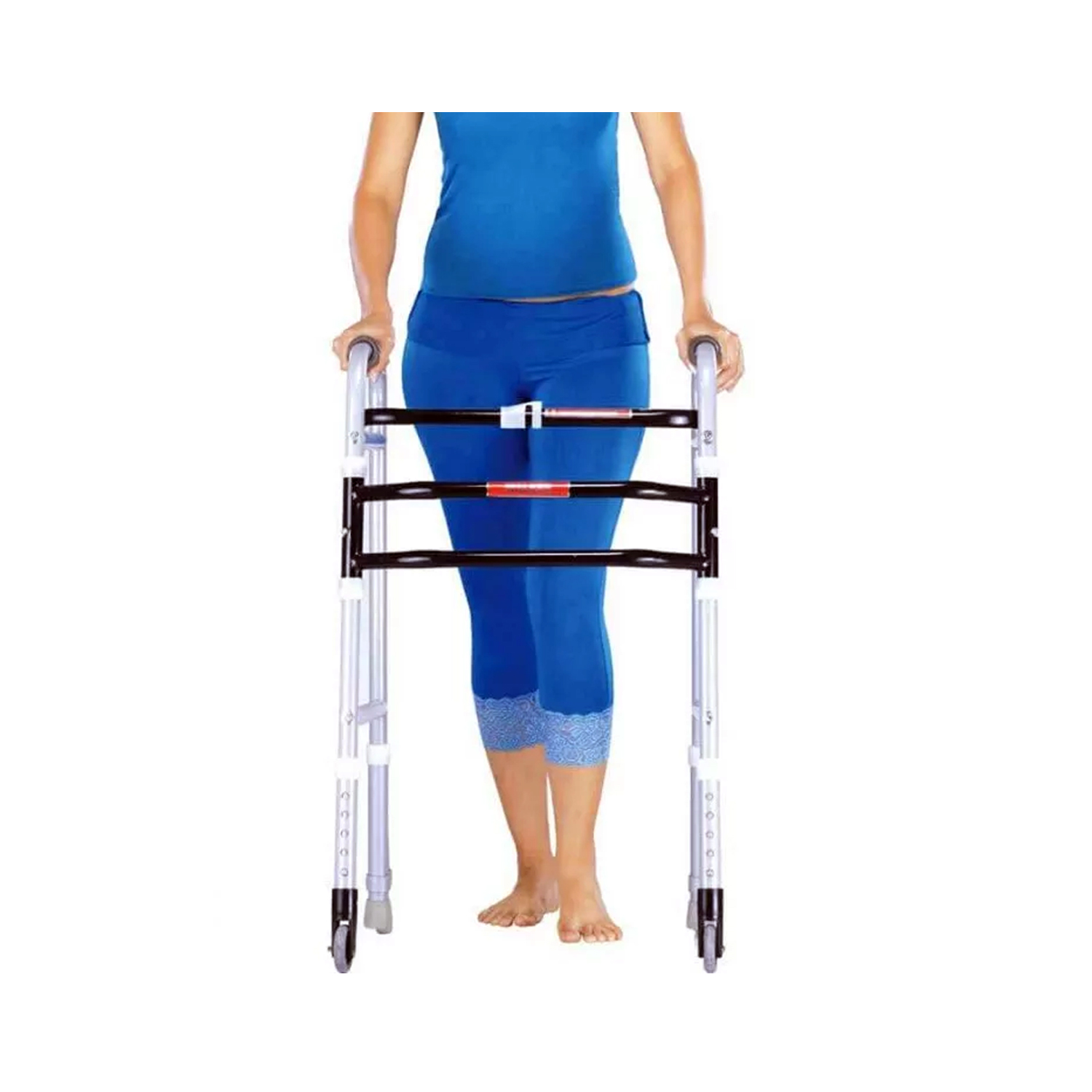
3. Two-Wheel Walkers: These walkers feature wheels on the two front legs, making them a good choice for individuals who need assistance bearing weight as they move or who find it difficult to lift a standard walker. The two-wheel design offers support without requiring users to lift the entire frame, making it easier to navigate.
4. Four-Wheel Walkers (Rollators): These provide continuous balance support and are particularly helpful for individuals who may be unsteady on their feet. With four wheels, they offer greater maneuverability, making it easier to navigate both indoor and outdoor environments.
5. Three-Wheel Walkers: Lighter and easier to move than their four-wheeled counterparts, three-wheel walkers are particularly useful in tight spaces. They offer stability while allowing for more agility, making them a popular choice for those who can manage with slightless support but still need a mobility aid.
6. Knee Walkers: Unlike traditional walkers, knee walkers have a knee platform, four wheels, and a handle. People rest the knee of the injured leg on the platform and push the walker with the other leg. This type of walker is typically used for a short period when an ankle or foot problem makes walking difficult. Knee walkers provide an alternative to crutches, allowing individuals to maintain mobility without putting weight on an injured limb.
Walkers are incredibly helpful for people with mobility challenges. They support independence and improve quality of life, allowing users to move around safely and with confidence. Whether someone needs a basic walker for stability or a rollator for easier movement, these aids make daily life more active and fulfilling.