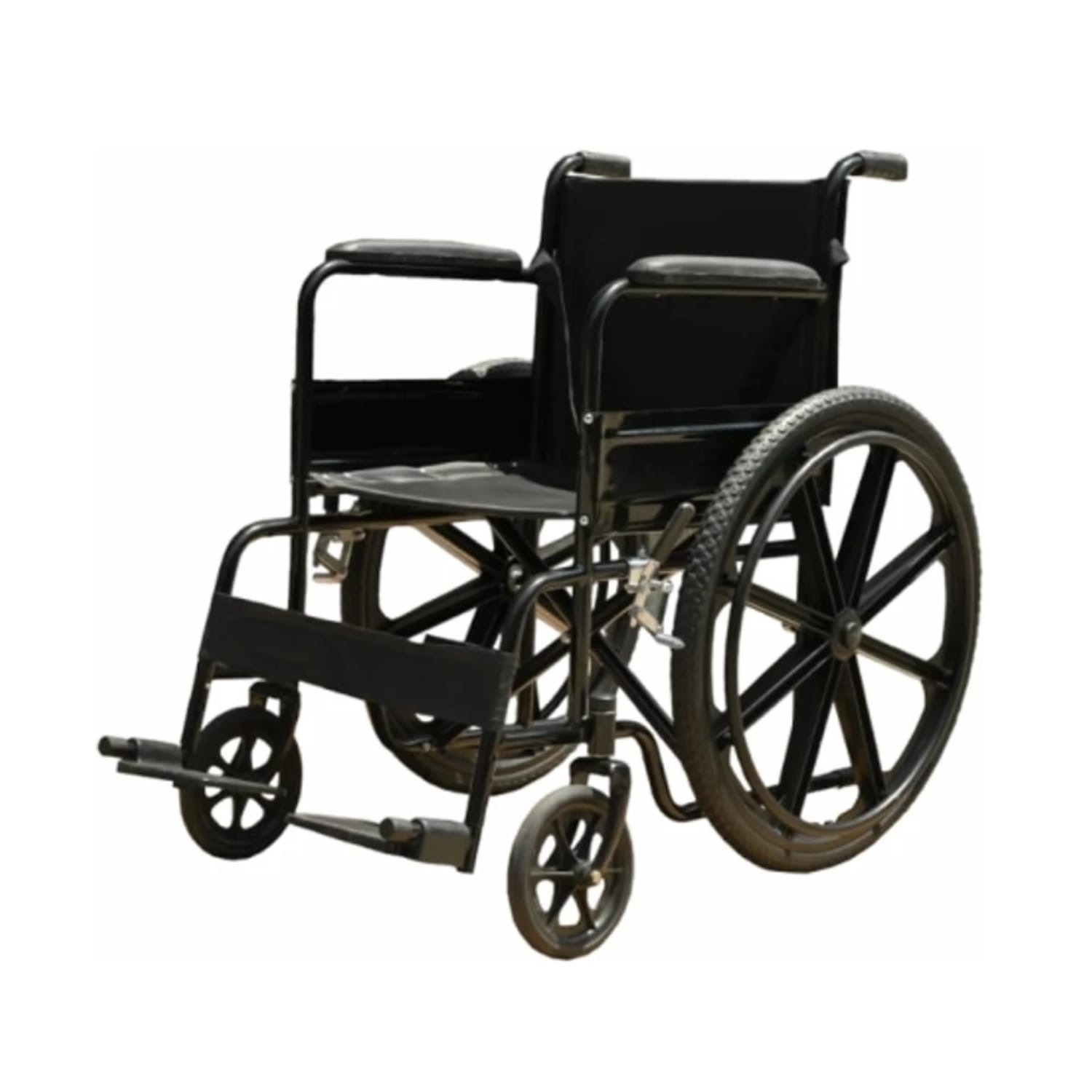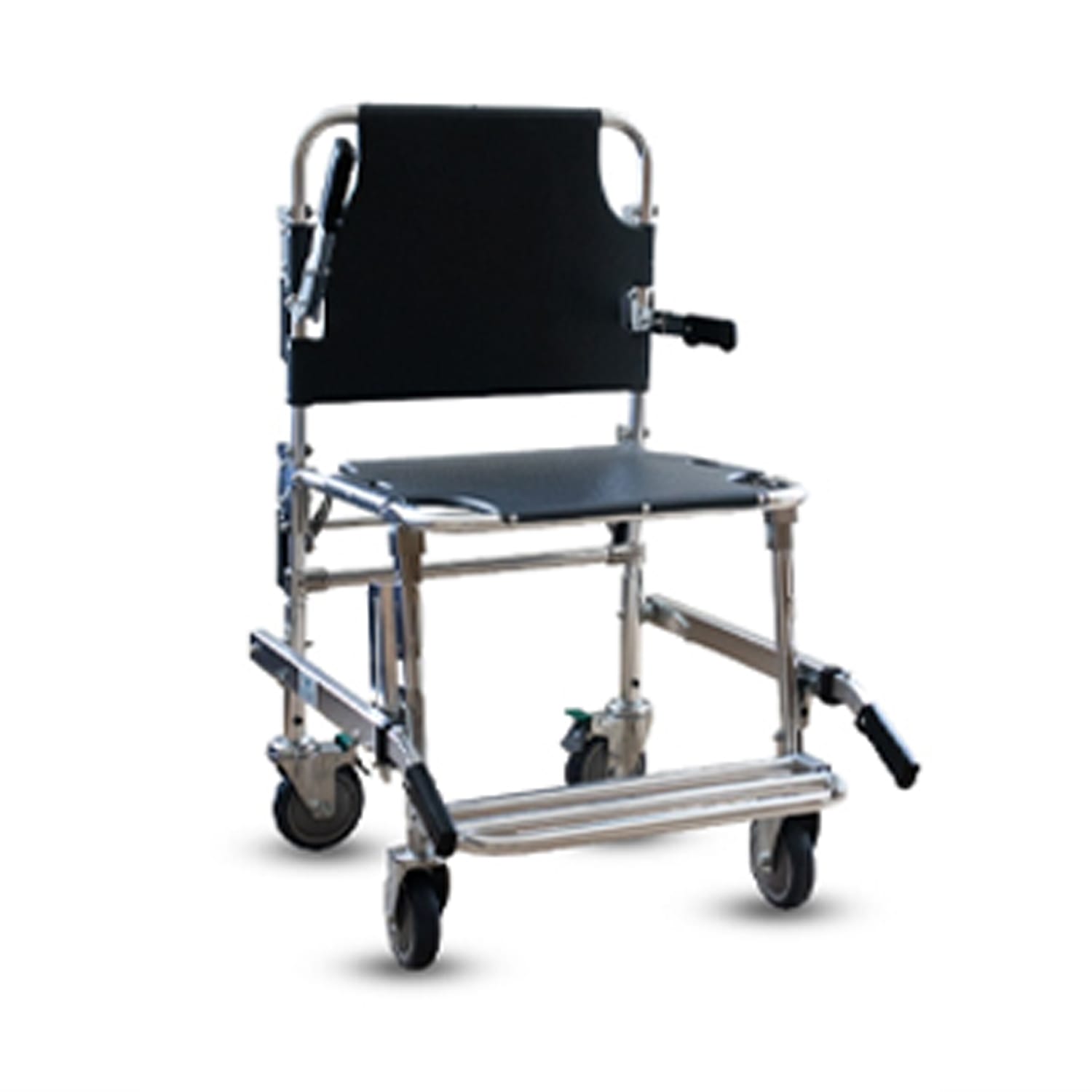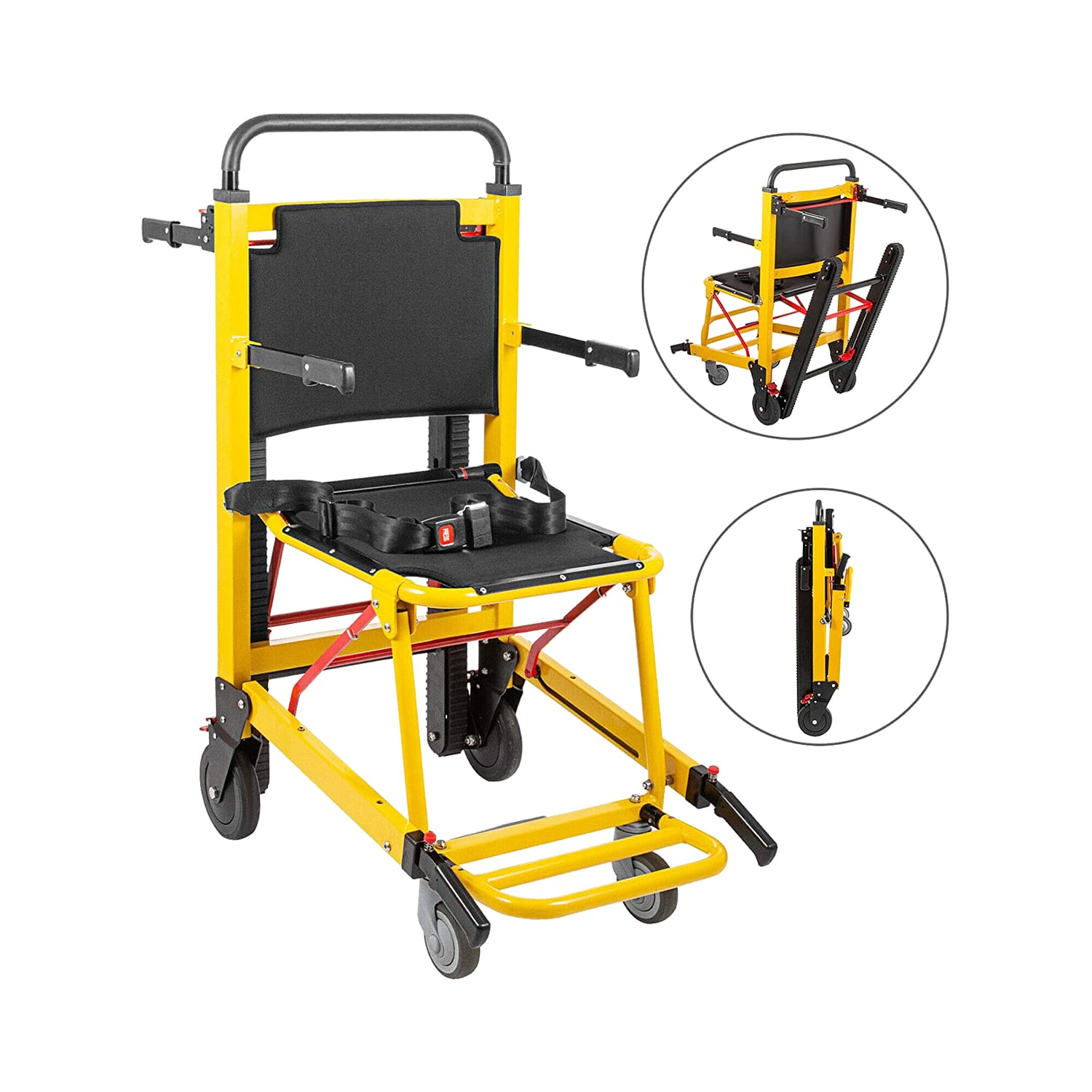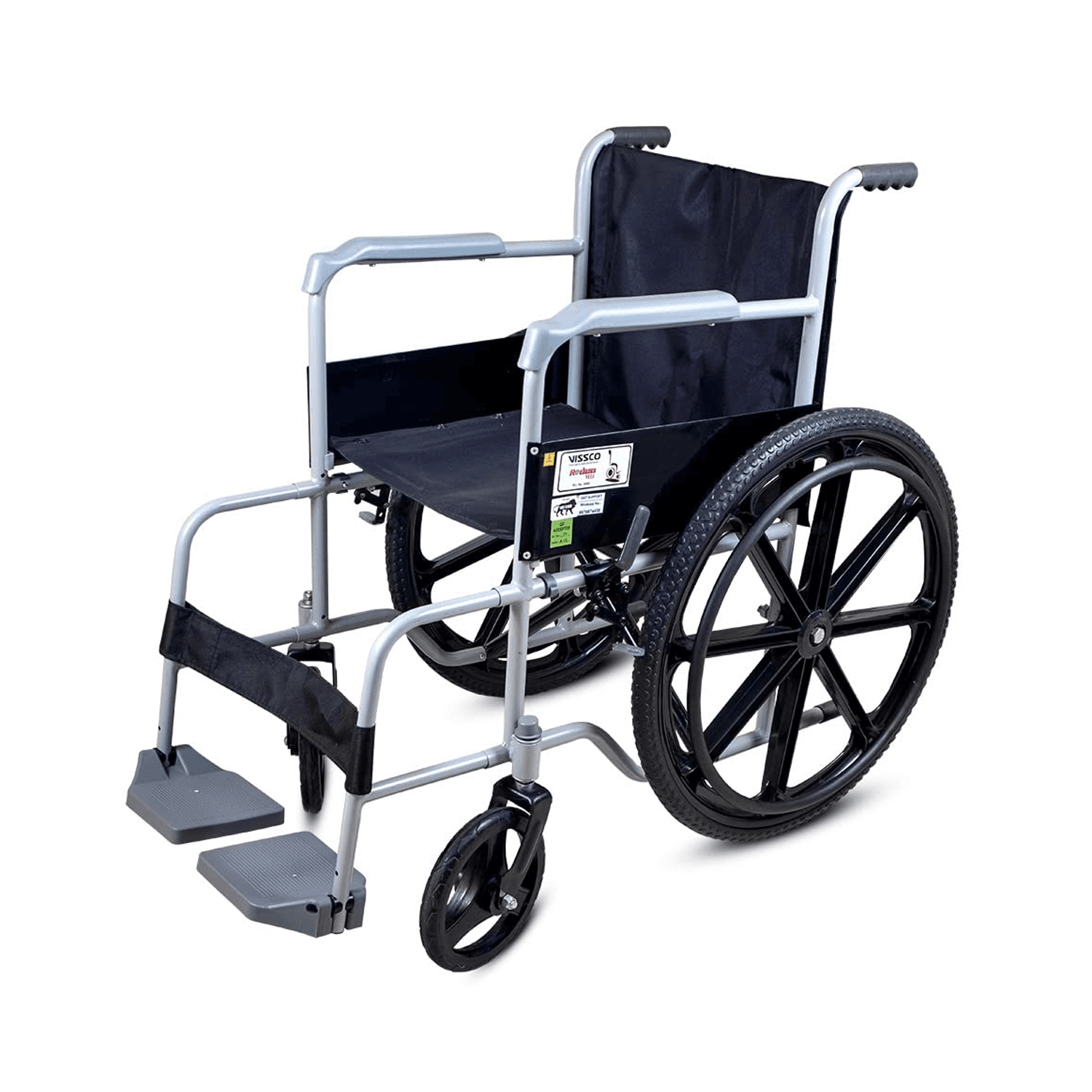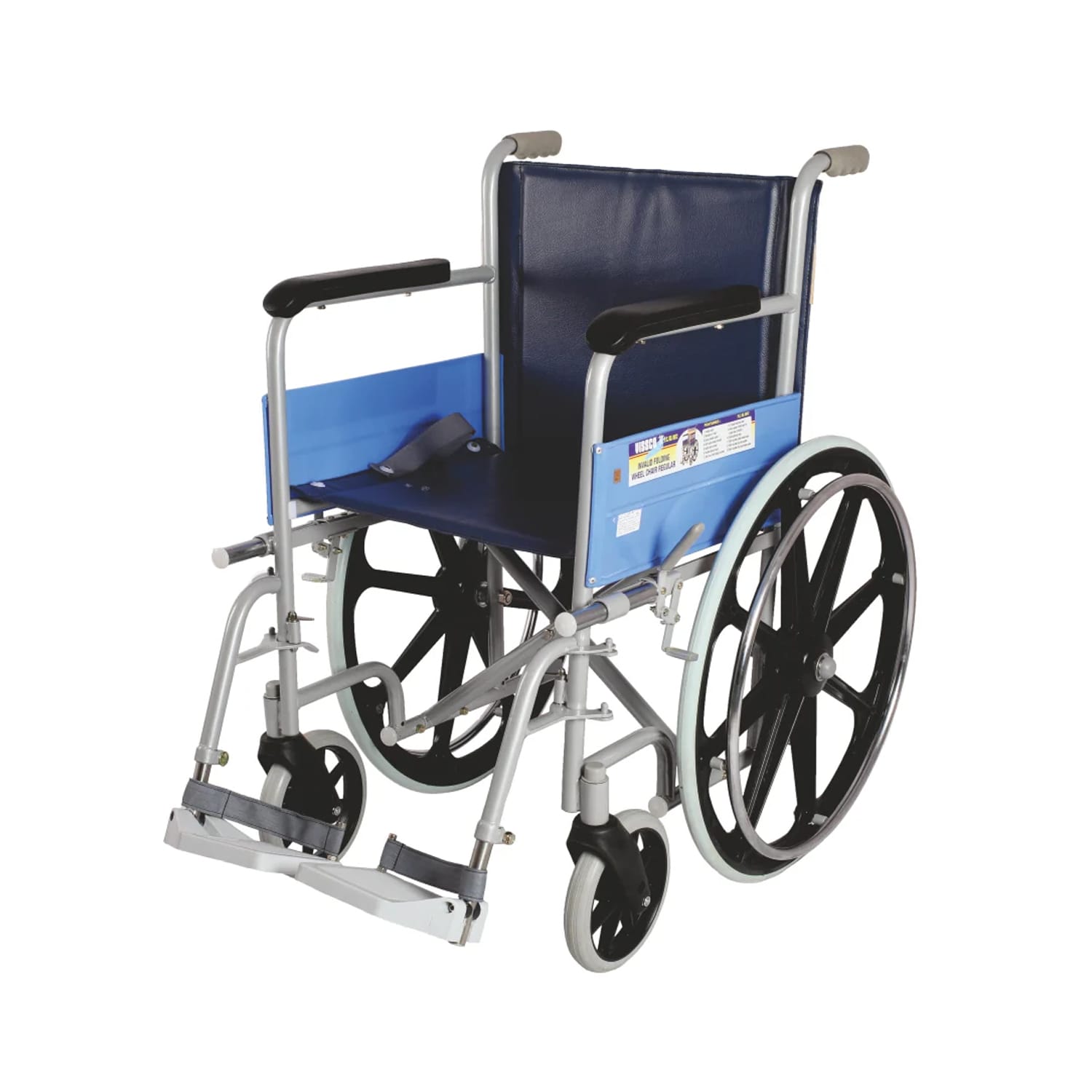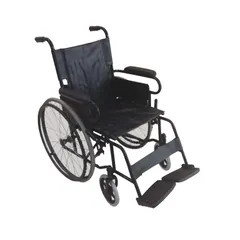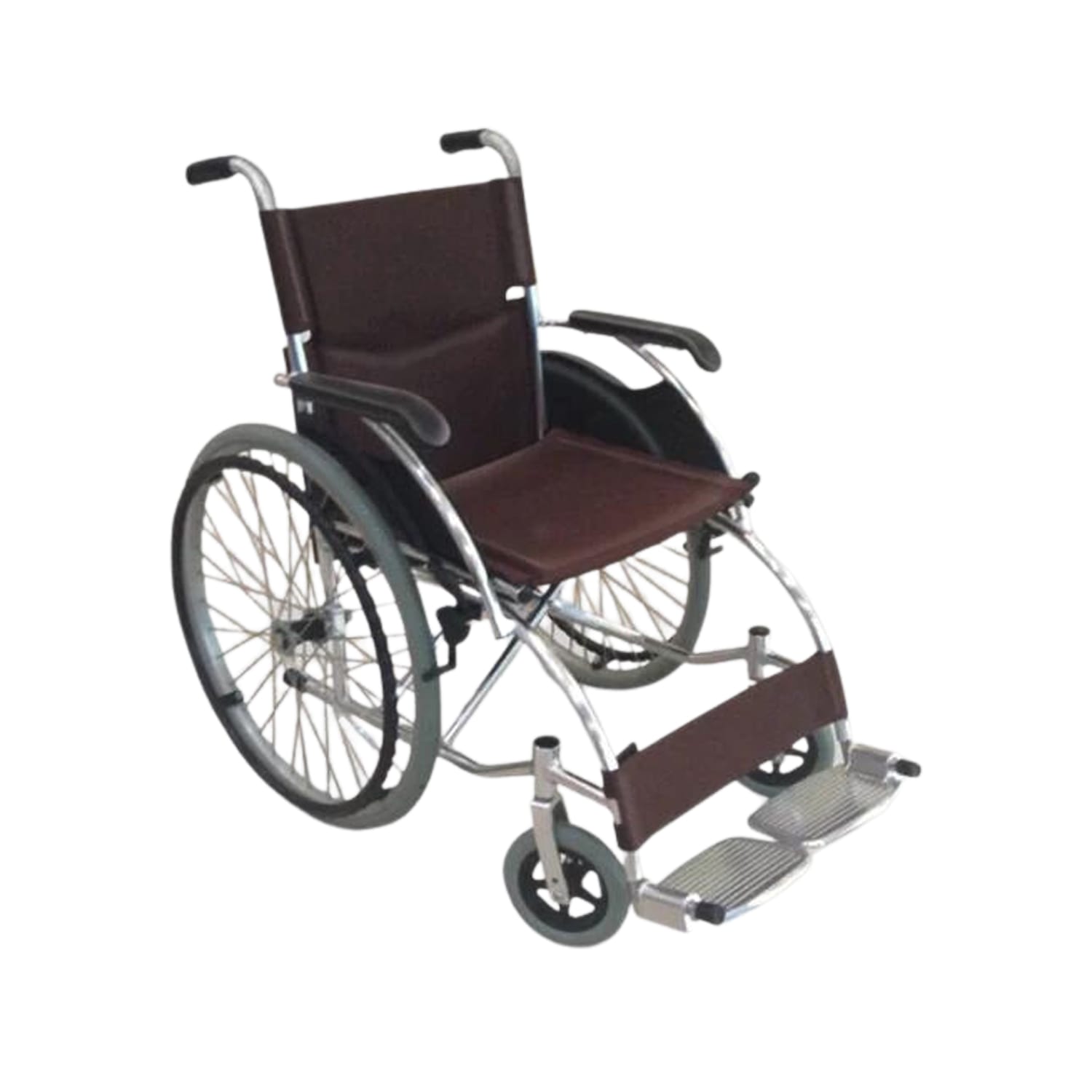

Healthshine CP Foldable Wheelchair
Healthshine
4.8 ★ (8)
₹33,1505% off₹34,895

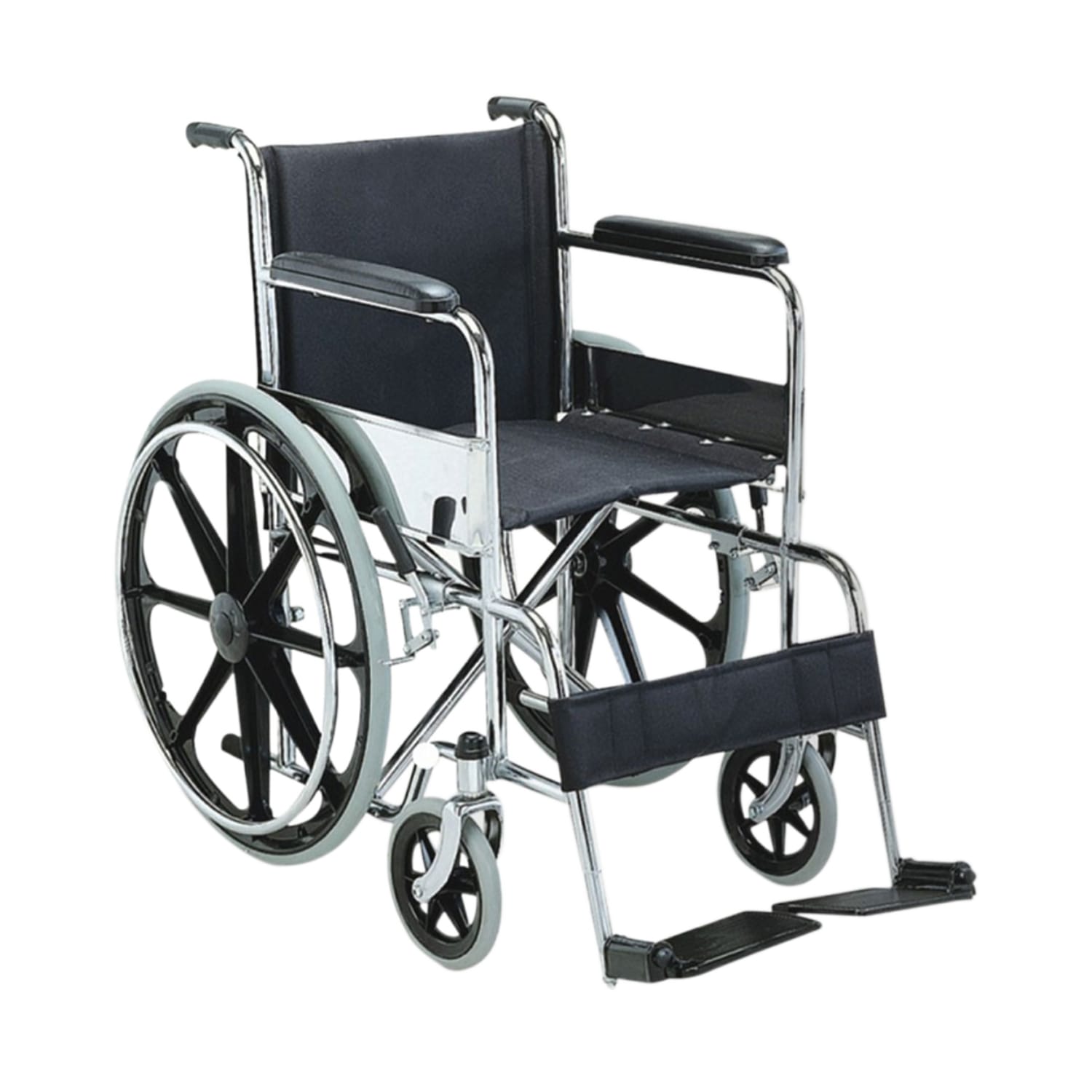
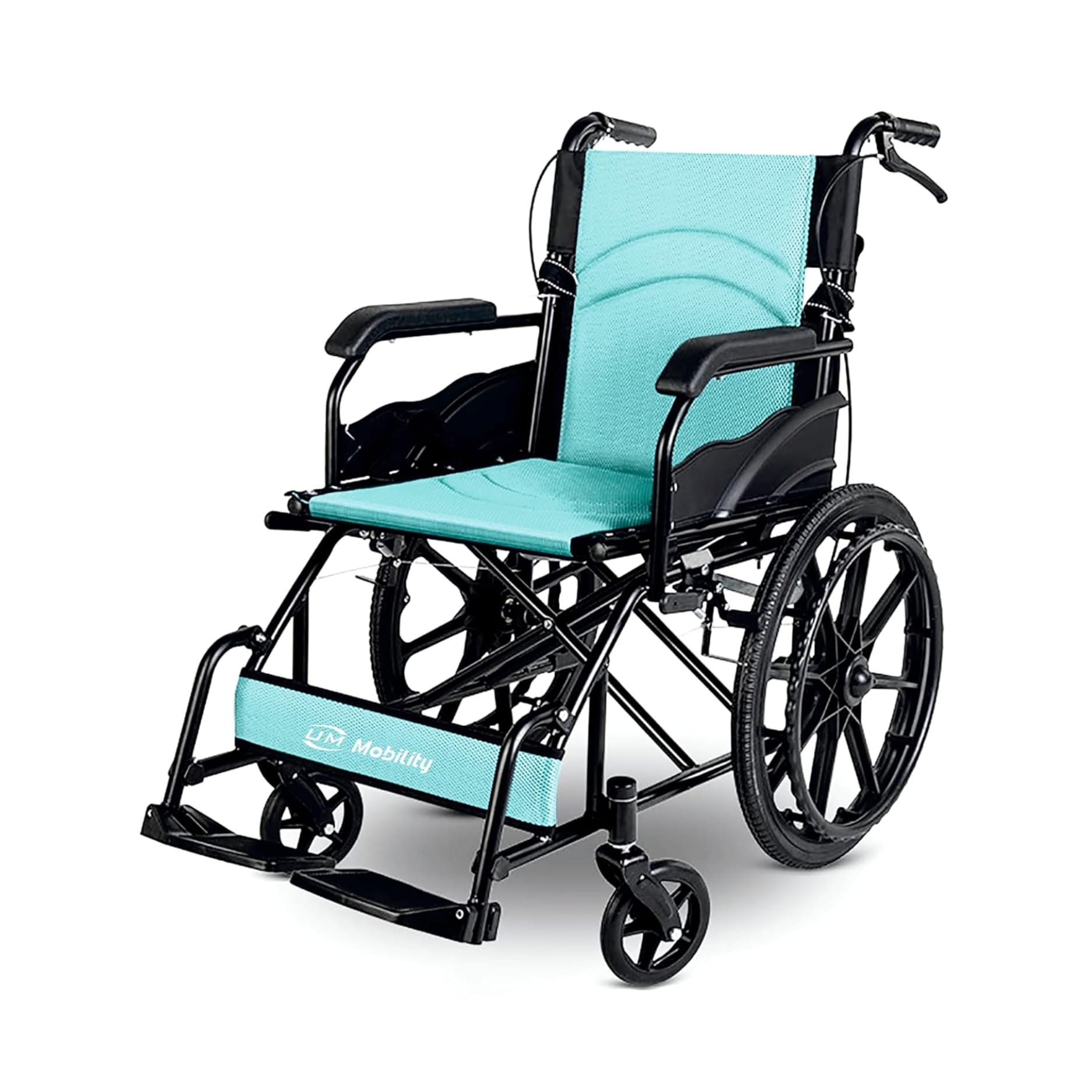
Healthshine
4.3 ★ (6)
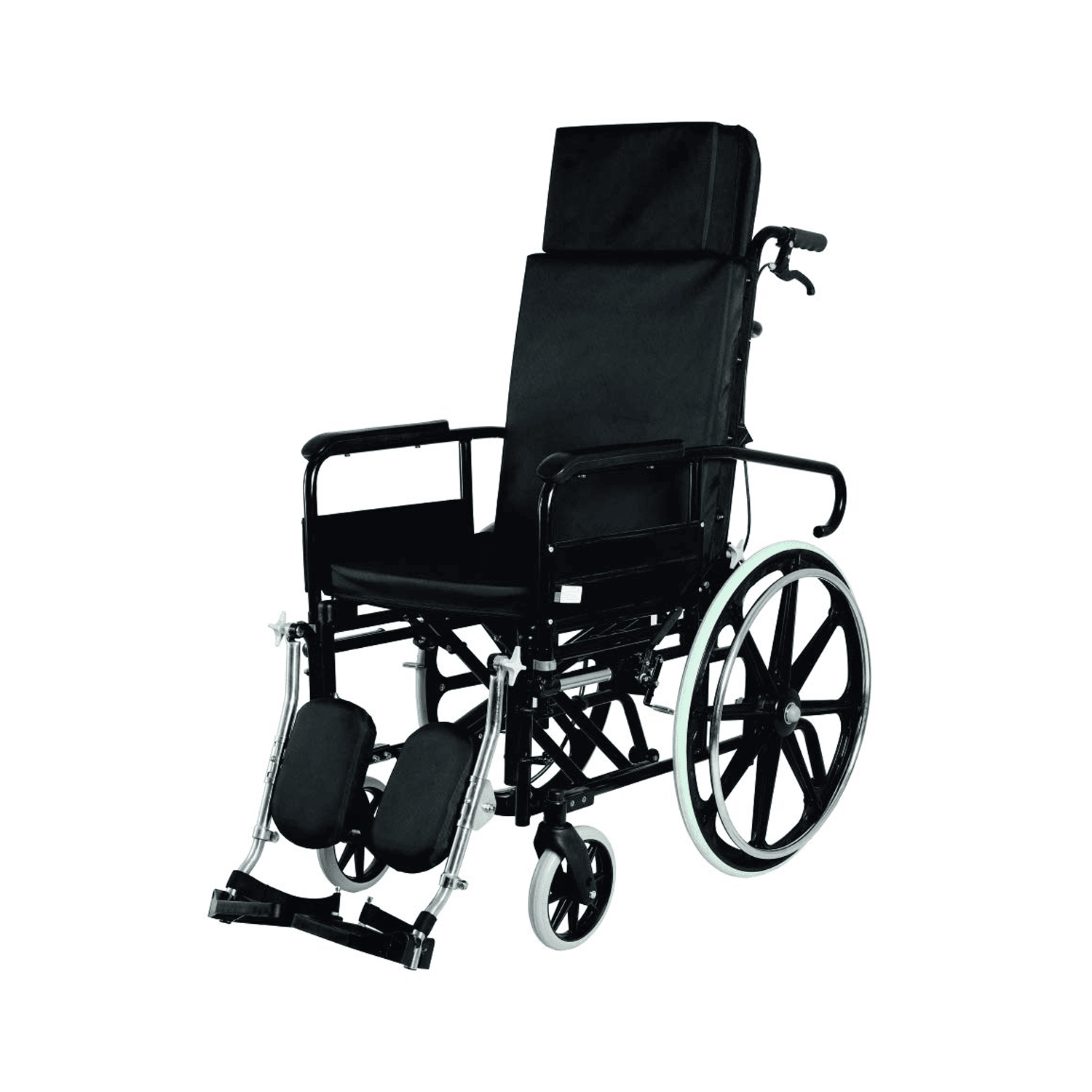
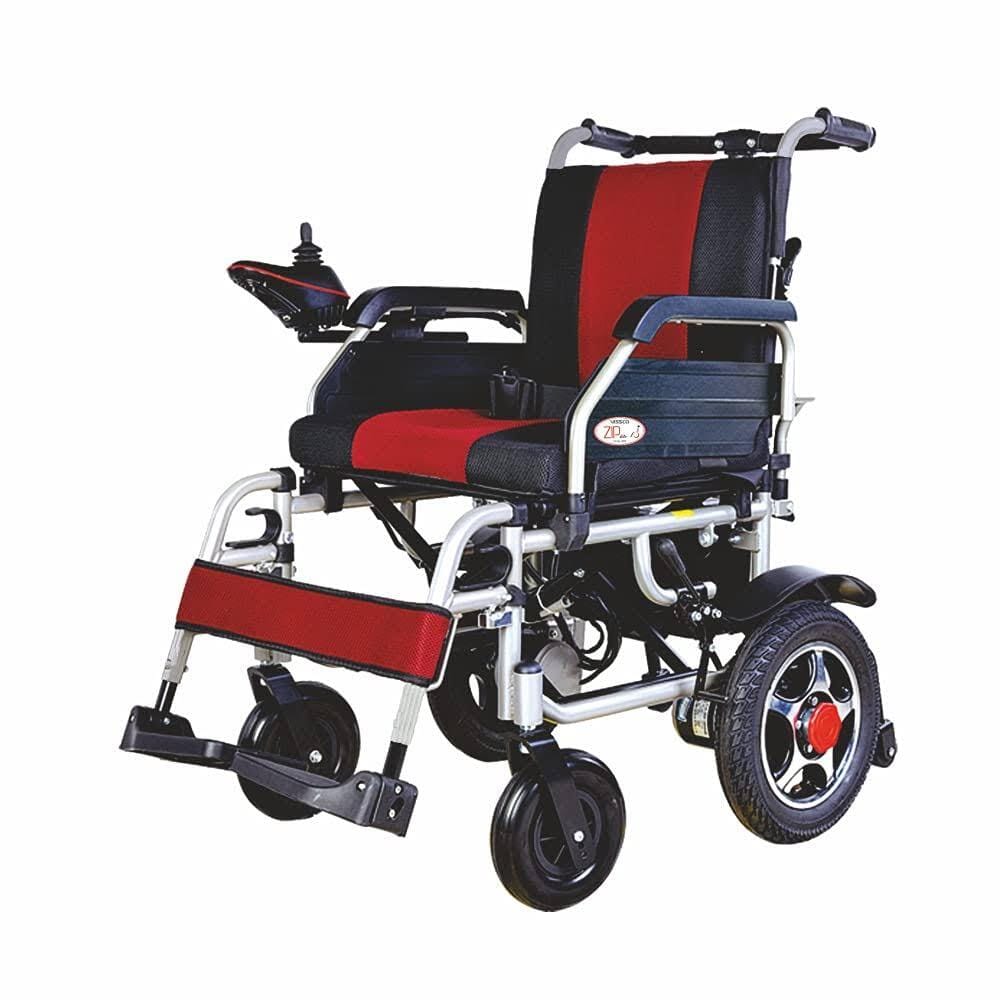
VISSCO
4.8 ★ (6)
A wheelchair supports mobility for people who can't walk independently due to an injury, recovery from surgery, a disability or age-related conditions. The most suitable type depends on the user's specific needs, daily routine, and living environment. Which type works best really depends on the user's specific needs, their daily routine, and what their living space looks like.
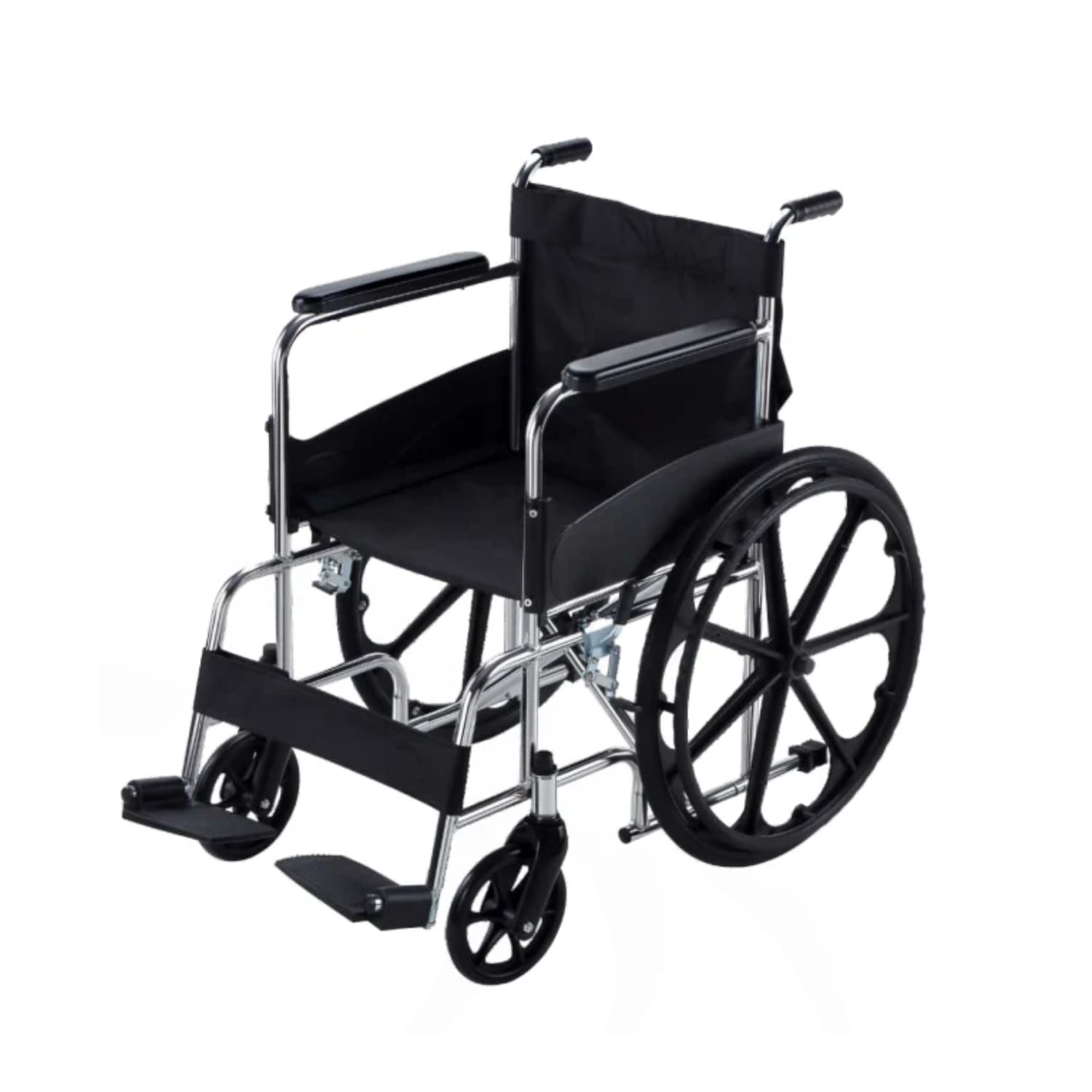
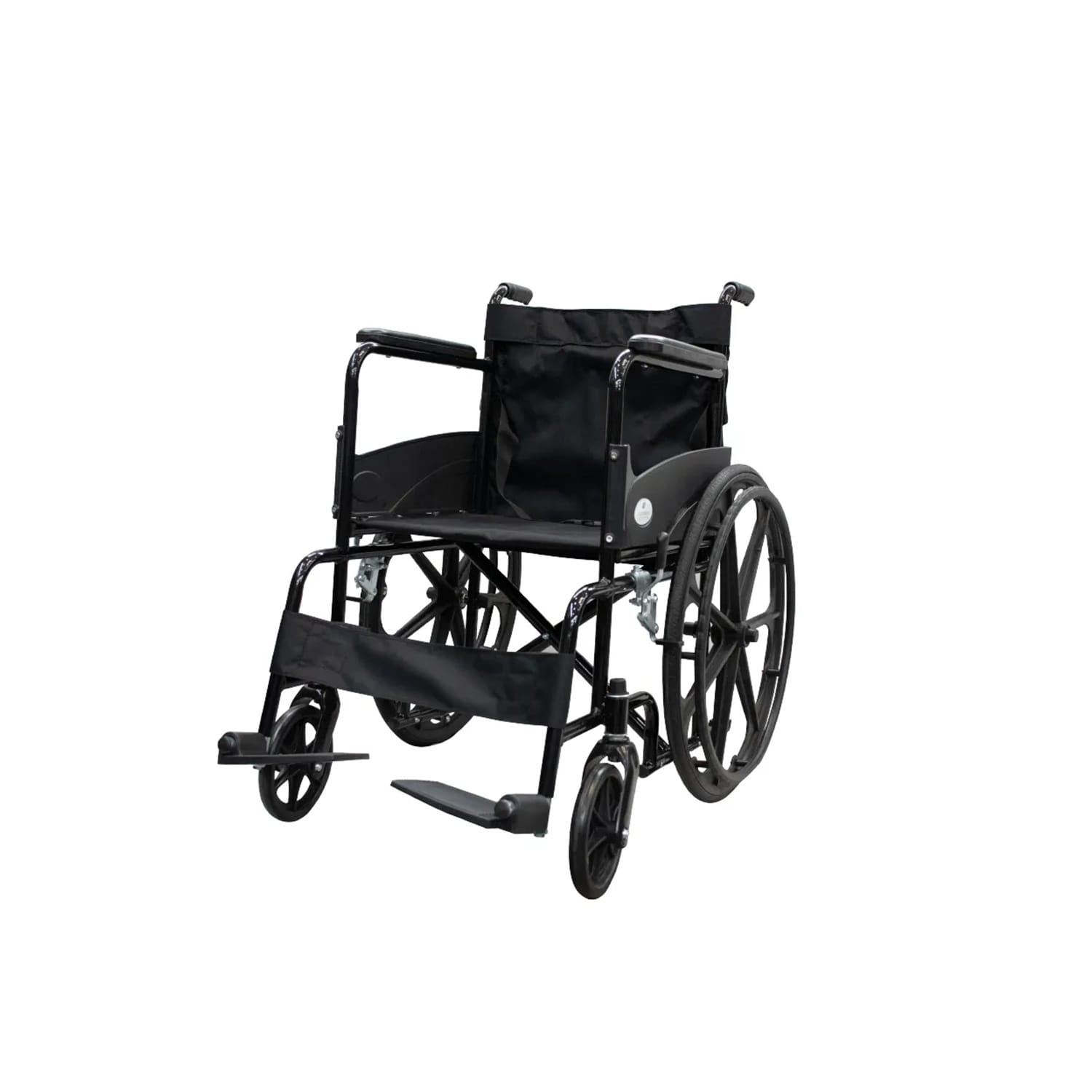
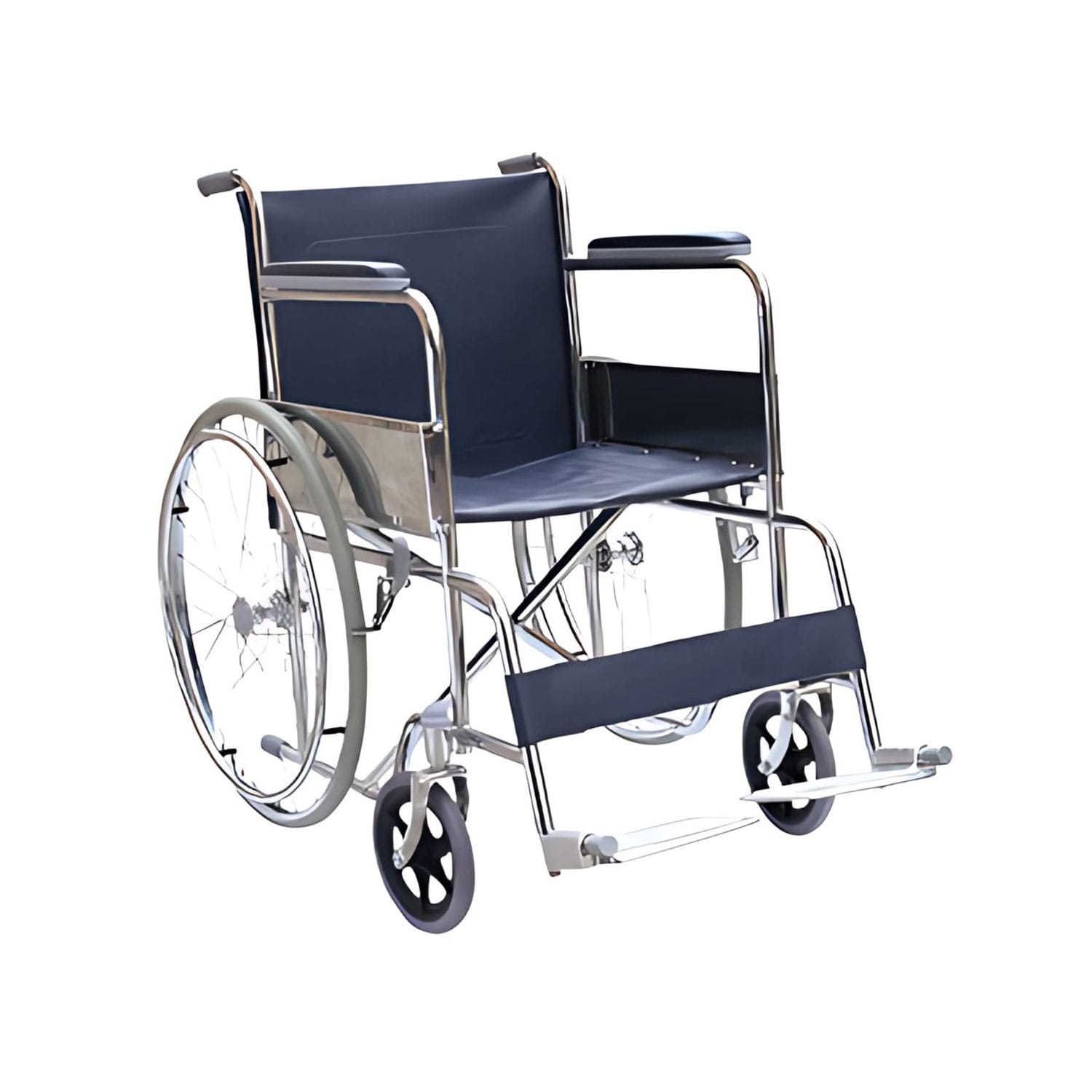
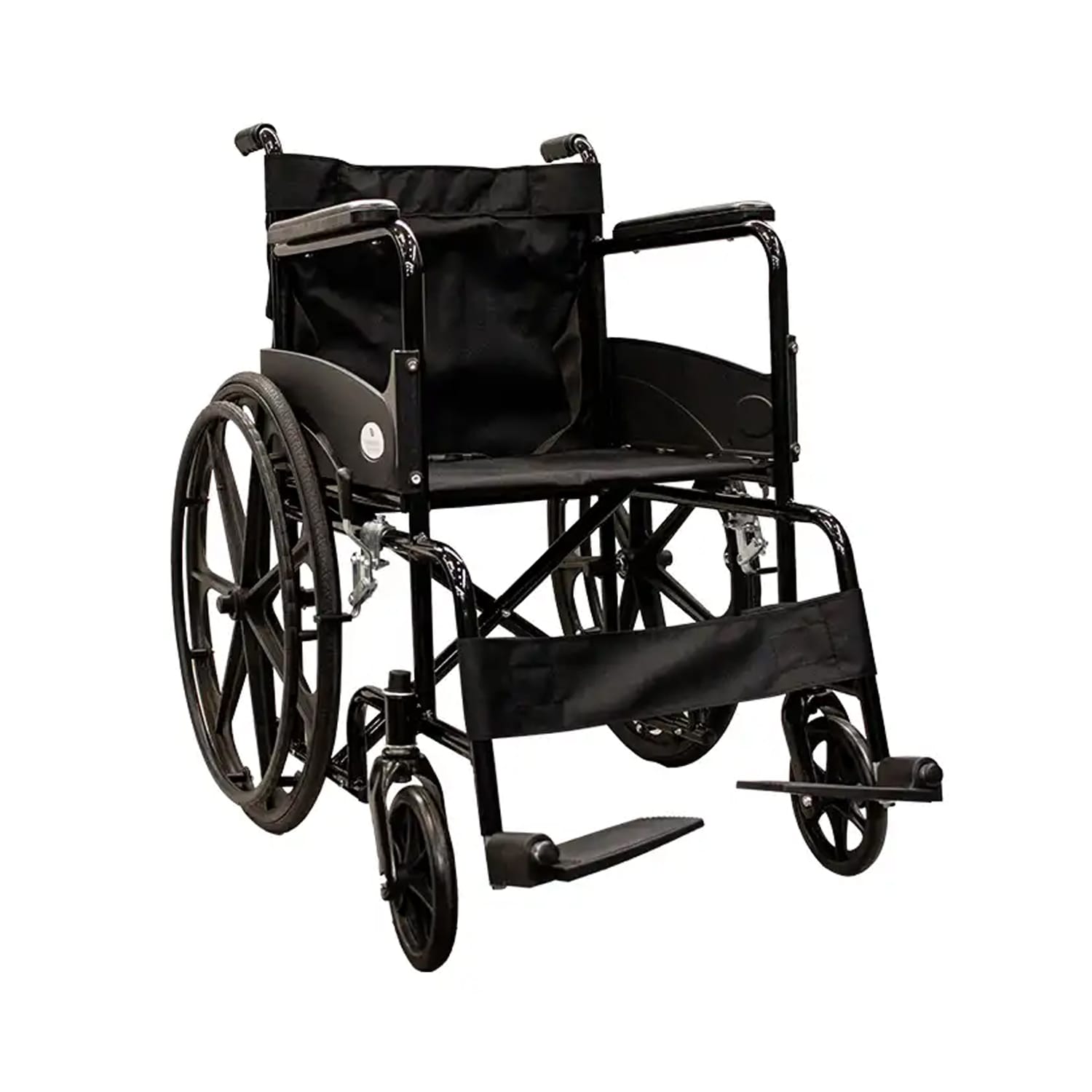
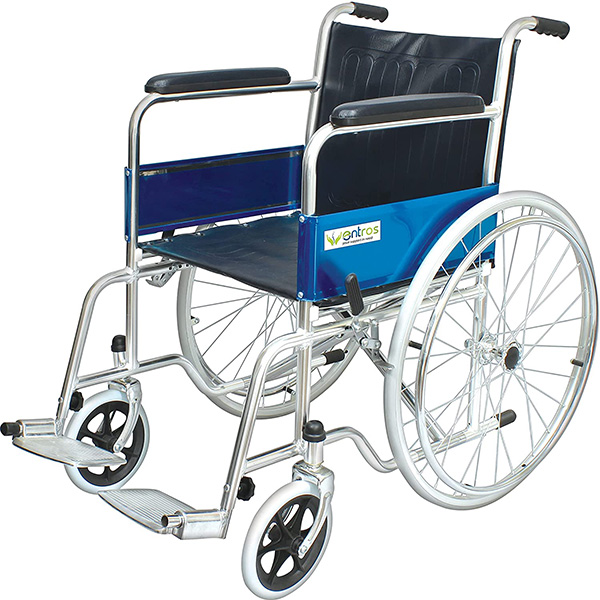
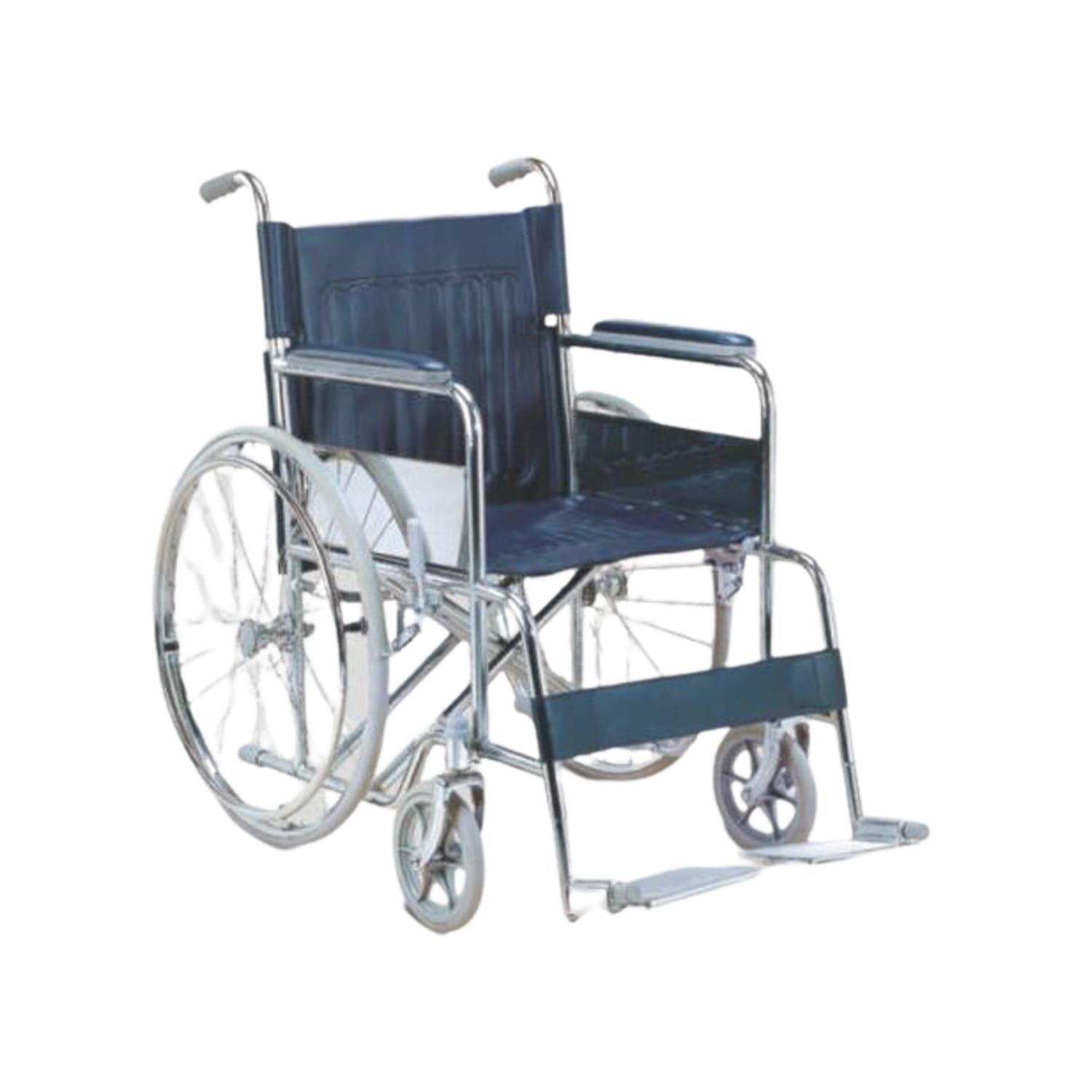
Pushed either by the user or a caregiver, these are lightweight and the most common choice for everyday mobility. Good value, simple to use.
Built to collapse down for storage or transport, handy for travel or for homes where space is tight.
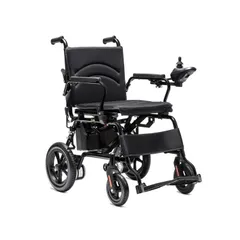
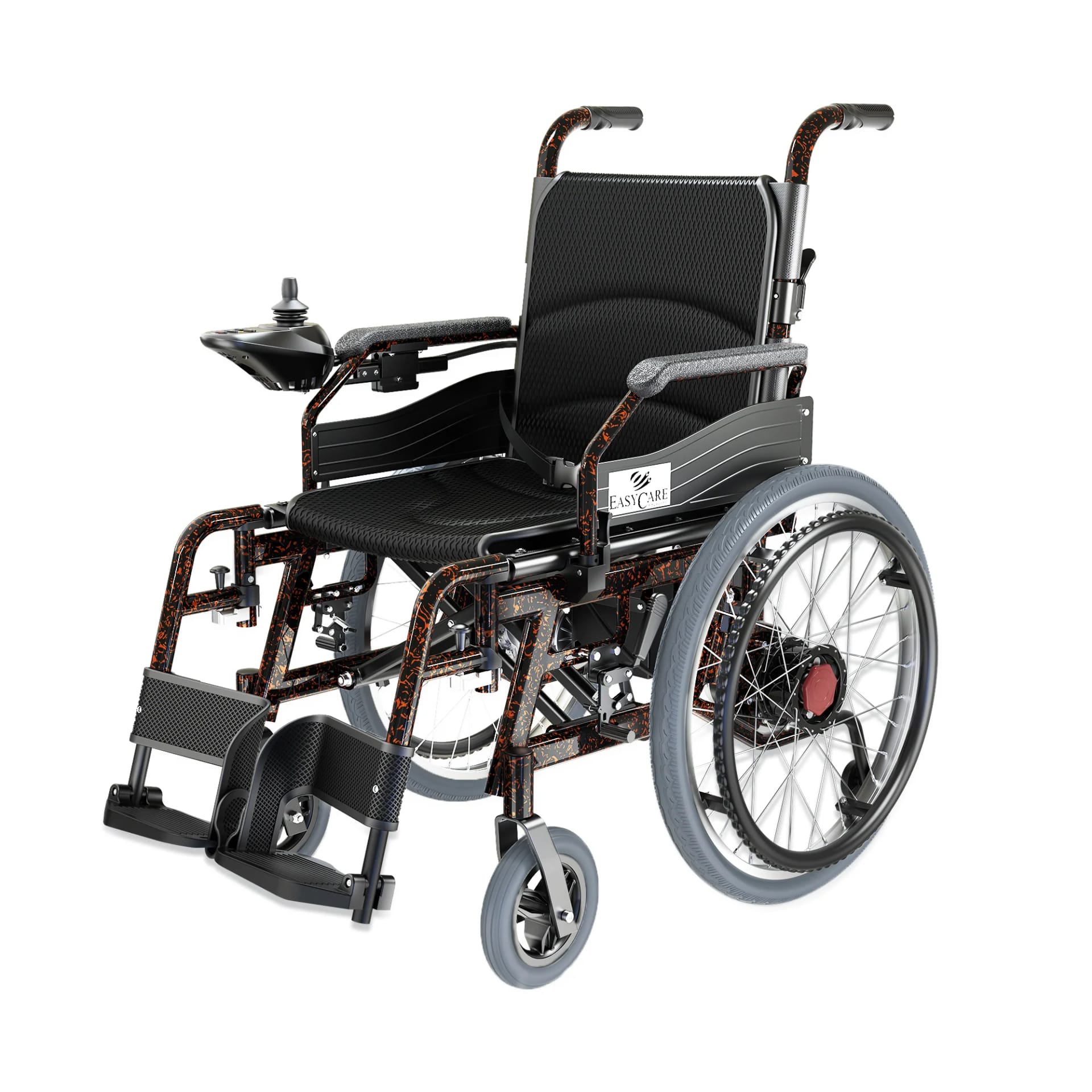
Battery powered and controlled with a joystick, these suit users who want to move around independently without needing manual effort from themselves or someone helping them.
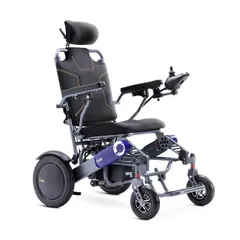
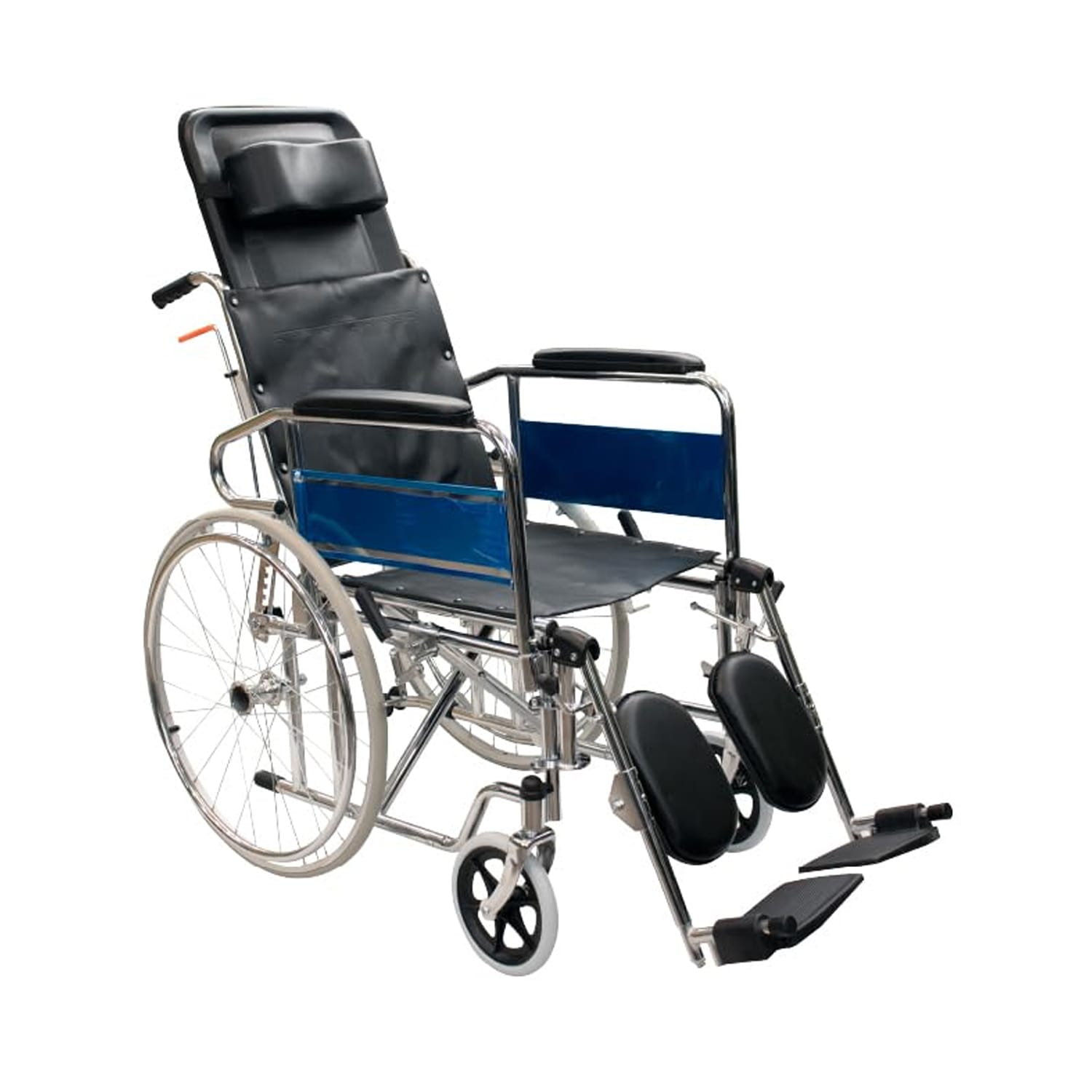
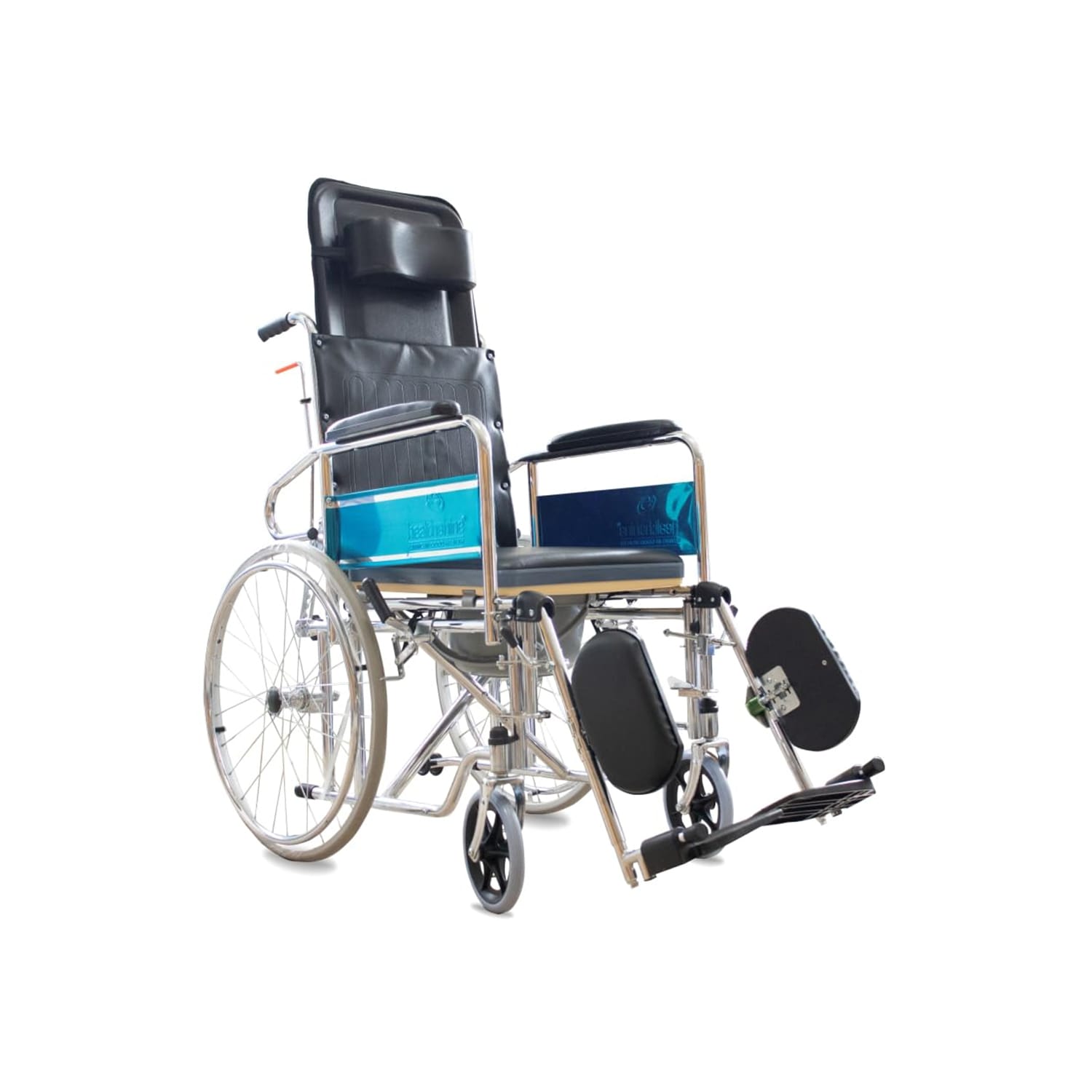
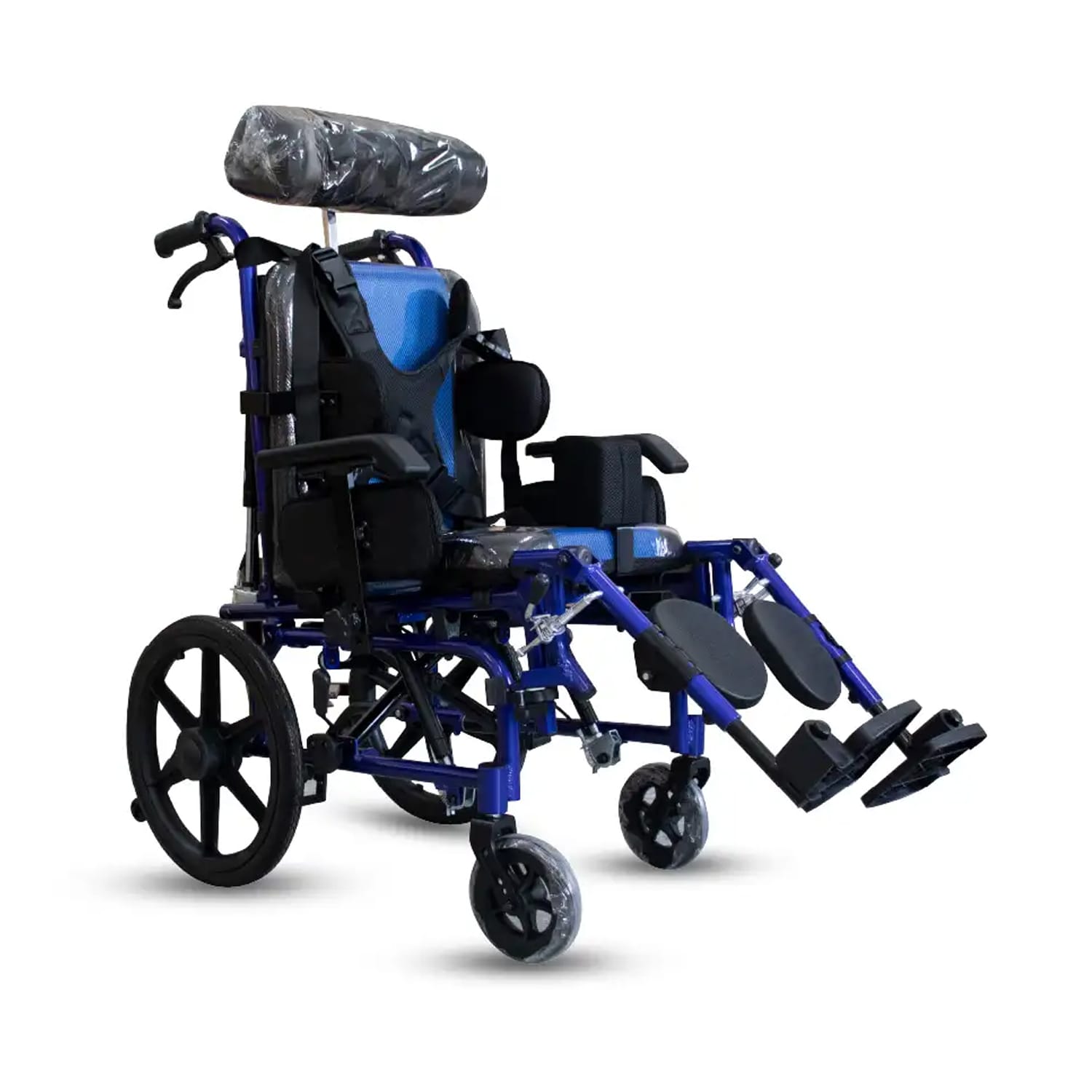
The backrest tilts, which gives more comfort to users who need to rest or shift position often through the day.
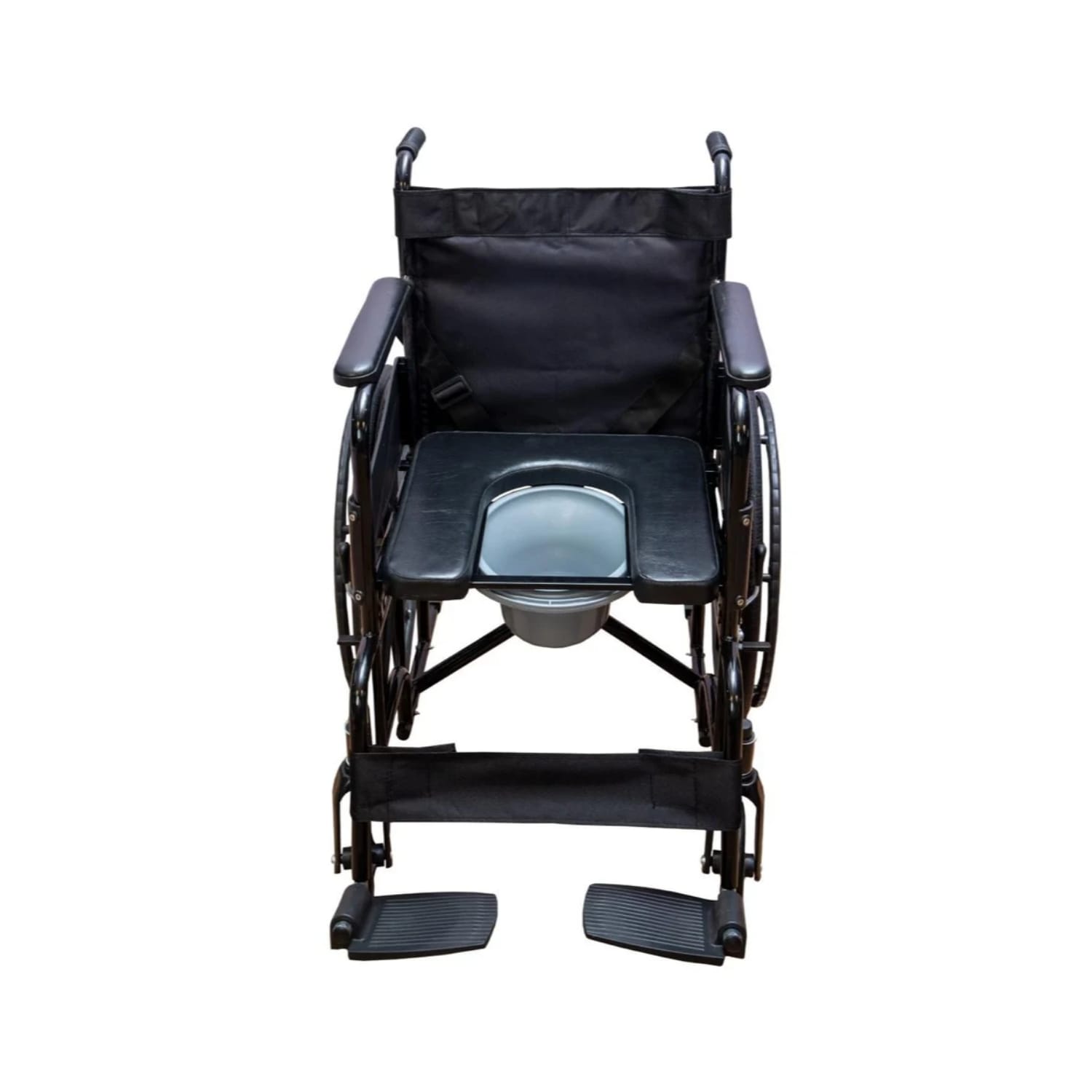
Mobility and a built in commode function combined, which simplifies things a lot for users with limited bathroom access.
Lightweight, easy to manoeuvre, these tend to work well for older users and whoever is helping them get around the home.
Compact enough to move through doorways and hallways without getting stuck on tight turns.
Built sturdier for frequent use in clinical settings, where durability matters more than how light the chair is.
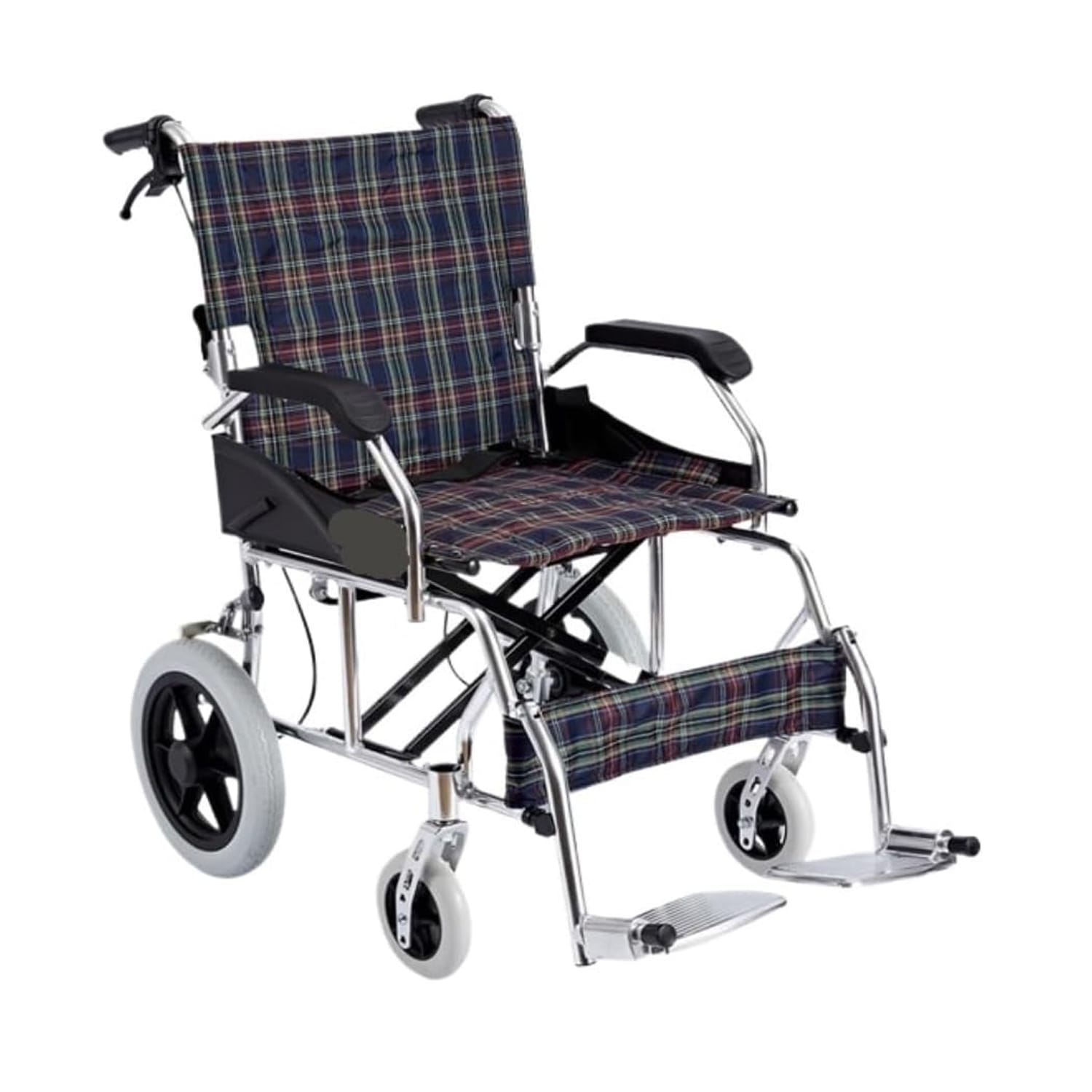
Foldable, lightweight, made to be transported easily, often small enough to fit in a car boot.
Good for homes with limited space, since they fold down into a cupboard or car boot when not needed.
Made as light as possible while still folding down compactly for trips, striking a balance between portability and everyday usability.
Built with features for users dealing with lower body paralysis, things like adjustable footrests and back support for comfort.
Often motorized, with extra support for users who have limited upper body movement on top of lower body limitations.
Mobility and toileting support in one chair, useful for anyone with limited bathroom mobility who needs assistance.
Allow a safe, direct transfer to and from the toilet without needing a separate mobility aid, which makes caregiving simpler.
The seat should comfortably fit the user with just a little room on either side, not too tight, not so loose that they're sliding around.
Check the maximum weight rating so it suits the user safely over the long haul.
Think about how often the chair will get folded, lifted, or transported before picking a model.
Manual chairs are lighter and cheaper, while motorized ones suit users who need to move independently without relying on a caregiver.
Manual wheelchairs are usually the cheapest option. Motorized and reclining models cost more because of the added mechanisms and features. Commode wheelchairs and other specialised designs also tend to sit higher on price.
Check tyre pressure, brakes, and folding mechanisms every so often, and keep the wheels and joints clean so movement stays smooth over time. Regular checks like this cut down the risk of sudden mechanical problems during daily use.
Type: Manual
Key difference: User or caregiver propelled
Best suited for: Everyday general use
Type: Folding
Key difference: Compact for storage or travel
Best suited for: Travel and limited space
Type: Motorized
Key difference: Battery powered, joystick control
Best suited for: Users needing independent mobility