

Bestseller

Wellwomen 70+ Tablets (Box of 3 Strips X 10 Tabs)
MEYER VITABIOTICS
₹41110% off₹456

Dr Reddys
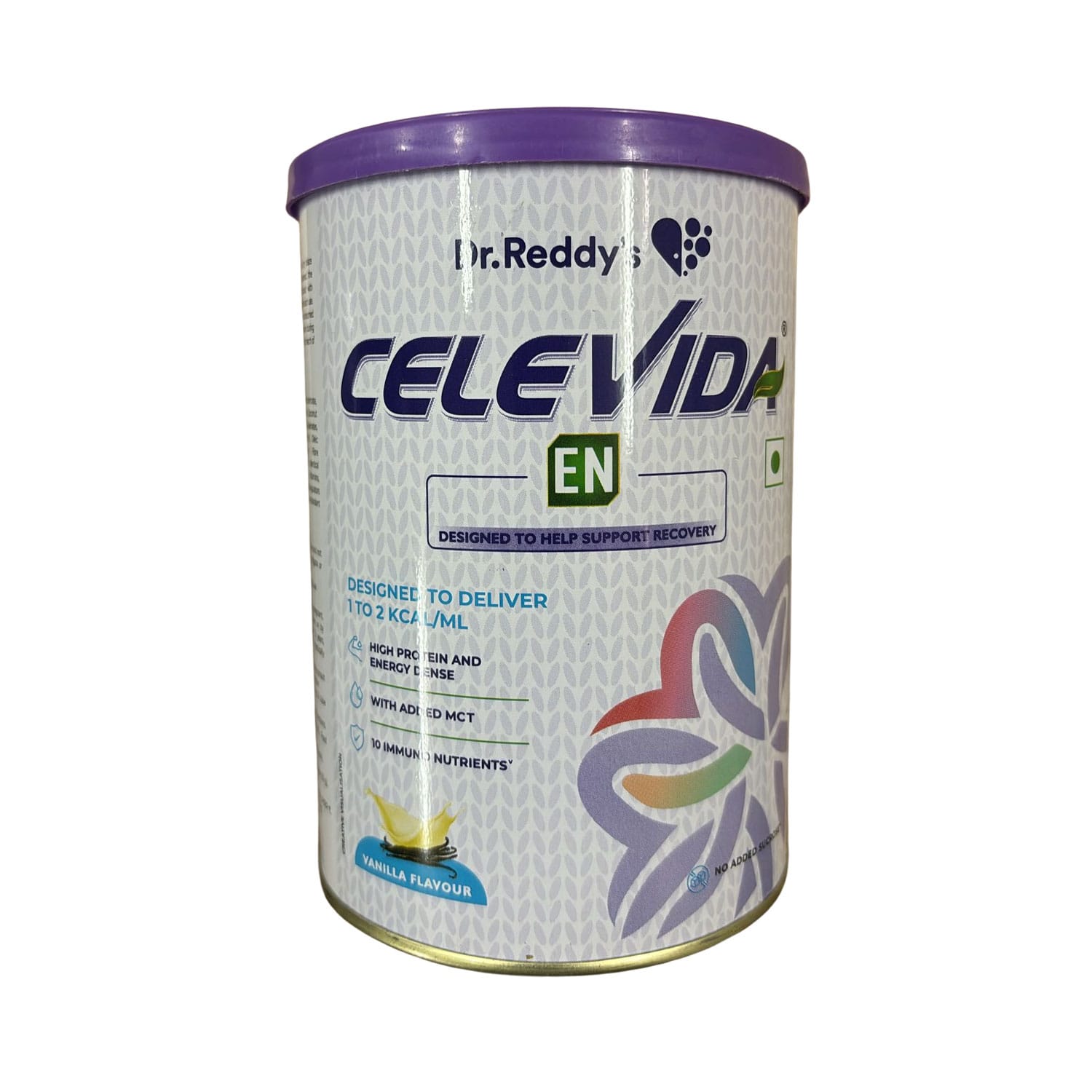
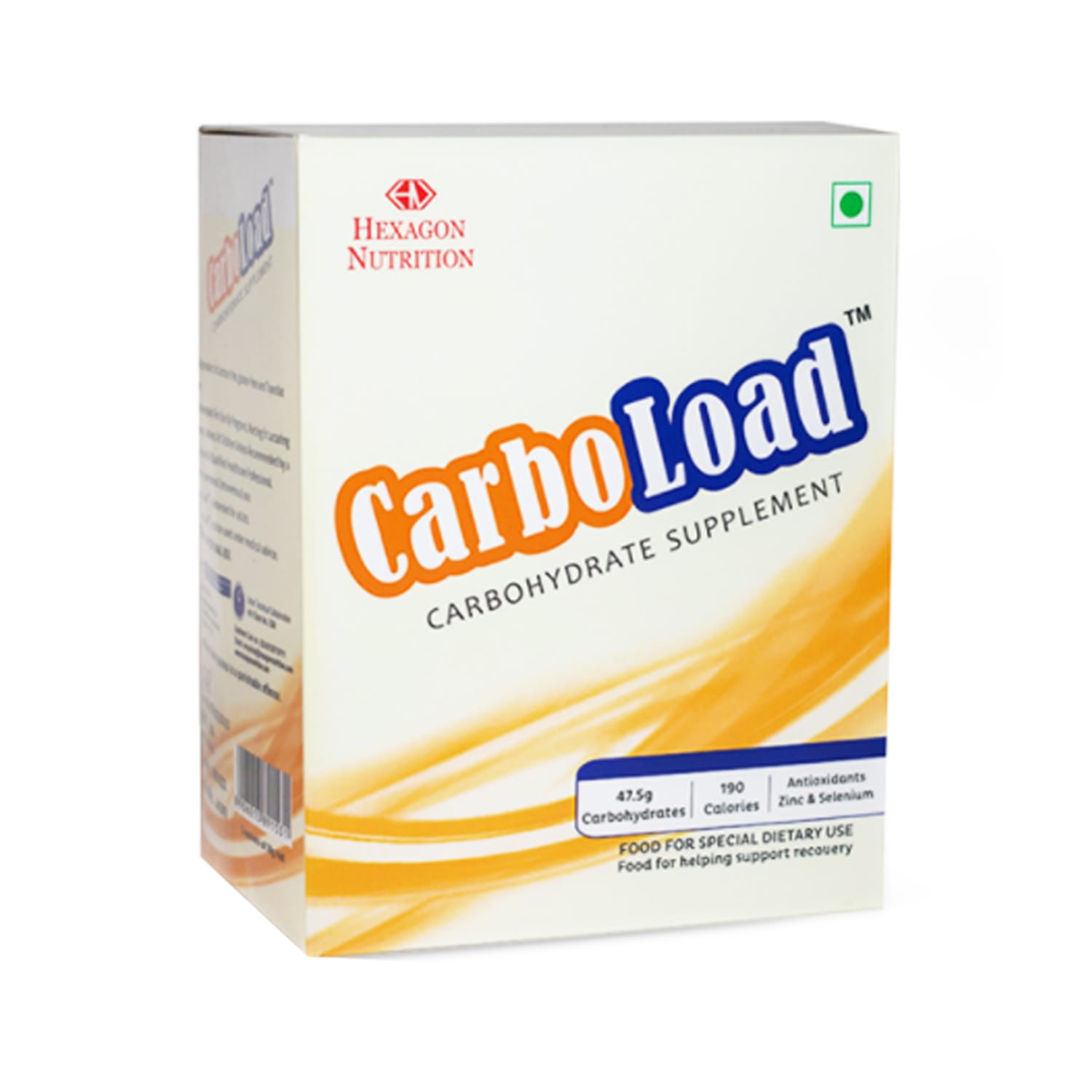
Many individuals take nutritional supplements to boost their daily intake of specific nutrients, enhancing their overall health and well-being. Common examples include multivitamins, probiotics, fish oil, and melatonin, which are all forms of dietary supplements.
Supplements are widely available over-the-counter in pharmacies, drugstores, and online. They come in various forms, such as capsules, pills, gummies, liquids, and powders. These products may contain vitamins, minerals, herbs, amino acids, enzymes, and other compounds. Some ingredients are derived directly from food sources, while others are synthetically produced.
Determining which vitamins you should take daily isn’t as straightforward as it might seem. There’s no universal answer, as everyone’s nutritional needs vary based on factors like their health goals, dietary restrictions, and how their bodies function.
The good news is that most people can get the majority of the vitamins and minerals they need from a balanced diet. However, if you’re unsure whether you’re meeting your nutritional needs through food alone, it’s wise to consult a healthcare provider, like a registered dietitian. They can help determine if you need supplements, which ones to take, and how to avoid any potential interactions with medications you might be on.
Certain vitamins and minerals are commonly deficient in people's diets, and without them, your body may not function optimally. Think of vitamin supplements as a safety net — they’re not a replacement for a healthy diet, but they can help ensure you’re getting the essential nutrients your body needs.
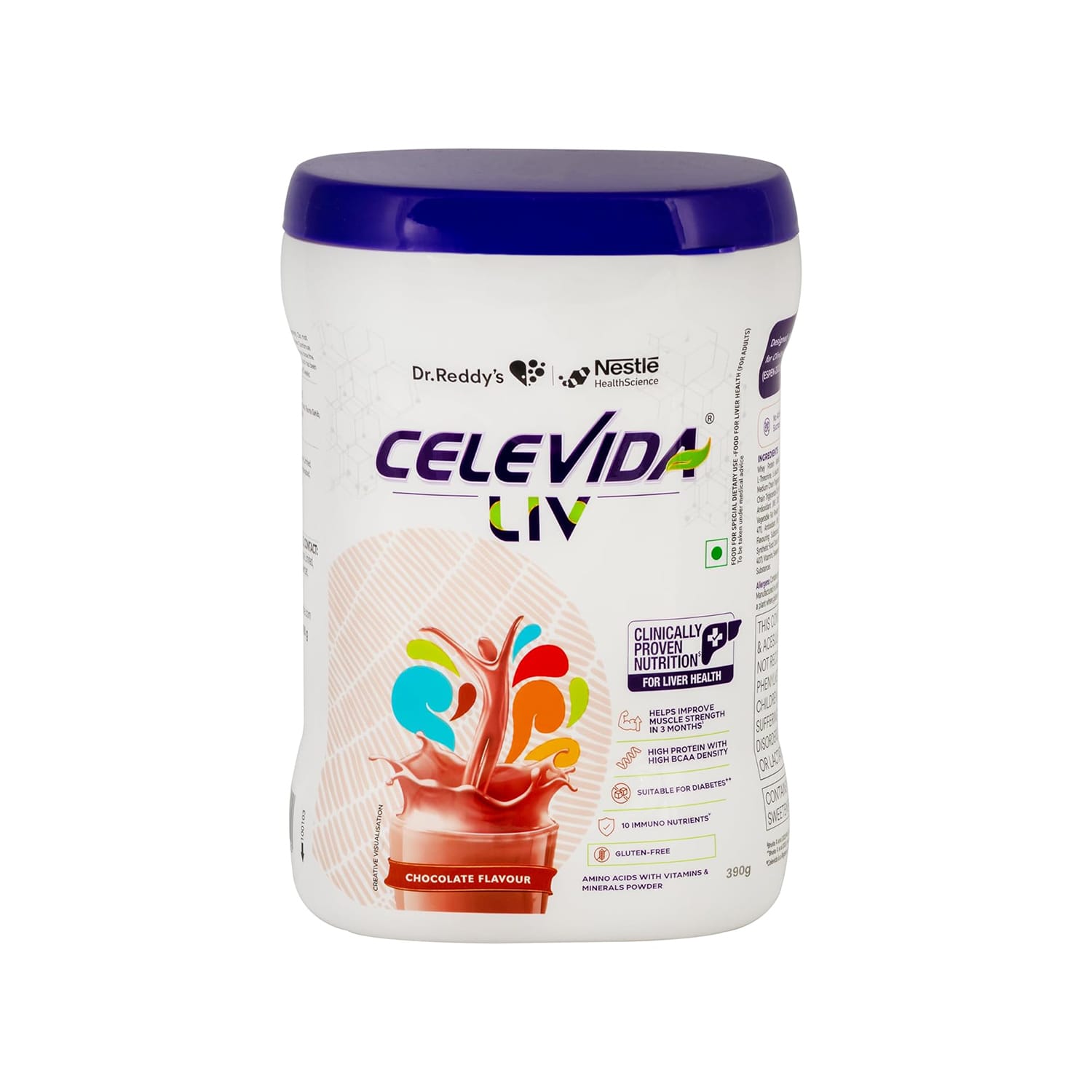
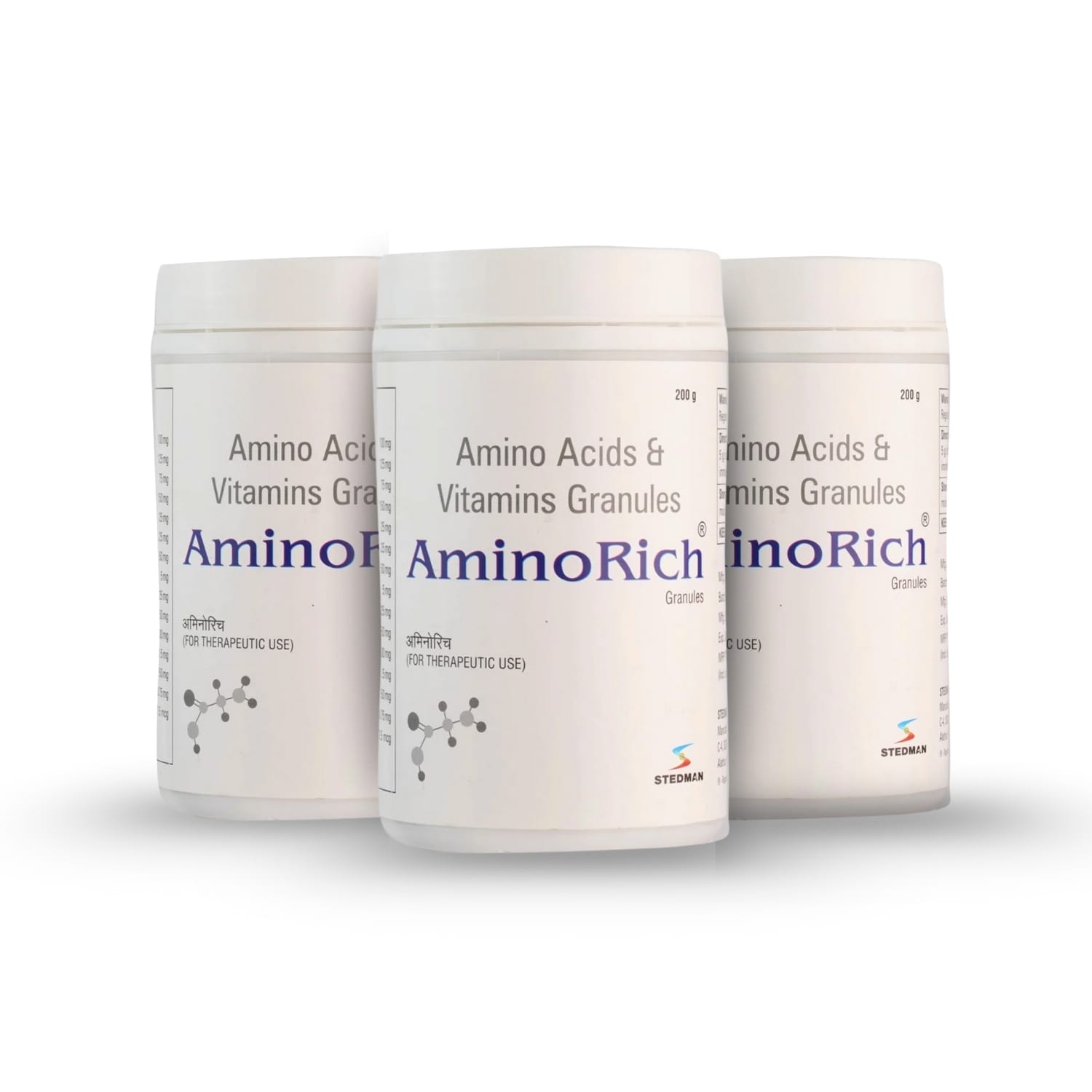
- Amino Acids: Essential for protein synthesis and muscle repair, amino acids support various bodily functions and are particularly popular among athletes and those looking to enhance muscle growth.
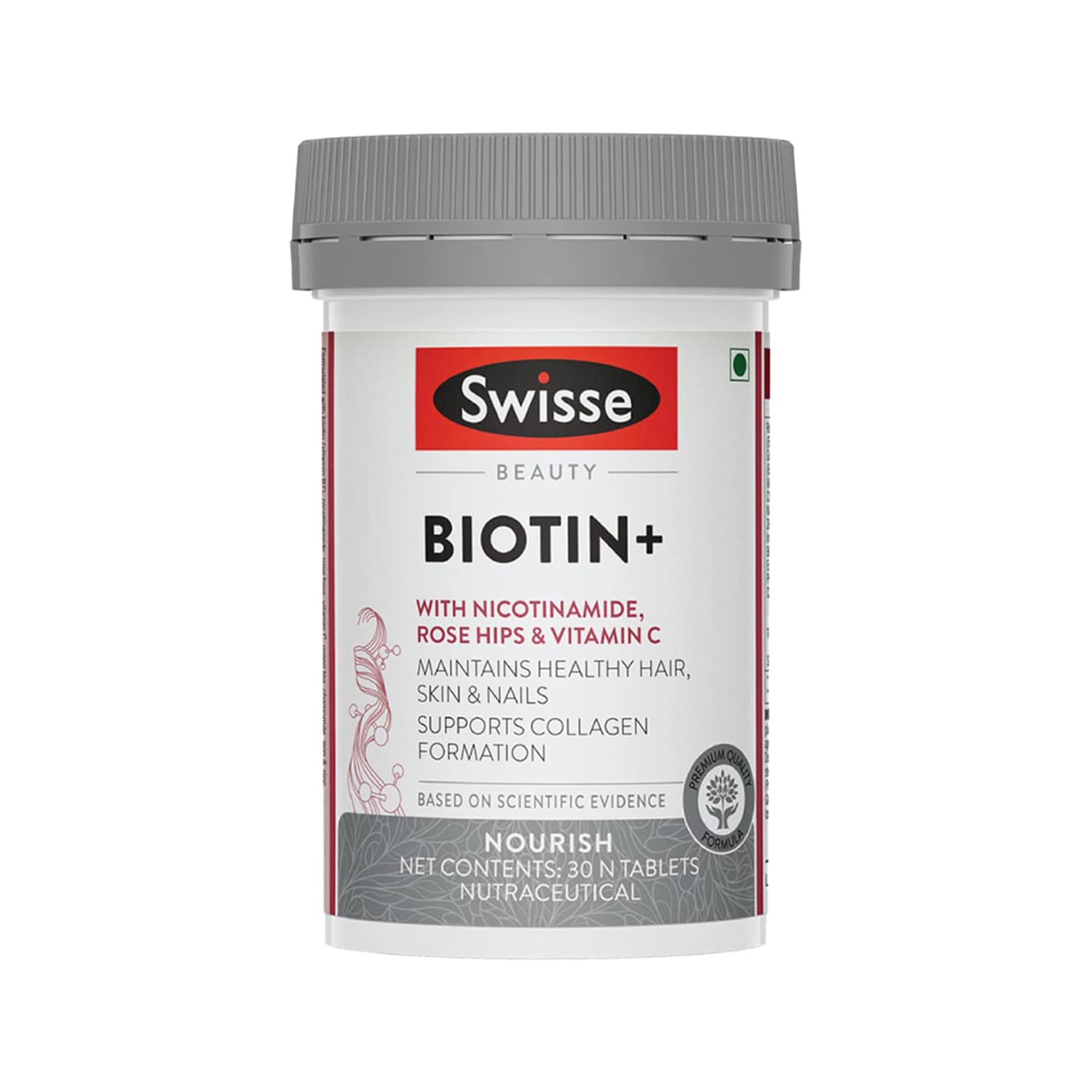
- Biotin: Known as vitamin B7, biotin is vital for healthy skin, hair, and nails, and also plays a key role in energy metabolism.
- Calcium: Critical for bone health, calcium supplements are often used to prevent or treat osteoporosis, especially in individuals who may not get enough from their diet.
- Immunity Boosters: These supplements, often containing ingredients like vitamin C, zinc, and elderberry, are designed to strengthen the immune system and help the body fight off illnesses.
- Iron: Essential for blood production, iron supplements are commonly used to treat or prevent iron deficiency anemia.
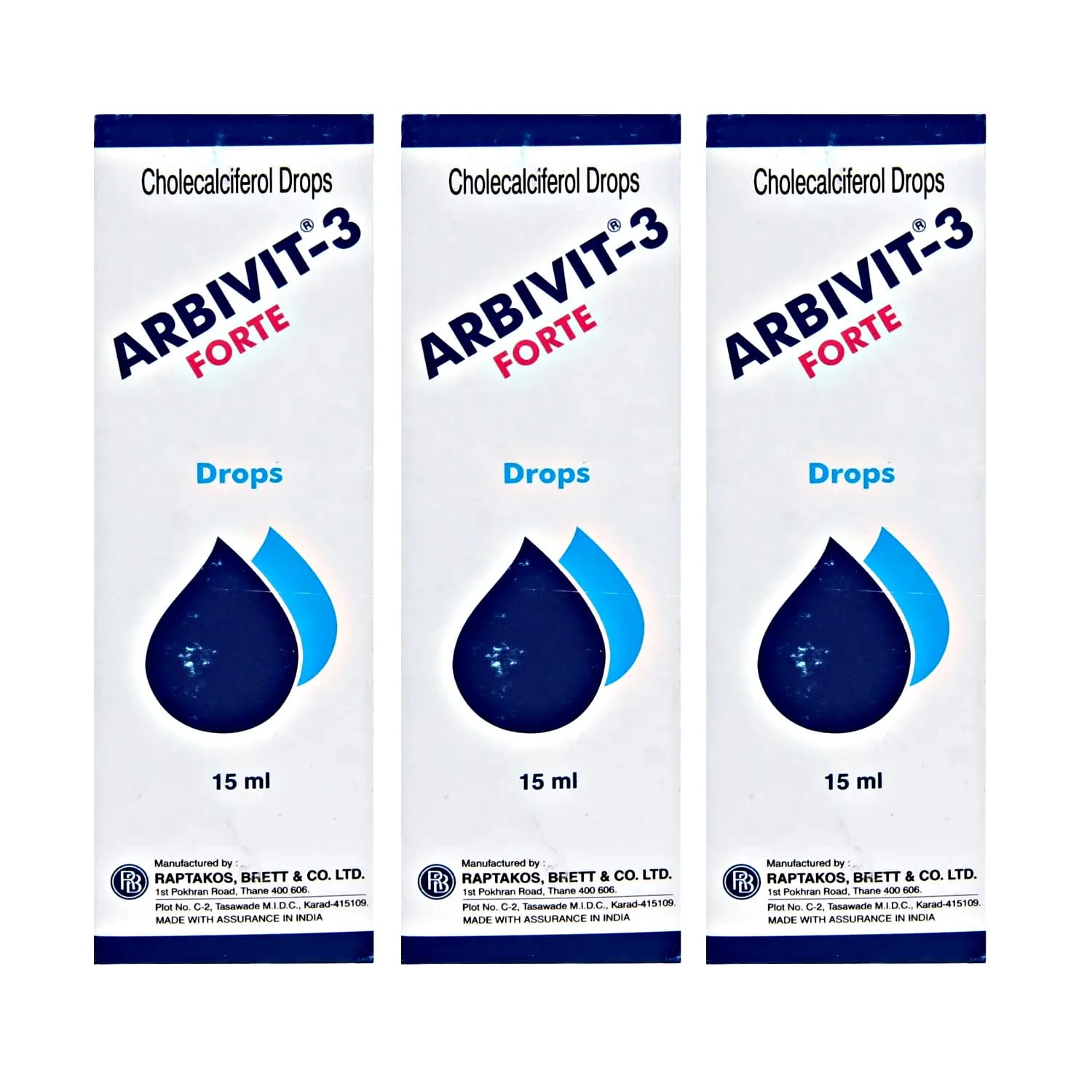
- Kids Syrup/Drops: Tailored for children, these supplements ensure they receive essential nutrients necessary for growth and development, often in more palatable forms like syrups or drops.
- Minerals: These supplements include vital nutrients like magnesium, potassium, and phosphorus, which are crucial for various body functions, including bone health, nerve function, and muscle contraction.
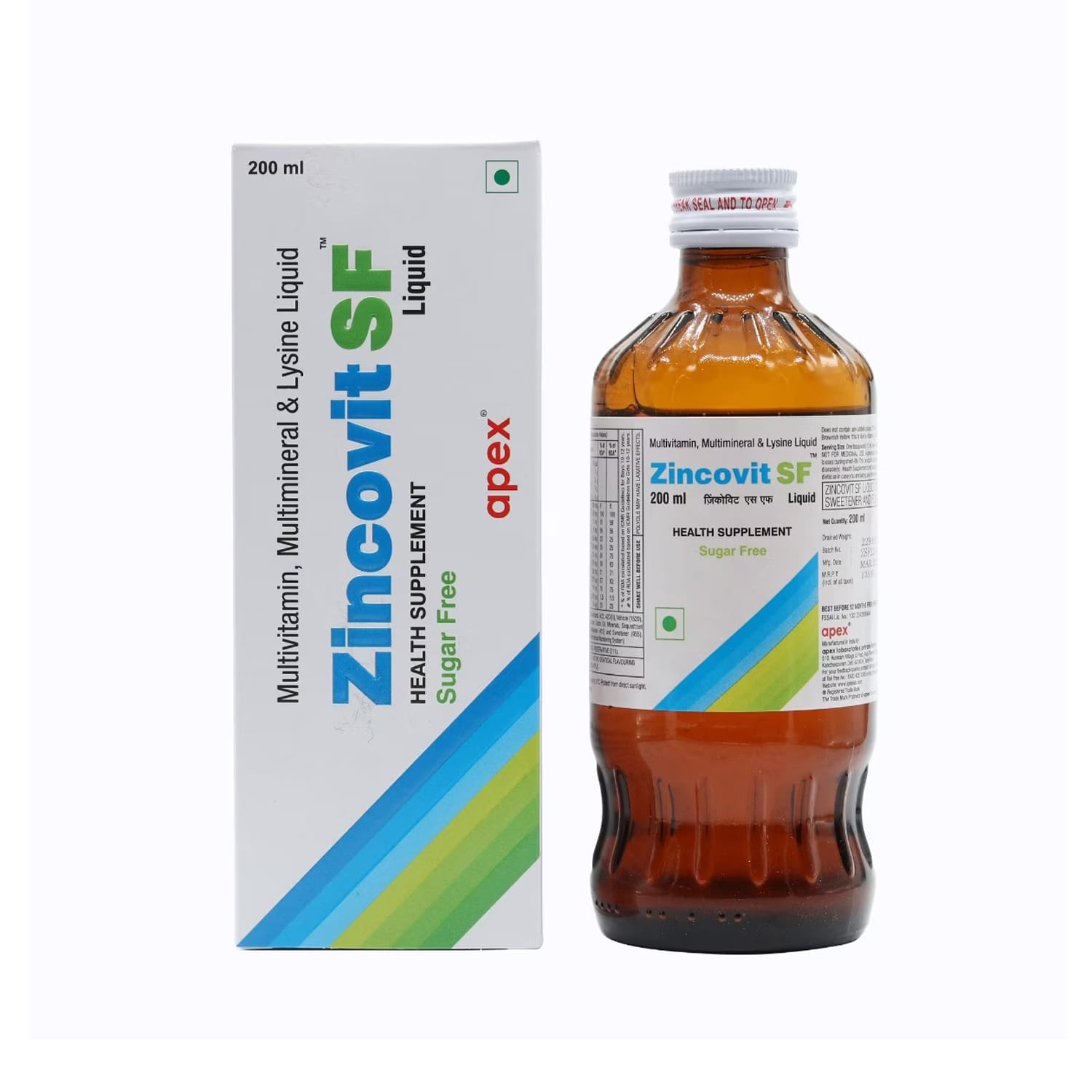
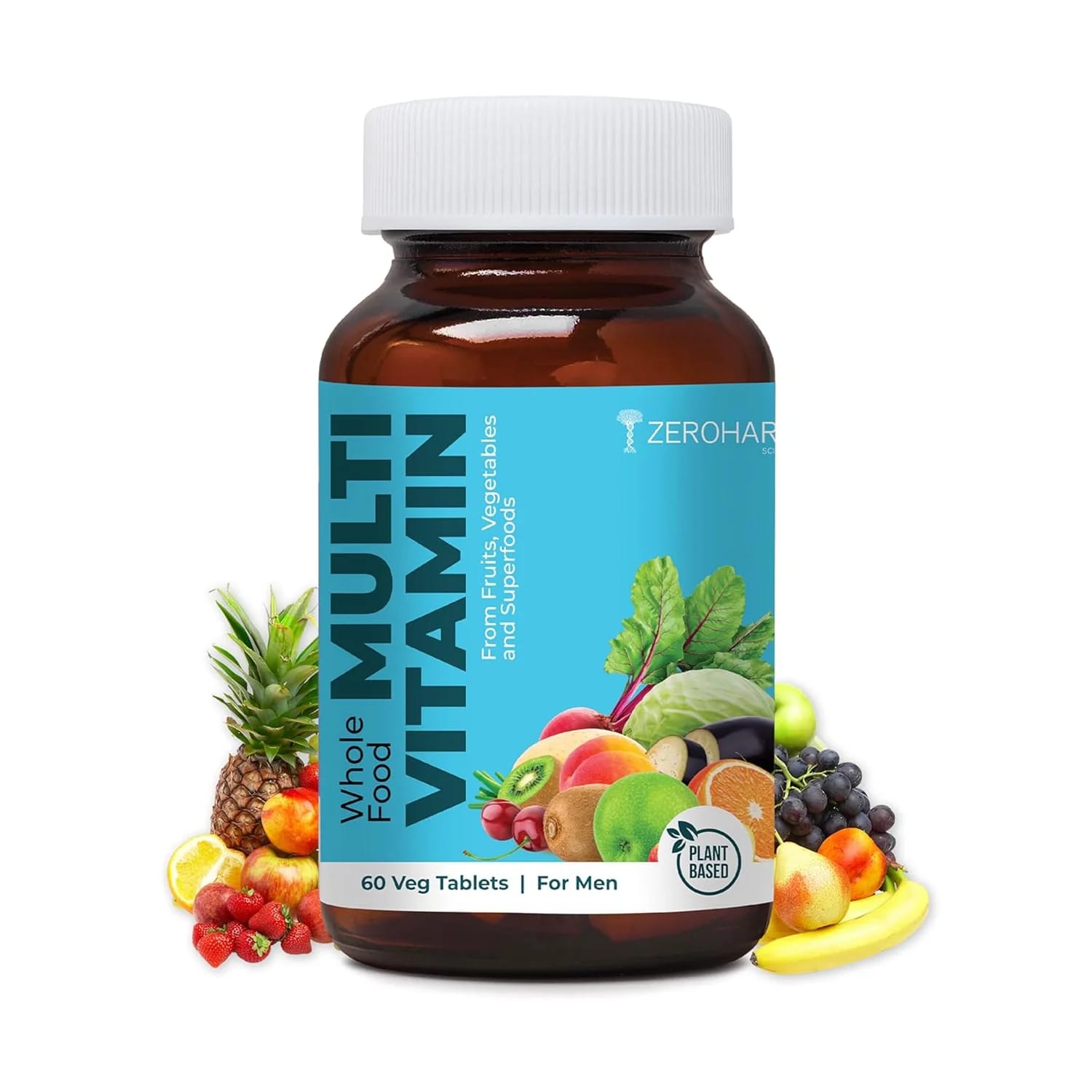
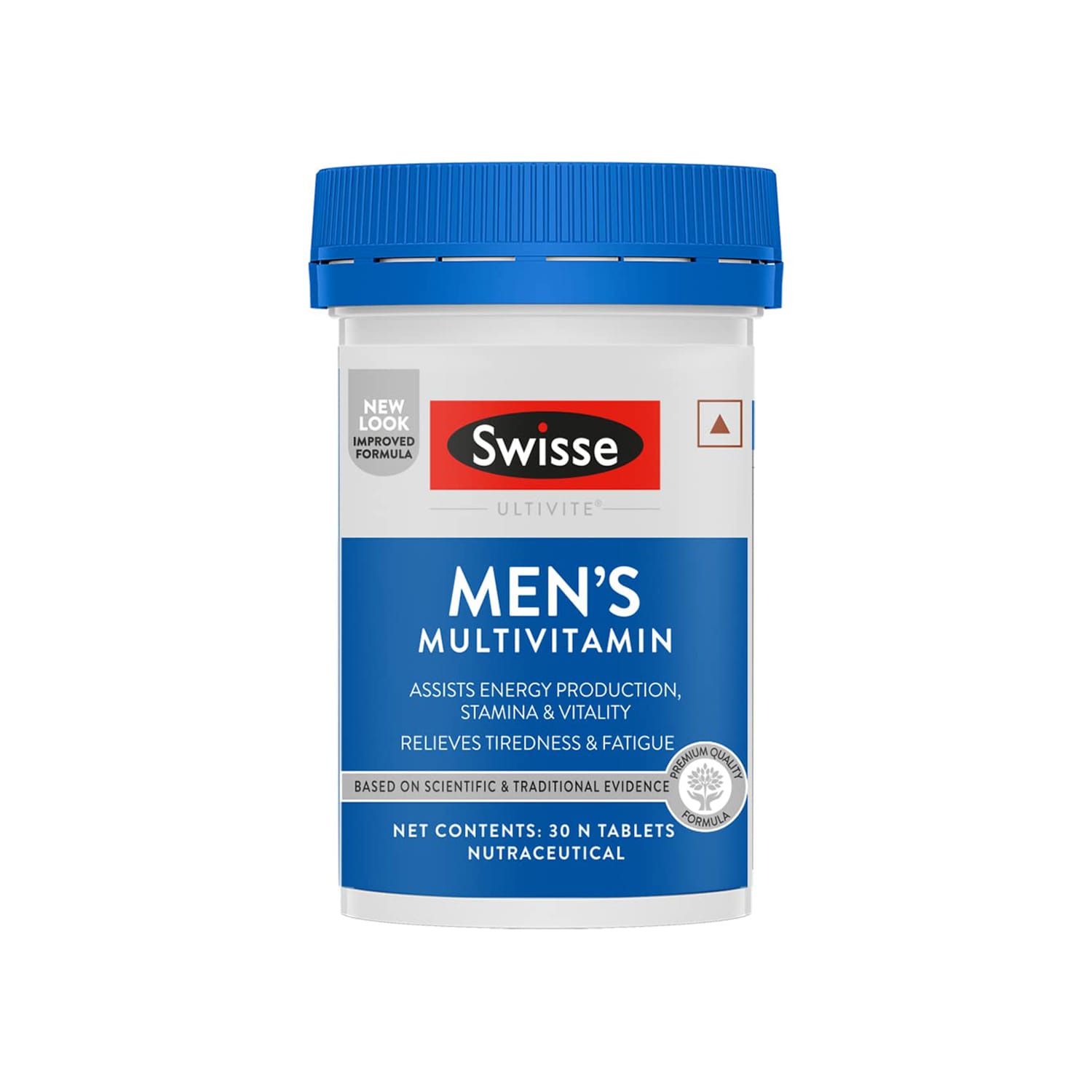
- Multivitamins: A comprehensive supplement that provides a blend of essential vitamins and minerals, multivitamins help fill nutritional gaps in the diet.
- Other Vitamins: This category includes individual vitamins like B vitamins, vitamin E, vitamin C, and vitamin D, each with specific benefits ranging from energy production to antioxidant protection and immune support.
- Antioxidants: Supplements rich in antioxidants, such as vitamins A, C, and E, help protect the body from oxidative stress and may reduce the risk of chronic diseases.
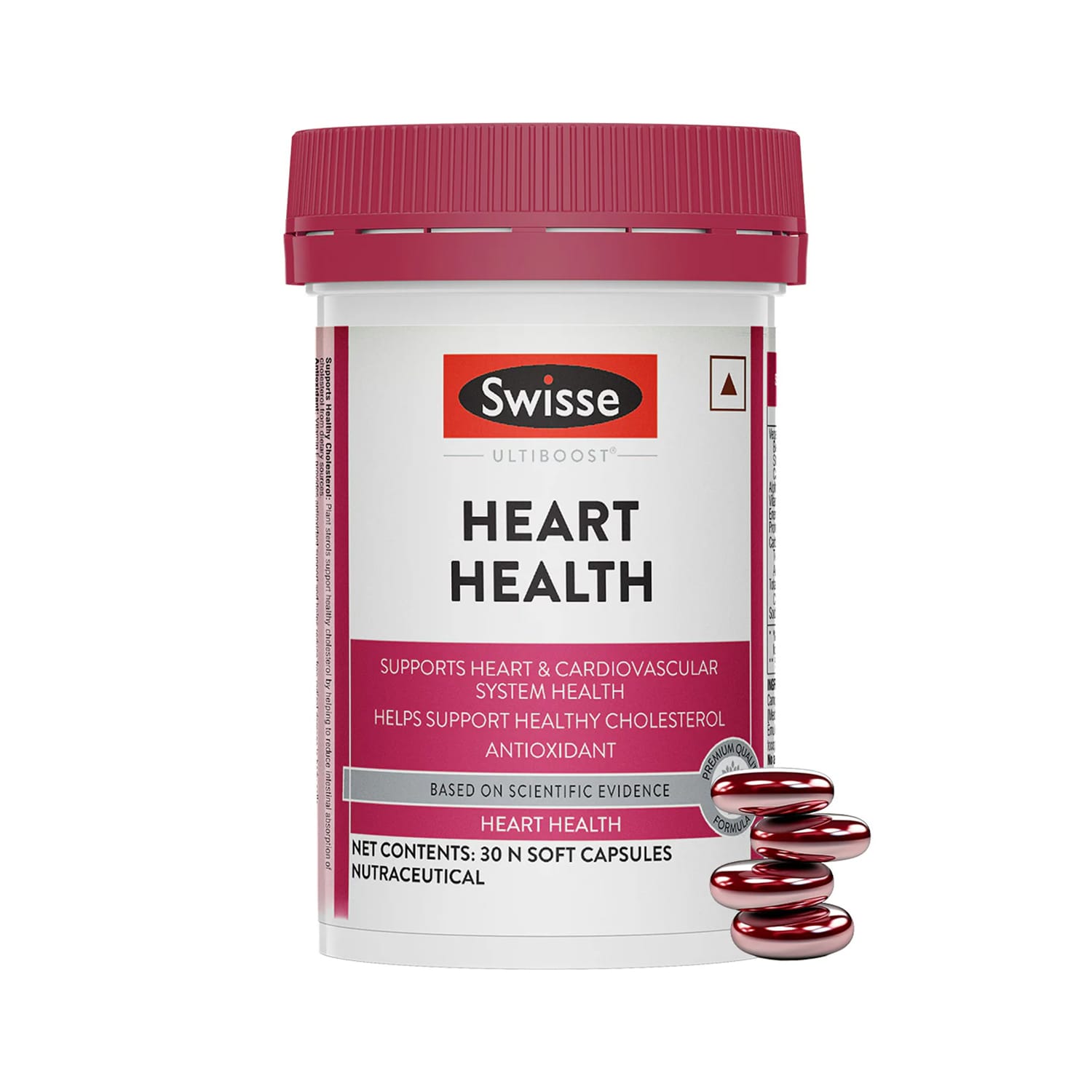
- Specialty Supplements: This broad category includes a variety of products targeting specific health concerns, such as joint health, cognitive function, or heart health.
- Fiber: Often taken to promote digestive health, fiber supplements help regulate bowel movements and support overall gut health.
Some individuals take supplements to address specific health conditions, prevent issues, or gain certain benefits. For instance:
Melatonin is used to help manage insomnia.
Fiber supplements are taken to regulate bowel movements.
Vitamin D or calcium supplements are used to prevent bone loss and support bone health.
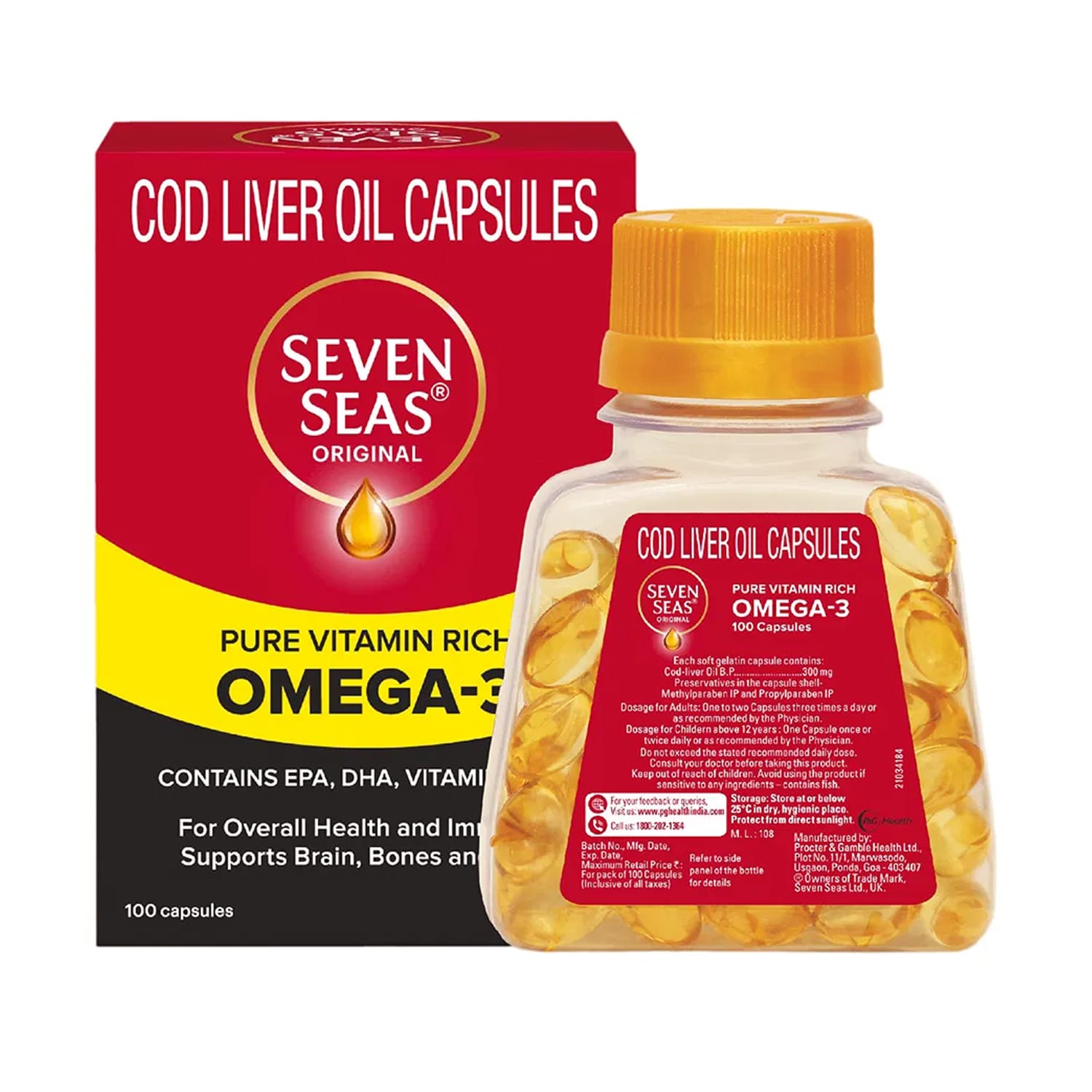
Omega-3 fatty acids are taken to support heart health and reduce inflammation.
Probiotics are used to promote gut health and improve digestion.
Iron supplements are often taken to prevent or treat anemia, especially in individuals with iron deficiency.
Vitamin C is commonly used to boost the immune system and may help reduce the duration of colds.
Magnesium supplements are taken to relieve muscle cramps and improve sleep quality.
Biotin is used to promote healthy hair, skin, and nails.
Collagen is taken to improve skin elasticity, antiaging benefits and support joint health.
Zinc supplements are taken to support immune function and aid in wound healing.
Nutrtional supplements play a vital role in correcting deficiencies in essential vitamins and minerals, helping you meet your daily micronutrient needs. Beyond addressing deficiencies, they can provide targeted health benefits and alleviate symptoms associated with specific medical conditions, enhancing overall well-being. However, it's crucial to consult with a doctor before starting any supplement, especially if you're on medication, to avoid potential interactions and ensure the best approach for your health.