Dr. Ortho Back Support PU Foam
Dr. Ortho


Tynor
Managing conditions that impact joint stability and flexibility can make daily activities challenging, often bringing discomfort and an increased risk of injury. Using supportive braces, supports or splints may offer necessary support to help stabilize joints, reduce pain, and improve movement, all of which contribute to a better quality of life. Choosing the right aids requires careful consideration and should involve a healthcare professional to ensure they suit specific needs and lifestyle factors. With the right support and guidance, those with joint instability can experience greater comfort, enhanced mobility, and a more active and fulfilling life.
Types of Braces and Splint
1. Functional Non-Immobilizing Splints and Braces
These provide support while allowing movement through a controlled range of motion. They are particularly helpful for activities such as writing, gripping, and walking. By correcting movement patterns, they help prevent overload injuries without risking muscle loss.
2. Immobilizing Splints and Braces
These are designed to restrict movement and provide rigid support, often used to protect joints and manage pain in cases of significant instability or after an injury. Immobilizing supports are commonly prescribed following dislocations, fractures, or other severe joint issues. They help prevent further damage by keeping the joint in a stable position, though they may lead to muscle loss if used for extended periods. For this reason, healthcare providers often recommend them for short-term or situational use to allow for healing while minimizing muscle deconditioning.
3. Resting Splints and Braces
Made from rigid materials, these are intended for protection and pain reduction, particularly in cases of joint instability, nerve damage, or post-injury recovery. Often prescribed for nighttime use, resting splints should be used cautiously during the day as they can lead to muscle wasting if overused.
4. Proprioceptive Braces
Designed to improve body awareness, these braces apply gentle pressure to increase proprioception. Lightweight and flexible, they can be worn daily or for specific activities without significantly restricting movement, thus helping prevent muscle loss.
5. In-Shoe Orthotics
In-shoe orthotics provide essential support for those who experience foot discomfort or require improved alignment while walking or standing. These inserts are placed inside shoes to modify the distribution of pressure on the feet, helping to alleviate pain and enhance overall foot function. They can address specific needs such as flat feet, plantar fasciitis, or overpronation and offer a convenient and affordable option for those seeking extra cushioning or basic arch support.
Orthopedic Bracing Options
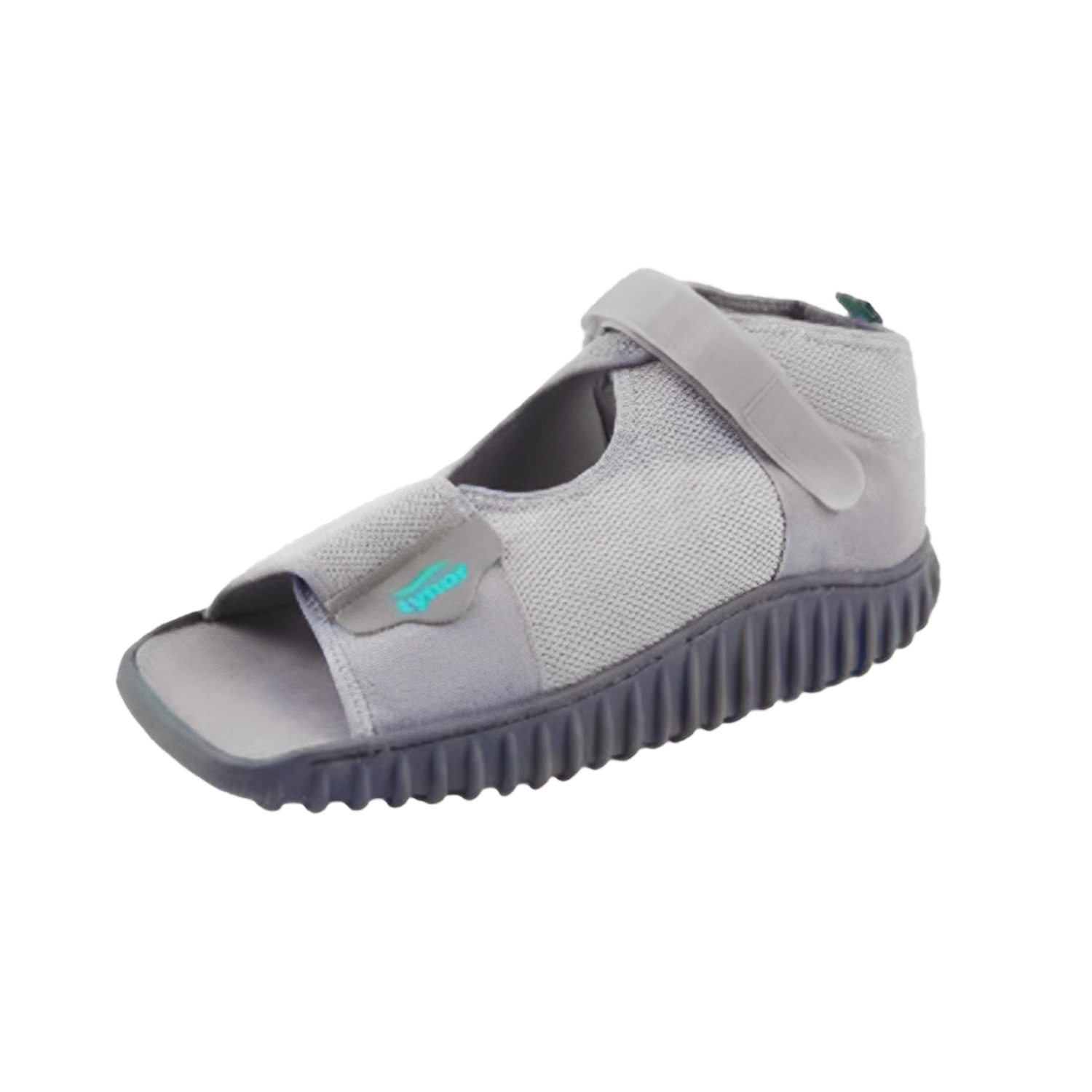
Ankle, Foot & Leg Support
These supports help stabilize the lower extremities, providing relief from conditions like sprained ankles, plantar fasciitis, or shin splints. Ankle braces, foot orthotics, and leg braces are commonly used to improve mobility, reduce pain, and enhance overall foot and leg function.
Arm & Elbow Support
Arm and elbow supports, such as elbow braces and arm slings, are beneficial for conditions like tennis elbow, golfer’s elbow, or post-fracture recovery. These devices help reduce strain, provide compression, and support healing by limiting movement when necessary.
Back & Abdomen Support
Designed to aid those with back pain, muscle strains, or abdominal issues, these supports include lumbar braces and abdominal binders. They provide stability and compression, helping to alleviate pain and promote proper posture.
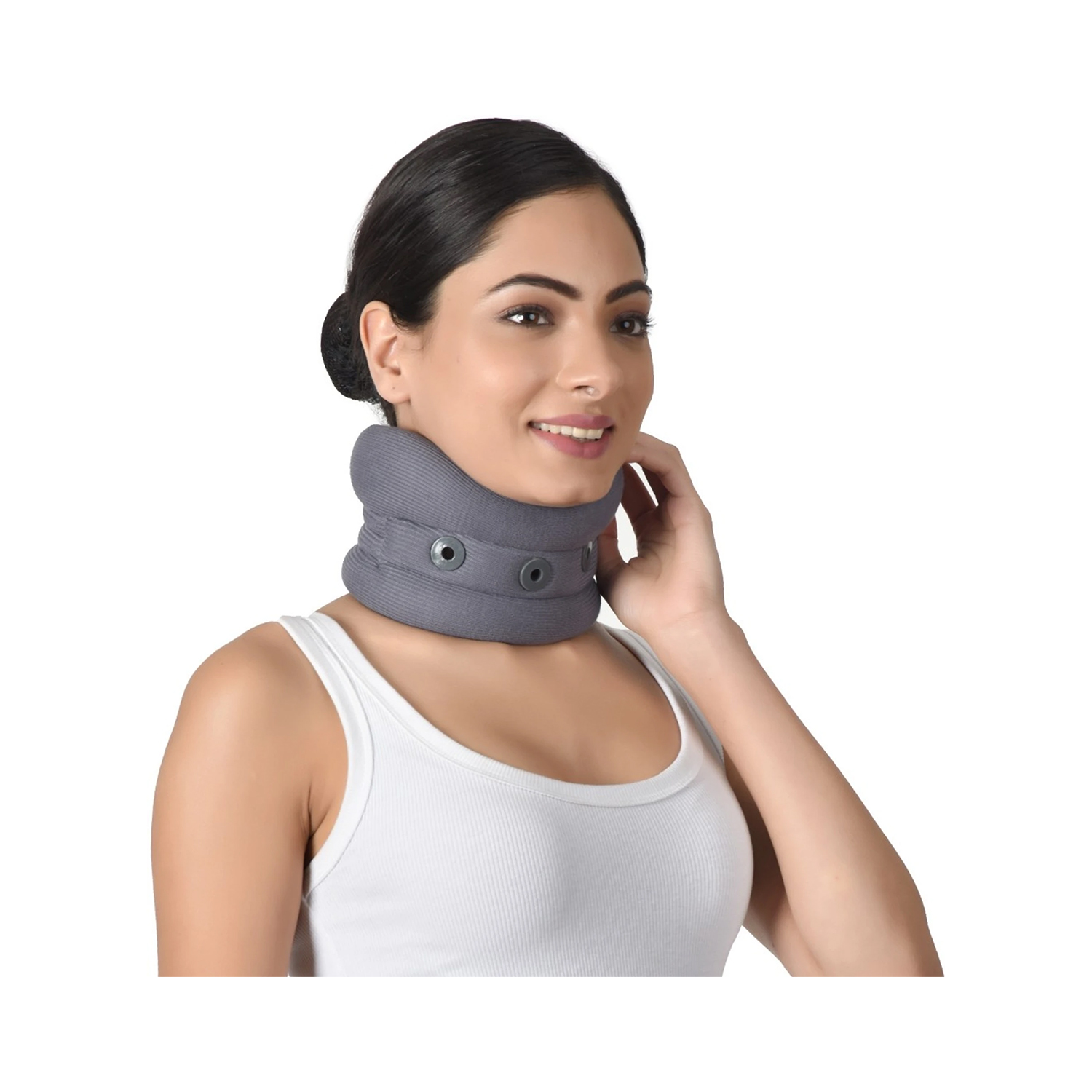
Cervical/Neck Support
Neck braces, often used for whiplash or other cervical spine injuries, help immobilize the neck and provide gentle support. They reduce strain on neck muscles and aid in recovery by restricting movement.
Chest Brace
Chest braces are used to stabilize the rib cage and chest area, particularly after fractures or surgical procedures. They provide compression to reduce pain and promote healing in the upper torso.
Coccyx Support
Designed to relieve tailbone pain, coccyx supports are cushions or braces that alleviate pressure on the coccyx, especially while sitting. They’re often used by those with coccygeal injuries or chronic tailbone pain.
Compression Support & Socks
Compression garments, including socks, sleeves, and stockings, are widely used to improve circulation, reduce swelling, and prevent blood clots. They’re especially beneficial for those with conditions like varicose veins or for recovery after exercise.
Finger/Forearm Splint
Finger and forearm splints immobilize specific joints to aid in the healing of fractures, sprains, or tendon injuries. They restrict movement, reduce pain, and allow for proper alignment during recovery.
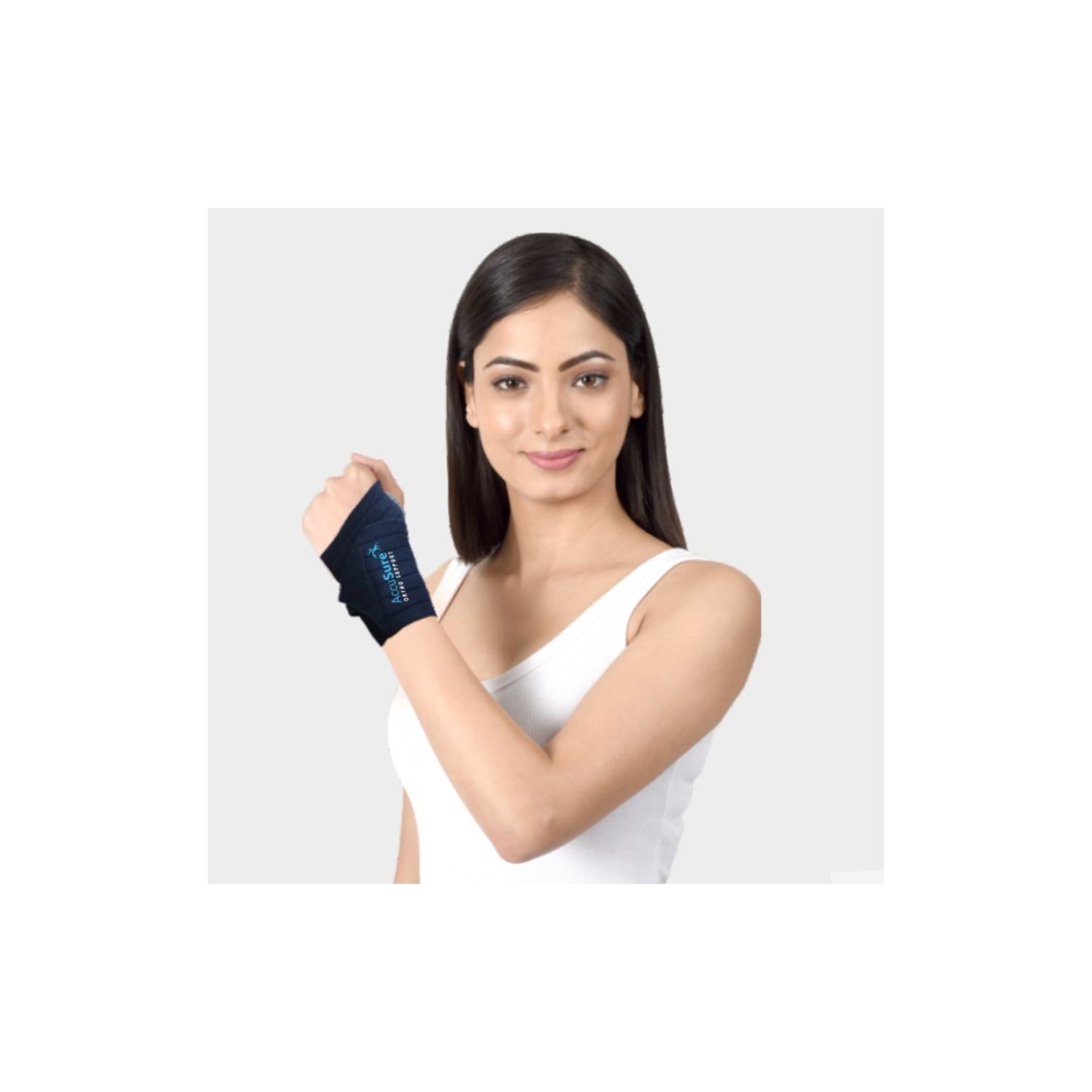
Hand & Wrist Braces
Hand and wrist braces provide support for conditions like carpal tunnel syndrome, arthritis, or wrist sprains. By immobilizing the area, these braces help alleviate pain, reduce inflammation, and promote healing.
Heel/Silicone Support
Heel supports, often made from silicone, cushion the heel and provide shock absorption. They’re beneficial for those with heel pain or plantar fasciitis, as they reduce pressure on the affected area.
Hernia Support
Hernia supports apply gentle pressure to reduce the protrusion of a hernia. They are commonly used as a non-surgical management tool for inguinal hernias and offer relief by holding the hernia in place.
Knee Brace/Support
Knee supports provide stabilization for a variety of knee conditions, including ligament injuries, meniscus tears, and arthritis. They offer compression, warmth, or restricted movement depending on the brace type, improving pain management and mobility.
Lumbar Support
Lumbar supports focus on the lower back, providing relief from pain due to muscle strains, herniated discs, or poor posture. They support the spine, helping to reduce pressure on the lumbar area and promote proper alignment.
Neck Support Pillows
These pillows are designed to support the neck and maintain proper alignment during sleep. They’re useful for those with chronic neck pain, stiffness, or cervical spine issues, helping to alleviate discomfort overnight.
Pelvic Support
Pelvic supports, such as belts, are often used to manage pelvic pain or instability, especially during pregnancy or in conditions like sacroiliac joint dysfunction. They stabilize the pelvis and reduce strain on ligaments and joints.
Shoulder Support
Shoulder braces aid those recovering from rotator cuff injuries, dislocations, or general shoulder instability. They provide targeted compression and limit shoulder movement to promote healing.
Spinal Brace
Spinal braces are used to immobilize or support the spine following surgery, injury, or for conditions like scoliosis. They help maintain proper spinal alignment and reduce strain on the muscles surrounding the spine.
Proper fitting is crucial for comfort and efficacy. An improperly fitted brace can cause discomfort or even impair circulation, while a loose brace may not provide adequate support. Regular maintenance and timely replacement are essential to ensure that braces remain functional.
Incorporating the right orthopedic support into your routine can make a significant difference in managing pain, enhancing stability, and improving overall quality of life. Whether you’re dealing with chronic conditions, recovering from an injury, or simply seeking added comfort, the wide variety of braces and supports available at cureka.com can meet your unique needs.