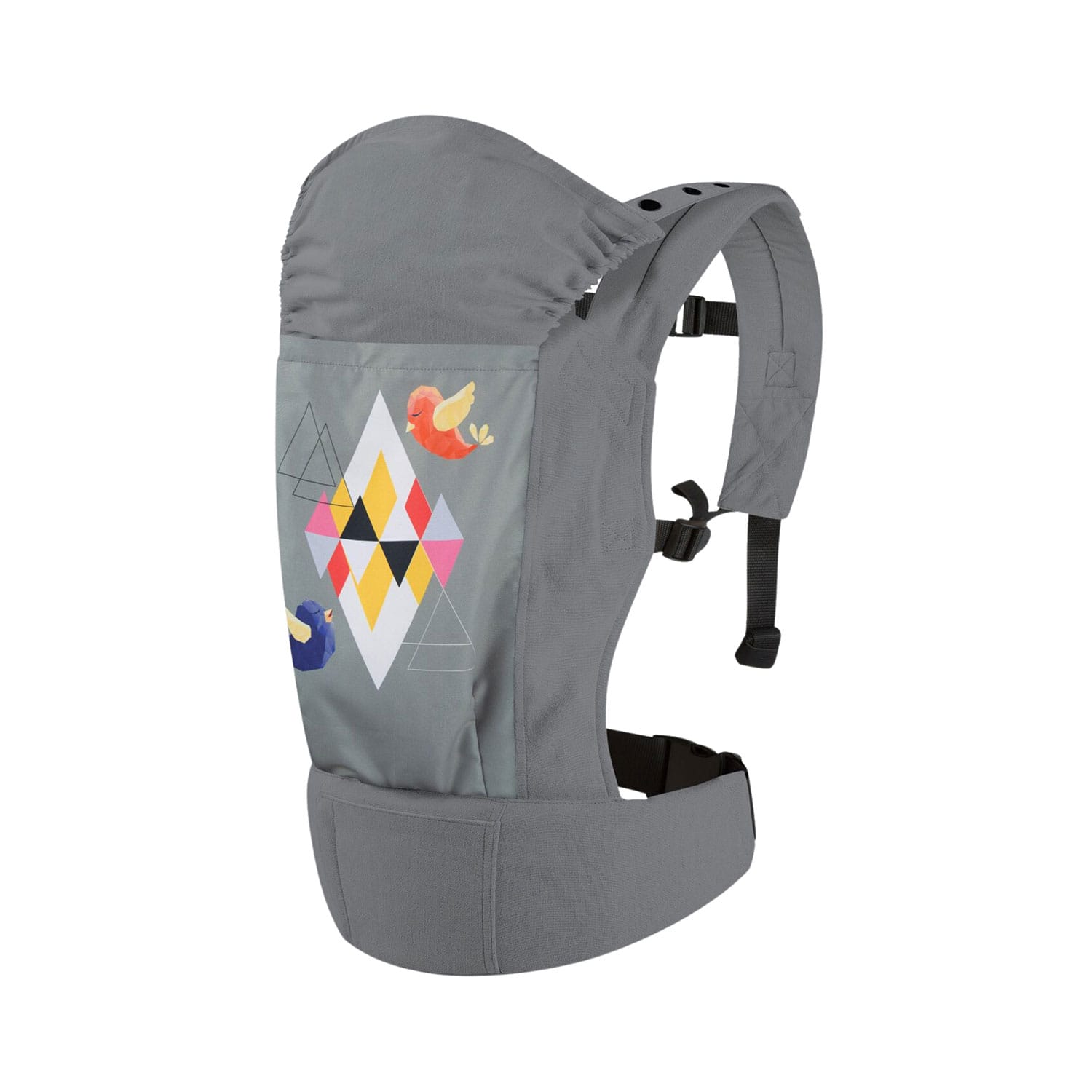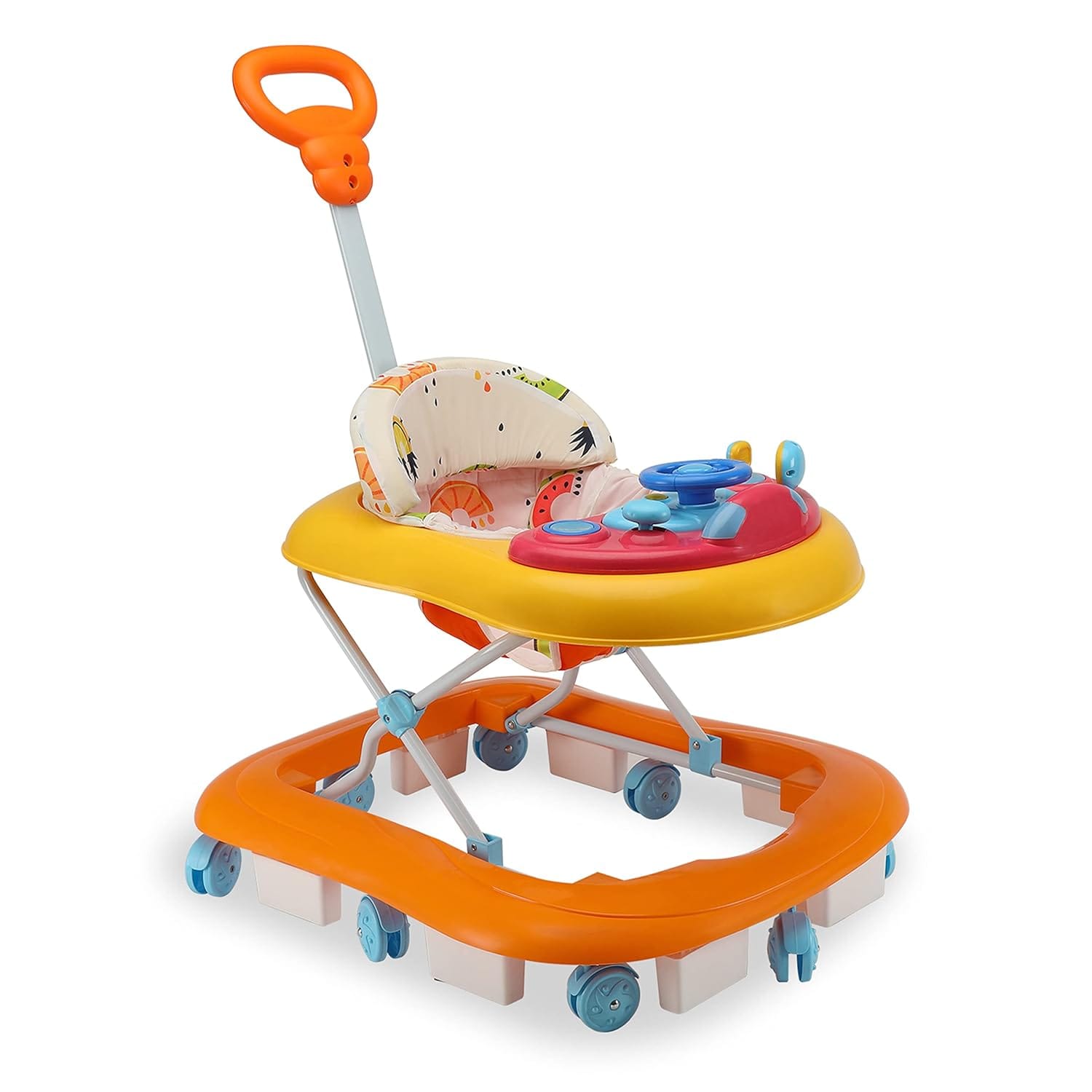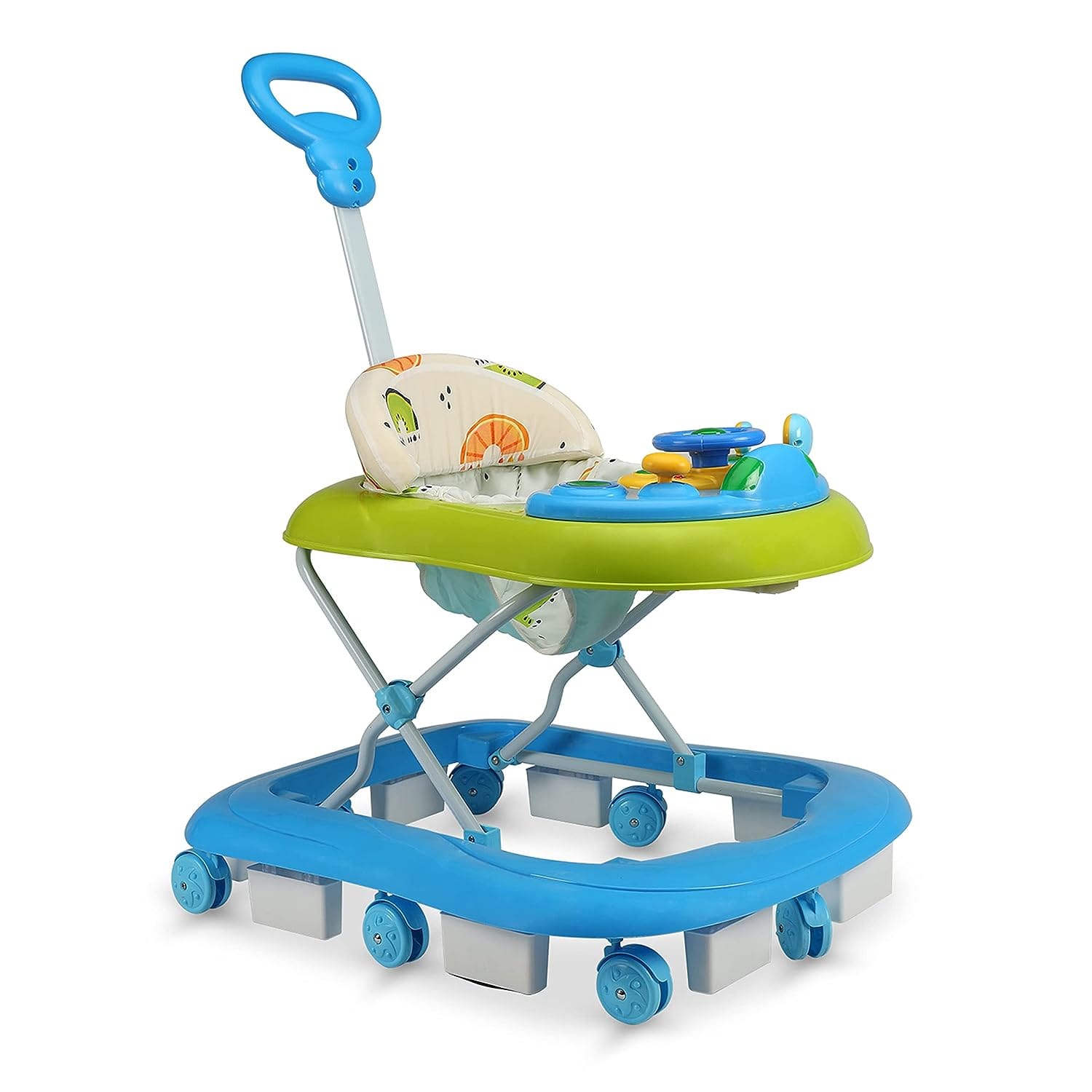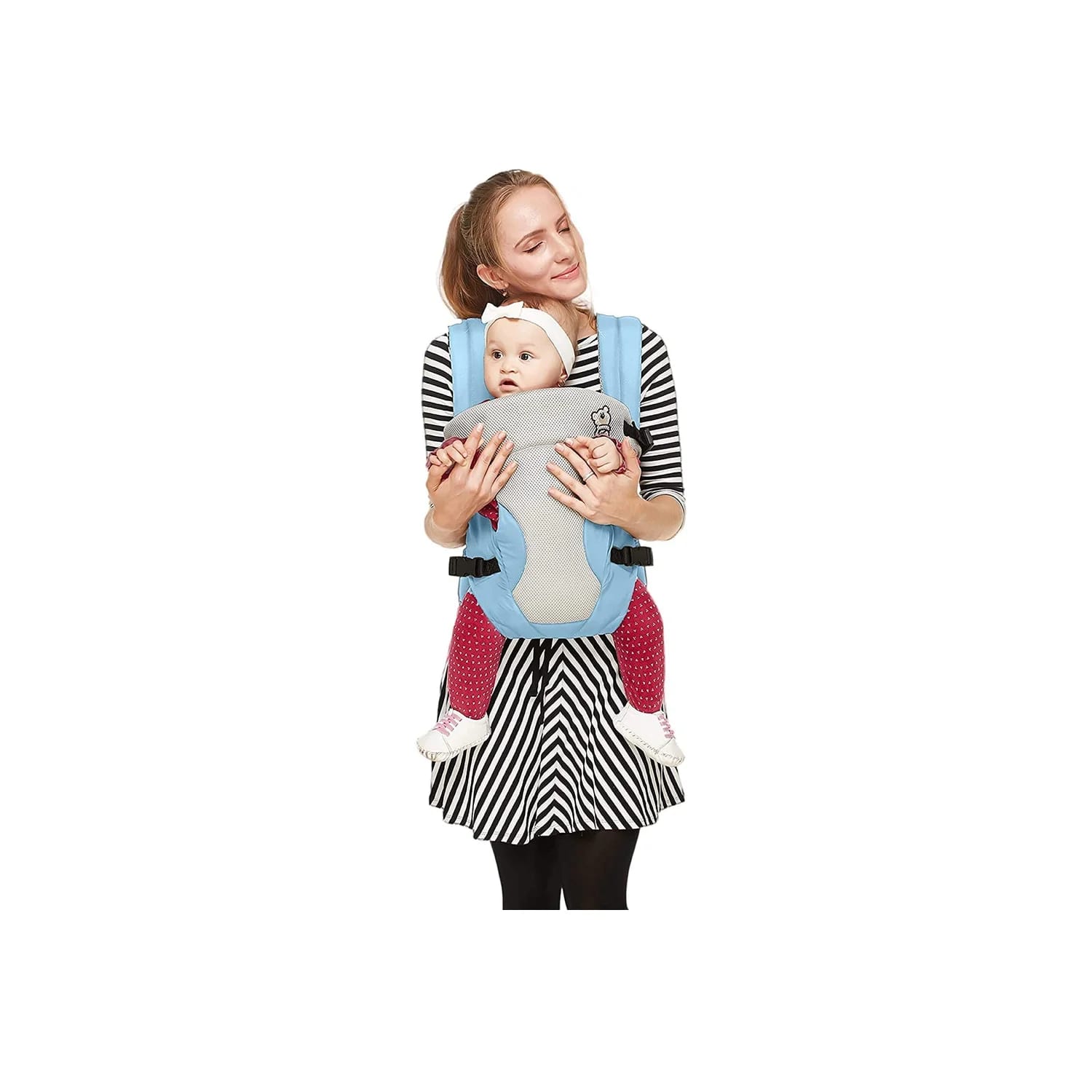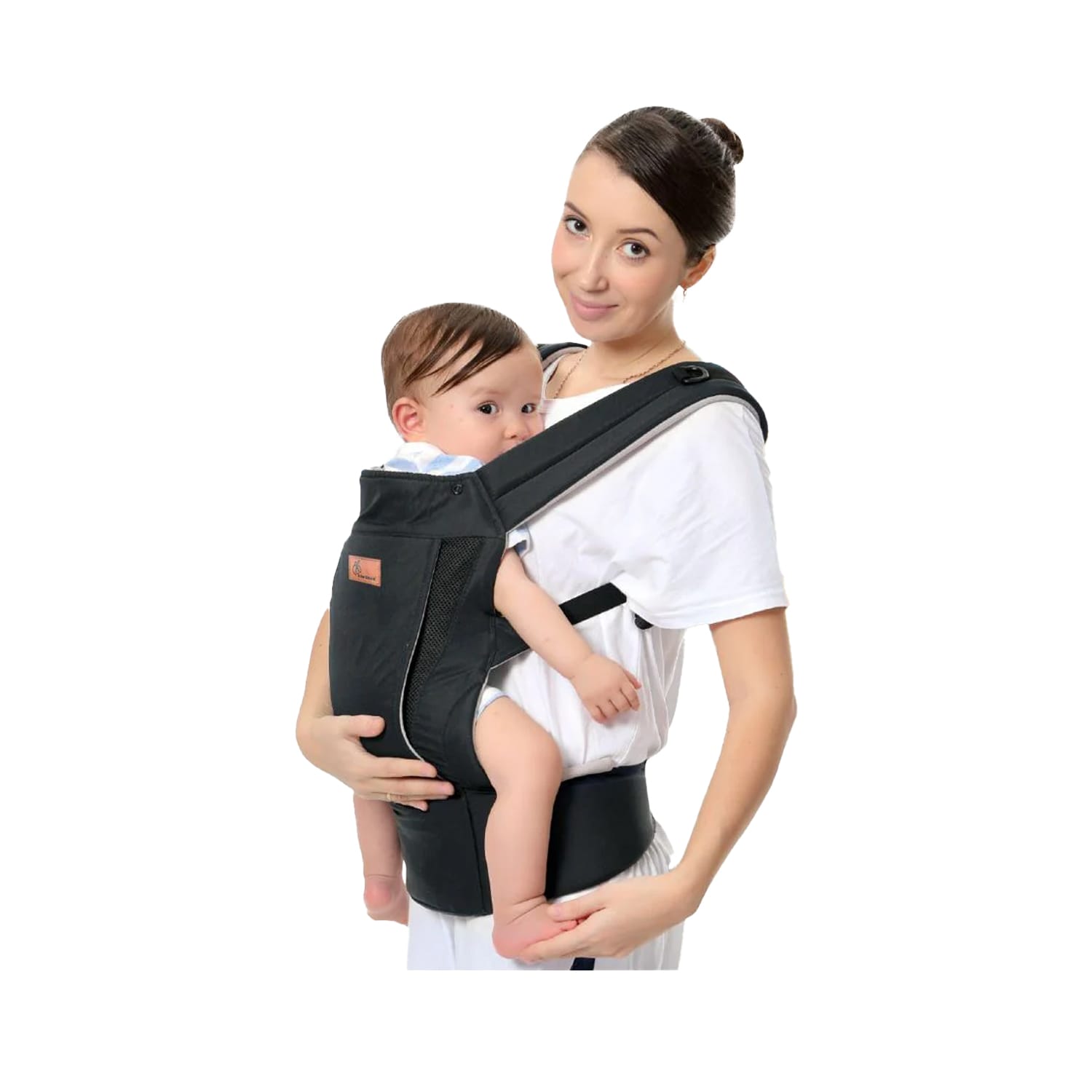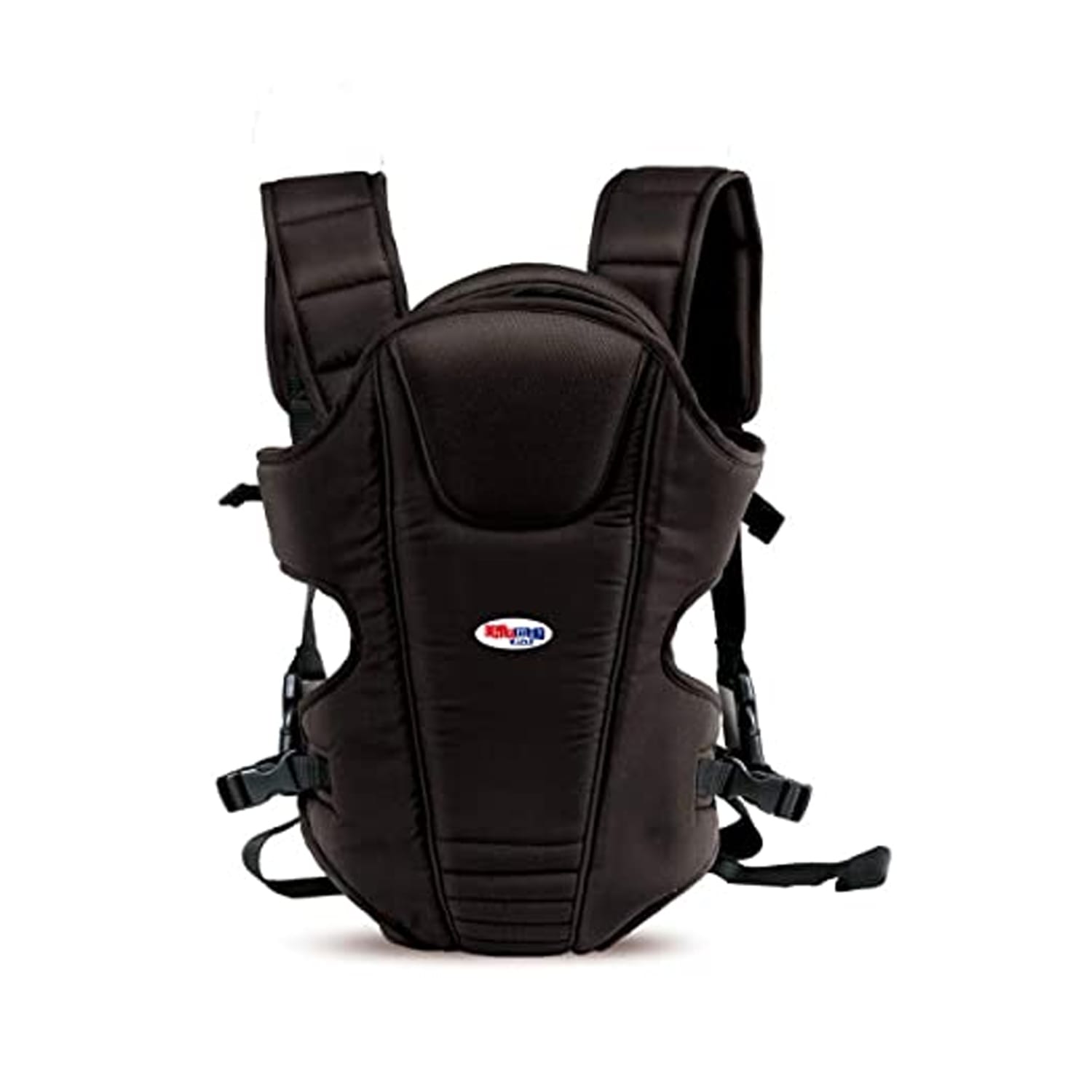


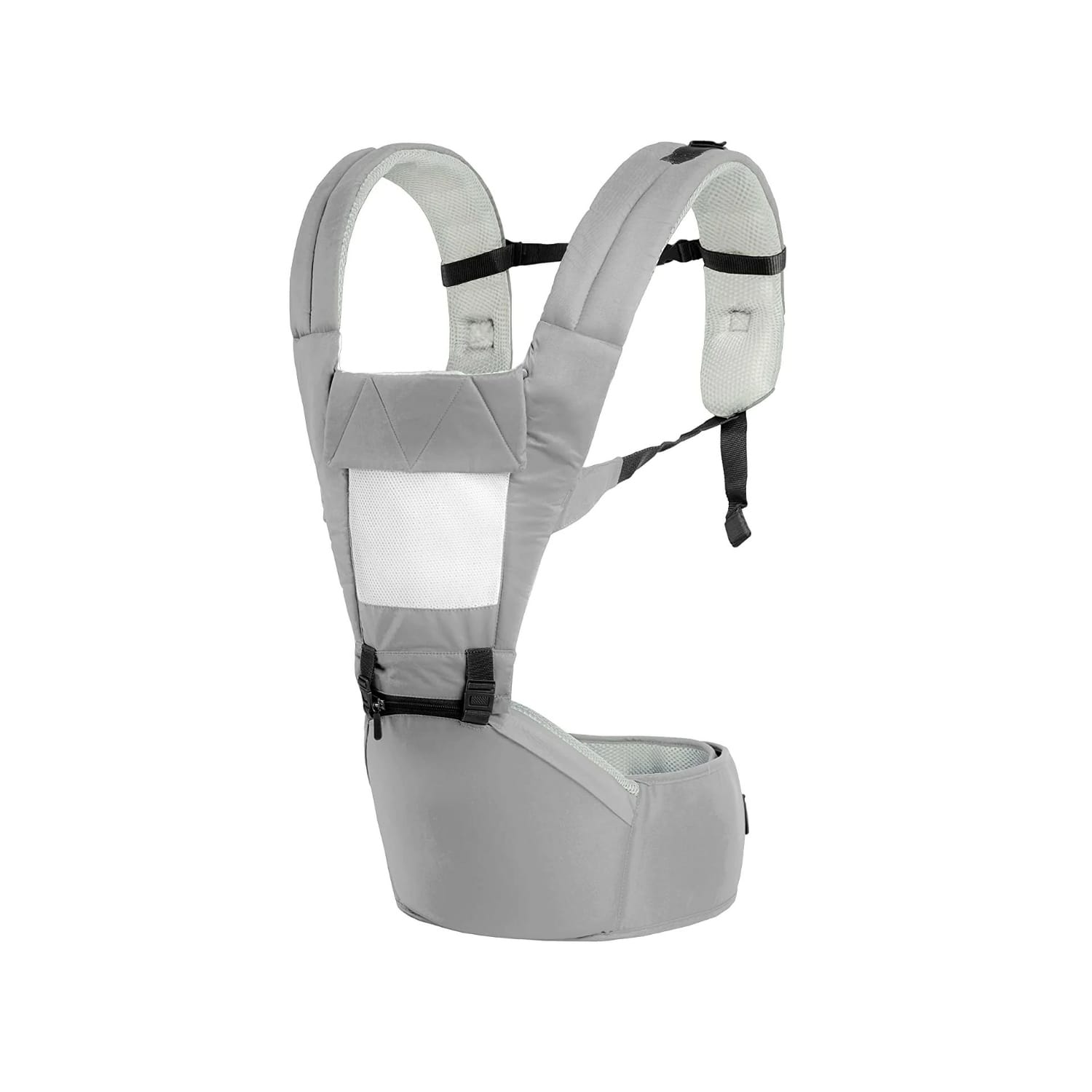
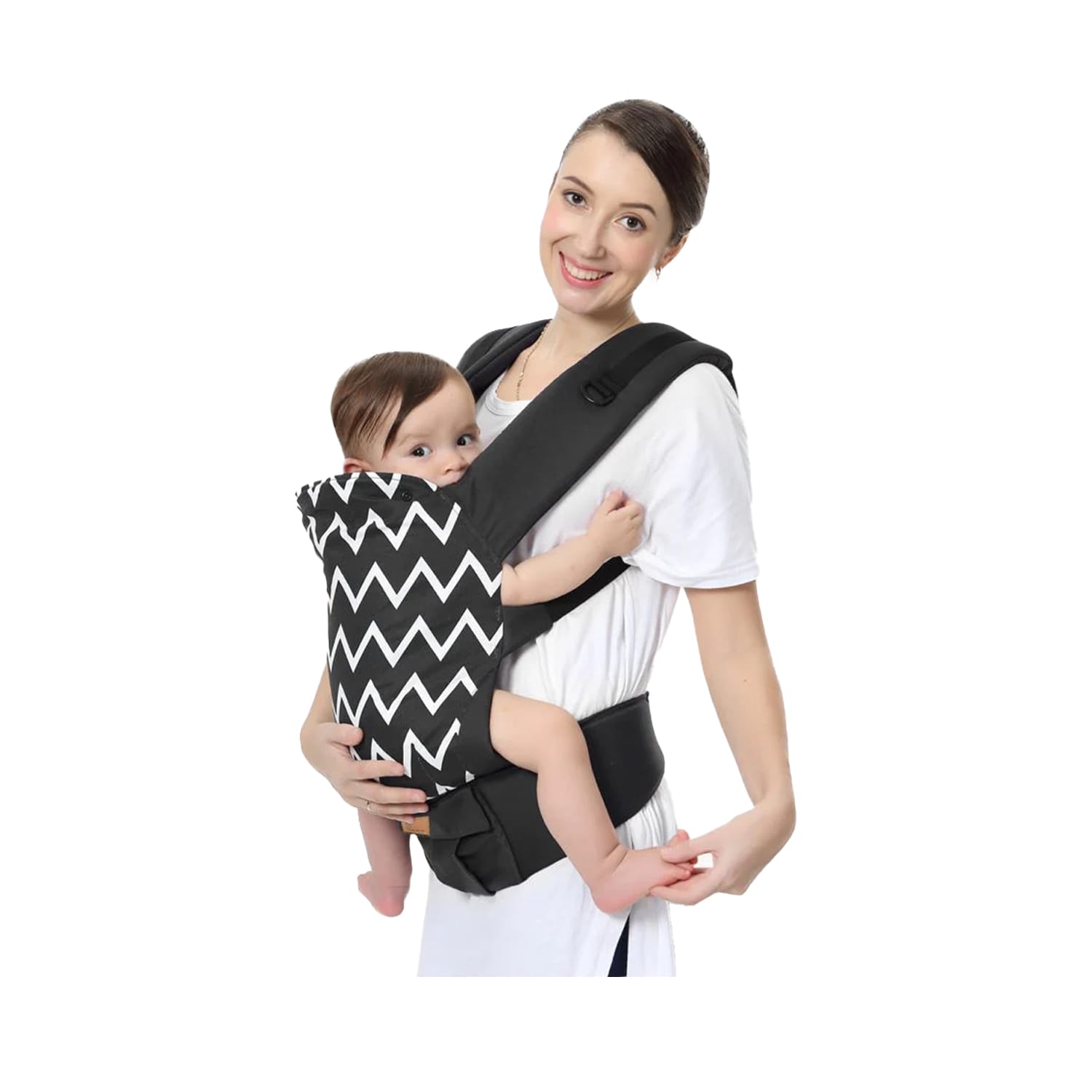
R for Rabbit Upsy Daisy Baby Carrier With 4 in 1 Carry Position for Babies from 3 - 24 Months (Grey) - Grey
R for Rabbit
₹2,33310% off₹2,592

R for Rabbit
R for Rabbit
R for Rabbit
R for Rabbit
R for Rabbit
Baby carriers are indispensable tools for parents, providing a hands-free way to bond closely with infants while ensuring their safety and comfort. The best baby carriers come in various styles, including wraps, slings, and structured carriers, each designed to support the baby’s development and address different parental needs. As a pediatrician would advise, choosing a carrier involves more than just comfort—considering your baby’s age, weight, developmental needs, and ergonomic features is essential for both safety and long-term wellness.
Types of Baby Carriers: Which is Right for Your Baby?
Wraps – Typically made from stretchy fabric, wraps create a snug environment ideal for newborns. They mimic the womb’s warmth and allow for a close bond, which has been shown to soothe infants and even reduce crying. Wraps are particularly suitable for early infancy when head and neck support are crucial.
Slings – Designed to rest over one shoulder, slings offer a cozy fit and allow easy breastfeeding access, which can be especially beneficial for infants. The adjustable fabric can be tailored to your body shape and baby's size, and slings often work well for carrying newborns or smaller infants around the home.
Structured Carriers – Known for their padded shoulder straps and lumbar support, structured carriers are an excellent choice for daily use, especially as babies grow heavier. They distribute weight evenly, reducing strain on the parent’s back, shoulders, and hips. Structured carriers are best suited for infants older than three months who can hold their heads steady.
Breathable Mesh Carriers – For parents in warmer climates, breathable mesh options help reduce heat and moisture buildup, providing a comfortable environment for both baby and parent. These carriers allow for ventilation and are designed to maintain a snug yet cool fit, making them an ideal choice for outdoor activities in warmer seasons.
Key Features for Baby’s Development and Parent’s Comfort
Ergonomic Design for Hip Health
Ensuring proper hip alignment is essential, especially in the early months, to avoid hip dysplasia, a condition where the hip joint does not develop correctly. The International Hip Dysplasia Institute recommends using carriers that allow your baby’s legs to form an “M” shape with knees higher than their bottom. This position supports hip development and reduces the risk of hip problems later in life.
Adjustable Support
A good baby carrier provides adjustable features, adapting to your baby’s size and developmental stages. Look for carriers with customizable head and neck support to accommodate infants who have not yet gained full control of these muscles. Many structured carriers also offer adjustable seat widths and back heights, which can grow with your baby.
Support for Parents with Back Pain
For parents with back pain or those at risk for it, selecting a baby carrier with padded straps and a lumbar support band is critical. These features distribute the baby’s weight more evenly, taking strain off the lower back and shoulders. Carriers designed with wide straps that cross in the back provide additional stability, which is beneficial for longer wearing times.
Safety and Comfort Considerations
Meeting Safety Standards
Ensure your carrier complies with safety guidelines and certifications, as these indicate the product has undergone testing to prevent risks such as falls and suffocation. Carriers should allow clear airways for the baby, with their face visible and close enough for you to check on them frequently.
Checking for Proper Fit and Positioning
Pediatricians emphasize the importance of frequent checks on your baby’s position in the carrier. A properly fitted carrier keeps your baby’s chin off their chest, which is essential for clear airflow. Make sure your baby’s back is supported naturally and that their legs are in a secure, ergonomic position.
Consulting with Your Pediatrician
Especially for newborns or babies with specific health considerations, it’s wise to consult with your pediatrician before selecting a carrier. They can offer insights into the best type of carrier based on your baby’s unique needs, including recommendations for babies with reflux, hip concerns, or respiratory conditions.
Why Choose Cureka?
At Cureka, we offer a range of top-quality baby carriers from trusted brands that prioritize your baby’s comfort, safety, and health. With options designed to fit diverse needs, our carriers help make parenting easier while offering the support you and your baby need. For personalized guidance, browse our collection and feel confident that your choice meets high safety standards to help foster a secure and nurturing environment for your child.