


Introduction:
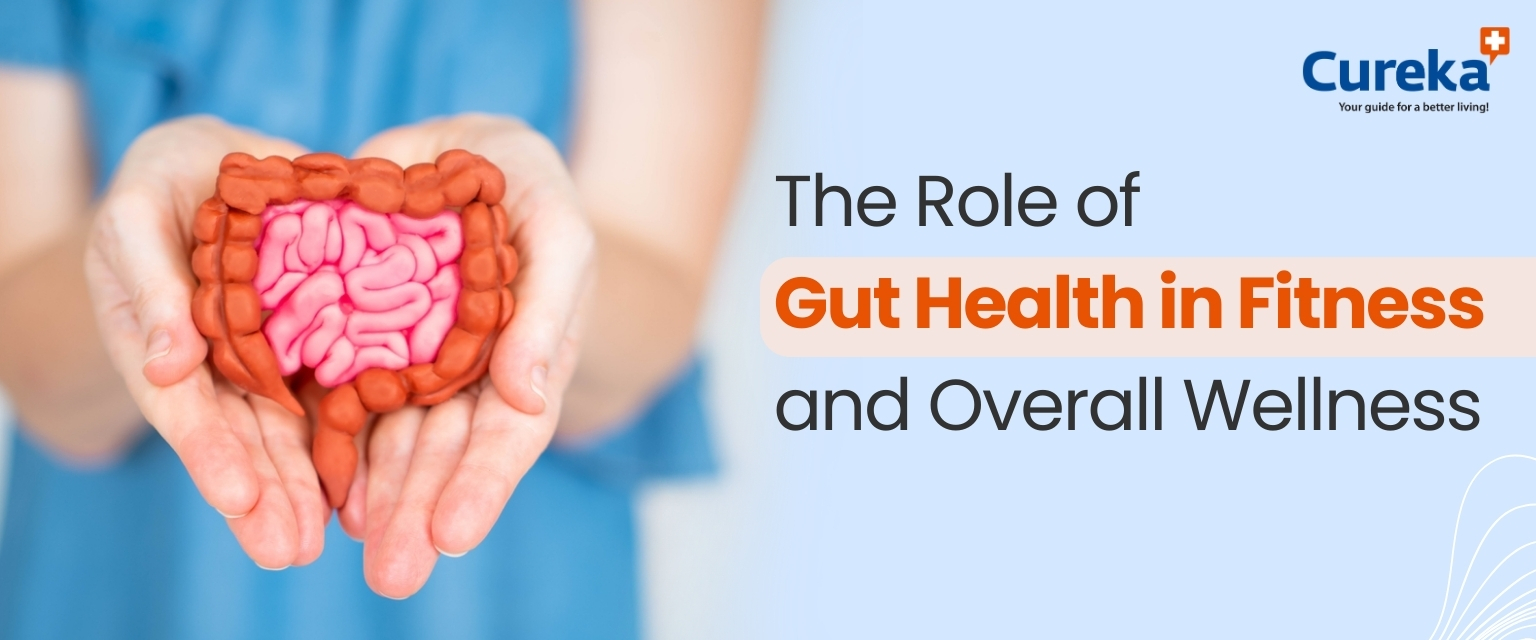
Our gut, often underestimated, is a powerhouse that influences not just digestion but plays a pivotal role in overall well-being. Yes the role of gut health in our overall well-being extends far beyond digestion. This blog explores the intricate relationship between gut health, fitness, and overall wellness, emphasizing the importance of maintaining a diverse and balanced gut microbiome.
The Crucial Role of Gut Health
- Beyond digestion, the gut influences the immune system, mental health, and various bodily functions.
- A diverse microbiome safeguards against harmful pathogens and supports overall well-being.
- Exposure to pollutants and chemicals can disrupt the balance of the gut microbiome, emphasizing the importance of clean air, water, and food sources.
Understanding Gut Health
- Gut health is defined by a balance of good and harmful bacteria, impacting various health benefits.
- A well-balanced gut microbiome reduces inflammation, lowers the risk of heart disease, and contributes to efficient nutrient metabolism.
The Gut Microbiota: A Key Player
- A balanced gut microbiota, filled with good bacteria, may influence the risk of certain diseases.
- The metabolic processes in the gut produce short-chain fatty acids, benefiting cognitive health.
- Maintaining gut integrity plays a crucial role in protecting immune responses.
Steps to Improve Gut Health
- Minimize processed foods and limit excess sugar intake.
- Embrace a diverse diet rich in fiber, fruits, and vegetables.
- Include probiotic-rich foods like yogurt to enhance the diversity of gut flora.
- Acknowledge the symbiotic relationship between consistent exercise and a nutritious diet for optimal gut health.
Best Foods for Gut Health
- Prebiotic foods (whole grains, bananas, greens, onions, garlic, soybeans, and artichokes) act as fuel for healthy gut bacteria and nourish beneficial gut bacteria.
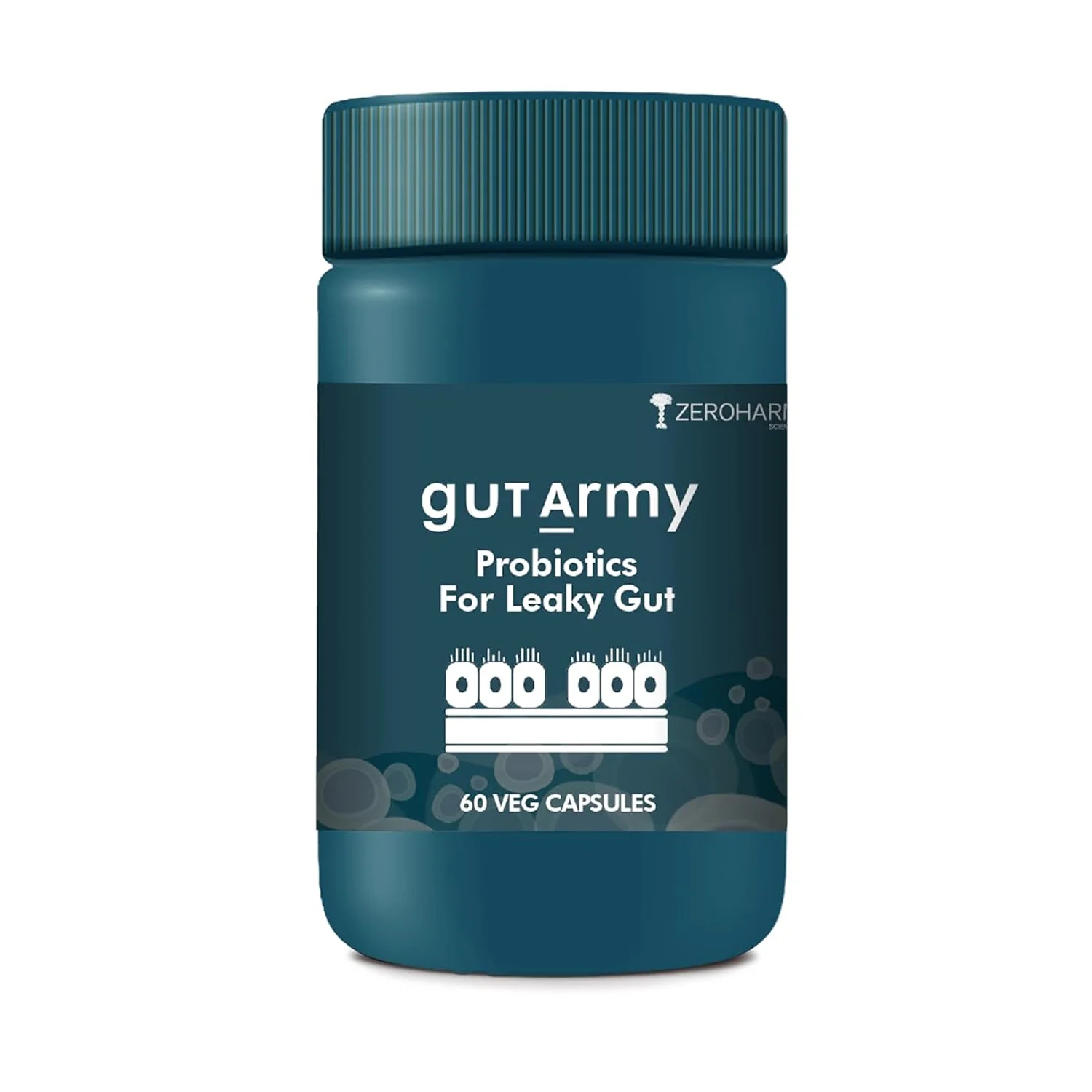
- Probiotic foods like yogurt, is rich in good bacteria, supporting digestion and nutrient absorption. Probiotics introduce beneficial microbes, aiding digestion and reducing gastrointestinal issues.
- A diet rich in fiber, lean protein sources (beef, fish, grilled chicken), and fermented foods contributes to a thriving gut microbiome.
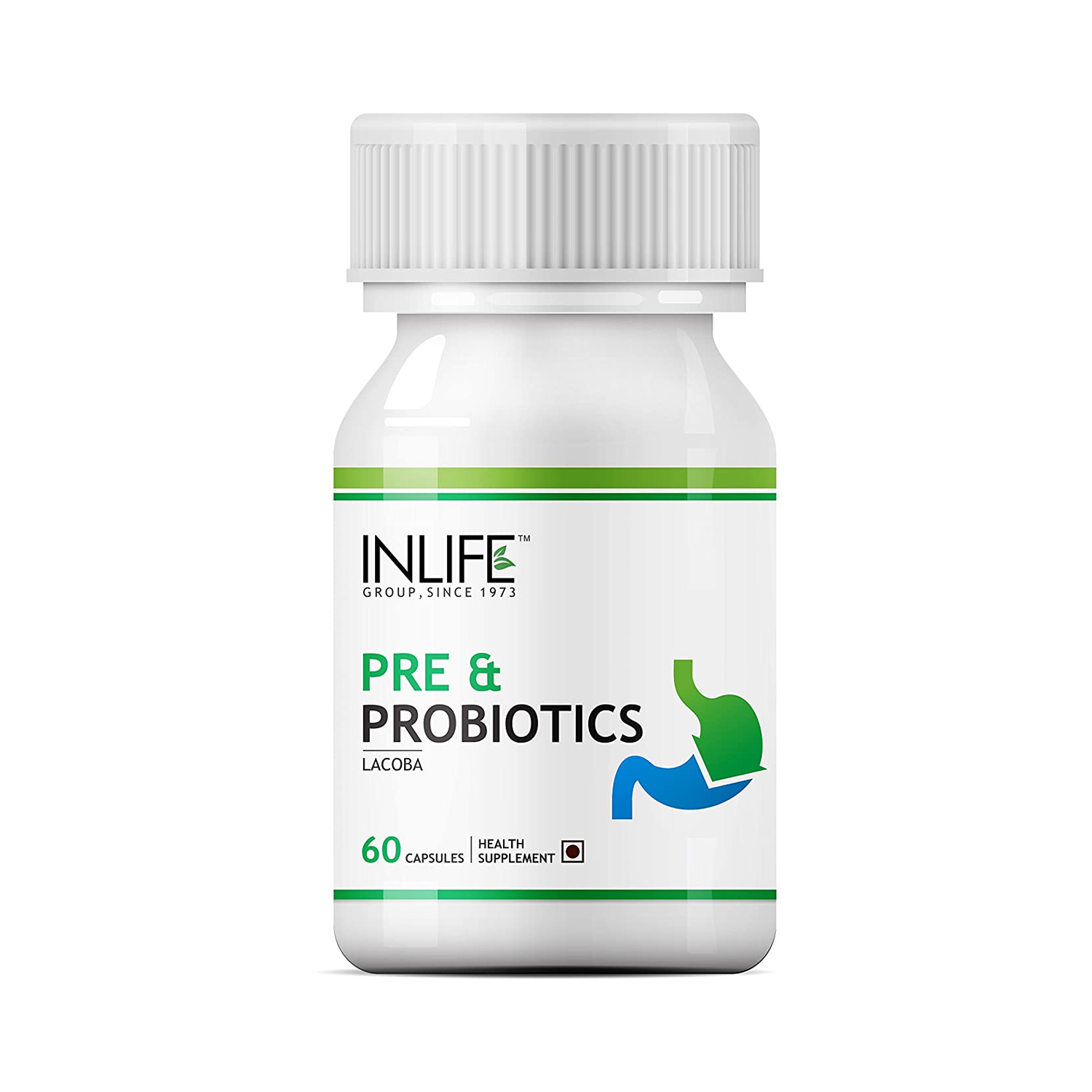
- Both, pre and probiotics contribute to a healthy gut microbiome, indirectly impacting overall wellness and fitness.
The Importance of Fiber-Rich Diets
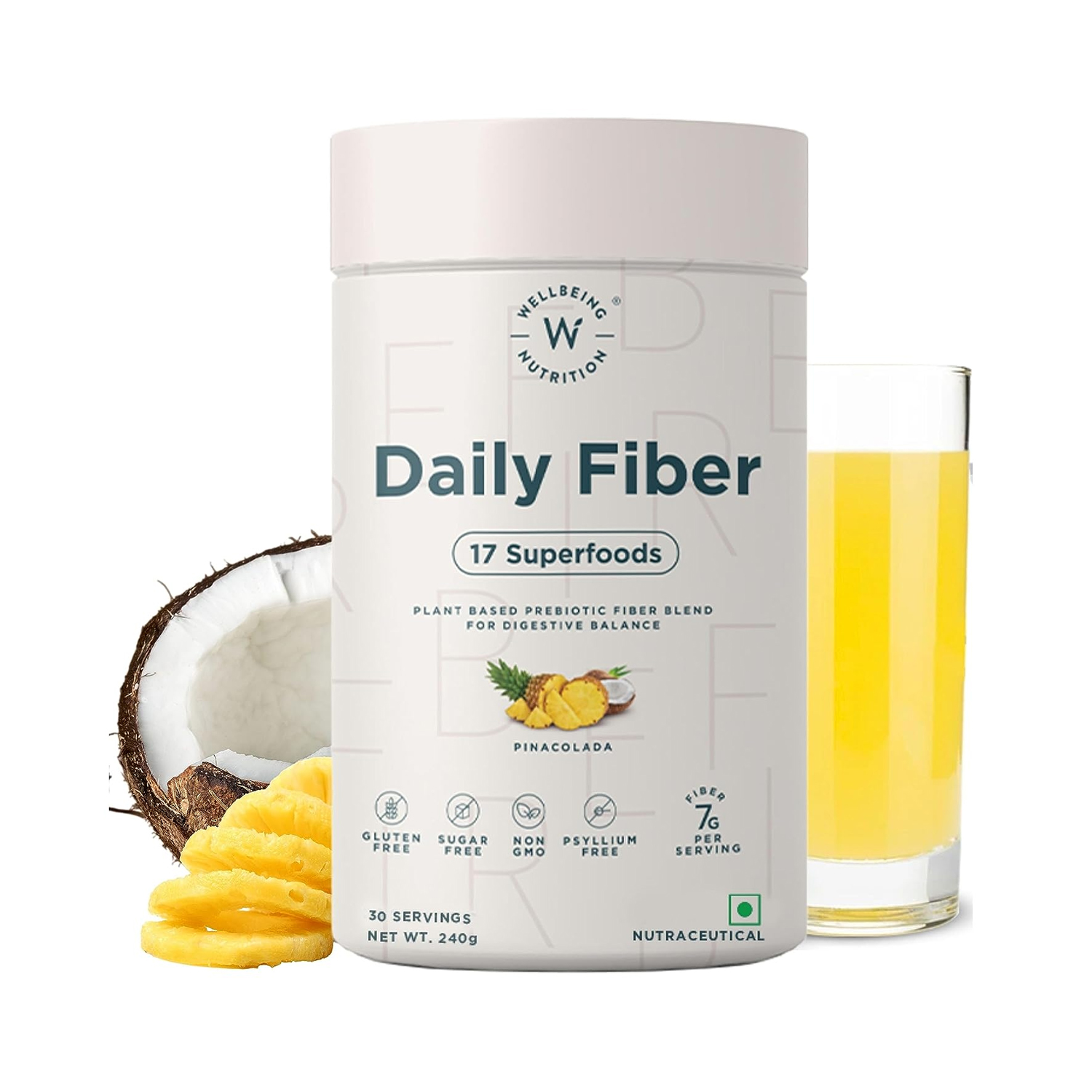
- Fiber plays a pivotal role in promoting gut health, impacting overall wellness and fitness.
- Enhances the absorption of nutrients, contributing to overall nutritional health.
- A balanced gut microbiota, supported by fiber, boosts immune responses and ensures healthy digestion.
Exercise and Gut Health
- Regular physical activity positively influences gut health by increasing blood flow and promoting the growth of beneficial bacteria.
- Consistent exercise enhances microbial diversity, contributing to a healthier gut and immune system.
Digestion, Nutrition Absorption, and Immune Function
- The gut is responsible for breaking down food, absorbing nutrients efficiently, and maintaining optimal immune function.
- A healthy gut prevents an overactive or underactive immune response, reducing susceptibility to infections and illnesses.
Lifestyle Choices for a Healthy Gut
- Drinking plenty of water supports proper digestive function and reduces the risk of digestive problems.
- Lifestyle choices such as a balanced diet, hydration, limited alcohol and caffeine intake, regular exercise, and stress management collectively contribute to gut health.
Conclusion:
In conclusion, nurturing gut health is not merely about digestion but a holistic approach to overall wellness and fitness. By prioritizing a diverse and balanced gut microbiome through mindful food choices, exercise, and lifestyle habits, we empower our bodies to function optimally, absorb nutrients efficiently, and maintain a robust immune system. The gut, often referred to as our "second brain," is indeed a cornerstone for a healthy and vibrant life.