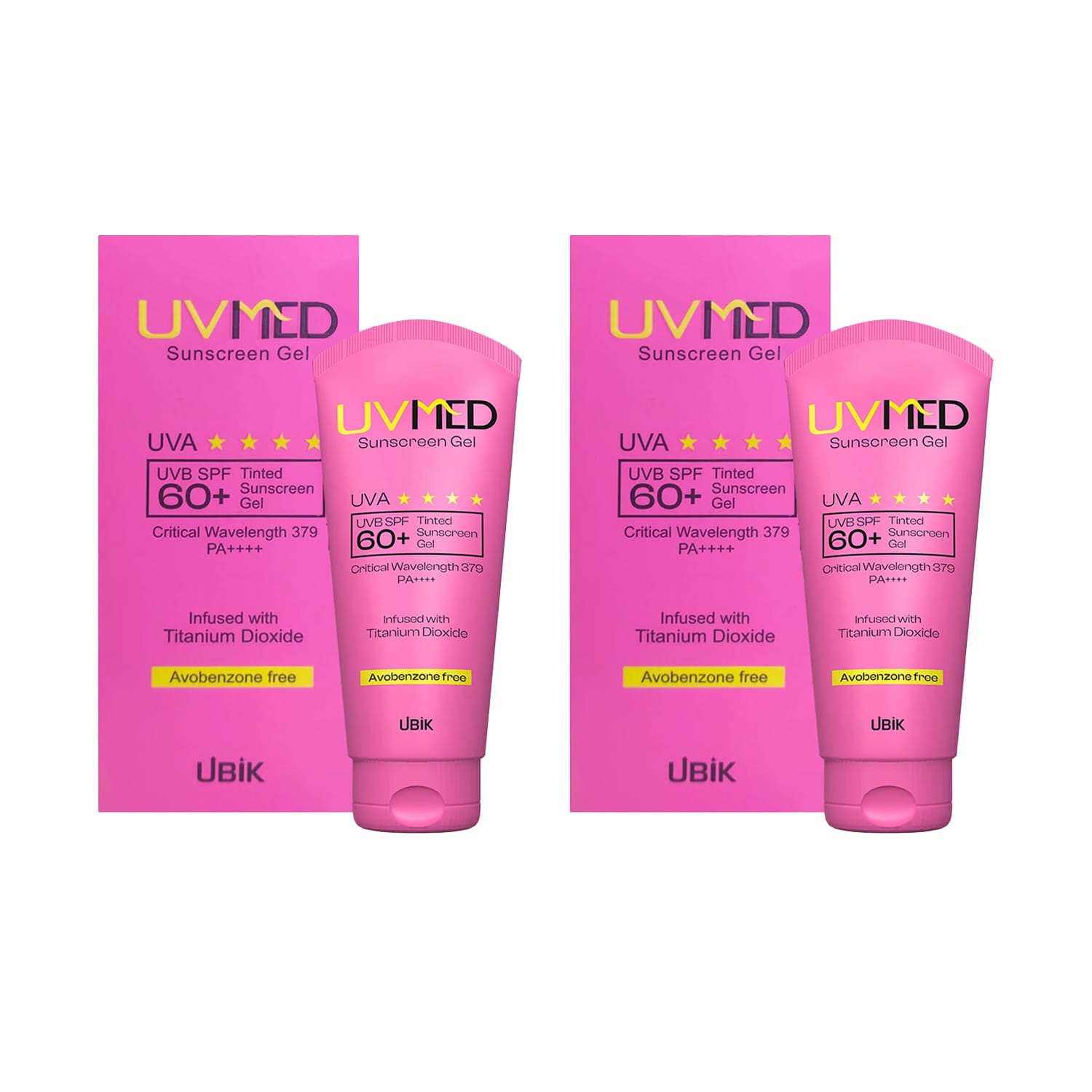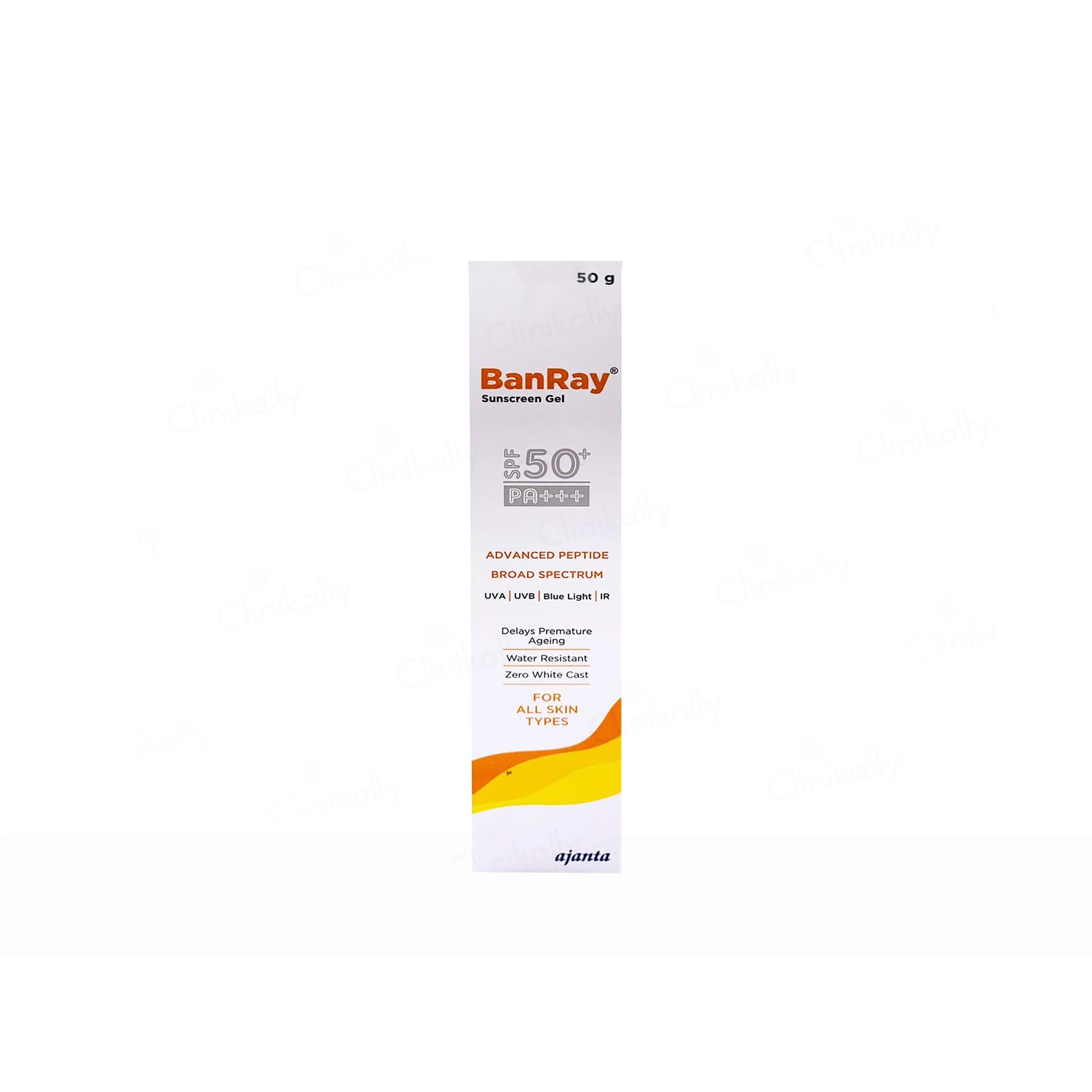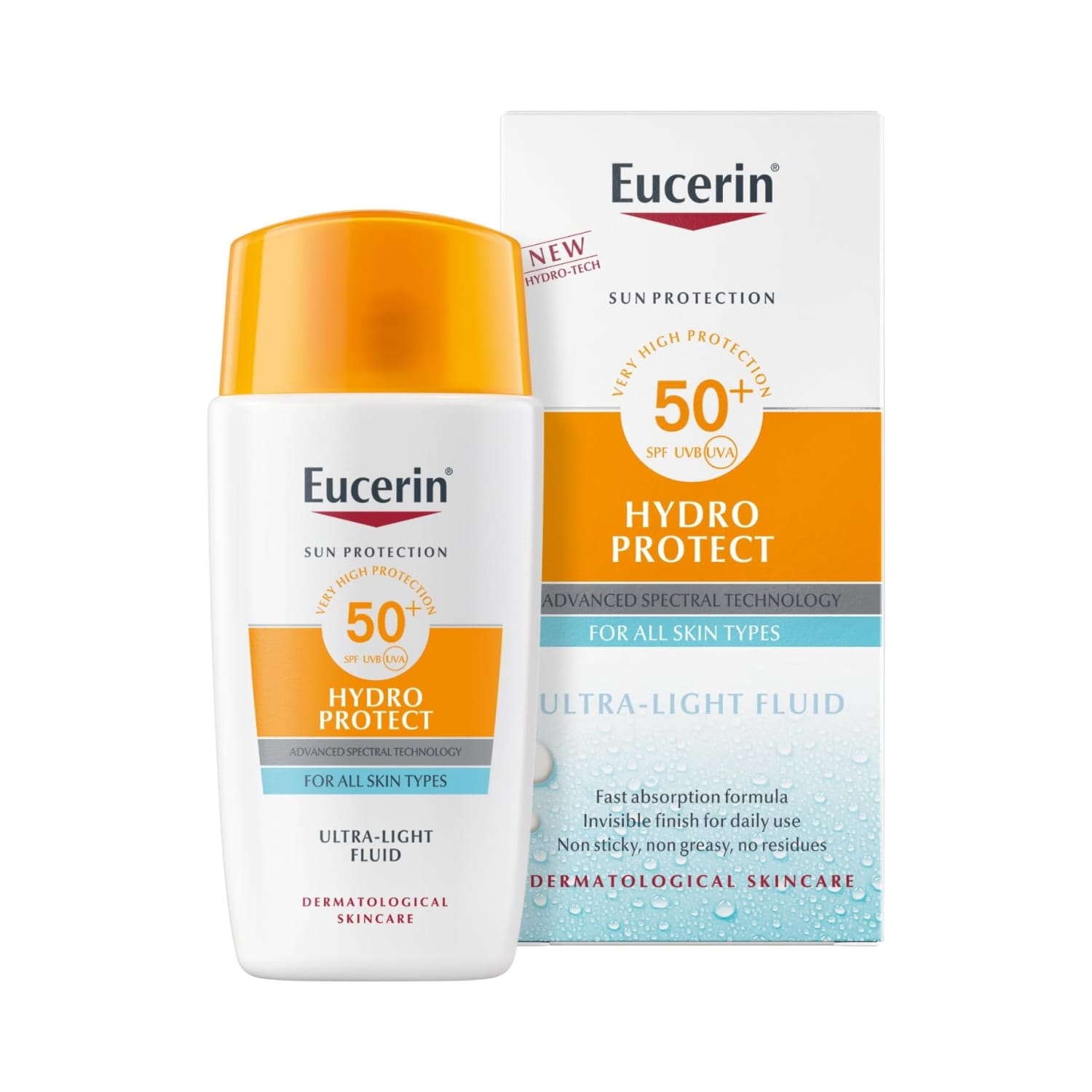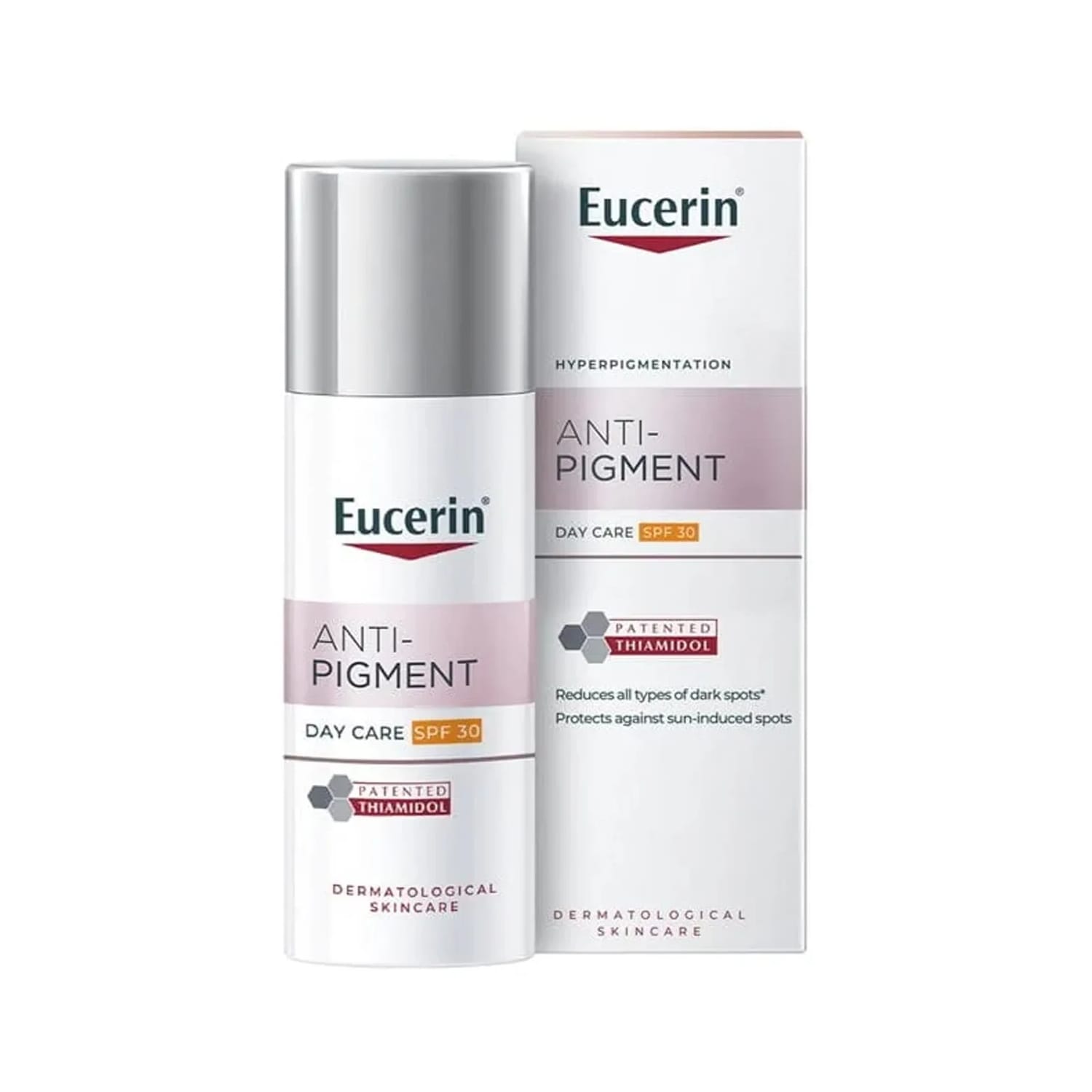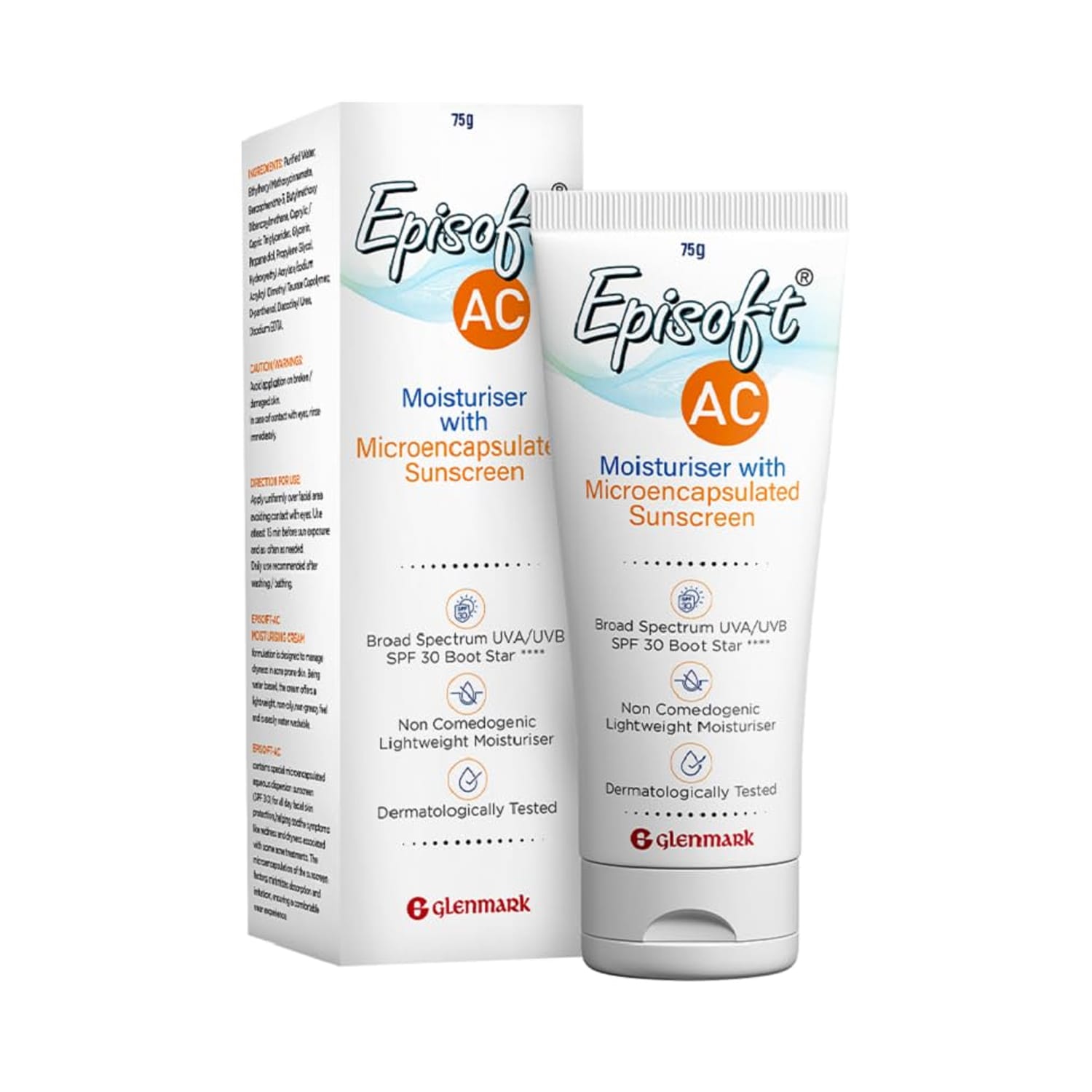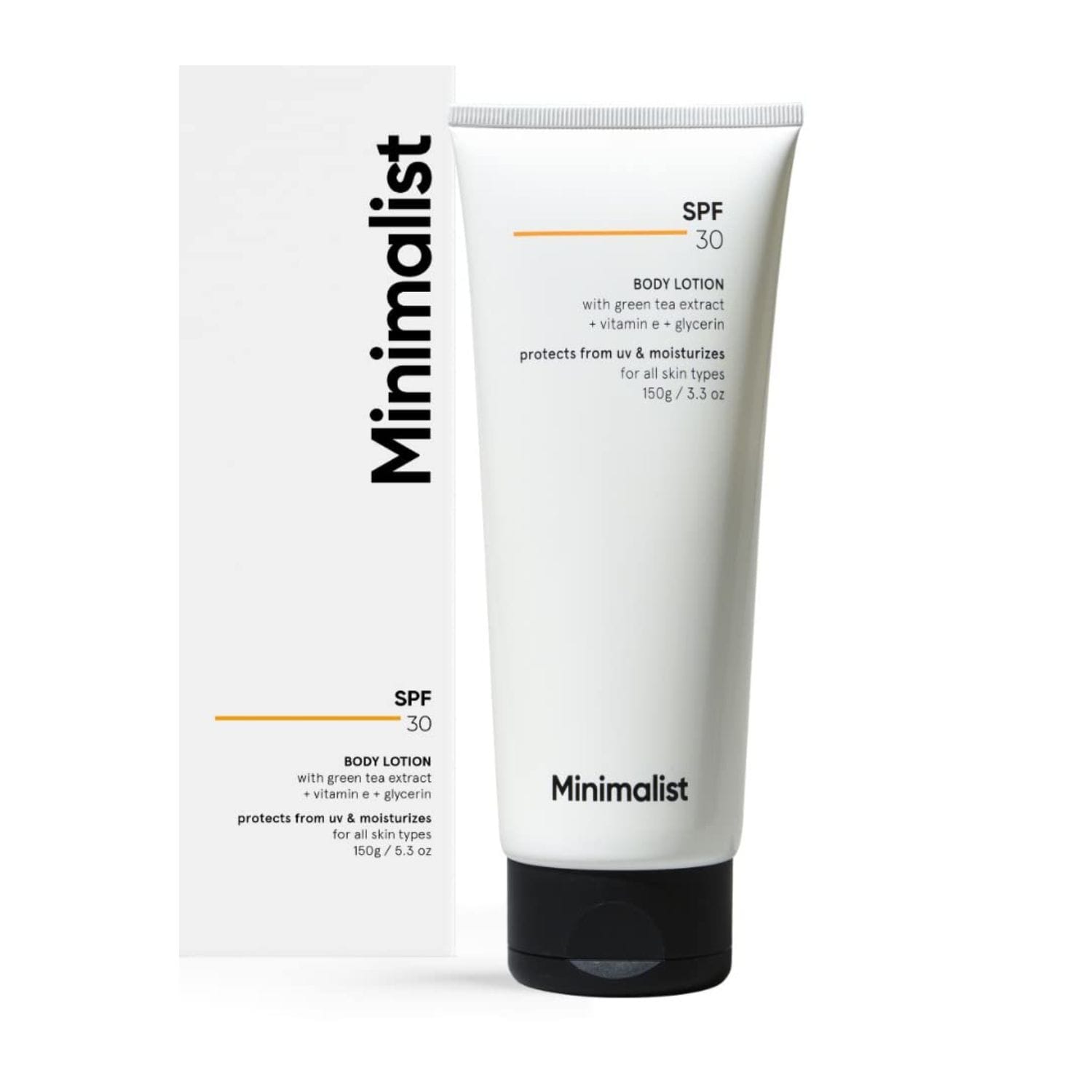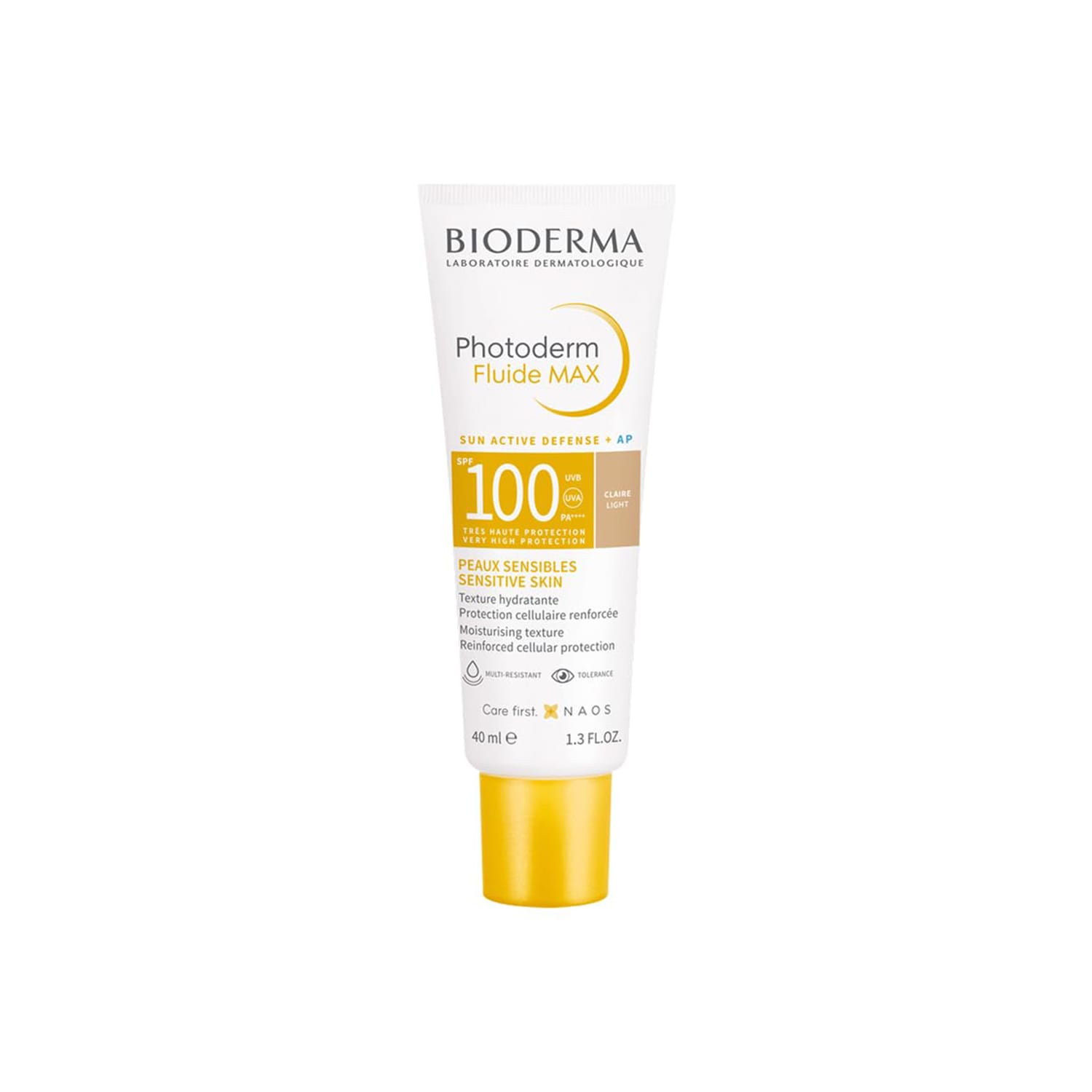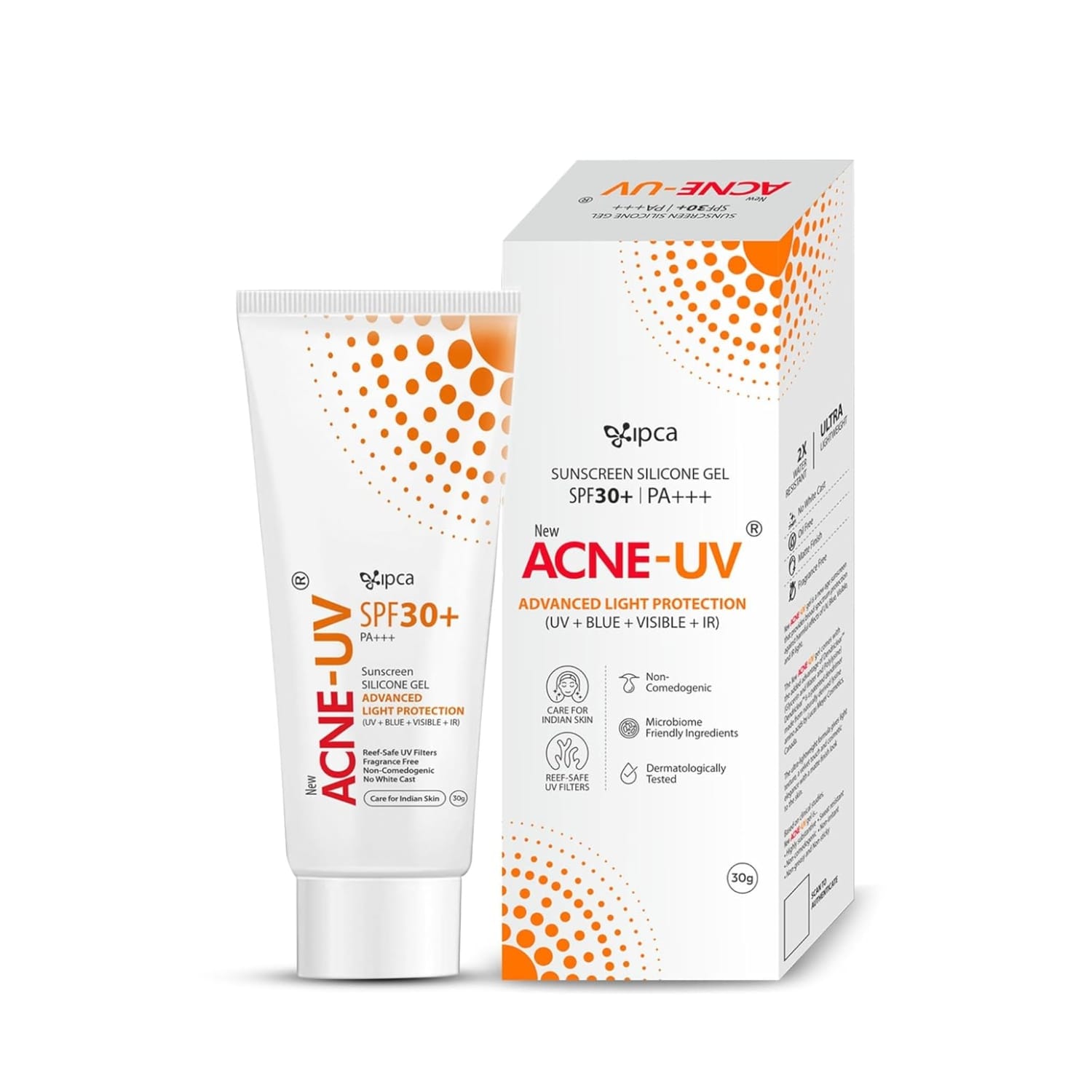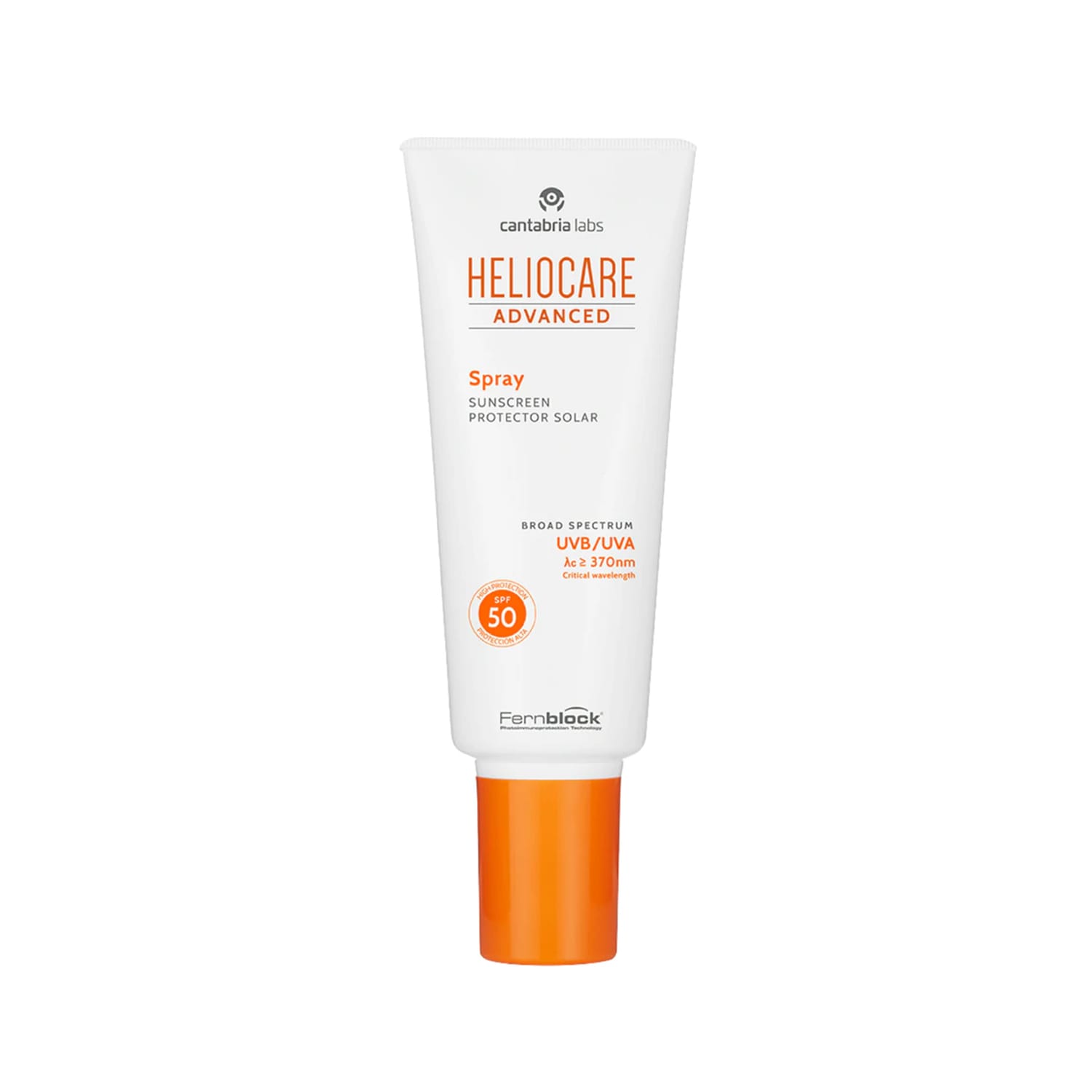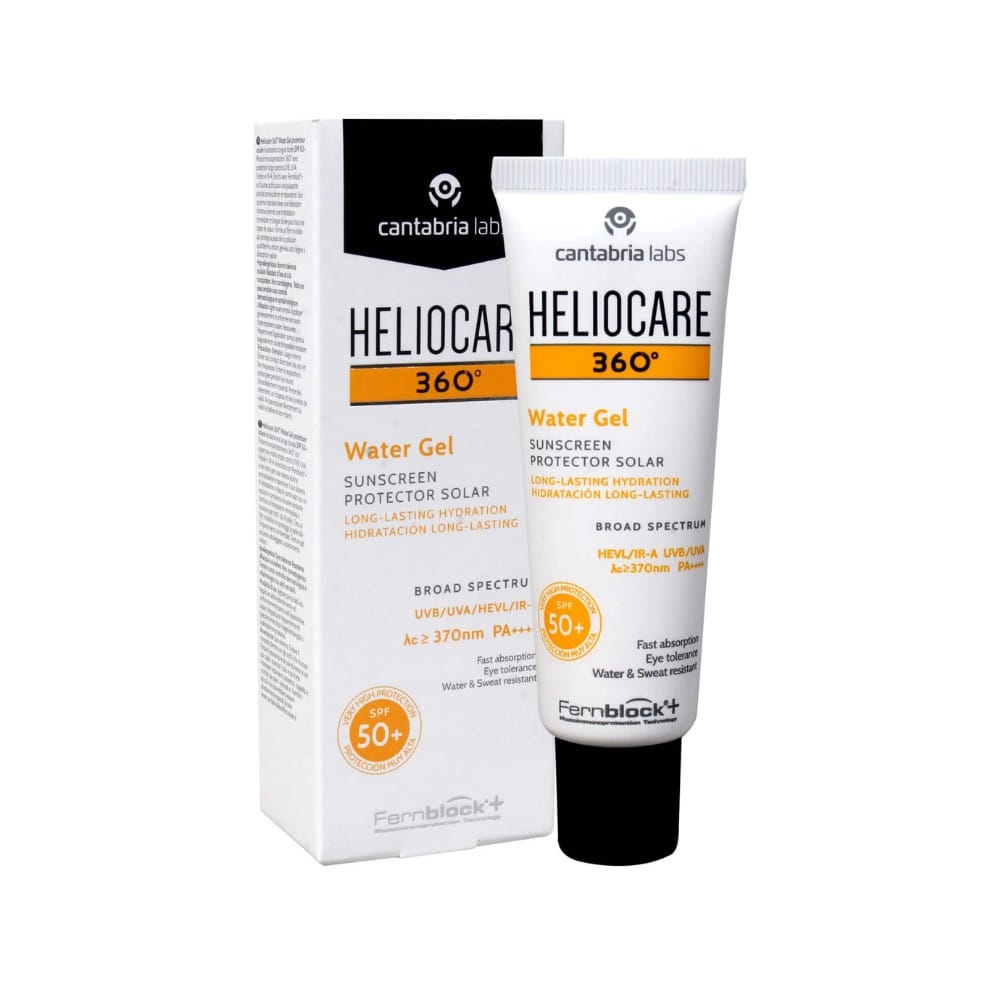


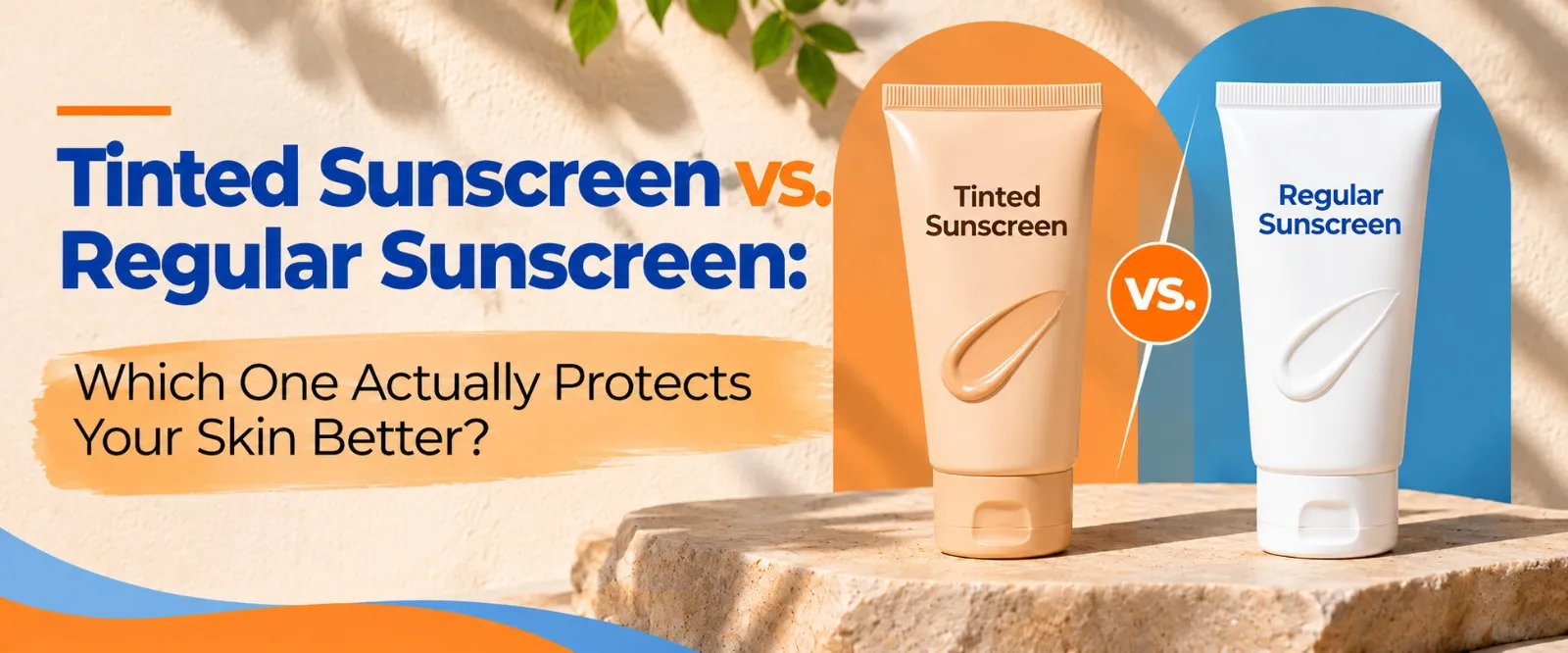
Sunscreen application on a daily basis is one of the most potent strategies for preventing early signs of skin aging and protecting your skin from the harmful effects of the sun. There is still one burning question in dermatology that remains:
Is tinted sunscreen actually better than regular sunscreen, or is it simply sunscreen with makeup added?
However, the solution is not that simple as simply comparing the two SPF values.
While both serve as a protection from ultraviolet (UV) rays, tinted sunscreens act as a dual protective shield from visible light as well, which makes them highly useful for people suffering from skin pigmentation problems like melasma and post-inflammatory hyperpigmentation (PIH).
Nevertheless, it does not mean that tinted sunscreen is superior in every way.
The correct choice would depend on the following considerations:
Skin type
Amount of time in the sun
Pigmentation problems already present
Lifestyle
Skin color
Finish desired
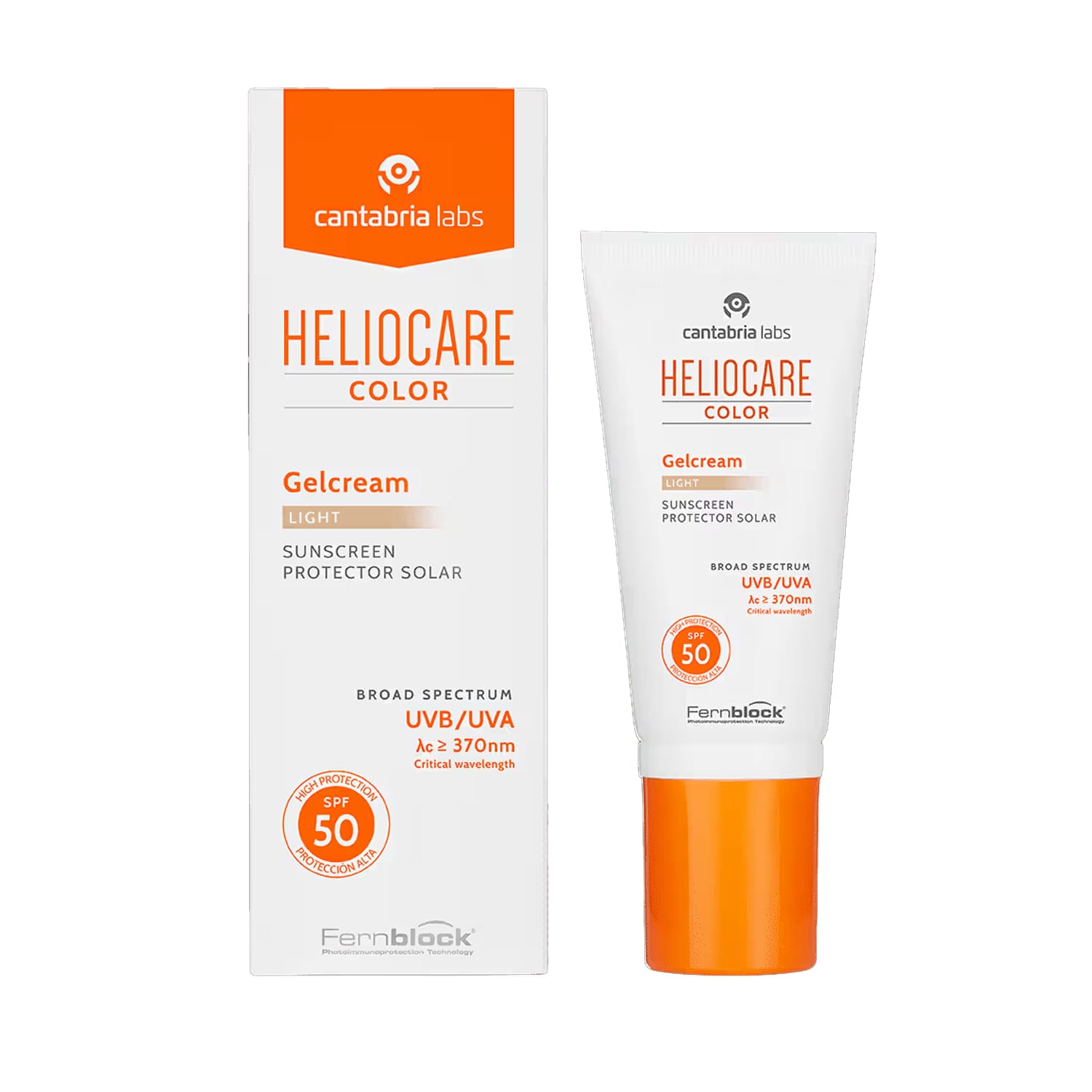
This detailed guide describes the science of tinted sunscreen versus regular sunscreen, as well as the pros and cons of each and how Heliocare Color Gelcream SPF 50 falls in line with the recommendations of a dermatologist to protect against the sun.
Tinted sunscreens and regular sunscreens give comparable protection from the sun in terms of SPF and broad spectrum ratings. Tinted sunscreens which contain iron oxides, on the other hand, add protection against visible light (HEV or blue light). This makes them better suited for individuals with melasma, hyperpigmentation or uneven skin tone.
Understanding Sun Protection Beyond SPF
Consumers often think that the SPF rating reveals all aspects of sun protection.
It does not.
The SPF measurement is mainly focused on protection from UVB rays, which cause sunburn.
An ideal photo protective regimen will also offer protection against:
Radiation Type | Source | Effect on Skin |
|---|---|---|
UVB | Sunlight | Sunburn, DNA damage |
UVA | Sunlight | Premature ageing, collagen breakdown, pigmentation |
Visible Light (HEV) | Sunlight + digital screens (minimal contribution indoors) | Hyperpigmentation in susceptible individuals |
Infrared Radiation | Sunlight | Oxidative stress and photoaging |
While broad spectrum sunscreens guard both against UVA and UVB rays, they might fail to offer enough protection against visible light, especially for those with dark complexion or high-pigmentation diseases.
This is what distinguishes tinted sunscreens from regular ones.
What Is Regular Sunscreen?
Regular sunscreen is designed to safeguard the skin against ultraviolet rays through the use of chemical sunscreens, mineral sunscreens, or a mixture of both.
Some examples of UV filters include:
Chemical Filters
Avobenzone
Octinoxate
Octisalate
Uvinul A Plus
Uvinul T150
Tinosorb S
Tinosorb M
These compounds prevent UV rays from penetrating the skin.
Mineral Filters
Zinc Oxide
Titanium Dioxide
These ingredients are mainly responsible for reflecting and absorbing the sun’s UV radiation, thus providing broad spectrum protection and being good options for those with sensitive skin.
Regular sunscreen comes in the form of:
Creams
Lotions
Gels
Sprays
Sticks
Fluids
What Is Tinted Sunscreen?
Tinted sunscreen is a combination of conventional sunscreen protection with colorants that improve skin tone appearance.
The tint is usually obtained from:
Iron oxides
Mineral-based colorants
Skin-tone adjusting colorants
Tinted sunscreens are different from foundations since they are primarily photoprotective products.
The color pigments give them cosmetic coverage as well as improved photoprotection against visible light.
Why Iron Oxides Matter
The most significant scientific distinction between tinted and non-tinted sunscreens is iron oxides. (1)
Visible light can contribute to pigmentation even at low levels of UV exposure.
That is why dermatologists often advise using tinted sunscreens with iron oxides for patients suffering from:
Melasma
PIH
Persistent facial pigmentation
Post-laser treatments
Post-chemical peel treatments
This effect cannot be obtained through SPF alone.
Tinted Sunscreen vs Regular Sunscreen: Side-by-Side Comparison
Feature | Tinted Sunscreen | Regular Sunscreen |
|---|---|---|
UVB Protection | Yes | Yes |
UVA Protection | Yes (Broad Spectrum) | Yes (Broad Spectrum) |
Visible Light Protection | Better when formulated with iron oxides | Limited |
Skin Tone Correction | Yes | No |
Covers Minor Imperfections | Yes | No |
Makeup Replacement | Often | No |
Suitable for Melasma | Highly Recommended | Helpful but less protective against visible light |
Suitable for Outdoor Sports | Yes | Yes |
White Cast | Usually Minimal | Possible with mineral formulas |
Daily Office Wear | Excellent | Excellent |
Does Tinted Sunscreen Have the Same SPF as Regular Sunscreen?
Yes.
Tinted sunscreens may come in an SPF 30, SPF 50, or even higher SPF range, just like non-tinted sunscreens.
The tinted nature of the product doesn’t lower the SPF value.
An SPF 50 tinted sunscreen that’s been properly tested will give as much UVB protection as a non-tinted SPF 50 sunscreen.
The only difference is that pigments have been added to the formula to provide better protection against visible light, not the SPF value.
Therefore, it’s wise to compare:
The SPF value
The broad-spectrum nature of the product
The PA value
Availability of iron oxides
Water-resistance properties
Is Tinted Sunscreen Better for Hyperpigmentation?
For those with pigmentation issues, the answer is usually yes.
Skin conditions like melasma and post-inflammatory hyperpigmentation are affected not just by UV rays but also visible light.
Despite regular application of conventional sunscreens, pigmentation problems may continue if the individual’s body lacks protection from visible light.
Iron oxide-based tinted sunscreens offer another level of protection that helps prevent pigmentation from recurring along with other medically prescribed therapies.
They are especially helpful for those who:
have recurring melasma,
have pigmented scars due to acne,
are of medium to dark skin complexions,
are receiving pigmentation treatments professionally,
or spend most of their time outside.
It needs to be noted here that sunscreen is not enough to solve all pigmentation problems. It needs to be applied regularly along with other skin care routines prescribed by a qualified medical practitioner.
Where Does Heliocare Color Gelcream SPF 50 Fit In?
Out of the tinted photo protection products, Heliocare Color Gelcream SPF 50 can be used by people who need photo protection in combination with the cosmetic effect.
The purpose of this product is to give you high SPF protection while also giving you a tinted finish that will help to even your skin tone. This may come in handy for those people who do not want to have a complicated morning regime and would like to put on sun protection and a tint at once.
It is worth mentioning that, as any sunscreen does, this product will work well only if used appropriately.
For those people who need to have a tinted sunscreen as a part of their photo protection regimen, this product is worth considering.
Which Skin Type Benefits Most from Tinted Sunscreen?
While both tinted and regular sunscreens shield the skin from UV rays, the best product should be chosen based on skin problems and not solely on the skin type.
Oily and Acne Prone Skin Type
Oily and acne prone people try to avoid using sunscreen due to fear of excessive grease or clogged pores. Nowadays, there are many products among tinted sunscreens, which have a light texture and do not clog pores.
If you suffer from active acne and scars from it, tinted sunscreen will additionally mask skin imperfections without having to apply foundation over the sunscreen.
Best choice: Light gel or liquid tinted sunscreen with matte finish.
Dry Skin
Dry skin demands photo protection and hydration. Sunscreen lotions containing moisture enhancing components may be effective in alleviating tightness while preserving the skin’s barrier function.
For either tinted or non-tinted options, consider the presence of ingredients like:
• Glycerin
• Hyaluronic acid
• Squalane
• Ceramides
Tinted products can also add a healthy glow to dry skin without extra makeup products.
Best pick: Moisturising tinted cream sunscreen.
Sensitive Skin
Individuals with sensitive skin must focus on broad spectrum sunscreen formulations that have minimal chances of causing irritation.
Mineral sunscreens that use ingredients such as zinc oxide or titanium dioxide tend to be more acceptable. In case you are using a tinted sunscreen, ensure that all the pigments and other components contained in the formulation will not cause any irritation to your skin.
Good option: Mineral tinted sunscreen with no scent.
Skin Prone to Pigmentation
That is where tinted sunscreen can make all the difference.
In case you suffer from:
Melasma
Post-inflammatory hyperpigmentation
Sunspots
Uneven skin tone
the usage of a sunscreen with iron oxides can give extra protection from visible light that might trigger pigmentation again.
For such cases, dermatologists often prescribe tinted sunscreens in order to control pigmentation problems.
When Is Regular Sunscreen the Better Choice?
Not all the time is tinted sunscreen the best choice.
Regular sunscreen is a better option if you:
Take part in water sports and require sunscreens that are very water-resistant.
Require a body sunscreen for larger skin surface areas.
Want to wear full-coverage makeup separately.
Require an invisible finish without tinting.
Cannot find a matching tint shade.
In case of extended exposure to the outdoors, the key aspects are still proper SPF, wide-spectrum coverage, proper application, and reapplied sun protection.
How to Choose the Right Sunscreen
Rather than focusing solely on whether a sunscreen is tinted, evaluate it using these criteria:
Consideration | What to Look For |
|---|---|
SPF 30 or higher for daily use; SPF 50 for extended outdoor exposure | |
UVA Protection | Broad-spectrum protection |
Pigmentation Concerns | Iron oxides in tinted formulations |
Skin Type | Gel, fluid, cream, or lotion depending on your skin's needs |
Finish | Matte, natural, or dewy based on personal preference |
Water Resistance | Important for swimming or heavy perspiration |
Daily Comfort | A texture you'll be willing to wear consistently |
Consistency is more important than choosing the "perfect" sunscreen. A sunscreen that feels comfortable and fits your routine is more likely to be used every day.
Conclusion: Tinted Sunscreen vs Regular Sunscreen
While deciding whether tinted sunscreen or regular sunscreen should be preferred, there is no winner in terms of the superiority of one product over the other, as it all comes down to your specific skincare needs.
As far as regular sunscreen goes, it will always play a crucial role in shielding your skin from UVA and UVB radiation and can work excellently for everyone.
In its turn, tinted sunscreen becomes the added layer of protection in the form of safeguarding your skin from visible light provided it includes iron oxides. It becomes extremely helpful for people dealing with melasma, post-inflammatory hyperpigmentation, or uneven skin tone that need additional photo protection.
If your priorities involve preventing pigmentation from recurring and cutting back on the morning skincare routine steps, then a tinted sunscreen like Heliocare Color Gelcream SPF 50 may be worth considering.
The best sunscreen, however, is the one that is applied in sufficient quantities, applied daily, and reapplied on schedule.
Why Buy Your Sunscreen from Cureka?
At Cureka, you will find the most efficacious skincare solutions handpicked by doctors. Be it broad spectrum sunscreens, tinted formulations for hyper-pigmented skin or reliable brands such as Heliocare Color Gelcream SPF 50, Cureka will help you make an informed decision with the help of superior healthcare products.
Browse through Cureka’s selection of sun protection products and craft a skincare regime around photo protection.
Reference
Beyond Tint: Active Ingredient Strategies for Post‐Inflammatory Hyperpigmentation due to Visible Light in Skin of Color – July 2026 - https://pmc.ncbi.nlm.nih.gov/articles/PMC13401449/
Visible Light Part II. Photoprotection against visible and ultraviolet light – Feb 2021 - https://pmc.ncbi.nlm.nih.gov/articles/PMC8887048/#ABS1
Comparison of Visible Light‐Protective Tinted Sunscreen to Untinted Sunscreen to Protect Melasma Patients During Summer: A Prospective Randomized Investigator‐Blinded Study – Sep 2025 - https://pmc.ncbi.nlm.nih.gov/articles/PMC12475913/