
Cureka — Your guide for a better living!
Cart
INDIA'S 1ST PREVENTIVE HEALTHCARE STORE – CURATED BY DOCTORS!|

How do you choose the right cosmetics? Says Dermatologist

Dr. Hema Sathish, Dermatologist

Medically Reviewed By

Dr. Hema Sathish, M.B.B.S., D.D (UK)

Dermatologist • Founder of Cureka

Reviewed for medical accuracy and evidence-based information

The reactions due to cosmetics products depend on individual skin condition and immune system. Sensitive individuals can pick and choose the right ones.

22nd Mar 2017•3 Min read+Cureka Editorial
How do you choose the right cosmetics? Says Dermatologist

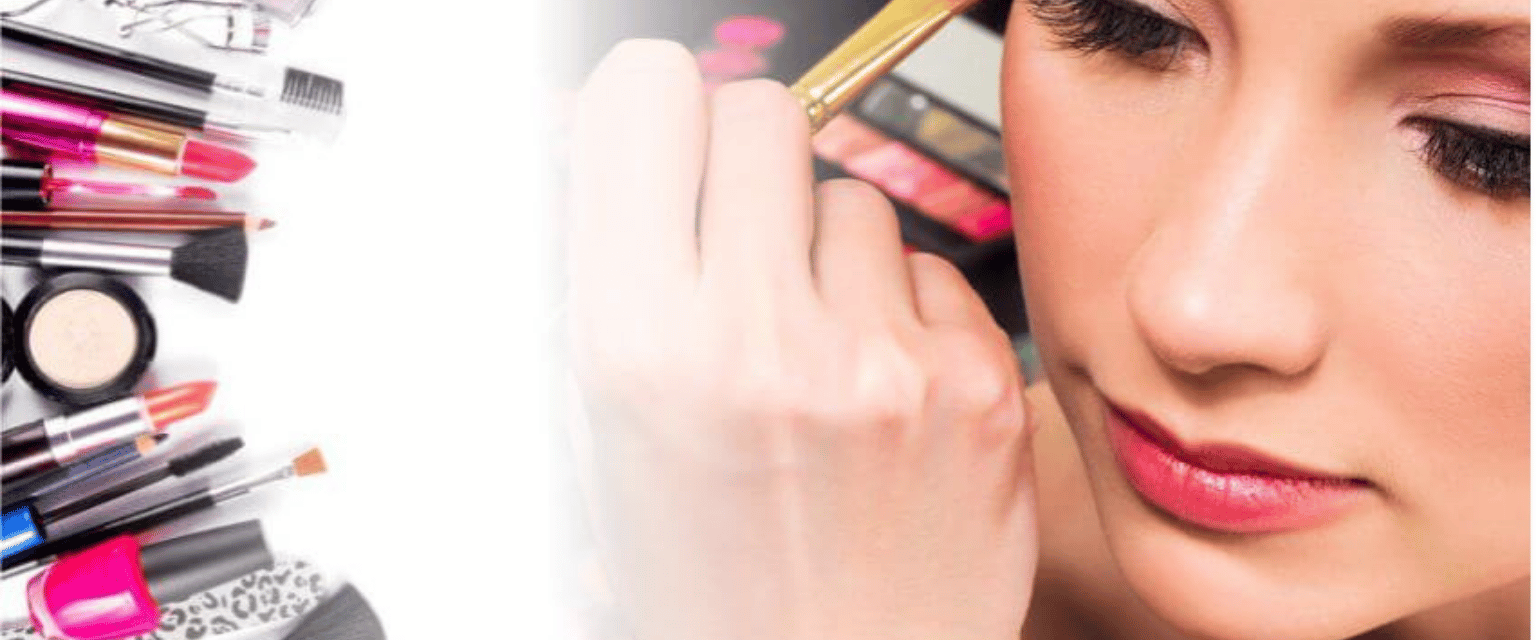
Cosmetics enhance one’s beauty if one is smart to get the right one or else it can be horrifying. On an average, every adult uses at least 5-7 cosmetics products per day, which includes fragrances, sunscreens, soaps, shampoos, cleansers, moisturizers, deodorant, /anti perspectives, colored cosmetics, hair & nail care products and more.

The reactions due to cosmetic products depend on the individual skin condition and their immune system. Some have problems immediately after using the cosmetics while few develop them over a period of time or after several applications of some product.

Dry injured skin has a compromised barrier mechanism and can lead to problems with usage of few cosmetics. From a “Dermatologist’s perspective” these conditions caused by cosmetics products are called;

IRRITANT CONTACT DERMATITIS

Burning, stinging, itching and redness are the signs and symptoms seen.

ALLERGIC CONTACT DERMATITIS

Redness, smelly itching, and fluid-filled blisters are seen. One could react even after several days do the same component & can develop a reverse reaction to the same product when used again.

The COMMON ALLERGENS include

Fragrances

One common culprit. Did you know more than 5000 different fragrances are used in cosmetics and skin care products? Fragrance-free/ without perfume/hypoallergenic usually minimizes these effects caused.

Preservatives

Second on the list are preservatives. They prevent bacterial and fungal growth in the product. Once the Expiry date of the products past, the preservatives stops working and giving the risk of infections. The shelf life of the most cosmetics is two years and eye makeup is one year.

Commonly used preservatives include paraben, imidazolidinyl urea, quarternium-15, DMDM hydantoin, phenoxyethanol, methylchloroisothiazolinone, and formaldehyde.

The above mentioned are practically present in all products.

“Let’s look at specific ingredients in cosmetics products”.

Moisturizers

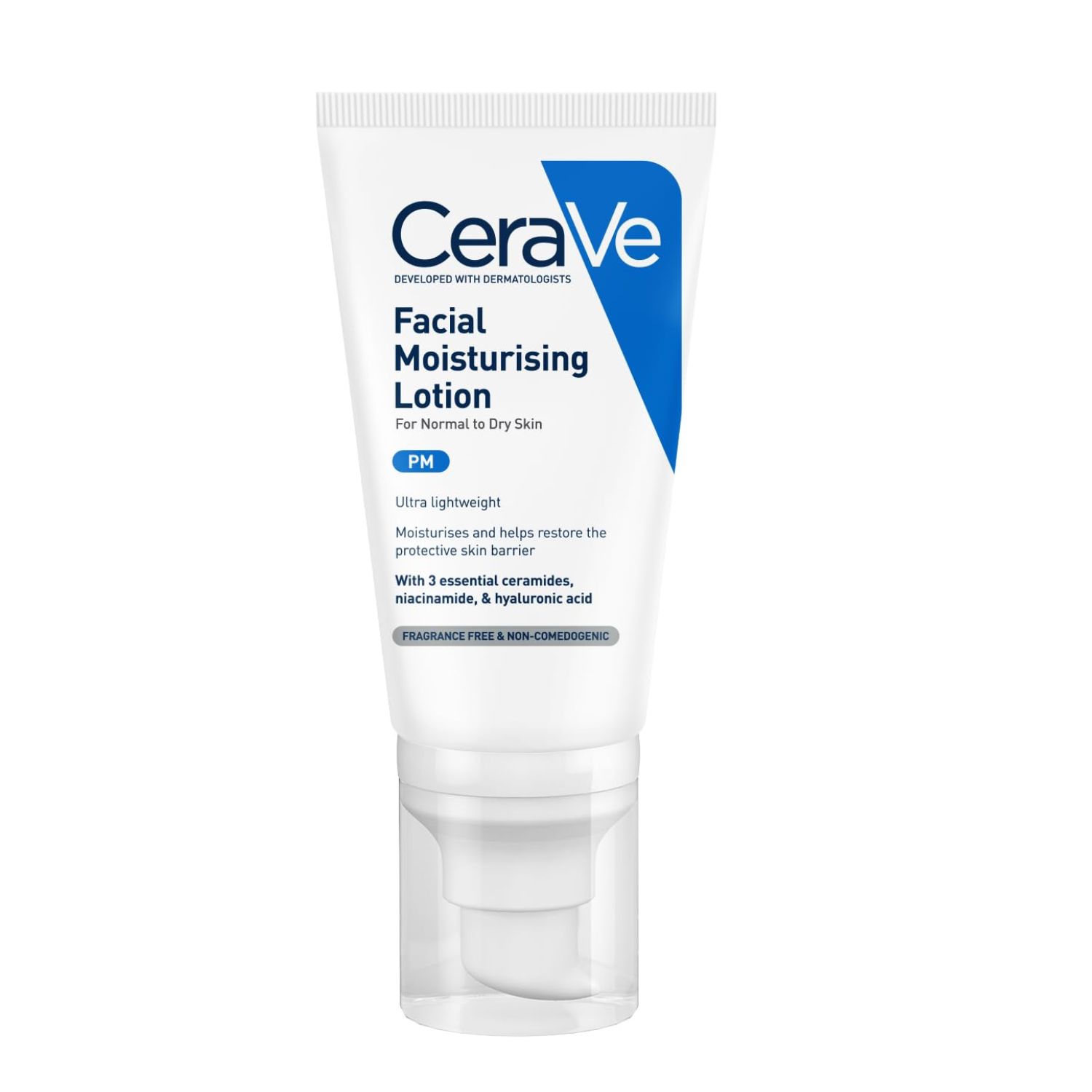
Moisturizers prevent water loss by layering an oily substance over the skin to retain the moisture in the skin. Petrolatum, mineral oil, lanolin, silicone, glycerin propylene glycol, proteins are commonly used ingredients. Anybody could be allergic to any of these.

Sunscreens

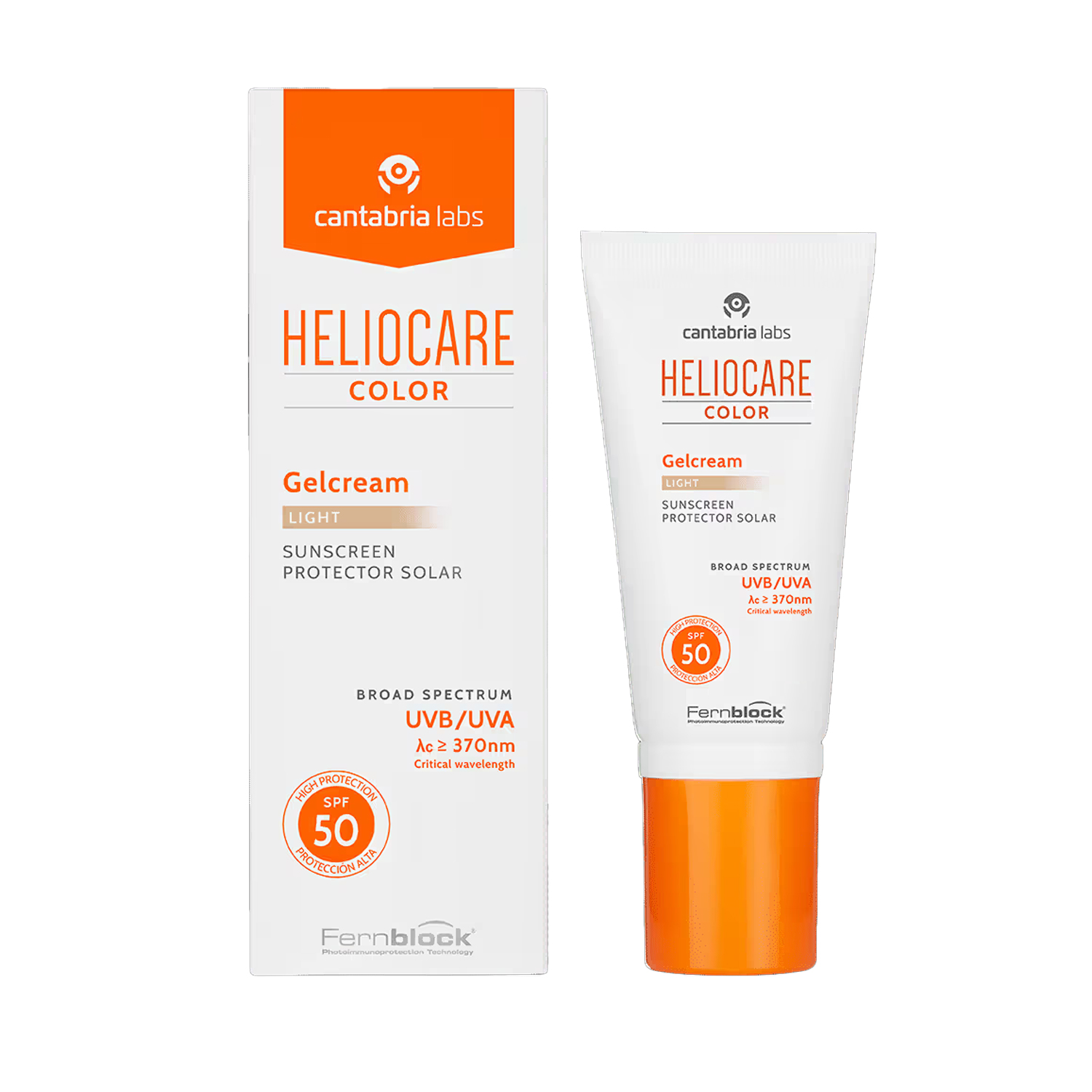
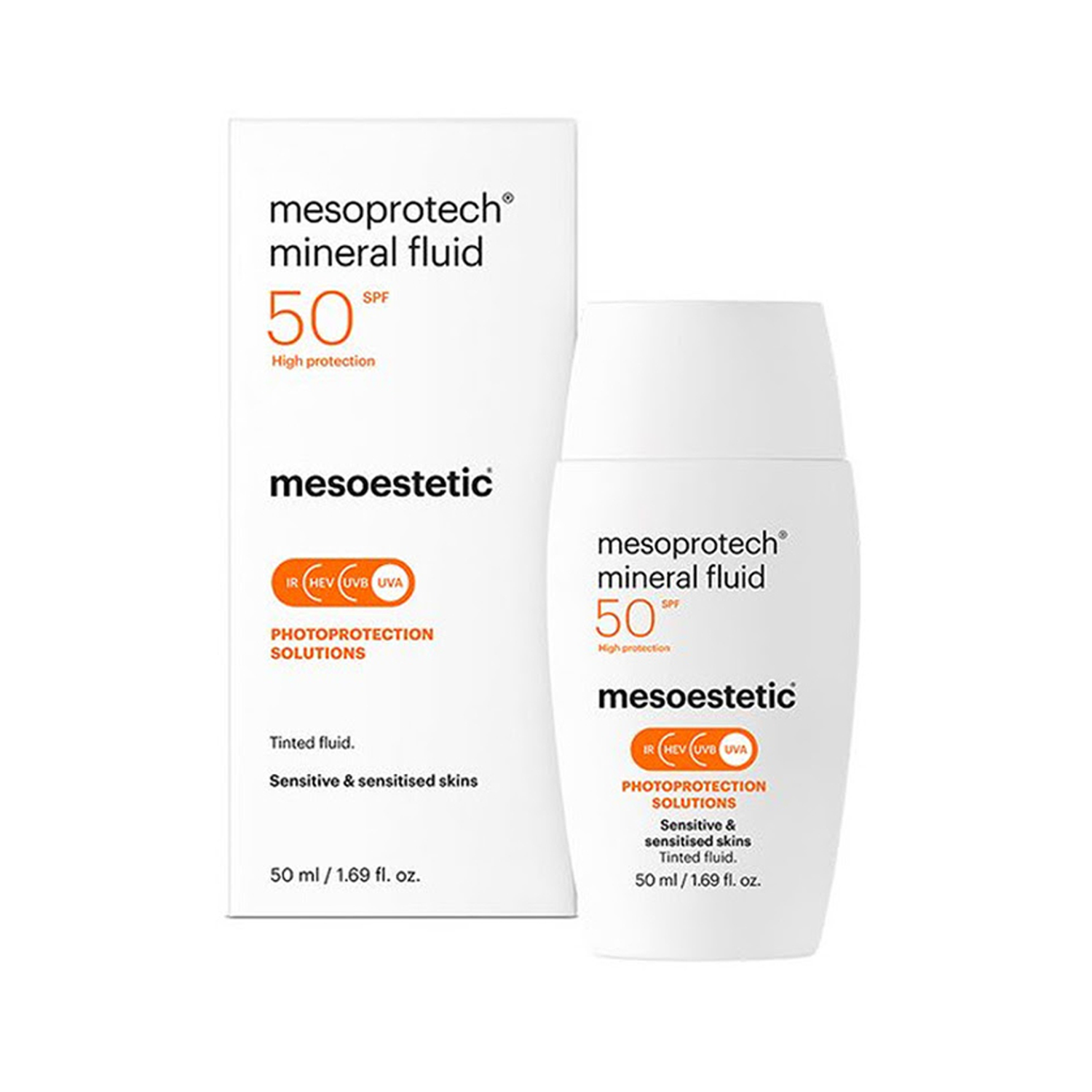
Sunscreens are of two types chemical and physical. Some are a combination of both. Chemical sunscreen absorbs, reflect and scatter light. Light absorbing chemicals include the PABA esters, avobenzone, and the cinnamates. Physical sunscreens contain fine powder of zinc oxide or Titanium dioxide. There are no known allergies to physical sunscreens and can be used in children’s too.

Astringents

These removes oil and soap residue from the skin. Water alcohol propylene glycol, witch hazel, or salicylic acid are present in astringents. An individual with dry, sensitive skin may experience itching, burning or tingling following their use.

Skin Cleansers

Cleansers includes a wide range of products including soaps, detergents, bubble baths, soap free cleansers etc. pH balanced cleansers are the ideal ones to maintain a good skin. If the one has a dry skin soap-free cleansers or syndet containing soaps are better. Mineral oil if of bad quality can irritate the skin. Triclosan used in an antibacterial soap may not suit everyone and not advisable under the age of three years.

Cosmeceuticals

Cosmeceuticals are understood to be active cosmetics hat are sold over the counter, but have profound effects on appearance and functionality. Traditional cosmeceuticals include the topical application of biologically active ingredients that affects the skin barrier and reveals skin health. Cosmeceuticals are carefully developed and tested by the cosmetics industry to deliver cosmetics with recognizable benefits with an excellent safety profile.

Side effects of cosmetics are quite a few. Sensitive individuals can pick and choose the right ones.
Frequently Asked Questions

  • Choose cosmetics based on skin type, ingredient safety, and expiry date, as reactions depend on individual skin condition and immune response. Dermatologists recommend pH-balanced cleansers, fragrance-free products, and checking common allergens to prevent skin irritation or allergies.

  • Cosmetic products may cause irritant contact dermatitis or allergic contact dermatitis, leading to symptoms like burning, itching, redness, or fluid-filled blisters. These reactions can occur immediately or after repeated use depending on skin sensitivity.

  • Select moisturizers with ingredients like glycerin, mineral oil, or silicone that help retain skin moisture. For cleansing, pH-balanced or soap-free cleansers are recommended, especially for people with dry or sensitive skin.

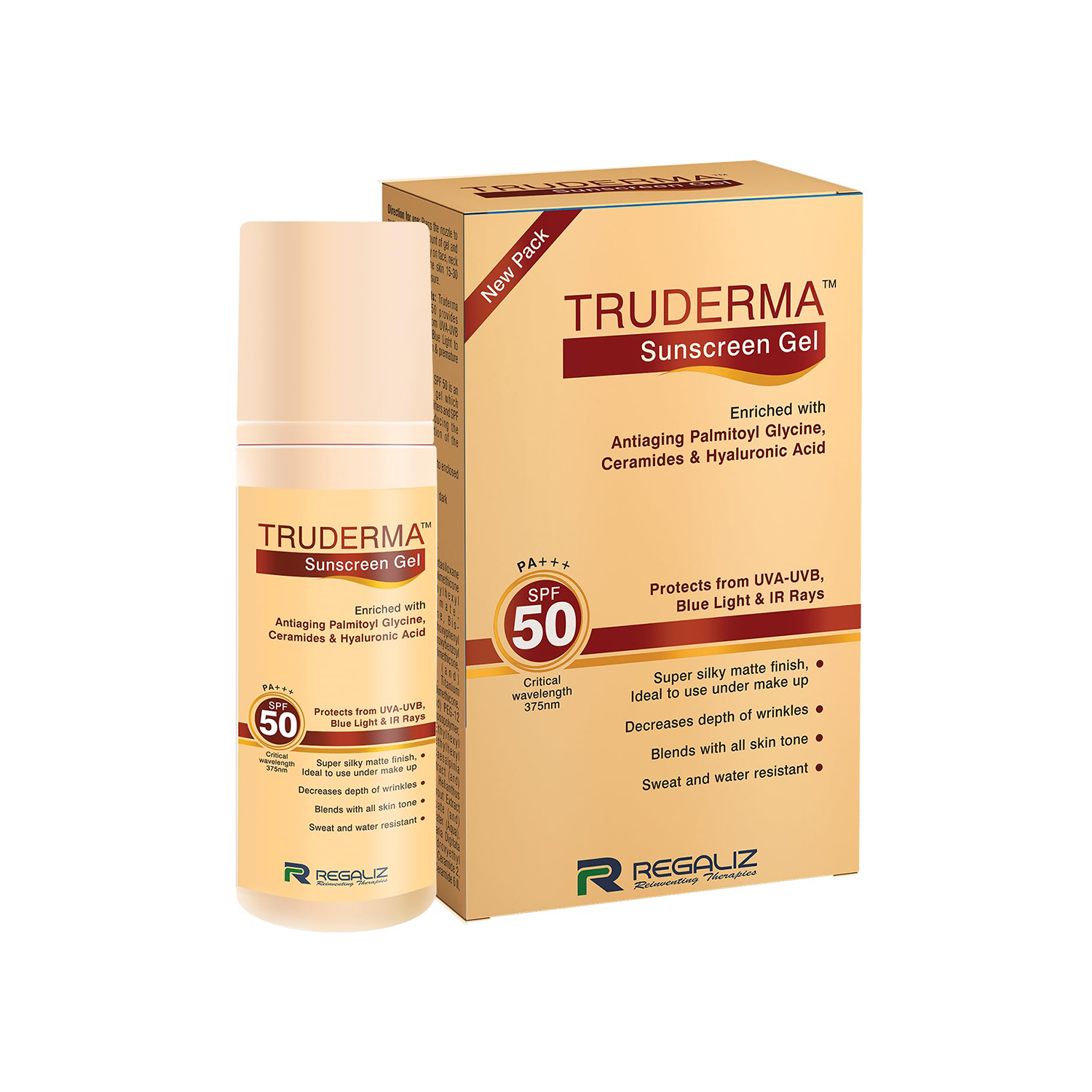
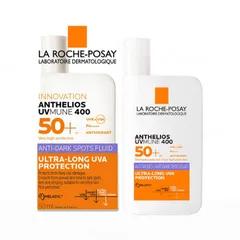
  • PA++++ in sunscreen indicates a very high level of protection against UVA rays, which are responsible for skin aging, pigmentation, and long-term sun damage. Higher PA ratings provide stronger broad-spectrum sun protection by reflecting and scattering harmful ultraviolet rays.

  • Sunscreen is essential for protecting the skin from harmful UV radiation, helping prevent sunburn, skin damage, premature aging, and pigmentation. Regular use of sunscreen supports overall skin health and protection from ultraviolet exposure.

Comments

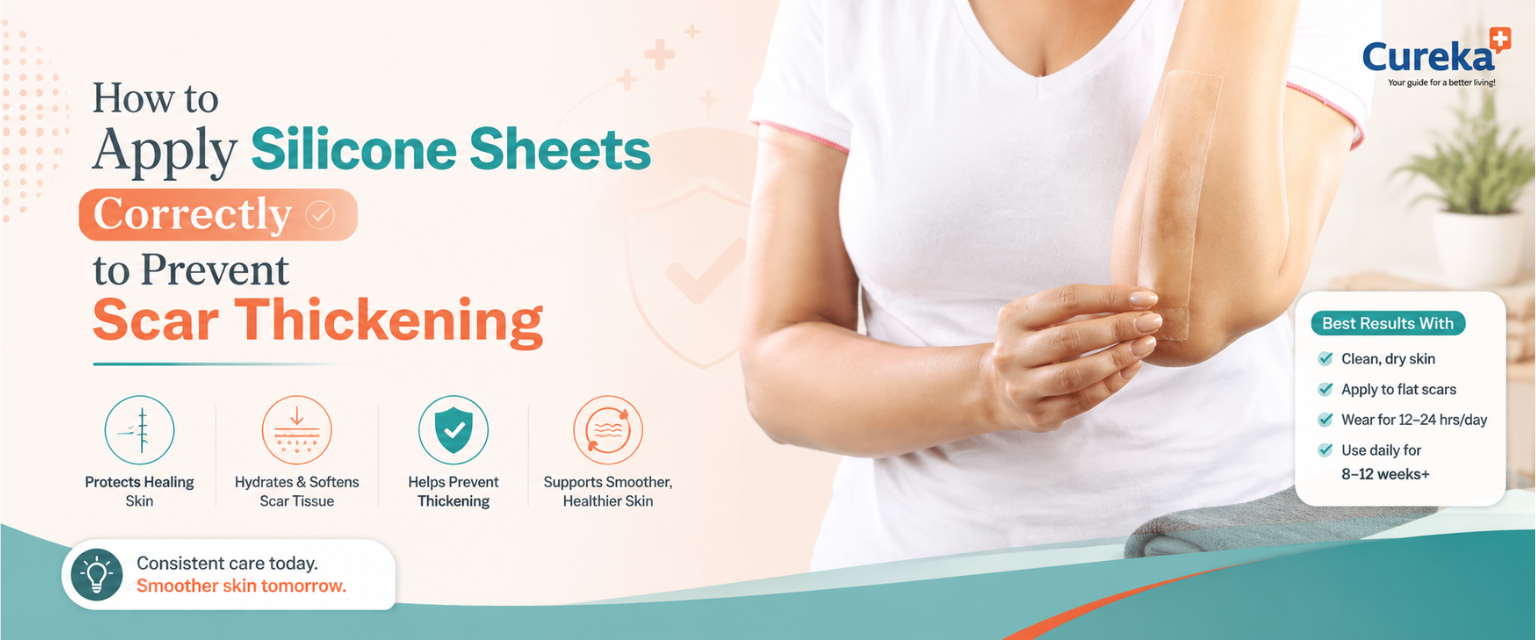
How to Apply Silicone Sheets Correctly to Prevent Scar Thickening
Featured

How to Apply Silicone Sheets Correctly to Prevent Scar Thickening

Raised, thick scars aren't permanent. Learn the step-by-step method for applying silicone sheets correctly to flatten, soften, and fade scars over time.

Read More
Psoriasis Skin Care Myths That Could Be Making Your Condition Worse
Featured

Psoriasis Skin Care Myths That Could Be Making Your Condition Worse

Could your psoriasis routine be making flare-ups worse? See which common skincare myths may be doing more harm than good.

Read More
5 Surprising Reasons Your Skincare Routine Isn’t Working (And How to Fix It)
Featured

5 Surprising Reasons Your Skincare Routine Isn’t Working (And How to Fix It)

Your skincare routine may be failing for simple reasons. See the five mistakes that could be sabotaging your results.

Read More
Melasma and Skin Aging: Why Internal Inflammation Plays a Bigger Role Than You Think
Featured

Melasma and Skin Aging: Why Internal Inflammation Plays a Bigger Role Than You Think

Melasma keeps coming back despite your skincare routine? Inflammation, hormones, and lifestyle may be driving both pigmentation and premature skin aging.

Read More
Acne Isn’t Just Cosmetic: The Hormonal Triggers Behind Adult Acne
Featured

Acne Isn’t Just Cosmetic: The Hormonal Triggers Behind Adult Acne

Still breaking out as an adult? Your hormones could be behind those stubborn breakouts. Find out how periods, stress, PCOS, and diet can affect your skin, even when your skincare routine is on point.

Read More
Managing Vitiligo Naturally: How Targeted Skincare Supports Skin Health
Featured

Managing Vitiligo Naturally: How Targeted Skincare Supports Skin Health

Vitiligo isn’t just about changing skin colour. See how protecting the skin barrier, managing oxidative stress, and supporting pigmentation can make a difference in everyday vitiligo care.

Read More

No comments yet. Be the first to share your thoughts.