

As soon as hair fall starts becoming visible, everyone looks up solutions on the internet. Soon enough, they come across a multitude of products such as hair oils, shampoos, hair growth serums and hair growth tablets. But one thing is for sure: they will wonder which of these products works faster.
The solution to this question cannot be found in the product that has the best ratings. Hair fall itself is not a disease, but it can occur due to nutrient deficiency, hormonal imbalances, stress, genetic disorders, medications, sickness or even the condition of the scalp. For this reason, a product that is useful for one individual will hardly be effective for another one, as the problem is caused by something else.
And that's the reason the debate about hair growth serum vs hair growth tablets needs to concentrate not just on which one will deliver faster results. It should first consider how each one works.
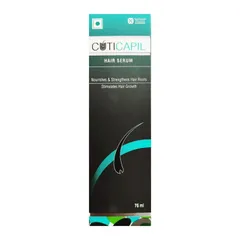
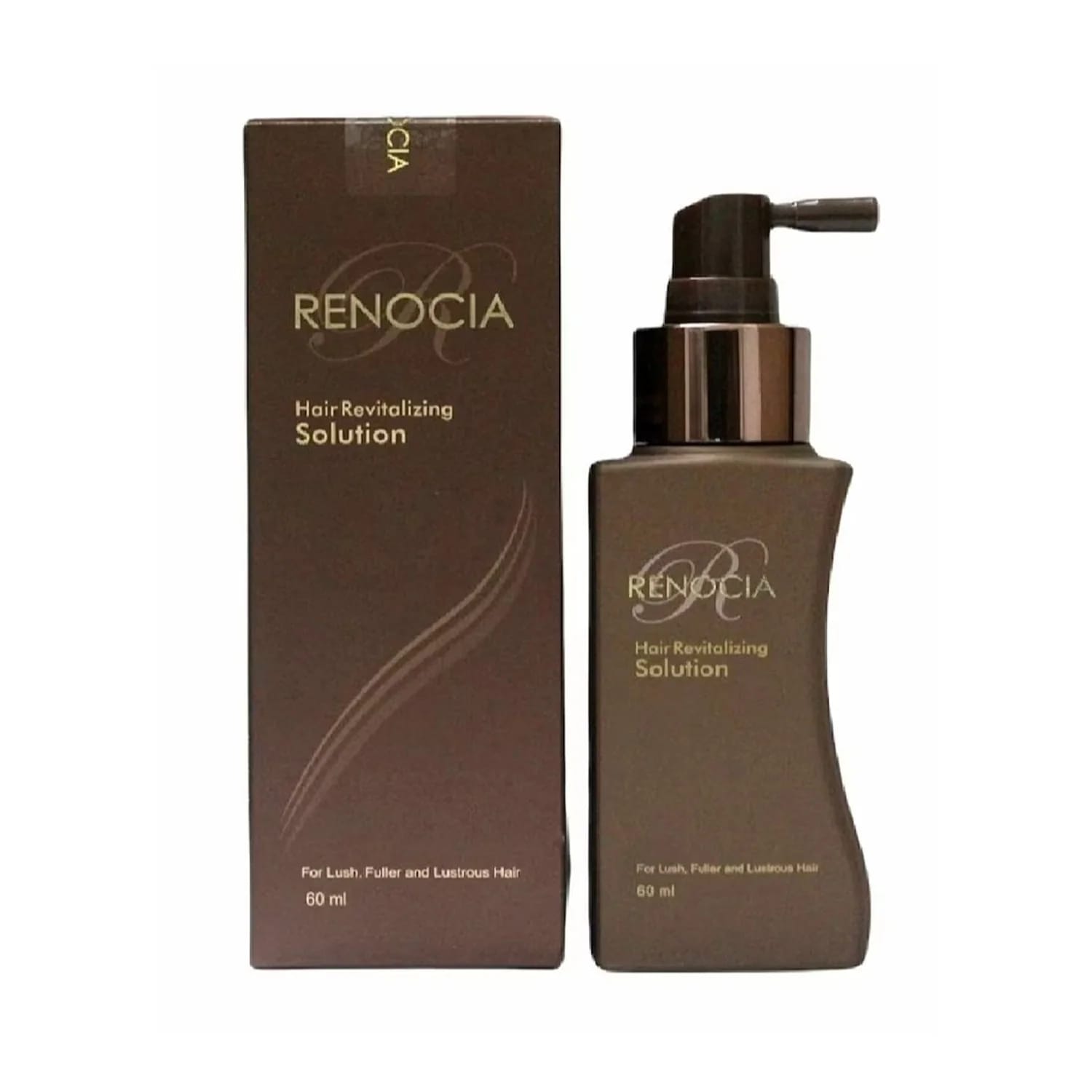
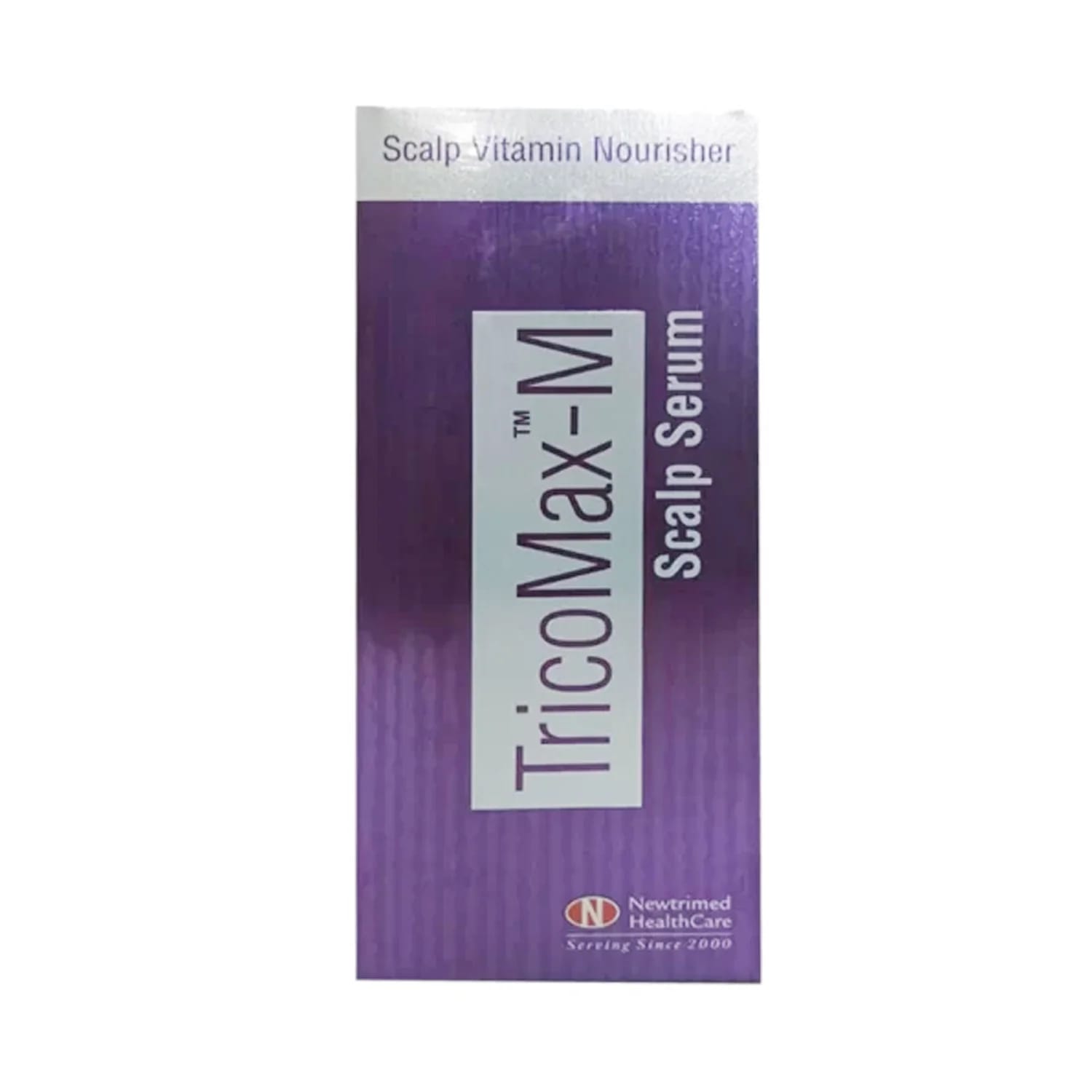
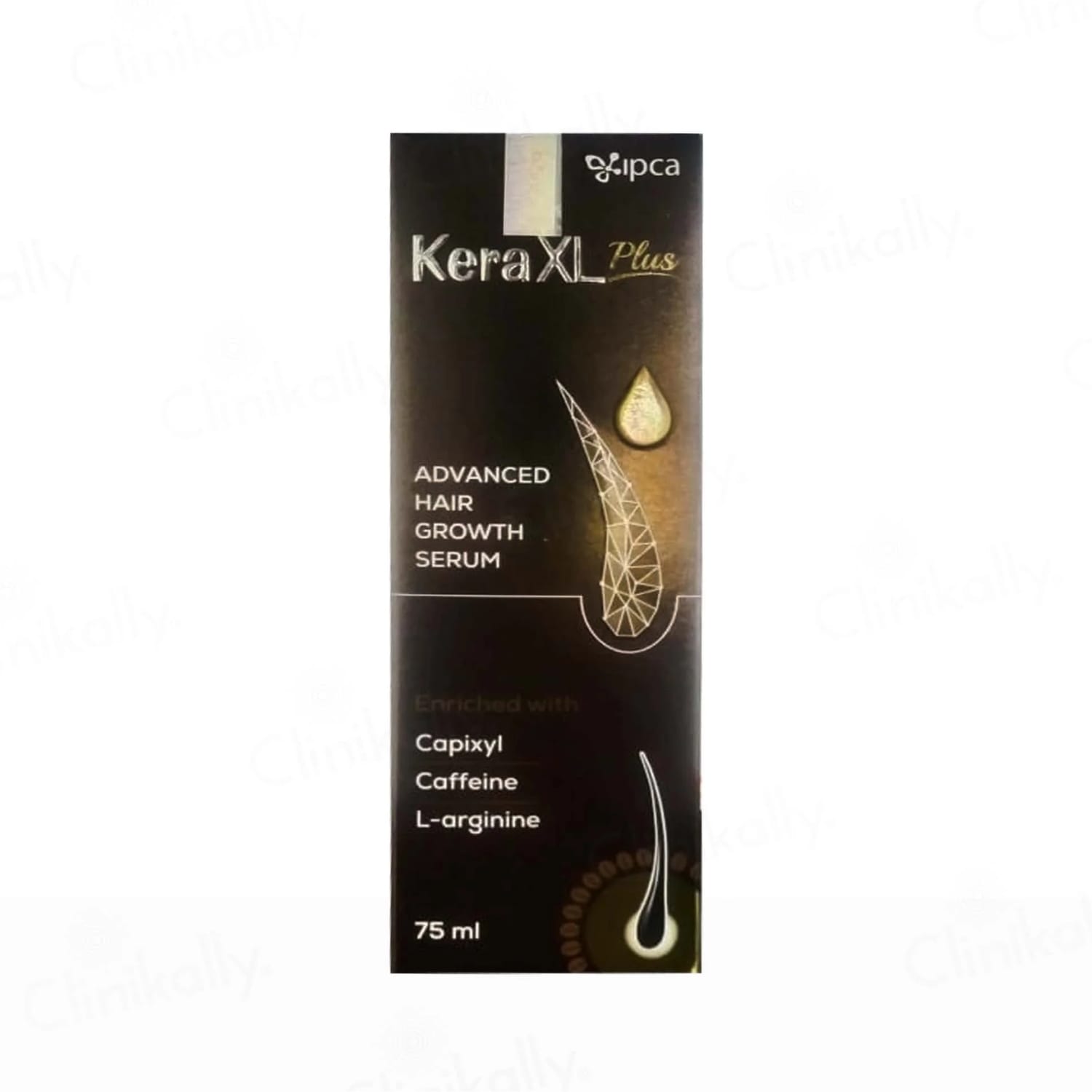
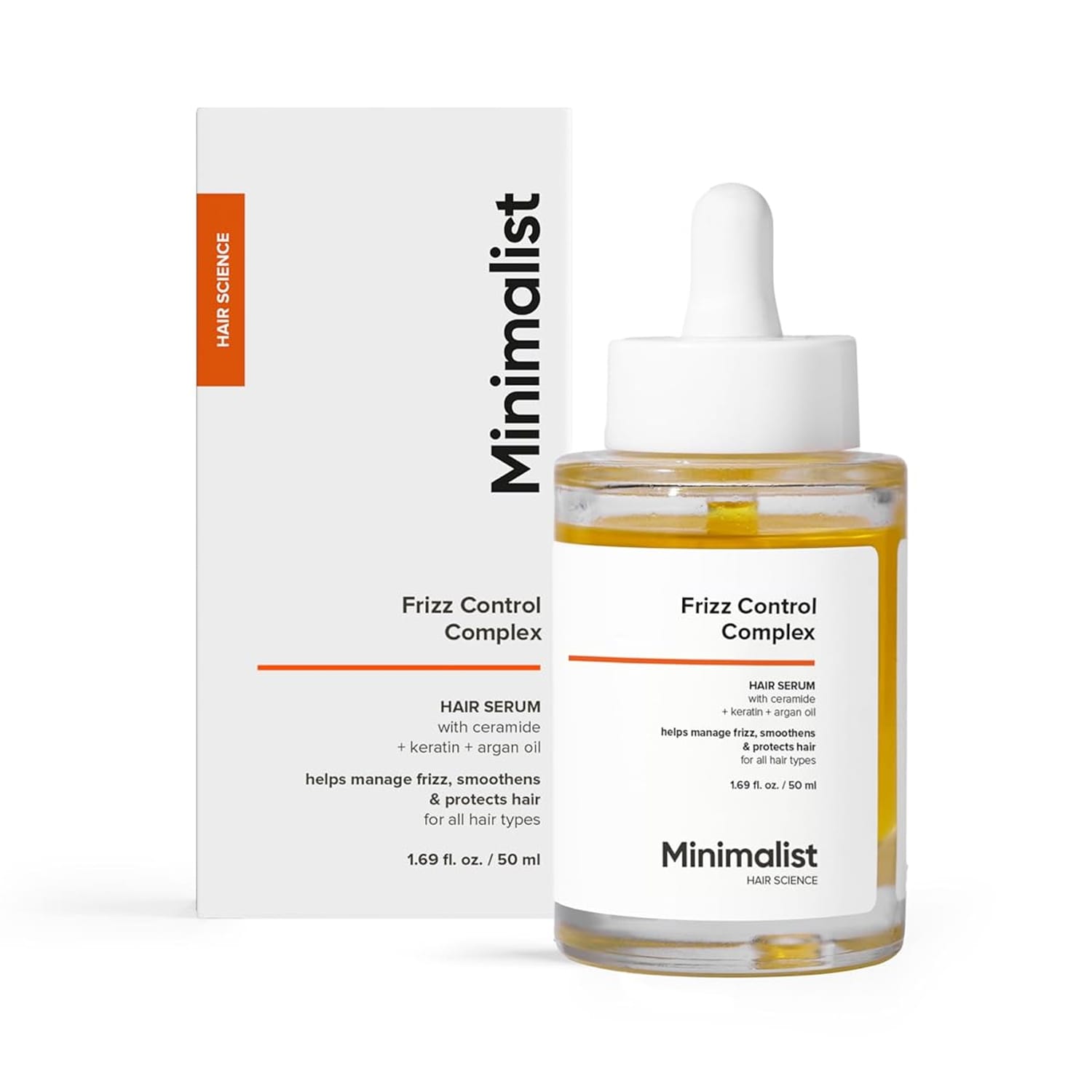
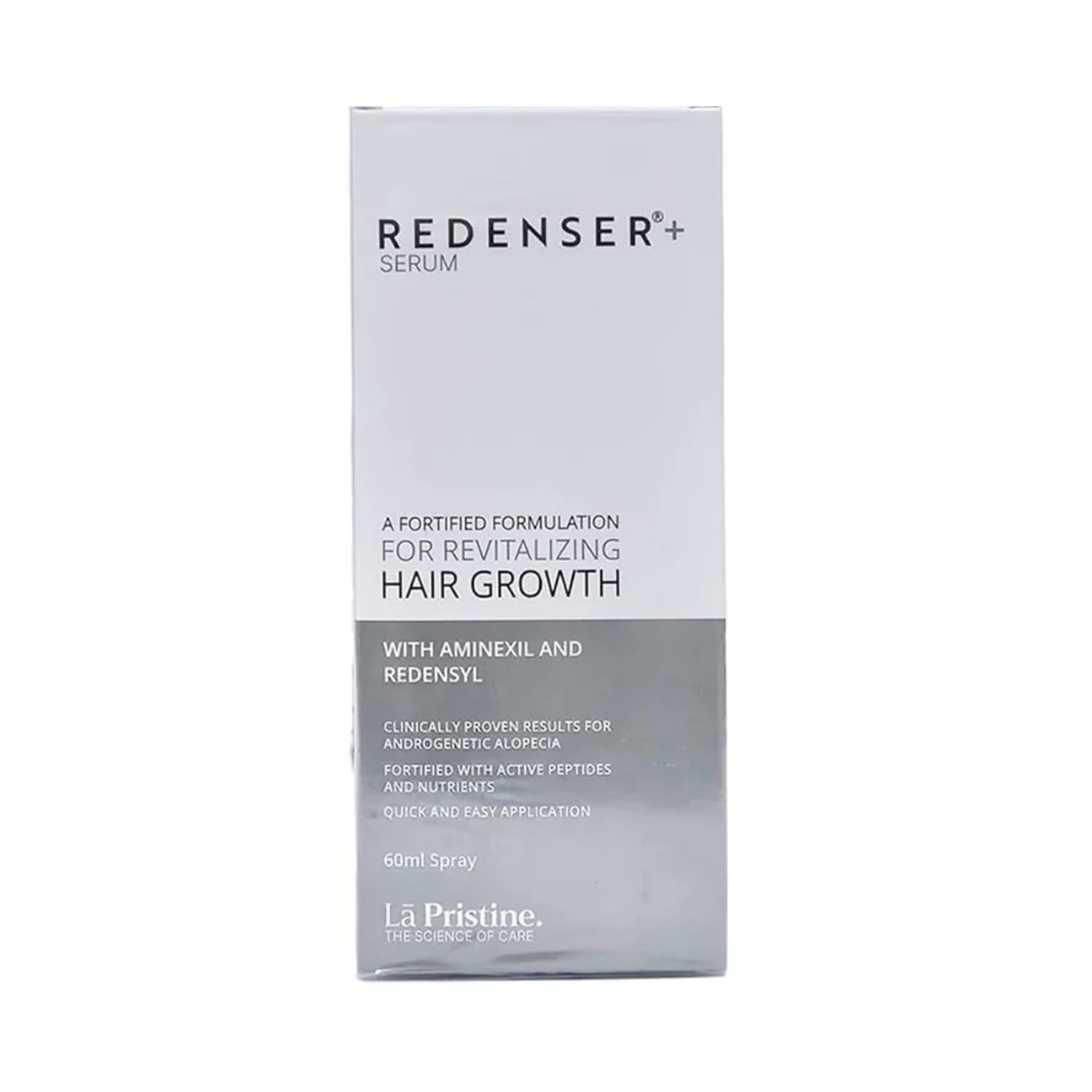
How Hair Growth Serums Work
Hair serum is a leave-on treatment product that helps apply the active ingredient right on the scalp where the hair follicles reside. The main difference between hair serum and shampoo is that unlike shampoos, which can be removed by washing off after some minutes, the hair serum remains on the scalp for many hours.
To understand how they function, one should know where hair is grown from. It grows from the follicles that lie underneath the layers of skin, rather than from the hair shafts. Clinical formulas of hair serums are made to promote healthy follicular conditions in order for the follicle to grow thick and strong hair.
Rather than relying solely on nourishing oils, many modern hair growth serums contain ingredients that have been studied for their role in supporting the hair growth cycle. Common examples include:
Redensyl, which targets hair follicle stem cells and supports the hair growth cycle.
Capixyl, a peptide-based ingredient that may help strengthen hair anchoring while supporting scalp health.(1)
Anagain, derived from pea sprouts, which is studied for its ability to encourage follicles to remain in the active growth phase for longer.(2)
Procapil, a blend of ingredients designed to improve follicle health and reduce premature hair weakening.
Caffeine, which has been investigated for its potential role in supporting hair follicles affected by hormonal factors.(3)
However, not all hair growth serums have all these components, and the larger ingredient list does not always guarantee effectiveness. What really makes a difference is the quality of the formula and its consistent application.
Another important thing to know is that all hair growth serums do not work the same. There are cosmetic formulas with Redensyl and Capixyl among their components and there are those with medications, such as minoxidil. However, though both serums are applied externally, their ways of actions are different, which means they cannot be used interchangeably.
The greatest myth about hair growth serums is the expectation of hair growth in very few days. Follicles do not react instantly to the treatment. Even if a follicle reacts positively to a hair growth serum, the hair will have to grow under the skin first.
This is actually one of the reasons why many of us often feel like a product is not working since they have stopped taking it prematurely. Most clinical studies evaluate hair growth over at least 12 to 24 weeks because meaningful improvements generally become noticeable only after part of the natural hair growth cycle has been completed.(4)
That is why dermatologists recommend taking hair growth serum for at least three to six months.
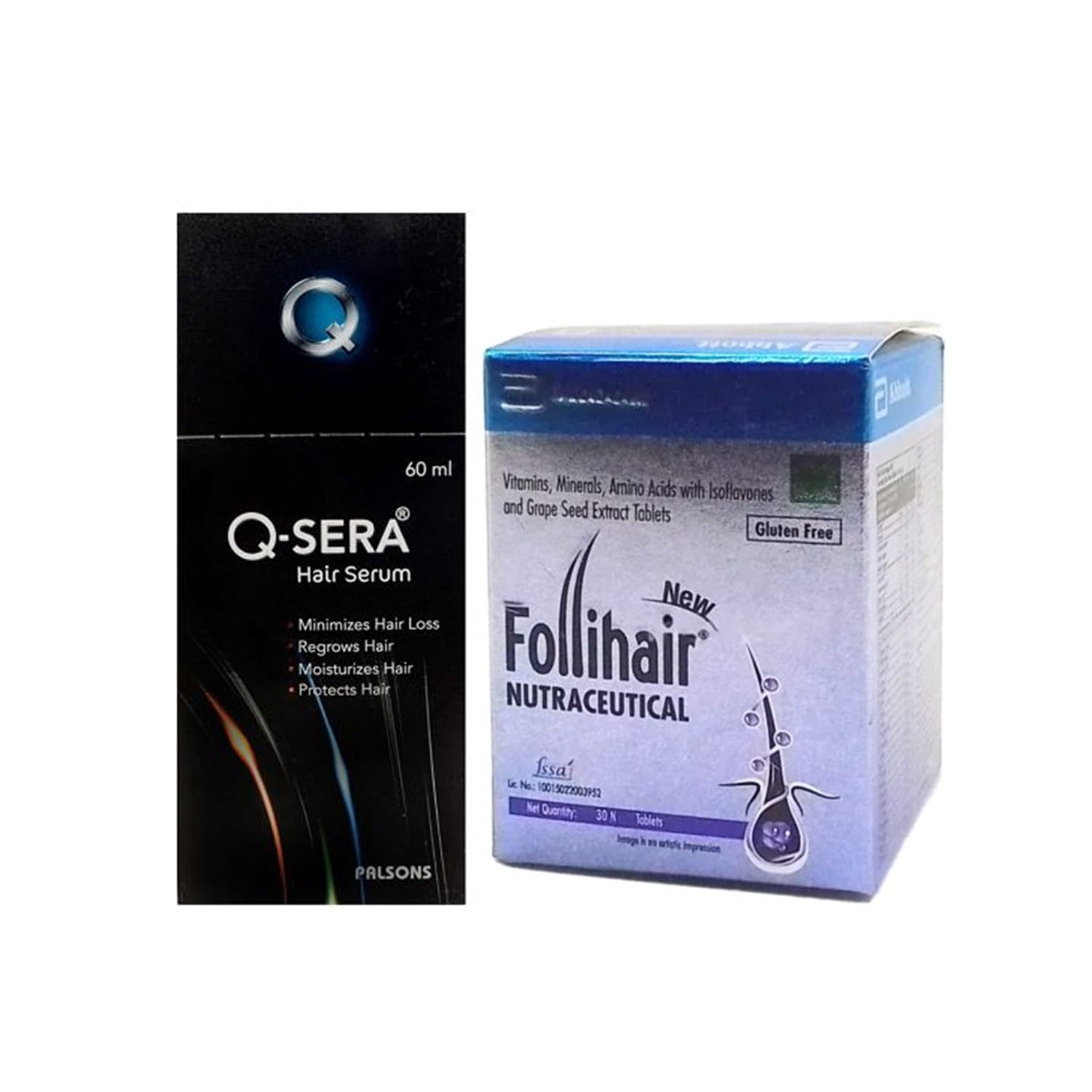
How Hair Growth Tablets Work
Whereas hair growth serums have their effect locally, hair growth tablets help promote the natural processes occurring internally in the hair follicle. Each hair starts growing from a rapidly dividing cluster of cells located at the base of the follicle, which needs constant nourishment and energy supplied by blood.
As oral supplements affect the body's processes internally, as opposed to external products, they provide support for all active hair follicles on the scalp. Thus, hair supplements are especially useful in the case of hair fall caused by factors inside the body rather than on the scalp.
An important concept to understand is what's known as the rate-limiting factor. In order to grow, hair needs to overcome its biggest limitation; this means that hair will grow as fast as the fastest rate-limiting factor. For some of us , it can be lack of protein, for others – lack of iron, deficiency of vitamin D, stress, hormones, problems with thyroid gland, or post-illness recovery. Even if all other factors of hair health are perfect, one limitation can interfere with the hair growth cycle and cause increased shedding or slower hair growth.
This is why modern hair growth supplements are usually formulated with a combination of vitamins, minerals, amino acids, antioxidants, and botanical extracts instead of relying on a single "hero" ingredient. Healthy hair growth depends on several biological processes working together, from cell division and keratin production to protecting the follicle from oxidative stress(5) and supporting normal cellular function.
It is also important to note that taking supplements orally does not "nourish" the visible hair strand because it is dead keratin cells above the skin surface and thus cannot be nourished internally. Supplements help the live cells in the follicle that manufacture hair. Improvements will only be seen when new hairs grow in their natural growth process.
One Size Doesn't Fit All
This is where most of us get disappointed. They expect one product to solve every type of hair loss, but hair follicles don't respond the same way to every treatment. A serum can't correct an iron deficiency, just as a supplement can't directly improve an unhealthy scalp environment.
Feature | Hair Growth Serum | Hair Growth Tablets |
|---|---|---|
How it works | Applied directly to the scalp | Works through the bloodstream |
Primary action | Supports the hair follicle locally | Provides nutrients needed for healthy hair growth |
Treats vitamin or mineral deficiencies | No | Yes |
Requires consistent use | Yes | Yes |
Typical time to notice visible changes | Around 3–6 months | Around 3–6 months, depending on the deficiency |
Another factor worth considering is that hair growth is always behind biological improvements. This means that even when a hair follicle begins to produce better quality hair, it will take some time for the strand to show. Any product that promises significant changes within a period of two or three weeks should be considered suspicious.
Which Option Is Better for Different Types of Hair Fall?
Instead of asking which product works faster, a better question is, "What is causing my hair fall?"
Hair Fall Due to Nutritional Deficiencies
If you have low levels of iron, vitamin D, B12, zinc, or insufficient protein in your system, hair regrowth tablets are a must since they address the underlying issue.
The serum will still be helpful for scalp care, but it cannot replace the nutrients that are not present in the body.
Early Pattern Hair Loss
In case of pattern hair loss or androgenetic alopecia, the hair follicles become progressively smaller. For this type of hair loss, hair growth serums can help as they are meant for direct application to the scalp.
According to the formula, hair growth serum might assist in obtaining healthier hair and better scalp condition.
Pattern Hair Loss
If pattern hair loss or androgenetic alopecia occurs, the hair follicles begin getting smaller in size. Hair growth serums would be effective for such a type of hair loss since they are intended to be applied to the scalp directly.
As per the formula, hair growth serum could facilitate better hair and scalp health.
Stress-Related Hair Fall
A situation when someone experiences stress, illnesses, surgery, or even losing weight rapidly, can cause telogen effluvium, which means that a larger amount of hair enters the resting stage.
The recovery from the trigger will help hair start growing. Maintaining good nutrition and healthy scalp can be helpful during recovery period.
Doctor's Perspective
One of the biggest misconceptions about hair fall is that every type needs the same treatment. In reality, the hair follicle responds to what's happening both inside and outside the body. A healthy scalp cannot compensate for an untreated nutritional deficiency, just as taking supplements won't correct every scalp-related concern. Understanding the underlying cause is often the first step towards choosing the right solution.
Can You Use Hair Growth Serum and Hair Growth Tablets Together?
In most instances, yes.
Because both the two operate via different means, they do not compete in treatment.
This is because:
A hair growth serum provides the environment necessary for the follicles to thrive, while the hair growth supplements give the follicles all the essential nutrients to generate healthy hair.
Where someone is suffering from hair loss due to a variety of causes like stress and inadequate nourishment or post-pregnancy along with poor nutrition, a medical practitioner will advise using both external and internal therapies.
Supplements must, however, always be taken following doctors' recommendations.
Choosing Doctor-Curated Hair Care Products
The hair care market is crowded with products promising thicker, longer hair in just a few weeks. While these claims may sound appealing, healthy hair growth simply doesn't happen that quickly.
Rather than focusing on bold marketing statements, look for products with transparent ingredient lists, evidence-backed formulations, and realistic expectations.
This is where Cureka's doctor-curated approach stands apart.
As India's first doctor-curated preventive healthcare platform, Cureka carefully selects products from trusted brands that are medically reviewed before they reach consumers. Whether you're looking for a hair growth serum, hair growth tablets, or a complete hair care routine, the emphasis is on scientifically supported formulations rather than short-term trends.
Choosing products this way doesn't guarantee overnight results, but it does help you make more informed decisions based on quality and credibility.
Conclusion
While comparing between hair growth serum and hair growth tablets, it is tempting to assume that either one should be superior or work faster compared to the other. This, however, may not necessarily be the case. Hair growth serum and tablets have distinct roles, which make them unique.
Hair growth serums target the scalp and hair follicles directly, while hair growth tablets work internally by meeting the nutritional needs of the body. The best option will always depend on the cause of your hair fall rather than which product works faster.
In case your hair loss persists beyond three months and comes with symptoms like irritated scalp, rapid thinning, or excessive hair shedding, it would be wise to see a dermatologist. Knowing what is causing hair loss early can help in treatment rather than waiting to try out many things.
The idea of seeing an expert before choosing what works is the main principle followed at Cureka. Cureka is a doctor-curated preventive healthcare platform that enables users to pick scientifically proven hair care products based on their needs.
References:
Topical Alternatives for Hair Loss: Beyond the Conventional - https://pmc.ncbi.nlm.nih.gov/articles/PMC12251978/#sec6 - 2025 Jun
Pea Sprout Extract Promotes Hair Follicle Regeneration via Anagen Phase Prolongation and Dual Modulation of Oxidative and Inflammatory Signaling - 2025 Nov - https://pubmed.ncbi.nlm.nih.gov/41309367/
Caffeine as an Active Molecule in Cosmetic Products for Hair Loss: Its Mechanisms of Action in the Context of Hair Physiology and Pathology - 2025 Jan - https://pmc.ncbi.nlm.nih.gov/articles/PMC11720832/
Status of research on the development and regeneration of hair follicles - 2024 Jan - https://pmc.ncbi.nlm.nih.gov/articles/PMC10750333/#Section8
Oxidative stress in hair follicle development and hair growth: Signalling pathways, intervening mechanisms and potential of natural antioxidants - 2024 Jun - https://pmc.ncbi.nlm.nih.gov/articles/PMC11196958/