


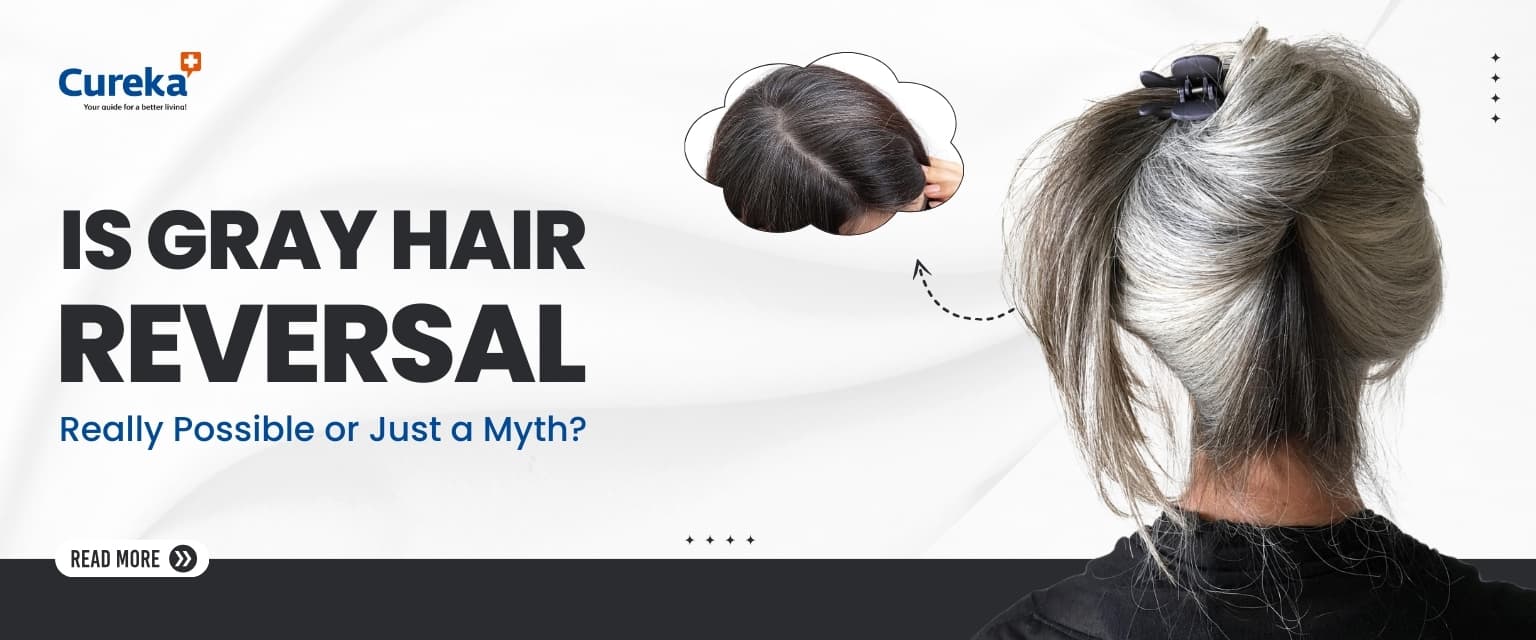
Gray hair is a natural part of aging, but for many, the desire to maintain their natural hair color remains strong. While hair dyes have traditionally been the go-to solution, recent studies suggest that gray hair reversal may not be as far-fetched as once believed.
Let's uncover the science behind gray hair and whether reversing it is truly possible.
Understanding the Cause of Gray Hair
The graying process is tied to the reduction or absence of melanin production in hair follicles. Melanin is the pigment responsible for hair color, and its depletion leads to gray hair.
Factors such as aging, genetics, and environmental stress can accelerate this process.
Can You Reverse Gray Hair Naturally?
Although the idea of gray hair reversal sounds promising, large-scale repigmentation remains rare. However, individual cases of reverse gray hair have been reported, often linked to specific treatments or lifestyle changes. Some methods that have shown potential include:
1. Nutritional Support:
Vitamin B-complex, particularly calcium pantothenate and PABA (para-aminobenzoic acid), has demonstrated some success in restoring gray hair color. In some studies, individuals reported significant repigmentation within 2-3 months of consistent supplementation.
Supplements containing inositol, an important nutrient for cellular health, have also been explored for their potential role in promoting healthier hair pigmentation and delaying gray hair formation.
2.Medication-Induced Repigmentation:
Certain medications, such as tyrosine kinase inhibitors (TKIs) and immunomodulators, have been found to stimulate melanogenesis, leading to potential gray hair reversal. These drugs are not yet designed specifically for hair repigmentation but provide valuable insights into possible treatments.
3.Anti-Inflammatory Medications:
Medications like thalidomide, prednisone, and cyclosporin have occasionally triggered reverse gray hair effects as a side outcome of treatment.
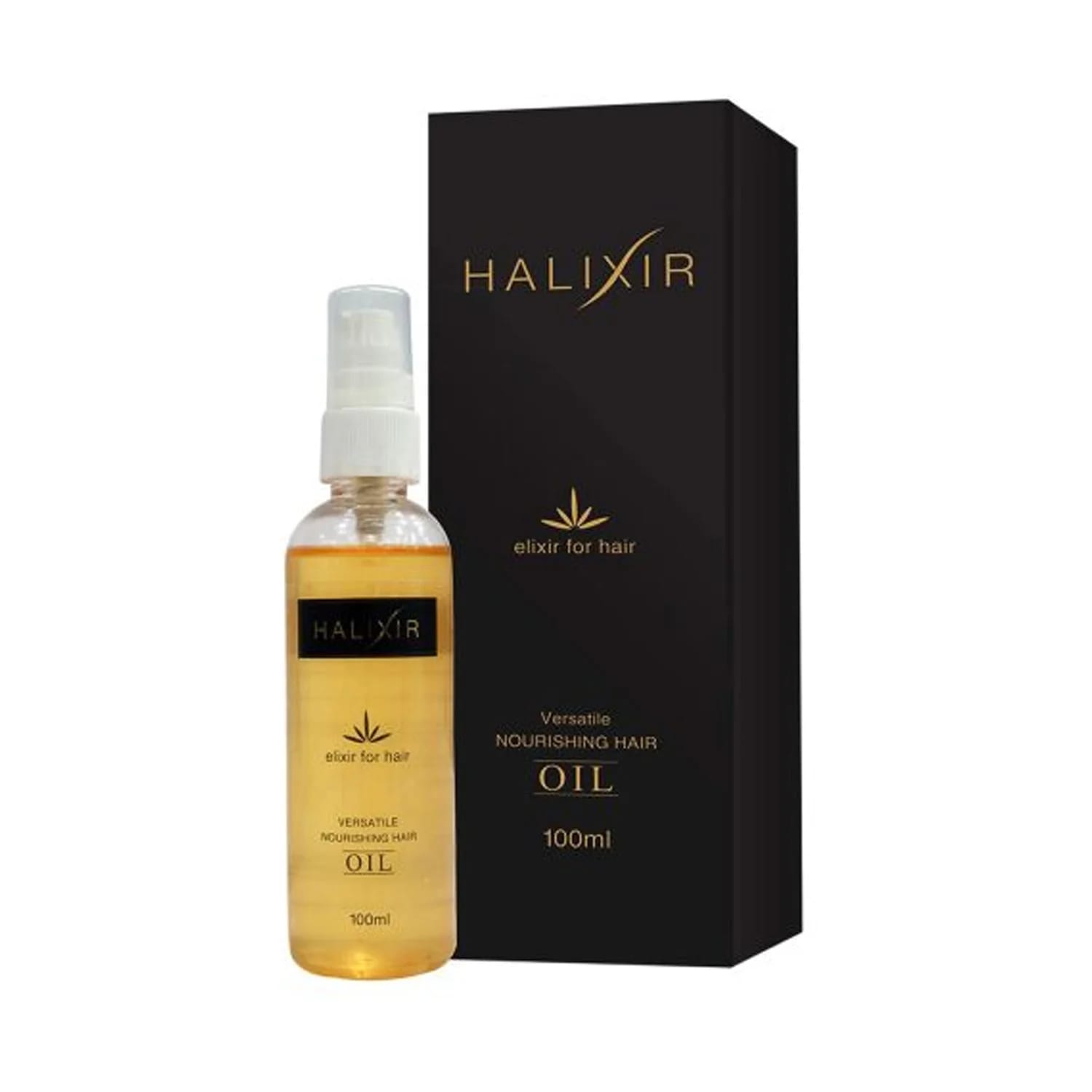
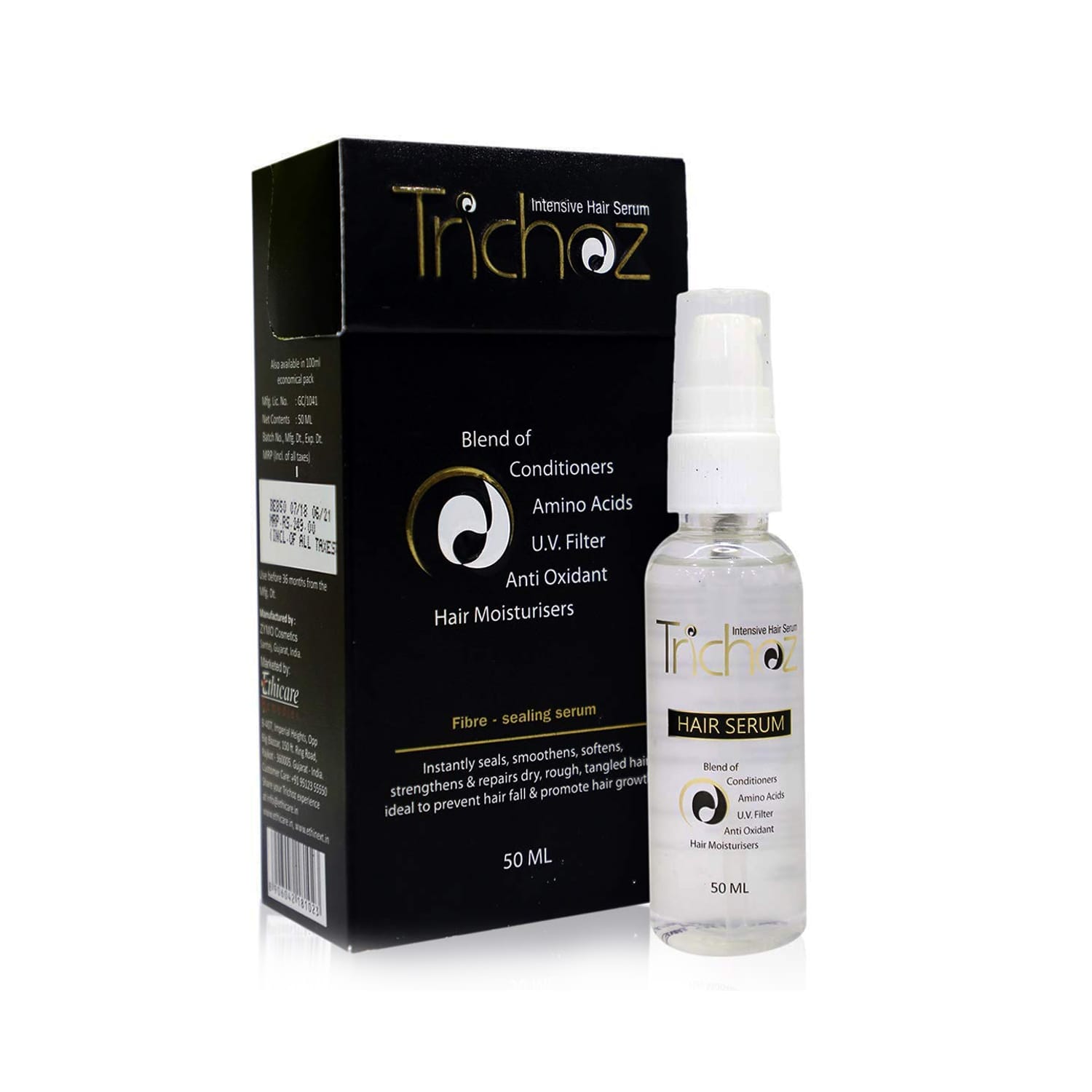
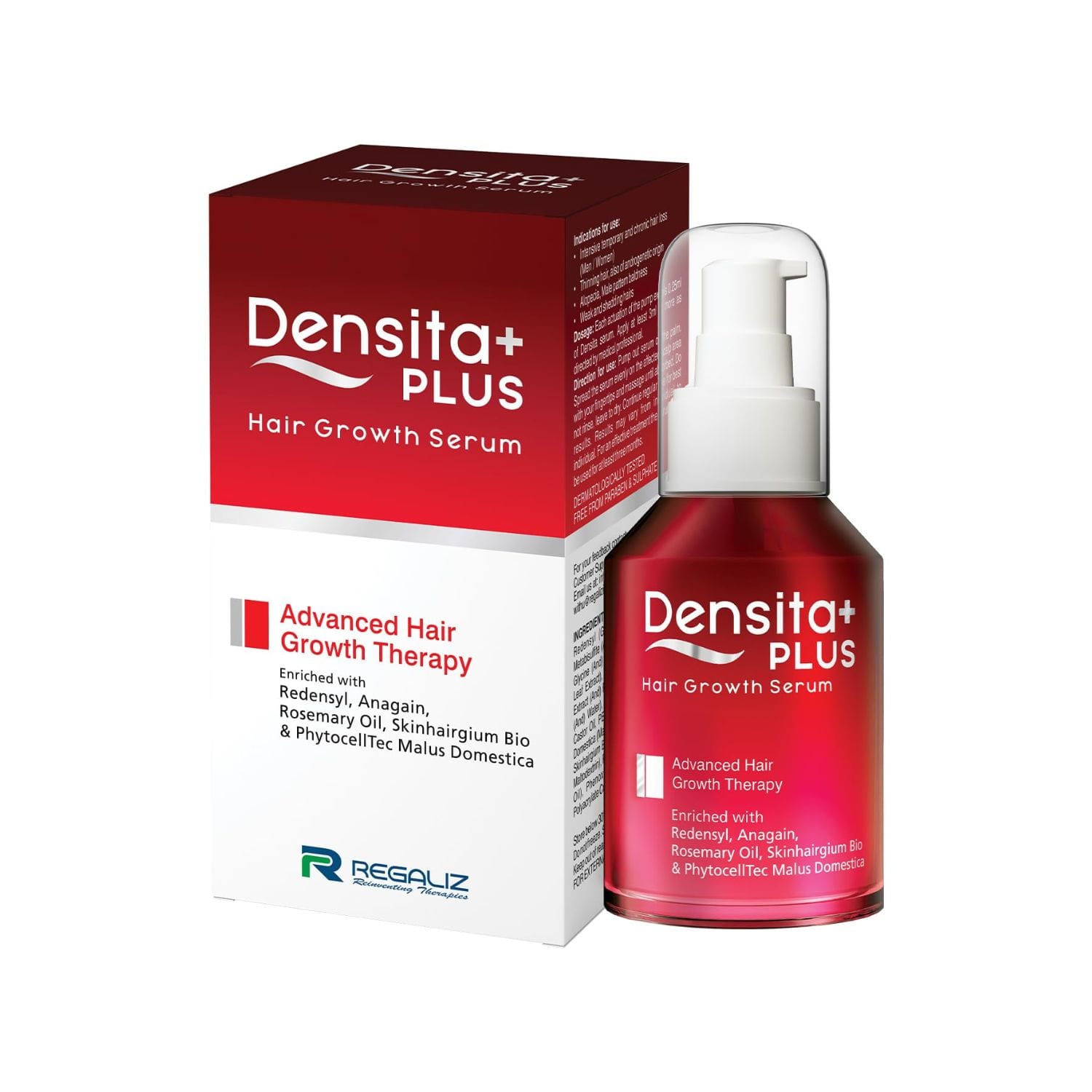
4.Hair Serums and Tablets:
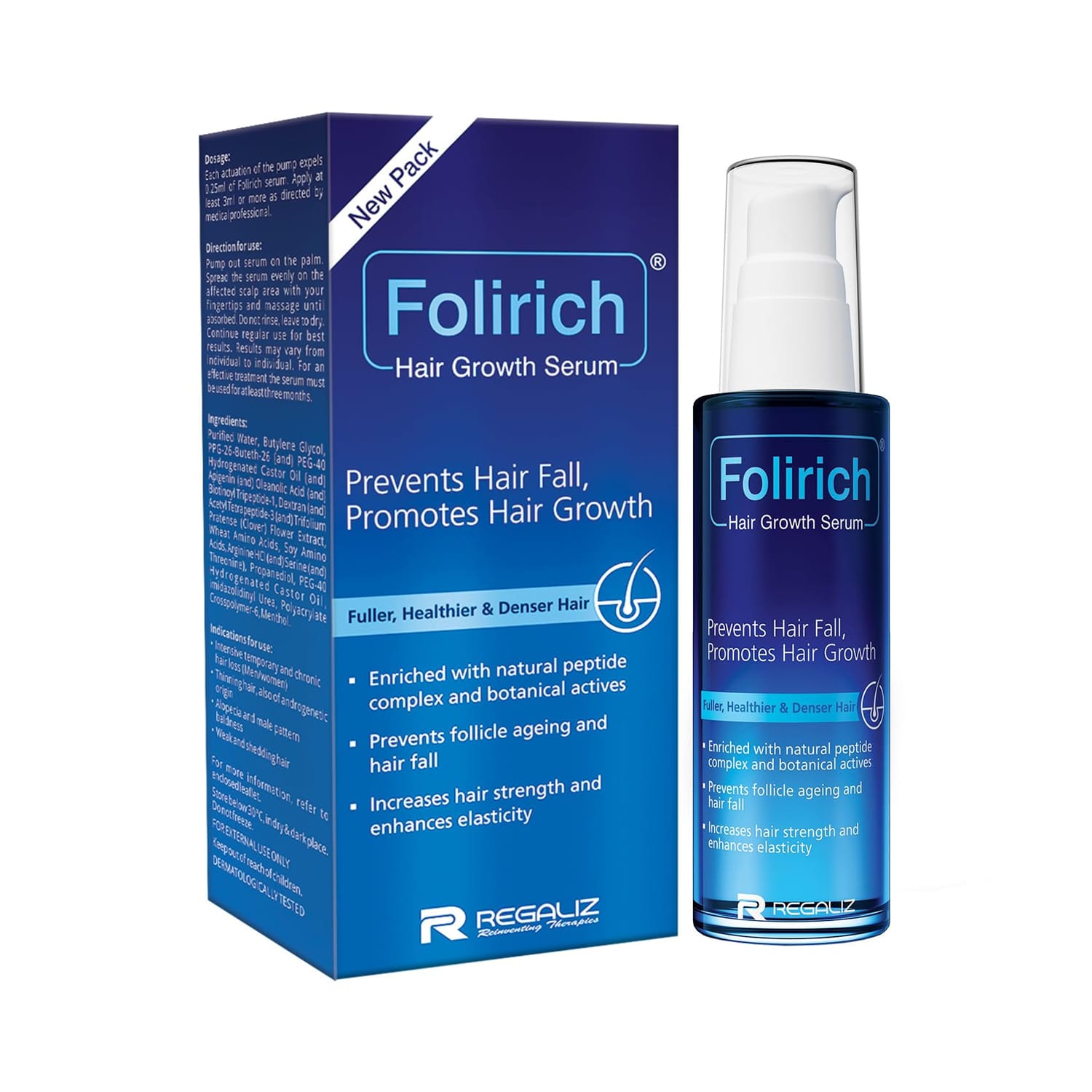
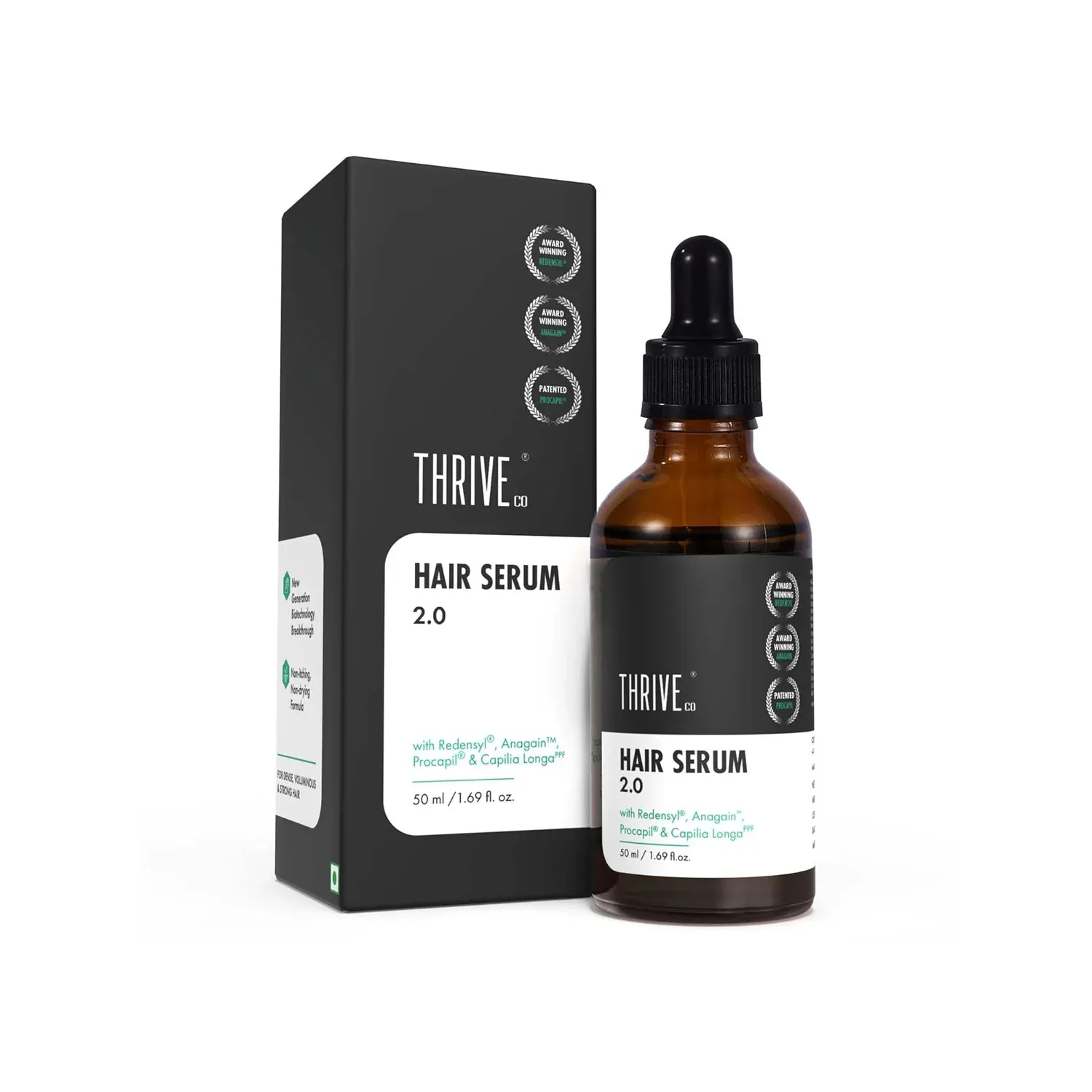
Emerging products containing active ingredients like Arcolys®, WKPep Melit®, and AnaGain™ are gaining attention for their ability to improve hair health and potentially support the reversal of gray hair. These formulations work by targeting the hair follicle's melanin production pathways.
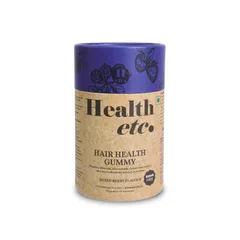
Additionally, hair tablets fortified with biotin, inositol, and other essential nutrients help strengthen hair follicles and improve scalp health, creating a favorable environment for natural hair pigmentation.
Research into topical treatments for stimulating melanogenesis is ongoing, with promising results emerging in clinical trials. Future products may offer safer and more
5.Topical Solutions and Treatments:
Effective ways to target gray hair color at the root.
Effective Ways to Manage Gray Hair
While reversing gray hair remains a developing field, several effective strategies can help you manage it:
Anti-gray hair treatments designed to nourish and support hair follicles may slow down graying.
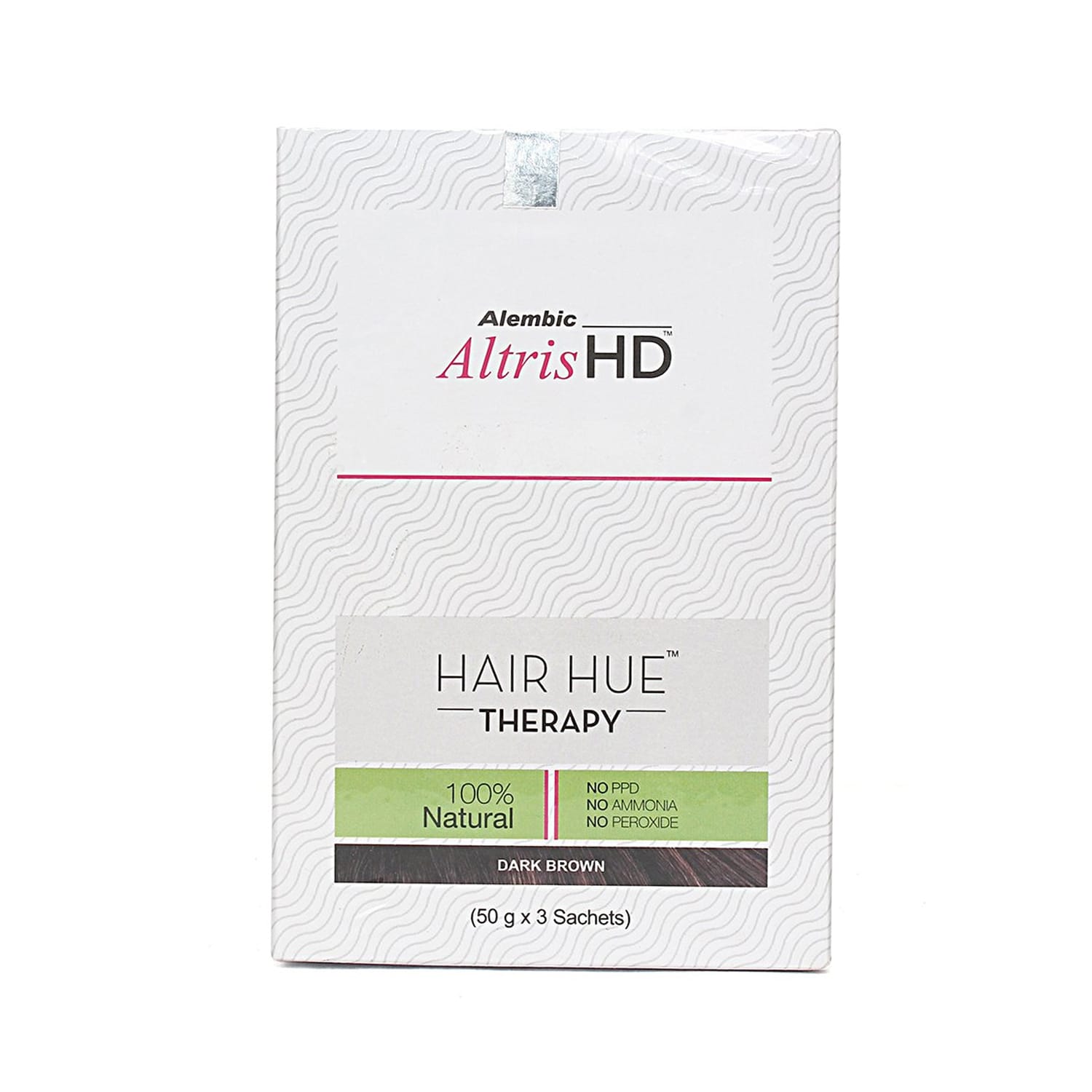
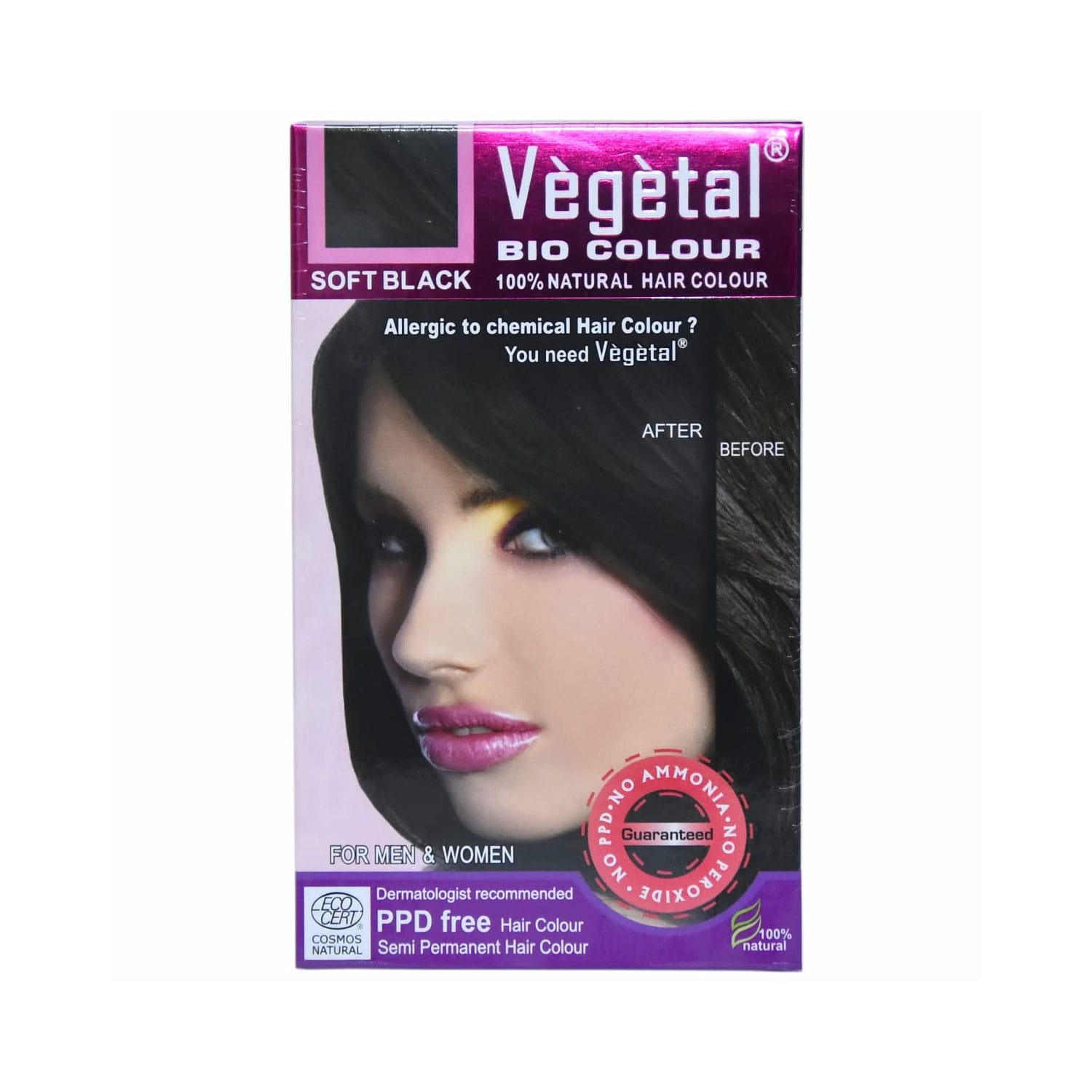
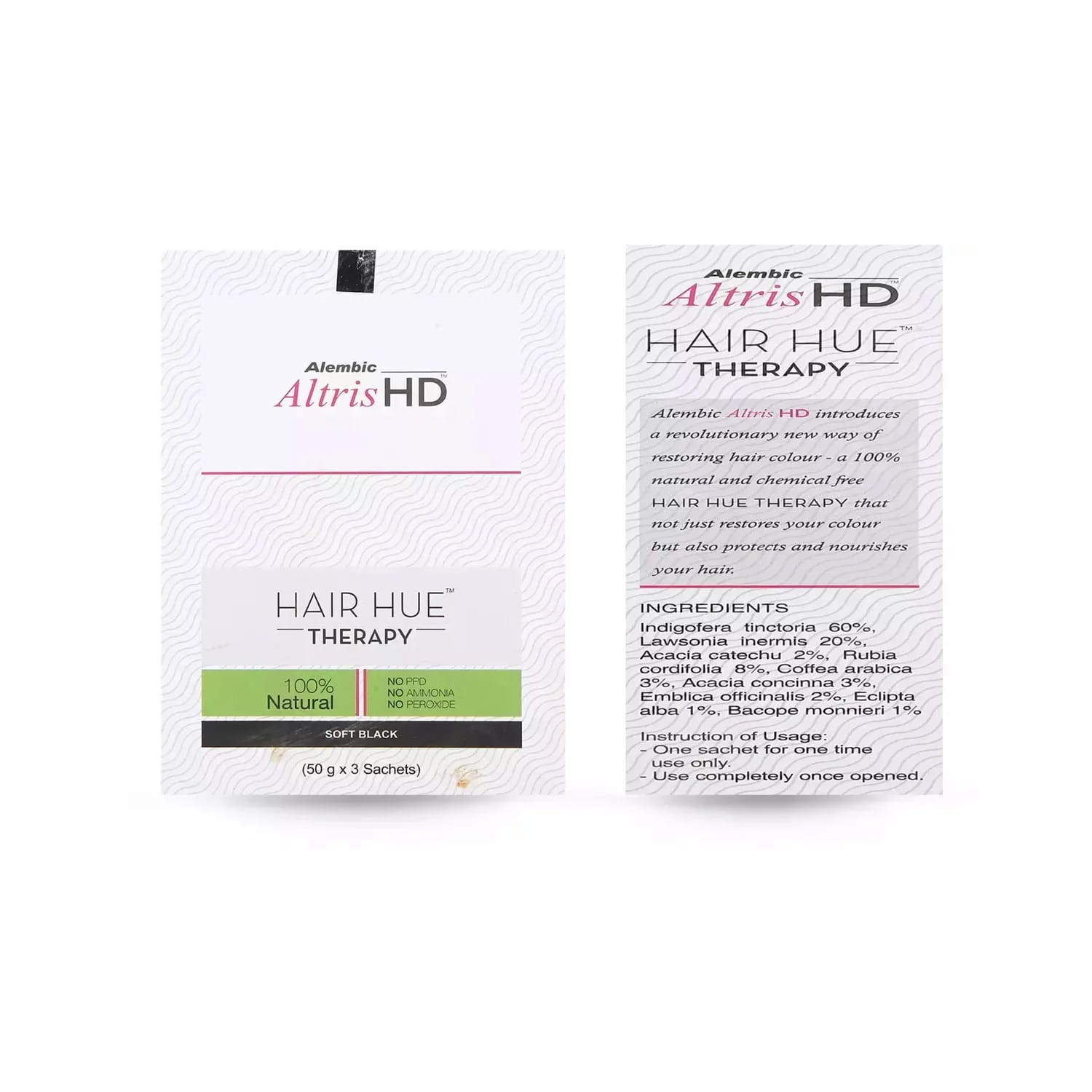
Choosing the right hair color for gray hair can enhance your look while offering natural coverage.
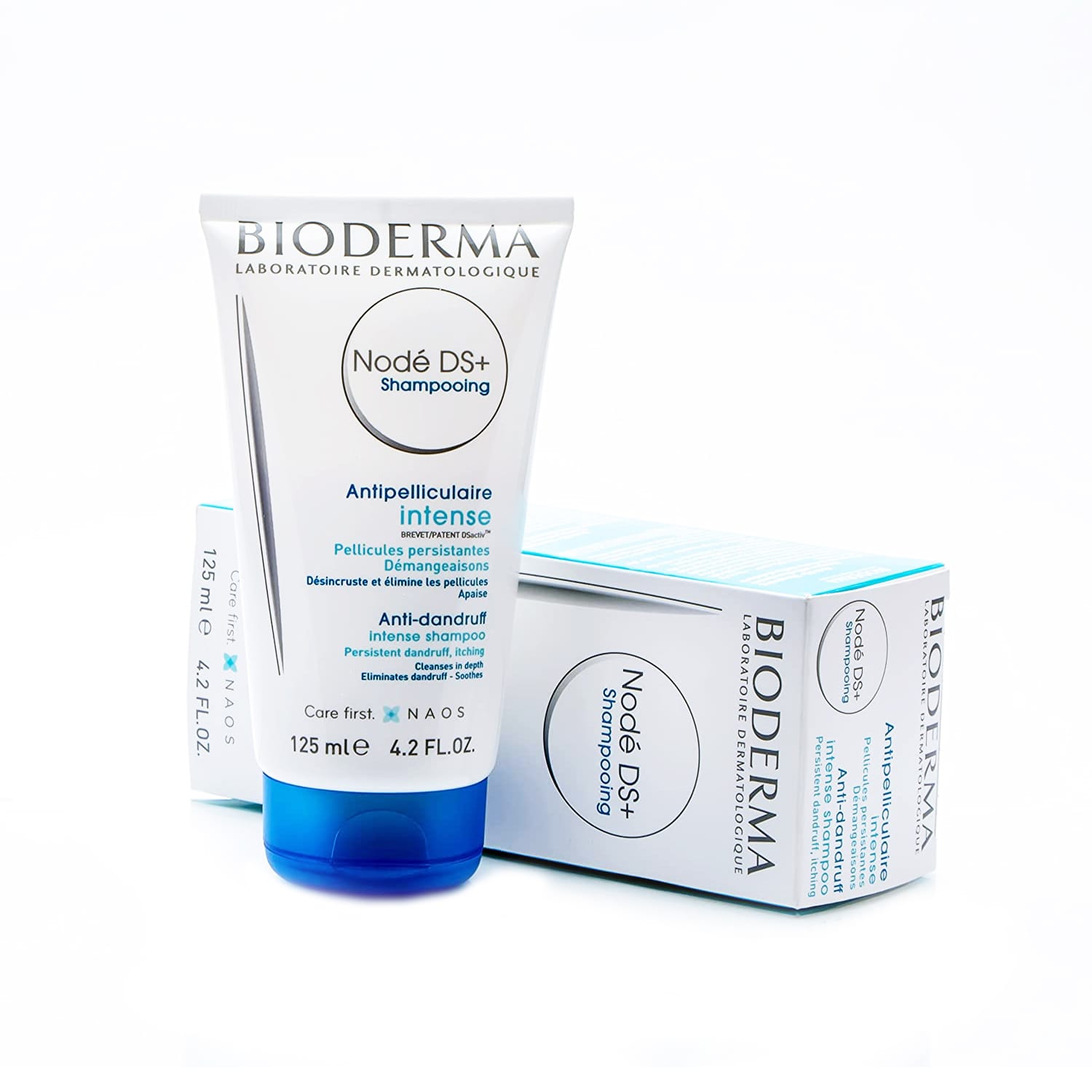
Specialized shampoos and conditioners that support scalp health and melanin production may help delay gray hair formation.
Incorporating a well-balanced diet rich in hair-friendly nutrients can also contribute to improved hair pigmentation.
Future of Gray Hair Reversal
While researchers continue to explore effective methods to reverse gray hair, current evidence highlights promising breakthroughs. Understanding the role of melanogenesis, nutritional support, and innovative treatments opens doors for future solutions.
For now, combining proper hair care with a well-balanced diet and suitable anti-gray hair treatments may offer the best results.
If you're seeking an immediate solution, selecting the right hair color for gray hair can help you achieve a youthful and vibrant appearance while researchers continue their search for lasting gray hair reversal solutions.
References:
Reversal of Premature Hair Graying Treated with a Topical Formulation Containing α-Melanocyte-Stimulating Hormone Agonist (Greyverse Solution 2%) – 2023 Jan - https://pmc.ncbi.nlm.nih.gov/articles/PMC10075347/
Premature Graying of Hair: Review with Updates – 2018 Sep - https://pmc.ncbi.nlm.nih.gov/articles/PMC6290285/
Medication-Induced Repigmentation of Gray Hair: A Systematic Review – 2019 Dec - https://pmc.ncbi.nlm.nih.gov/articles/PMC6995950/