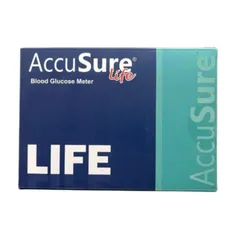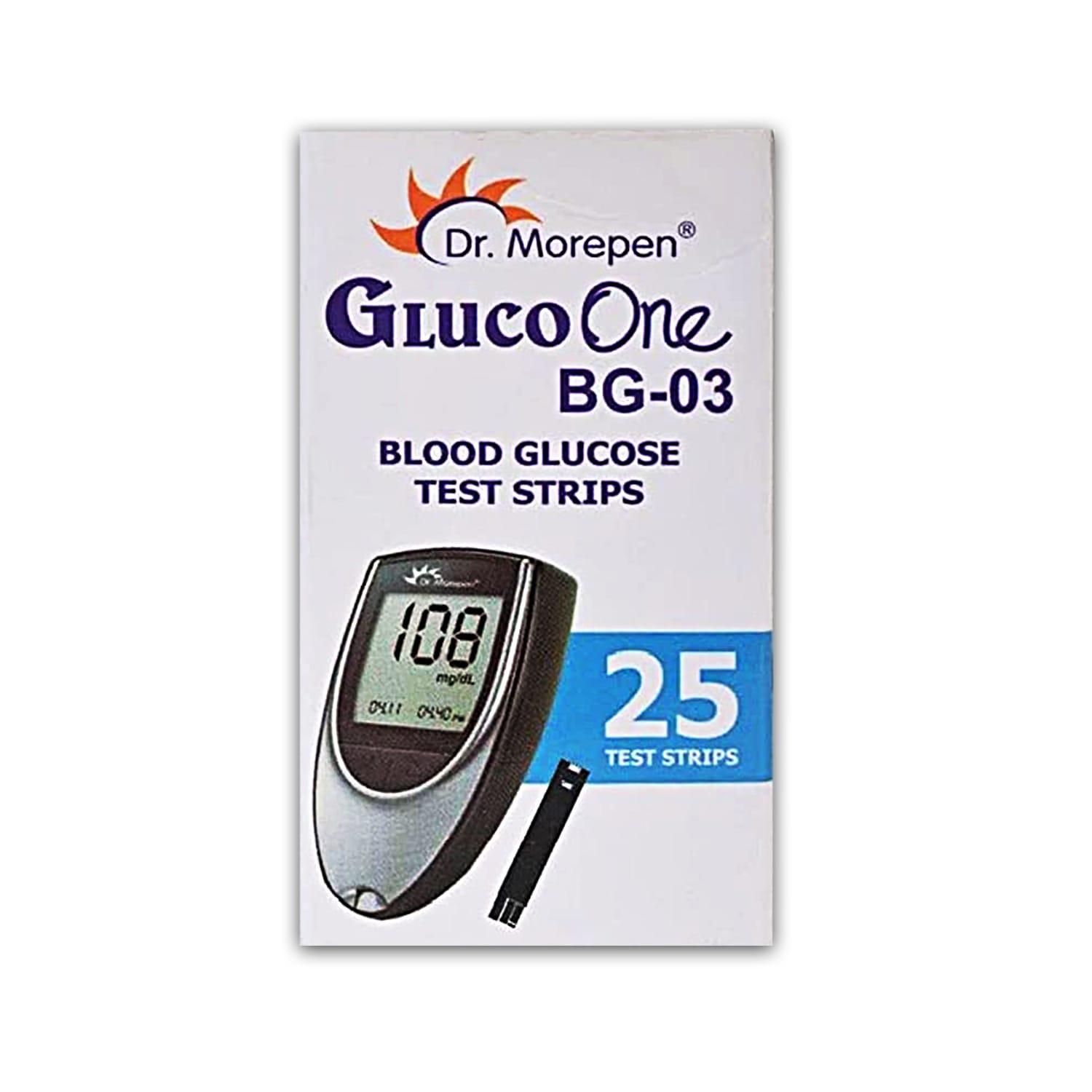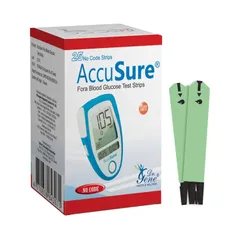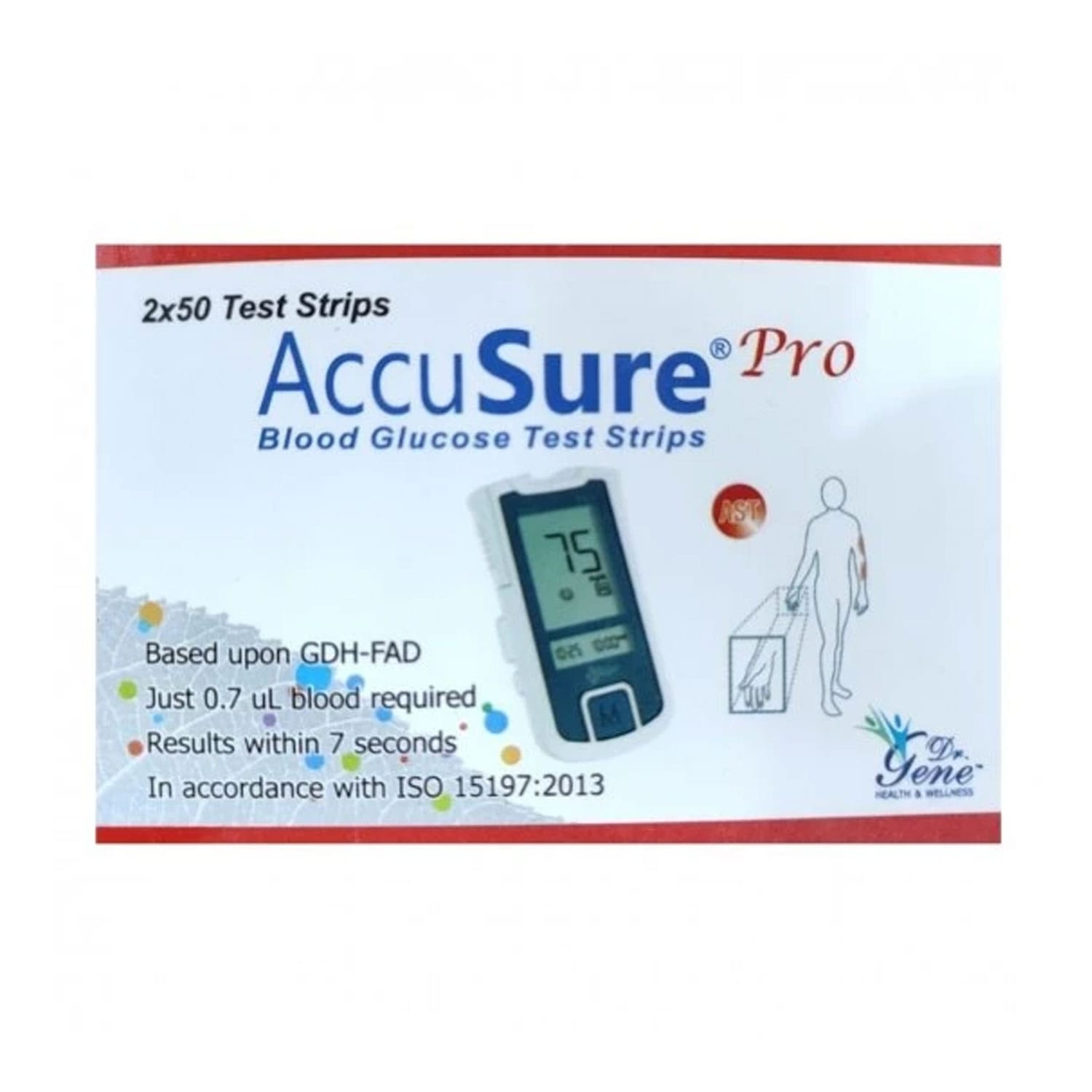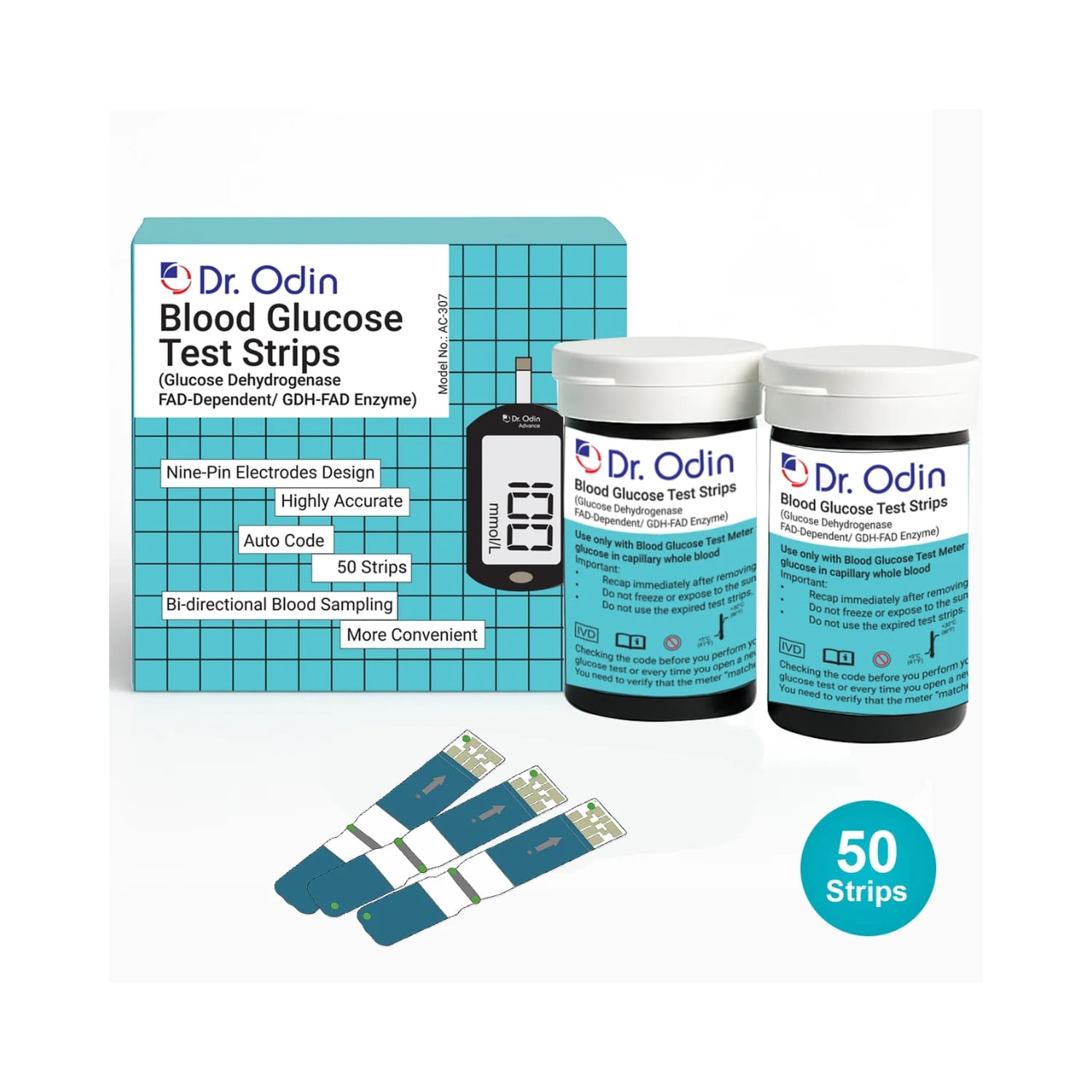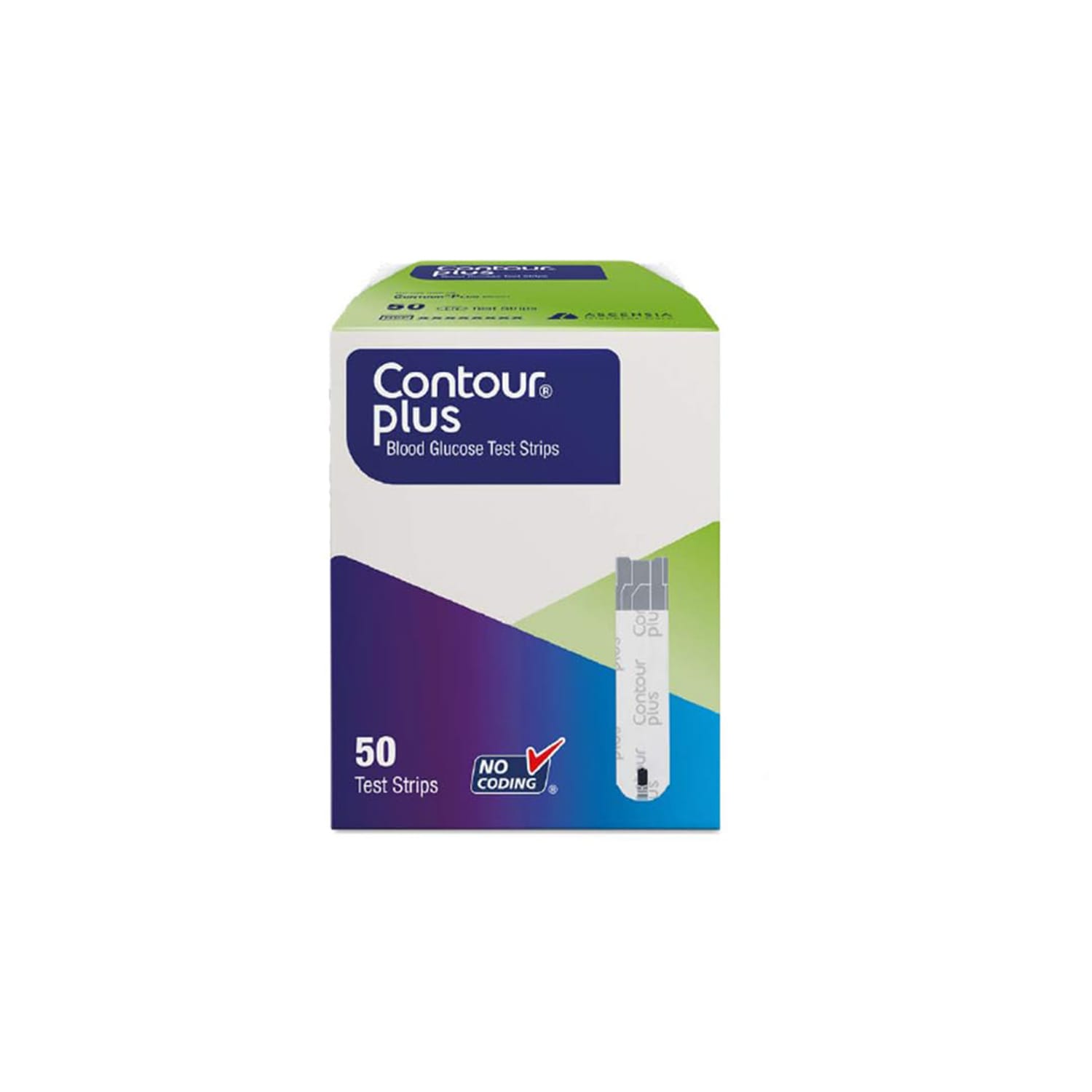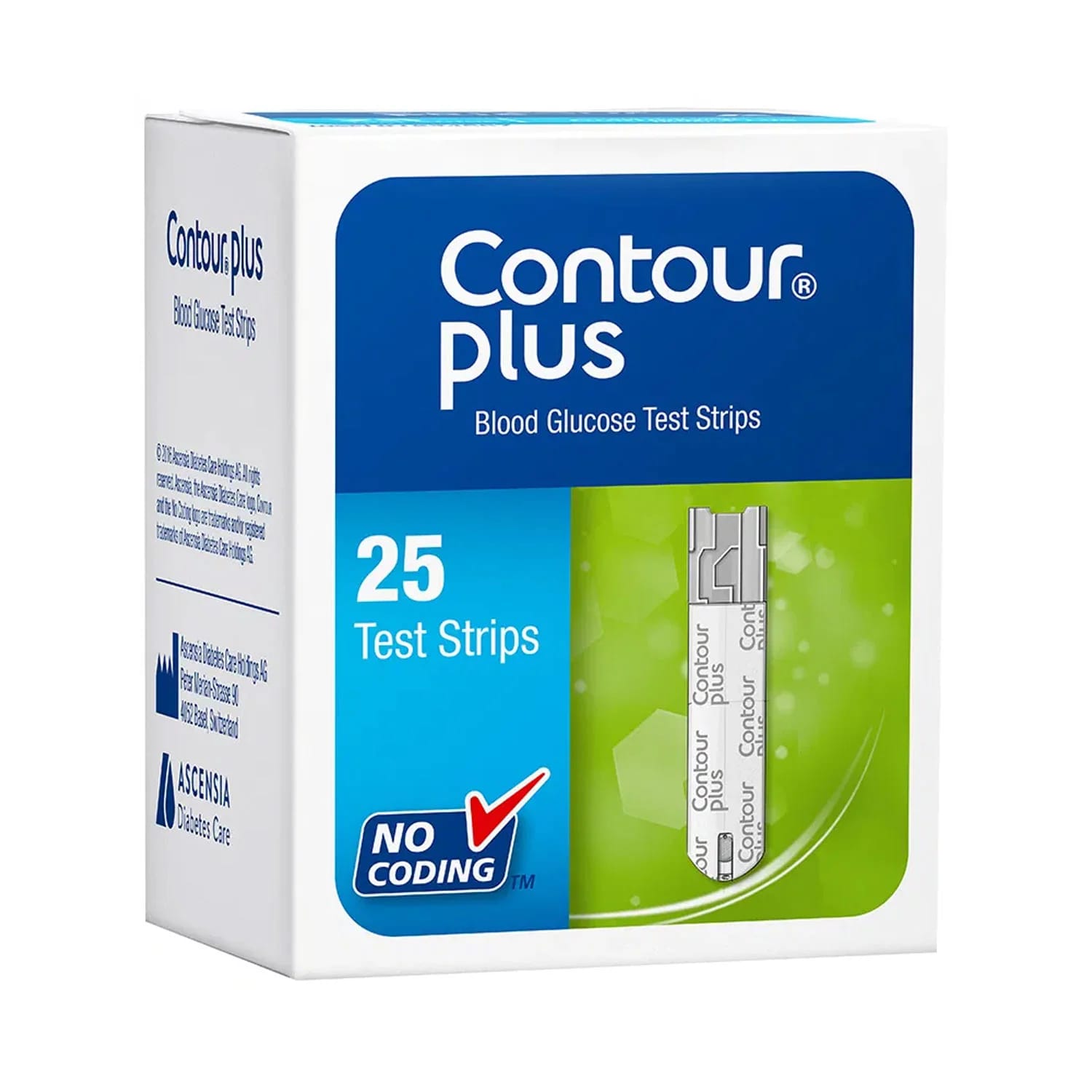


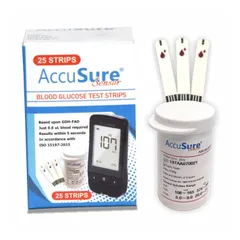
Accusure Sensor Test Strips (25 Strips)
Accu Sure
₹41220% off₹515

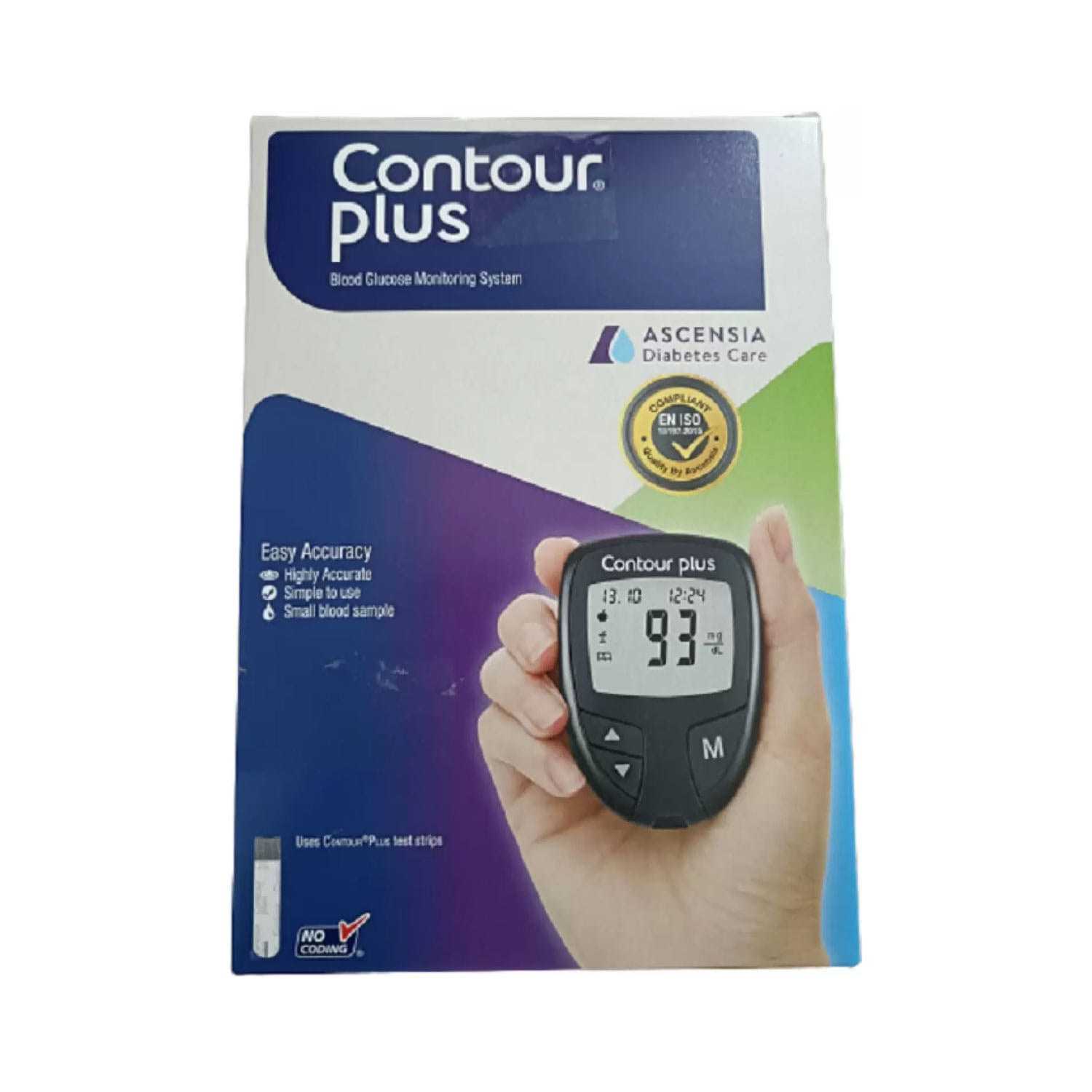
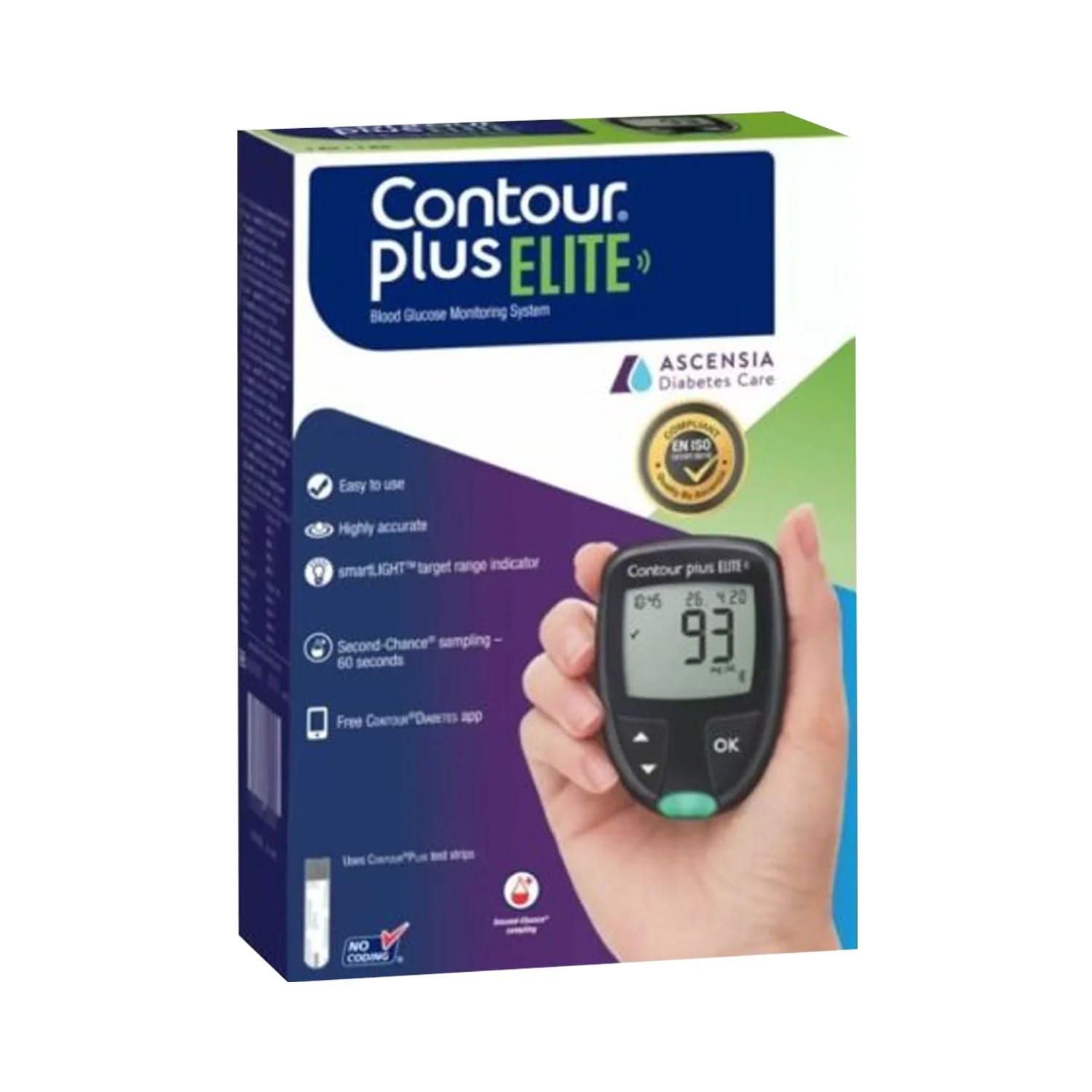
A glucometer is a small handheld device. You prick your finger, get a drop of blood, and within seconds it tells you your blood glucose level. For anyone managing diabetes, this daily habit of checking numbers is central to staying on top of the condition, alongside whatever a doctor has advised.
These are the standard ones. Insert a test strip, and the screen shows a number within seconds. Most save your last several readings automatically, so you're not stuck writing numbers down by hand.
This is really an umbrella term. Under it you'll find glucometers with memory storage, some that sync over Bluetooth, and others built for multiple users, which helps in a household where more than one person is testing.
Each strip gets used once. It reacts with the blood sample, the meter reads it, and out comes a number. Store them wrong, though, and accuracy suffers, so keep that in mind.
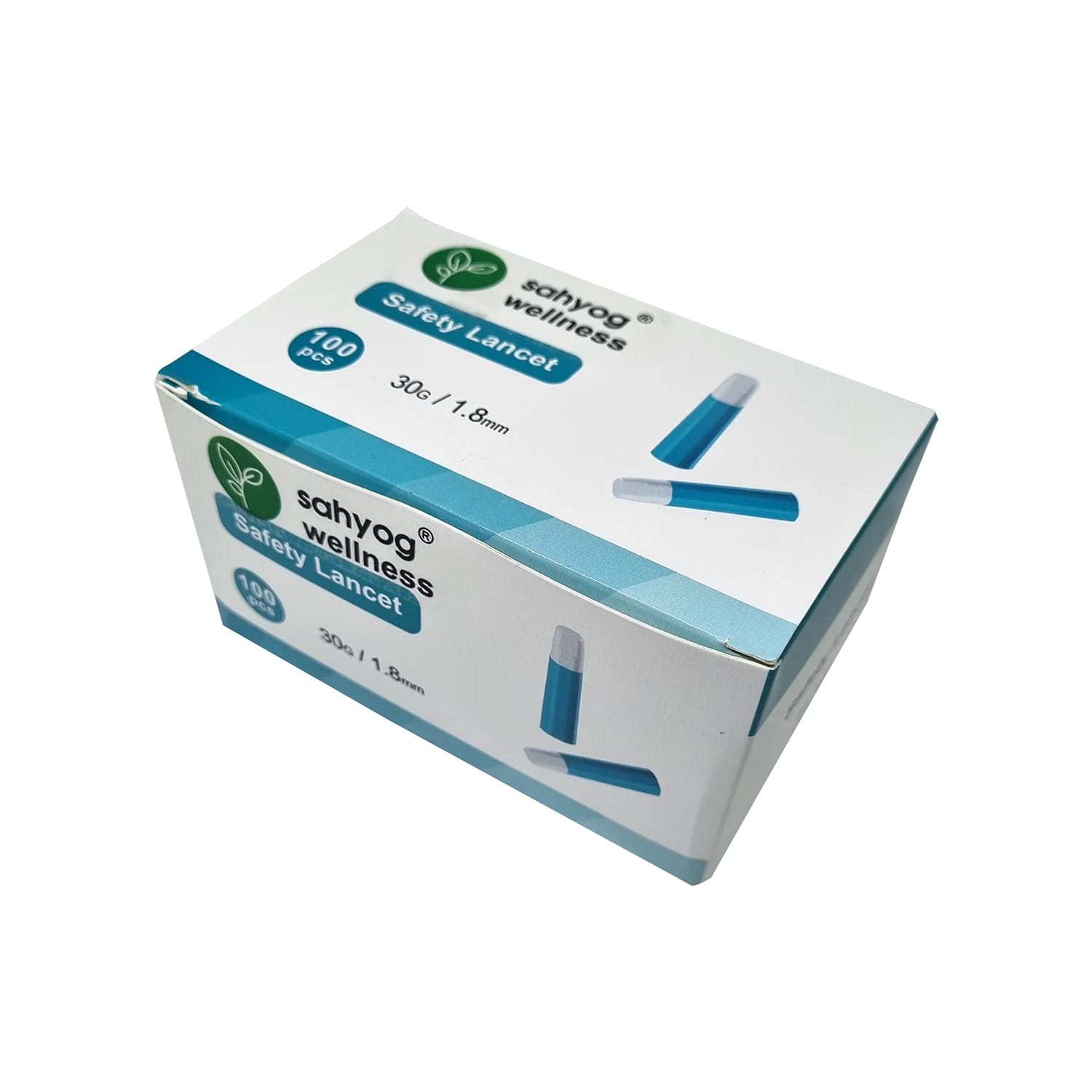
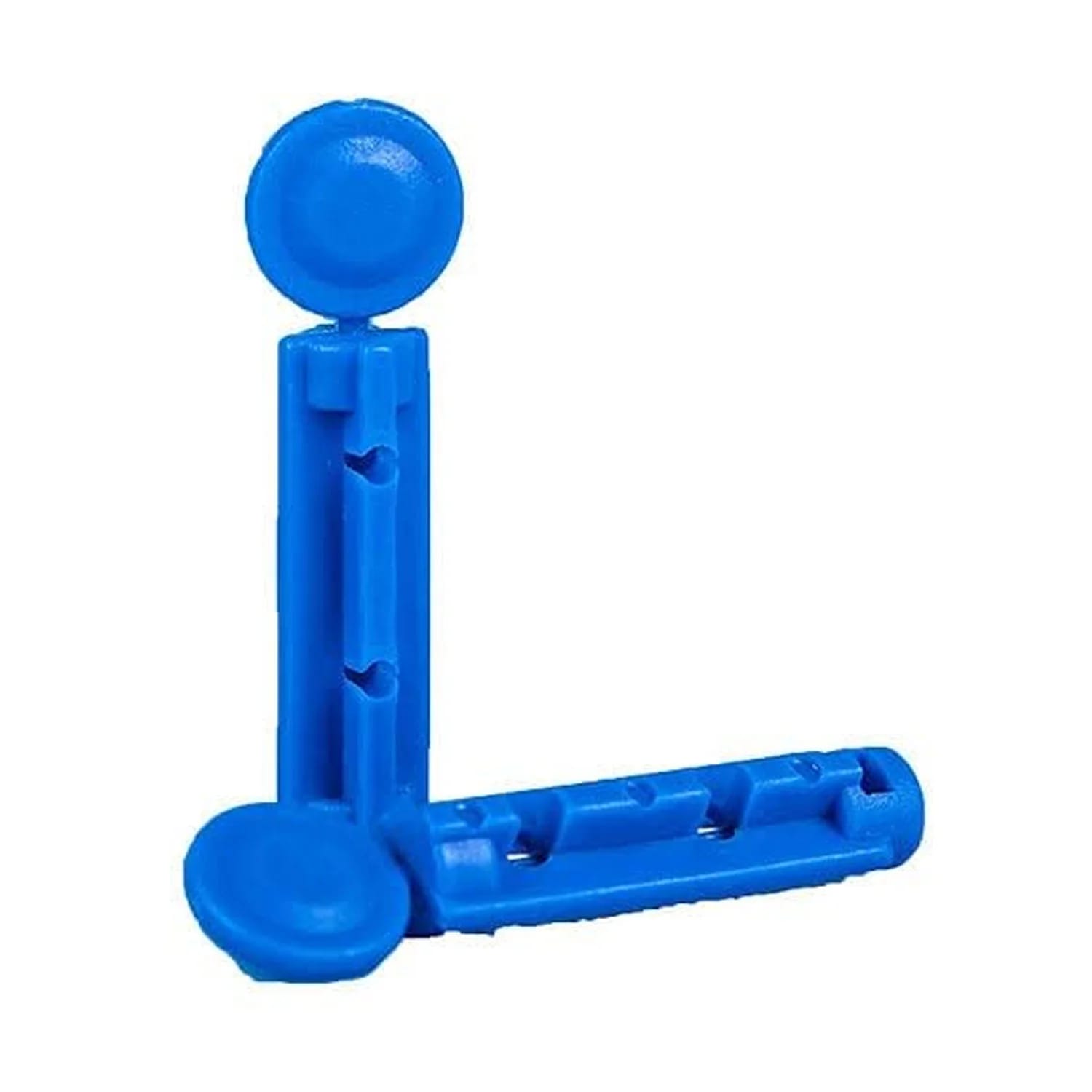
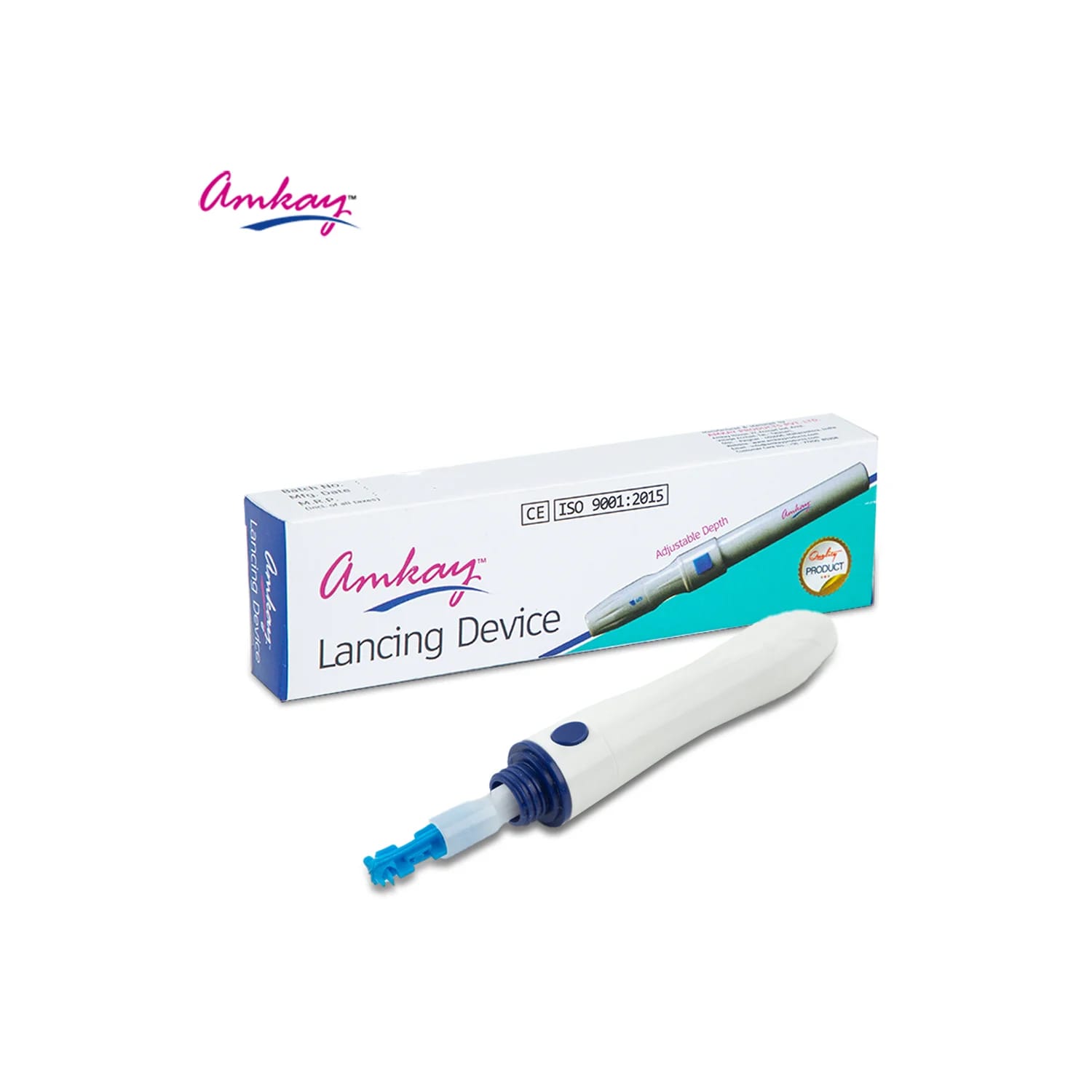
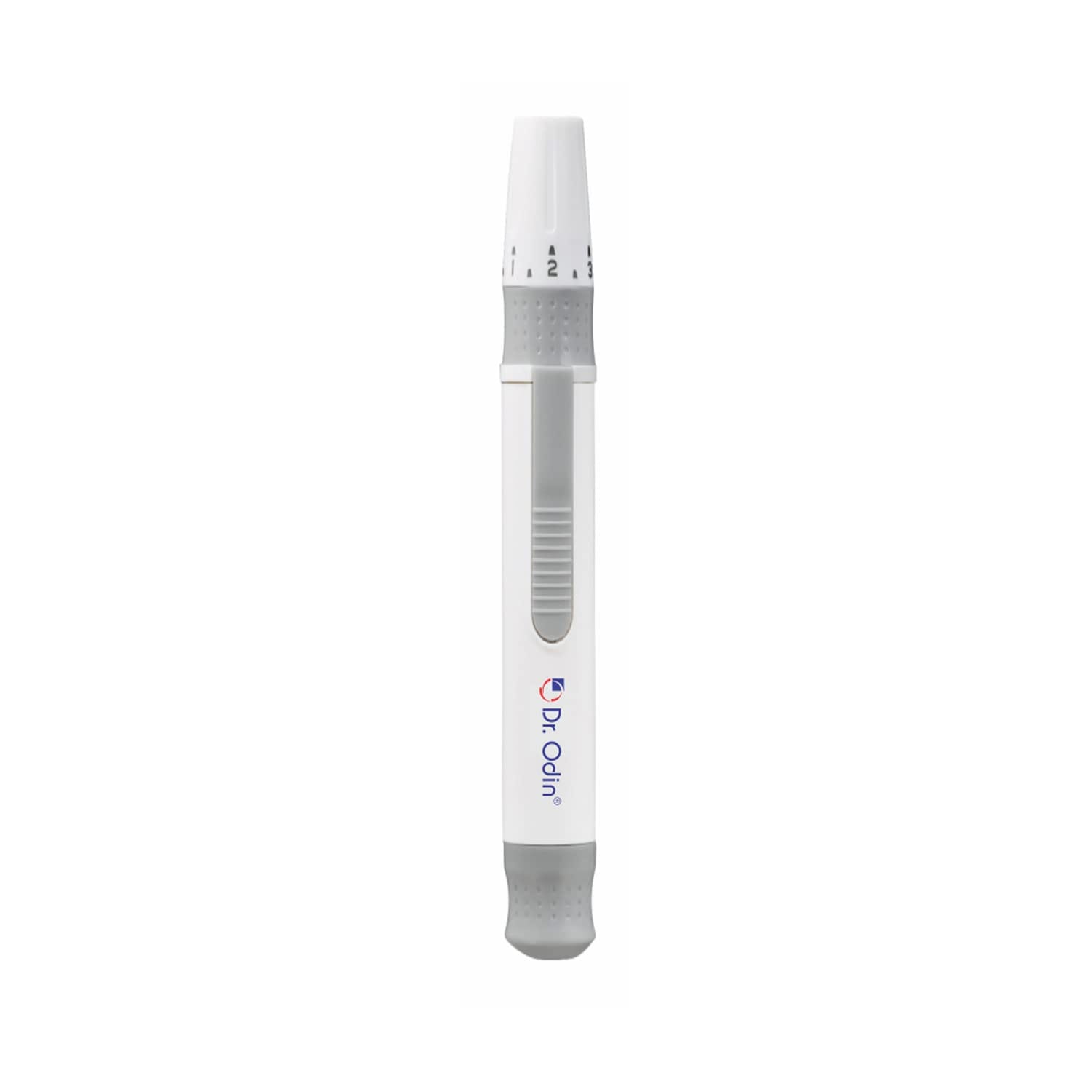
Tiny, sterile needles, just for pricking the fingertip. One use each, then toss it. Reusing them isn't worth the hygiene risk.
If you're testing at home on a set schedule, look for something simple. One button, a big readable display. Elderly users especially benefit from this kind of no-fuss design.
Small enough to toss in a bag or pocket. Good for anyone who tests during work hours or while travelling and doesn't want to carry around anything bulky.
A meter with built-in memory means you're not trying to recall numbers from memory when you sit down with your doctor. The device just shows the history.
Here's the thing: strips aren't universal. Each brand and model needs its own matching strip, and using the wrong one throws off your readings.
Starting out? Buying the glucometer and a batch of strips together usually costs less than picking them up separately later.
Swap the lancet every time you test. It keeps things hygienic, and honestly, it hurts less too.
Before you commit to a model, check that its strips are actually easy to find. Availability down the line matters more than what you pay upfront.
Big, clear numbers on the screen. That's it. This matters most for elderly users or anyone who struggles to read small text.
Some meters only need a tiny drop of blood, others want more. For kids, or for people testing multiple times a day, this difference adds up.
Ask yourself: is this going in a bag every day, or sitting on a bedside table? The answer shapes what size and case design actually makes sense.
Basic models are cheap. Add memory storage, Bluetooth, or multi-user support, and the price climbs. Don't forget strips and lancets either, since those are ongoing costs that quietly add up over months.
It's not just about the meter itself. Strip cost over time. How easy calibration is. Whether you can log results digitally. All of this shapes how convenient the device feels months down the line, not just on day one.
Type: Basic Digital Glucometer
Key difference: Simple, no extra features
Best suited for: First time users
Type: Glucometer with Memory
Key difference: Stores past readings
Best suited for: Regular monitoring
Type: Bluetooth enabled Meter
Key difference: Syncs data to an app
Best suited for: Tech comfortable users tracking trends