

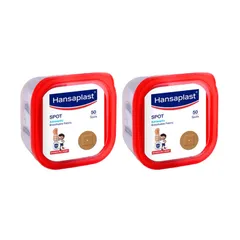
Hansaplast Spot Plaster - 50 Spots (Pack of 2)
Hansaplast
₹200₹200
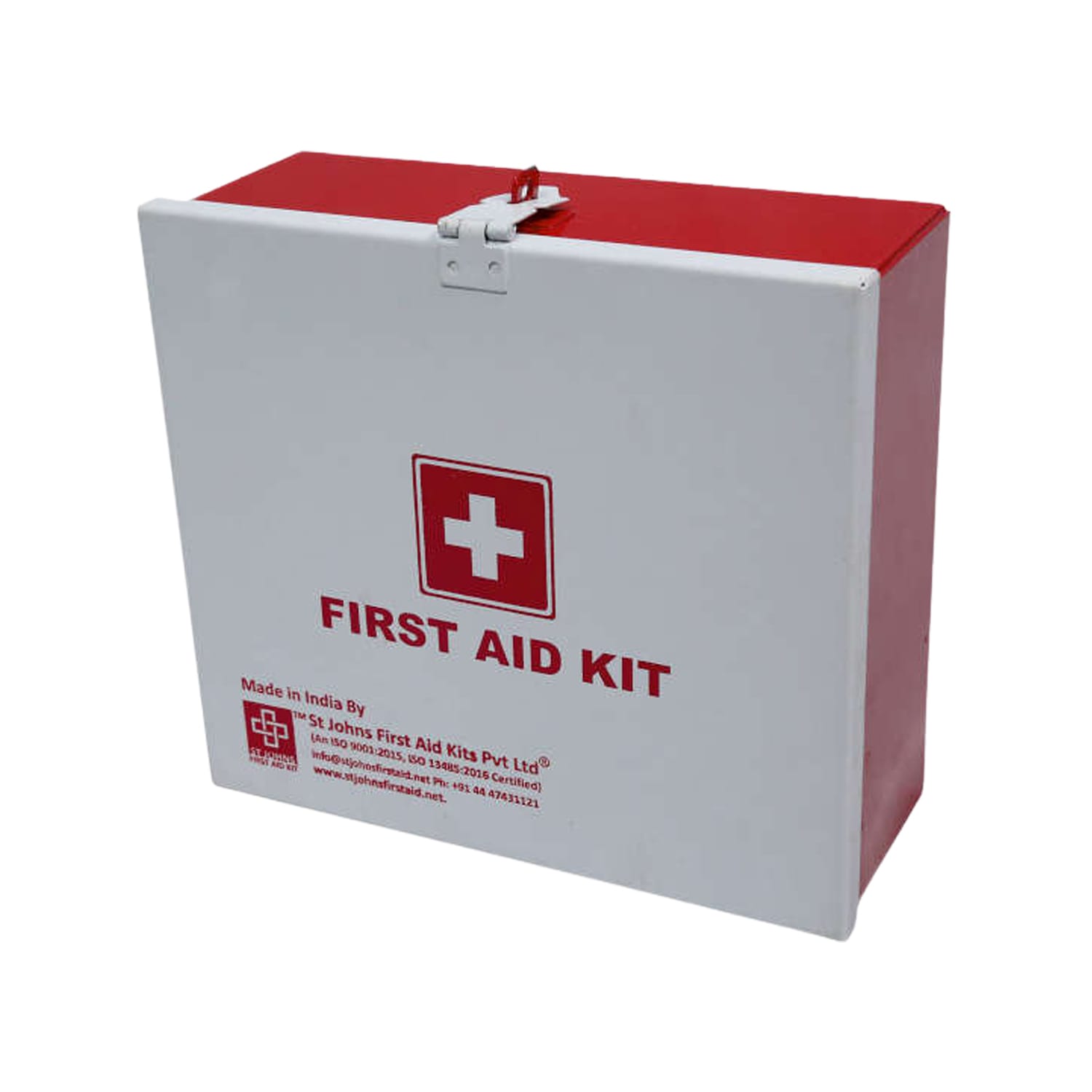
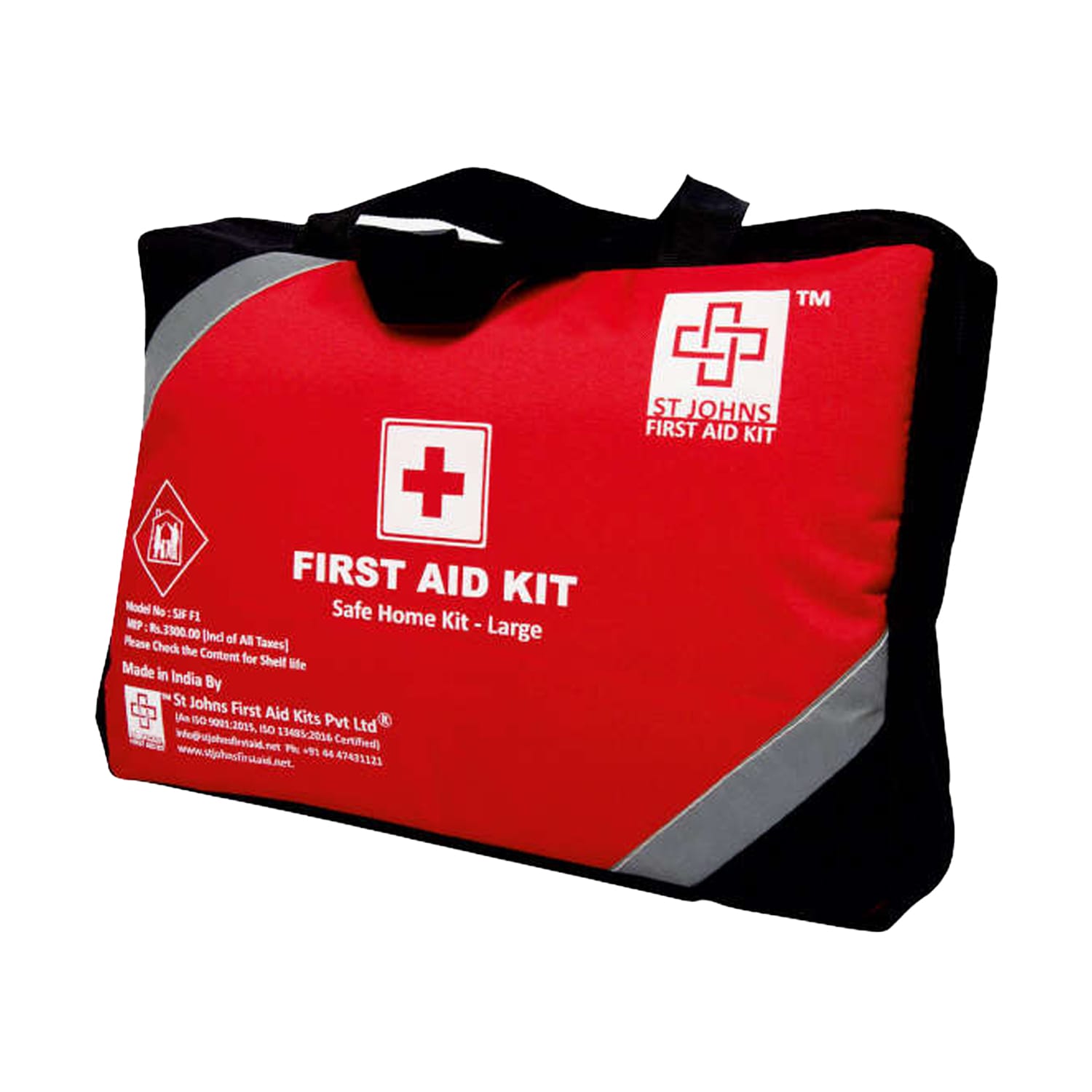
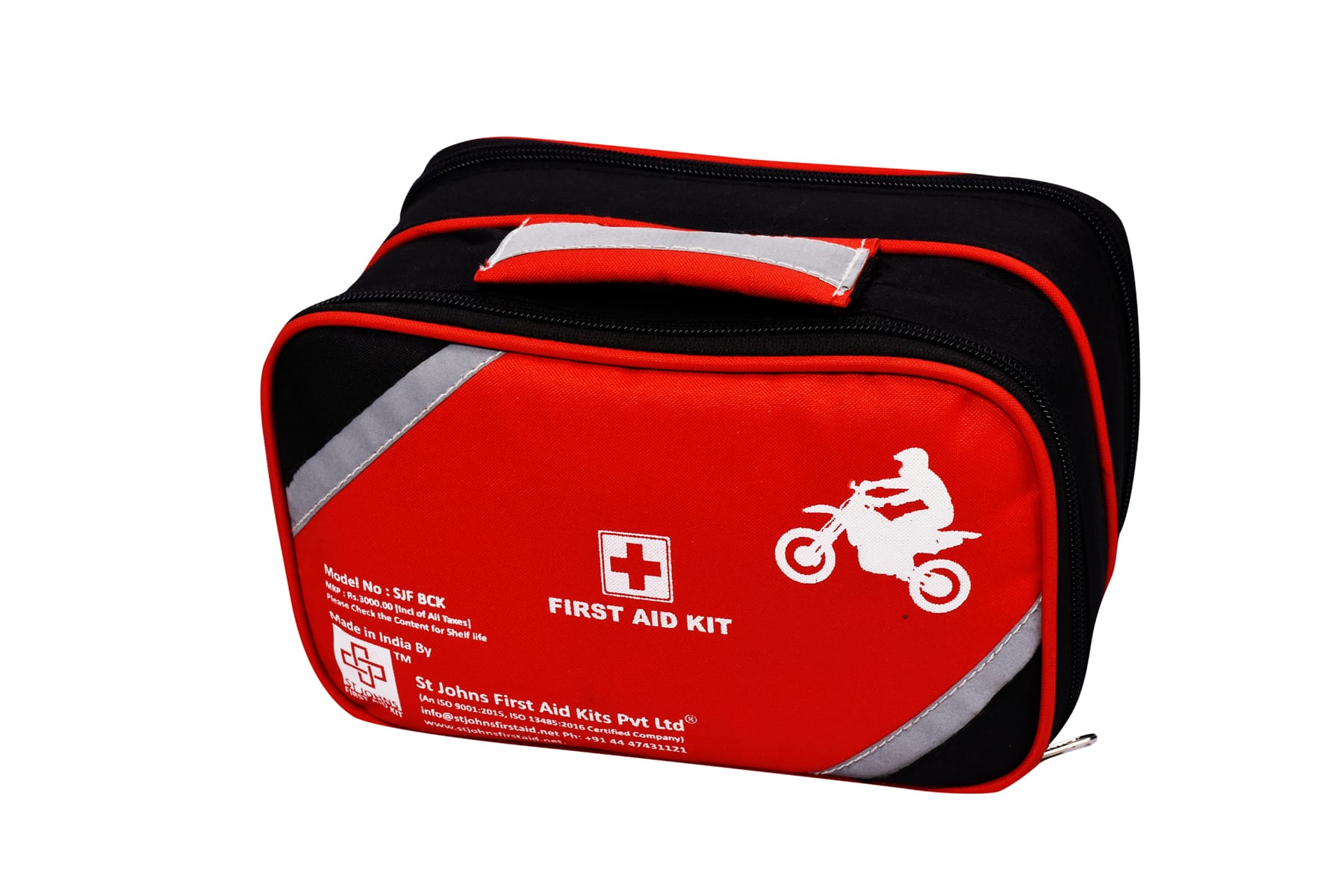
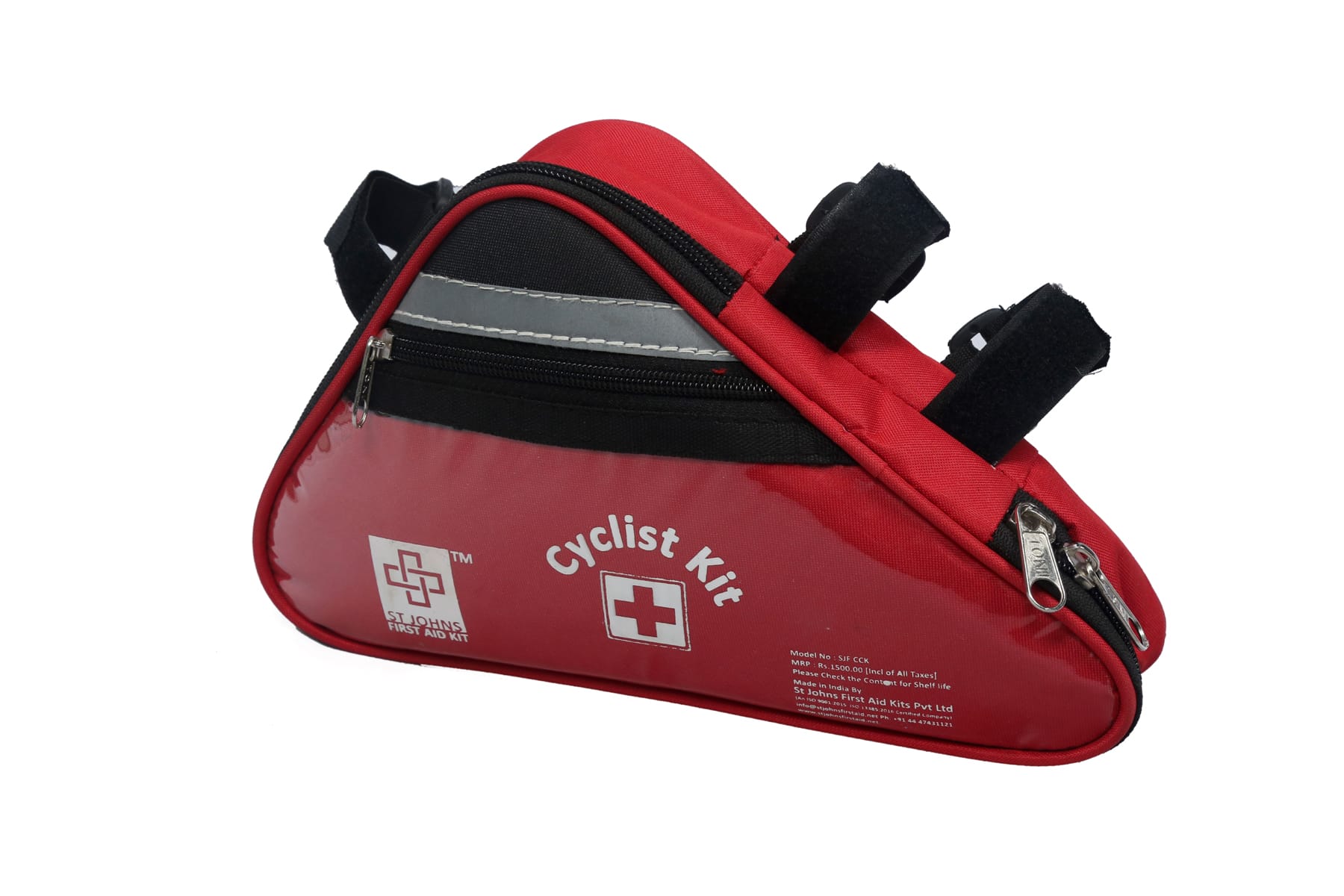
A first aid kit brings together the basic medical supplies you need to respond quickly to minor injuries, cuts, burns and everyday emergencies before professional help is available if needed. Keeping one within easy reach at home, in the car or while travelling can make a real difference in the first few minutes after an incident.
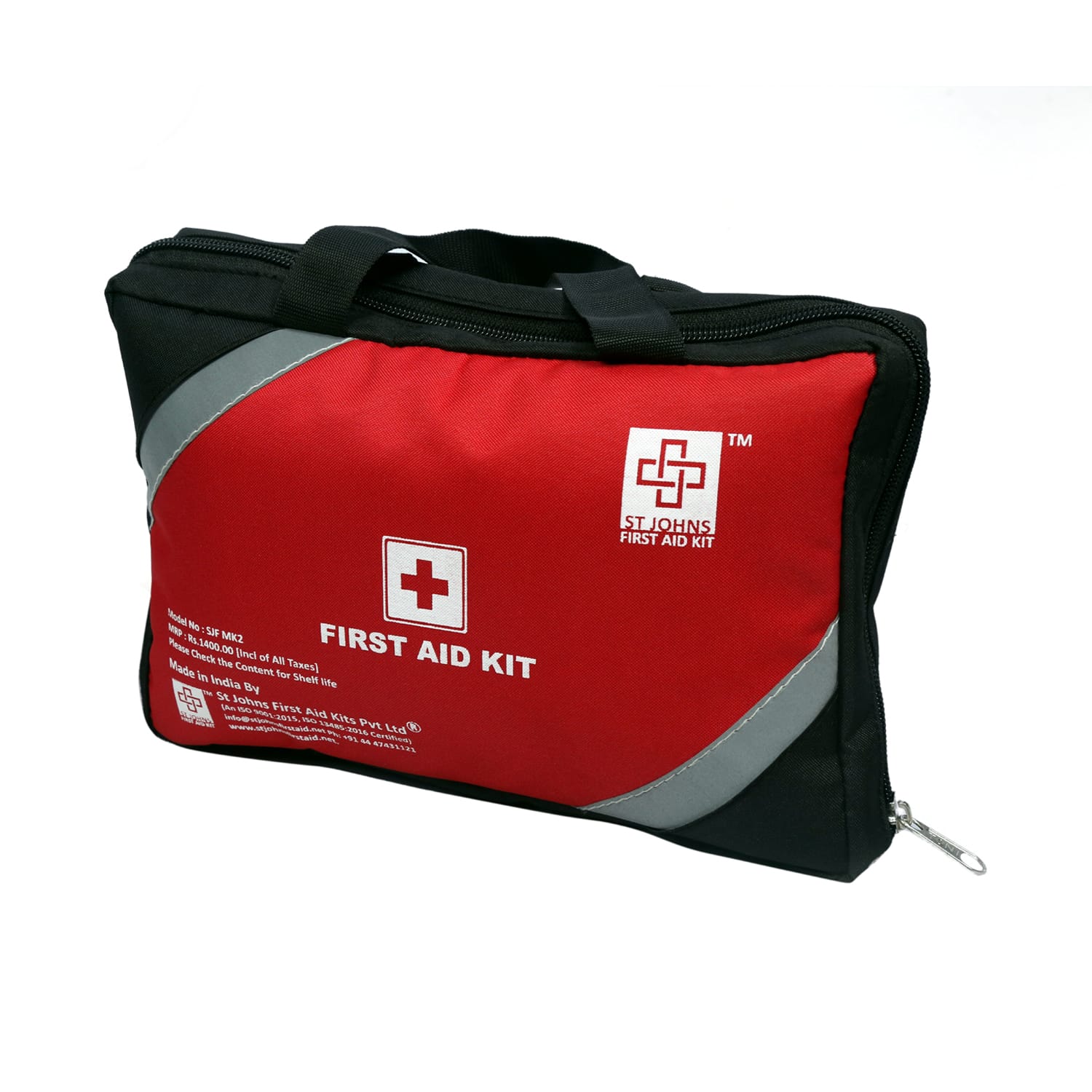
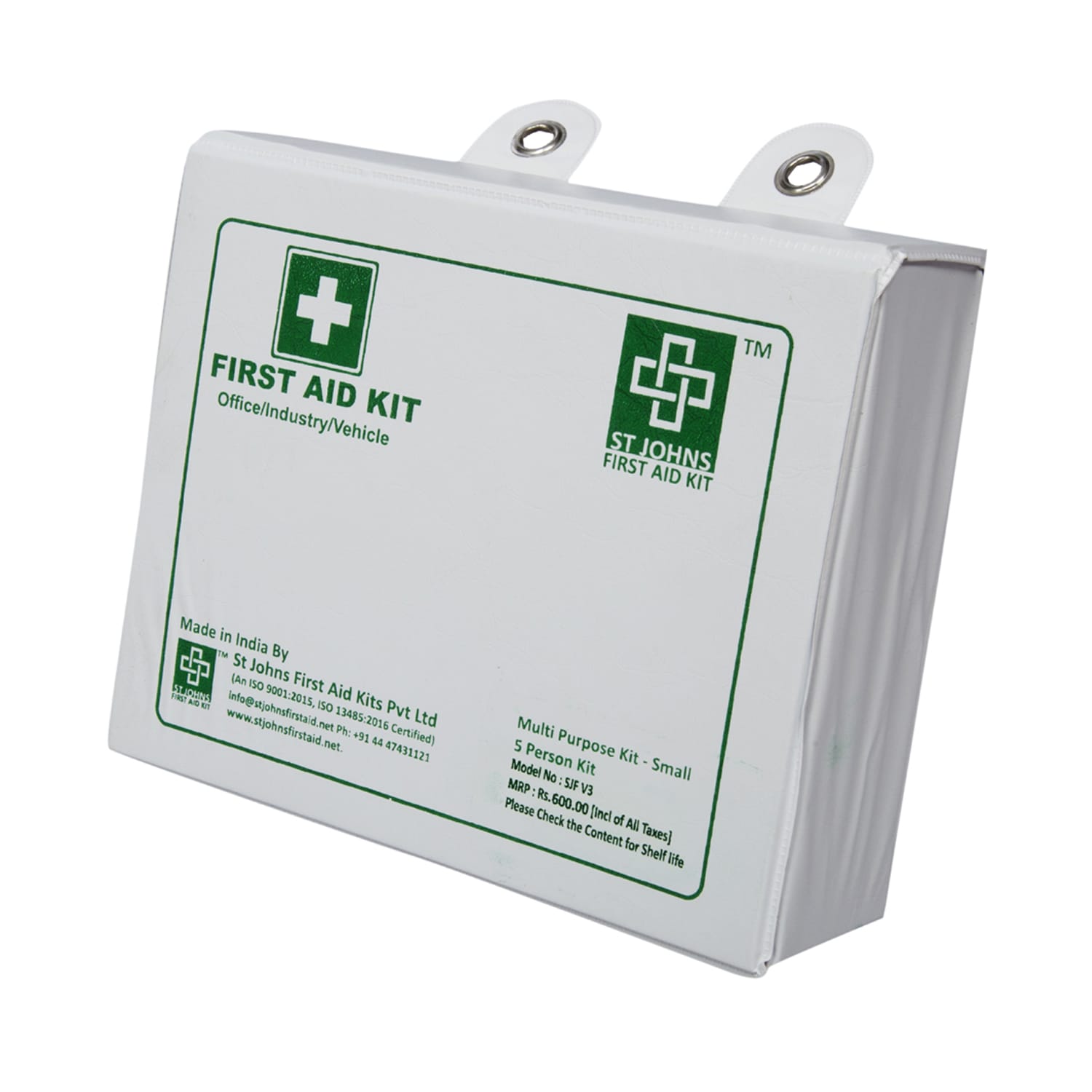
These cover essentials like bandages, antiseptic and plasters for minor cuts and scrapes, making them a good starting point for most households.
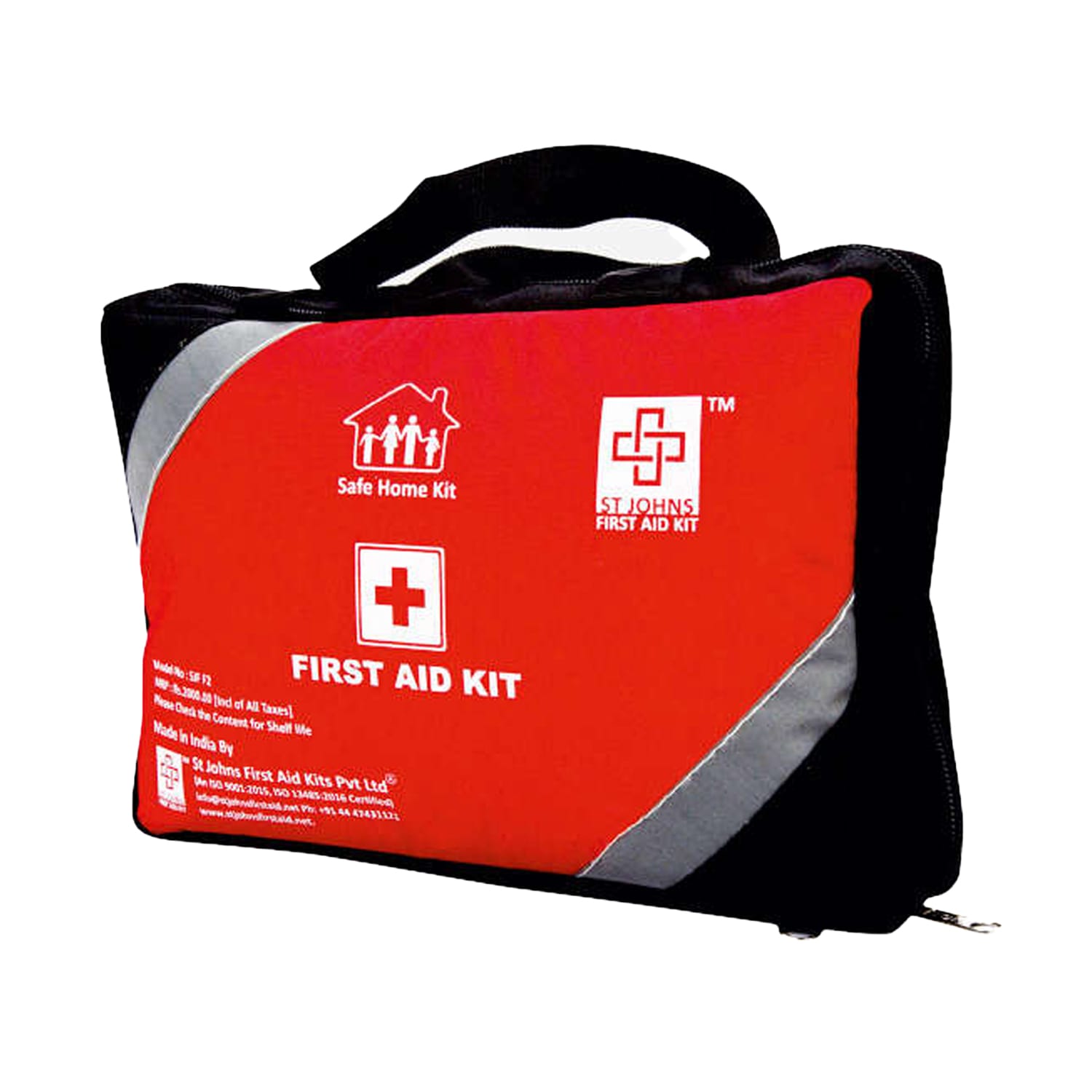
Slightly larger kits with a broader range of supplies suited to a family's everyday needs, including multiple bandage sizes and extra antiseptic.
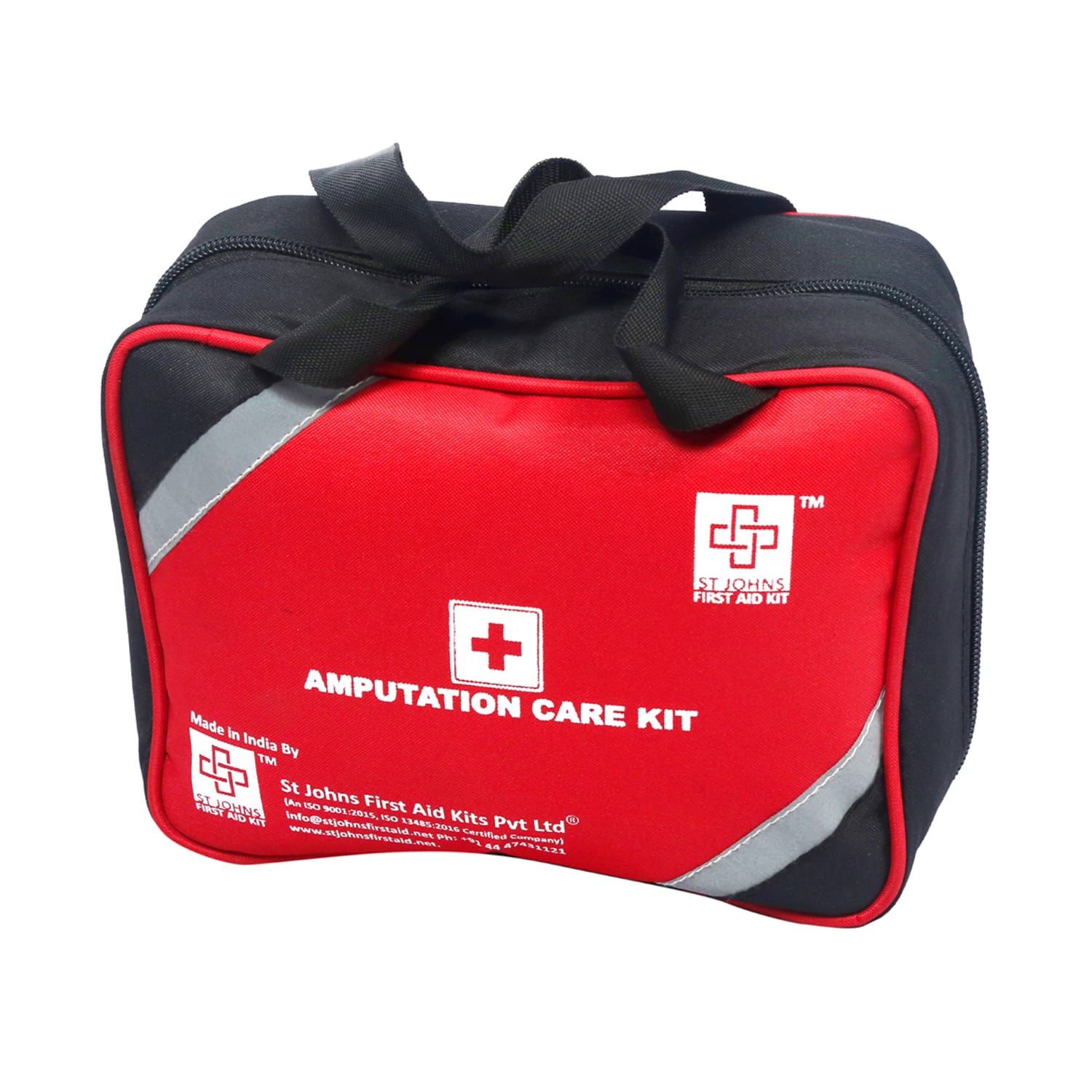
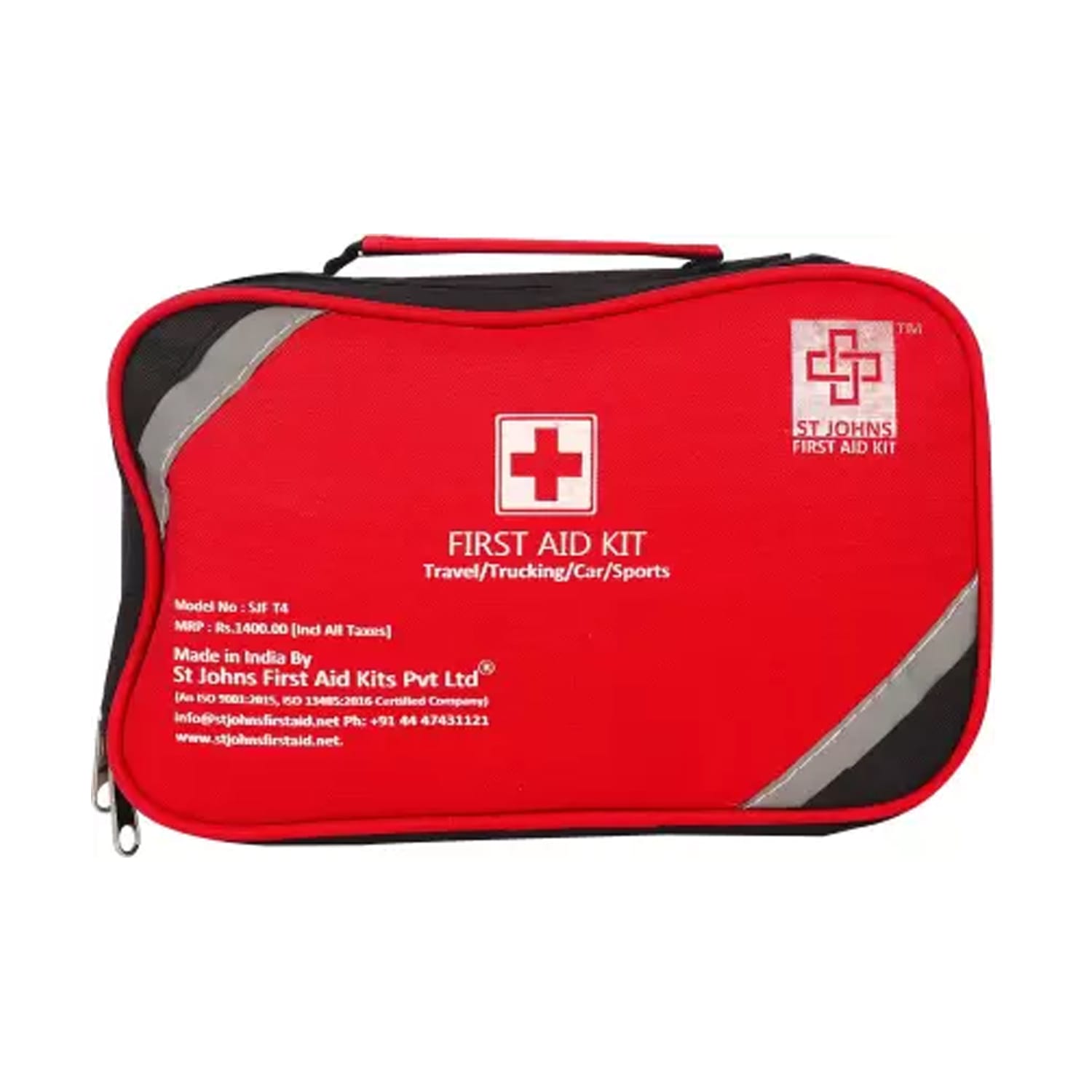
Compact, lightweight kits designed to fit into luggage or a bag for use while away from home, prioritising essentials over volume.
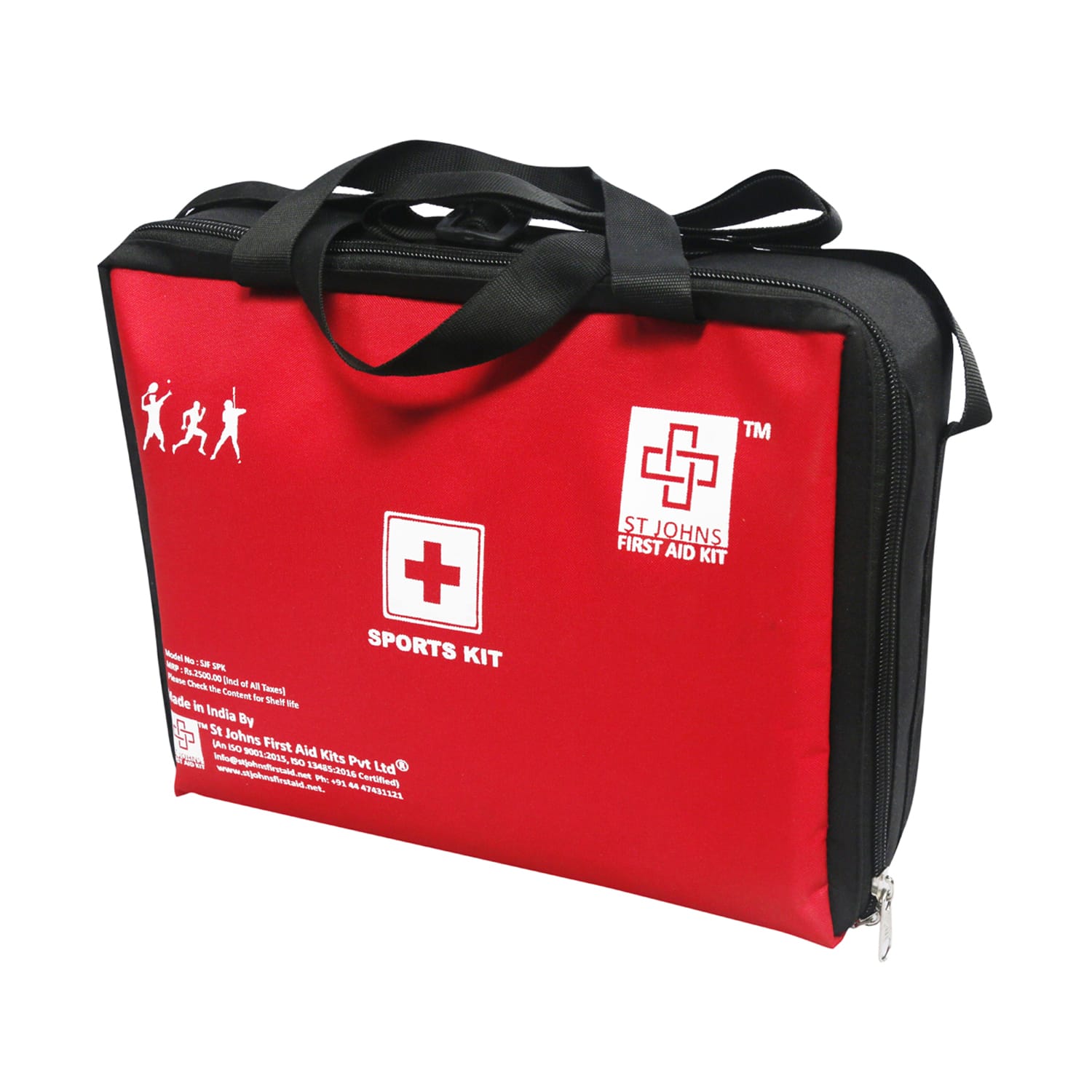
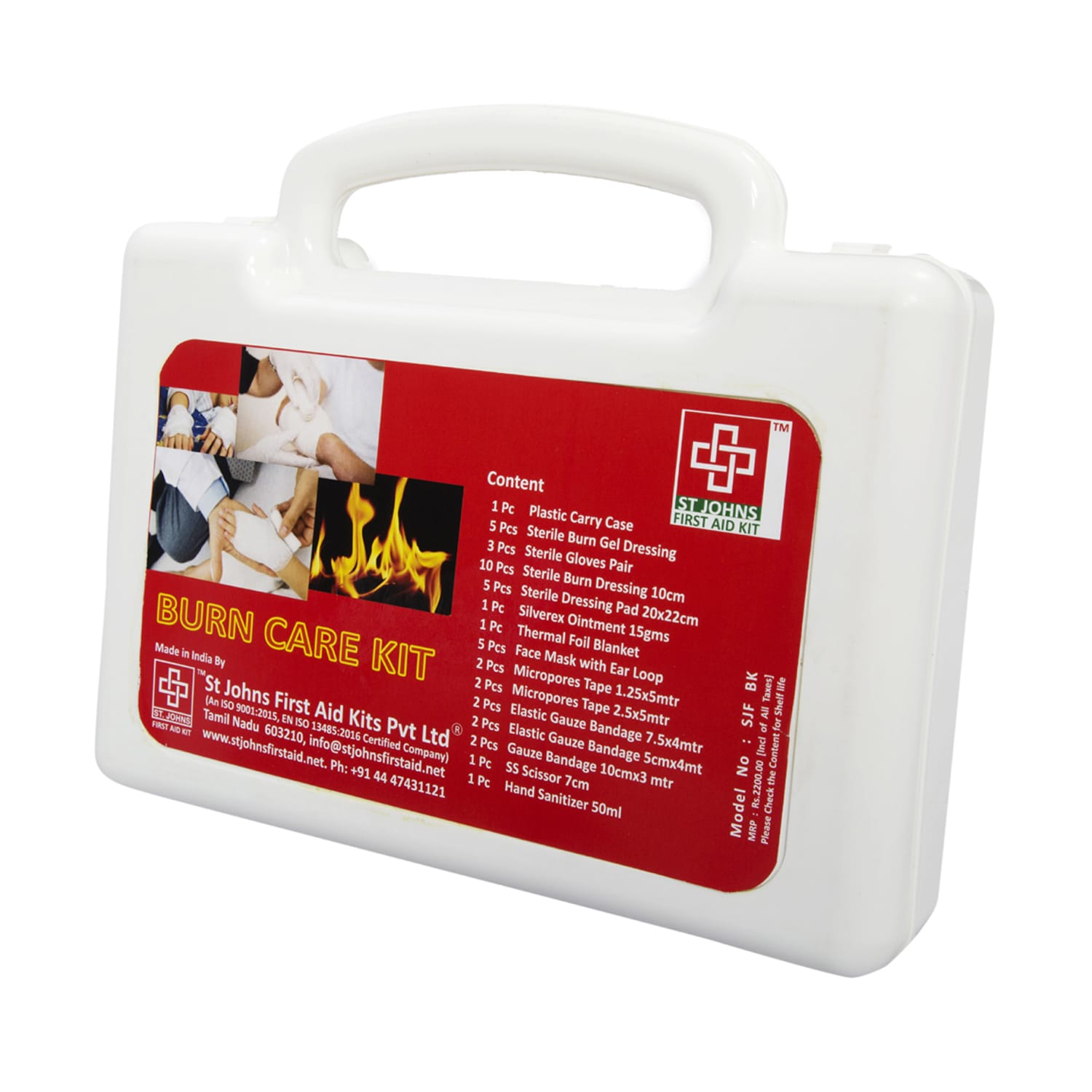
Built for more serious situations, often including supplies for burns, sprains and wound management beyond everyday minor injuries.
Pocket sized kits ideal for a car glovebox, backpack or desk drawer, offering just the essentials in a compact form.
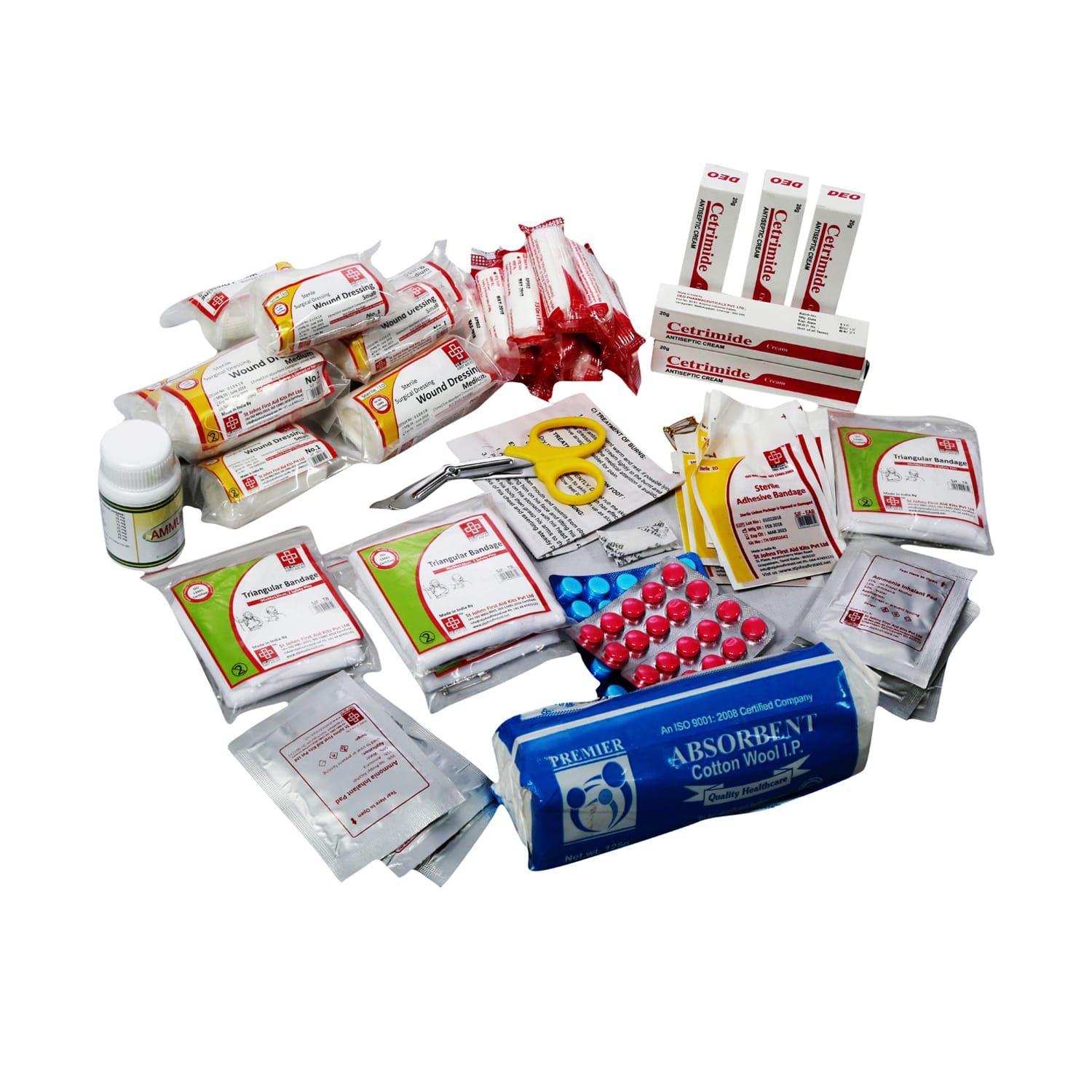
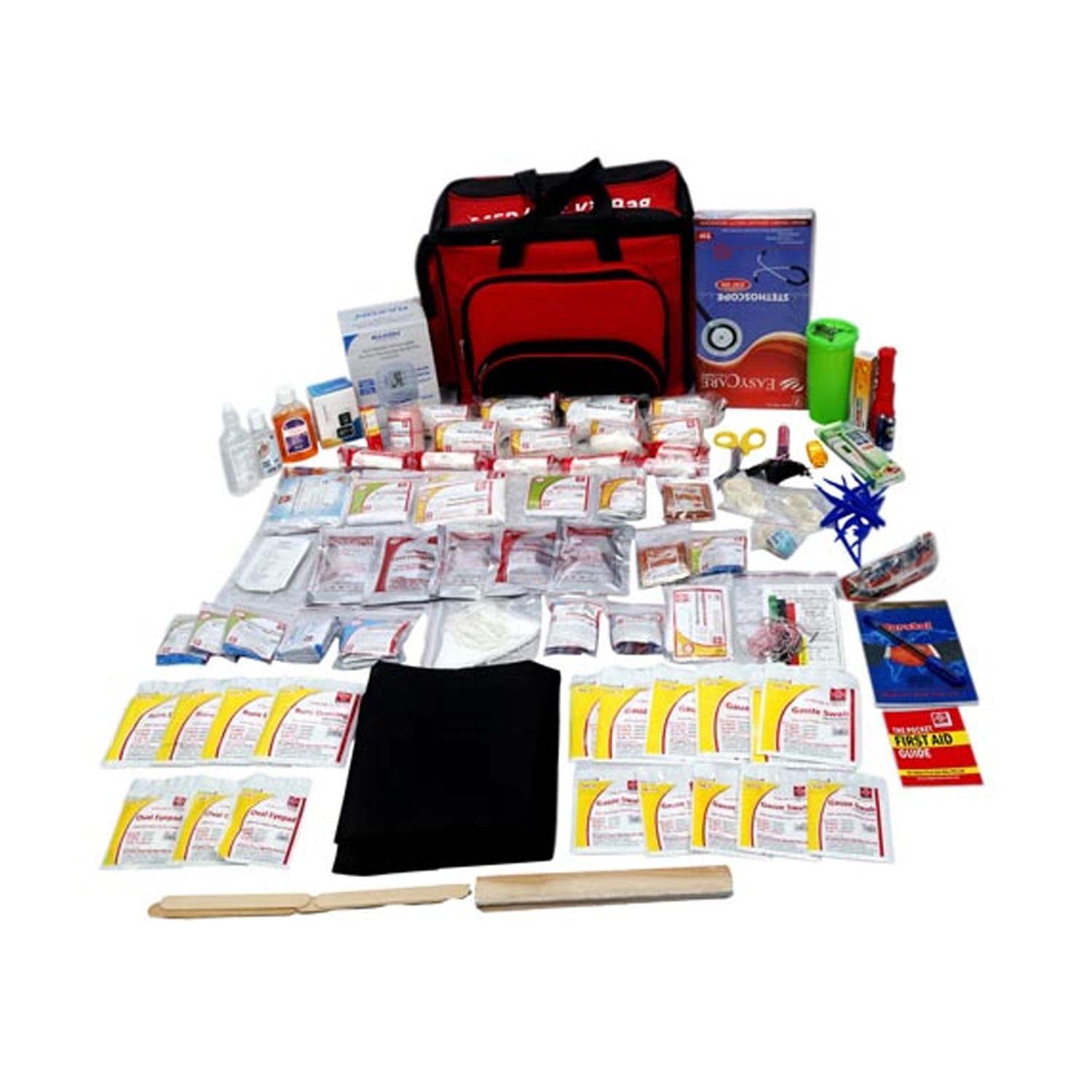
Typically includes adhesive bandages, gauze, antiseptic wipes, scissors and medical tape as the core building blocks of any kit.
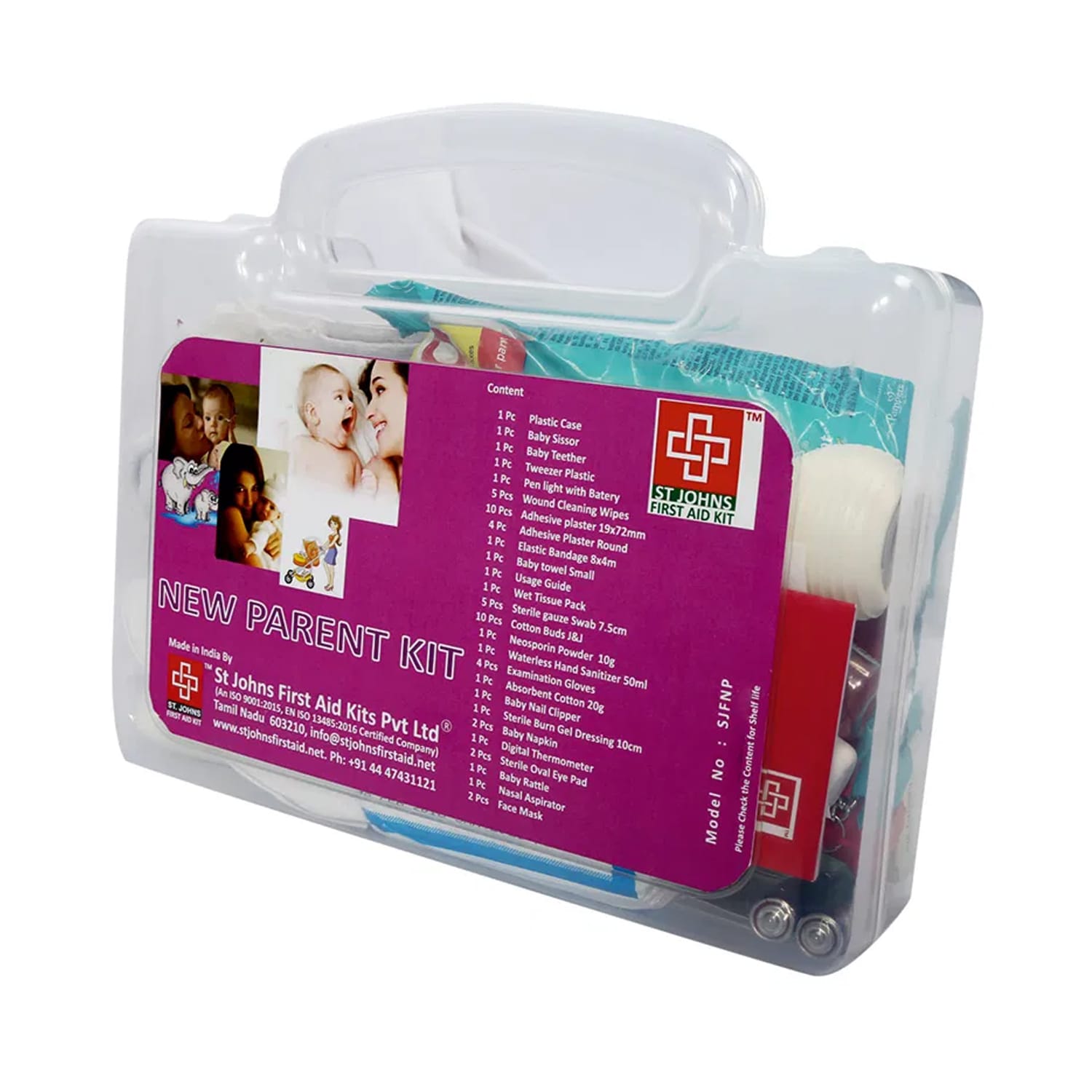
Some kits also include a thermometer, tweezers or a small torch for added versatility during an emergency.
Basic pain relief and antiseptic ointments are often included, though kits should be checked and restocked periodically to stay useful.
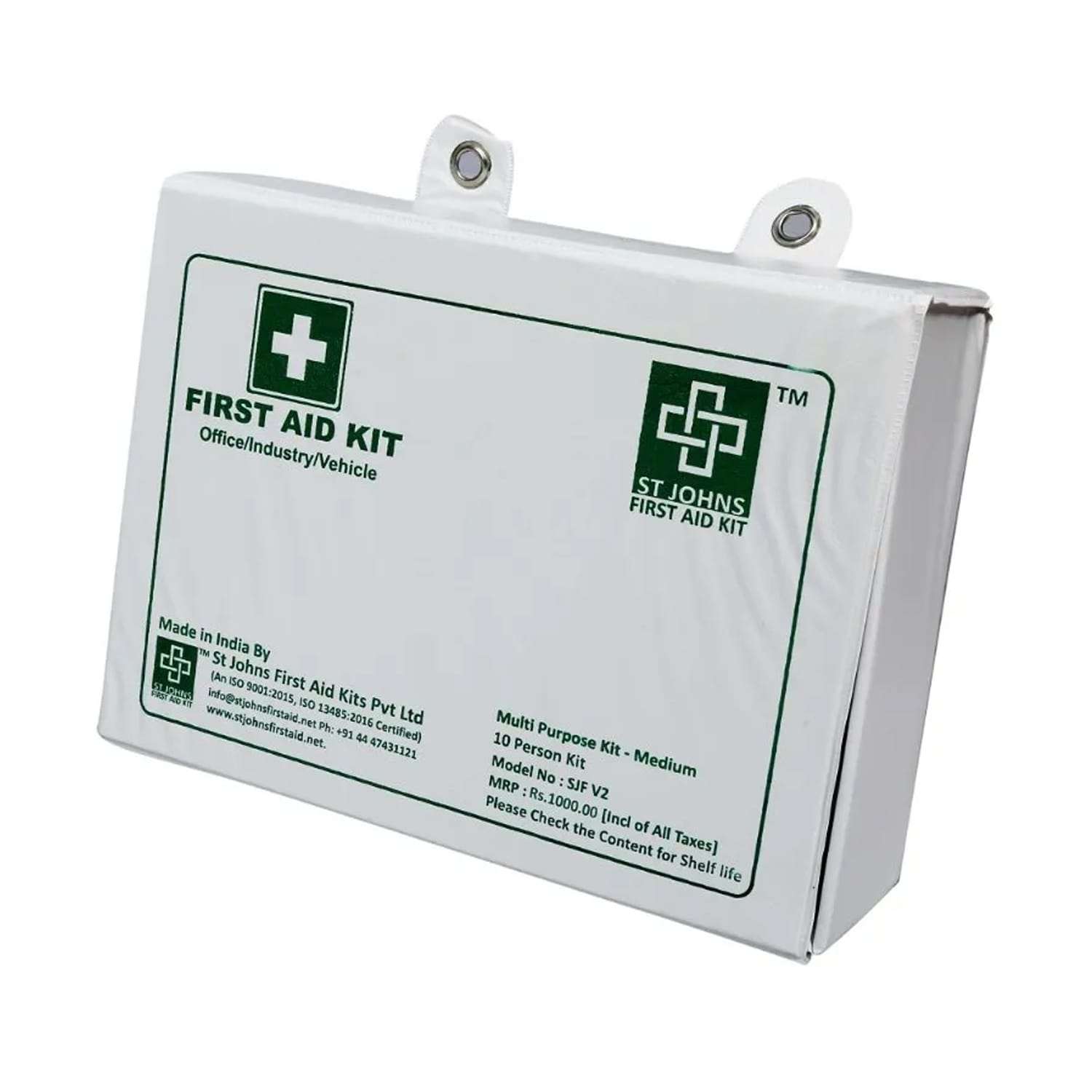
Storing a household kit in an easily accessible spot covers most everyday minor injuries for the whole family.
Compact kits with the essentials work well for holidays or business trips where space and weight are limited.
Keeping one in the car comes in handy for roadside emergencies or minor injuries that happen while out and about.
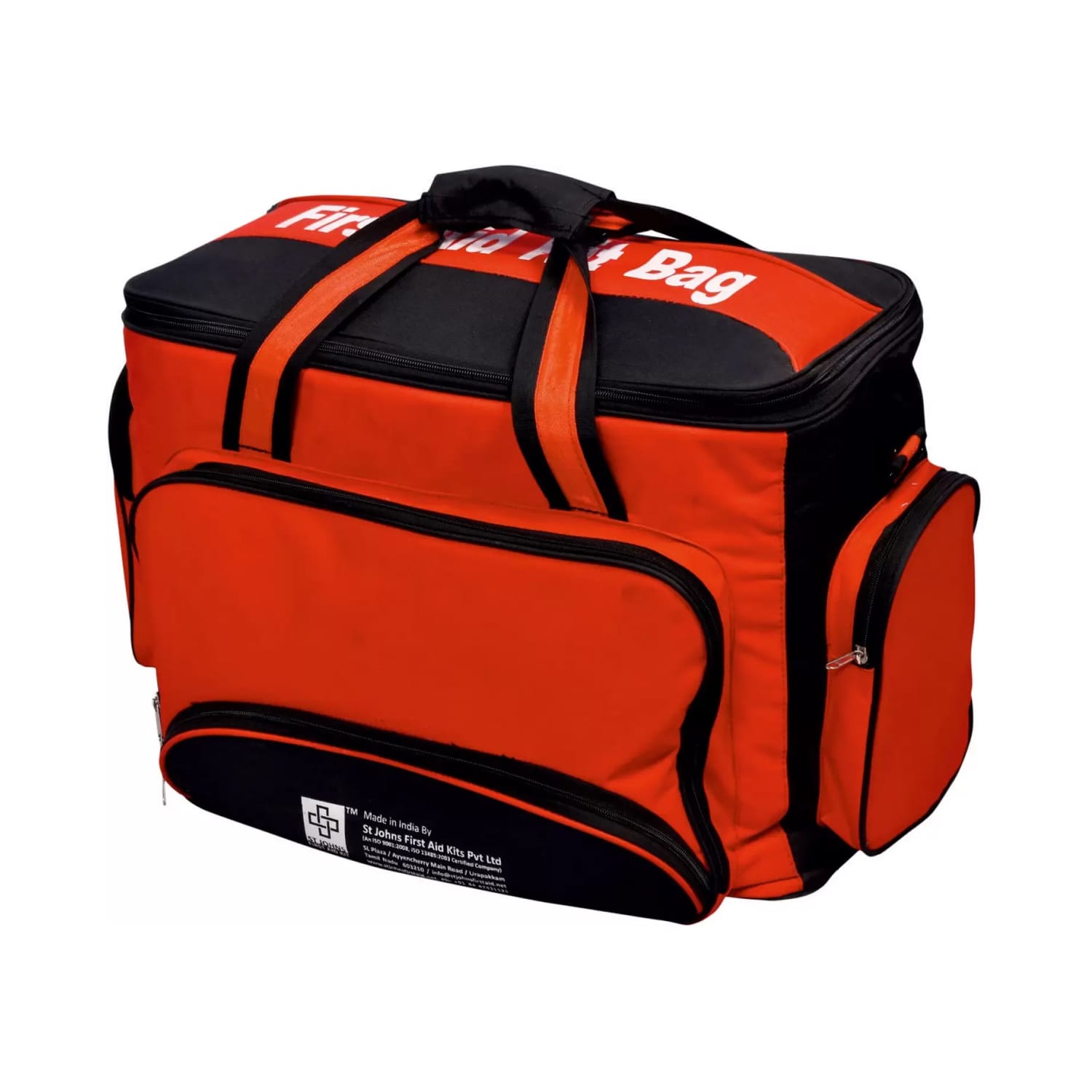
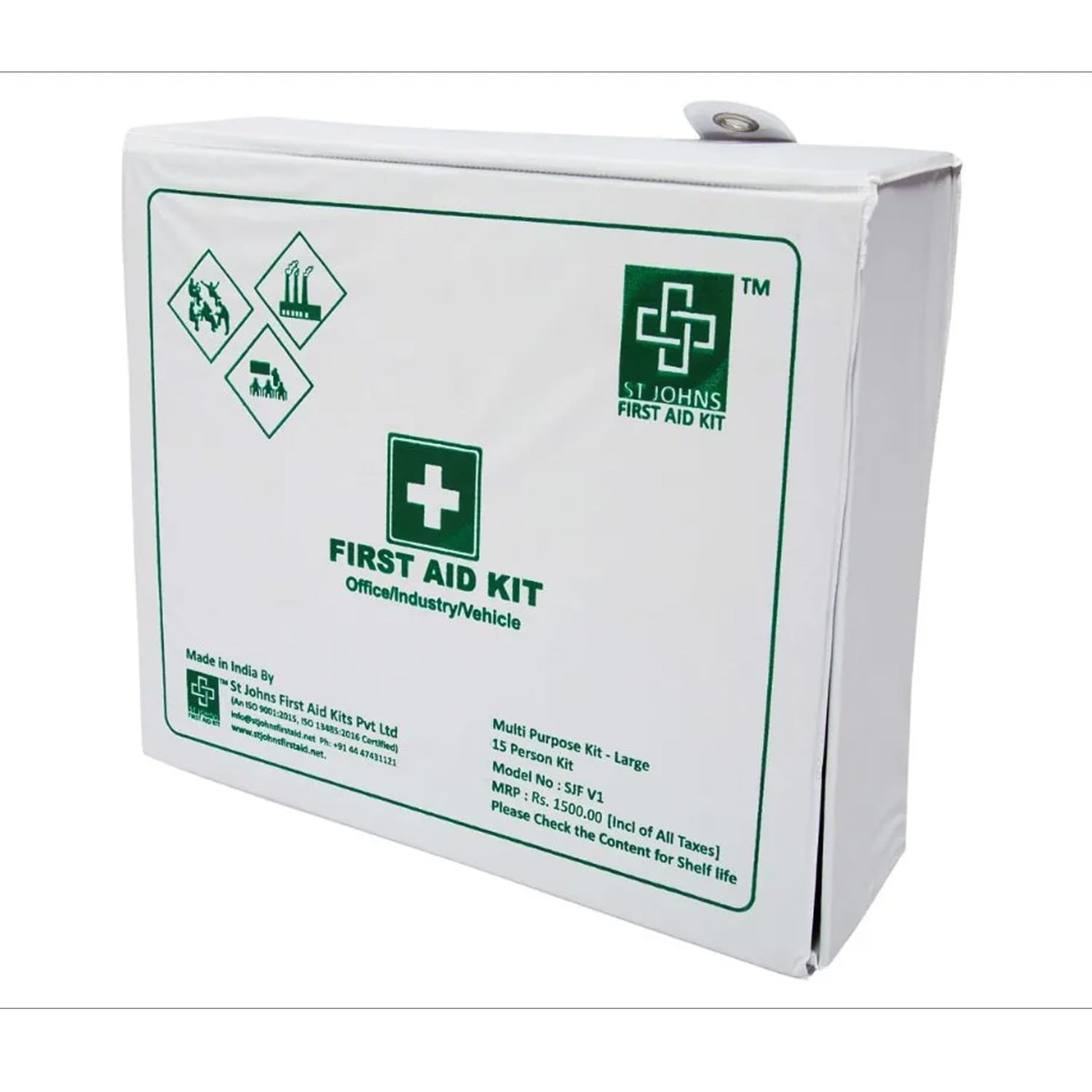
Larger households or workplaces typically need broader supplies than an individual traveller would.
Check whether the kit covers your specific needs, such as burn care or sports related injuries, before choosing one over another.
Travel and car kits should stay compact, while home kits can prioritise a wider variety of contents over portability.
Pricing depends largely on the number and type of items included, with basic kits being the most economical option. Comprehensive emergency kits cost more due to the wider range of supplies and higher quality components they include.
Keep the kit in a cool, dry, easily accessible place, and check it every few months to replace expired items and restock anything that's been used. It also helps to keep a small waterproof pouch alongside the kit for wet weather trips, since exposed moisture can damage bandages, gauze and adhesive tape faster than expected. Doing a quick visual check before any trip or seasonal change, rather than only during a scheduled review, catches gaps early and keeps the kit genuinely ready when it's needed most.