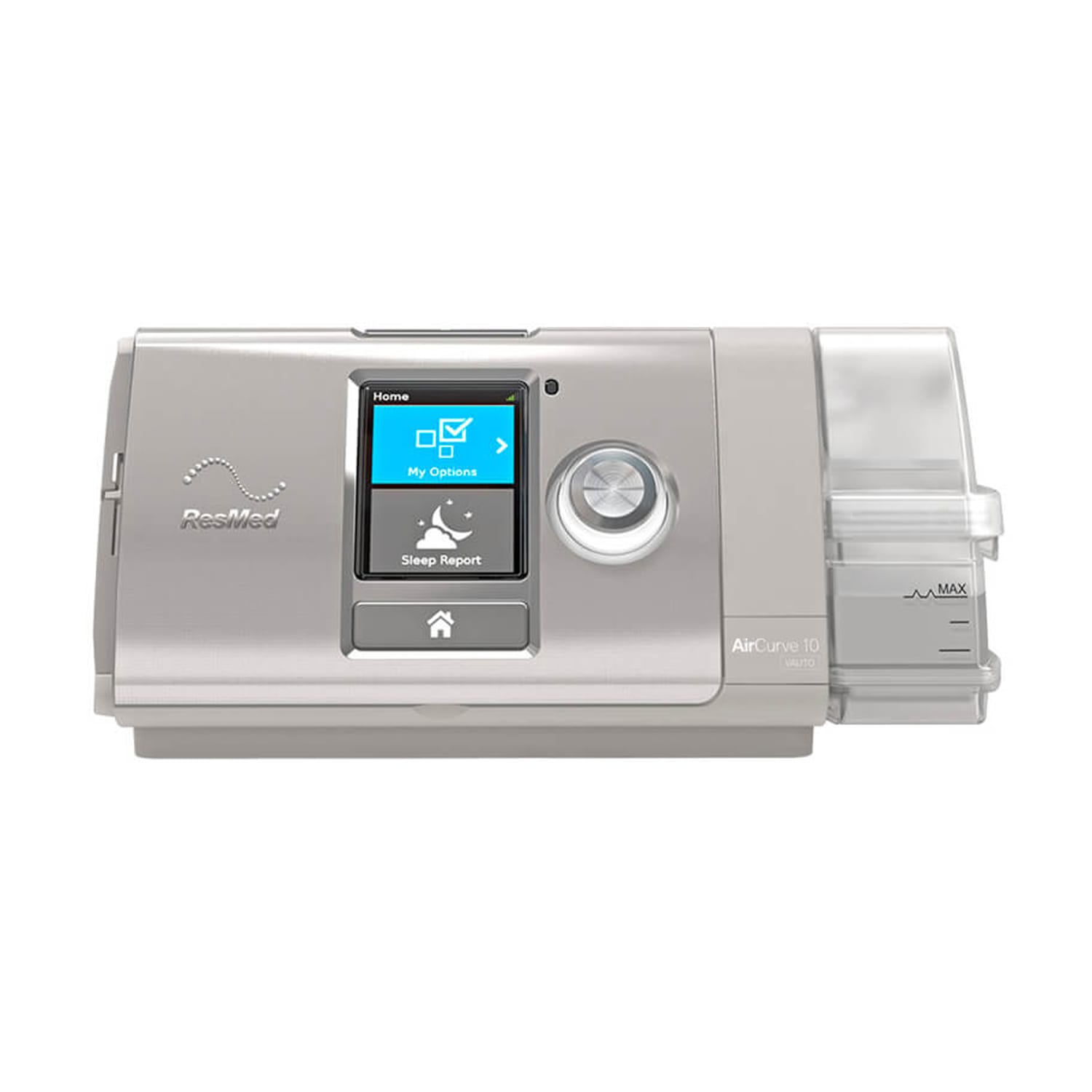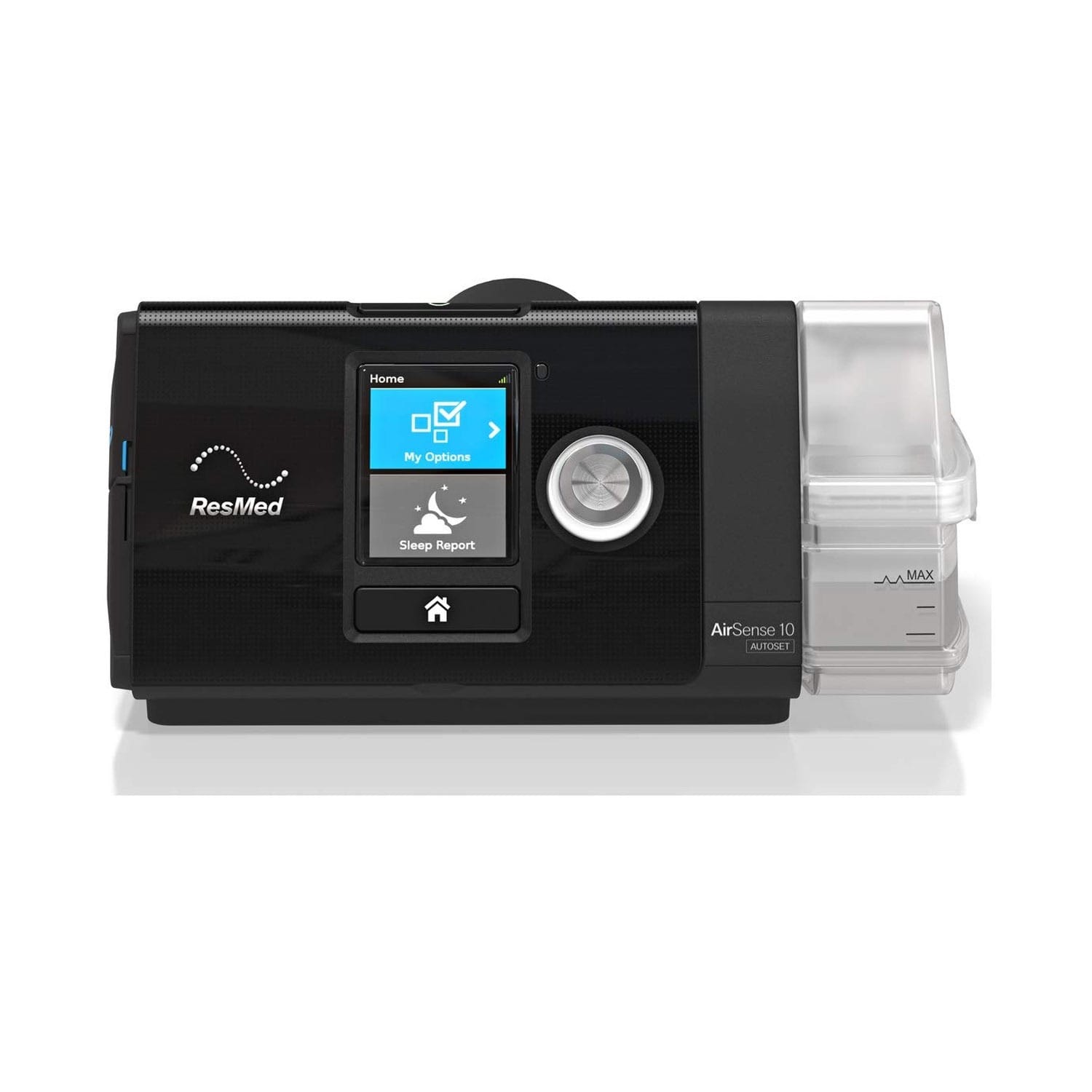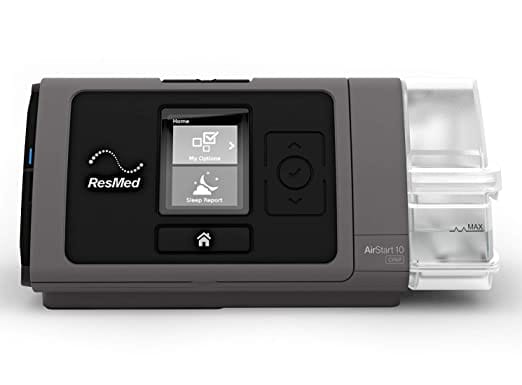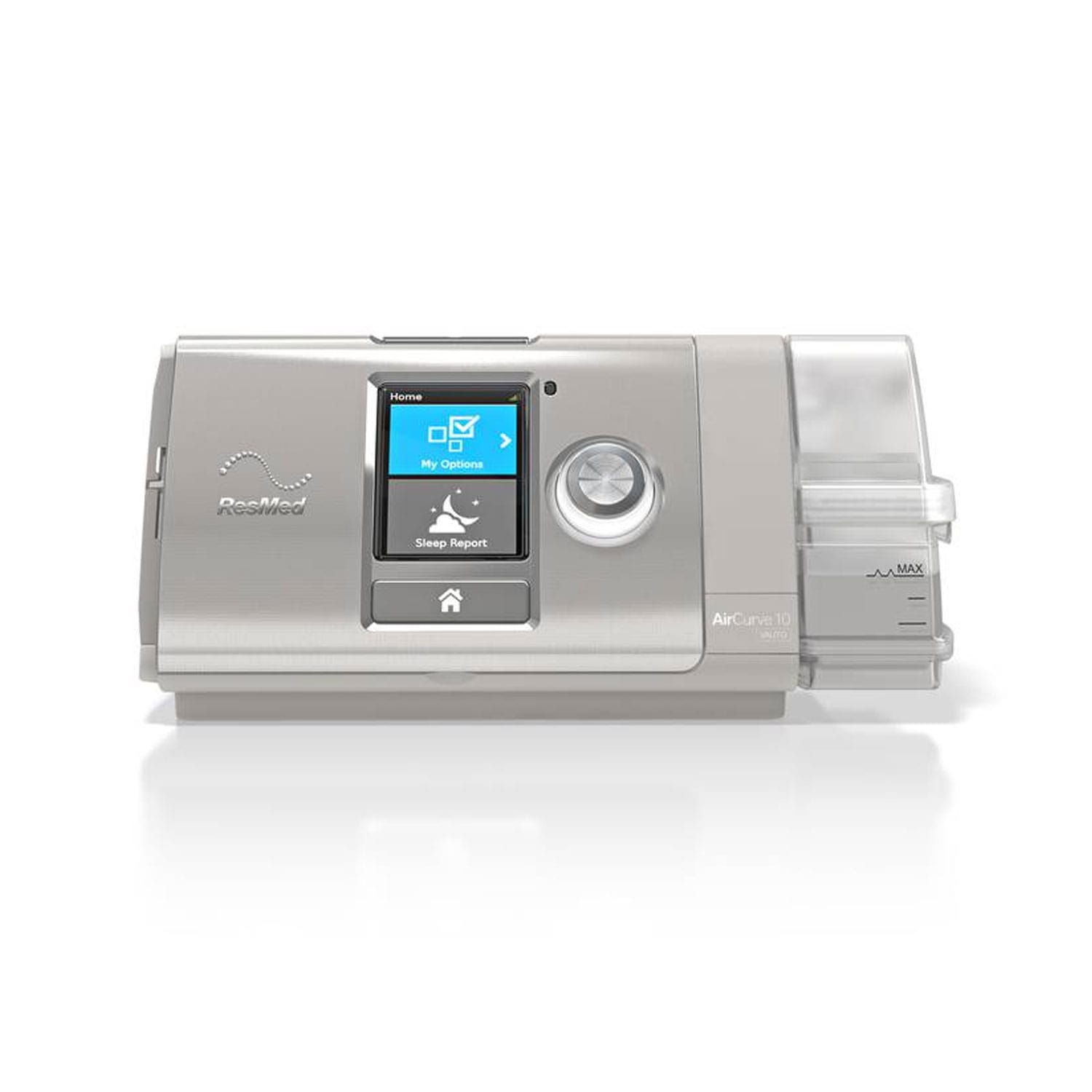


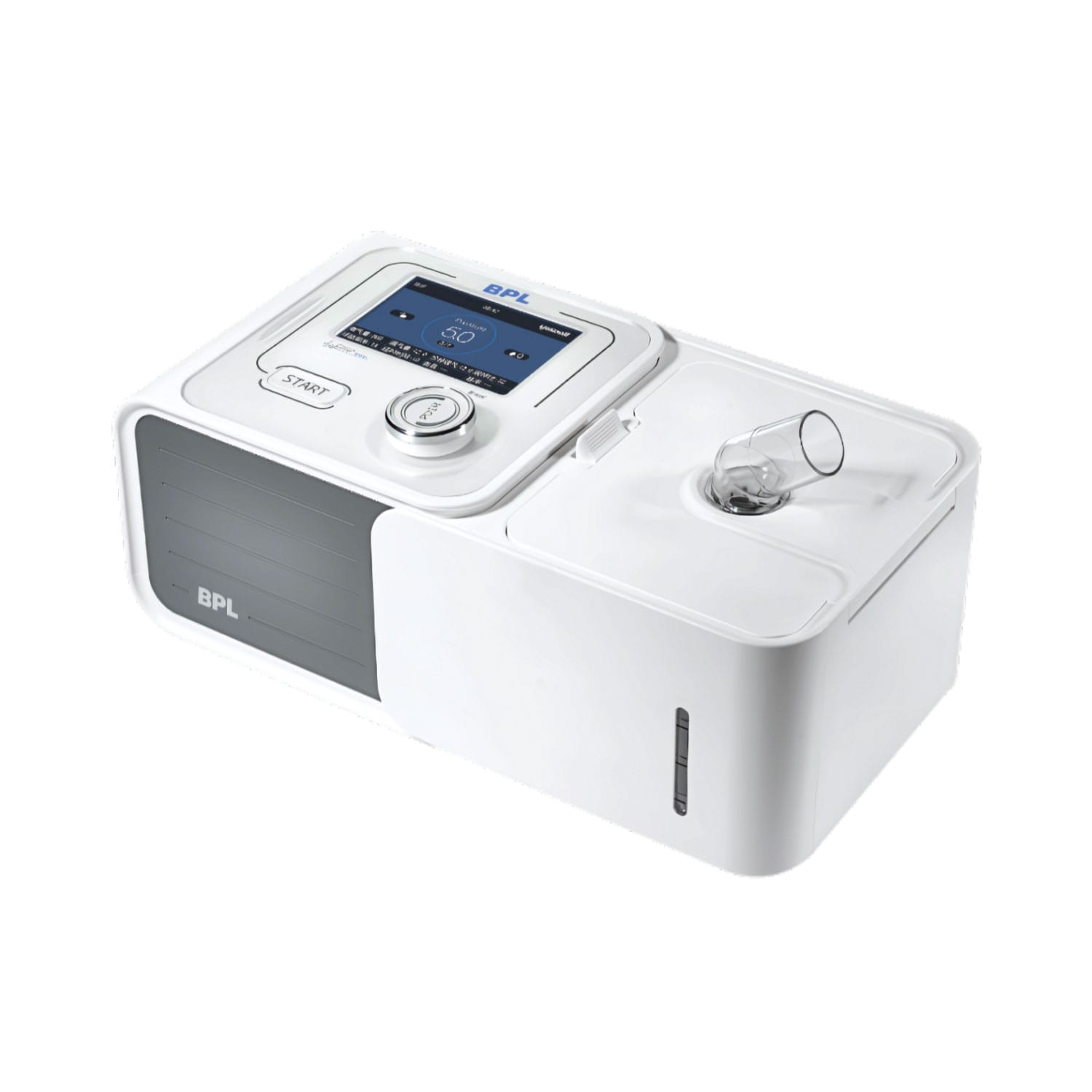
BPL BiPAP LifePAP Prime Machine
BPL
₹1,09,2505% off₹1,15,000
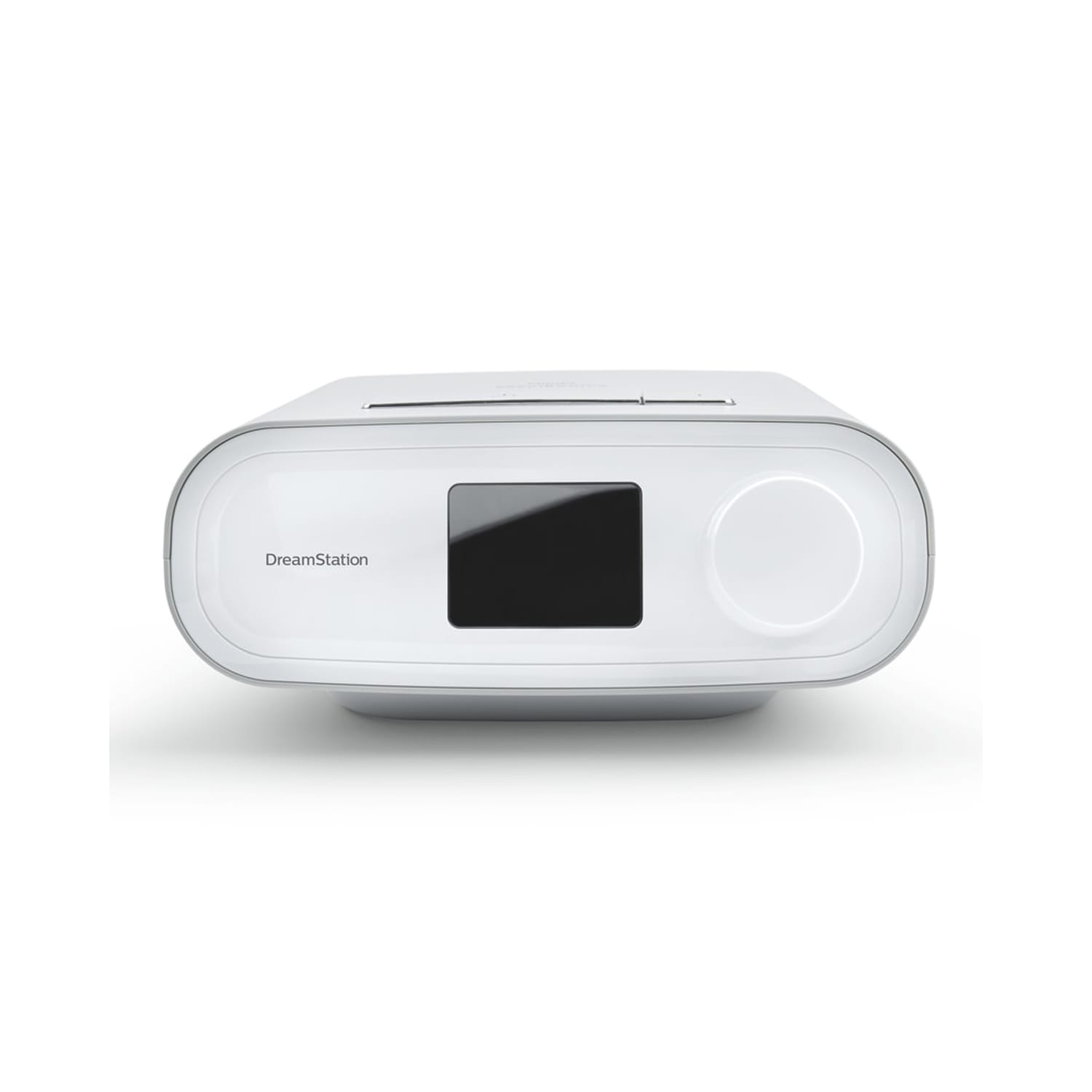
PHILIPS
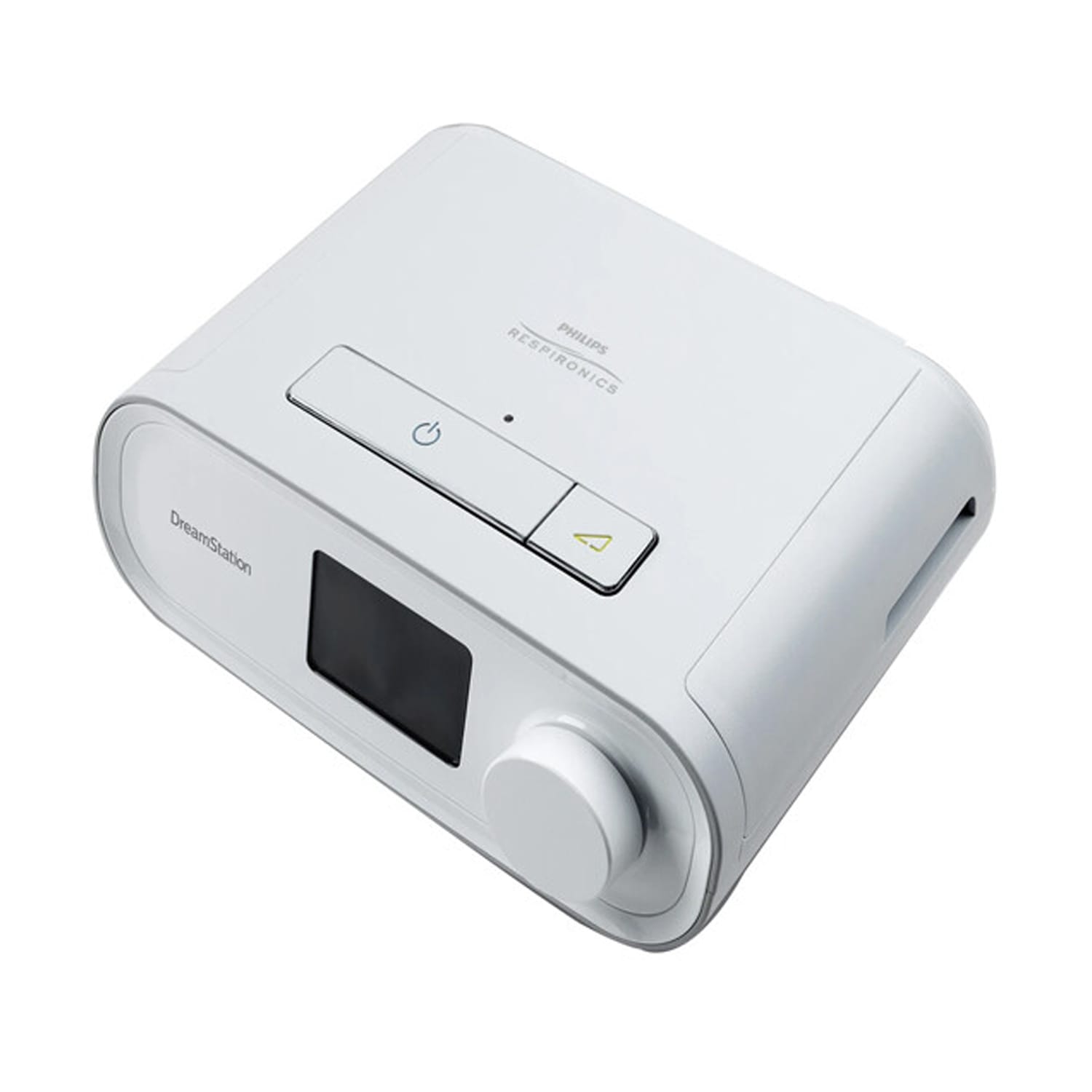
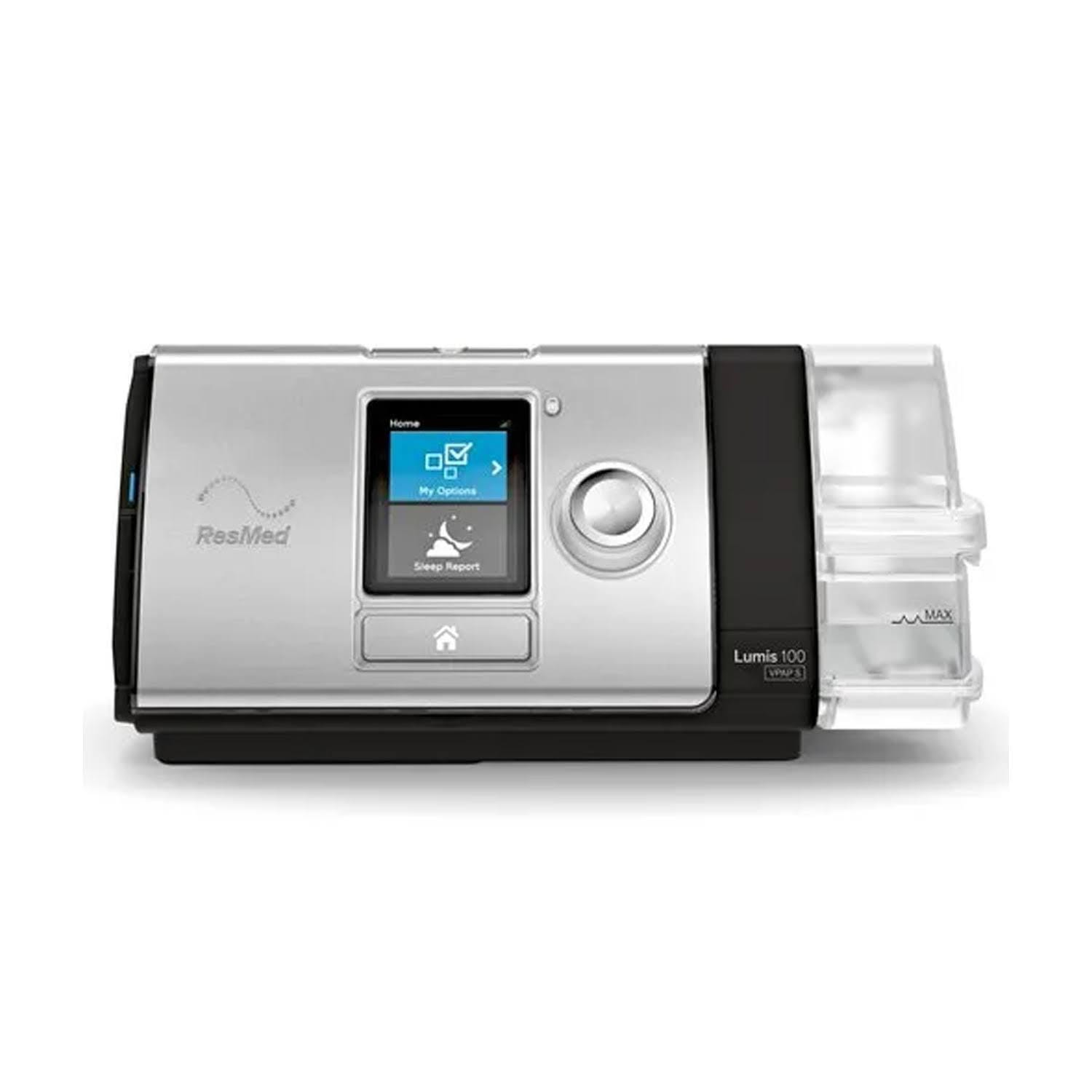
A BiPAP, short for Bilevel Positive Airway Pressure, machine delivers two different air pressure levels, a higher one while breathing in and a lower one while breathing out, to help patients who struggle with breathing. It's meant for people who need more support than a standard CPAP can give.
Adjust pressure levels on their own based on how the patient is breathing, giving more responsive therapy.
Built compact for easier transport or travel, without giving up much in terms of therapy quality.
Made for regular nightly use, with features suited to long-term therapy and steady comfort night after night.
The device needs to support the exact pressure range the treating doctor prescribed, nothing adjusted manually outside that range.
A clear display makes it easier to keep an eye on settings and usage data over time.
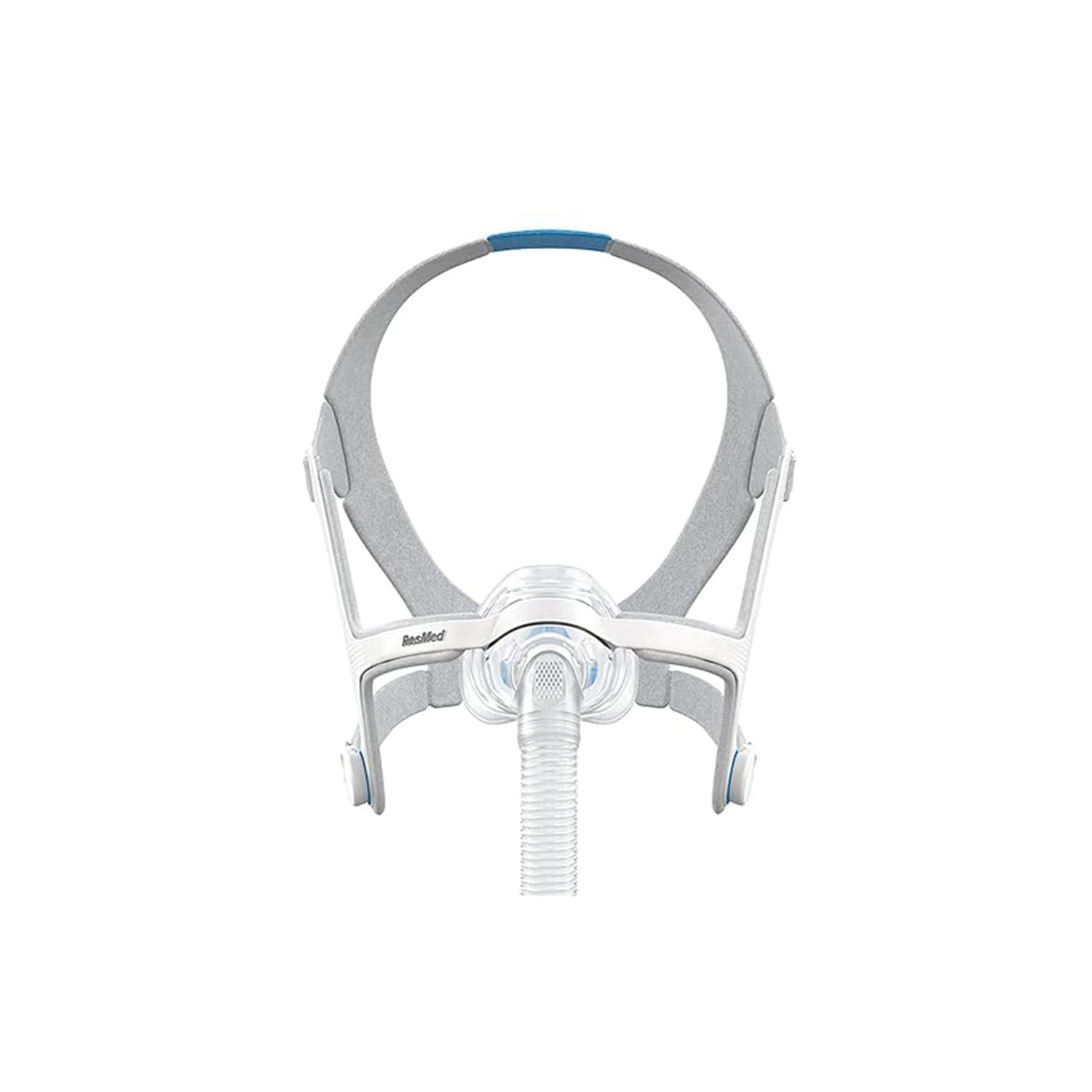
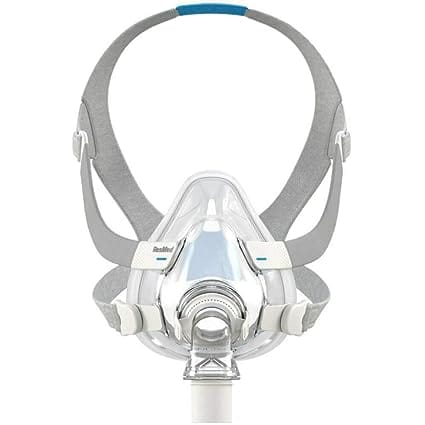
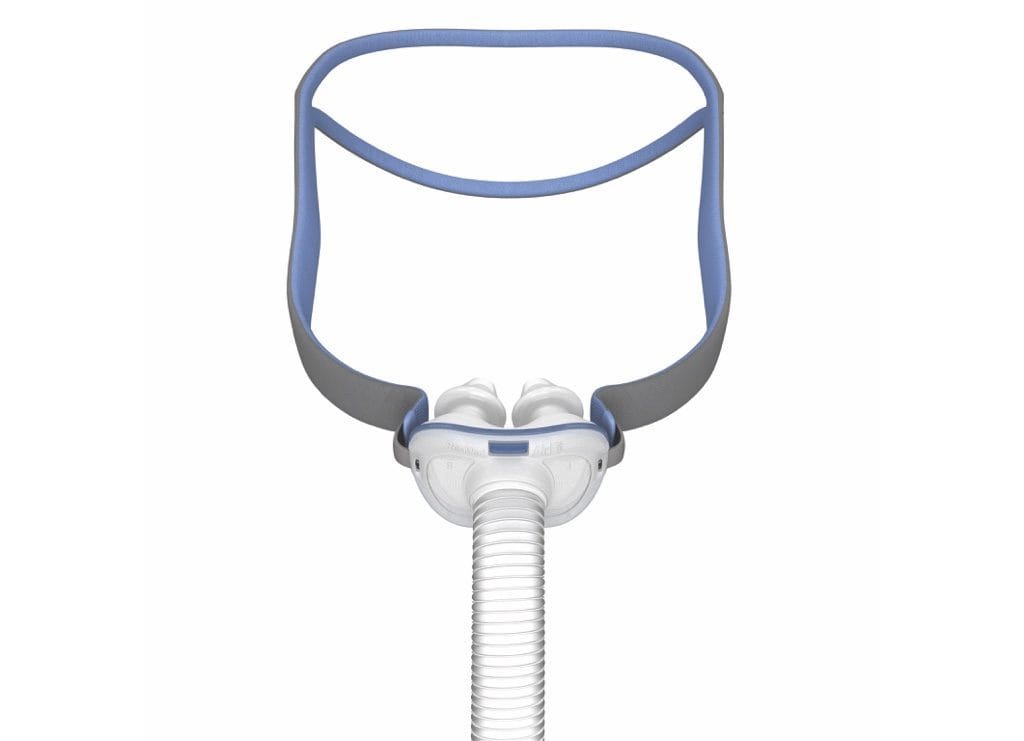
Check that the machine works with whatever mask type has been prescribed, nasal, full-face, or nasal pillow.
A built-in humidifier can cut down on dryness and make things more comfortable, especially in drier climates.
Think about whether the machine needs to travel or run on battery for trips away from home.
For home use, prioritise easy setup, quiet operation, and maintenance that's manageable, along with power needs suited to running every night. Settings should always match what the treating doctor prescribed rather than being changed on your own.
Auto-adjusting and data-tracking features usually push the price up compared to standard fixed-pressure models.
Auto BiPAP machines that adapt to breathing patterns generally cost more than standard bilevel machines.
Portable models often cost more too, given their compact, travel-friendly build and the added battery components.
Feature: Pressure delivery
BiPAP: Two pressure levels, inhale and exhale
CPAP: Single continuous pressure
Feature: Common use
BiPAP: More complex respiratory conditions
CPAP: Sleep apnea
Feature: Mask compatibility
BiPAP: Similar mask range to CPAP
CPAP: Standard CPAP masks
Follow the prescribed settings exactly, and check with the doctor before making any changes to pressure levels.
Make sure the fit is snug and comfortable so there aren't any air leaks during therapy, since leaks can cut into how effective the treatment is.
Clean the mask and tubing regularly to keep bacteria from building up and to stay hygienic through ongoing use.
The mask, tubing, and humidifier all need to be compatible with the specific BiPAP machine model in use. The mask type, nasal, full-face, or nasal pillow, should suit the patient's comfort and breathing pattern for consistent nightly use.
Confirm the machine actually supports the exact range the doctor prescribed before buying.
Check the pressure range, noise level, and any extra monitoring features against what you actually need.
Make sure replacement masks and tubing are easy to find for ongoing maintenance.
Look for genuine sellers who offer warranty coverage and service support, given this is a long-term therapy device.
Type: Standard BiPAP
Key difference: Fixed dual pressure
Best suited for: Prescribed stable therapy
Type: Auto BiPAP
Key difference: Adjusts pressure automatically
Best suited for: Variable breathing patterns
Type: Portable BiPAP
Key difference: Compact, travel-friendly
Best suited for: Frequent travel