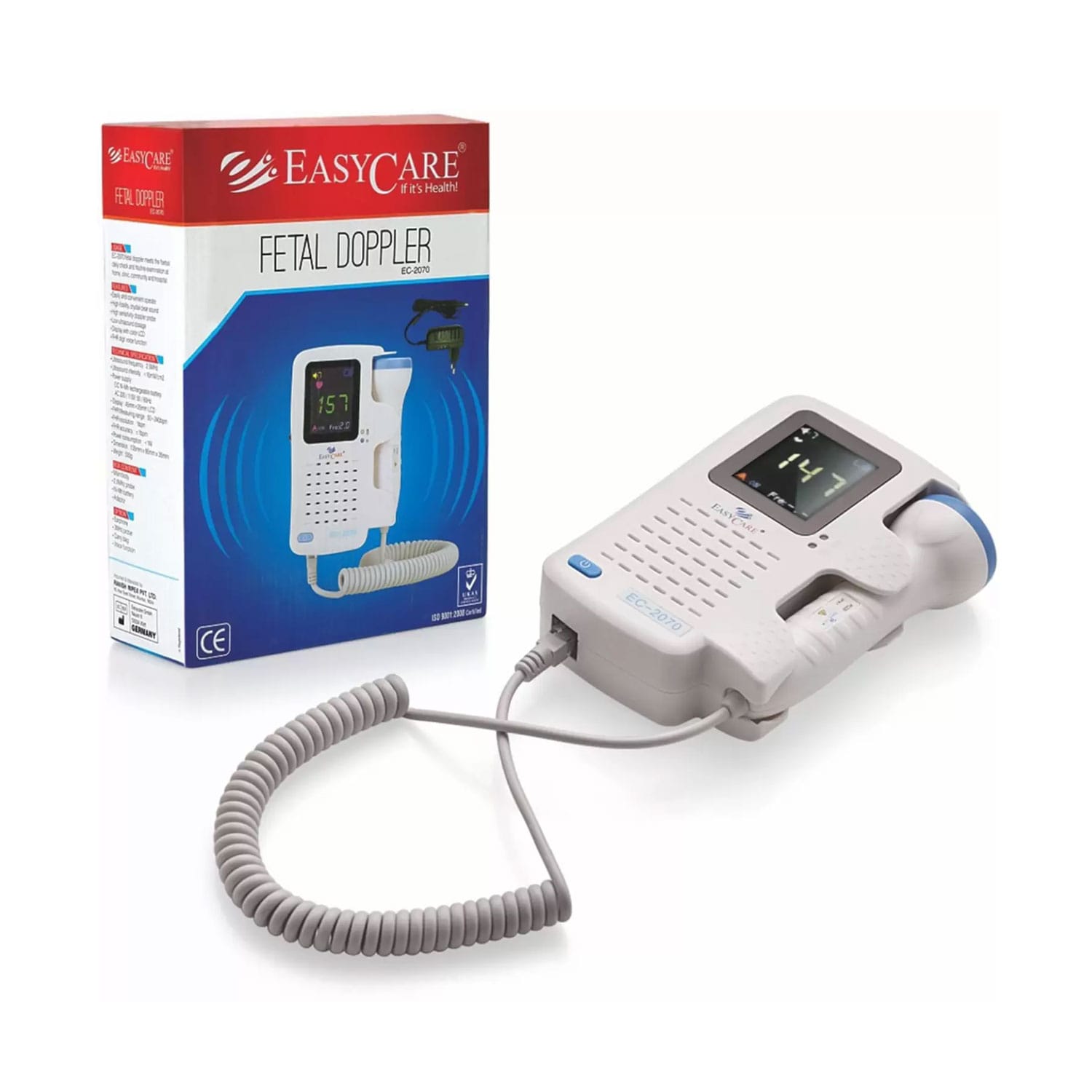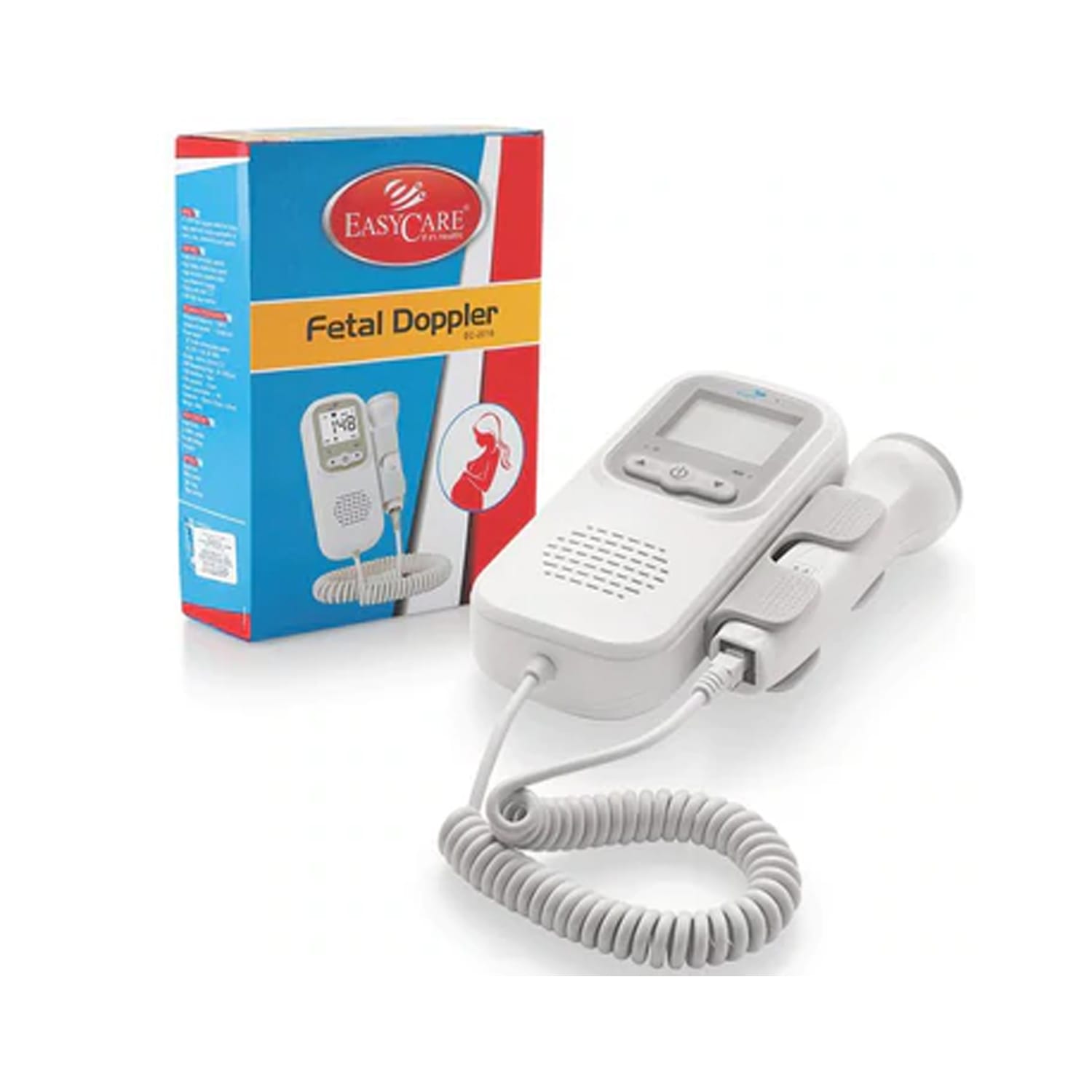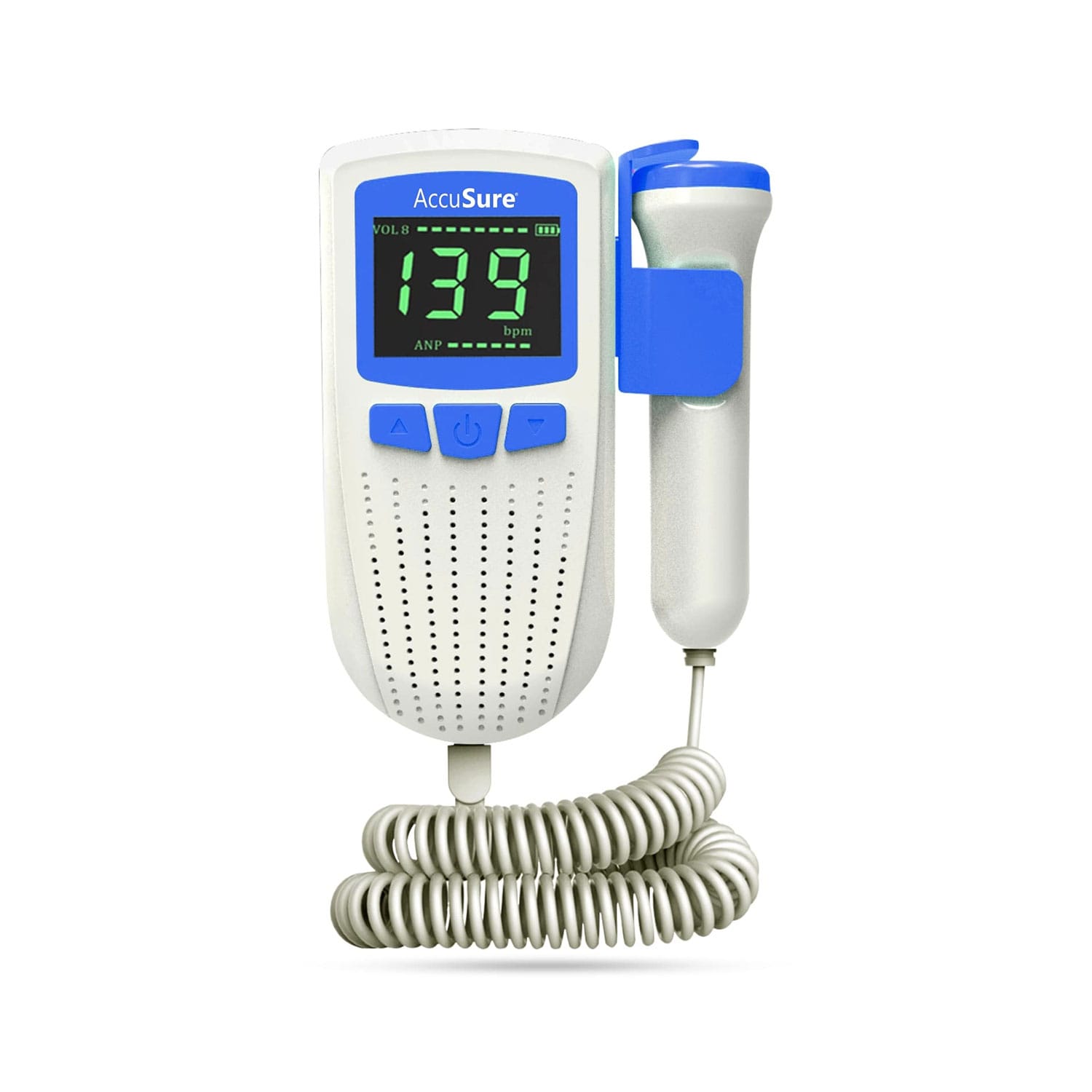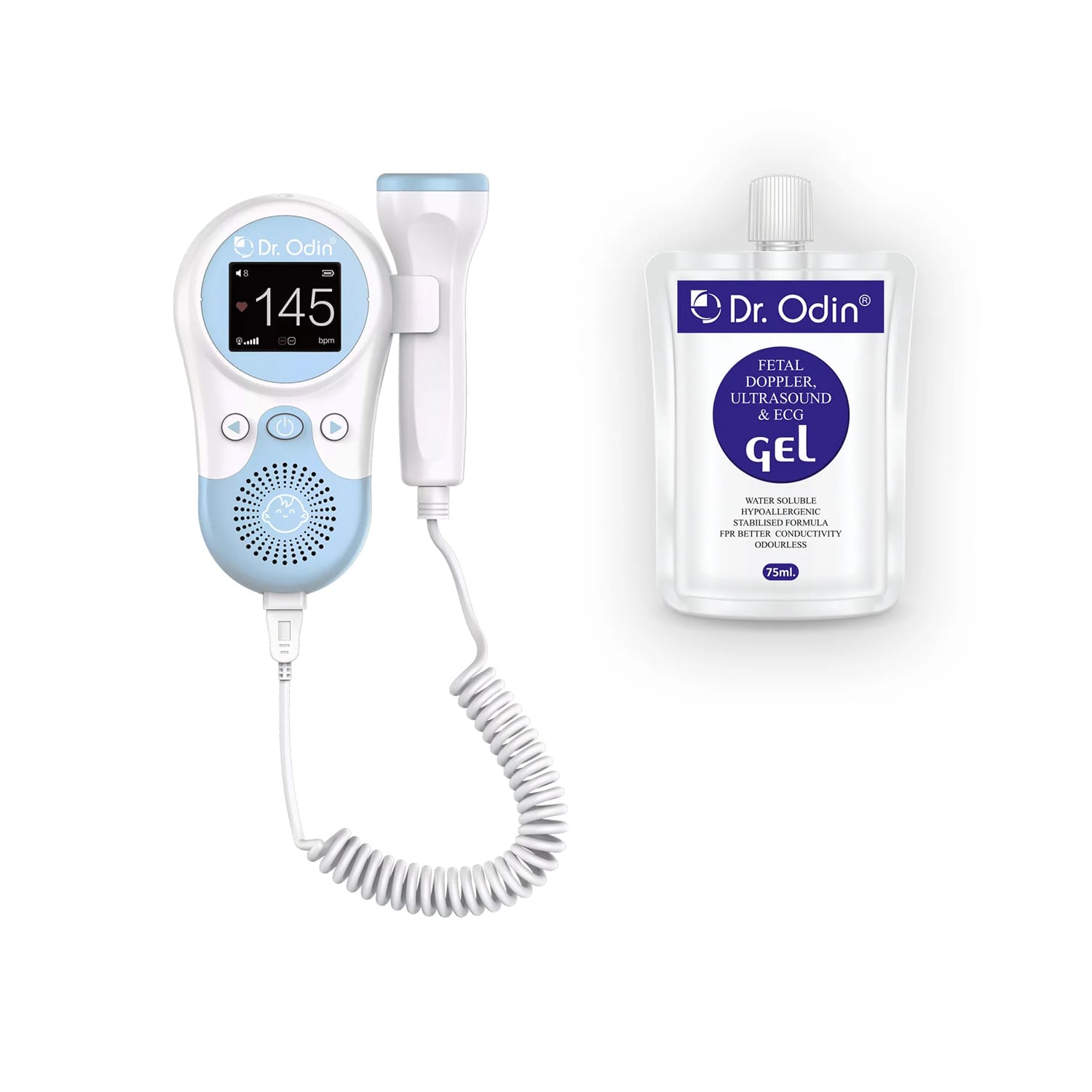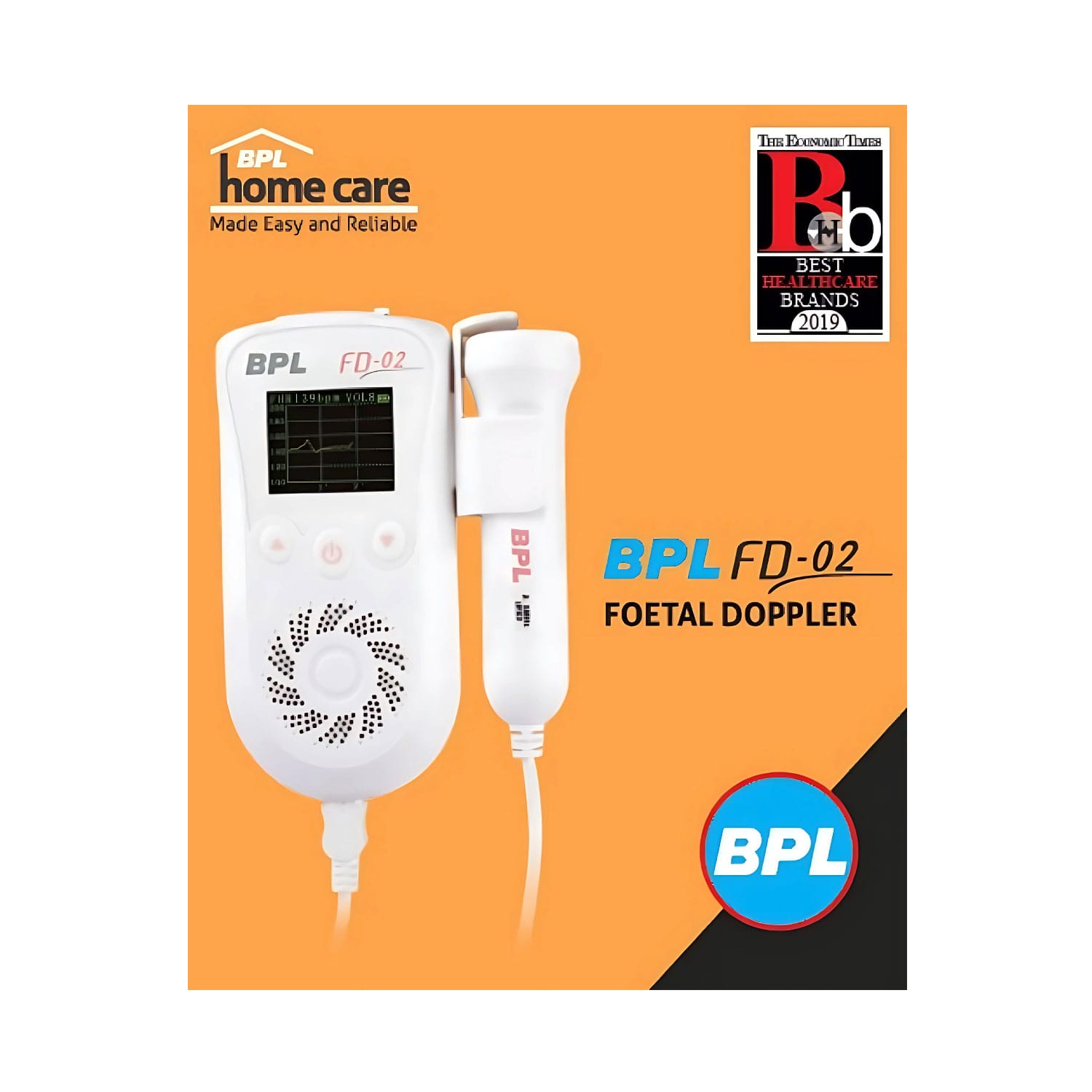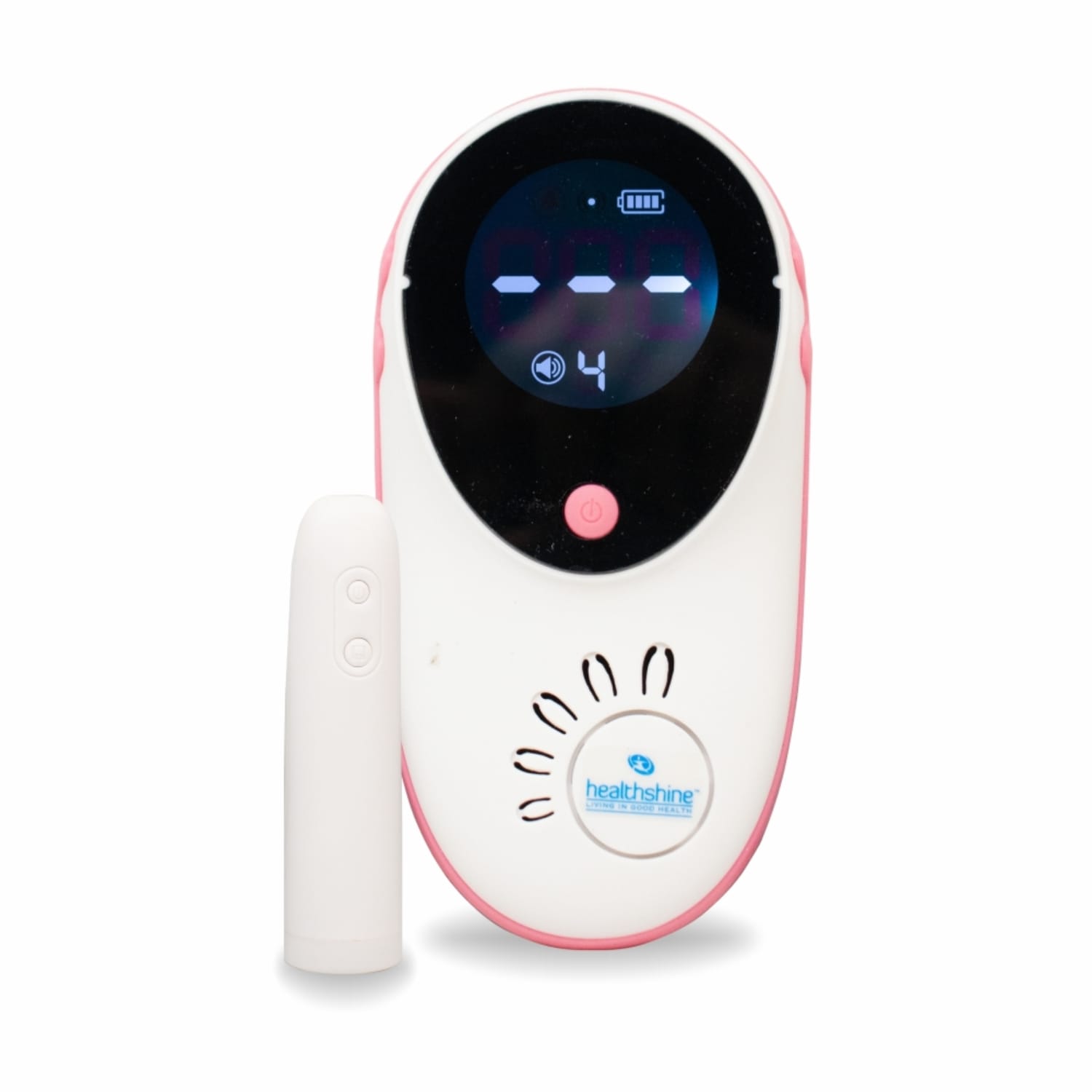


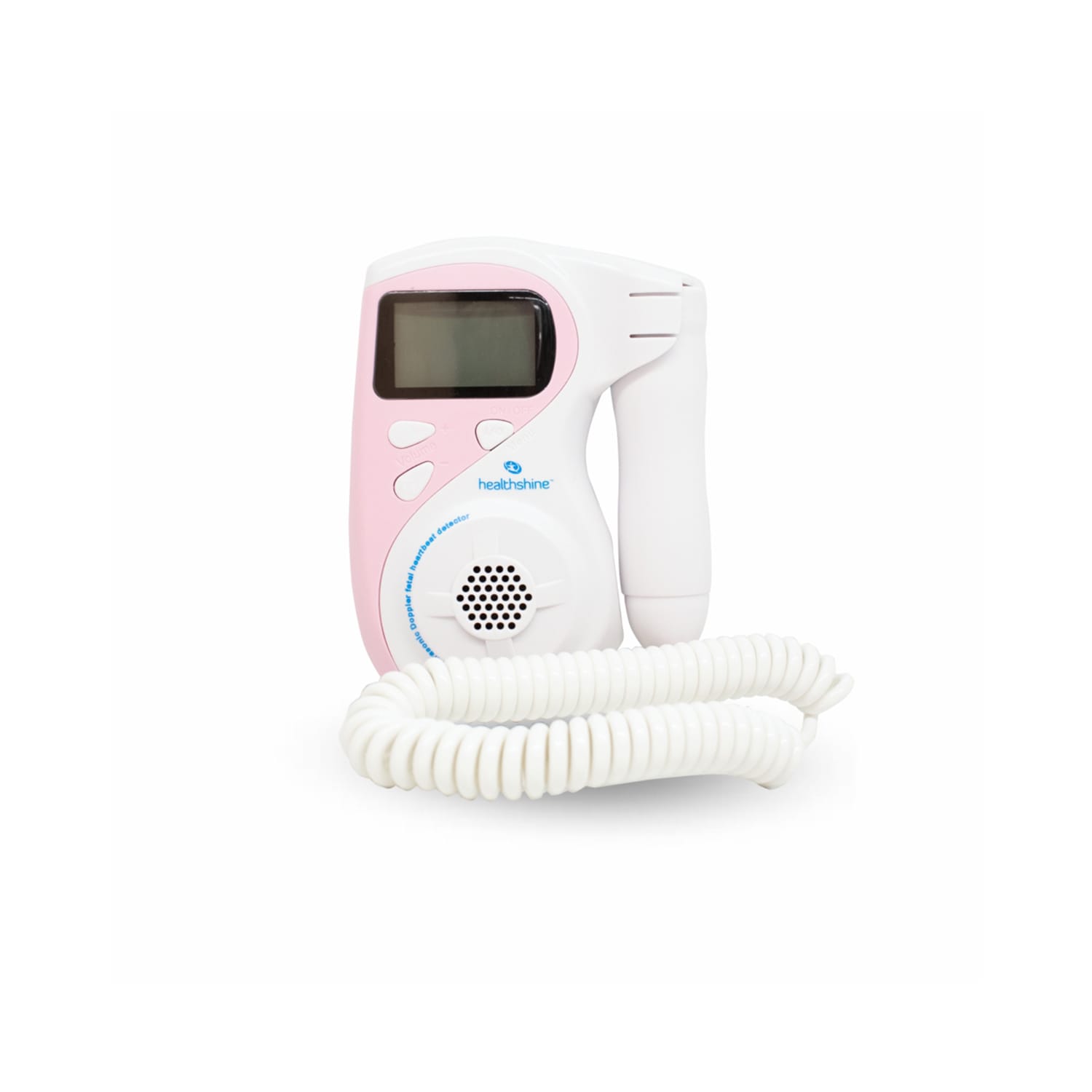
Healthshine Hand Held Fetal Doppler
Healthshine
4.7 ★ (7)
₹6,12511% off₹6,900
A Doppler machine picks up and amplifies fetal heart sounds during pregnancy, giving expectant parents and healthcare providers a way to check on the baby's heartbeat. It's a popular tool for a bit of reassurance in between the regular prenatal check-ups.
Compact, battery operated, and simple to use whether at home or during a clinic visit, giving a quick way to check the heartbeat.
Made specifically to pick up and amplify fetal heartbeats from around the second trimester onward, with sensitivity tuned for a developing baby.
Uses continuous ultrasound waves to track heart rate, used in both home and clinical settings where steady monitoring is needed.
Helps track the rhythm and rate of the baby's heartbeat as a simple check in between clinical visits, giving a bit of peace of mind at home.
Gives audible confirmation of the heartbeat, something a lot of expectant parents find comforting during the wait between doctor appointments.
Come with gentle probes made for regular use on the abdomen during pregnancy without causing any discomfort.
A lightweight, ergonomic build makes the device easier to hold and position properly while using it.
Look for a clear display that shows heart rate readings alongside the audio, so you get a fuller picture of what's being picked up.
Some devices come with volume control and headphone compatibility for more private listening, something many parents appreciate.
Pricing depends a lot on what the device offers, things like display quality and any extra monitoring functions. Basic handheld models tend to be more affordable than the advanced continuous wave versions with added display and connectivity.
The device sends ultrasound waves through the abdomen, which bounce off the baby's heart and get converted into an audible heartbeat sound along with a rate reading. A small amount of ultrasound gel helps the probe stay in good contact with the skin for a clearer signal.
Home Doppler devices are generally seen as safe when used as directed, but they're not meant to replace regular prenatal check-ups and shouldn't be the only way you're monitoring the pregnancy. A typical session usually starts with gel on the abdomen, then gently moving the probe around until a steady heartbeat sound comes through, which can take a few minutes, especially earlier in pregnancy or depending on how the baby is positioned.
Type: Handheld
Key difference: Compact, easy home use
Best suited for: Everyday monitoring at home
Type: Continuous Wave
Key difference: Steady ultrasound tracking
Best suited for: Clinical and extended monitoring