Cureka — Your guide for a better living!
Cart
INDIA'S 1ST PREVENTIVE HEALTHCARE STORE – CURATED BY DOCTORS!|

Crutches

Sort by
Cureka's crutches collection is doctor-curated for safe recovery and home care, so you always know exactly what you're bringing home. The range covers concerns such as safe walking support during injury and recovery, with options like gutter crutches and platform crutches to explore. Small aids can make a big difference in everyday independence and comfort.

Flamingo Underarm Crutches Large OC2111

flamingo

₹1,87425% off₹2,499

Vissco Astra Plus Elbow Crutches with Height Adjustable and Movable Elbow Support Pair (PC. No. 0904BP)

VISSCO

₹1,83025% off₹2,440

Tynor Auxiliary Crutch Silver 1 Pair L-21 (Small)

Tynor

₹2,21023% off₹2,870

Healthshine Axillary Crutches (Medium)

Healthshine

₹2,11813% off₹2,445

Flavia Elbow Crutch Aluminum

FLAVIA

₹75025% off₹1,000

Vissco Elbow Stick Single Universal - (PC. No. 0904AS)

VISSCO

₹1,01325% off₹1,350

Flamingo Elbow Crutches Universal OC2113

flamingo

₹93725% off₹1,249

Flamingo Classic Elbow Stick with Open Loop OC2290

flamingo

₹89925% off₹1,199
Out of Stock

Vissco Invalid Underarm Auxiliary Crutches - Small (PC. No. 0905)

VISSCO

₹2,18425% off₹2,912
Out of Stock

Tynor Pod Oxi Crutch Gooseneck (22m) - Universal

Tynor

₹11323% off₹147
Out of Stock

Tynor Elbow Crutch Adjustable L-13 (Universal)

Tynor

₹91923% off₹1,193
Out of Stock

Vissco Invalid Elbow Crutches With Movable Elbow Support

VISSCO

₹71325% off₹950
Out of Stock


Crutches give support to patients recovering from leg, foot or hip injuries, helping shift weight away from the affected limb while walking and going about everyday movement. Doctors and physiotherapists commonly prescribe them as part of a structured recovery plan, usually alongside other guidance on rest and movement.


Types of Crutches


Gutter & Platform Crutches

These support the forearm on a padded platform, which works well for patients who can't grip a standard handle because of wrist or hand conditions. Weight passes through the forearm instead of the hand, easing strain on a weaker grip.


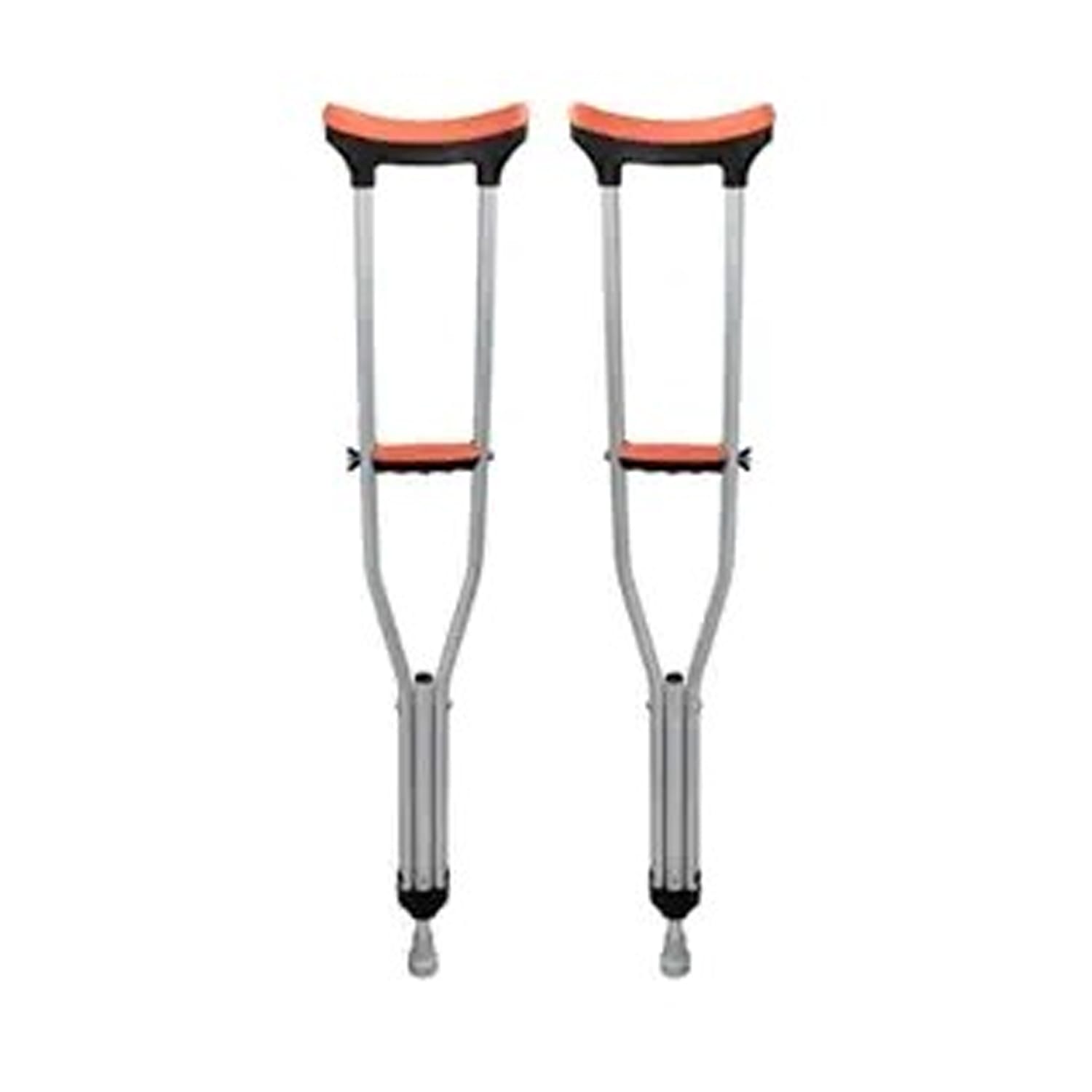
Underarm Crutches

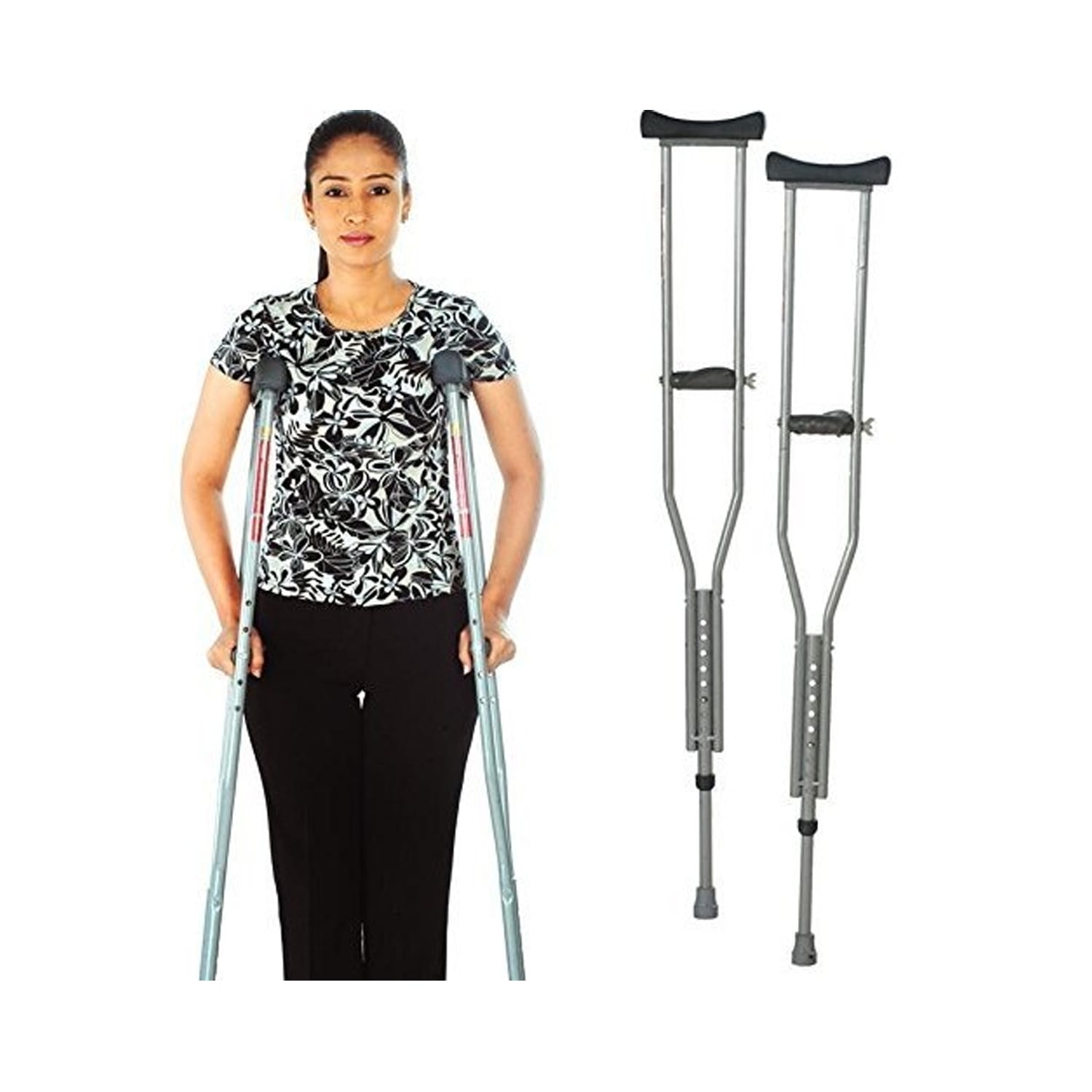
The most familiar type, these sit under the arm with a handgrip below, giving stability for short to medium term recovery. They're widely available and tend to be the first thing doctors suggest right after an acute injury.


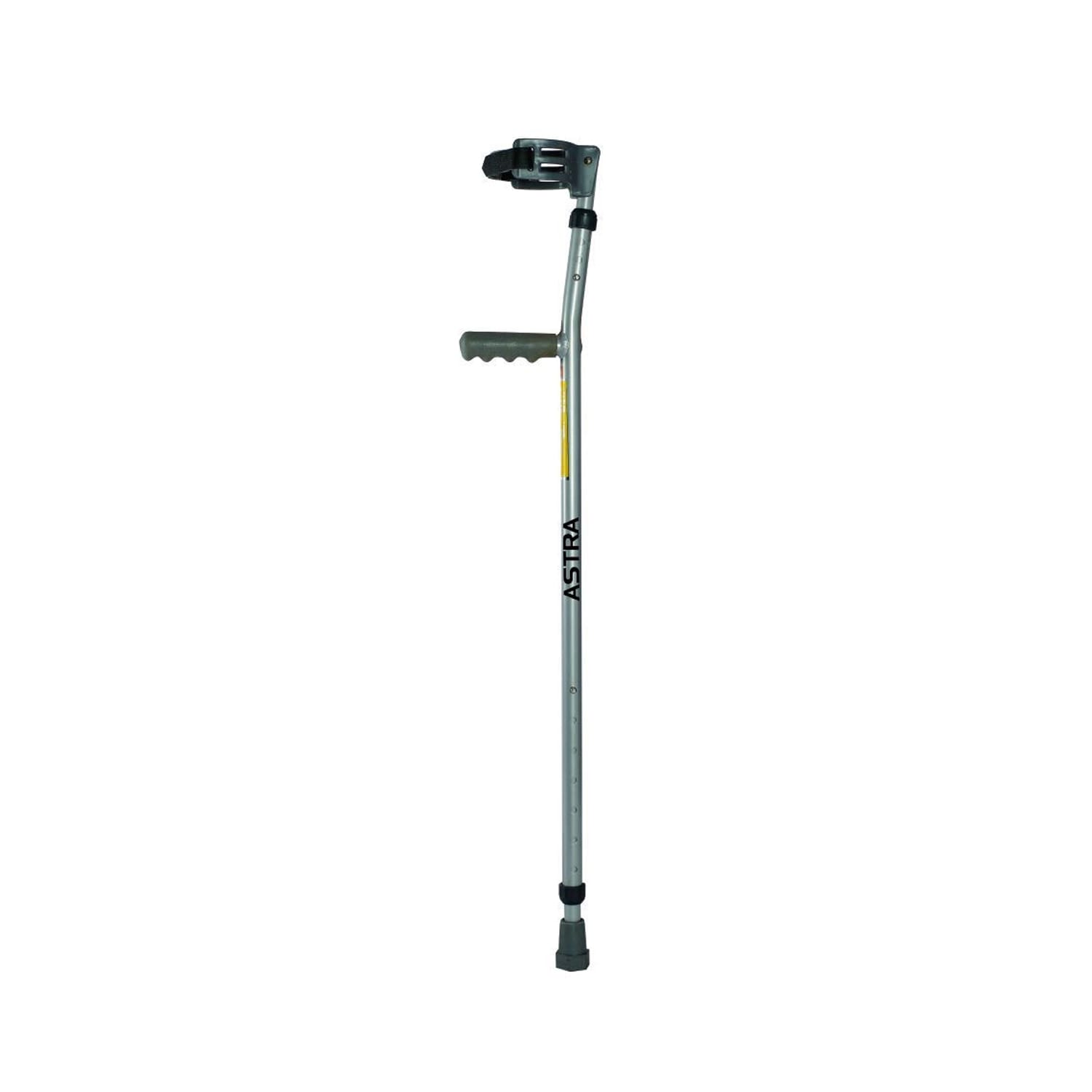
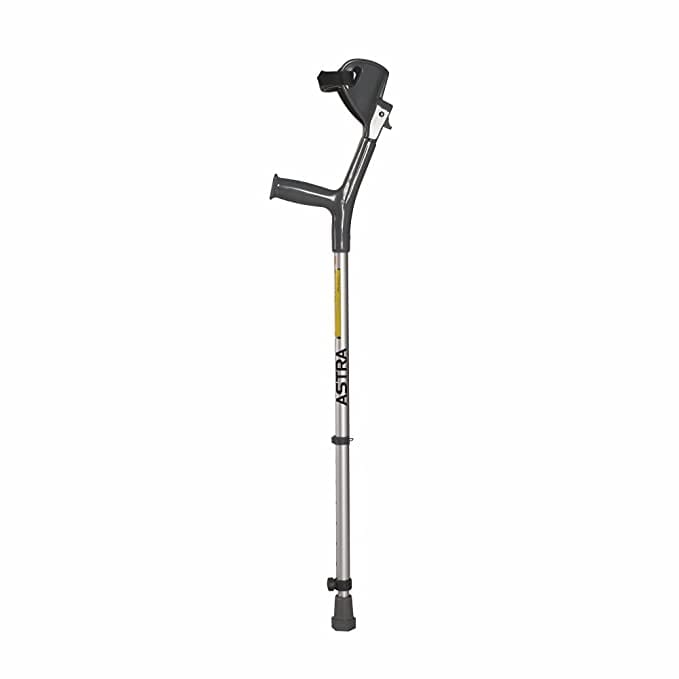
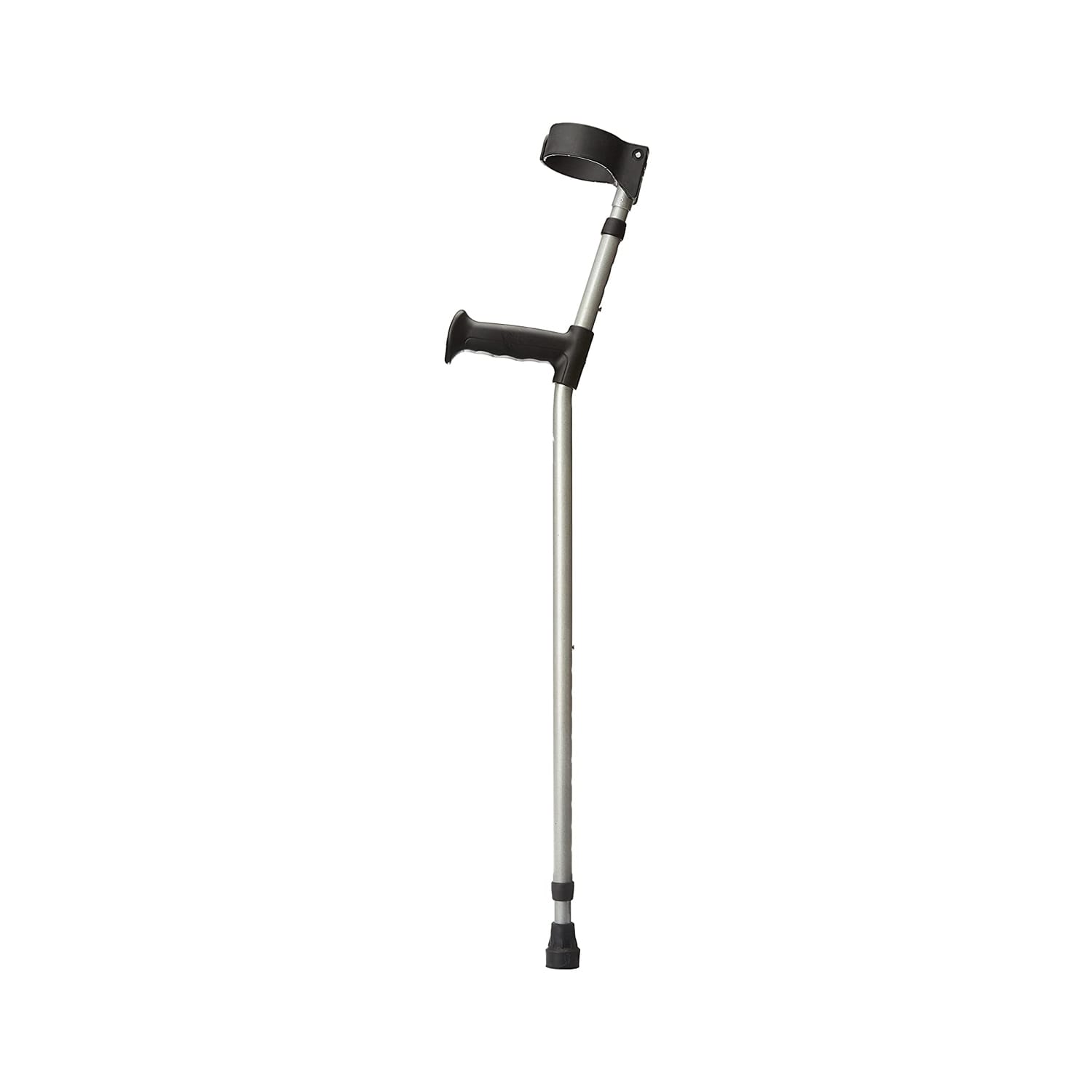
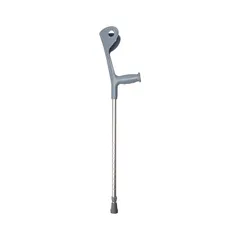
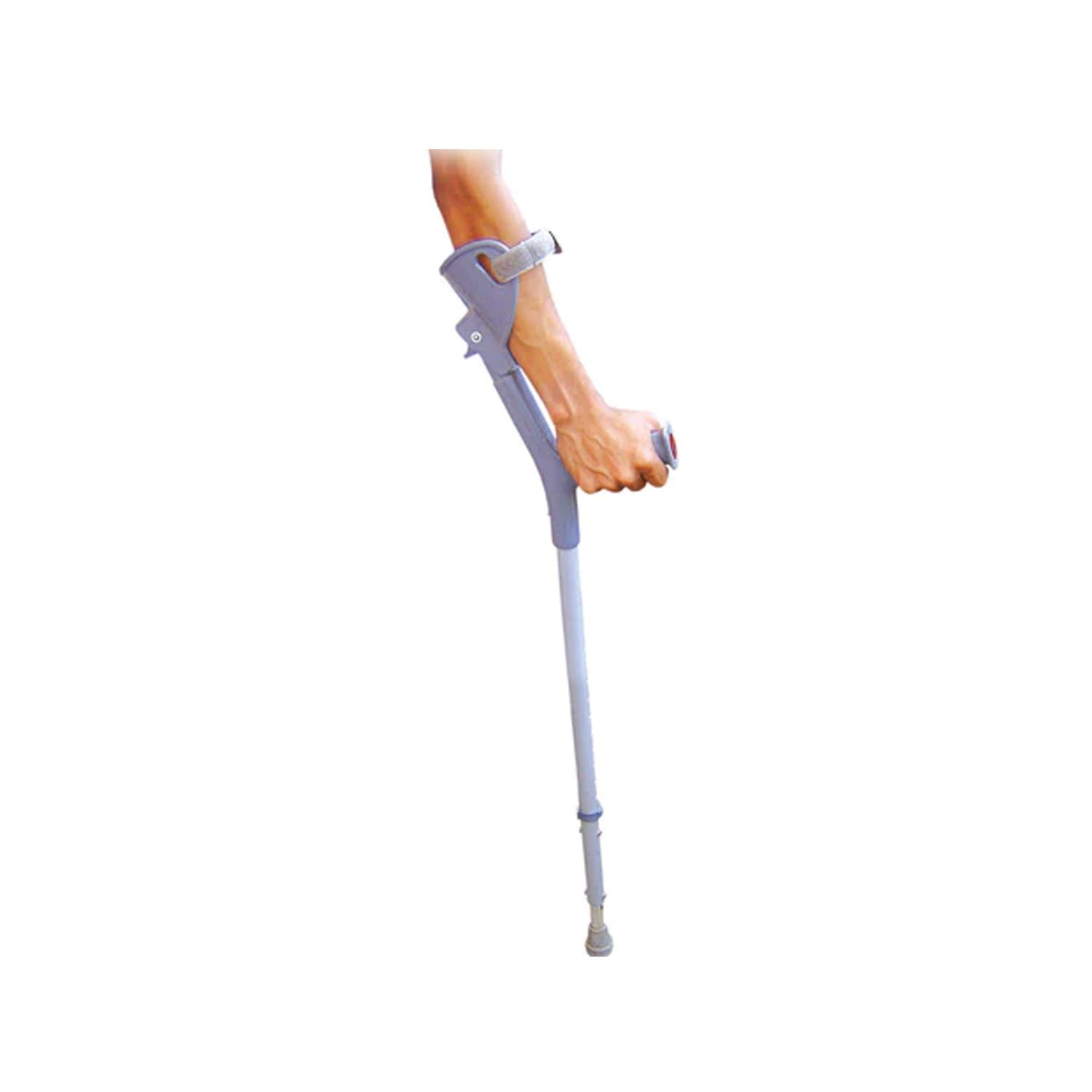
Forearm & Elbow Crutches

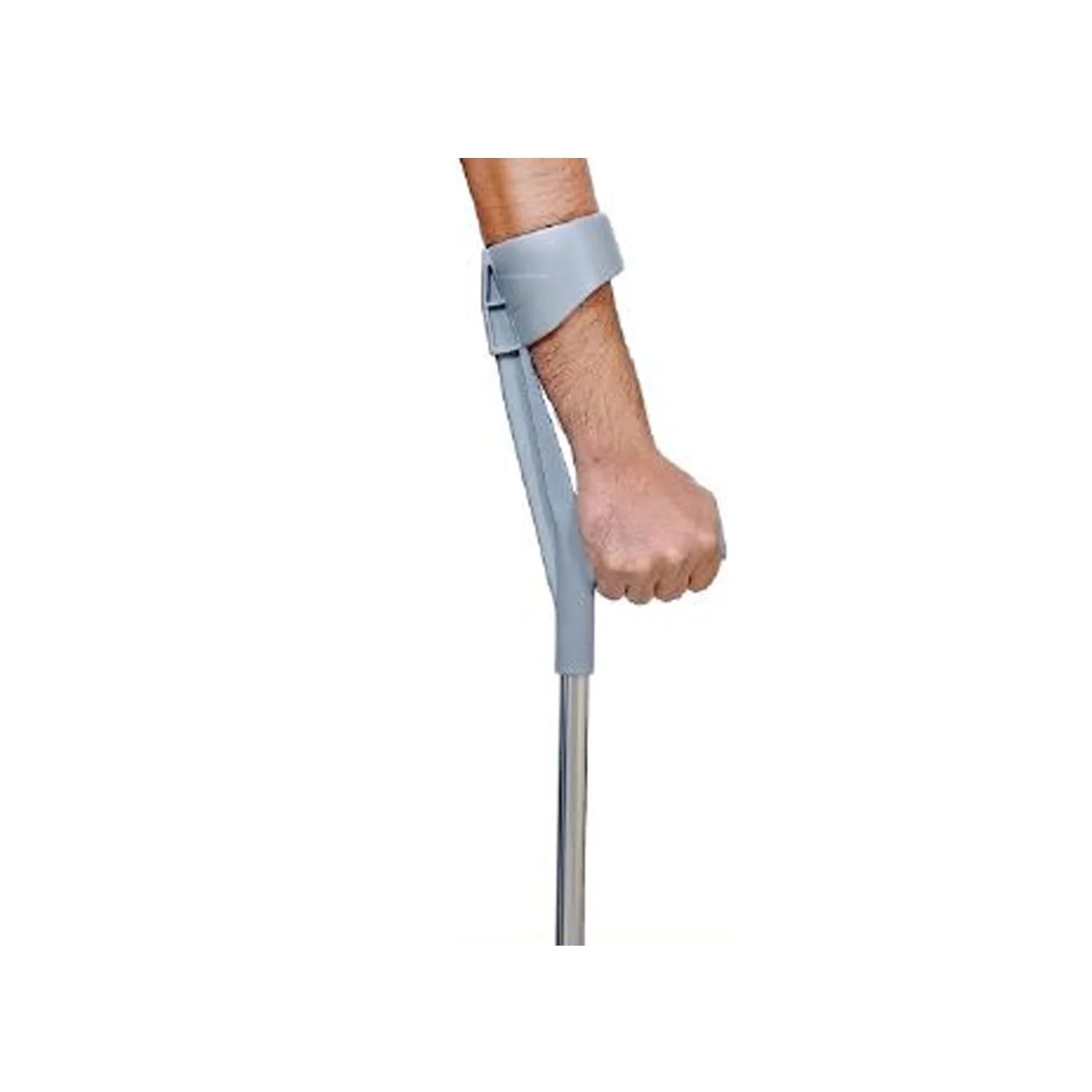
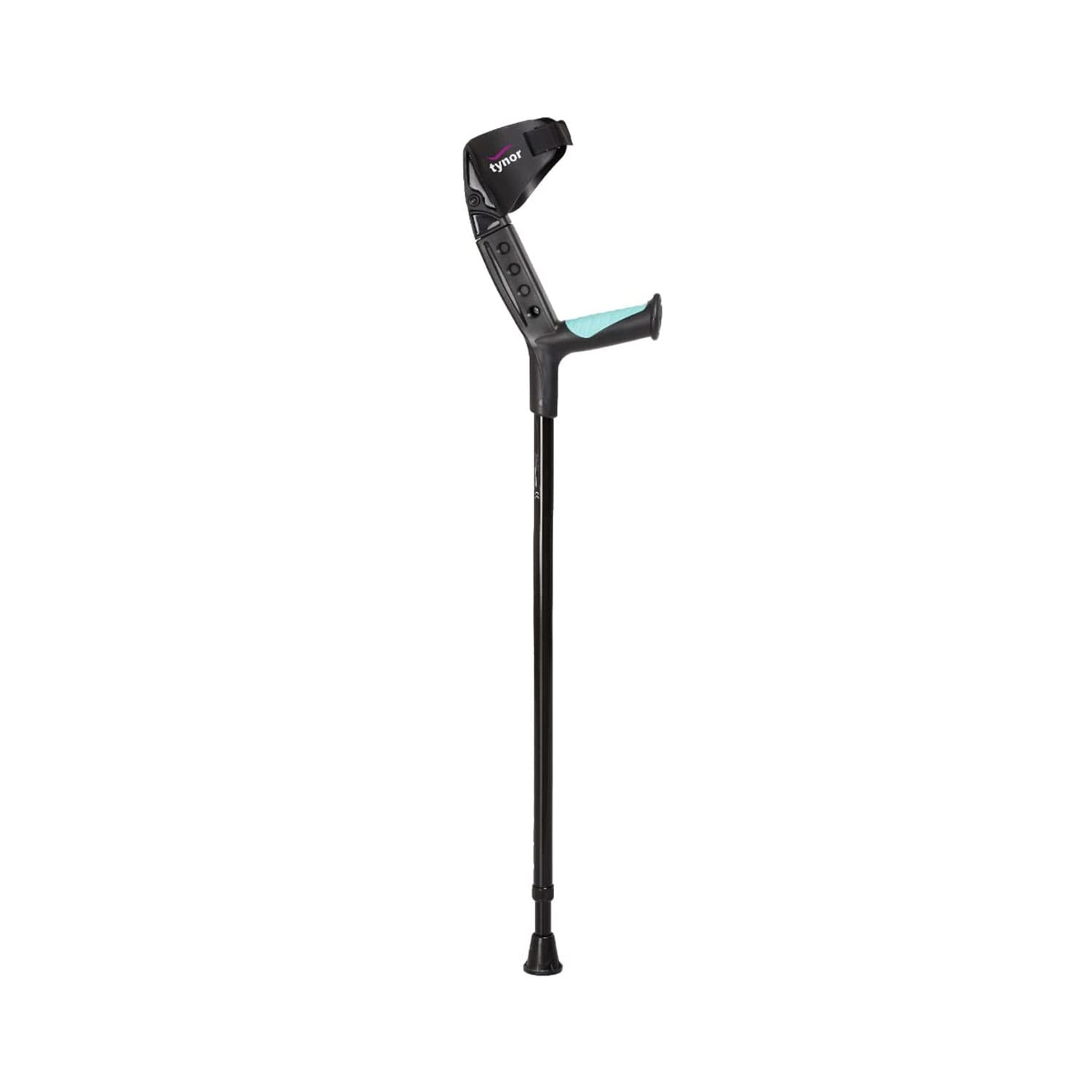
Sometimes called Canadian crutches, these come with a cuff around the forearm for extra control and get chosen more often for longer term or permanent use. The cuff holds the crutch to the arm even if the hand lets go of the grip for a moment.


How to Choose the Right Crutches


What works best depends on the injury itself, how long the patient will need support, and their upper body strength. Underarm crutches make sense for short term recovery from a sprain or fracture, while forearm crutches suit extended or ongoing mobility needs where the arms need more freedom to move.


Getting the Right Crutch Height


With the crutch tip placed about two inches out and slightly in front of the foot, the top pad should land roughly one to two finger widths below the armpit. The handgrip needs to allow a slight bend at the elbow, since setting it too high or too low tends to cause poor posture and discomfort with use.


How to Use Crutches Safely


Weight needs to go through the hands and arms, not the armpits, because pressing down on the pads directly can compress nerves over time. On stairs, the unaffected leg goes first going up, and the injured leg goes first coming down, a simple rule that keeps balance steady on steps.


Common Mistakes to Avoid When Using Crutches


Resting body weight on the armpit pads instead of the hands is one of the most frequent mistakes people make, and it can lead to nerve compression if kept up for a while. Crutches set at the wrong height often bring on back or shoulder strain, and moving too fast on stairs or uneven ground raises the chance of a fall considerably.


Gutter vs Underarm vs Forearm Crutches


Gutter crutches fit patients with weak grip strength who need support through the forearm rather than a handgrip. Underarm crutches remain the standard pick for general short term recovery, while forearm crutches give more freedom of movement to those who need longer term or ongoing support.
 

Frequently Asked Questions

  • Standing upright with the tips positioned correctly, there should be a small gap of one to two finger widths between the top pad and your armpit.
  • Leaning on crutches the wrong way puts prolonged pressure on the armpit and can compress nerves, so weight should always travel through the hands and arms instead.
  • It depends on the injury, anywhere from a few weeks for a minor sprain to several months for a fracture, based on the treating doctor's advice and how recovery is going.
  • Forearm crutches allow more mobility and get preferred for longer term use, while underarm crutches are simpler and more familiar for shorter recovery periods.
  • Yes, the "good leg up, bad leg down" approach, combined with holding the railing where you can, makes stairs safer and easier to manage.
  • Ongoing hand or wrist pain is often a sign the crutches need a height adjustment, or that a different type, like forearm crutches, might suit you better.