

h
Harish B.
Posted on Oct 28, 2026
4
Age 52 · Chennai, Tamil Nadu
Honest quality!
Good experience overall, may buy again. Better than a similar product I tried before. My mother uses it too and finds it easy. Overall, I am happy with this purchase.


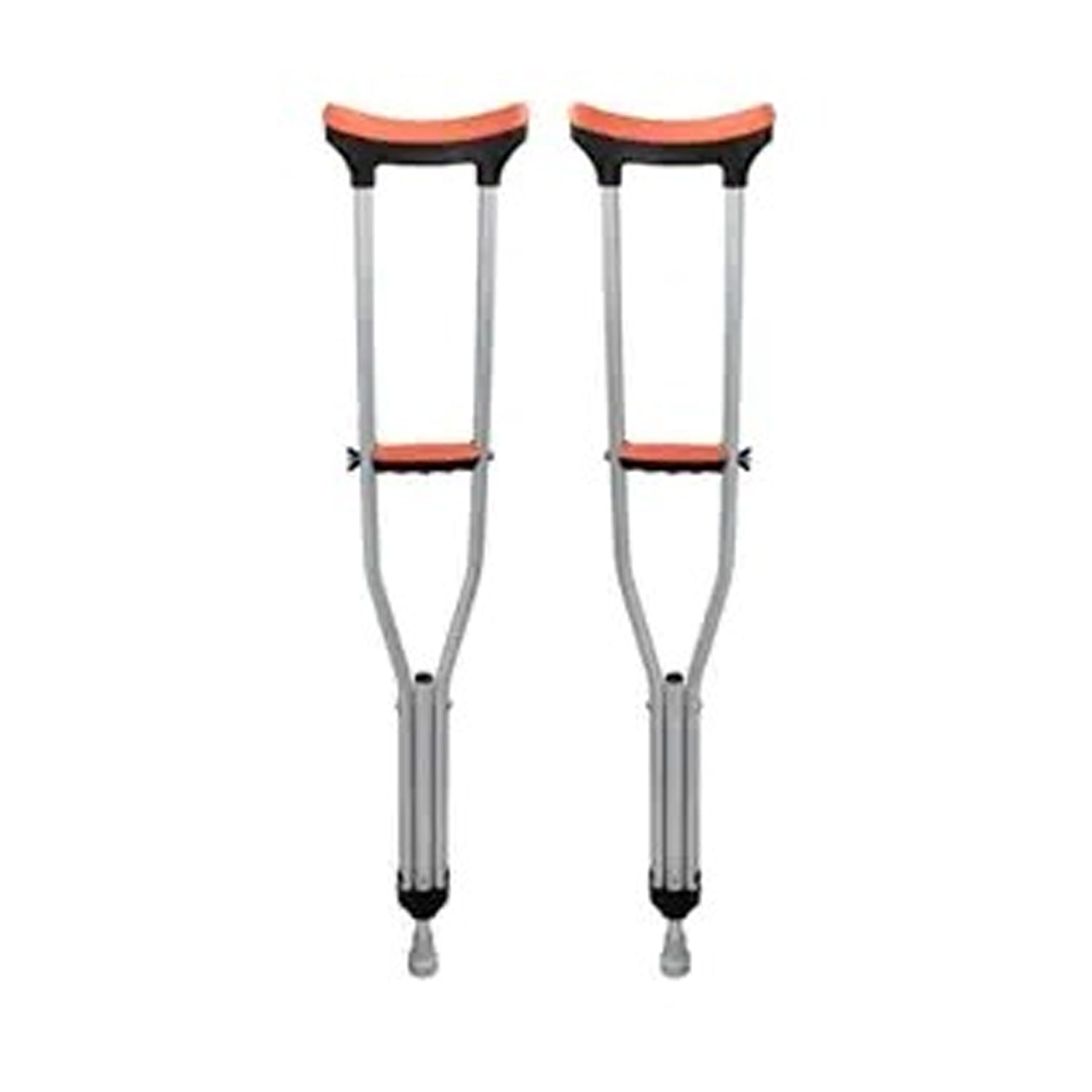
Crutch is used in case of amputation or neurological disorders
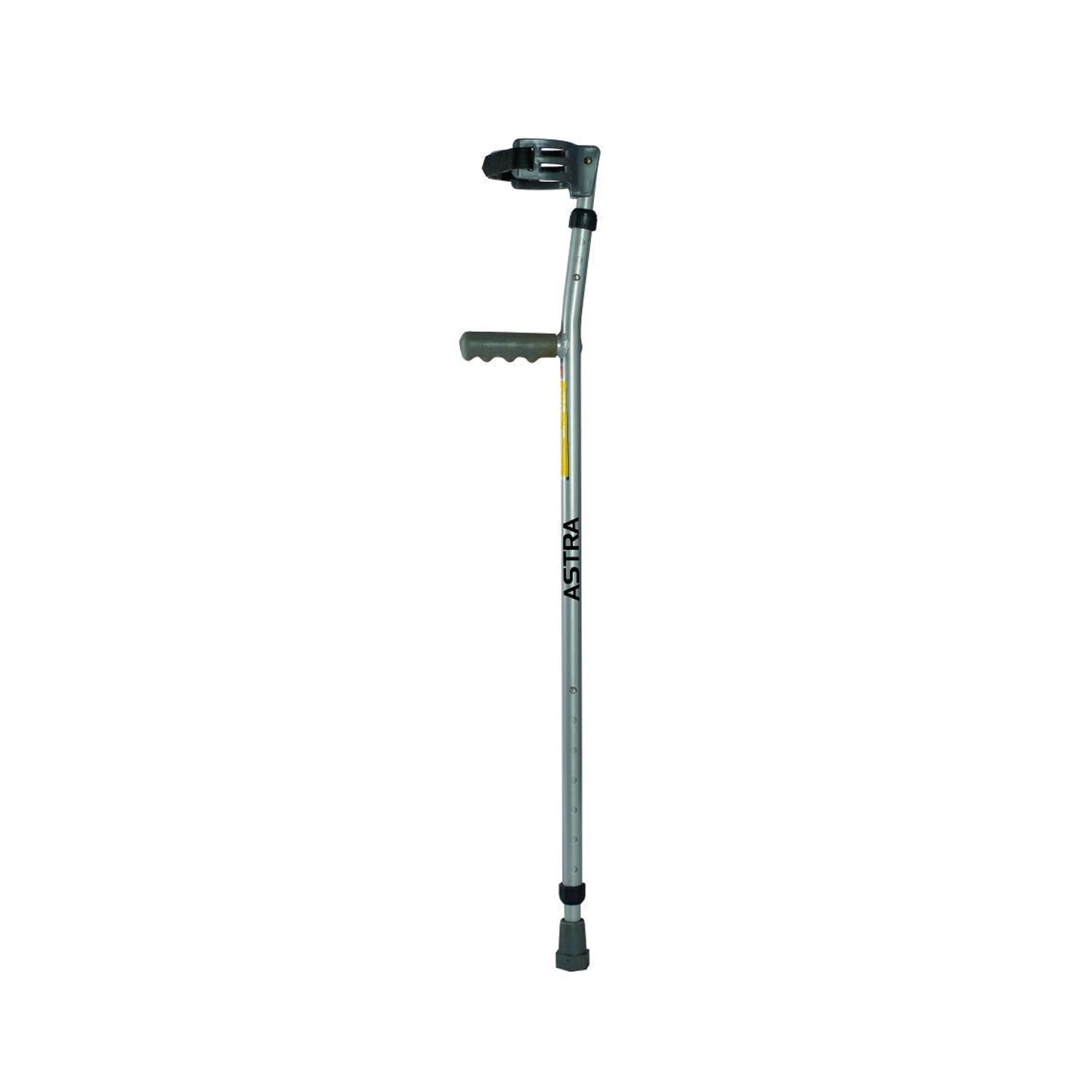
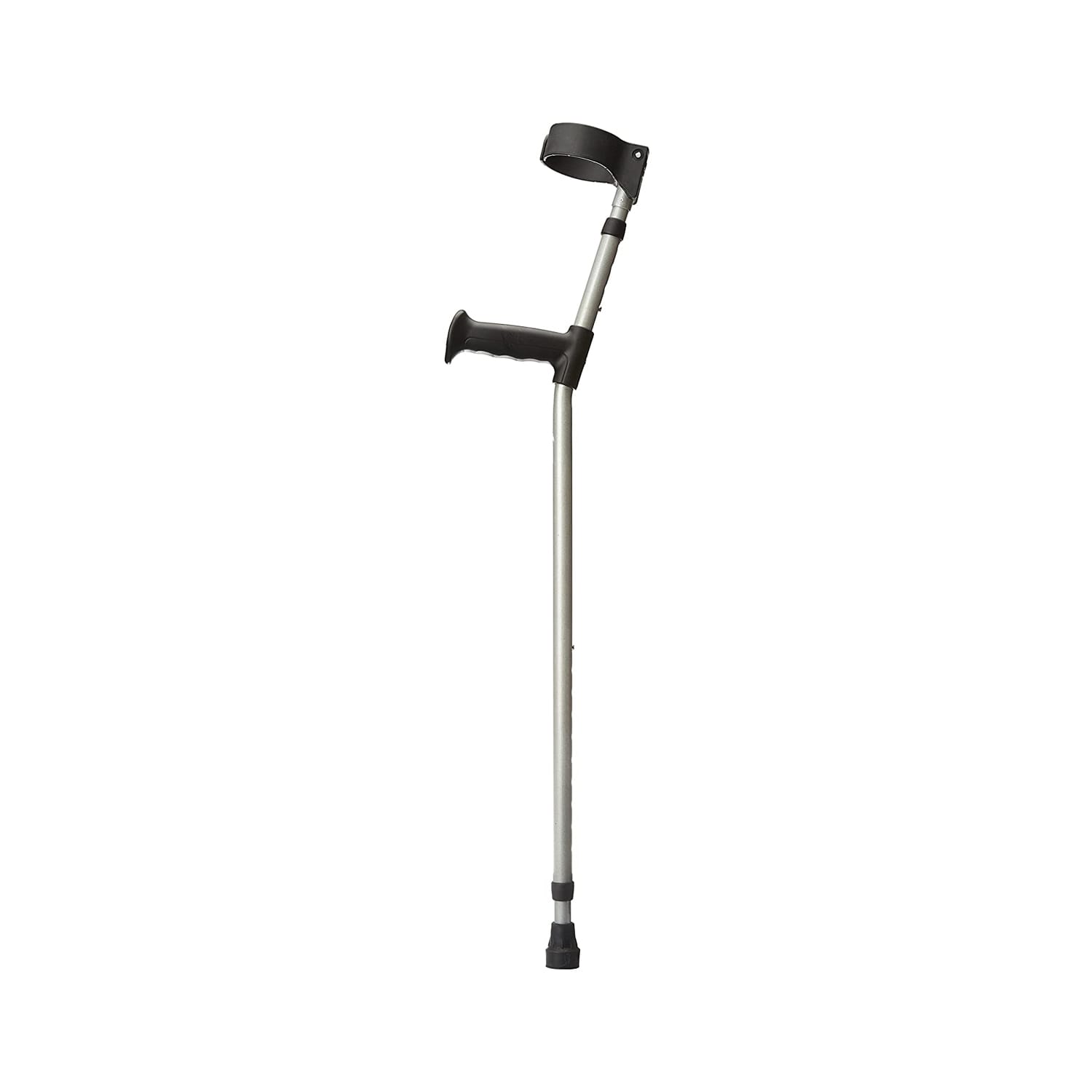
Auxiliary crutch is useful in cases of hemiplegia or foot drop
The product is strong and light weight made of aluminum alloy
Scientifically designed pod for ground grip and traction
Height adjustment can be done easily and quickly
Auxiliary Crutch has mobility assistance for shifting weight from the legs to the arms or shoulders.
They are used for leg injuries such fractures, paralysis, muscle and nerve damage, strains, and sprains as well as for post-operative rehabilitation after hip, knee, and ankle surgeries.
Crutches are made of a high-strength aluminum alloy frame, which is sturdy, long-lasting, and capable of supporting a lot of weight. Anodized for a long-lasting, excellent finish, and ideal appearance.
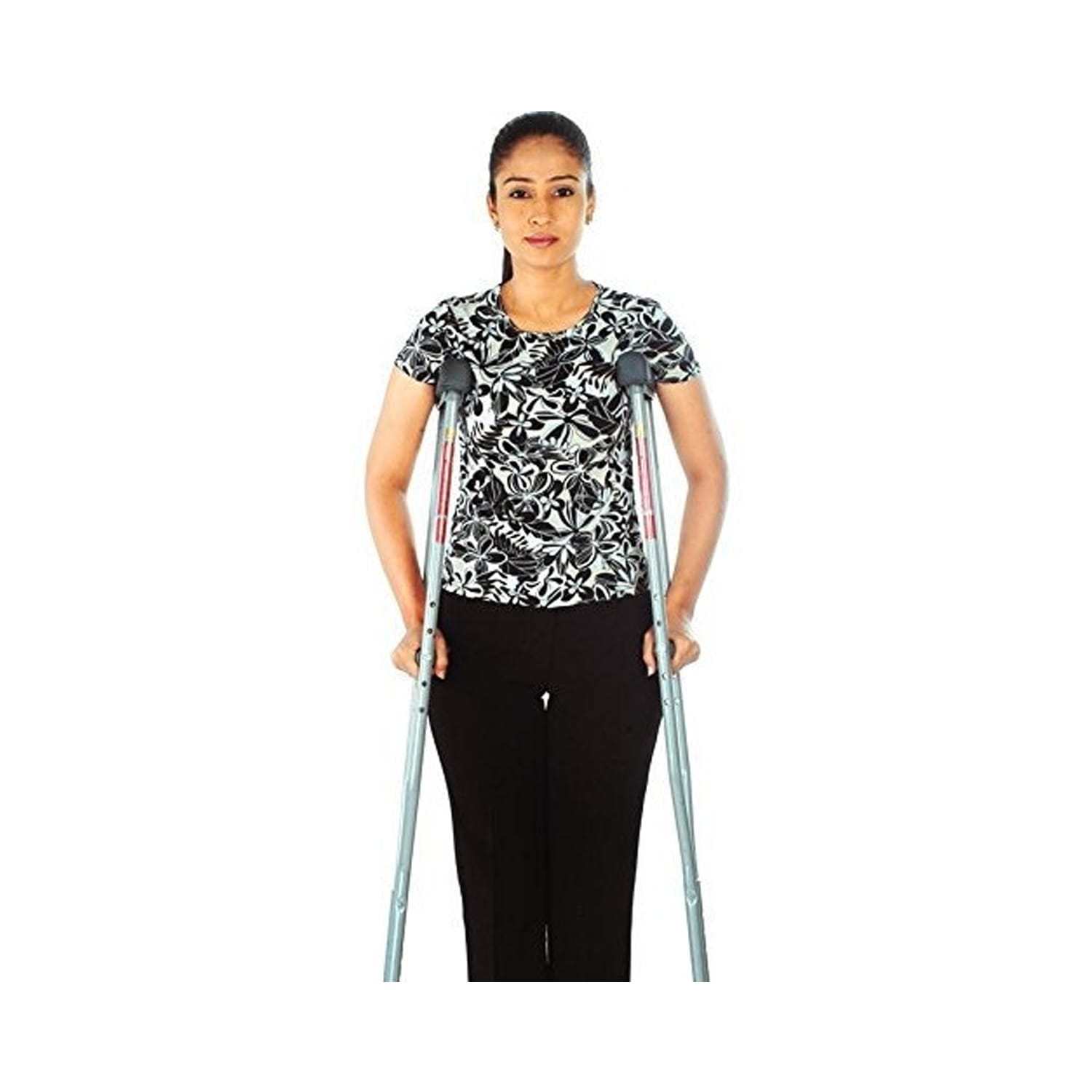
Underarm pads with anatomical contours are constructed of high-quality, robust elastomer with a long functional life, an excellent cushioning coefficient, and a nice feel.
The broad top of the double-molded, anatomical hand grip increases user comfort and pleasure.
Step 1: Set the crutch's height and hand grips to your comfort.
Step 2: Place your hands instead of your armpits to bear the weight of the crutches as you squeeze them between your upper arms and ribs.
Step 3: Move the crutches and advance the afflicted leg (align the foot with the crutches).
Step 4: Step first with your stronger leg.
Steps 3 and 4 should be repeated.
When you're walking, try to keep your back straight.
Don't rest your armpit on your crutches.
Size | Inches | CM |
Small | 4’3” – 4’11” | 129.5 – 149.9 |
Medium | 4’11” – 5’7” | 149.9 – 170.2 |
Large | 5’7” – 6’3” | 170.2 – 190.5 |


Using crutches the wrong way can slow your recovery. Learn proper fitting, posture, and walking techniques to move safely and avoid strain while healing.
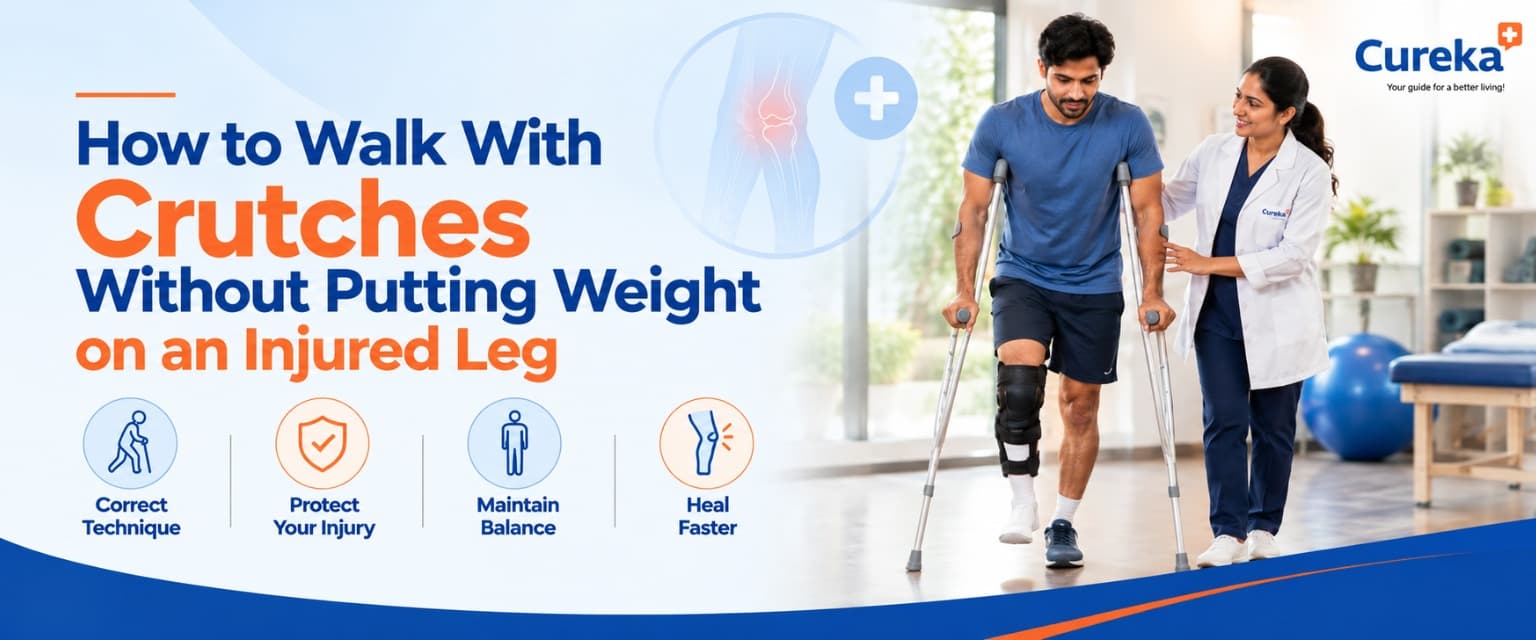
Trying to keep weight off an injured leg while using crutches? This simple guide walks you through the right technique, step by step.
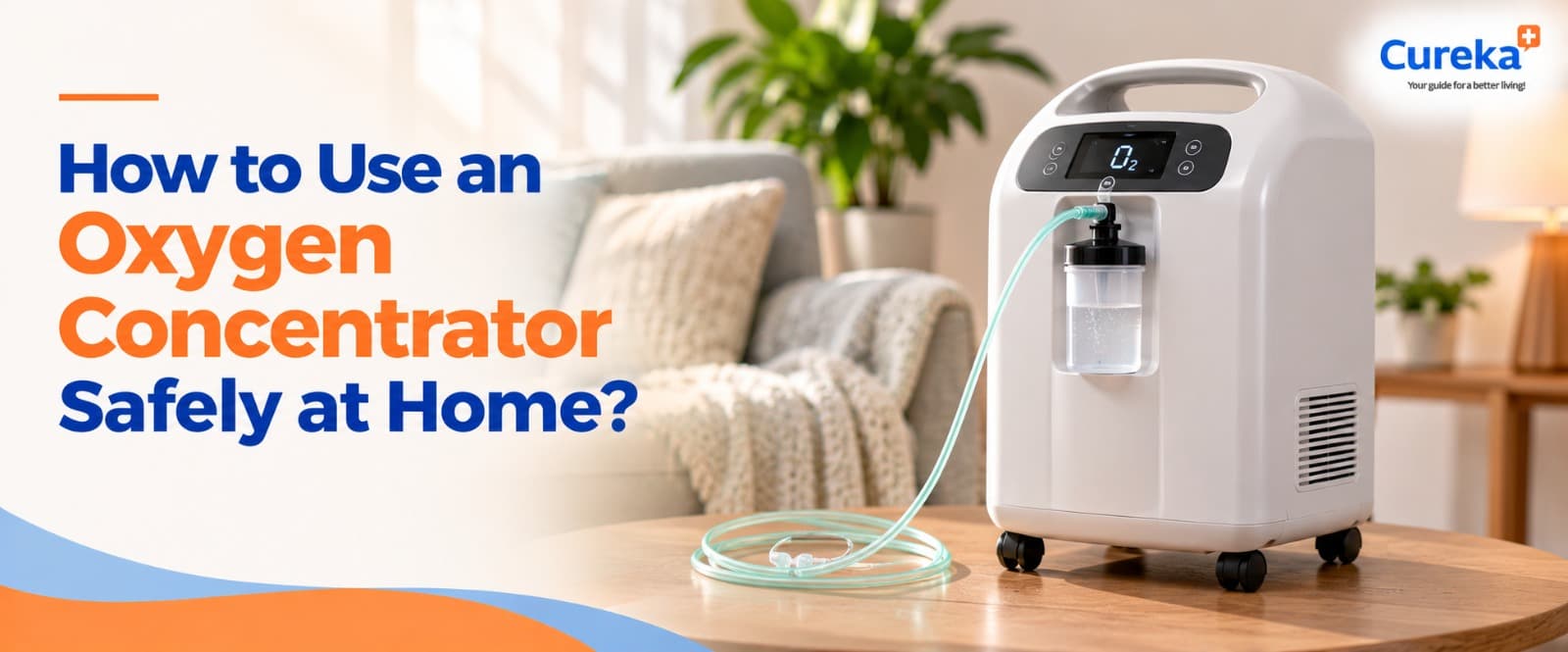
New to home oxygen therapy? Here’s how to set up, use and care for your concentrator safely.

Want your BiPAP to work well and last longer? Here is a simple, step-by-step guide to cleaning your mask, tubing, and humidifier at home.