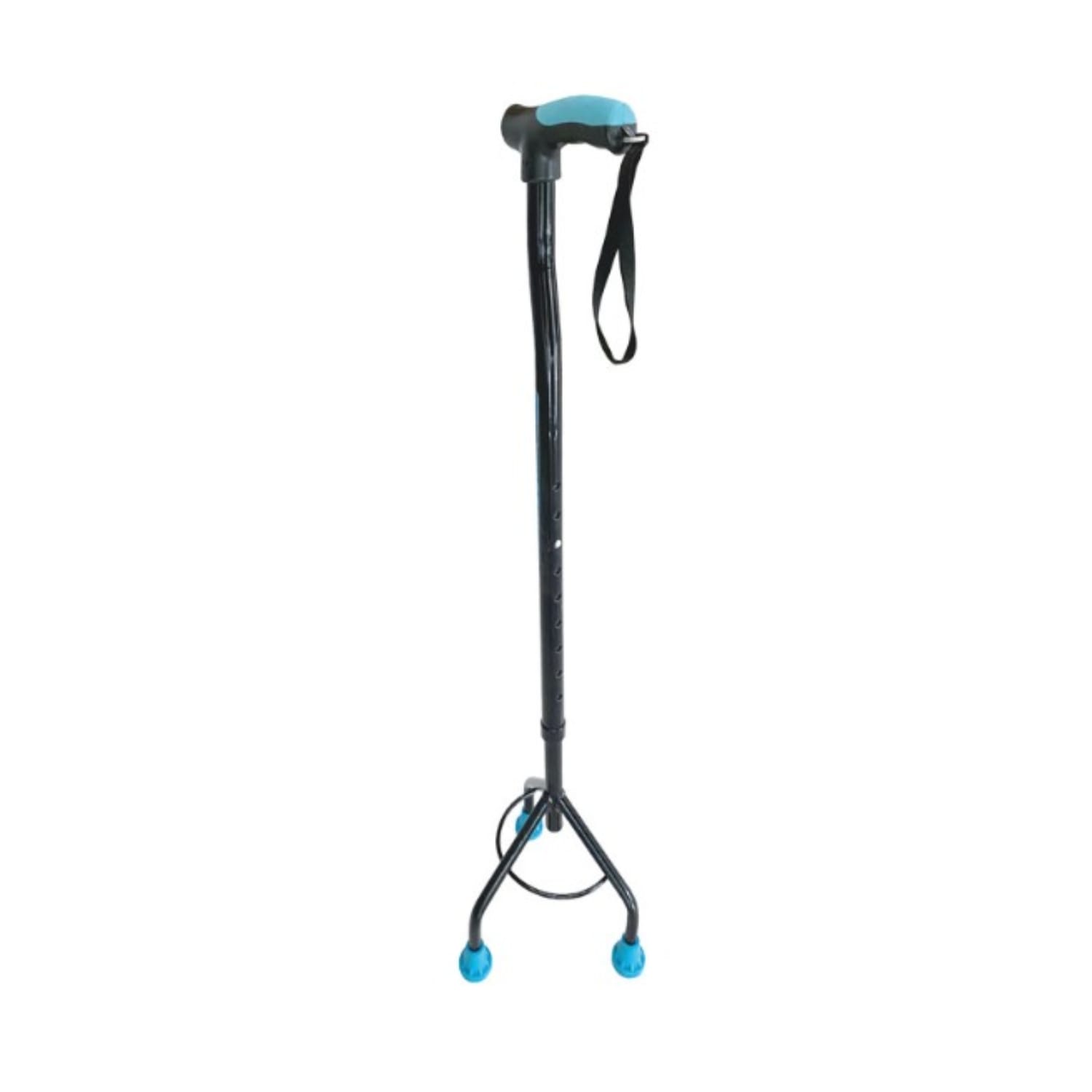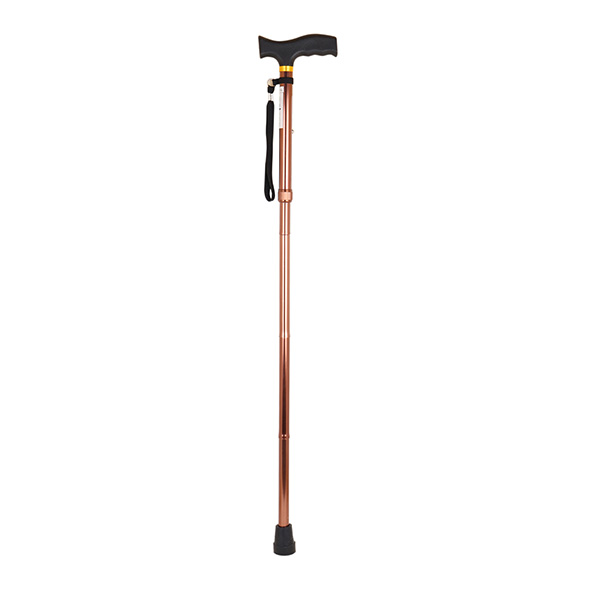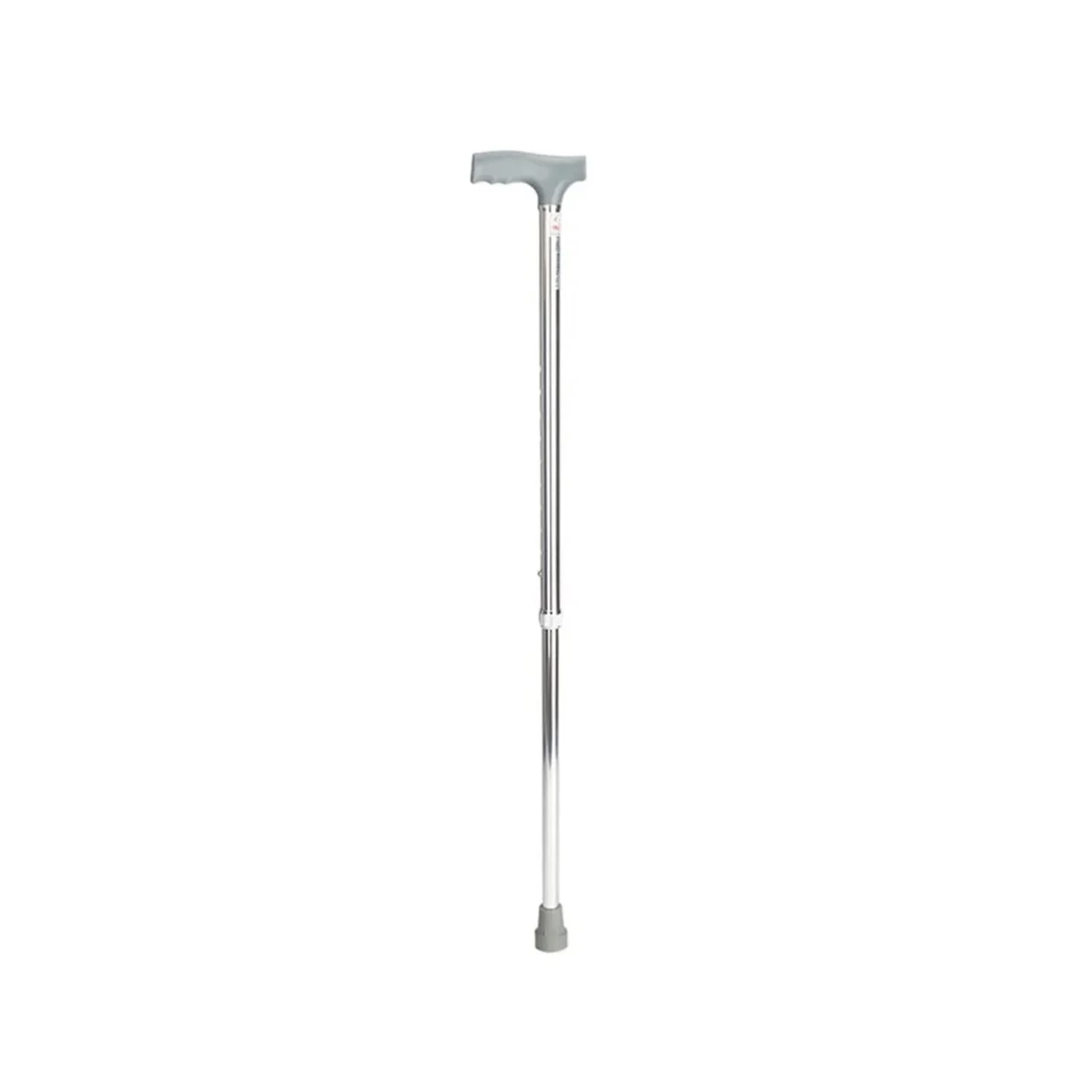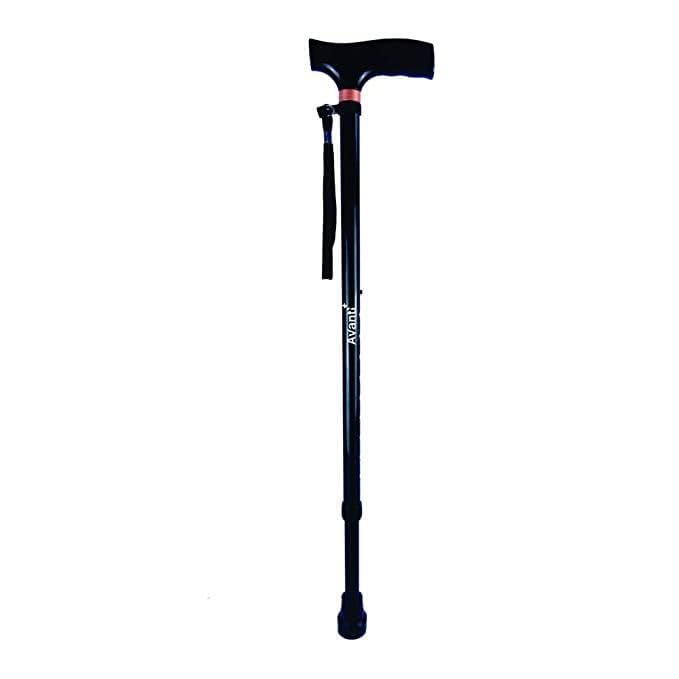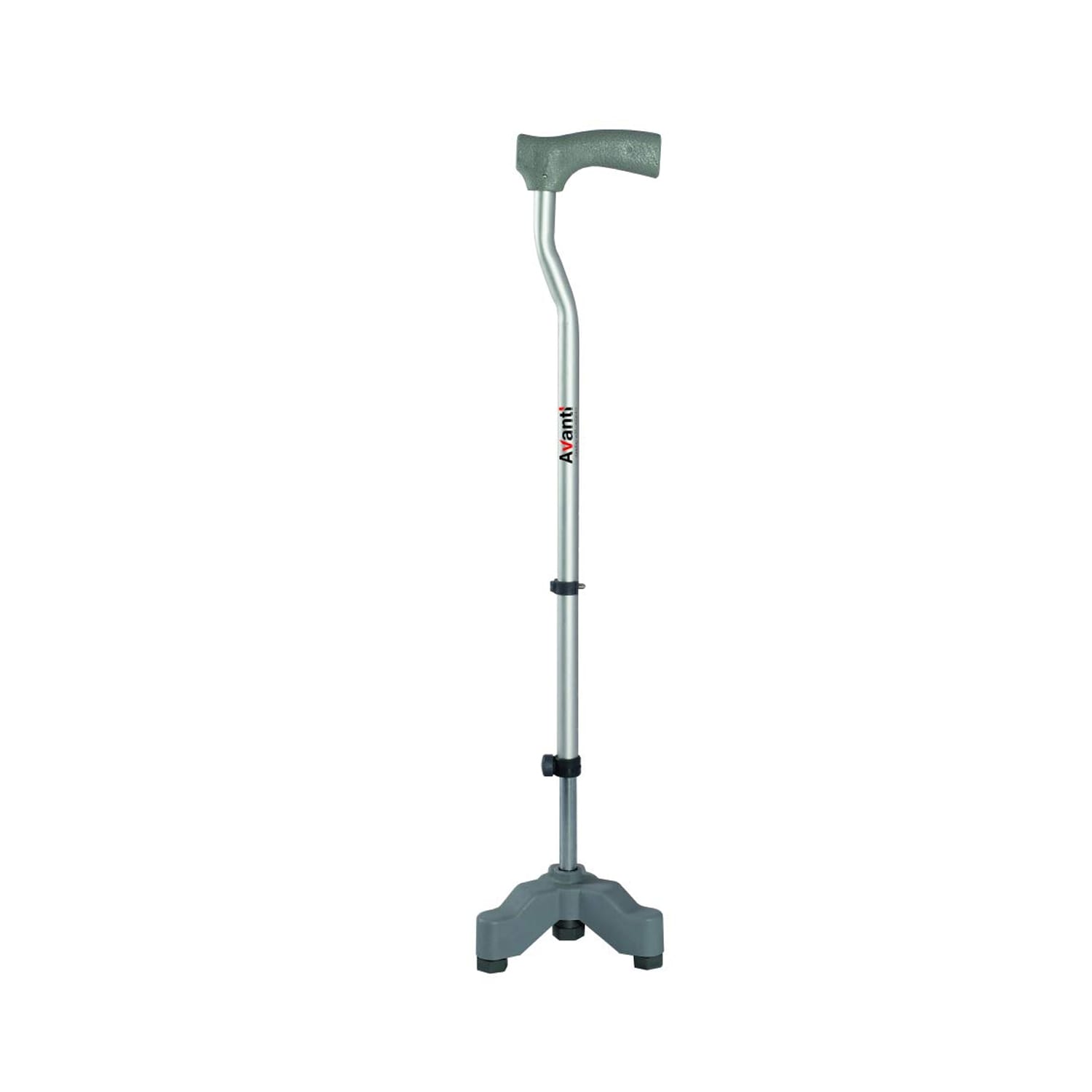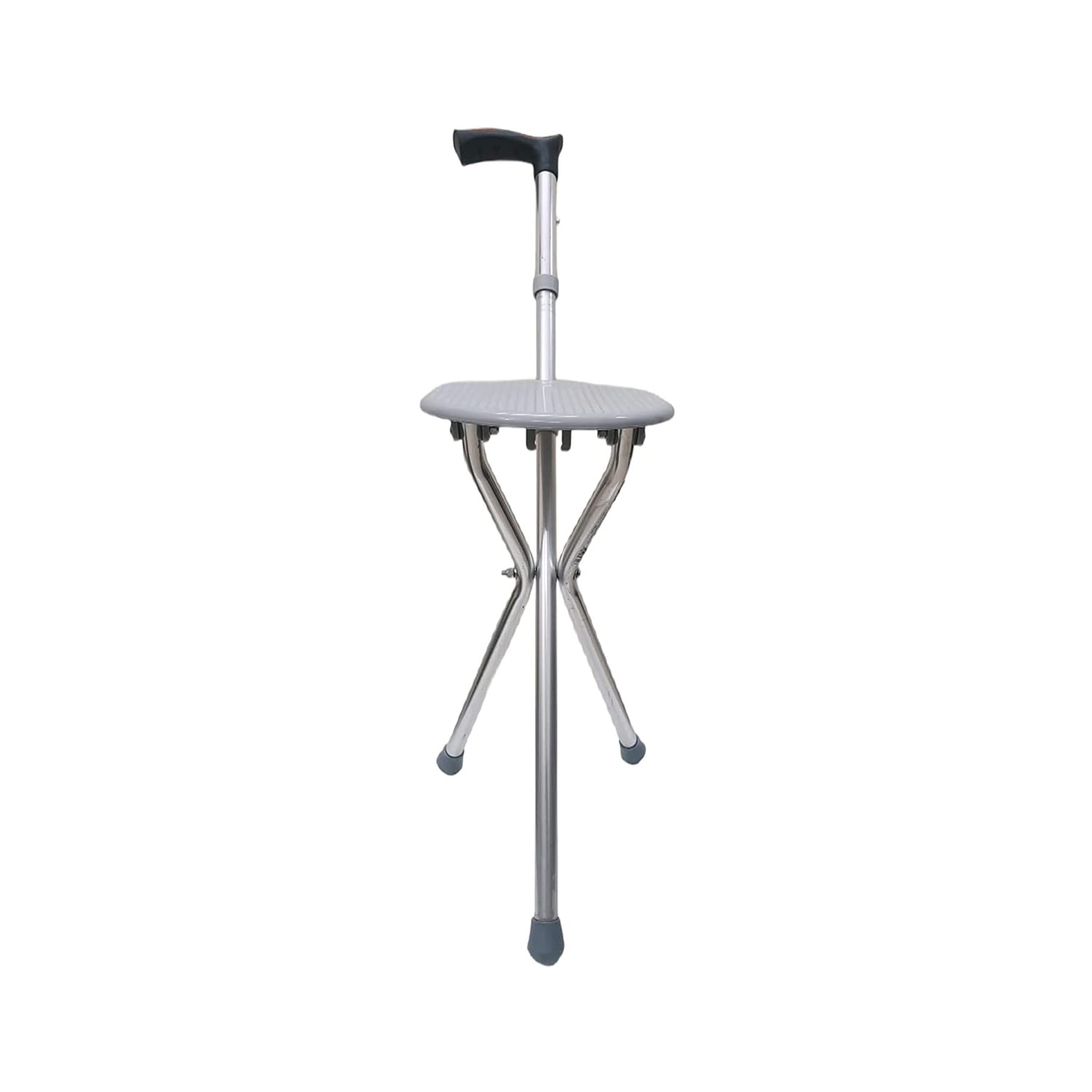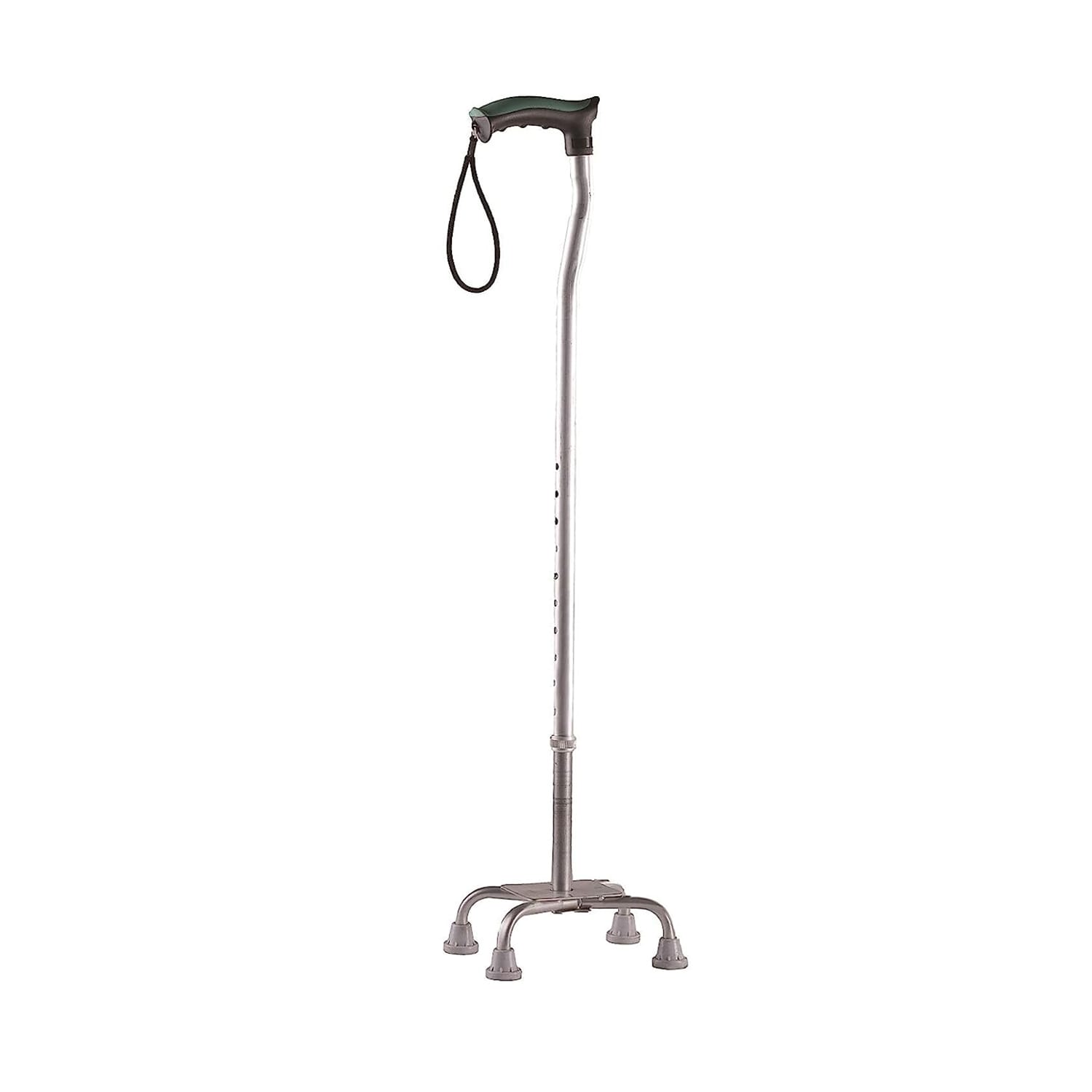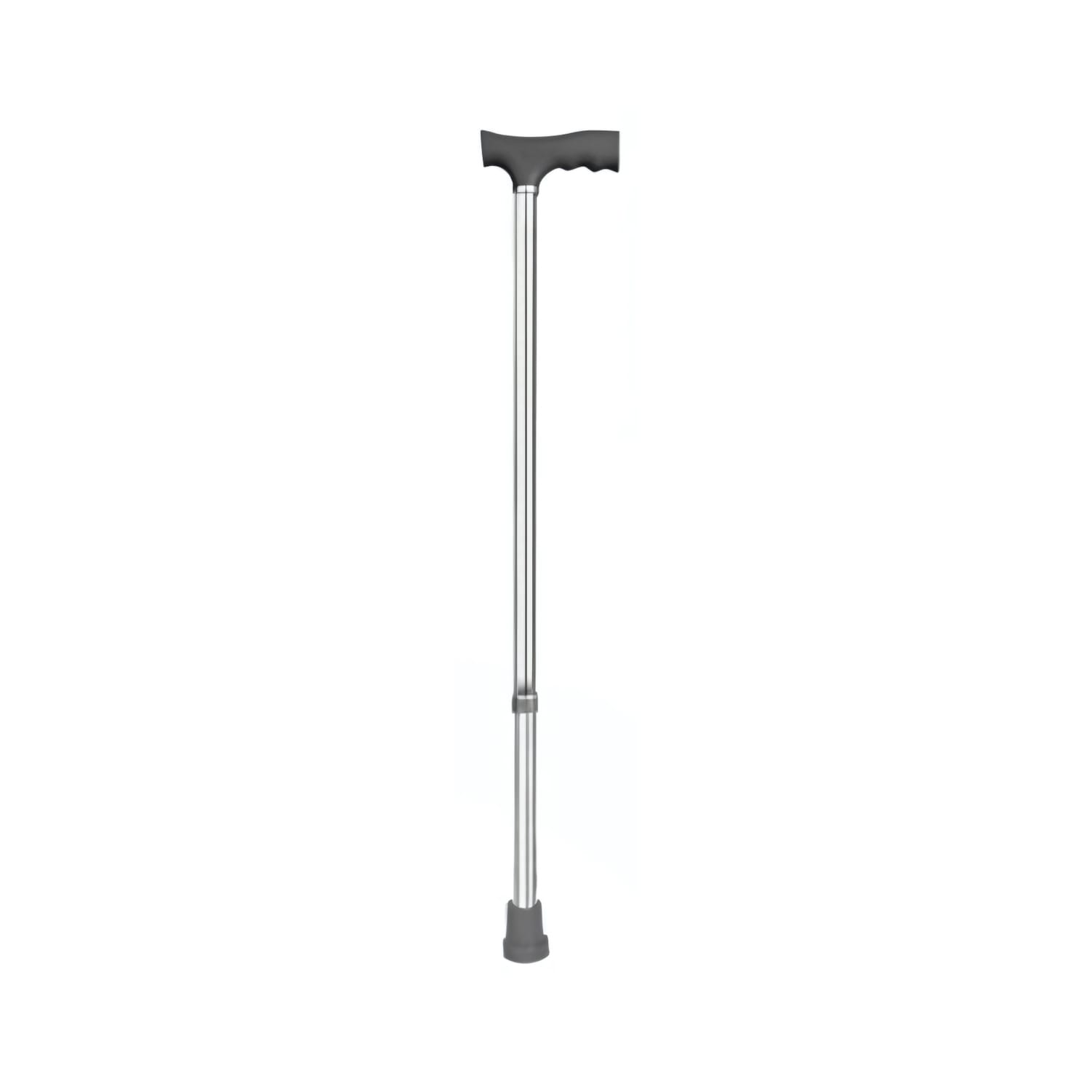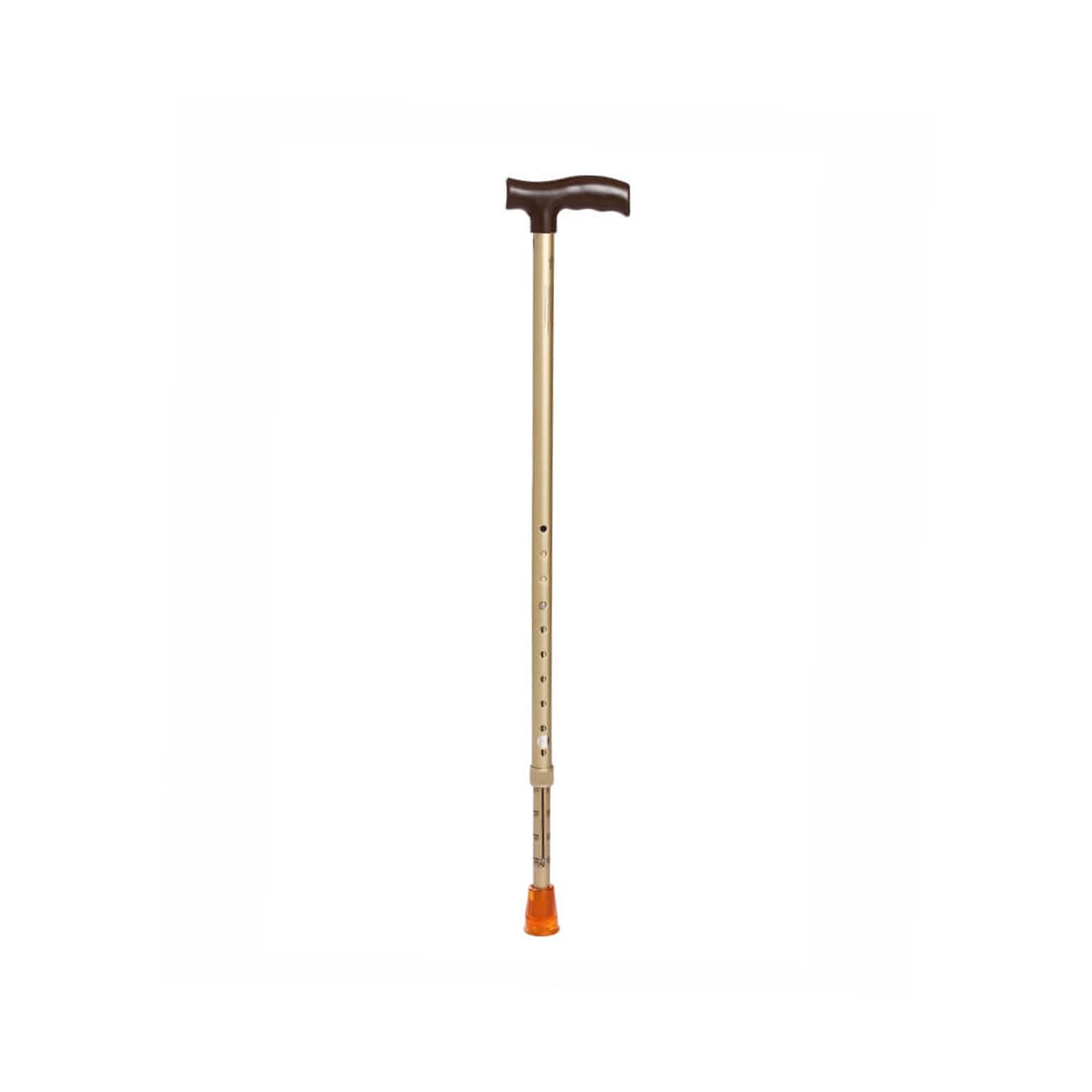


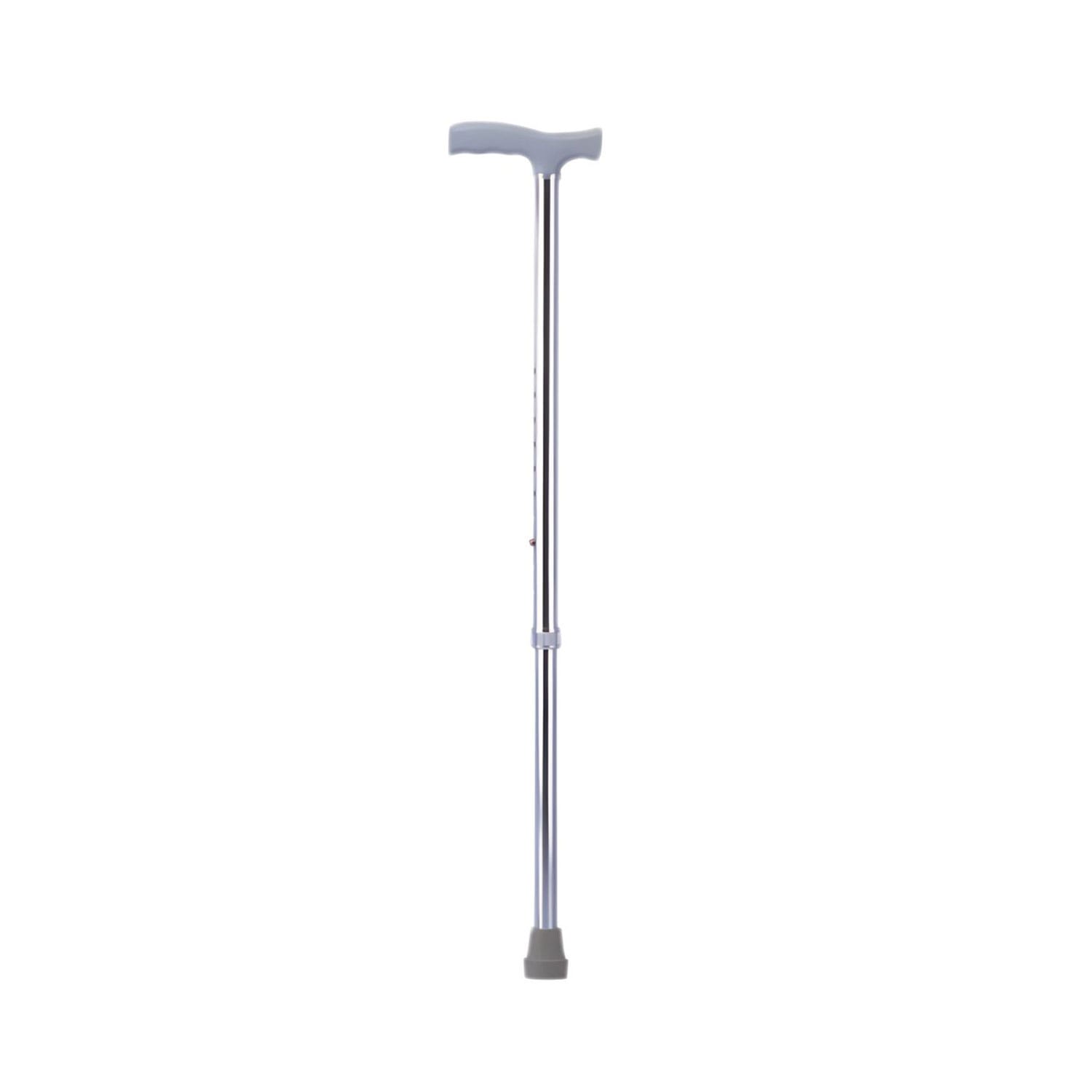
Healthshine Single Leg Walking Stick HS 920L
Healthshine
₹71110% off₹790
A walking stick gives people a bit of extra balance and support when they're dealing with weakness, injury, or the mobility changes that come with age, easing the strain on the legs during everyday movement. It's usually the first mobility aid people reach for when they only need mild extra support.
The simplest design out there. Light support, good for people who just need a little help with balance and aren't looking to redistribute much weight.
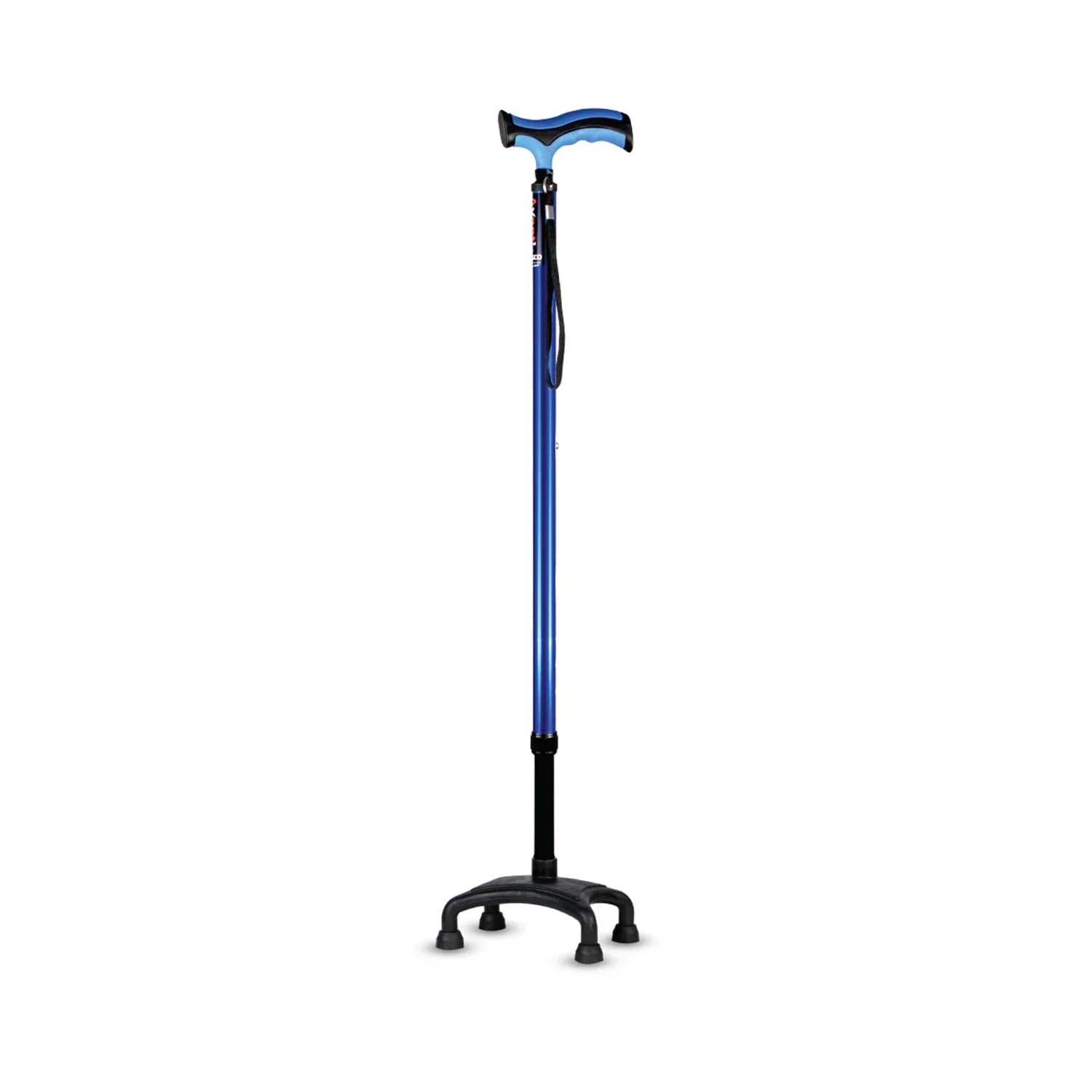
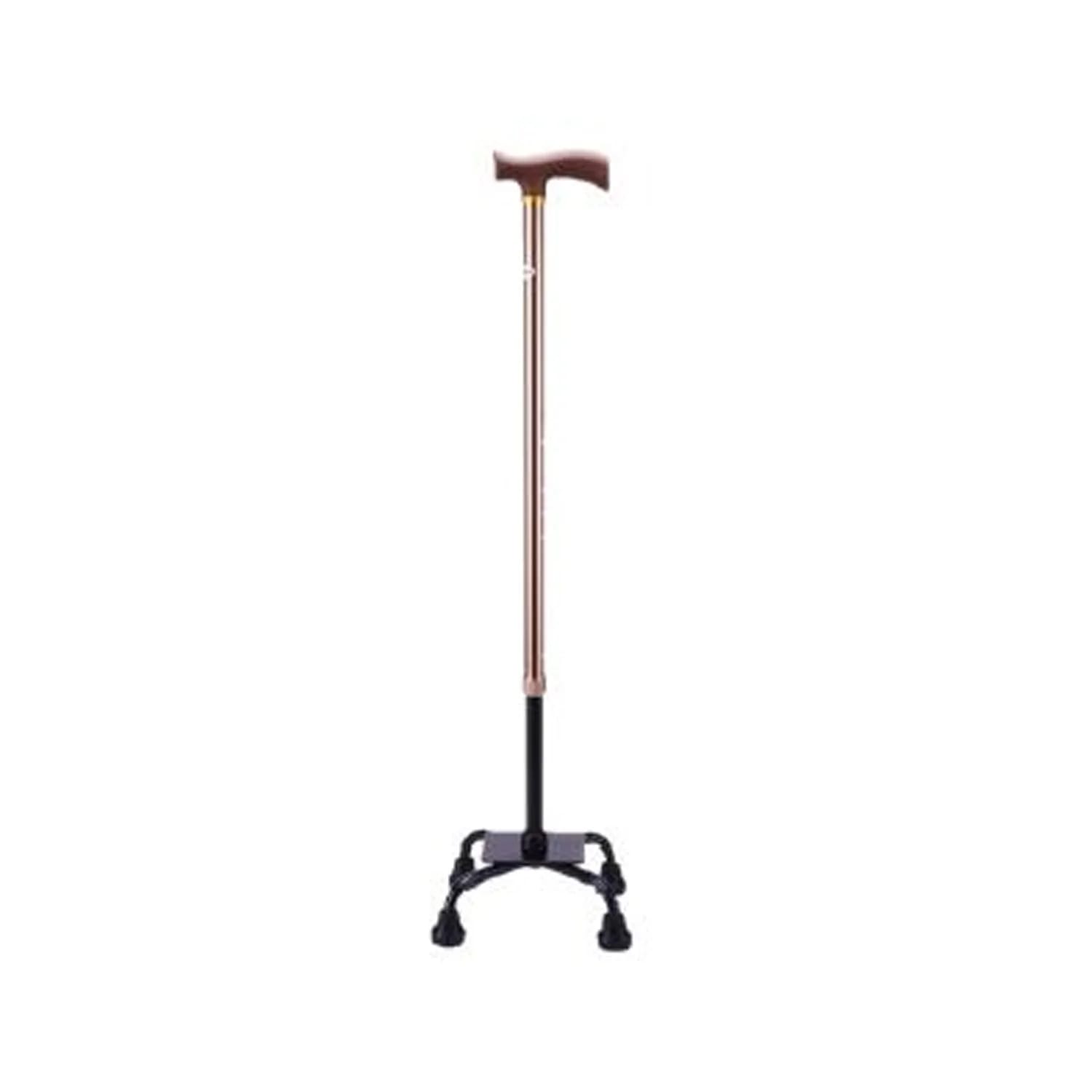
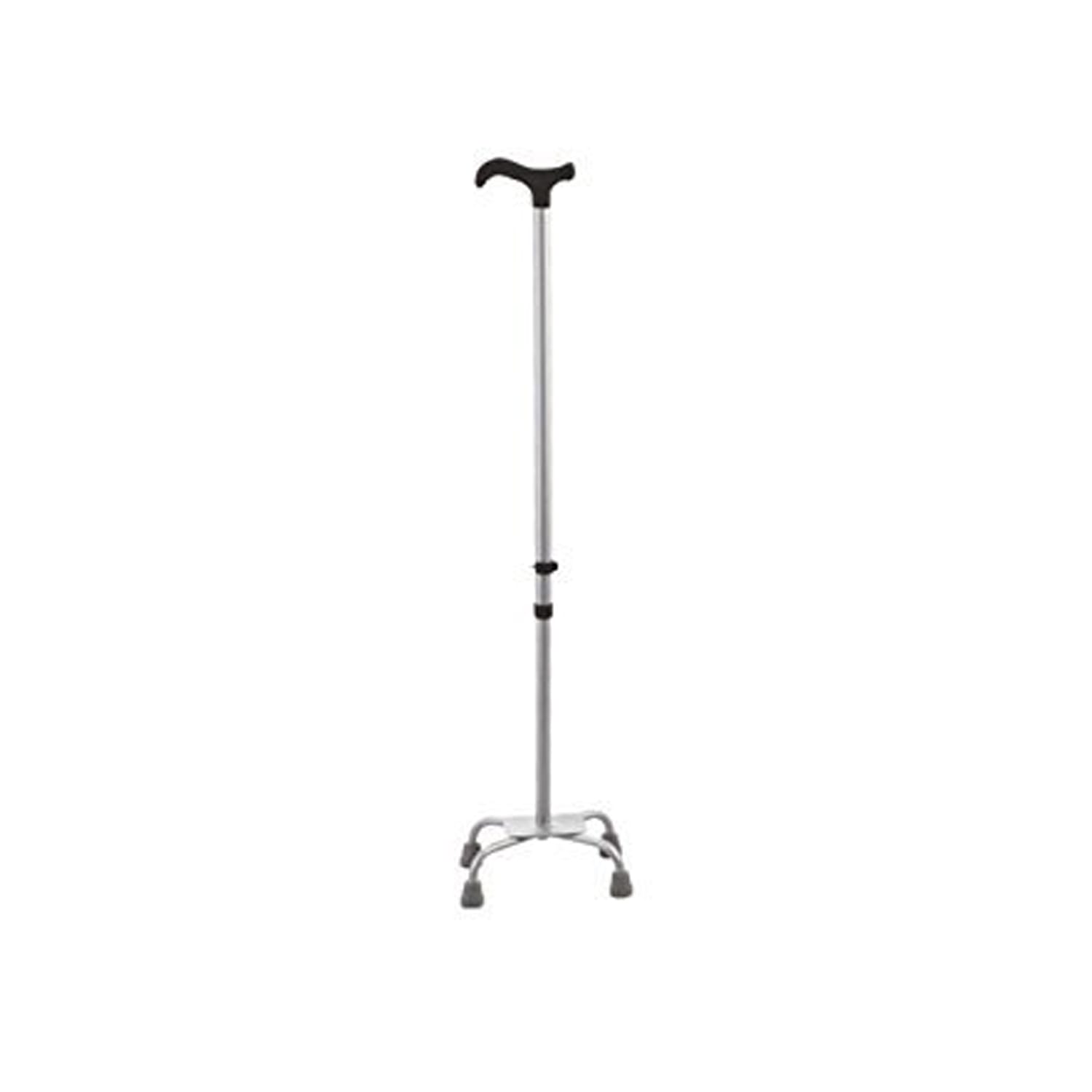
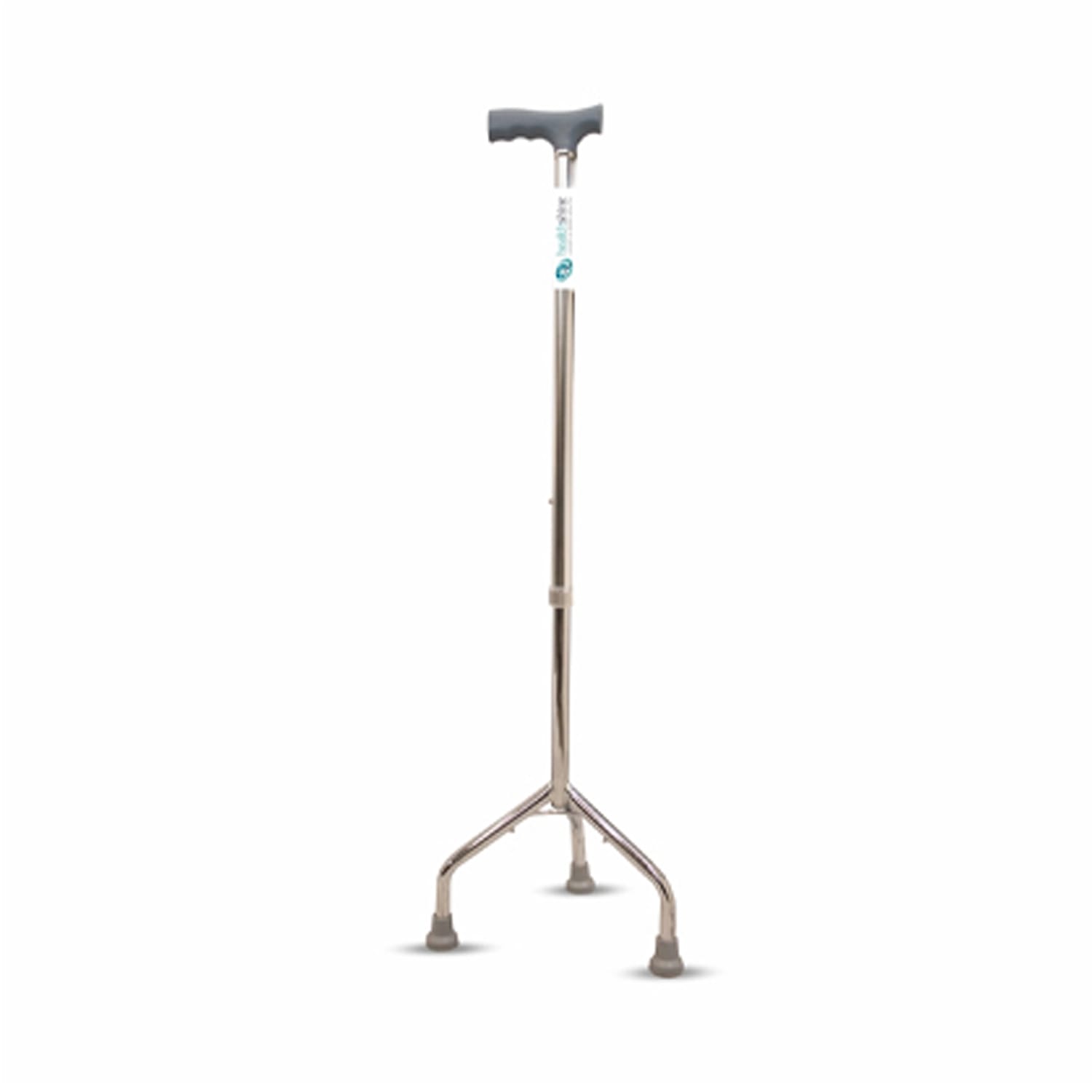
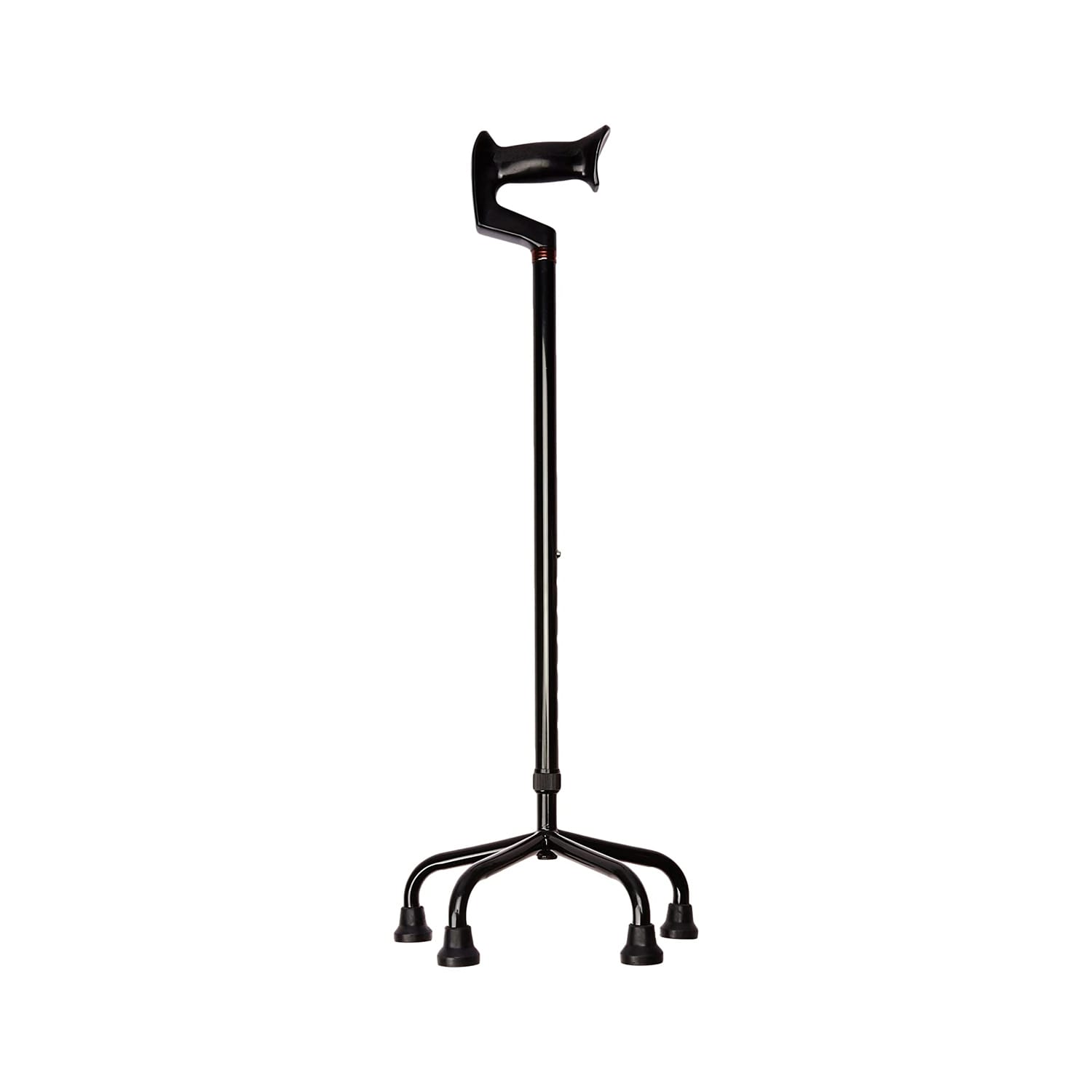
Three or four feet at the base instead of one, which means more stability for anyone with bigger balance concerns, especially on uneven ground.
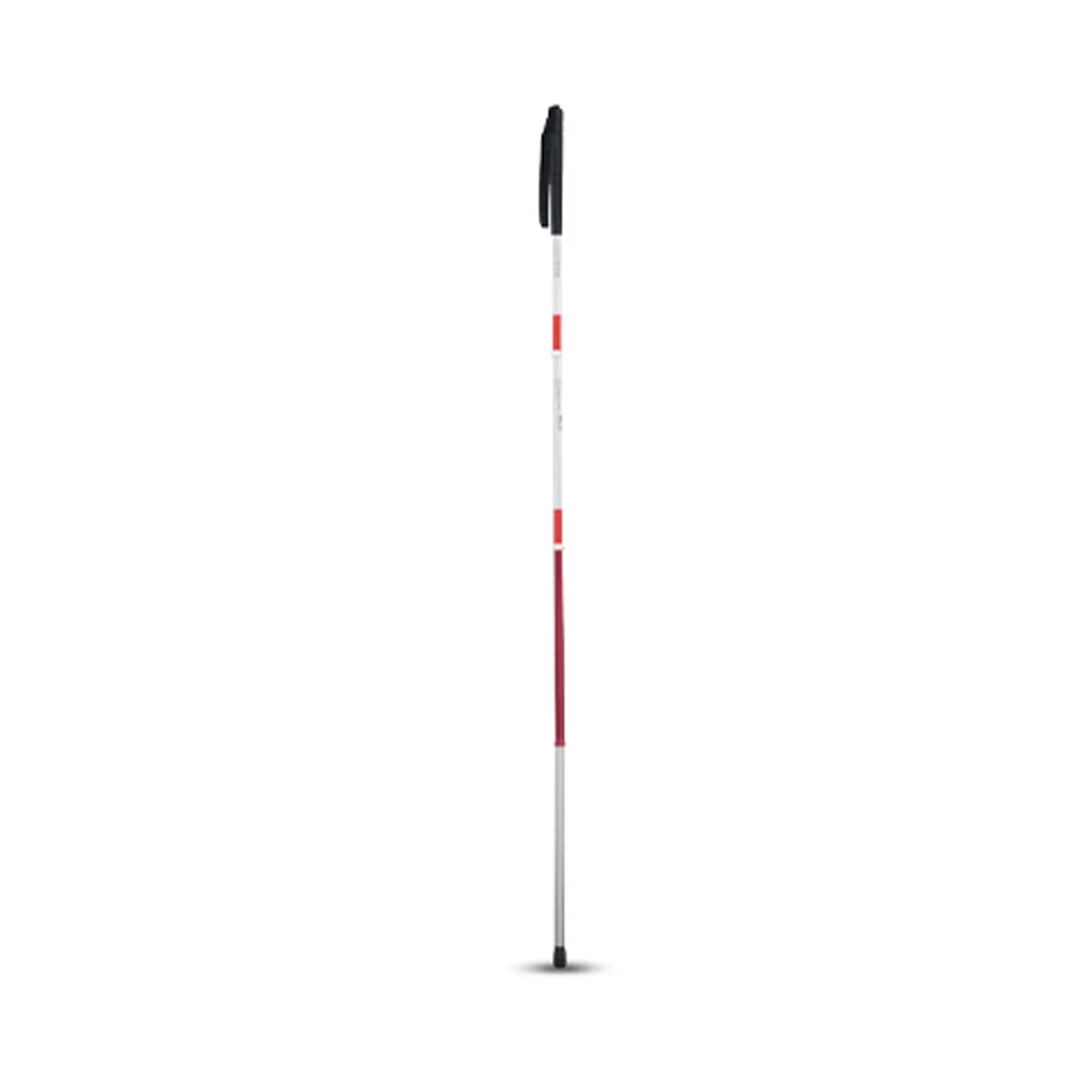
Built to collapse down for storage or travel. Not really meant for constant daily use, more for the occasional trip out.
Come with ergonomic or padded handles, which helps if you're gripping the stick for long stretches throughout the day.
Often recommended during recovery from surgery or an injury, when the leg needs only partial weight-bearing for a limited time.
Adjustable height, ergonomic grips, built to take some strain off the joints for people dealing with arthritis or similar ongoing conditions.
Helpful for leg weakness, whether it's temporary or chronic, since the added balance cuts down the risk of falls during daily activities.
Usually paired with a wider, more stable base, meant for everyday use around the house and outside, so there's a bit more confidence with each step.
Quadripod sticks tend to be the go-to here. That wider base gives more stability during weight-bearing movement.
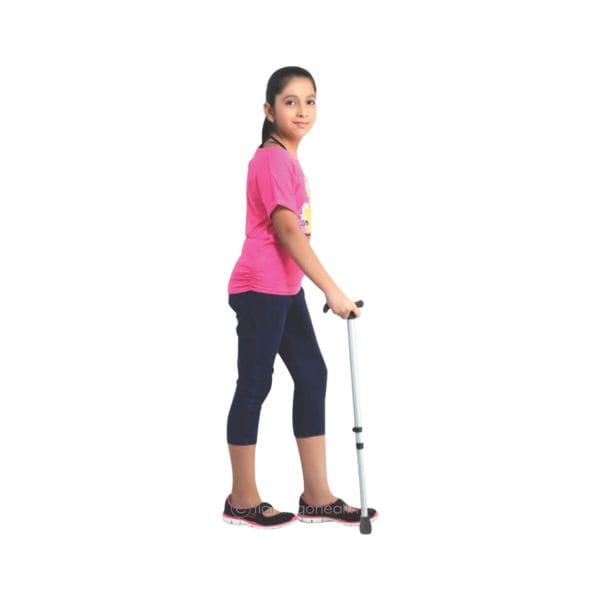
Using the stick on the stronger side helps make up for weakness on the affected side, keeping the gait a bit more even.
Single-leg or tripod sticks help shift weight away from the leg that's healing during recovery.
The handle should line up with the wrist when your arm's hanging naturally at your side. Adjustable models let you fine-tune this as things change.
Foam-padded or ergonomic handles cut down on hand fatigue, especially for people using the stick all day rather than now and then.
A wider or multi-point base adds stability, though it can be a bit clunkier to manage in tight spots like narrow hallways.
Lightweight materials, aluminium especially, make the stick easier to carry and use for longer without wearing you out.
Price mostly comes down to material, adjustability, and base design. Basic single-leg sticks are the cheapest way in, while quadripod or orthopedic versions with ergonomic grips cost a bit more, given the extra stability they offer.
Hold the stick in the hand opposite your weaker or injured leg, and move it forward together with that leg to keep your balance steady. This "opposite hand" habit is one of the first things worth getting right for safe, confident walking.
Type: Single-Leg
Key difference: Lightest, minimal support
Best suited for: Mild balance needs
Type: Tripod/Quadripod
Key difference: Wider base, more stable
Best suited for: Higher fall-risk users
Type: Foldable
Key difference: Collapsible for travel
Best suited for: Occasional or travel use