
Cureka — Your guide for a better living!
Cart
INDIA'S 1ST PREVENTIVE HEALTHCARE STORE – CURATED BY DOCTORS!|

Use Antibiotics Judiciously

Dr. Hema Sathish, Dermatologist

Medically Reviewed By

Dr. Hema Sathish, M.B.B.S., D.D (UK)

Dermatologist • Founder of Cureka

Reviewed for medical accuracy and evidence-based information

Antibiotics resistance is due to overuse of antibiotics by patients and cannot be prevented by completing a course.

17th Nov 2017•2 Min read+Cureka Editorial

“Seek advice from a Qualified Healthcare professional before taking antibiotics”

Antibiotics are a wonder discovery of the 20th century. It has been a boon for many decades to treat bacterial infection, improve quality of life and increase life expectancy. Today this has become a major issue worldwide due to antibiotic resistance.

Reasons for Antibiotic Resistance:

Antibiotics are prescribed to kill the bacteria which is causing the infection, but only some bacteria present. For example when a child has cold the infections due to viruses and when one consumes antibiotics it encourages antibiotic resistance among the bacteria that normally inhibit in that child’s intestinal tract. Later if this child develops a bacterial infection those bacteria will be resistant to the antibiotics that were used unnecessarily earlier.

If Antibiotics an Overused it Leads to:

  • Increase of Antimicrobial resistance
  • Increase of more severe diseases
  • Increase of long term diseases
  • Increase of risk of complications of diseases
  • Increase of health care costs
  • Increase Mortality Rate
  • Increases risk of adverse effects of the medications

Tips to Avoid Possible Antibiotic Resistance

  • Consuming antibiotics when there is a clear indication for the treatment of bacterial infections.
  • Never treat cold or viral infections with antibiotics.
  • Antibiotics should be administrated and taken according to the prescribed dose and for a stipulated prescribed of free as advised.
  • Infection prevention eliminates the need to use antibiotics. Newer technologies to disinfect environmental surfaces, people and food along with traditional methods seem quite effective.
  • Law enforcement to prohibit the illegal over-the-counter sale of antibiotics at pharmacies and the sale of antibiotics for humans and animals on the free market should be promoted worldwide.
  • Education and public awareness is mandatory.Interventions include the publication of guidelines, educational sessions on appropriate prescribing of antibiotics, educational sessions on the diagnosis and management of infectious diseases, review of prescribing data for practices, local interviews by pharmacists, messages included on TV, radio and other mass media, etc

Antibiotics resistance is due to overuse of antibiotics by patients and cannot be prevented by completing a course.”Stop when you feel better” should be the message given to patients


Frequently Asked Questions

  • Judicious use of antibiotics means taking them only when clearly needed for bacterial infections, in the correct dose and duration as prescribed by a qualified healthcare professional, to prevent antibiotic resistance.

  • Antibiotics are medicines used to kill or stop the growth of bacteria, helping treat bacterial infections, improve quality of life, and increase life expectancy.

  • Antibiotics should be used only for confirmed bacterial infections and not for viral infections such as cold or flu, because unnecessary use increases antimicrobial resistance.

  • Use antibiotics exactly as prescribed by a healthcare professional, following the correct dose and treatment duration to effectively treat infection and reduce resistance risk.

  • No, antibiotics should not be taken daily without medical indication, as overuse increases antibiotic resistance, complications, adverse effects, and healthcare costs.

Comments

Heart-Healthy Lifestyle Tweaks That Don’t Feel Like a Diet
Featured

Heart-Healthy Lifestyle Tweaks That Don’t Feel Like a Diet

Heart health doesn't require drastic changes. Discover simple, sustainable tweaks — from smarter plates to short walks — that protect your heart without feeling restrictive.

Read More
How Family Habits Transfer Diabetes Risk Across Generations
Featured

How Family Habits Transfer Diabetes Risk Across Generations

"Diabetes runs in my family" isn't just genetics — it's inherited habits too. Discover how lifestyle patterns pass diabetes risk down generations, and how to break the cycle.

Read More
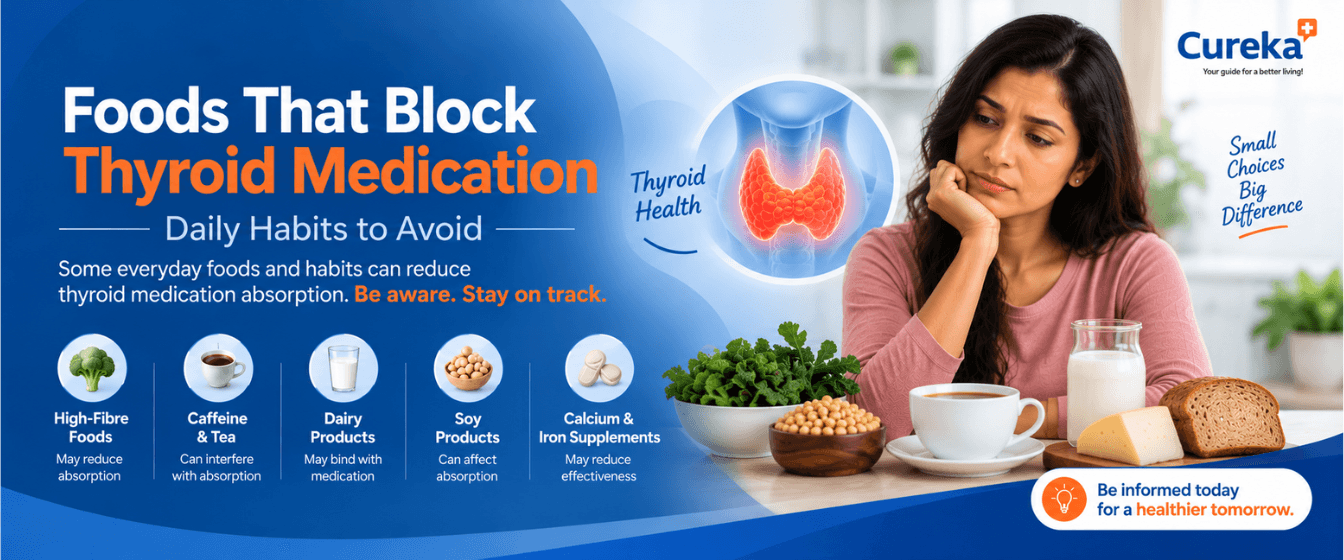
Food That Blocks Thyroid Medication — Daily Habits to Avoid
Trending

Food That Blocks Thyroid Medication — Daily Habits to Avoid

Your thyroid medicine may not be working as well as you think. Discover which foods and daily habits interfere with absorption — and simple timing tips to fix it.

Read More
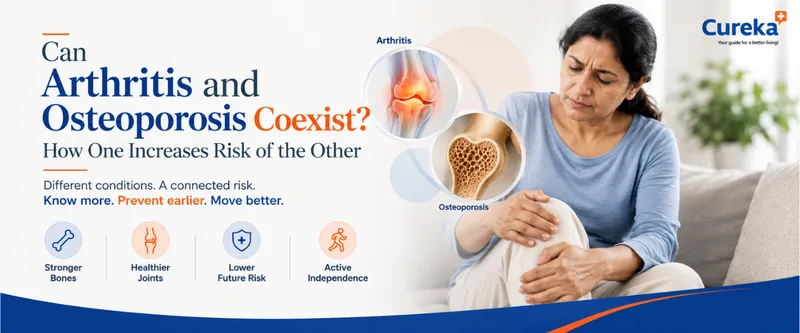
Can Arthritis and Osteoporosis Coexist? How One Increases Risk of the Other
Featured

Can Arthritis and Osteoporosis Coexist? How One Increases Risk of the Other

Can arthritis really lead to osteoporosis? Discover the inflammation link between joint disease and bone loss, and practical steps to protect both as you age.

Read More
Preventive Health: How Monitoring, Support, and Lifestyle Work Together
Featured

Preventive Health: How Monitoring, Support, and Lifestyle Work Together

Real prevention isn't about waiting for symptoms — it's monitoring, support, and daily habits working together. Discover how these three pillars build lasting, sustainable health.

Read More
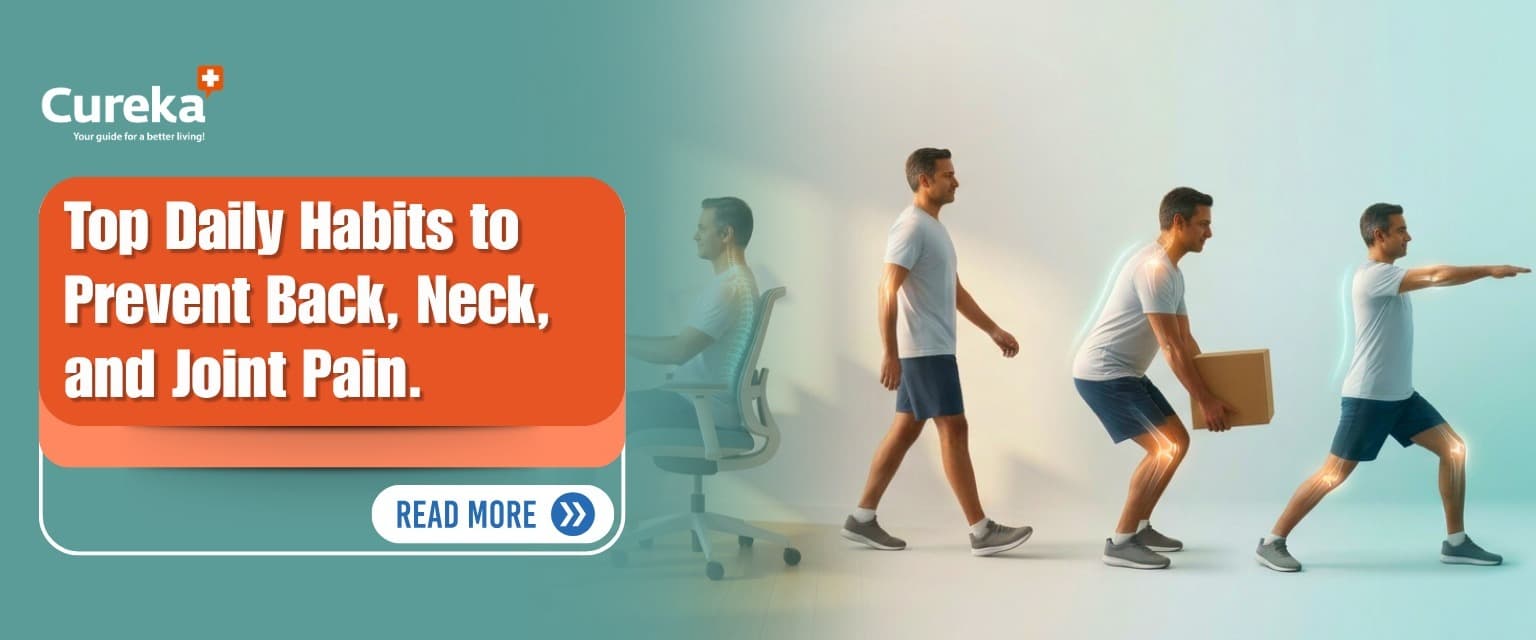
Top Daily Habits to Prevent Back, Neck, and Joint Pain
Featured

Top Daily Habits to Prevent Back, Neck, and Joint Pain

Back, neck, and joint pain can affect people of any age, but simple daily habits can make a big difference. This guide shares 10 practical, science-backed tips—from improving posture and staying active to eating anti-inflammatory foods and optimizing your sleep setup—to help prevent pain, improve mobility, and support long-term spine and joint health.

Read More

No comments yet. Be the first to share your thoughts.