


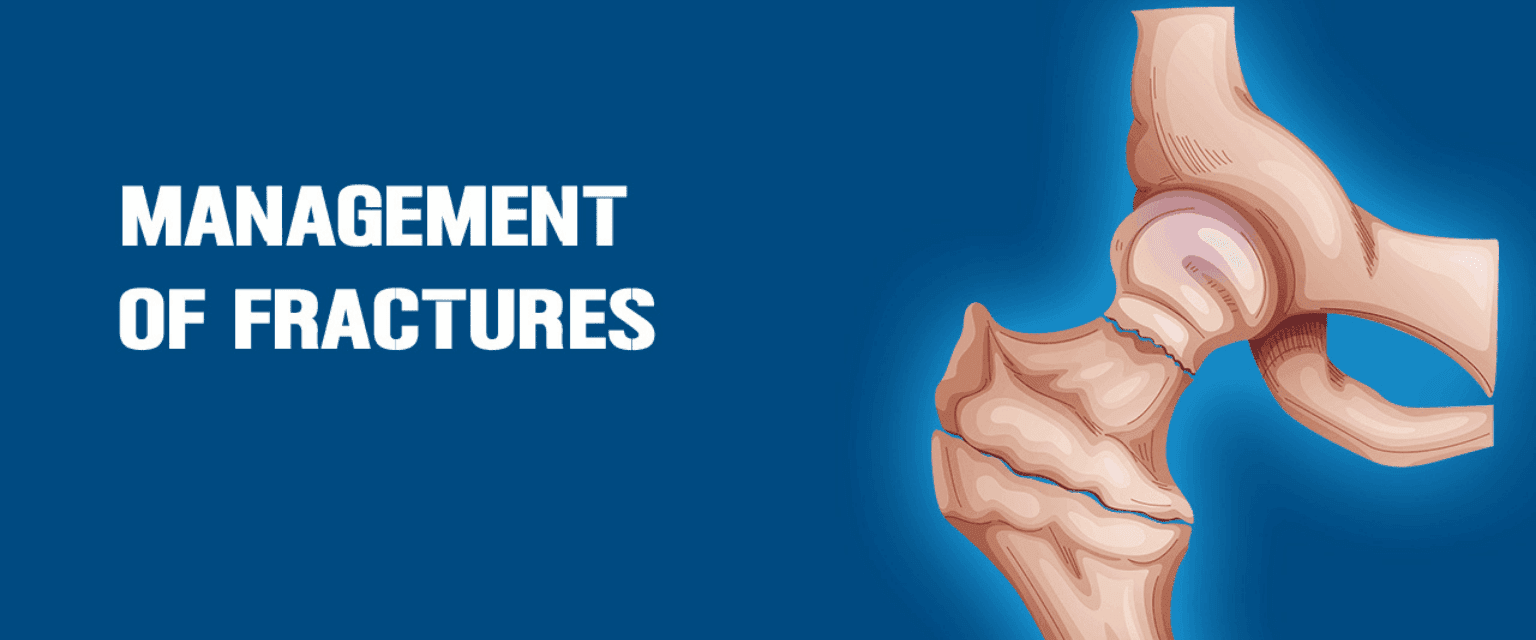
A fracture is a break in a bone which causes extreme pain and loss of function.
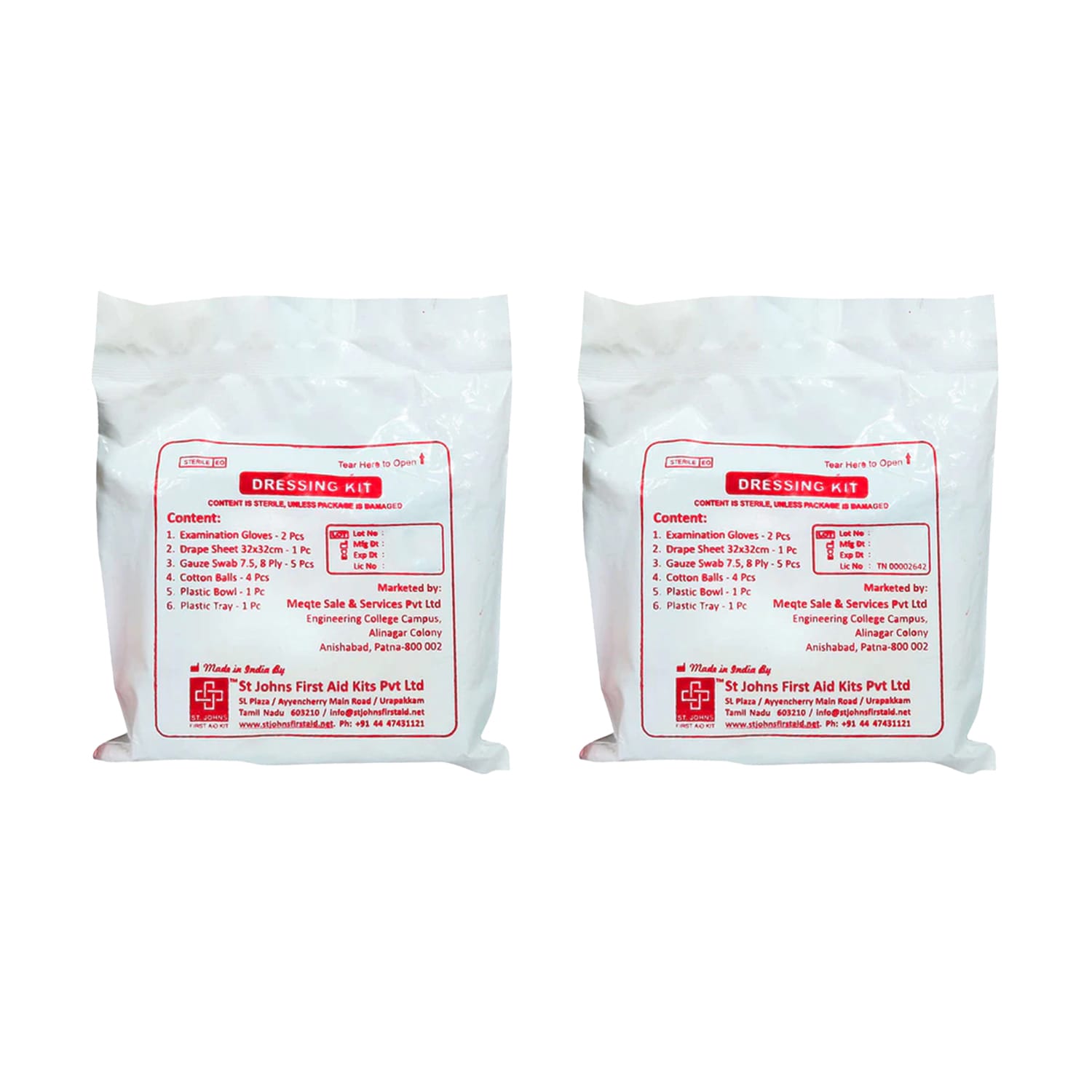
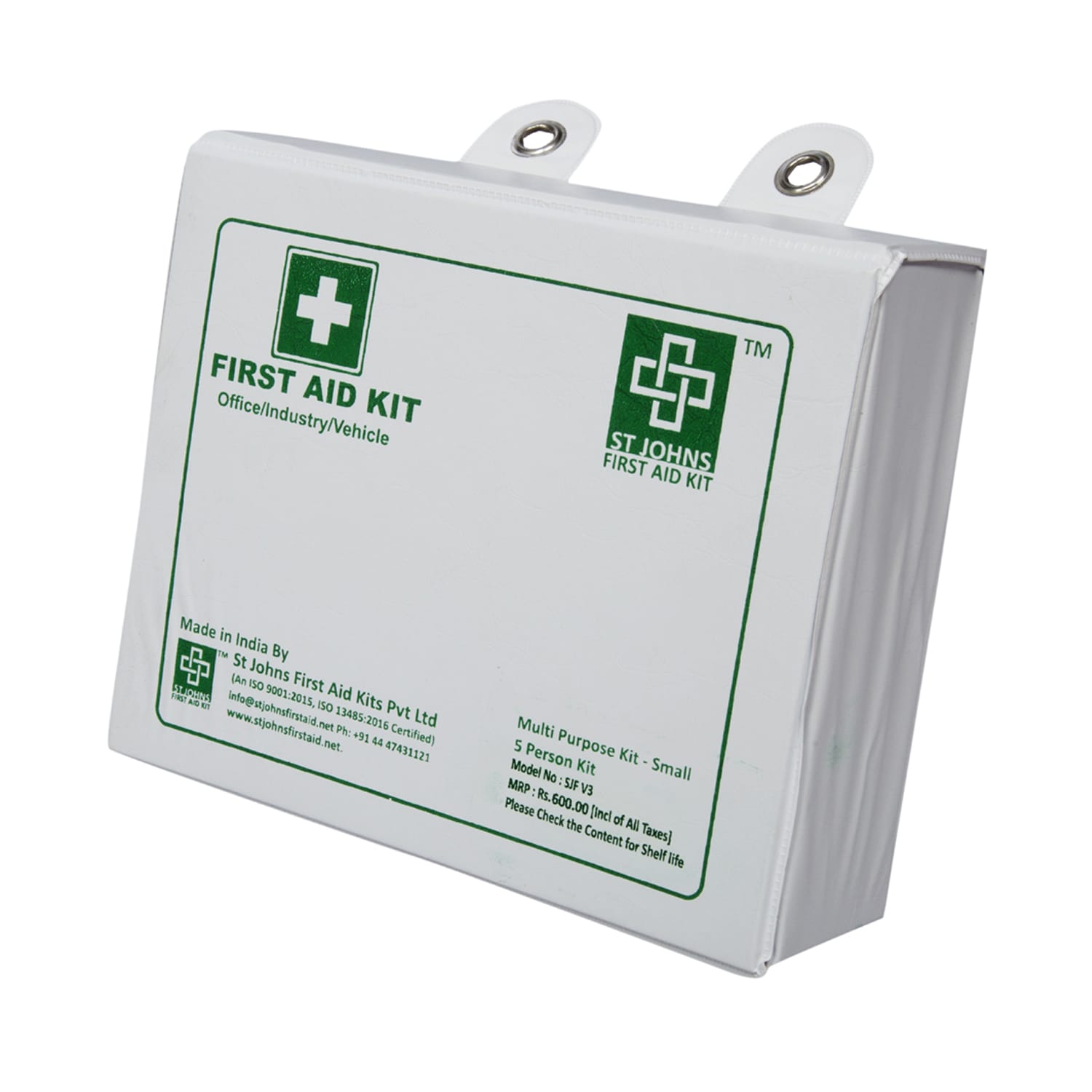
Fractures can result from injuries due to fall at home, road traffic accidents or injuries at work place. That's why emergency first aid kit is placed in public places. Similarly weak or diseased bones can also fracture easily, especially in elderly populations. Fractures due to road traffic accidents are the most commonly seen fractures. These fractures can be associated with multiple injuries or other fractures also.
Whenever a person suffers an accident, the bystanders should help him/her and first call for ambulance. Check whether the person is conscious or not, if unconscious, then immediately artificial breathing and chest compression have to be started to restore breathing and blood circulation to the body. If there is excess bleeding from any part of body, then compress that spot with any clean cloth available.
If any bone is fractured do not move the limb till the ambulance arrives. The ambulance personal may splint the injured limb and reduce the pain and take to hospital.
Once in hospital after stabilizing the person, x-ray and CT scans may be done when required to look for fractures or brain, chest or abdomen injuries. An orthopaedic surgeon will be called to treat the fractures.
Common fractures seen often will be
Fracture can be divided into fractures involving the joints(intra- articular) or away from them, closed (no Wound)or open (when there is a bleeding wound from fractures)management differs in each type of fracture. Example all fractures involving the joint (Intra- articular fracture) have to be definitely operated with plate & screws to have a favorable outcome. Also fractures with open injuries most often require surgery. However some fractures away from joint can be managed with plasters and splints example wrist bone fracture not involving joints shoulder fractures not involving joints, arm fractures, some leg fractures etc. But the type of fracture, the time to healing, complications all decide that type of treatment the orthopaedic surgeon will do.
Common Fracture Treatment
1. Plaster of Paris bandage - (POP)- is used in | fractures which can heal without surgery and the fractures can be reduced and held well with plasters. The disadvantage is that joints become stiff, muscles weak and skin itching inside plaster.
2.Plate and screws fixation plates and screws are used in fractures involving the joints and in arm and forearm fractures. Here perfect reduction of fractures and stable fixation is required and the latest plates and techniques can achieve these results when done well.
3.Intra-medullary nails - These are long rods made of stainless steel or titanium which are used in fractures away from joints. These nails are inserted into the hollow middle part of tubular bones like thigh bone (femur), leg bone (tibia) and arm bone (humerus). The advantages are smaller cuts for surgery, less bleeding, no need for plasters and quicker mobility. The nails are inserted into the bones using sophisticated x-ray machines called image intensifiers inside operation theatres.
4.External fixators - external fixator are devices which are fixed outside the bones with the help of pins and wires linking bone to the external fixators. There devices are used in open fractures where secondary plastic surgeries may be required to cover large wounds exposing the bone. Once wounds heal the fixator can be removed and either plates & screws or nails may be used to fix the fracture.
Normally fractures takes 3-4 months to heal depending on site of fracture, type of fracture and other associated fractures. During this time the patient is advised to mobilize with crutches and actively perform exercises to keep the joints and muscles functioning after the injury.
Common complication of fracture treatment are failure of fracture to heal(non union), fracture uniting in improper alignment (malunion) or infection. With proper technique and use of the right implant for those particular fractures non-union and malunions can be avoided. Similarly clean, aseptic techniques, clean operation theatres, proper use of disinfectants can avoid infection in fracture surgery.
Devadoss Multispecialty Hospital is a comprehensive trauma care centre with wide ranging facilities like trauma centre, CT scan, ICU with ventilator with 24 hours fracture management facilities to give best outcome to the injured person.