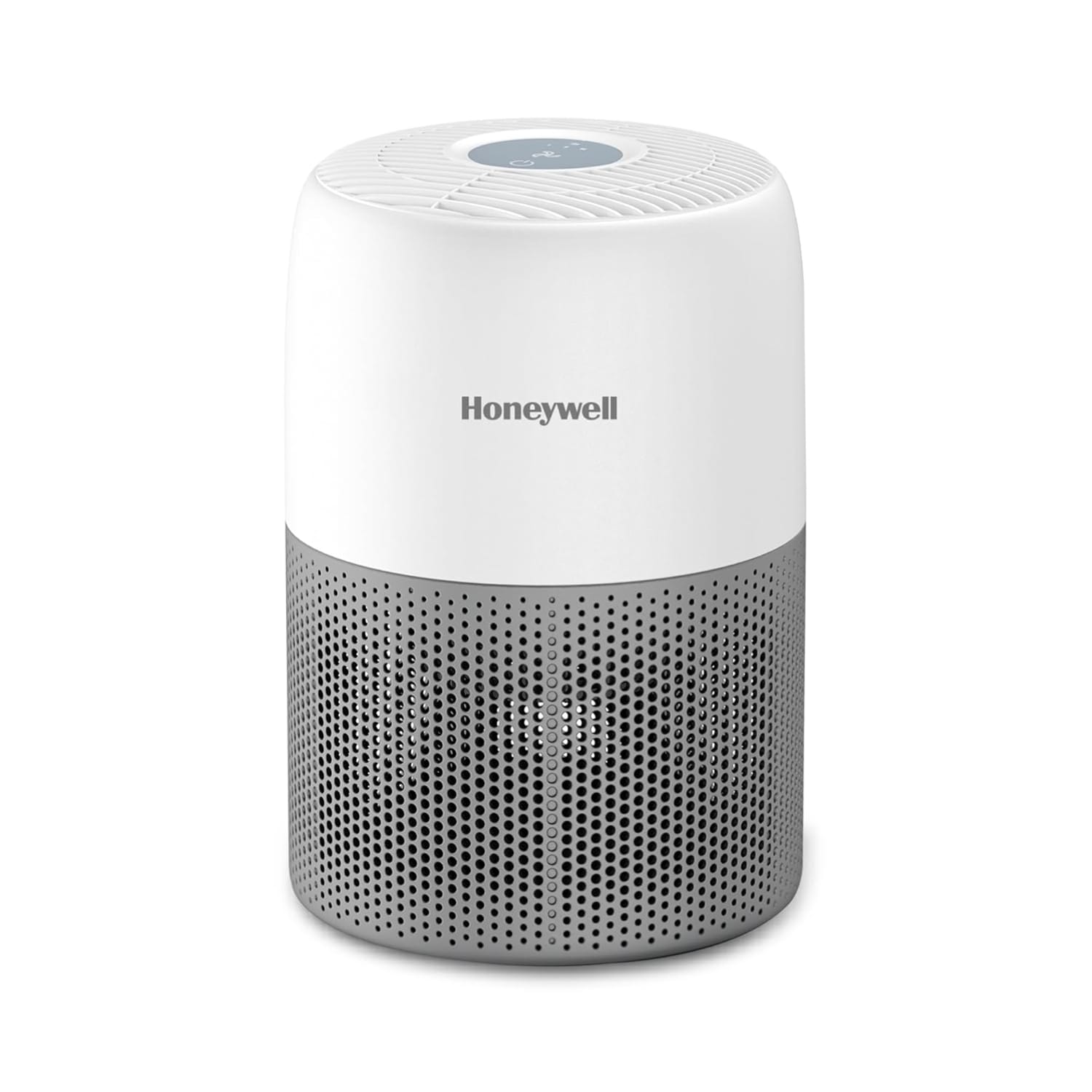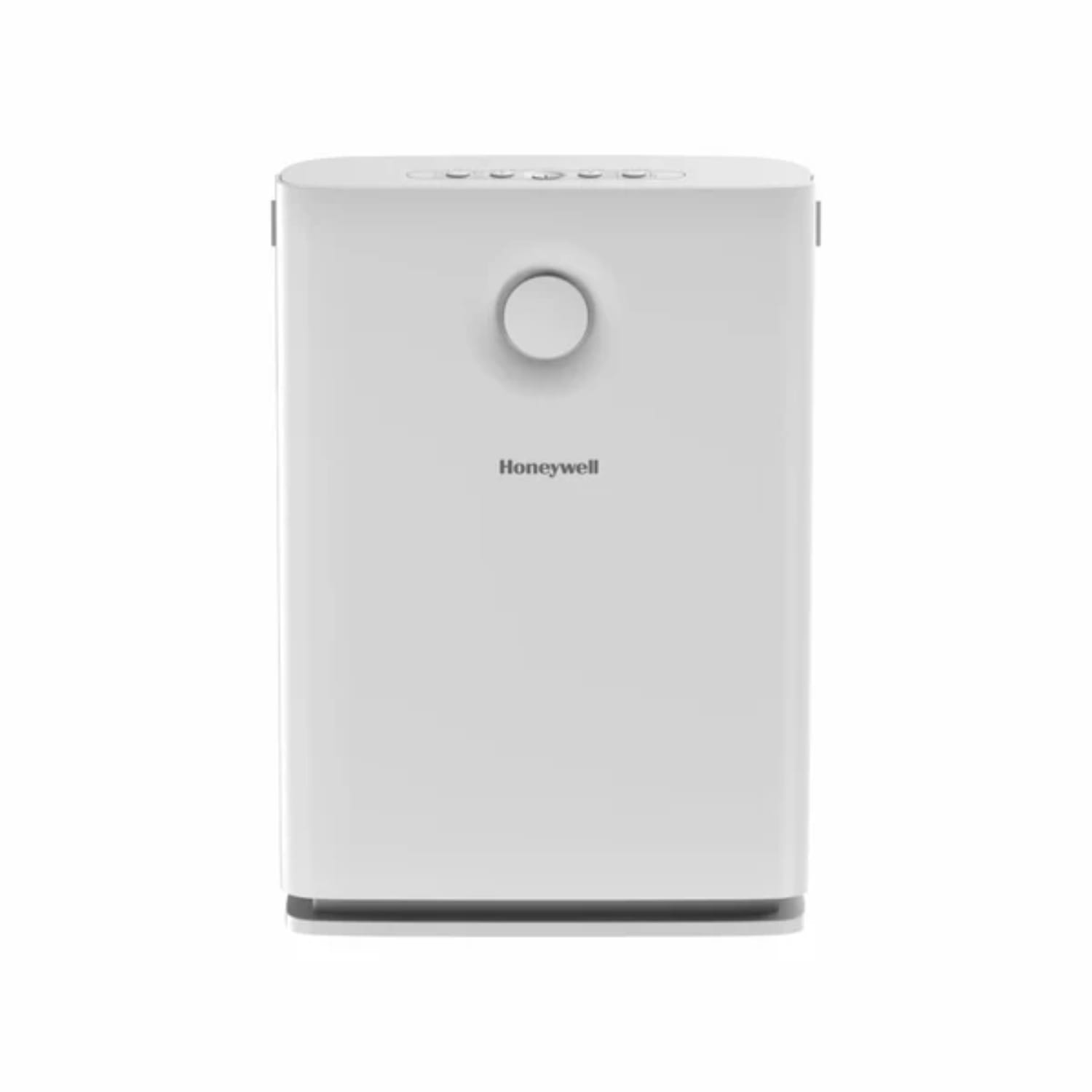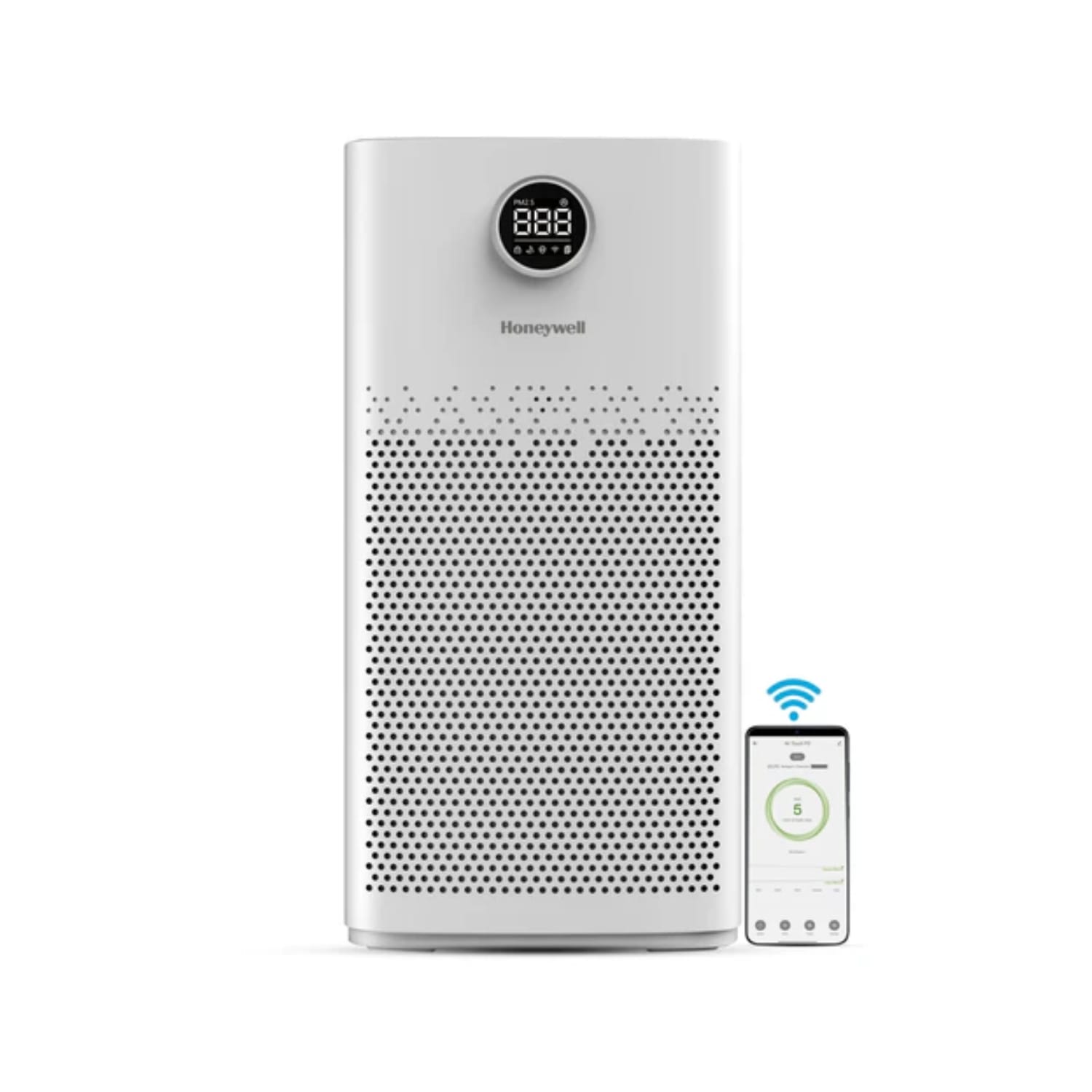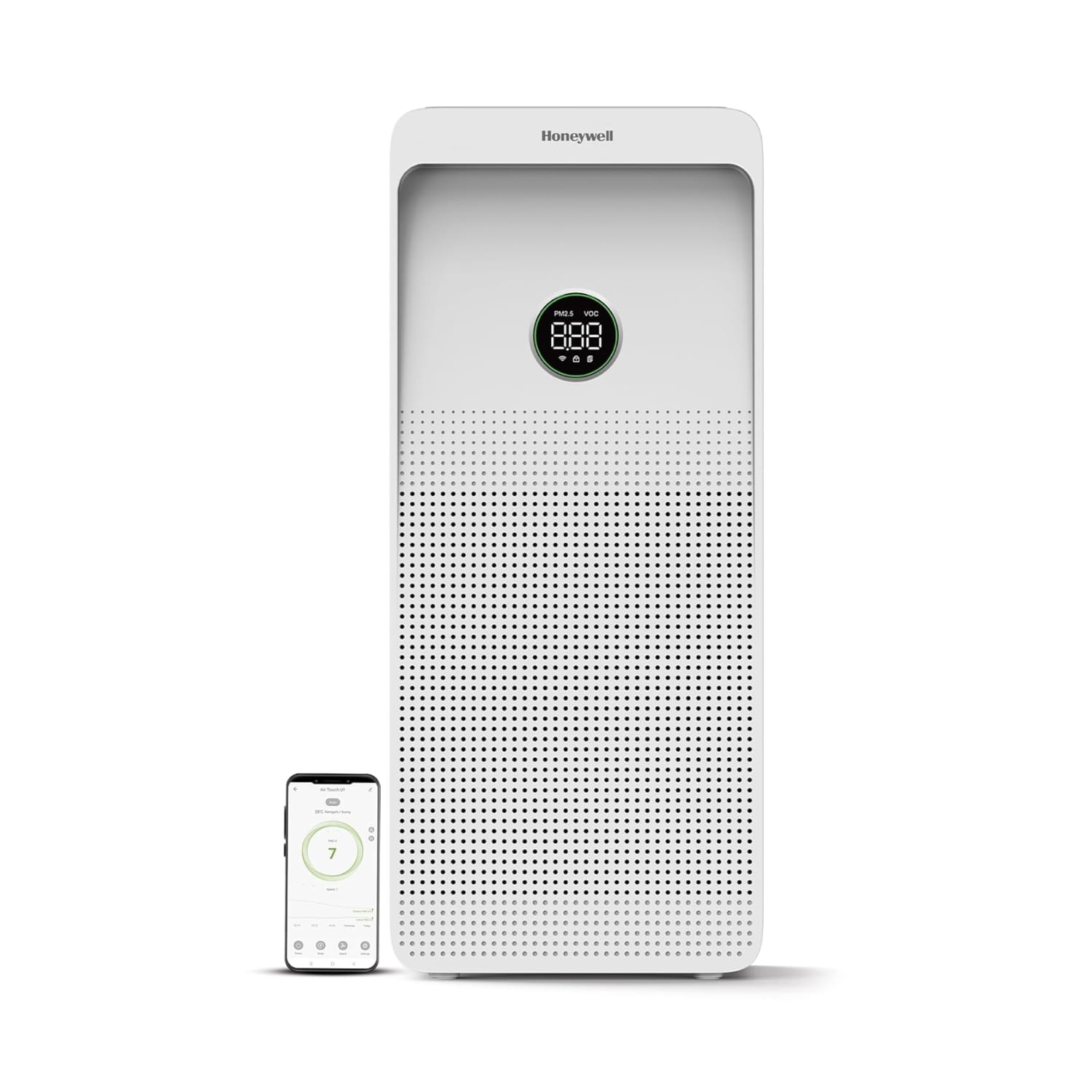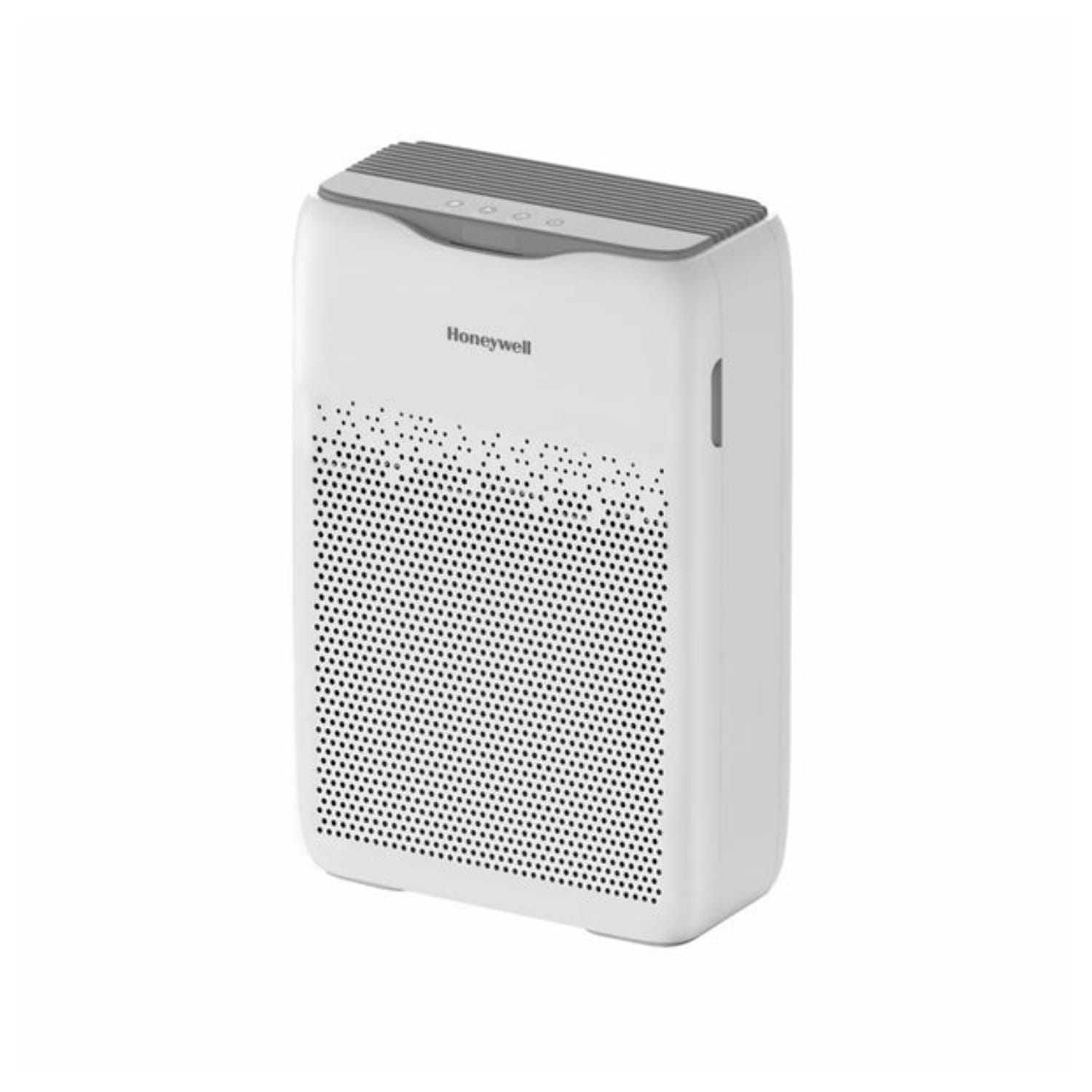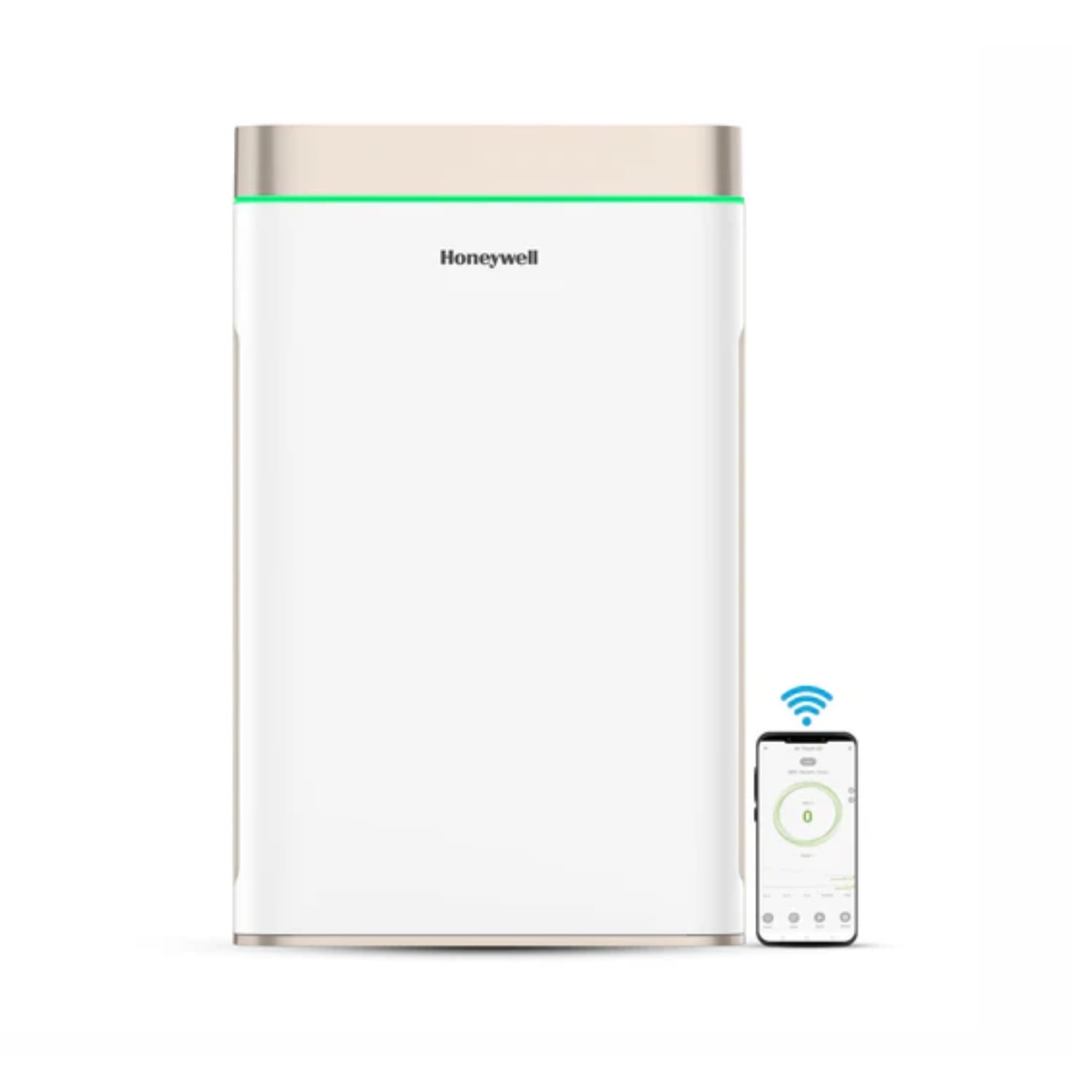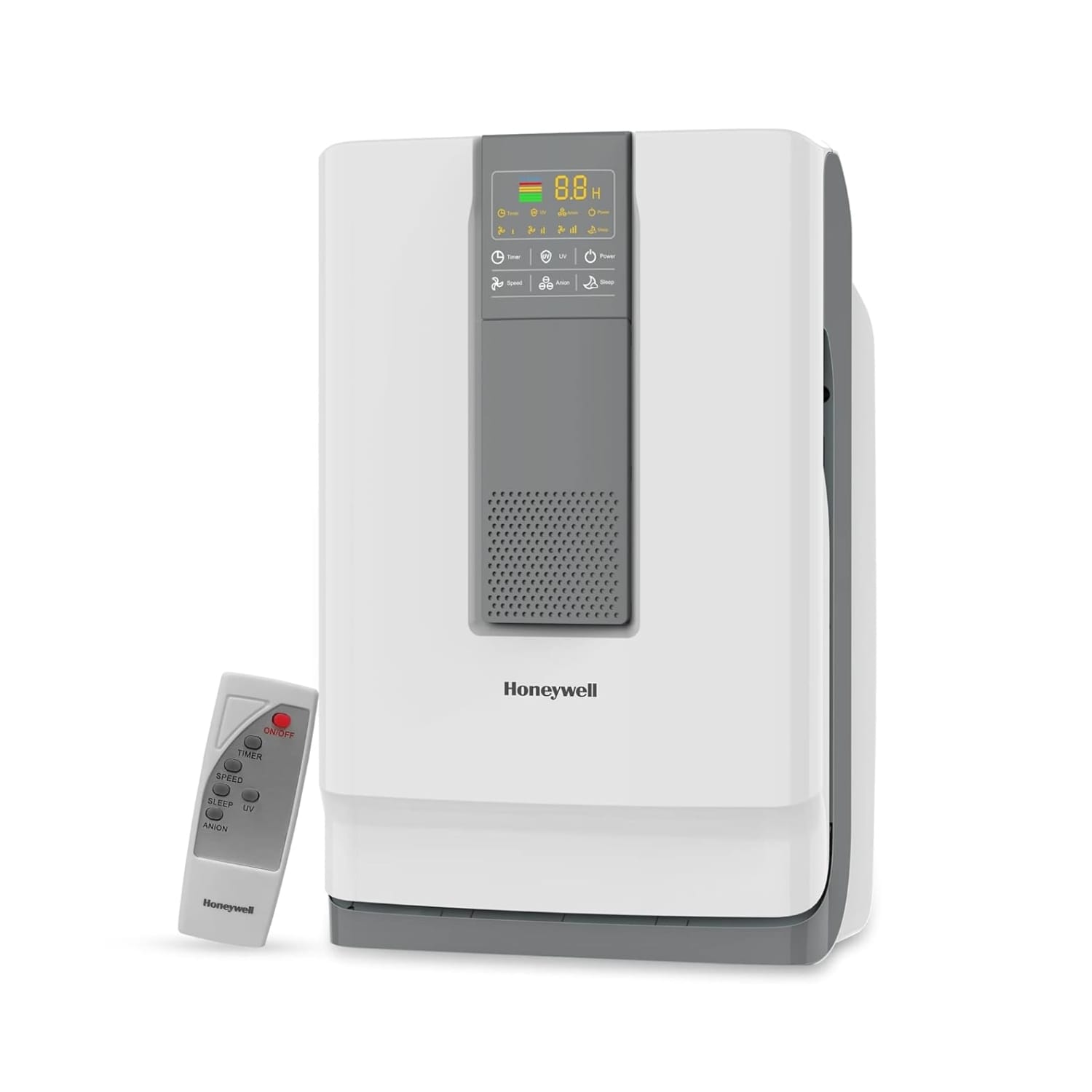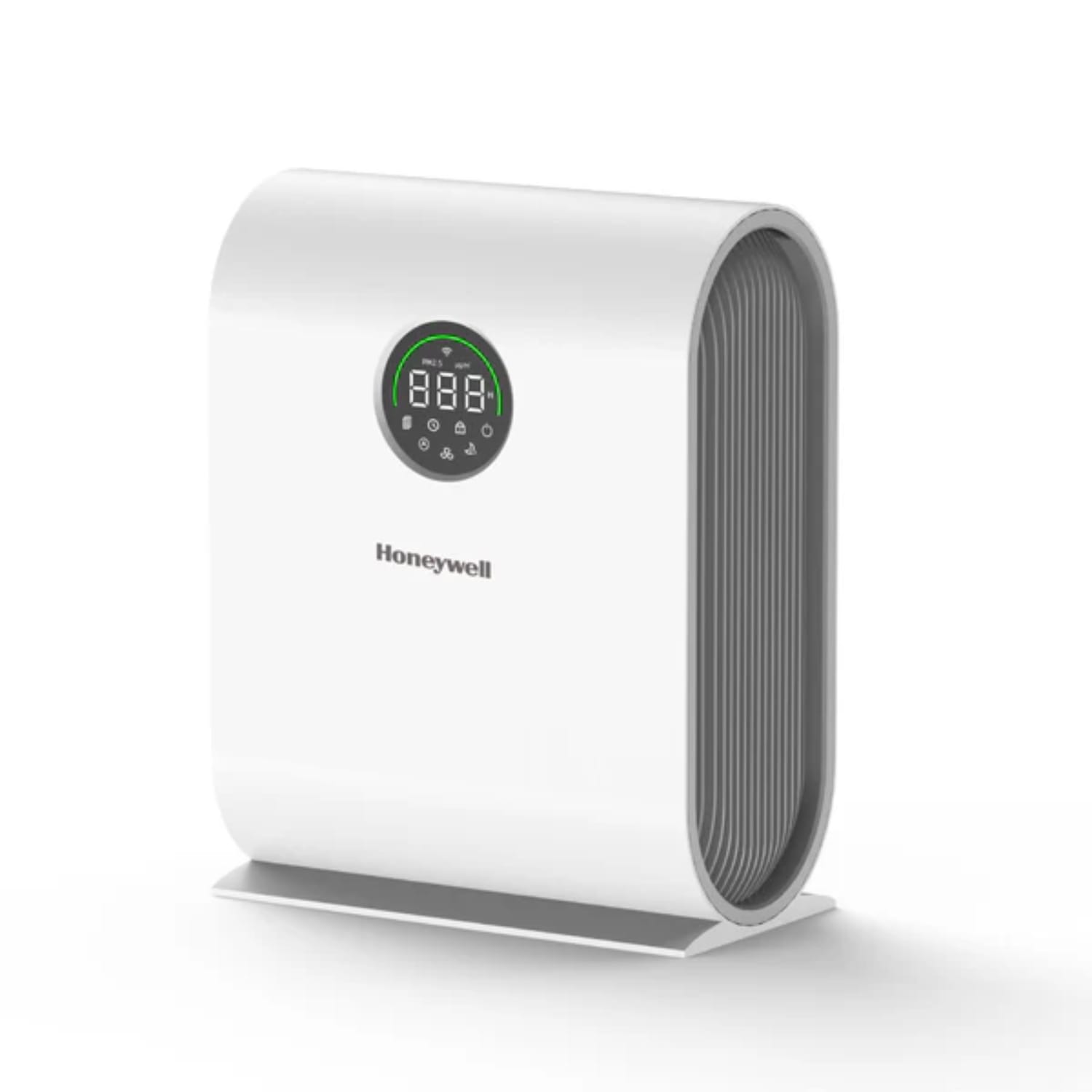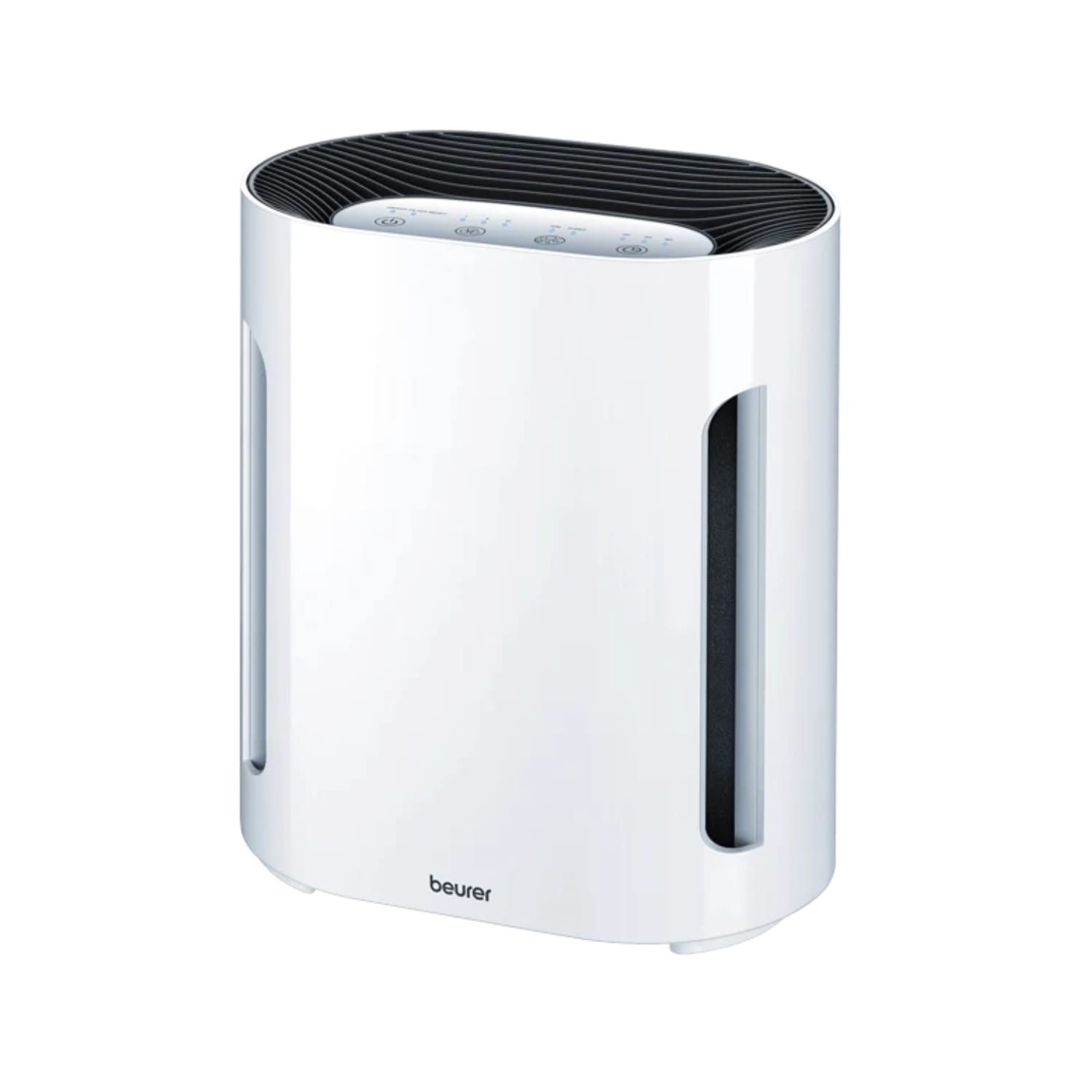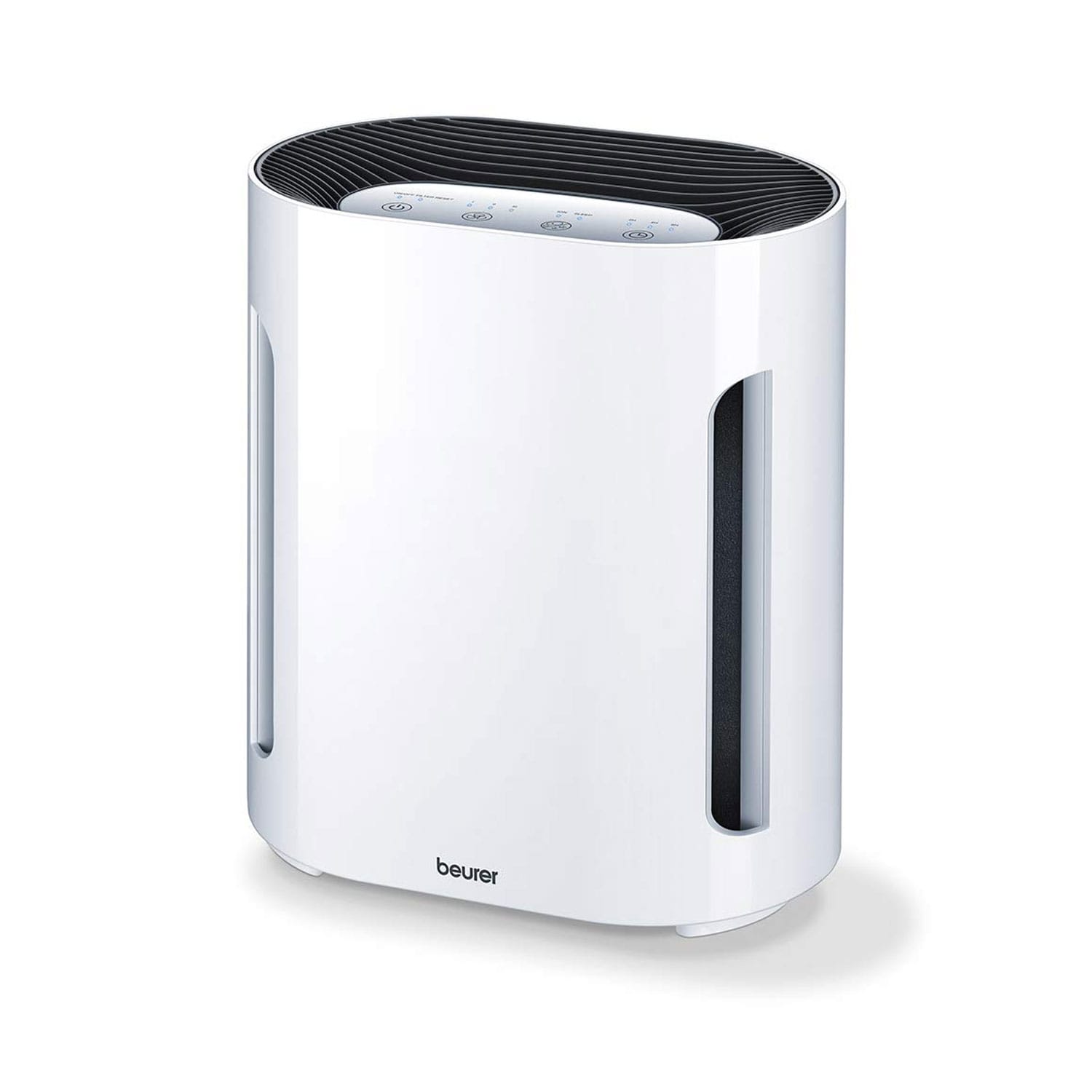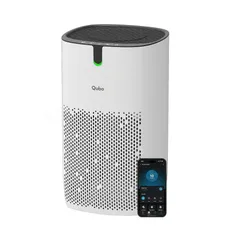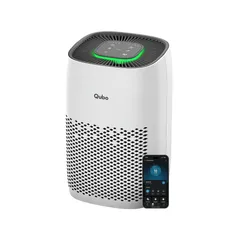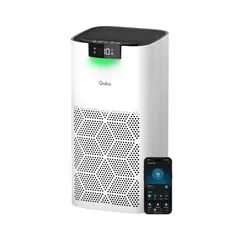

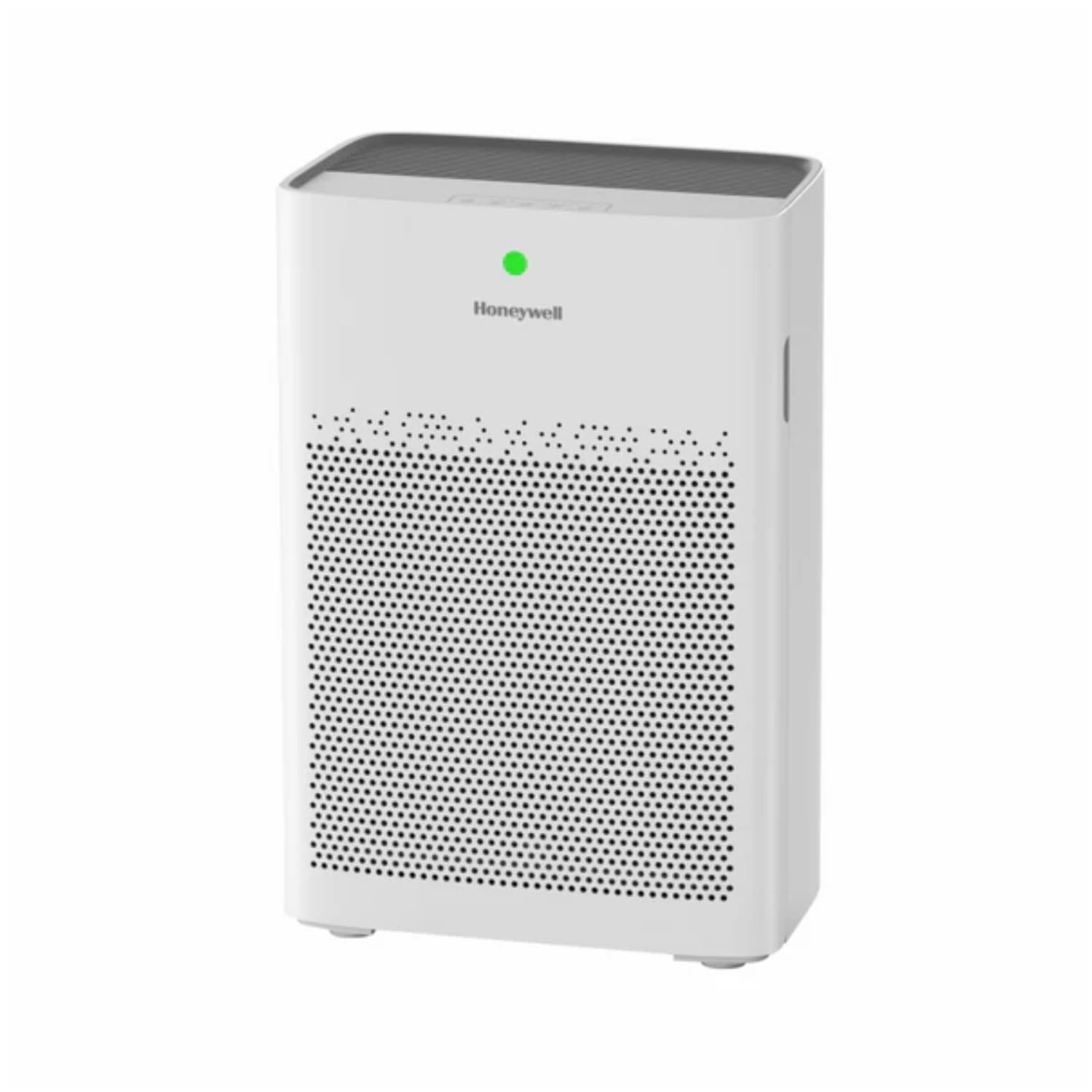
Honeywell Air Touch P1 Platinum Air Purifier
Honeywell
4.3 ★ (8)
₹21,299₹21,299
At Cureka, the air purifiers are carefully selected by doctors so that you can choose reliable solutions for having cleaner indoor air. Since Cureka is a reliable healthcare platform, it provides air purifiers for normal home use and thus helps to create a more comfortable and healthier home environment for you and your family. You can look at the different options that are suitable for various indoor areas and everyday requirements.
What an Air Purifier Does
Most people don't really think about indoor air until something forces the issue, a cough that won't go away, allergies flaring up, worse than usual or just that stale, stuffy feeling a room gets when windows stay shut too long. An air purifier pulls room air through one or more filters, trapping dust, pollen, smoke particles, and depending on the model, odours and gases too, before sending cleaner air back out.
Known for trapping very fine particles, the kind linked to allergies and respiratory irritation. If particulate matter is the main concern, this is usually the starting point.
Built more around odours and gases than physical particles, which makes them a common pairing alongside HEPA filters in combo units rather than a standalone solution.
Work differently altogether, charging particles so they stick to nearby surfaces instead of floating around. A few models give off a faint smell some people notice, worth checking reviews for if you're sensitive to that.
Combine HEPA and activated carbon, sometimes ionic technology too, aiming to cover particles, odours and gases all in one unit rather than choosing between them.
HEPA filtration tends to make the biggest difference here, since it's built specifically around the fine particles that trigger symptoms.
Activated carbon filters handle this better than HEPA alone, which is why a lot of combo units pair the two together.
Noise level matters more here than anywhere else in the house, so checking the decibel rating before buying saves a lot of regret later.
A purifier rated for a small bedroom will struggle in an open living room, so matching coverage area to actual room size matters more than people expect.
Match the filter to what you're actually dealing with, particles, odours, or both, rather than assuming one type covers everything.
A unit that's fine during the day can feel a lot more intrusive at 2am running on a higher fan speed.
Check how often filters need replacing and what that costs over time, since it's an ongoing expense, not a one-time purchase.
Pricing depends a lot on filter technology and coverage area. Basic HEPA-only units tend to be the most affordable entry point, while hybrid models combining HEPA, activated carbon and sometimes UV or ionic technology sit higher on price. Filter replacement cost adds to the running total too, so it's worth factoring that in rather than just looking at the upfront price tag.
HEPA filters are built for particles, dust, pollen, pet dander, the physical stuff floating in the air. Activated carbon works on a completely different problem, gases, chemicals and odours, which HEPA alone doesn't really touch. Ionic purifiers take a different approach again, using charged particles rather than physical filtration, and some people prefer that for the lack of filter replacement, though effectiveness against bacteria and viruses tends to vary more between models than with HEPA systems.
Place the unit somewhere central in the room rather than tucked in a corner, since airflow matters for how well it actually cleans the space. Clean or replace filters on the schedule the manufacturer recommends, since a clogged filter loses effectiveness fast and can even restrict airflow. Running it constantly on a high setting to compensate for an undersized unit shortens filter life and racks up noise for not much extra benefit.
HEPA purifiers focus on particle removal, dust, pollen, allergens, and suit most general household needs where particulate matter is the main concern.
Activated carbon purifiers focus on odour and gas removal instead, working well in kitchens, smoking areas, or homes near heavy traffic.
Hybrid purifiers combine both approaches, suited to households dealing with a mix of allergens, odours and general air quality concerns at once.