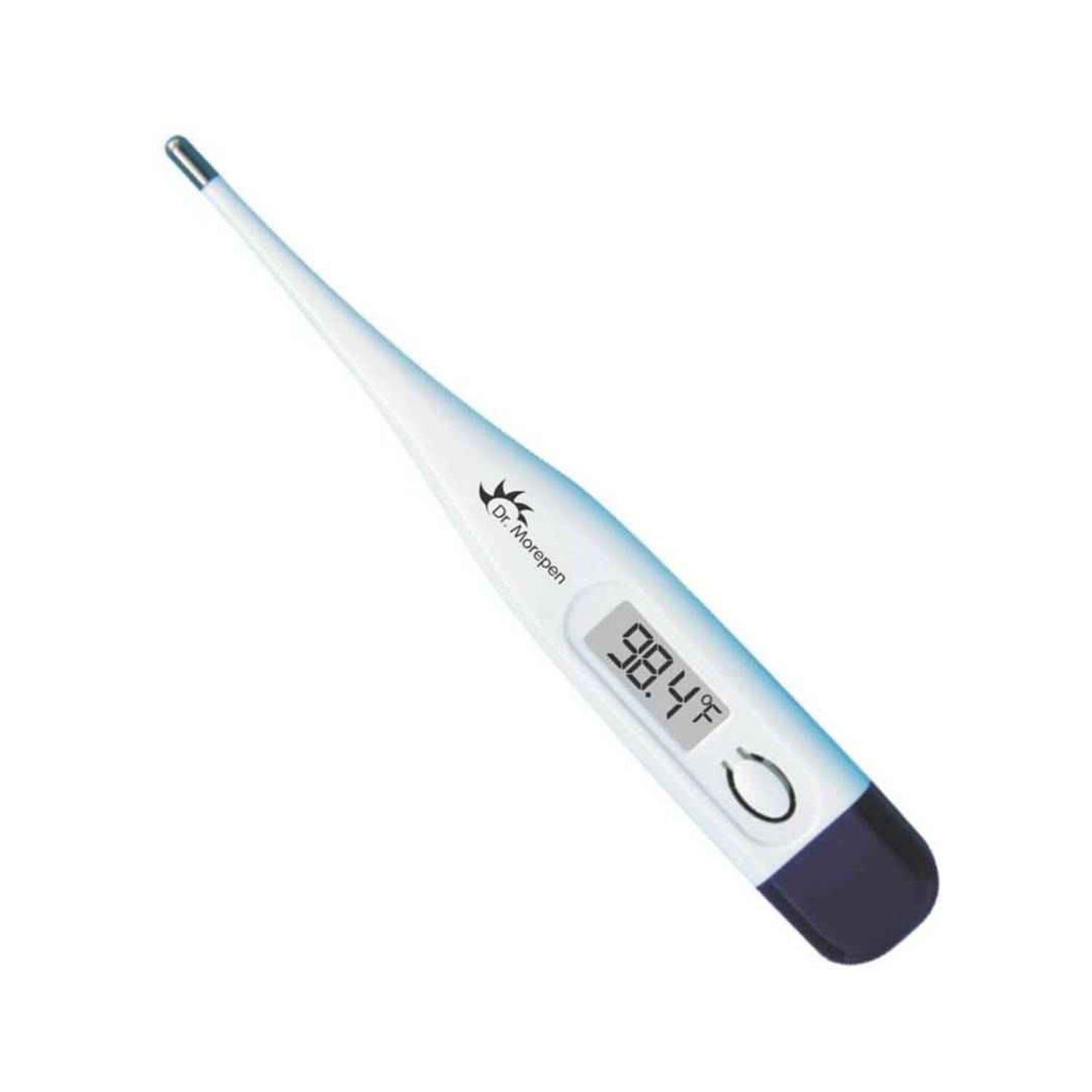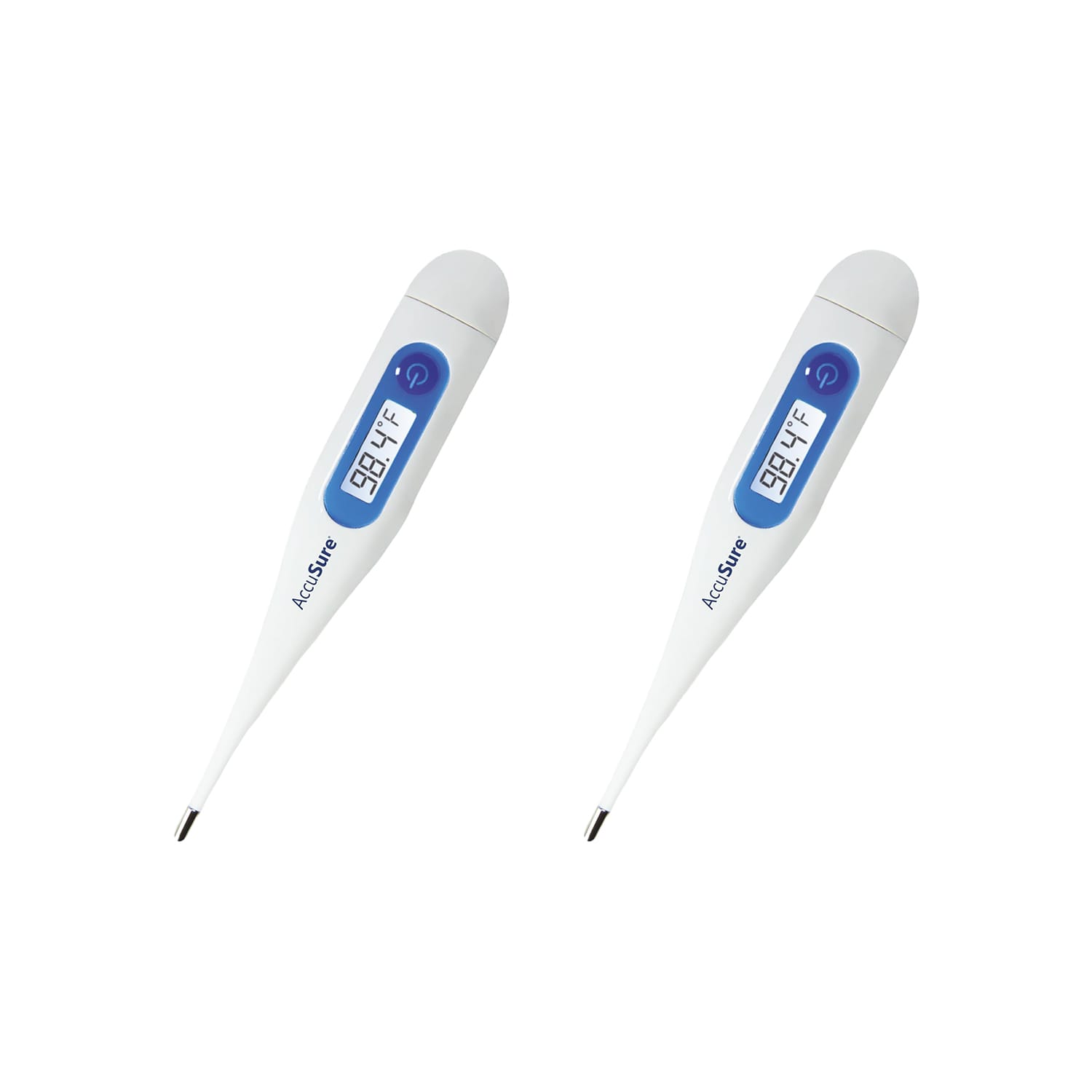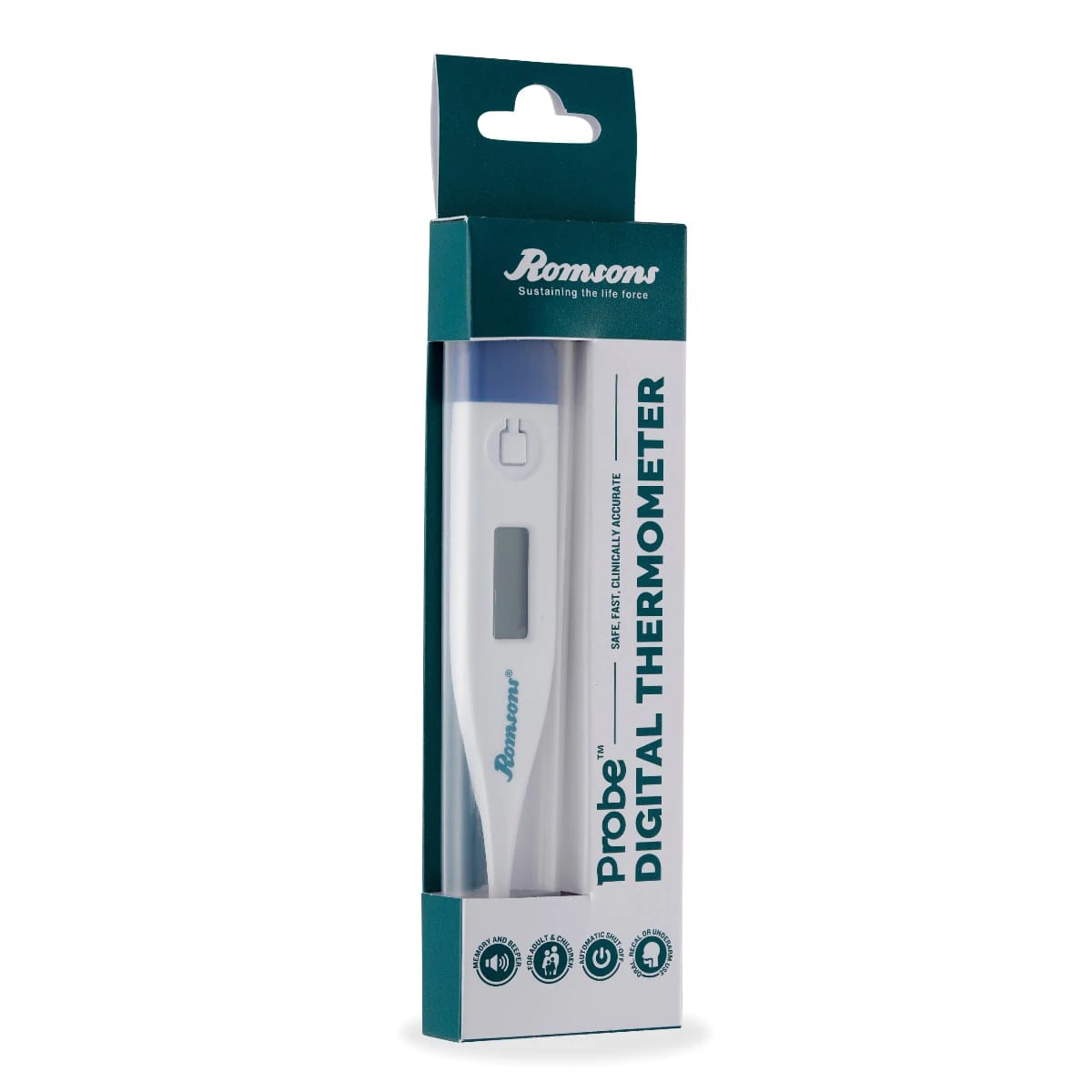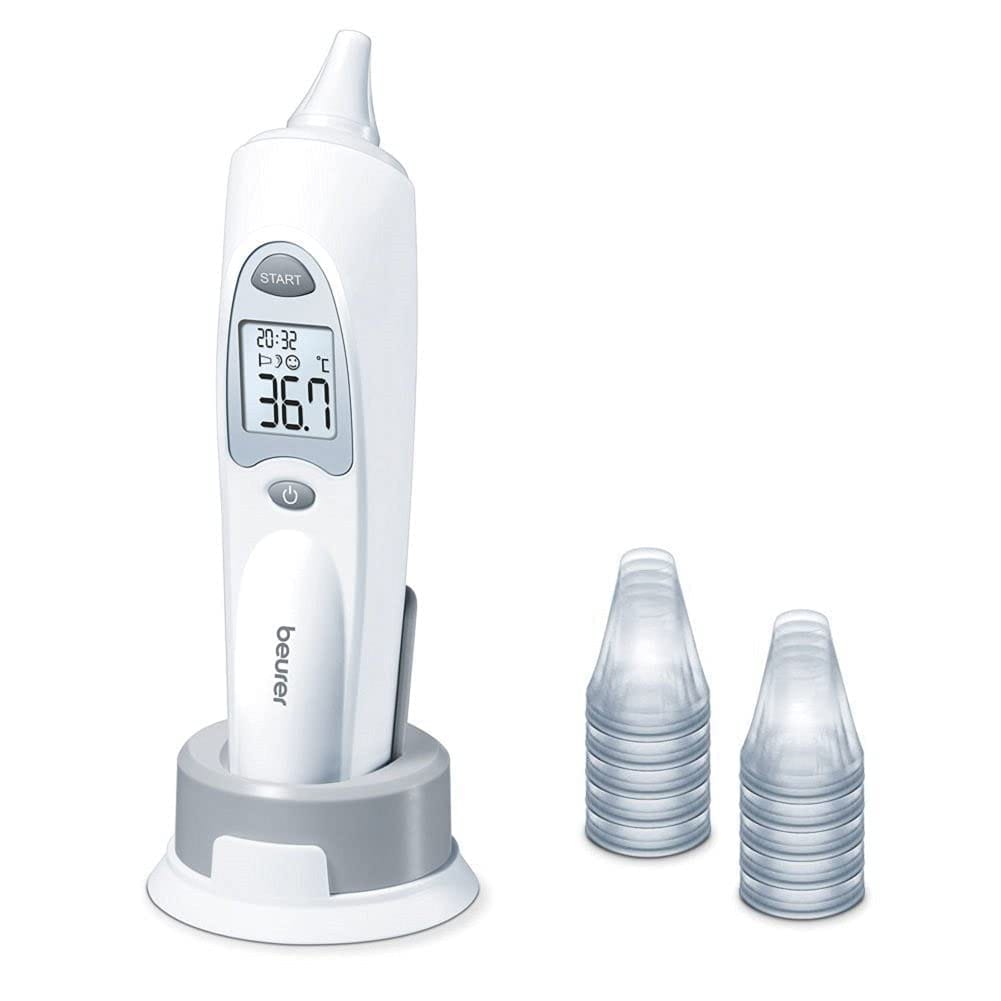

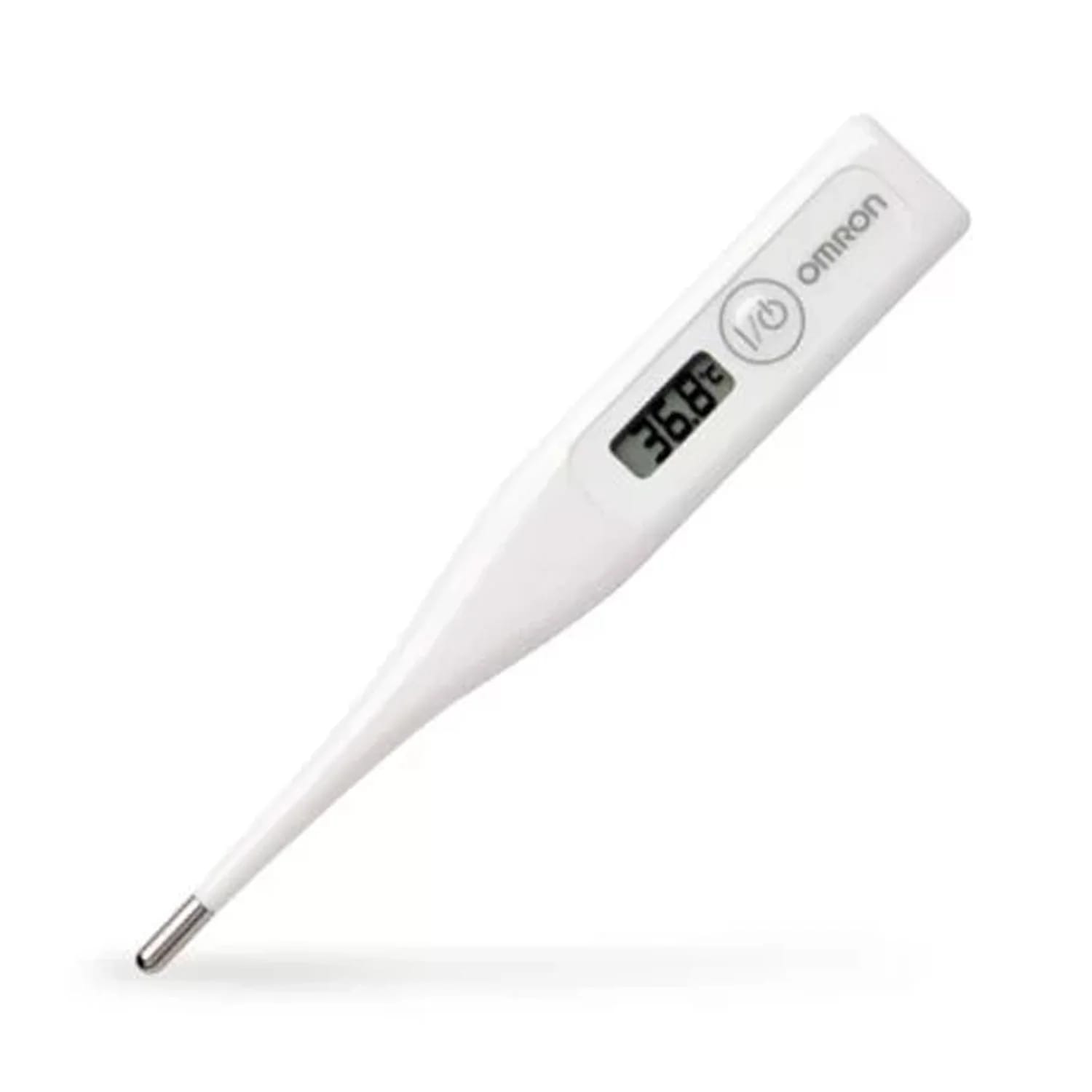
Omron Electronic Thermometer MC 246 - Pack of 1
OMRON
4.4 ★ (5)
₹2525% off₹266
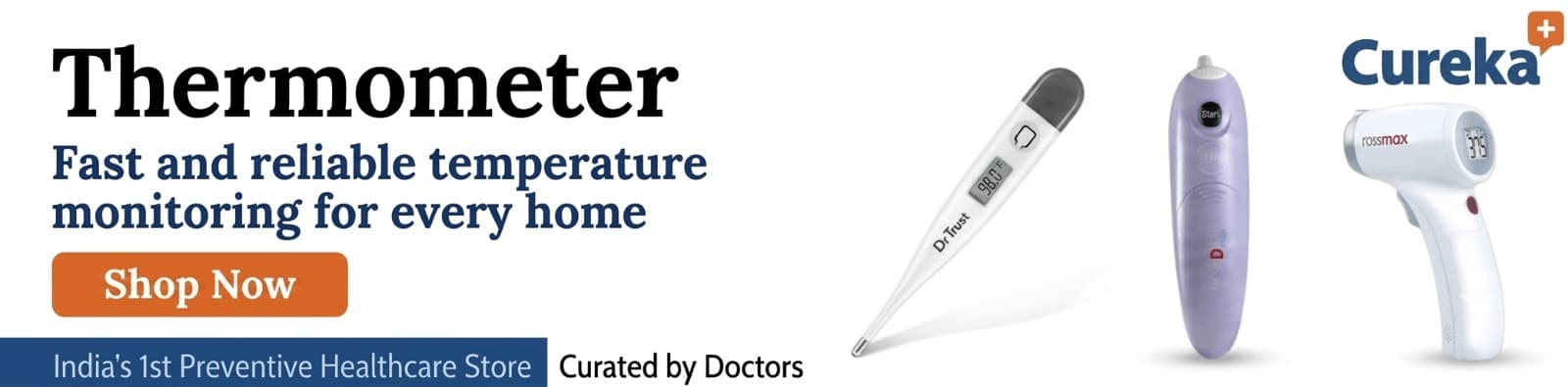
Thermometer
A thermometer measures body temperature, helping spot a fever and track how someone's doing as they recover from illness. It's one of the most commonly used devices for basic health monitoring at home, and it works across every age group.
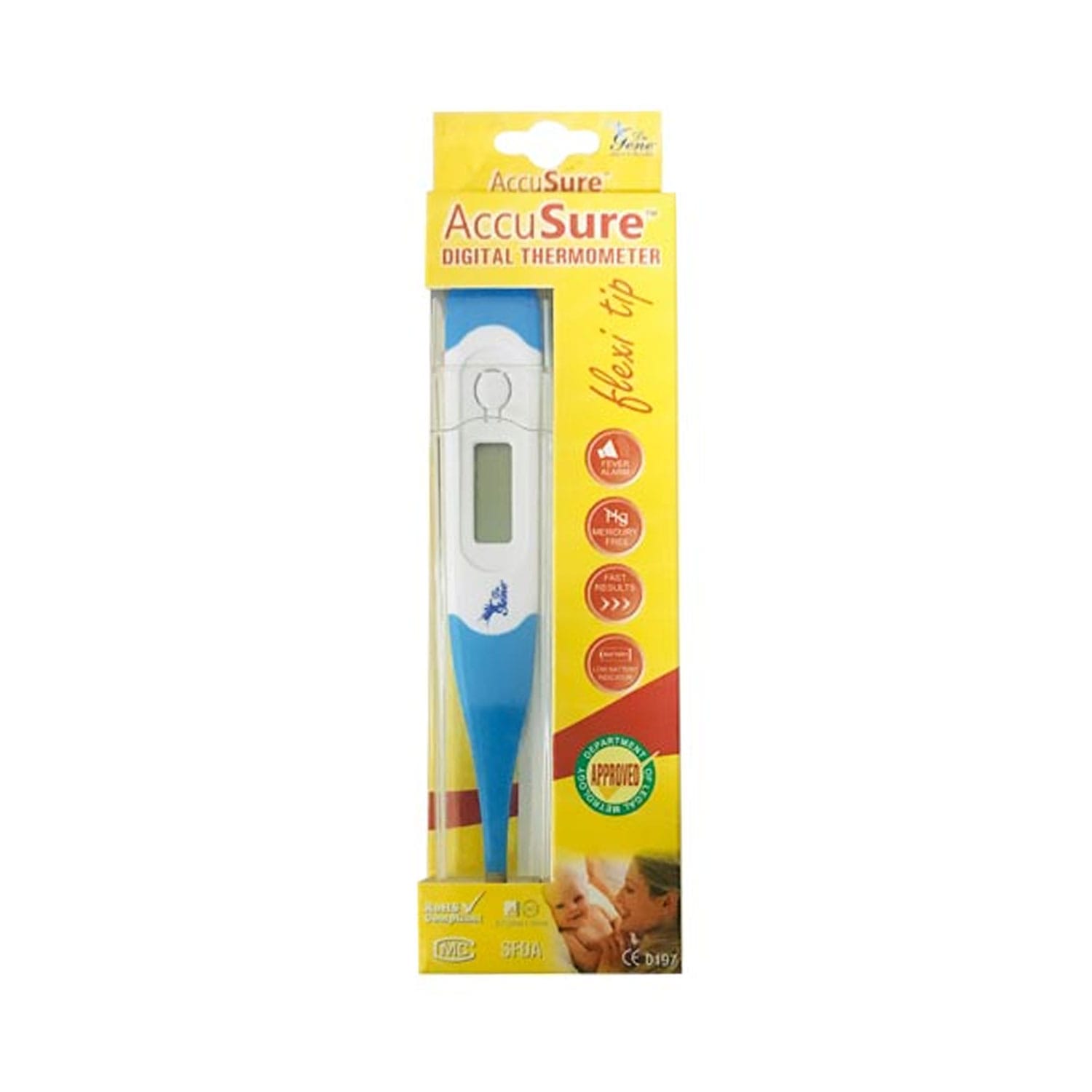
Give a quick, accurate reading and get used under the arm, orally, or rectally depending on the model.
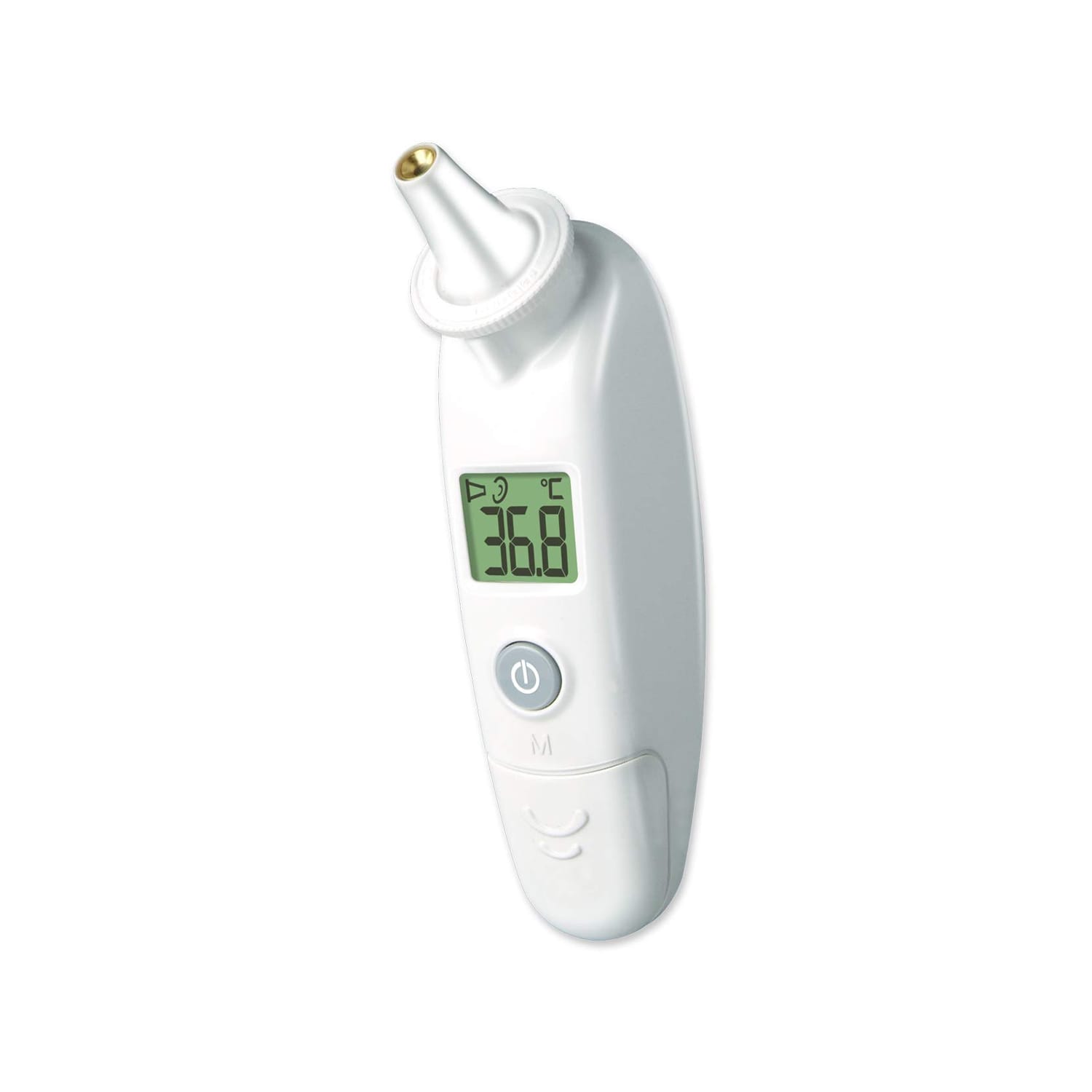
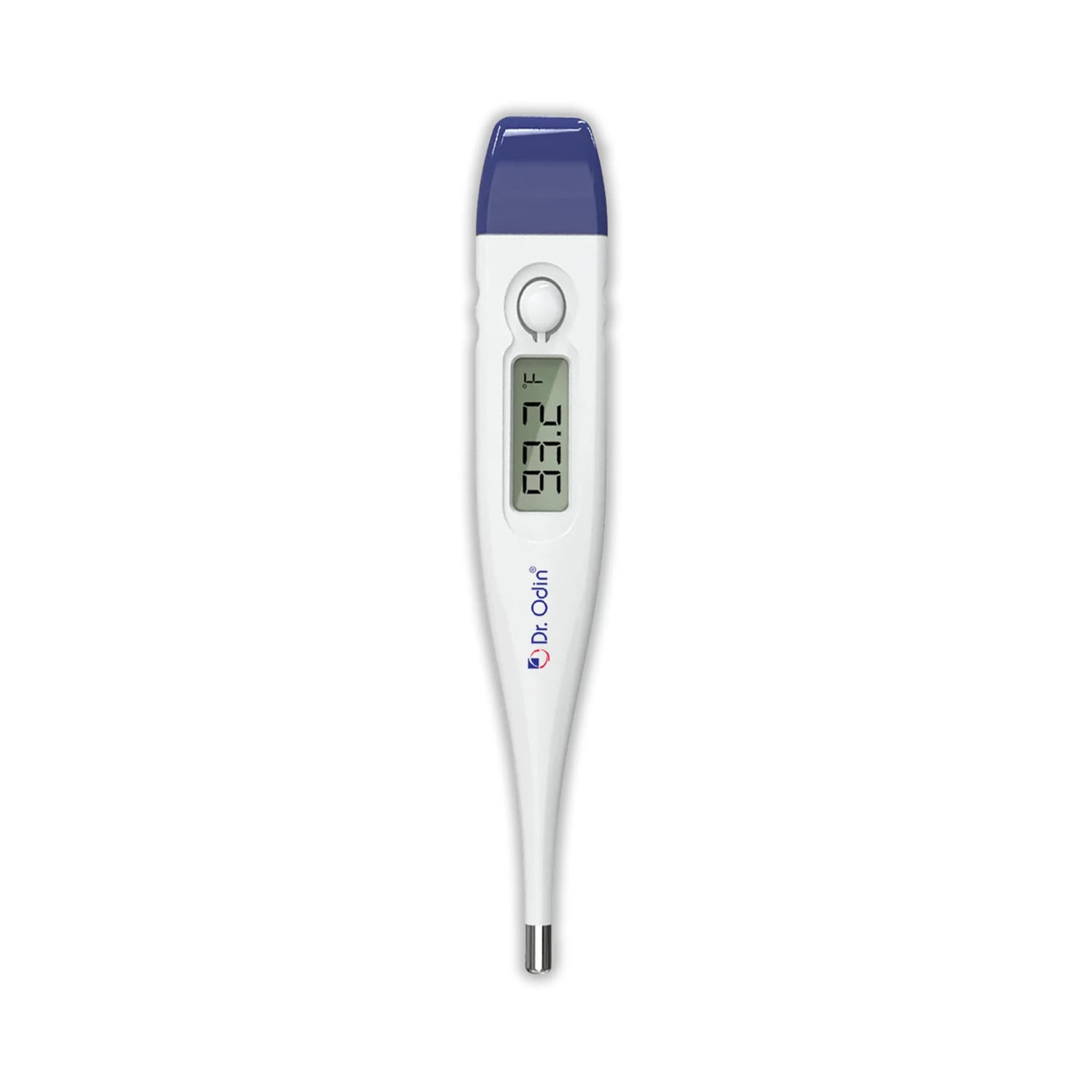
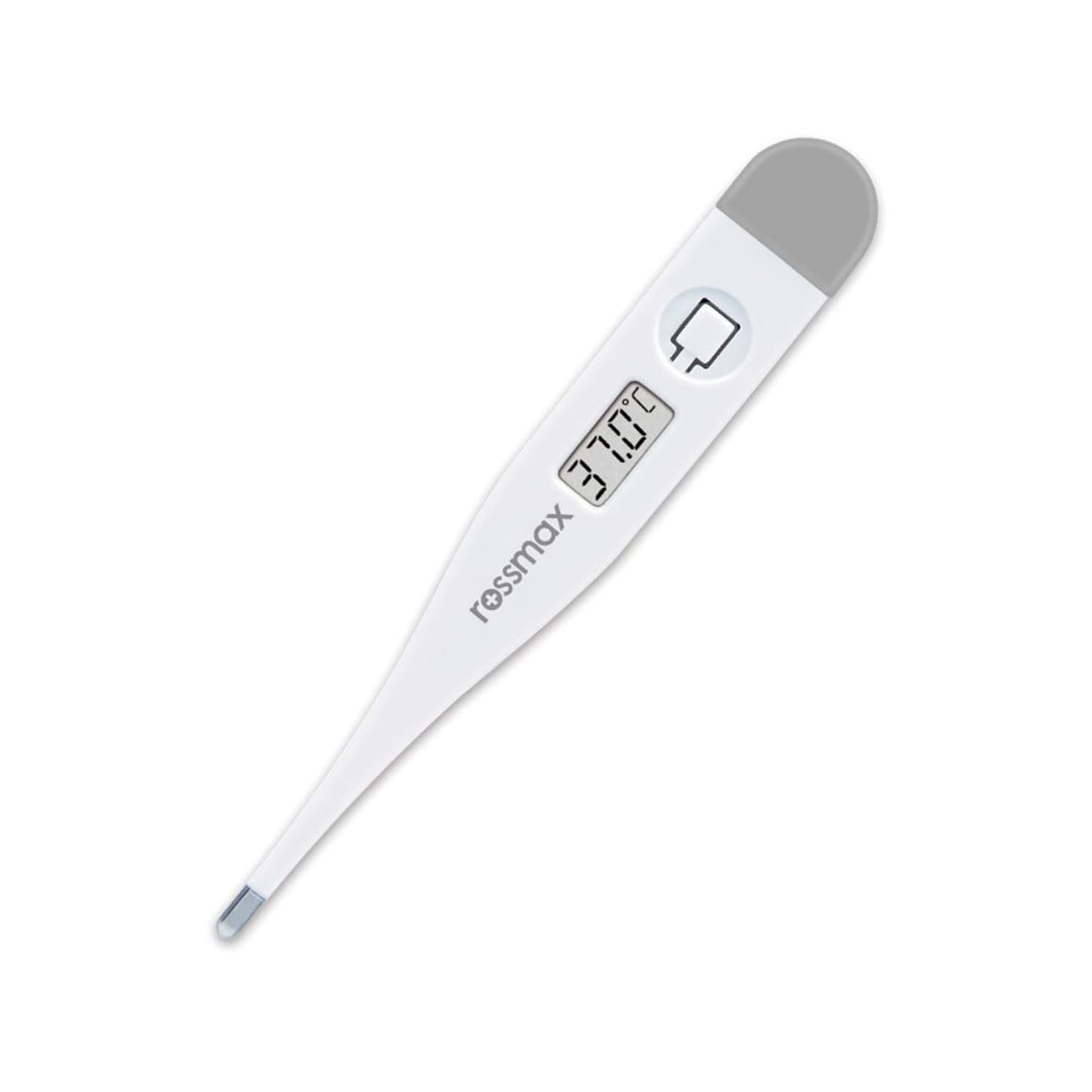
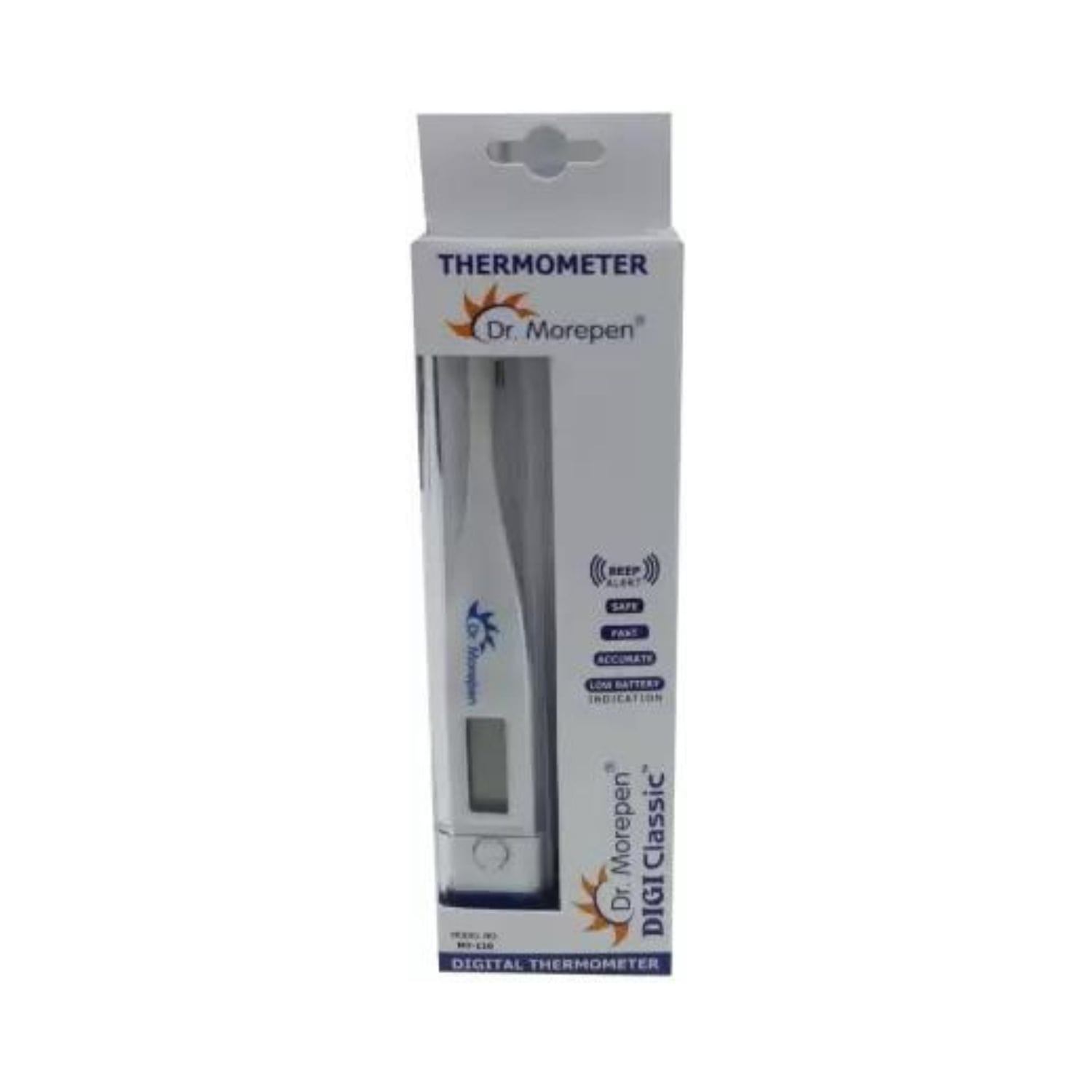
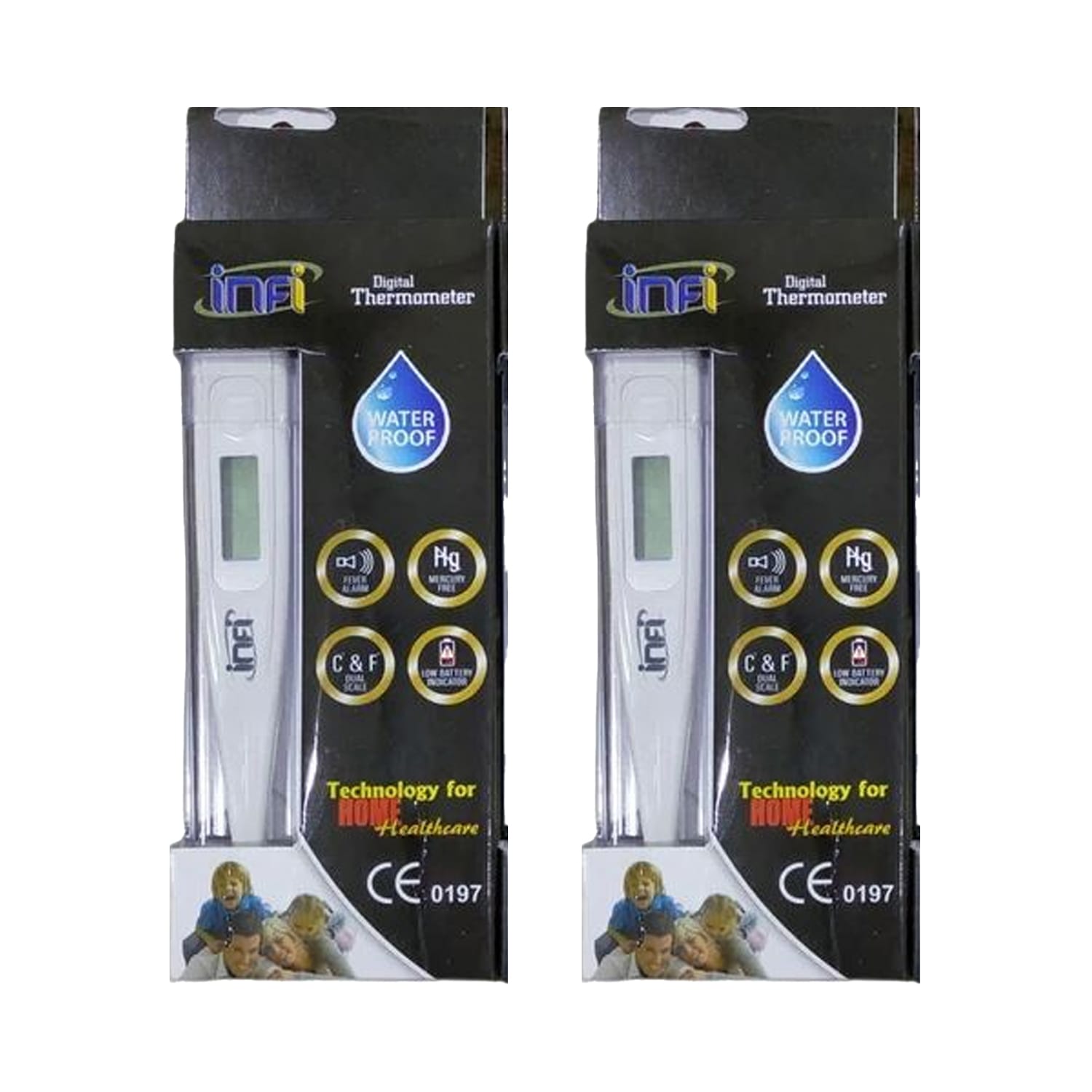
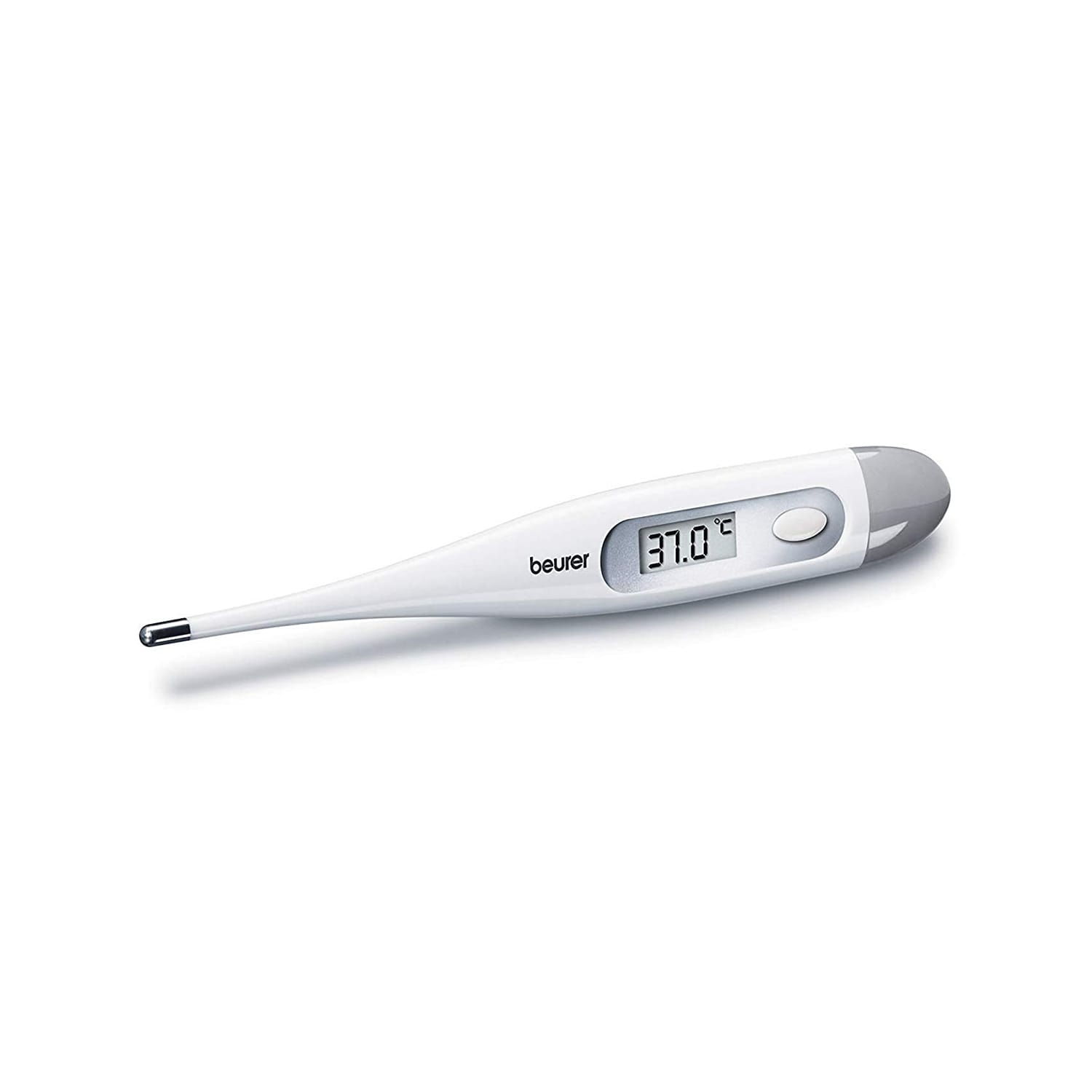
A broader category that covers digital and infrared based devices, all with electronic displays for fast, easy to read results.
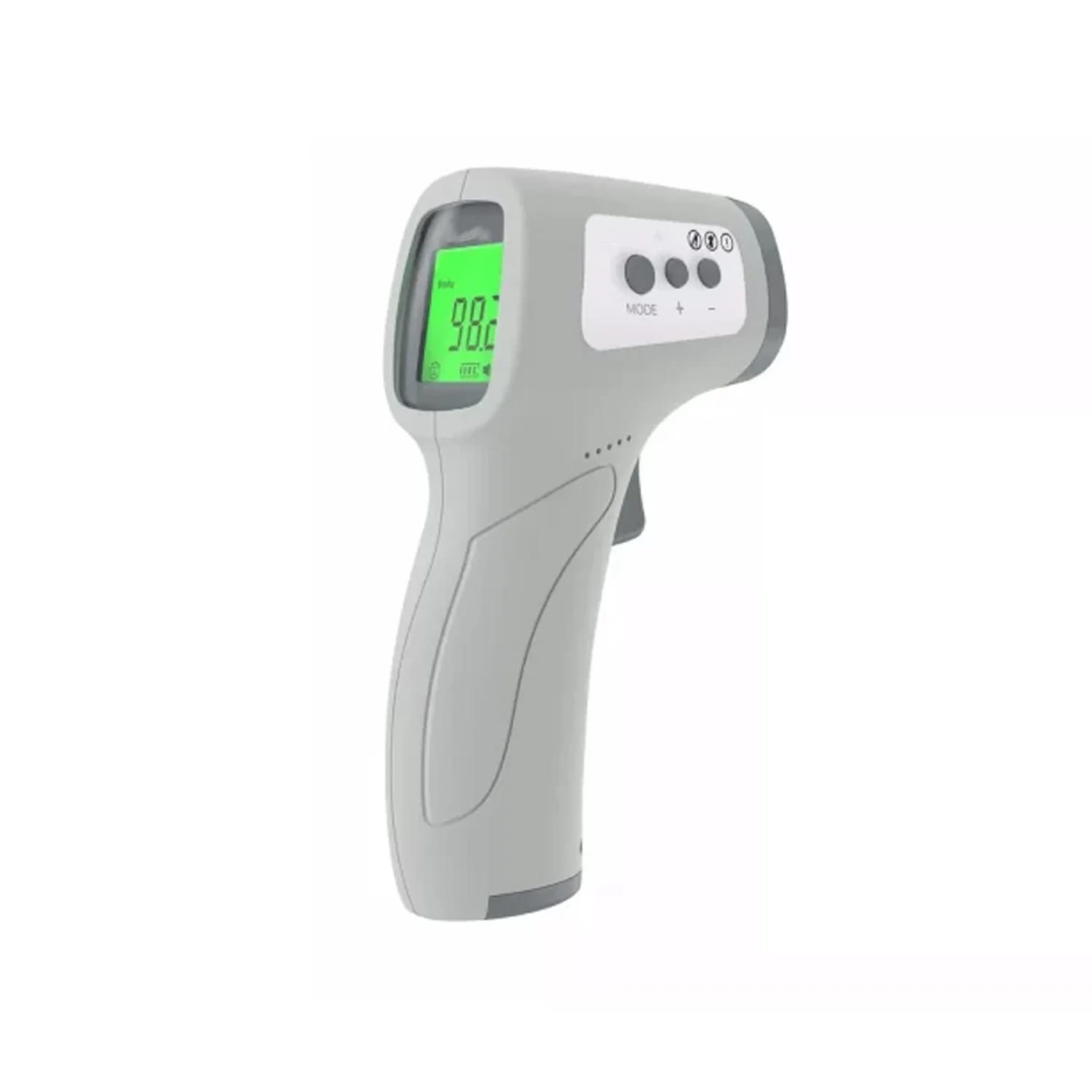
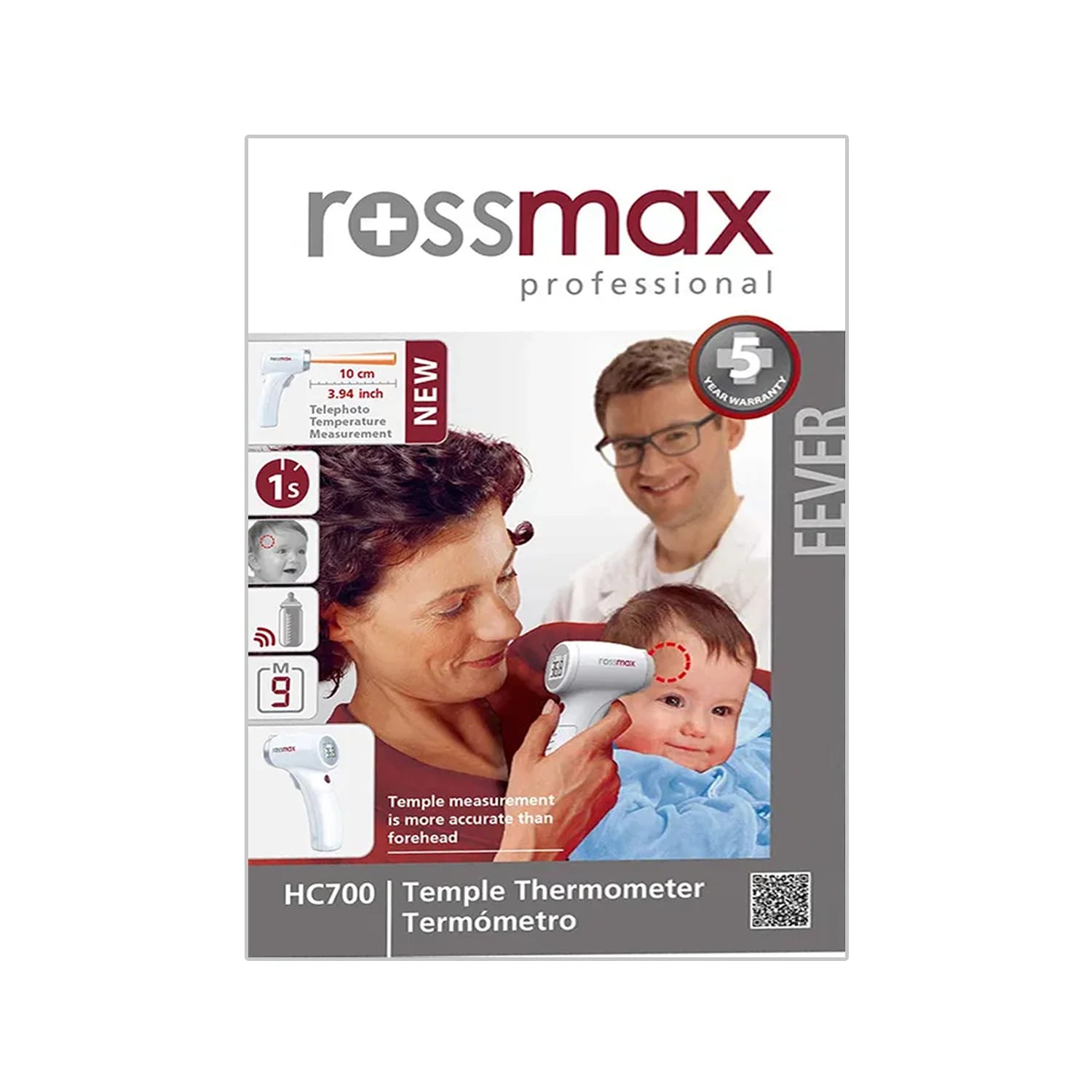
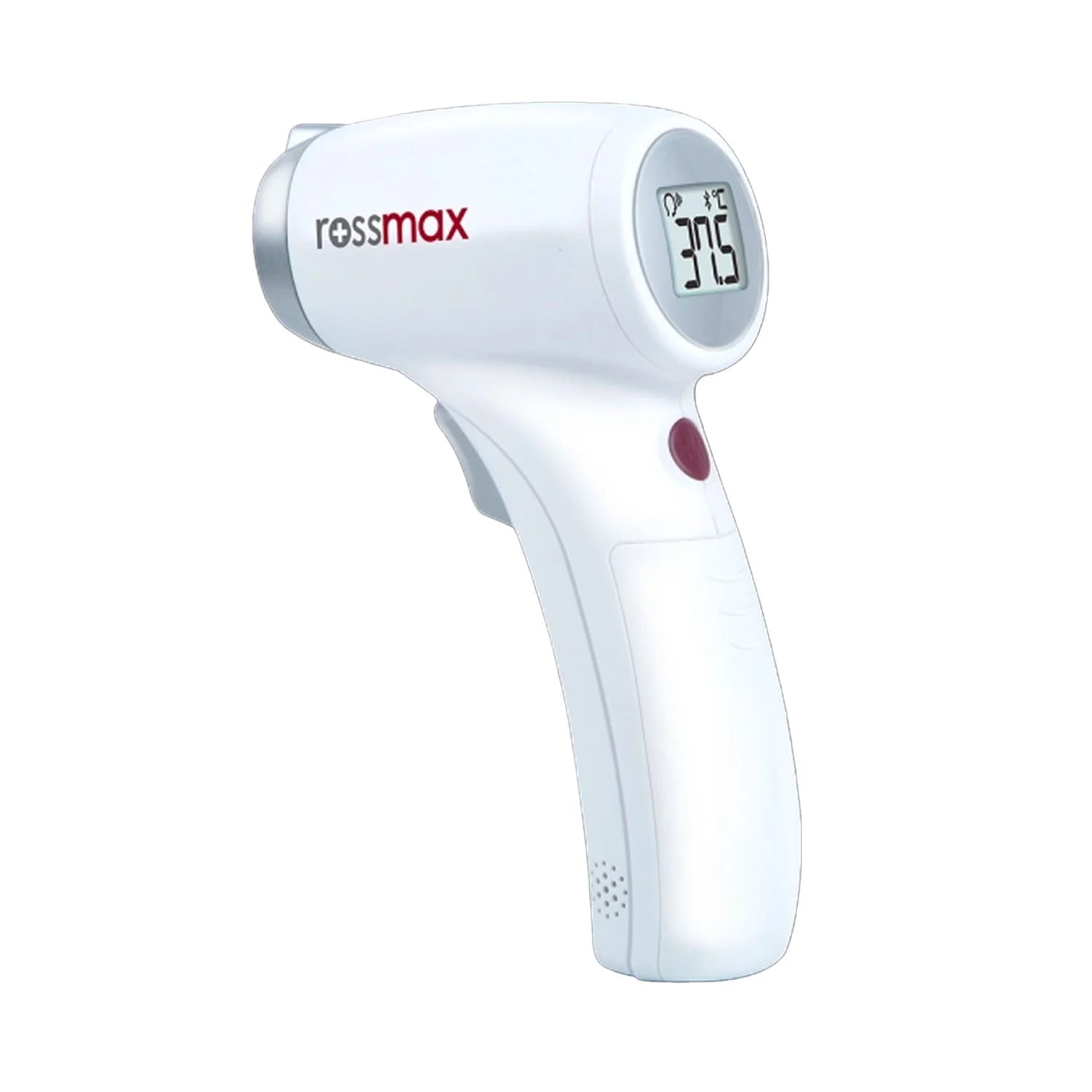
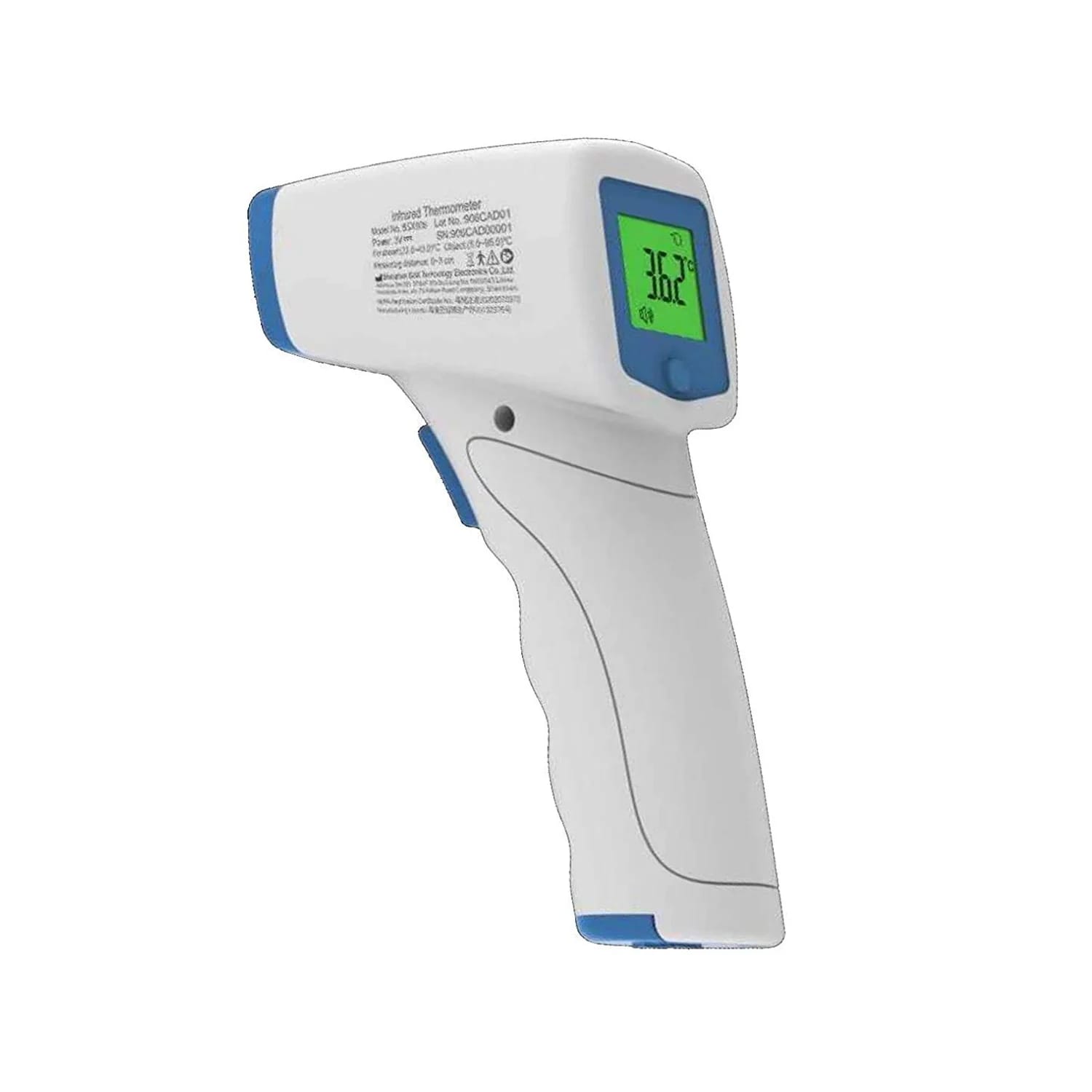
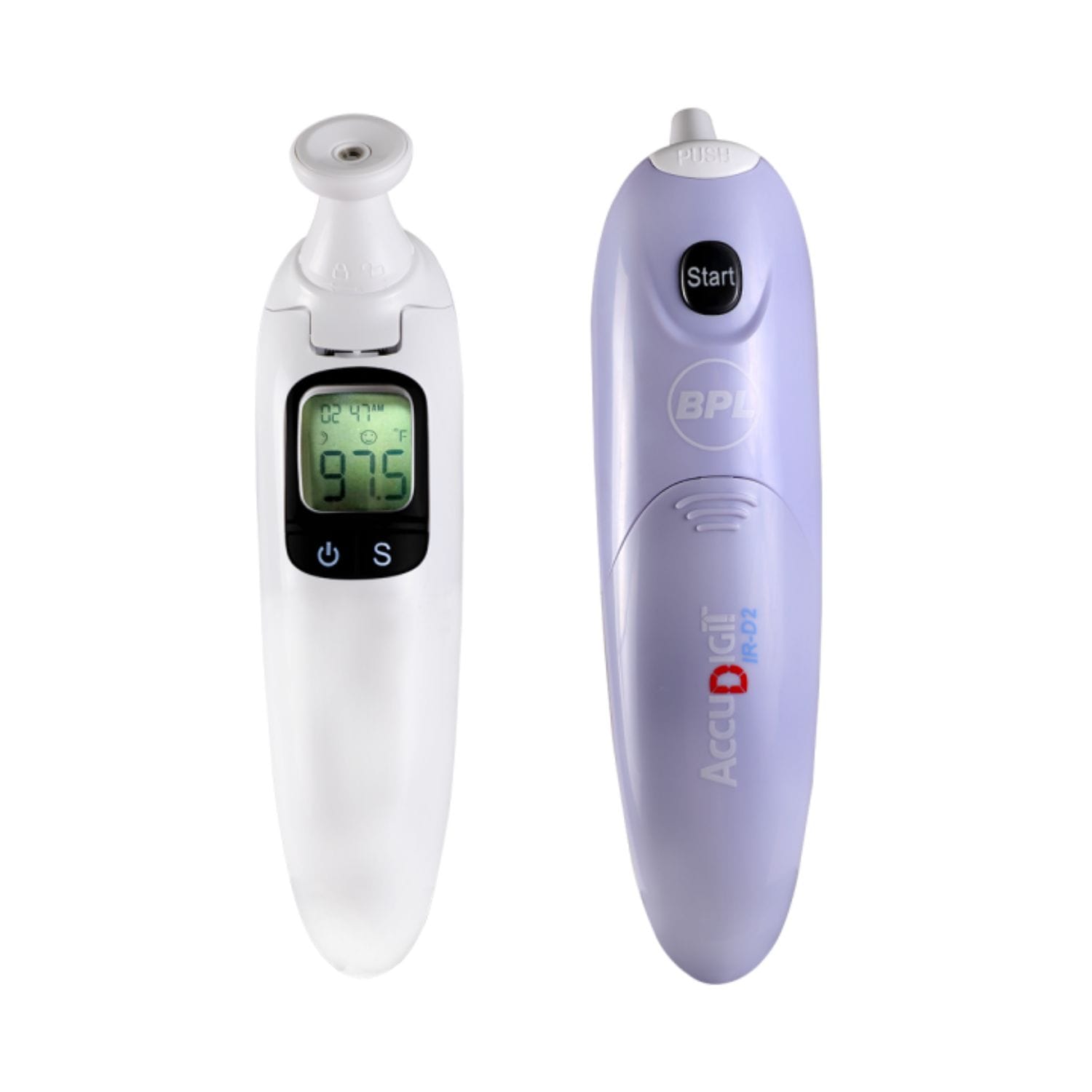
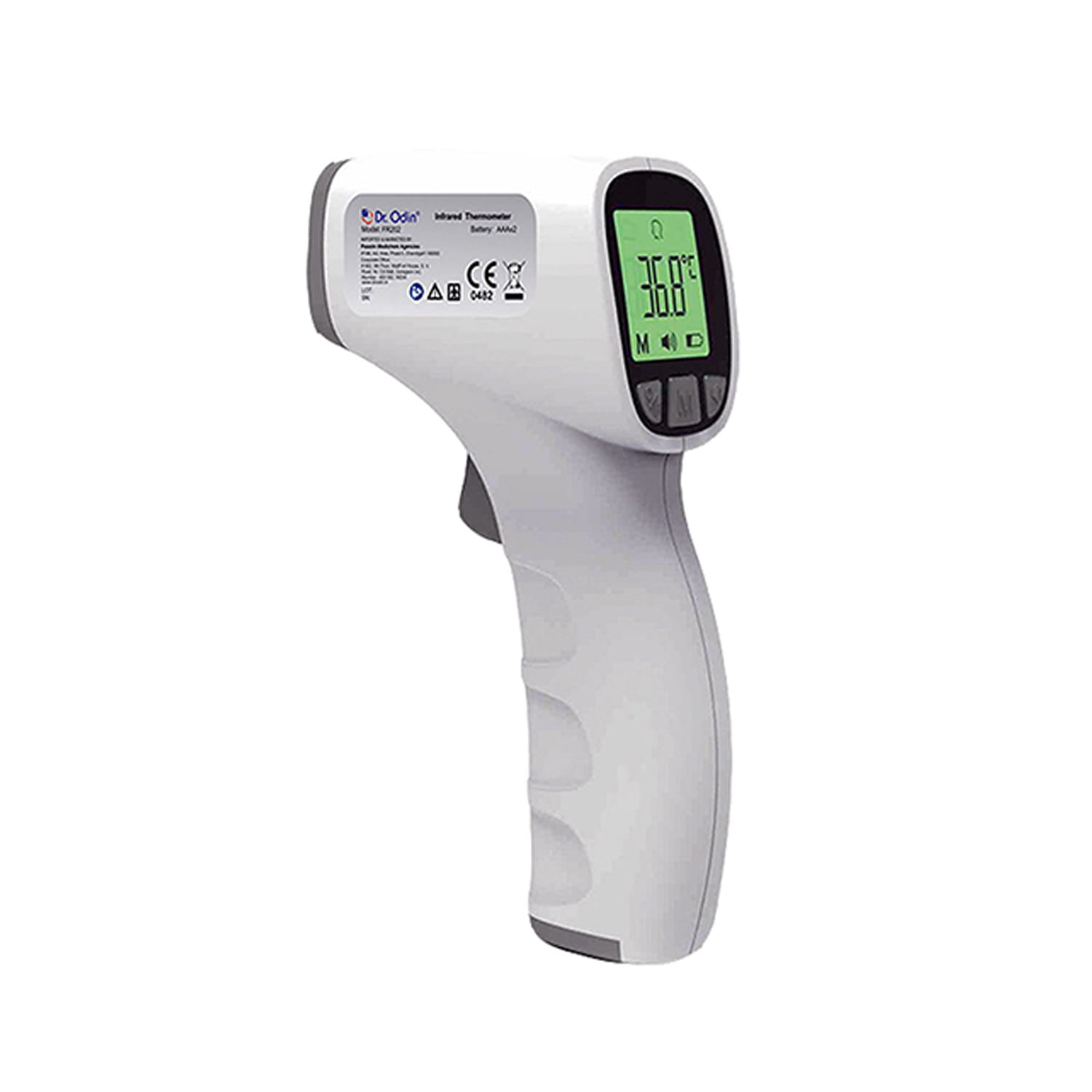
Non-contact or gentle-contact devices that scan the forehead for a fast reading without waking someone up.
Meant to go under the tongue for an accurate core body temperature reading in adults and older kids.
Used under the arm, usually a touch less precise than oral readings but comfortable enough for regular, everyday use.
Forehead or ear thermometers tend to be the preferred choice for babies since they give a quick, non-invasive reading without disturbing them.
Digital thermometers with soft, child-friendly tips work well for older kids who can hold still long enough.
Non-contact designs suit kids who might resist more invasive ways of taking a temperature.
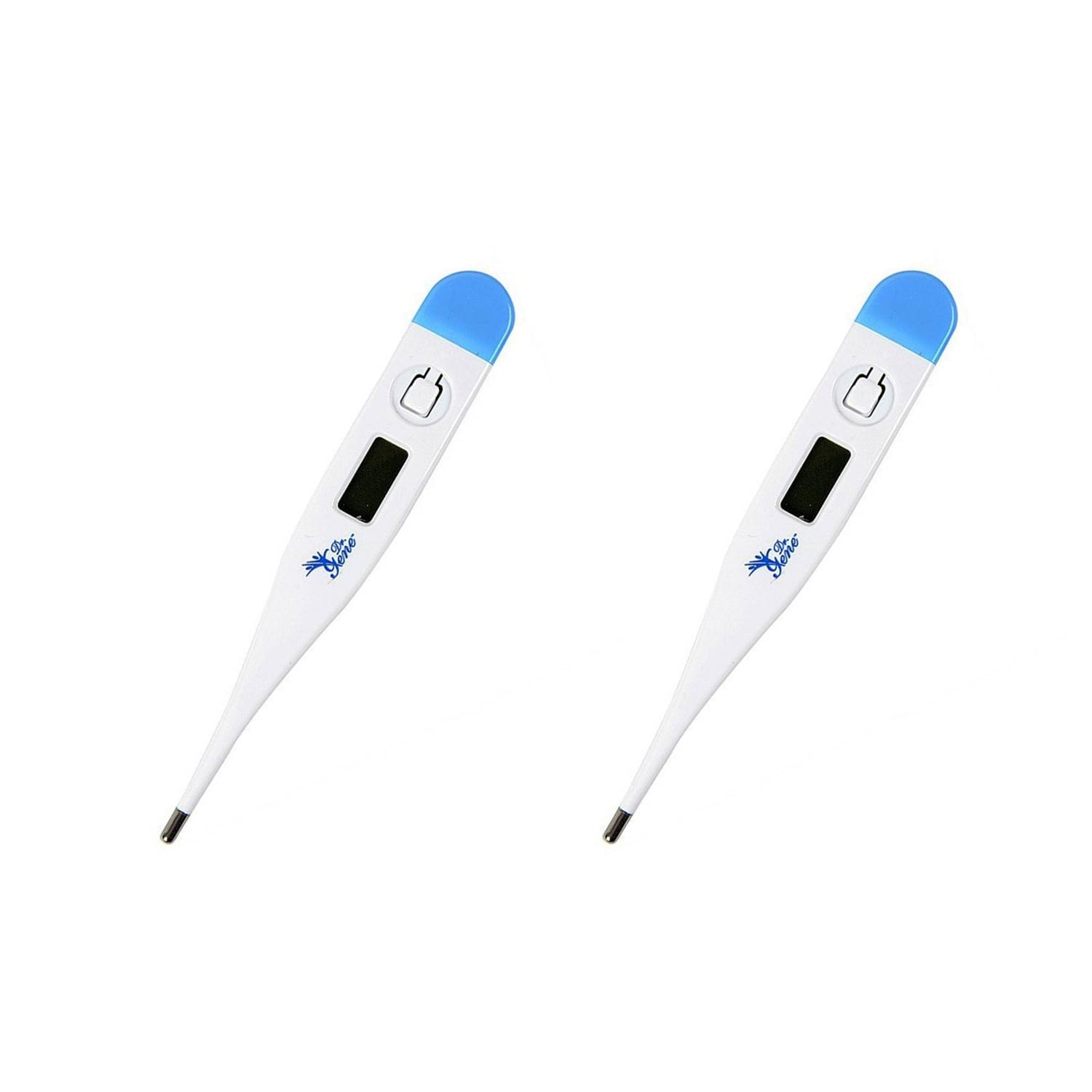
Oral or armpit digital thermometers are widely used and dependable for tracking a fever at home over several days.
Forehead thermometers are faster and less intrusive. Oral thermometers tend to be more precise if you want to confirm a reading.
A digital or forehead thermometer with a quick read time covers most everyday household needs just fine.
Used to track small shifts in temperature, often for fertility tracking across a monthly cycle.
Look for one with higher precision decimal readings compared to a standard fever thermometer.
Think about whether oral, forehead, armpit, or ear measurement suits the user better, based on their age and comfort.
Babies and young children usually do better with forehead or ear thermometers rather than oral ones.
A clear, backlit display makes it easier to read the temperature, especially at night during an illness.
Non-contact and forehead thermometers usually give the fastest readings, which helps when checking on a sleeping child.
Place the thermometer where directed, under the tongue, the arm, or wherever specified, hold it in position until it signals it's done, and clean the tip before and after each use to keep things hygienic between family members.
Basic digital thermometers are some of the most affordable health monitoring devices you can buy.
Non-contact and infrared thermometers usually cost more than standard digital models because of the scanning technology involved.
Wipe the tip or sensor with an alcohol swab after every use, and keep the thermometer in its case to protect it from damage or contamination.
A thermometer gives a single reading at the moment you use it, while a temperature monitor can track readings continuously or at set intervals over a longer stretch of time.
Check for accuracy claims, battery type, warranty, and whether the thermometer actually suits your use case, infant or adult monitoring, before buying.
Type: Digital Oral
Key difference: Under-tongue reading
Best suited for: Adults and older children
Type: Forehead/Temporal
Key difference: Non-contact scan
Best suited for: Babies and quick checks
Type: Armpit
Key difference: Under-arm reading
Best suited for: Comfortable everyday use