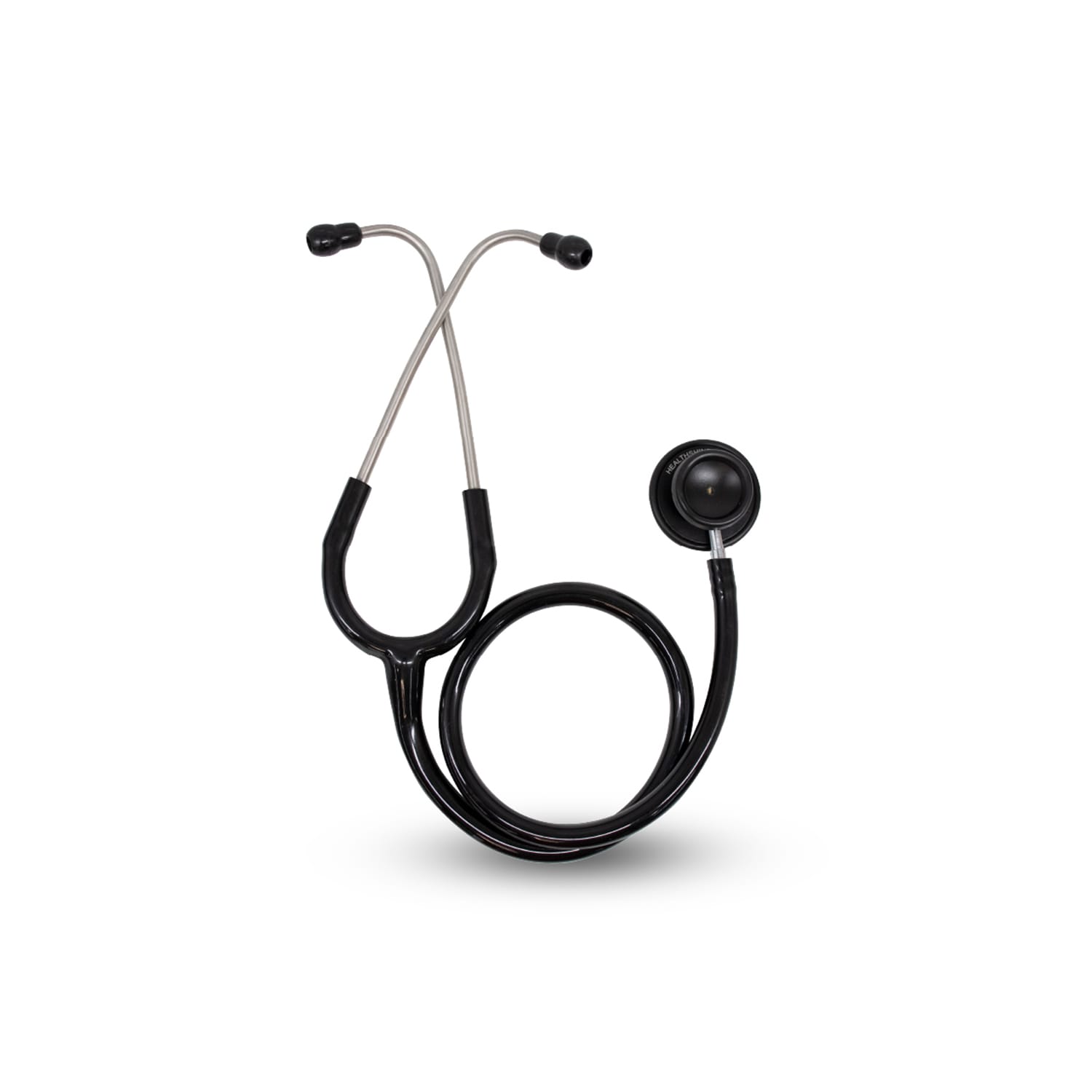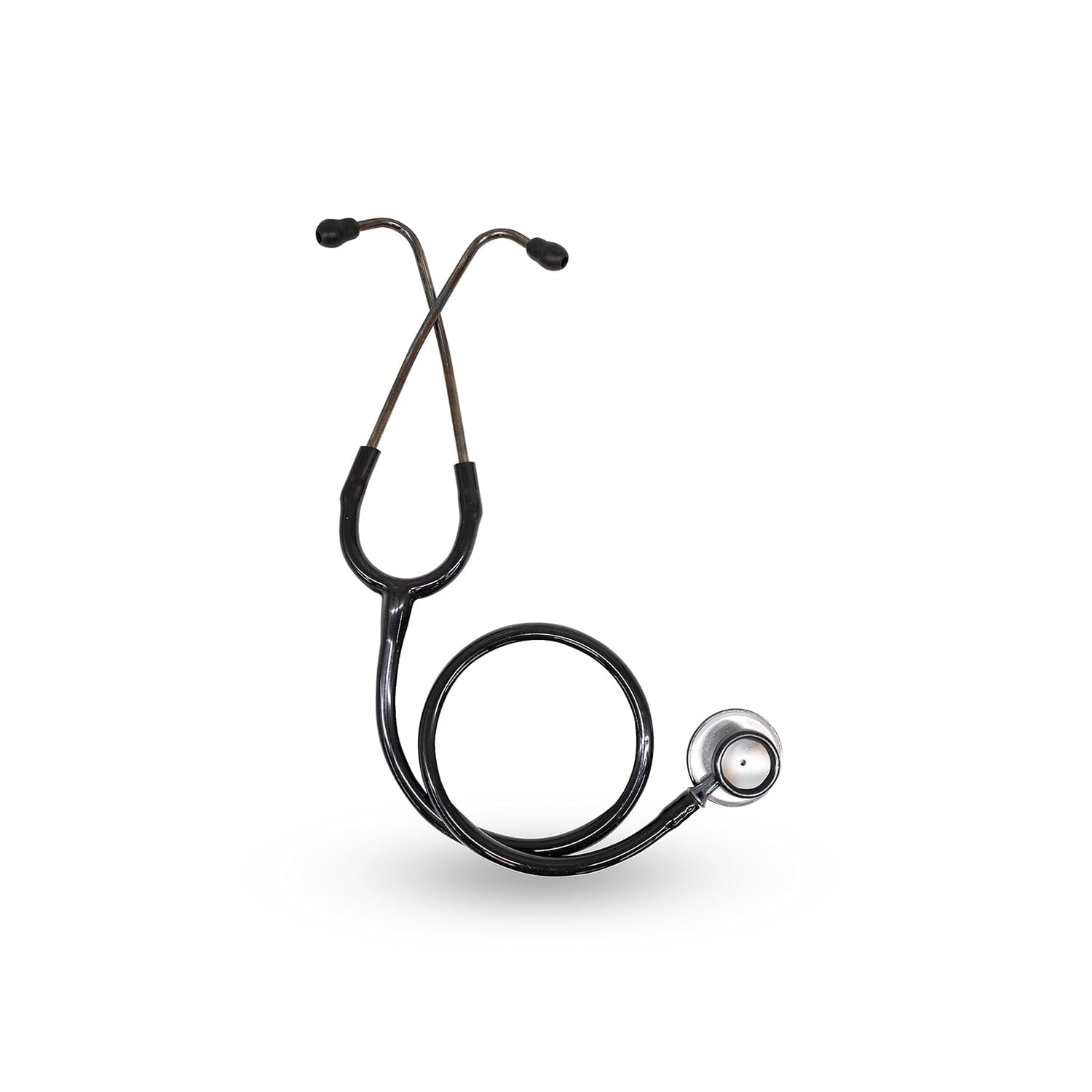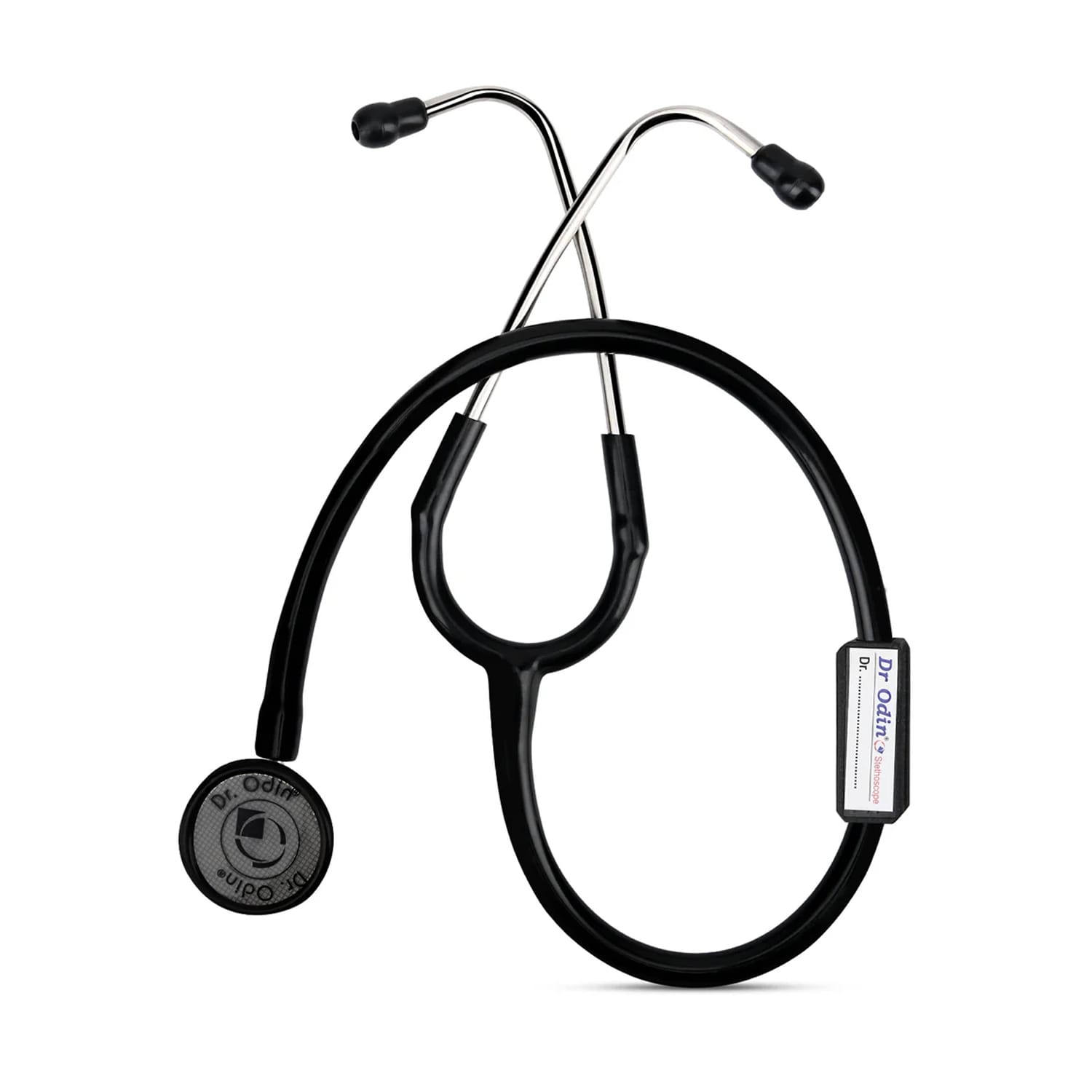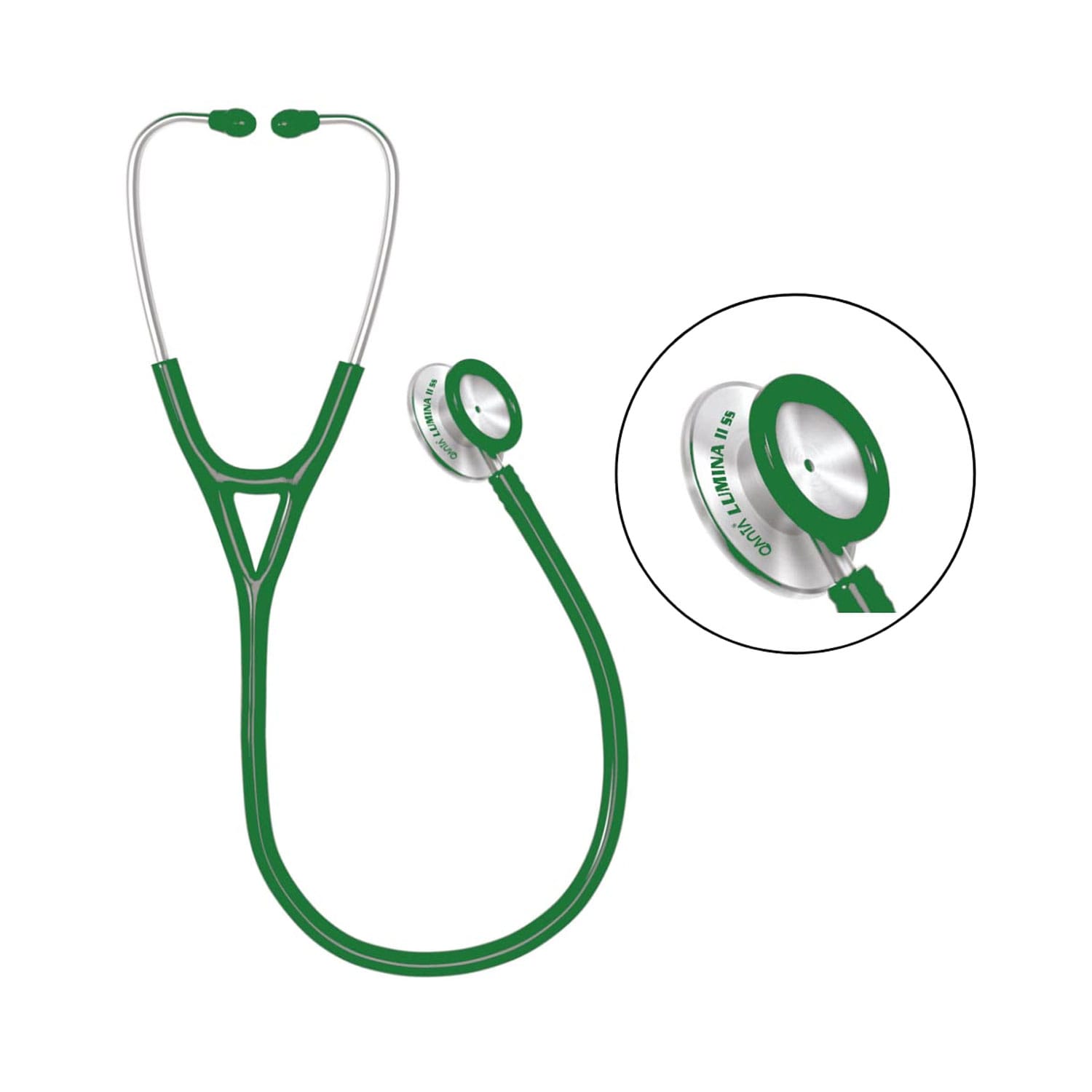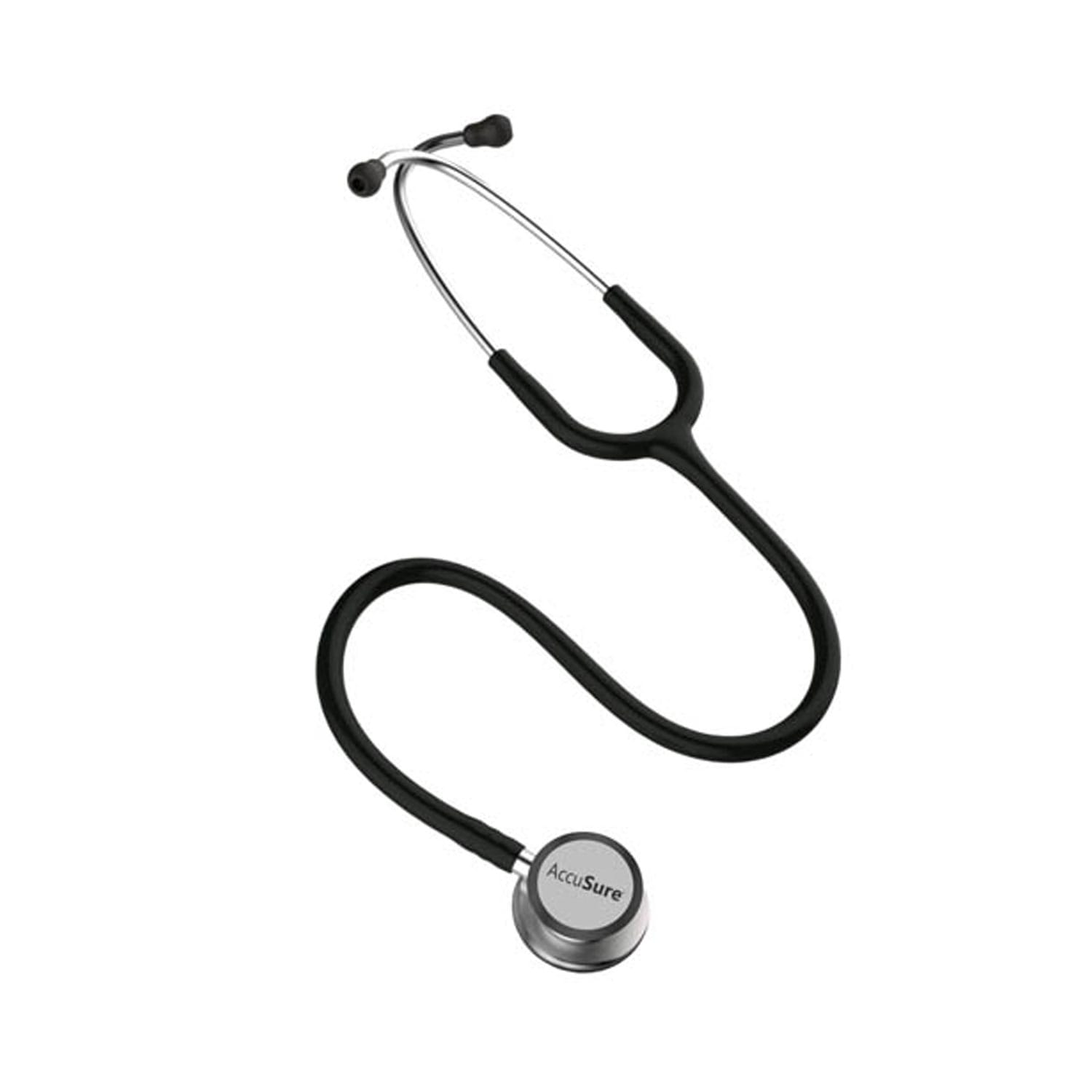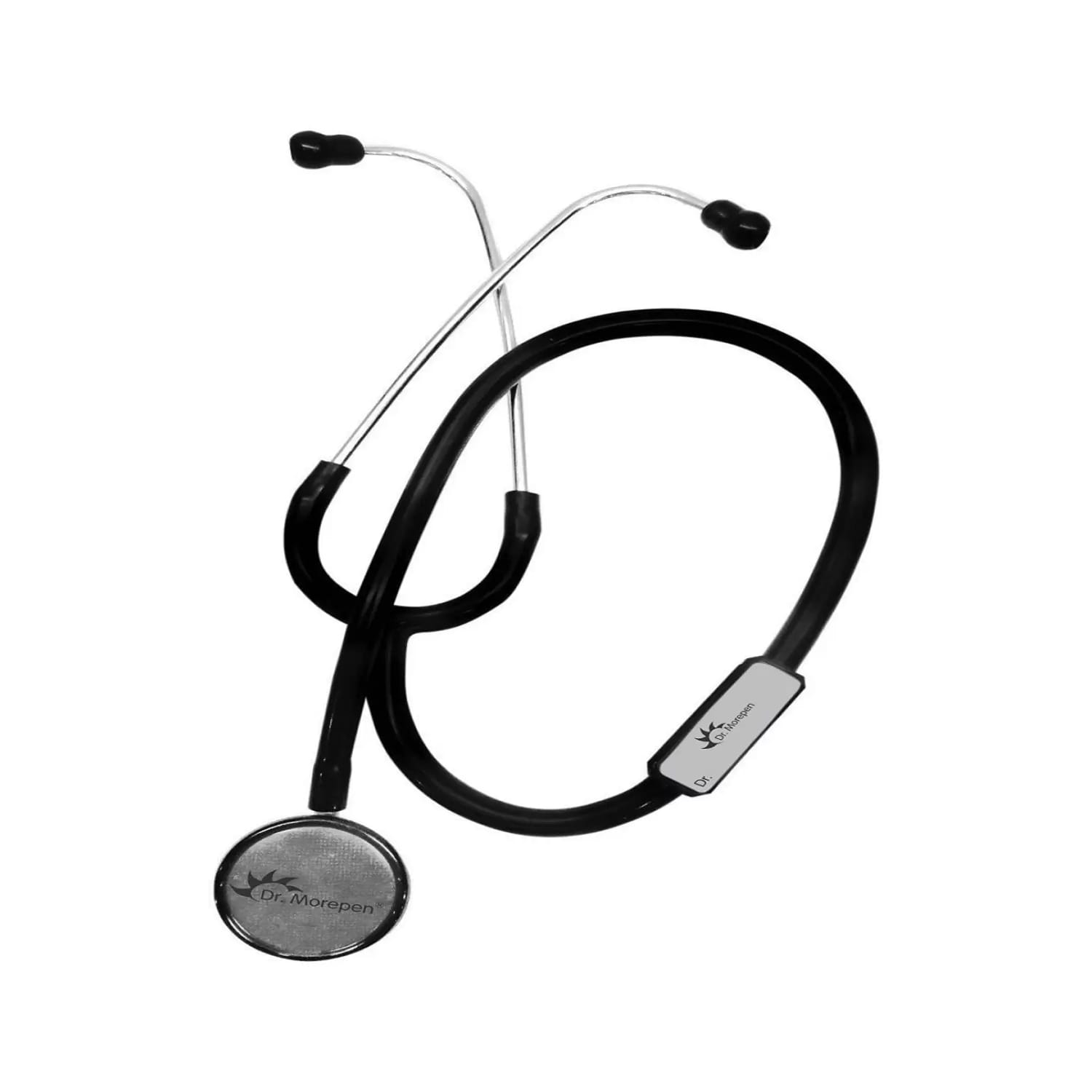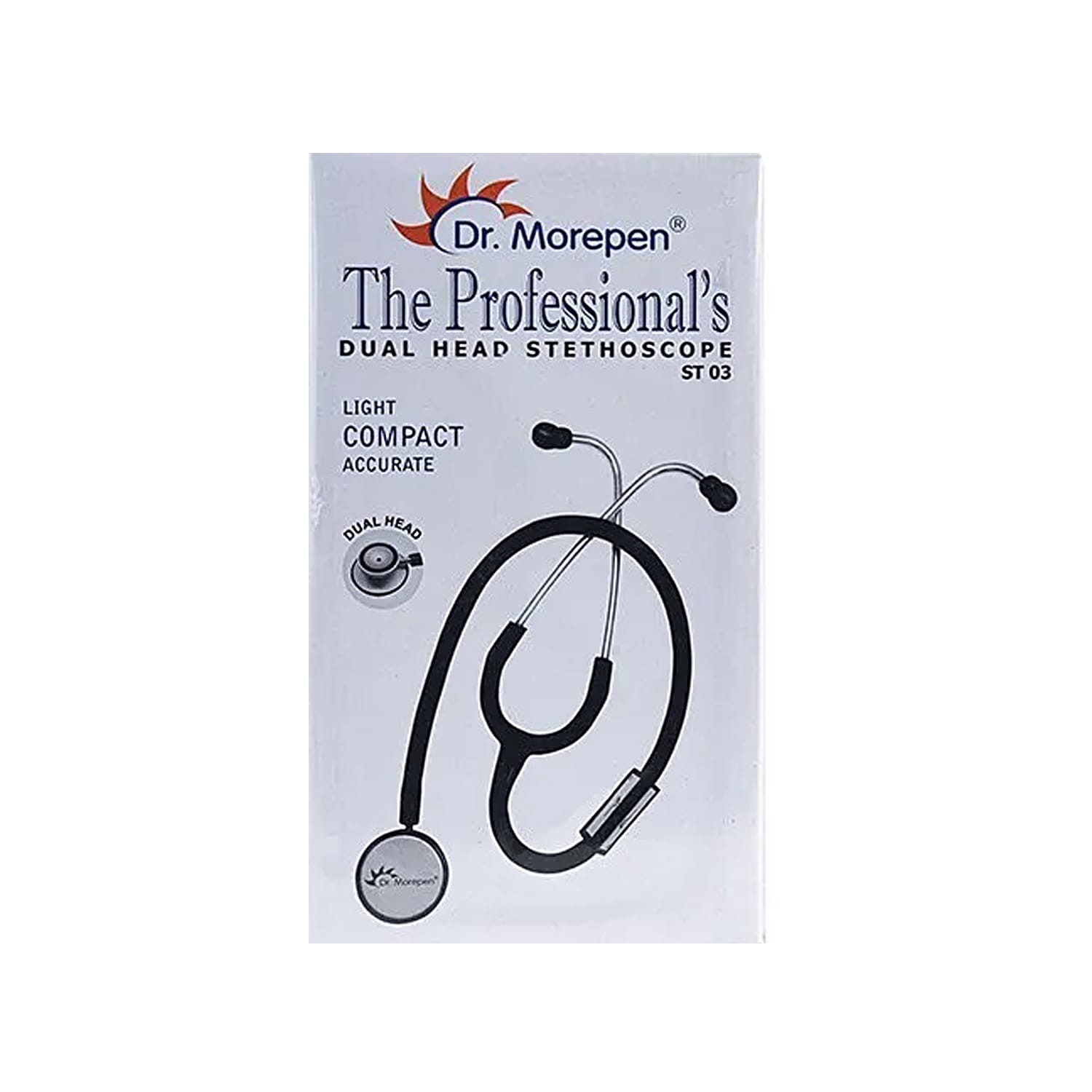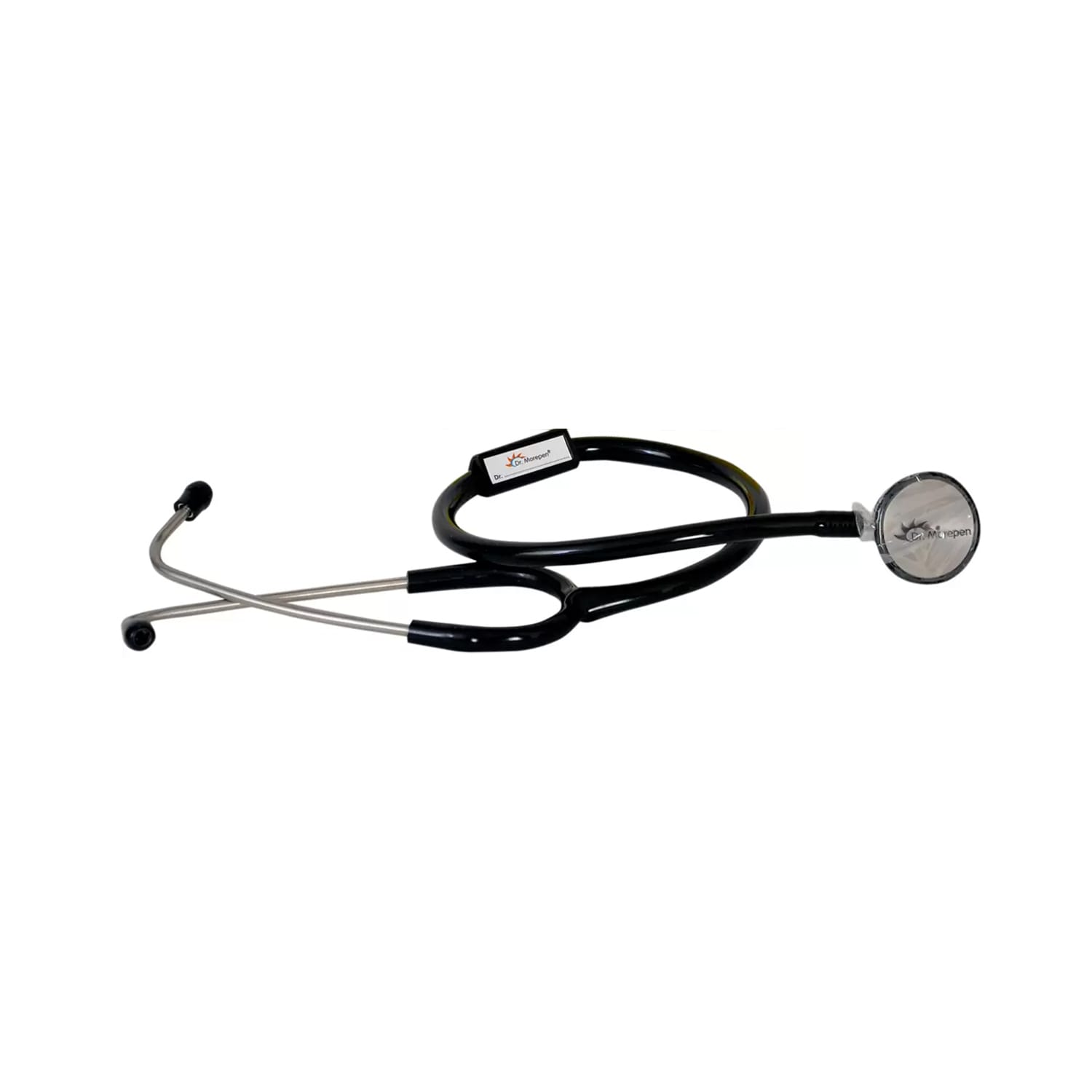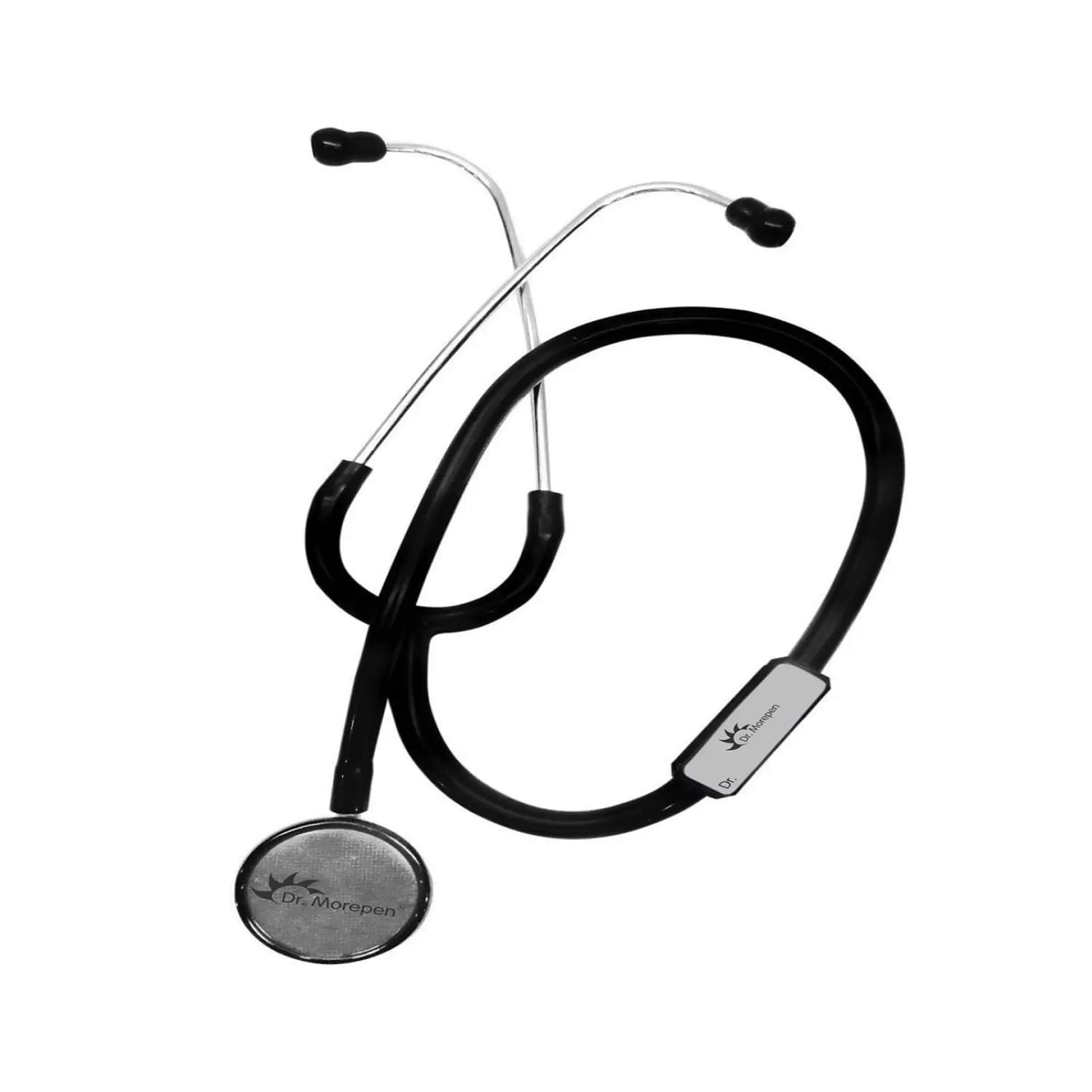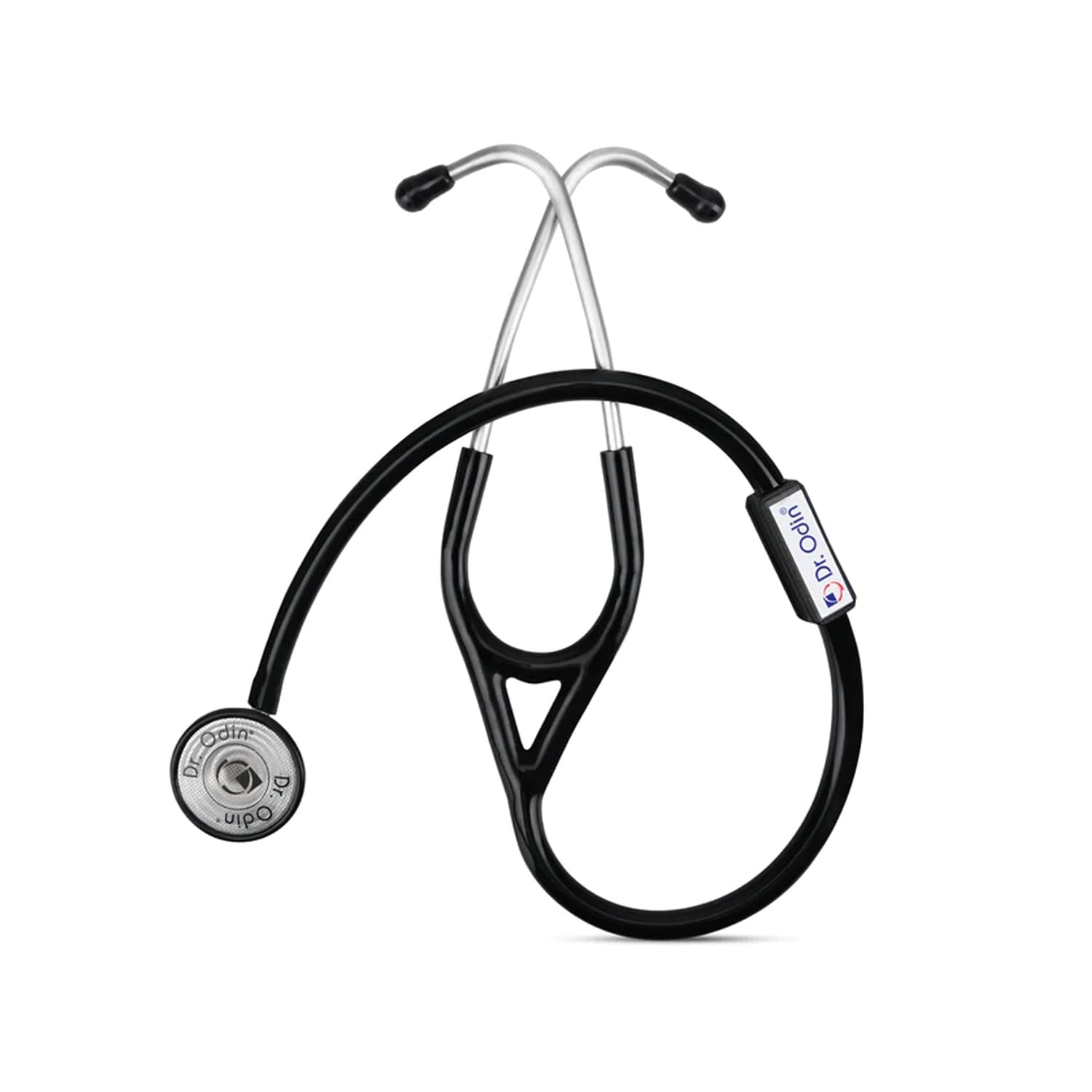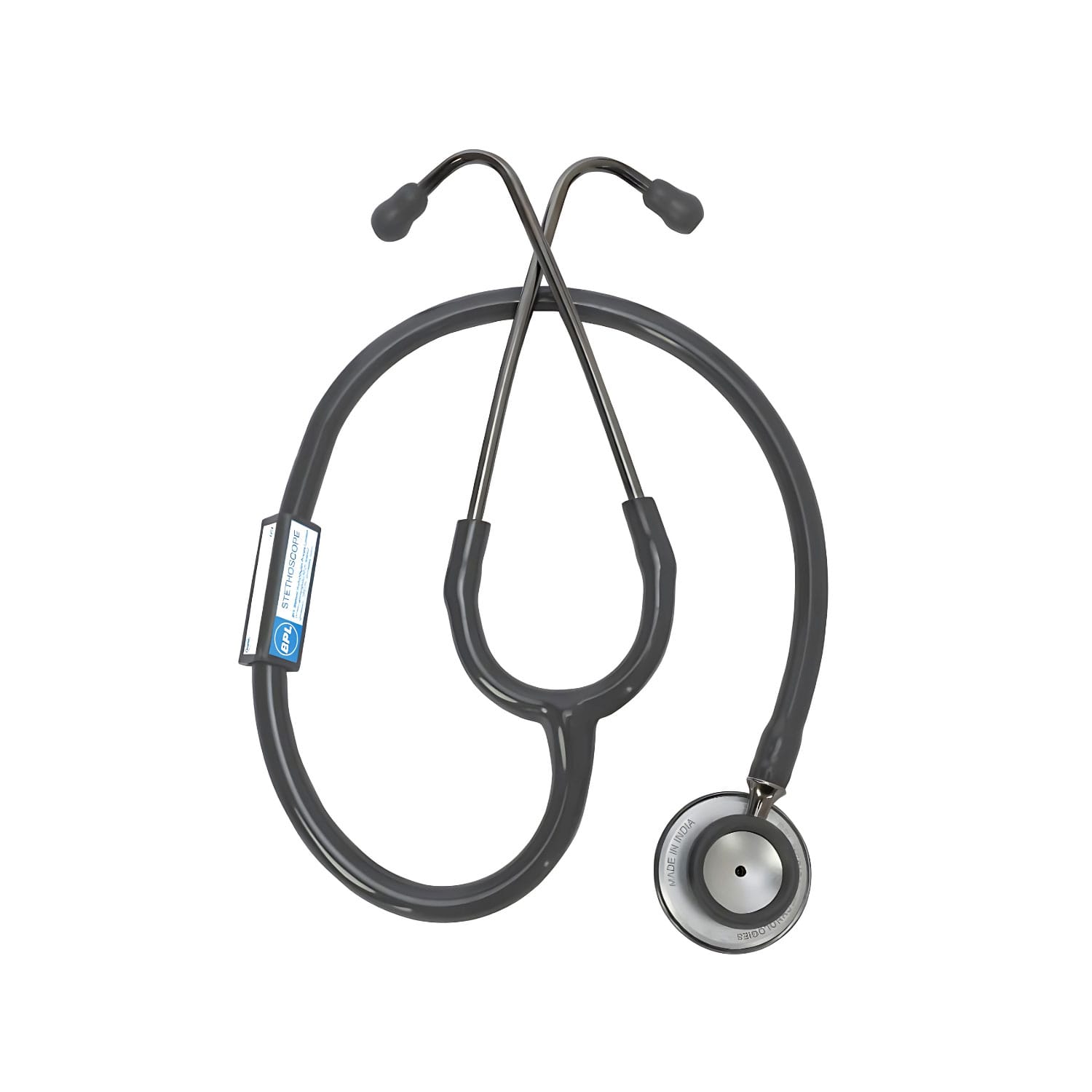



Healthshine Stethoscope Max Pediatric
Healthshine
4.9 ★ (9)
₹1,39510% off₹1,550

A stethoscope is a diagnostic tool used to listen to what's going on inside the body, most commonly the heart and lungs, helping healthcare professionals assess a patient during an examination. It's still one of the most basic, most used tools in everyday clinical practice.
The traditional kind, using a chestpiece and tubing to carry sound straight to the ears, no electronic amplification involved.
Amplify sound electronically, often with noise reduction built in, so listening stays clear even in busy environments.
A general term covering stethoscopes made for professional clinical use, spanning everything from general practice to cardiology.
General practitioners often lean toward versatile acoustic models that suit a wide range of examinations across different patients.
Specialists sometimes go for models with tunable diaphragms, which help with more focused listening for their particular field.
Sound clarity, comfort during long wear, and durability matter most for daily professional use.
Usually favour higher acoustic sensitivity, which helps with detailed diagnostic work across a broad range of patients.
Tend to be lightweight and dependable for the routine checks that come up again and again across a shift.
Budget-friendly models with decent sound clarity are the common pick during training, before investing in something professional grade later.
Acoustic stethoscopes are simpler and cheaper. Digital versions give amplified, clearer sound for more specific diagnostic needs.
A dual-head chestpiece lets you switch between bell and diaphragm for picking up different sound frequencies during an exam.
Softer tubing and earpieces that actually fit well make a real difference over long shifts and repeated daily use.
A lighter stethoscope is a lot more comfortable to wear around the neck for hours at a time.
Sound from inside the body vibrates the diaphragm or bell on the chestpiece, and that travels through the tubing to the earpieces. This lets the listener hear heart, lung, or other internal sounds clearly enough to make a diagnostic assessment.
Place the chestpiece right against the skin, not over clothing, for clearer and more accurate sound.
Move around systematically to different points on the chest so various areas get assessed properly during the exam.
Wipe the chestpiece and earpieces with an alcohol swab after every use to keep things hygienic between patients.
Acoustic stethoscopes are generally cheaper than digital or electronic versions with added amplification.
Build quality, tubing material, and extra features like noise reduction all play into the final price.
Check that the seller is authorised, look for warranty coverage, and confirm the product actually matches the listed specs before buying, that way you avoid ending up with a counterfeit or a substandard instrument.
A stethoscope is for listening to internal body sounds like the heart and lungs, while a sphygmomanometer measures blood pressure. The two often get used together during a manual blood pressure check.
Look for verified sellers, clear product specs, and warranty details, since that's what protects authenticity and after-sales support for what's really a long-term clinical investment.
Type: Acoustic
Key difference: Traditional, no amplification
Best suited for: General clinical use
Type: Digital/Electronic
Key difference: Amplified, noise-reduced sound
Best suited for: Detailed diagnostic listening