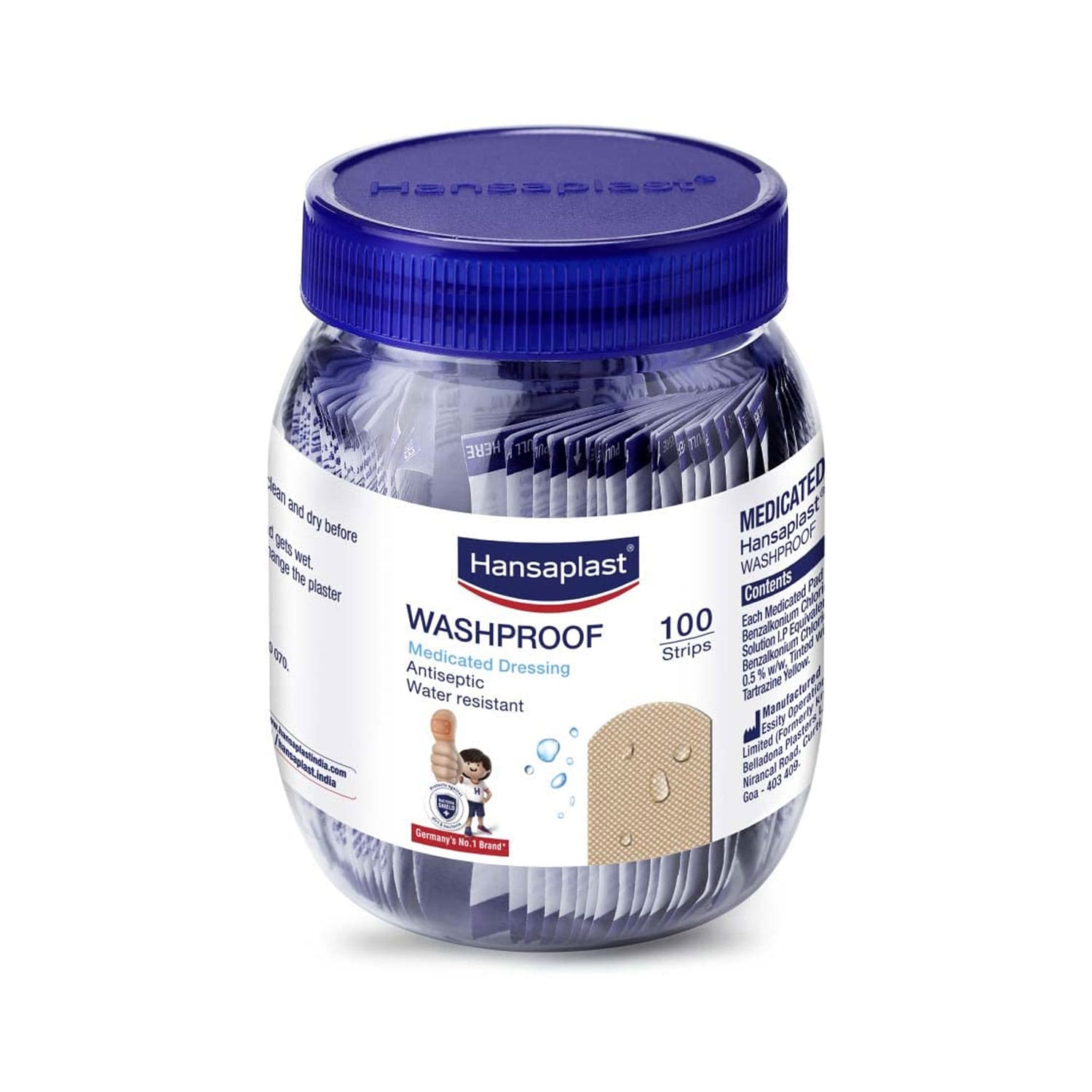



Hansaplast Spot Plaster - 50 Spots (Pack of 2)
Hansaplast
₹200₹200
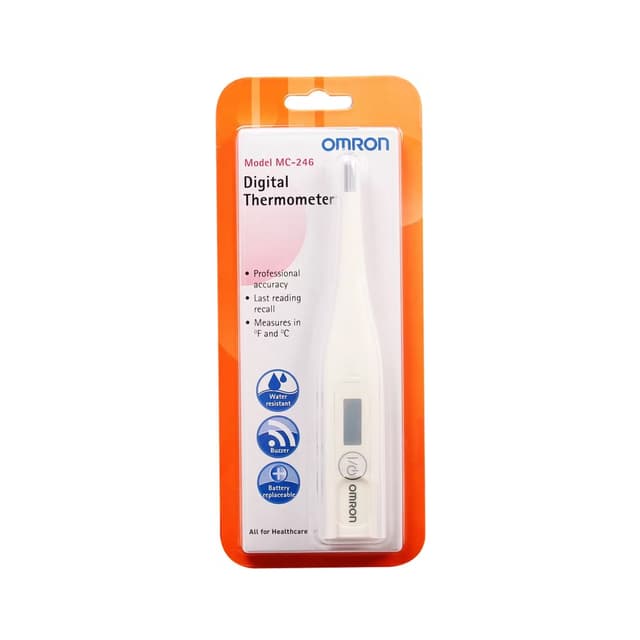


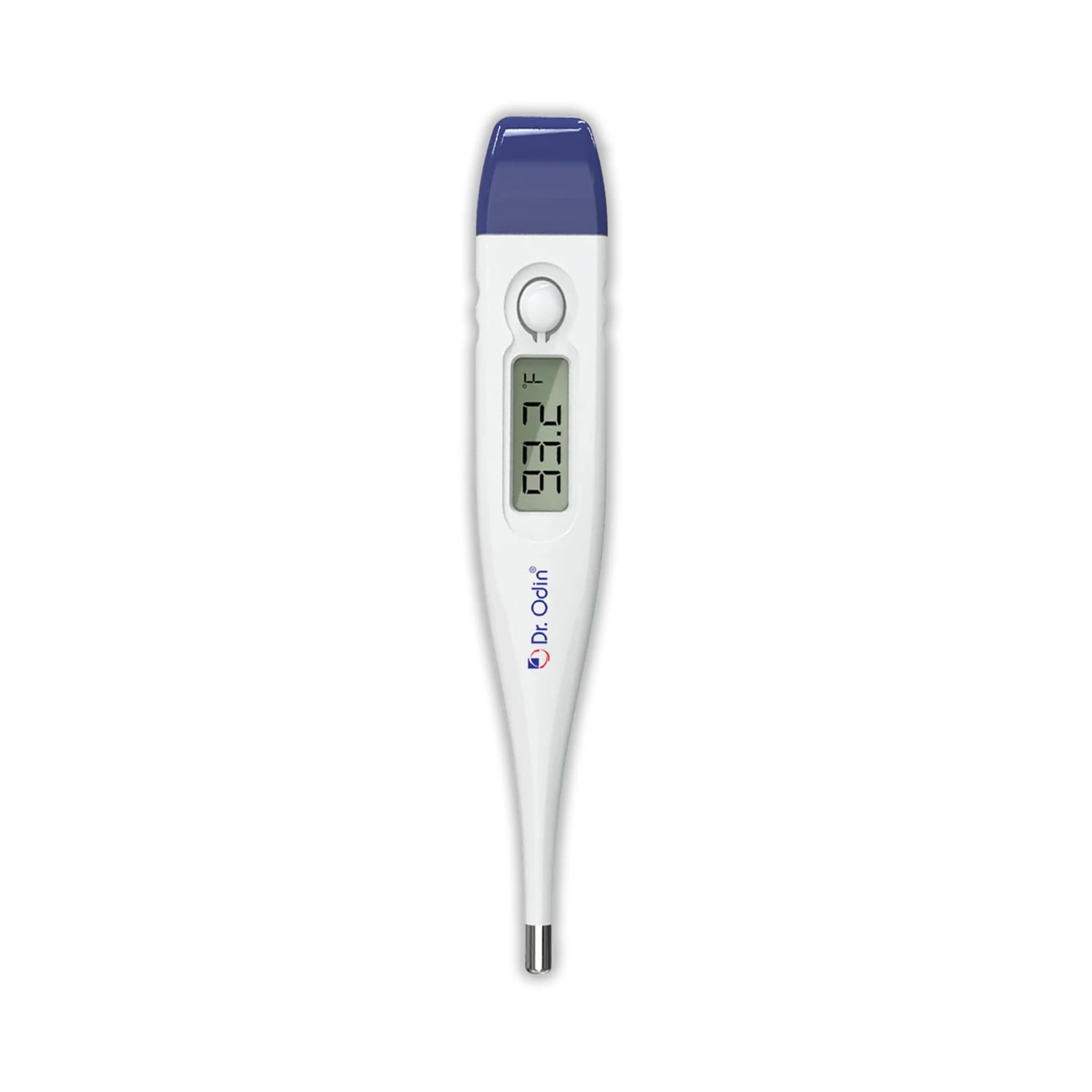
Results in few seconds
Highly accurate results
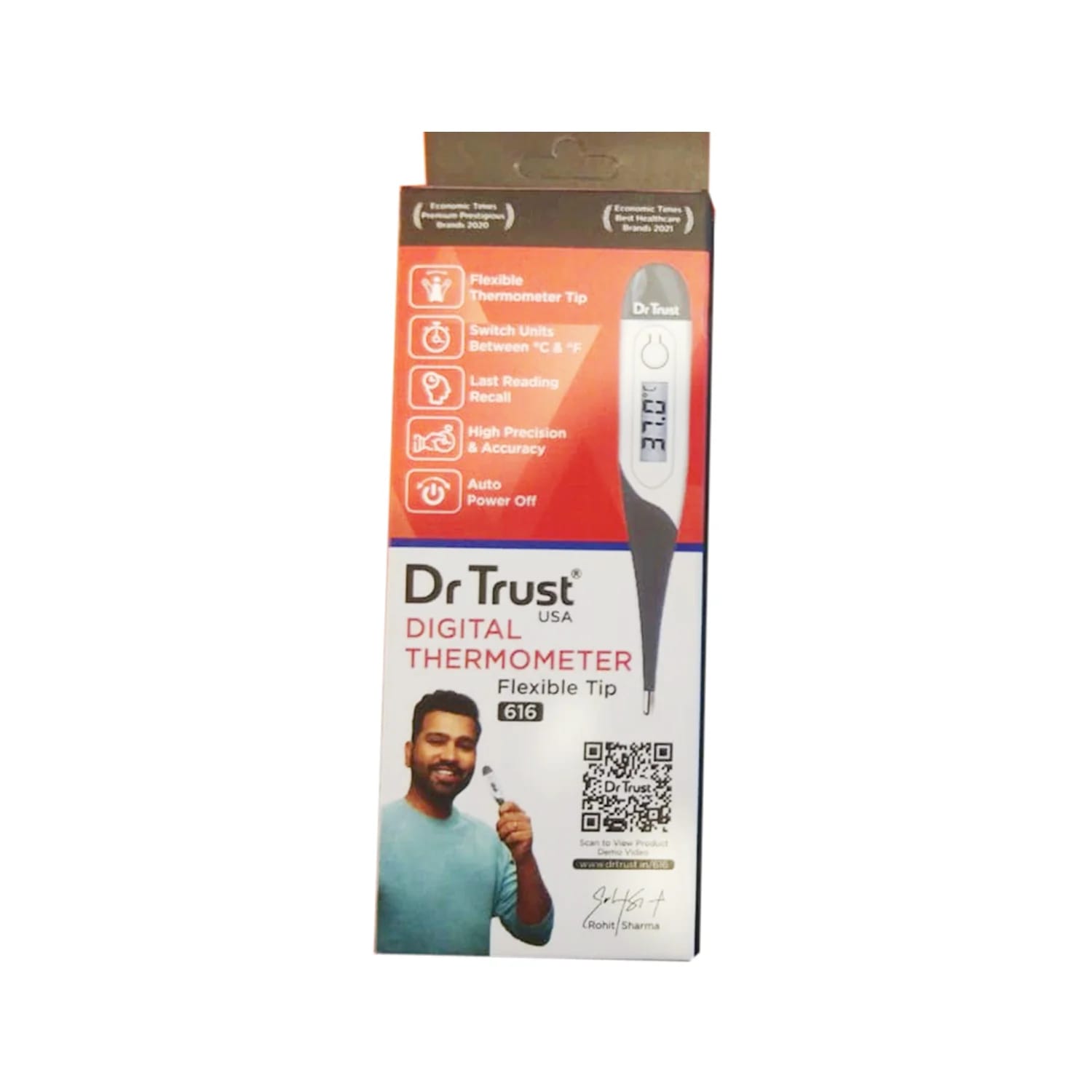
For oral, rectal and underarm use
Results can be read in Celsius and Fahrenheit
With auto switch off feature
Suitable for all age group
Take out the thermometer from the plastic case
Clean the thermometer tip with soft cloth
Turn on the power button
Use it orally / rectally / under the arm
Hold it until you hear a “buzzer” sound
Read the temperature
Press power button to switch off
Water resistant
Store in a cool and dry place
Keep out of reach of children
Make sure that the tip is clean before use, especially oral use
Primary Prevention: Ideal for routine health monitoring — helps track body temperature early, supporting timely awareness of normal fluctuations and overall daily health.
Secondary Prevention: Suitable when early signs of fever or illness appear — helps provide quick and accurate temperature readings, supporting prompt care and appropriate health decisions.
Tertiary Prevention: Recommended for ongoing illness monitoring or recovery — helps maintain regular temperature checks, support treatment evaluation, and promote continued health management at home.
Take out the thermometer from the plastic case, Clean the thermometer tip with soft cloth, Turn on the power button, Use it orally / rectally / under the arm, Hold it until you hear a “buzzer†sound, Read the temperature, Press power button to switch off
Normal body temperature can range between 97 F and 99 F (36.1ËšC and 37.2ËšC)
Normal body temperature is 37 (approximately). Generally, temperature 37.8 or higher consider as fever
Headache, general weakness, chills & shivering, dehydration, loss of appetite and muscle ache are the common symptoms of fever
Mostly, thermometers give correct results. But, sometimes it can provide wrong result; placing thermometer in incorrect position, effect of room temperature can be the reasons


Struggling to pick a commode chair for a senior? Find out what to check before buying so your loved one stays safe and independent.
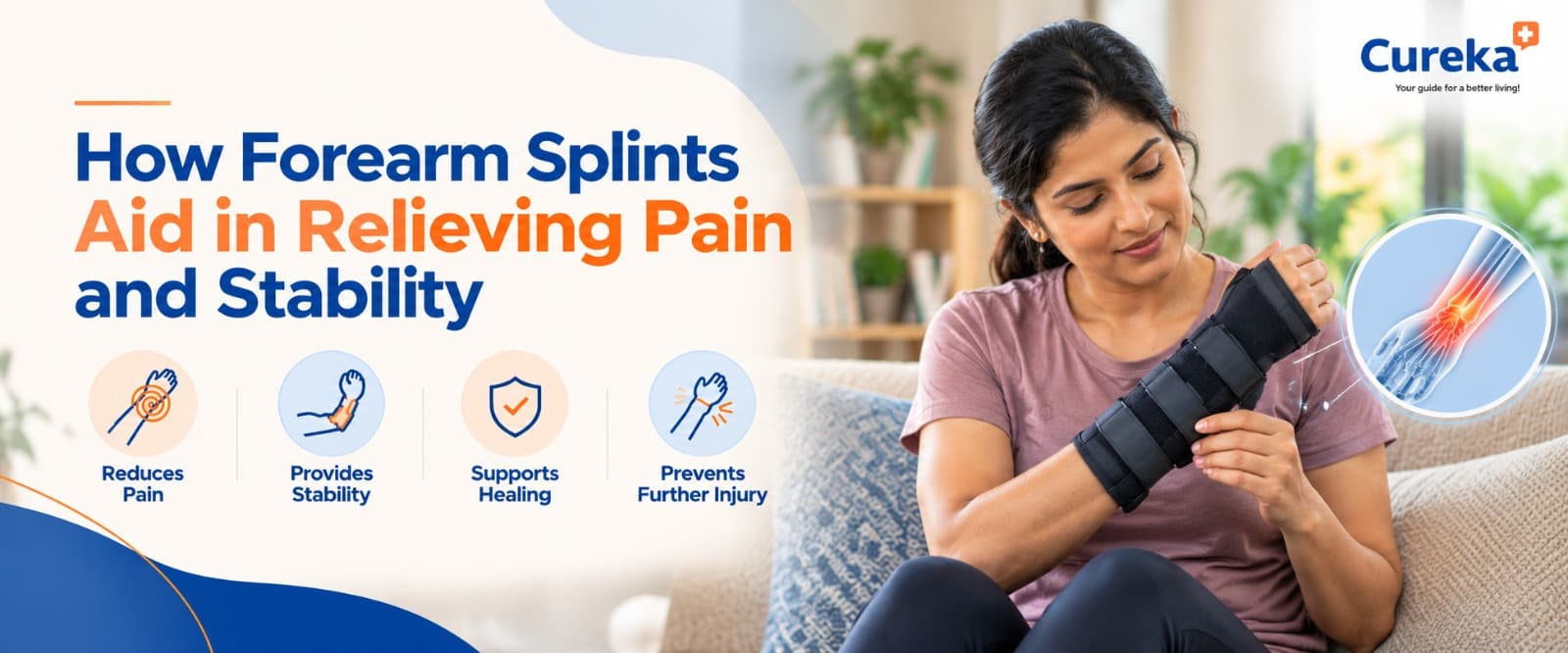
Forearm splints do more than immobilize — they relieve pain, protect injured tissue, and support recovery from sprains, tendinitis, and repetitive strain injuries.
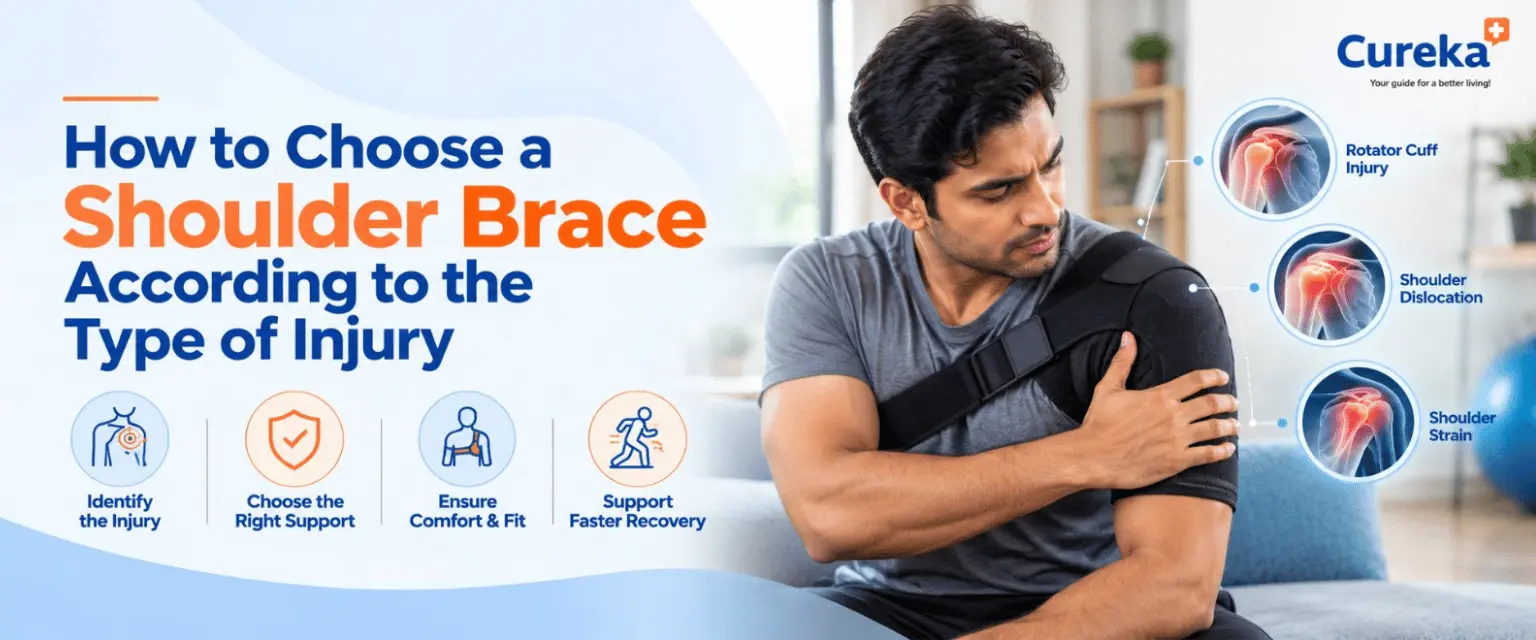
Struggling with shoulder pain? Find out which type of brace suits your injury best, so you can heal faster and get back to your daily routine.
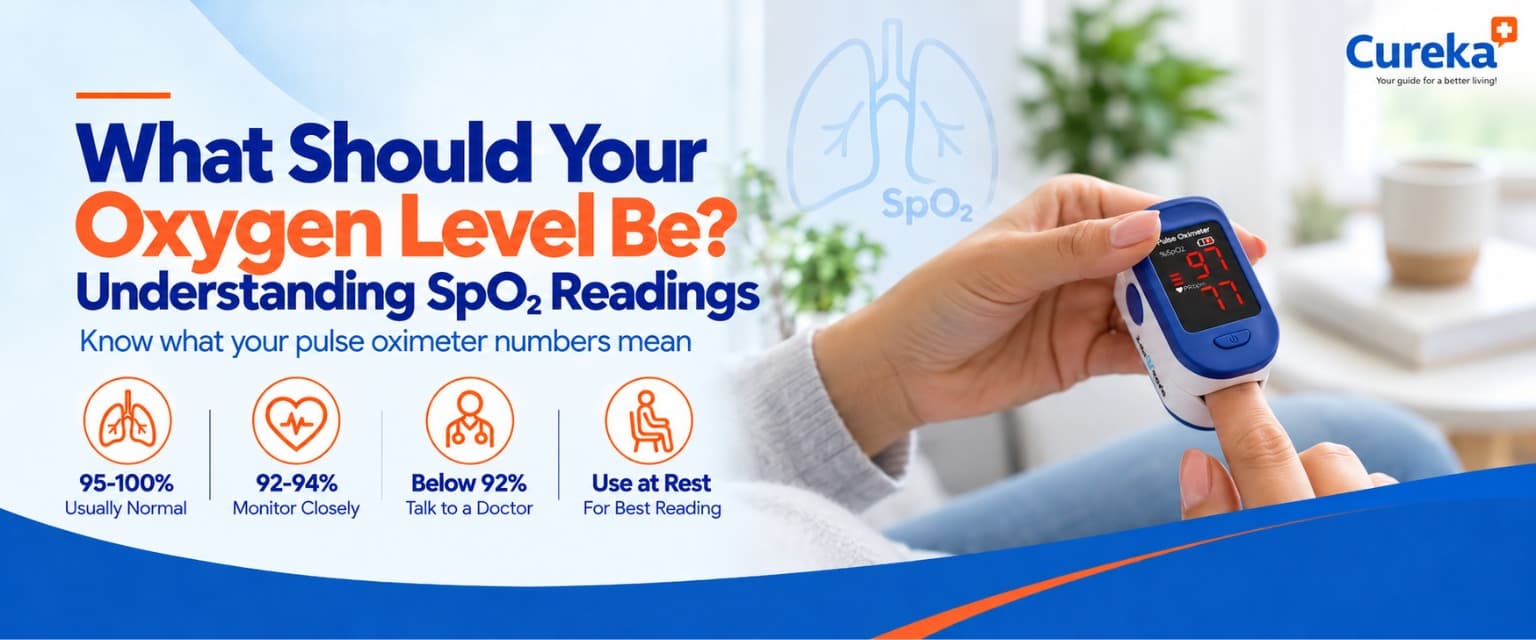
Is 94% a normal oxygen level? Understand healthy SpO₂ ranges, why pulse oximeter readings change, and the warning signs that need medical help.