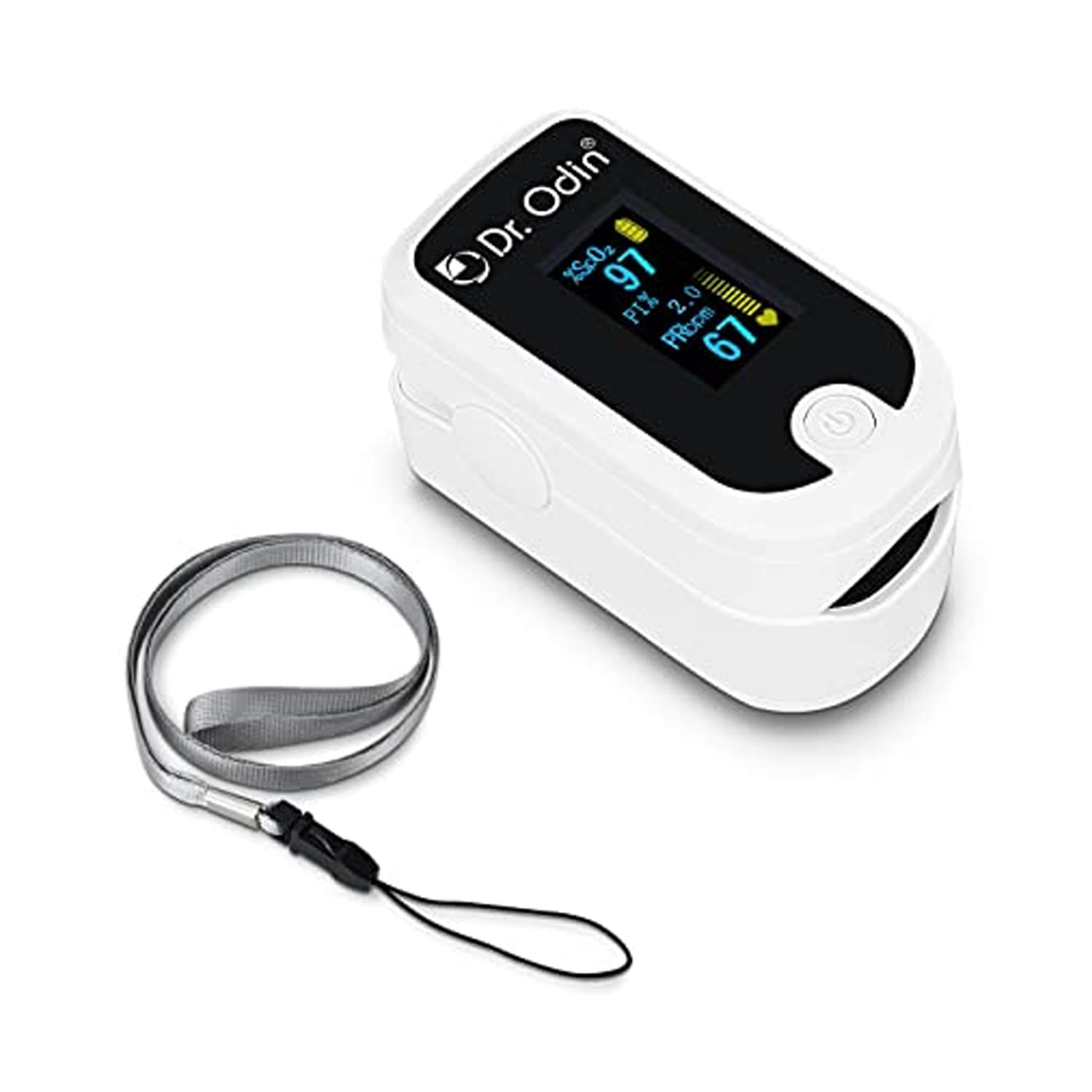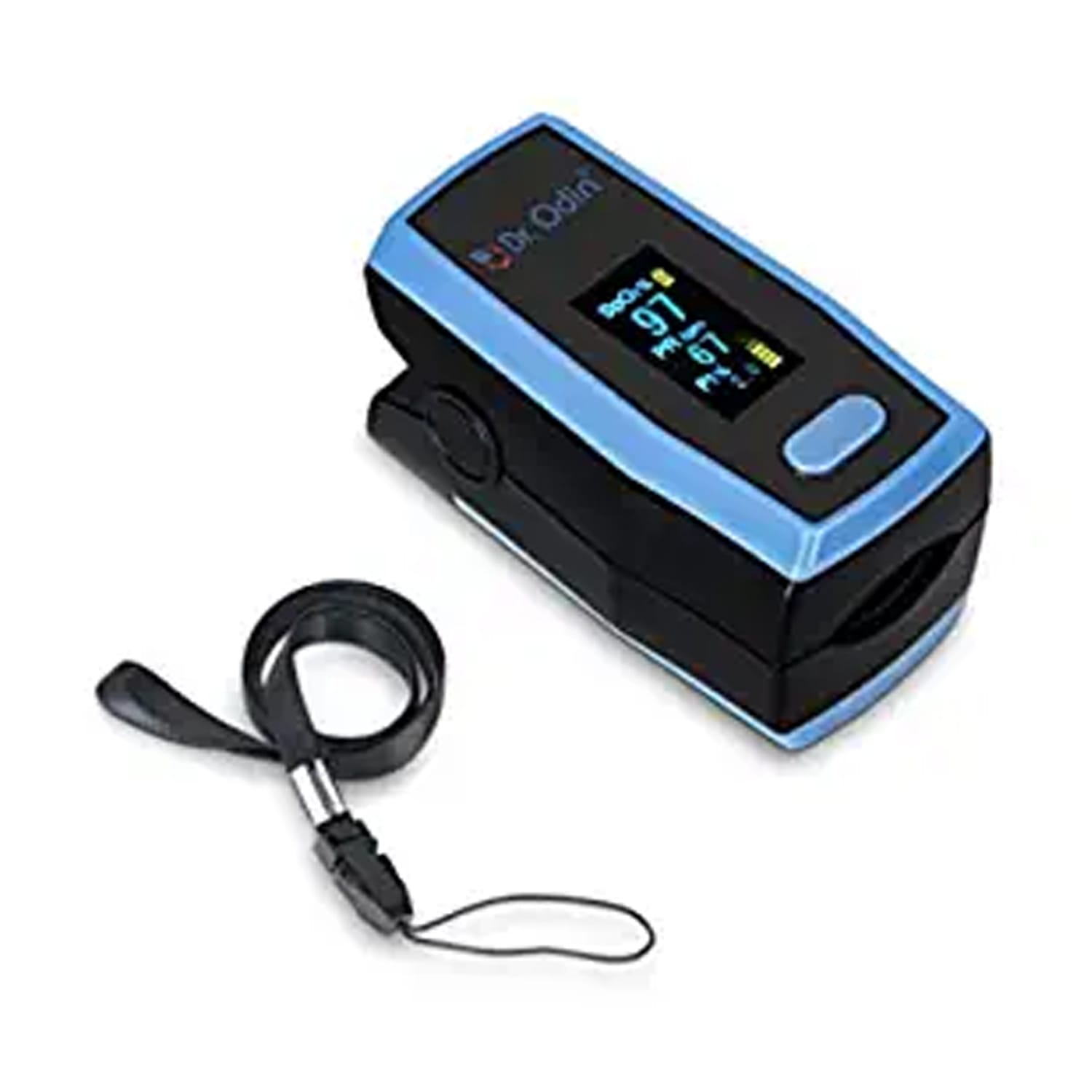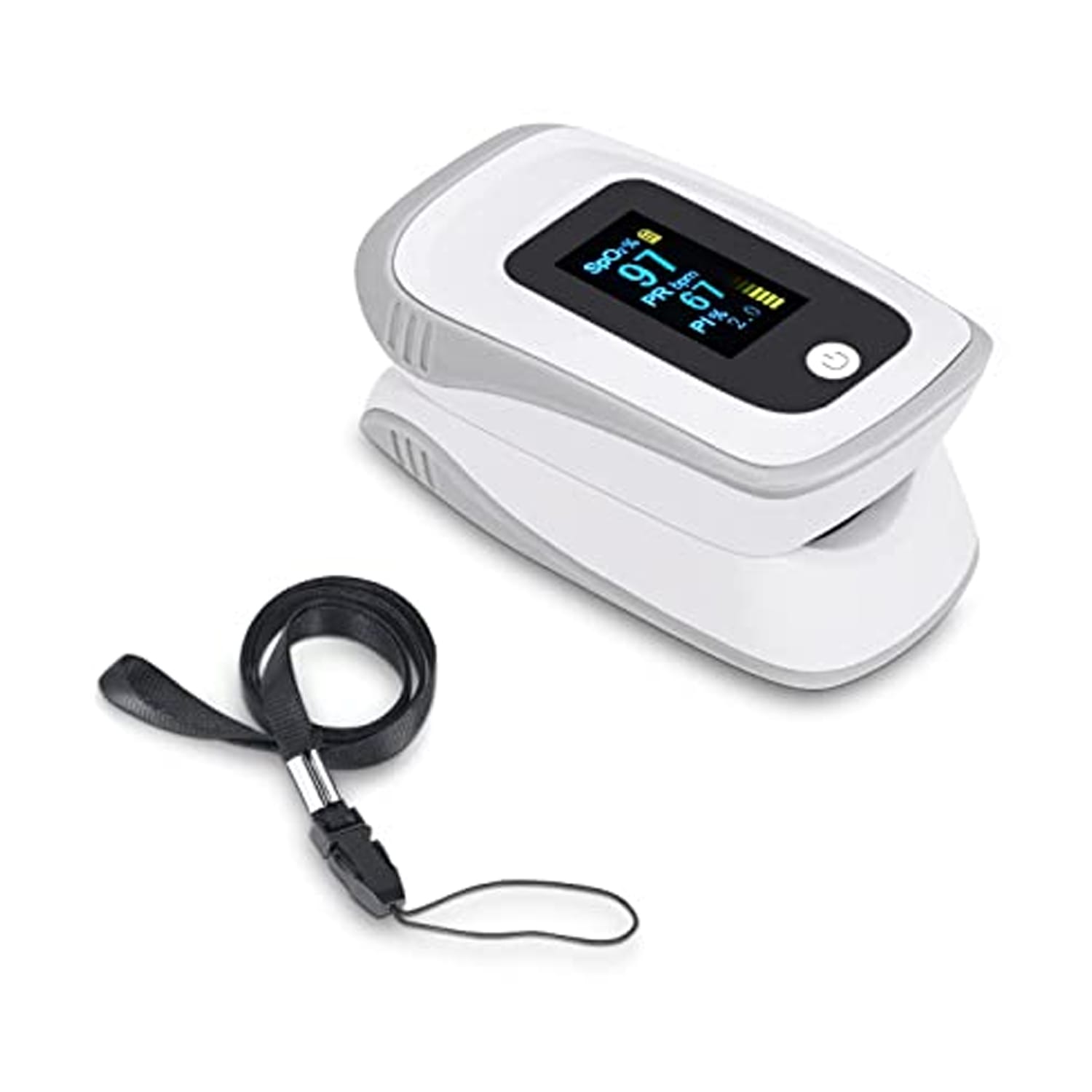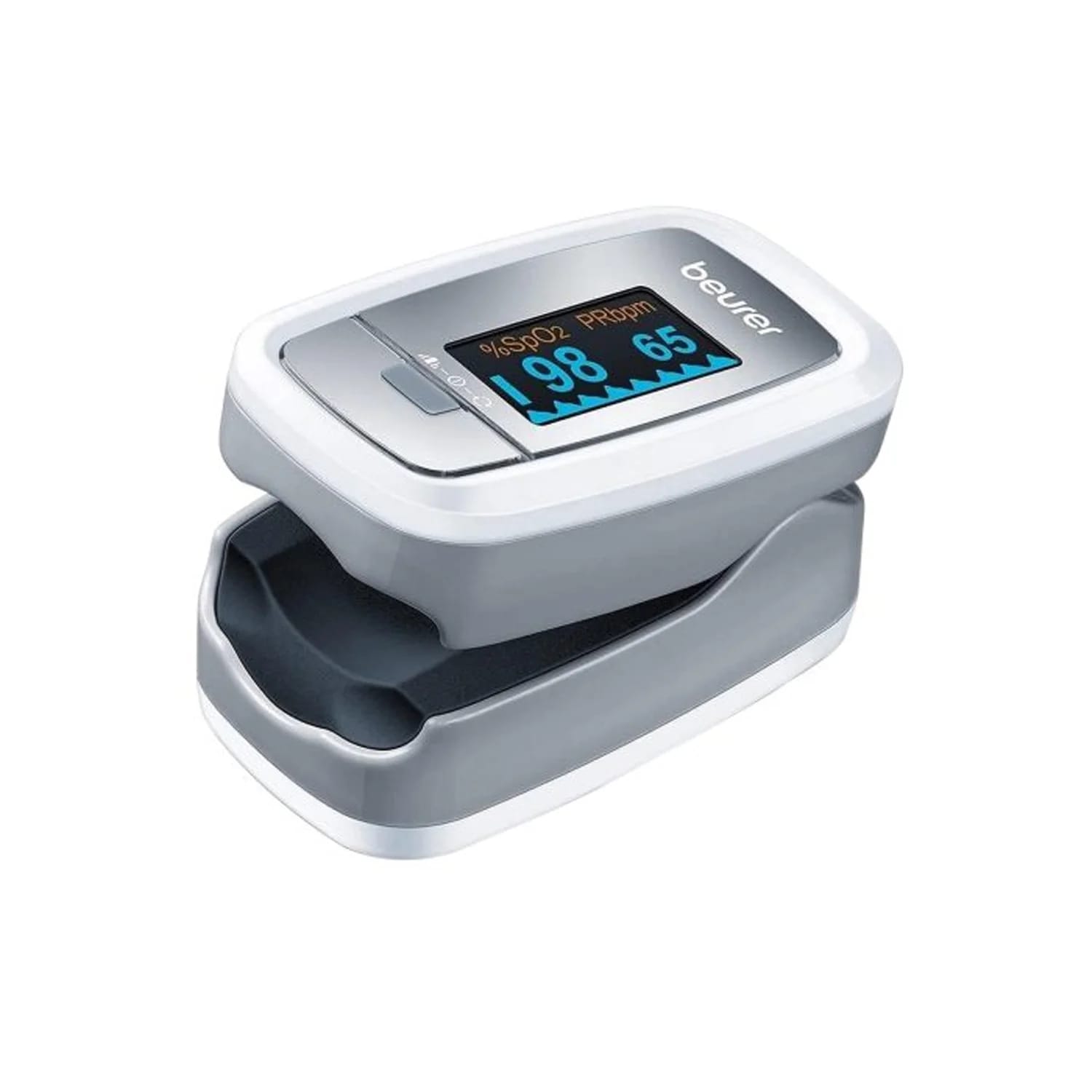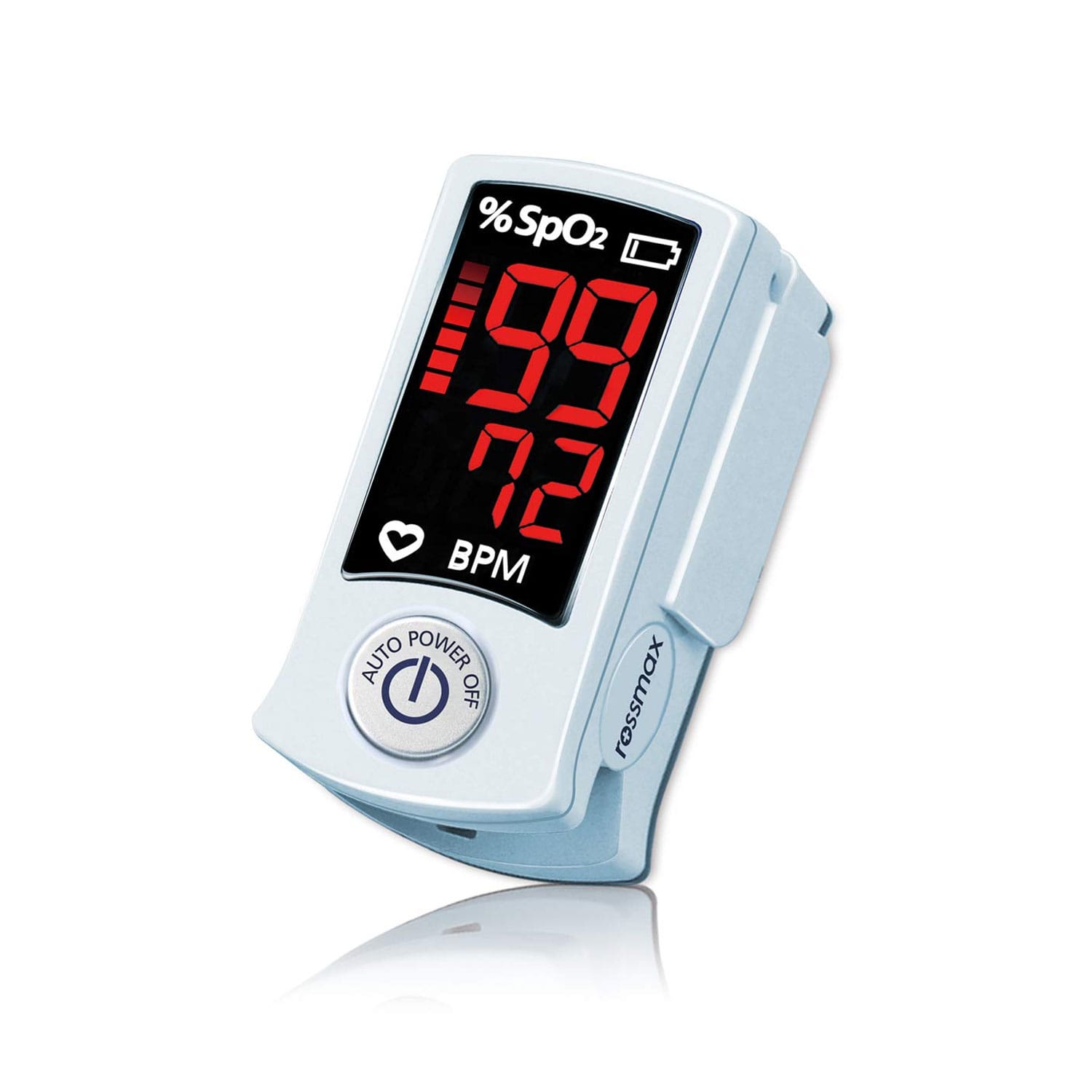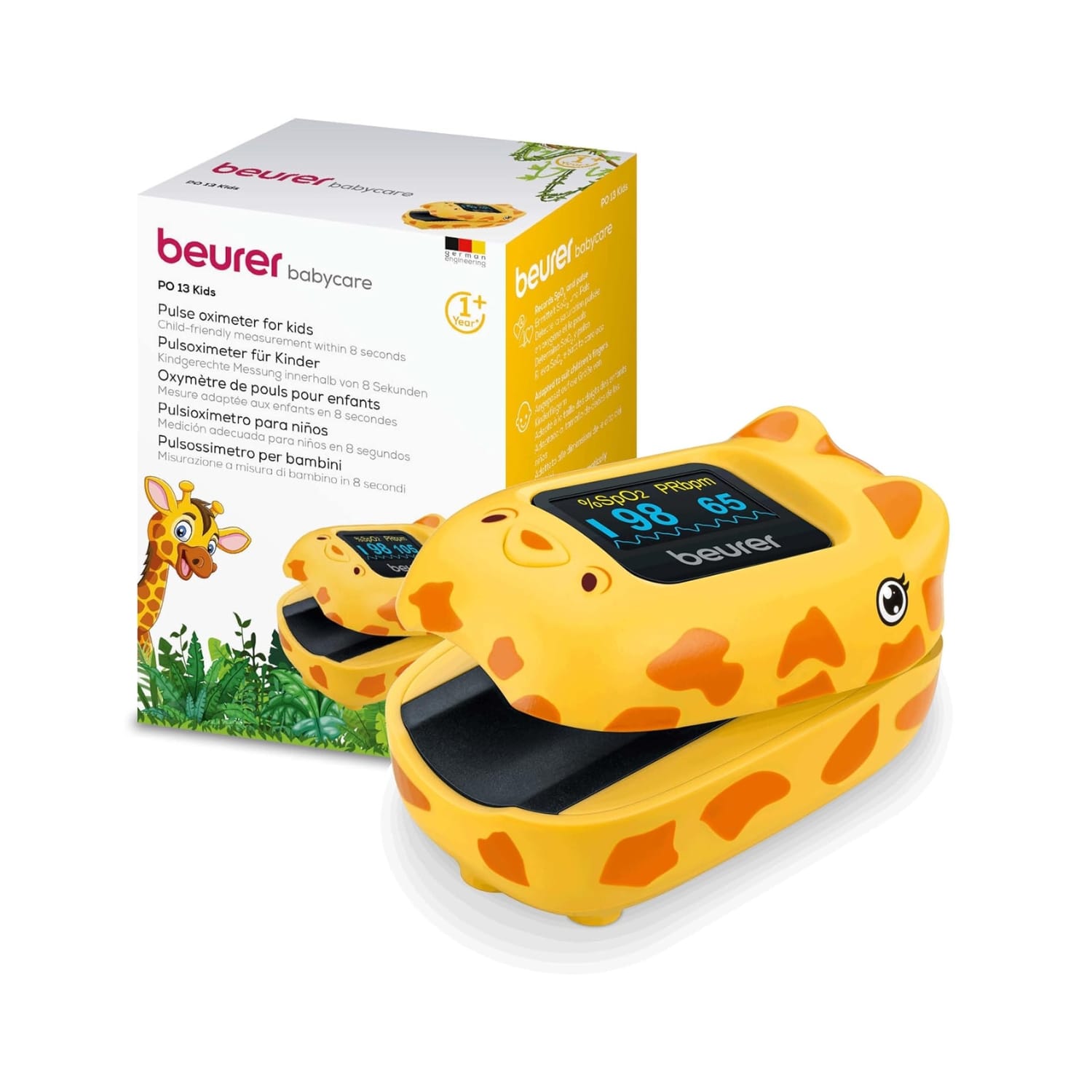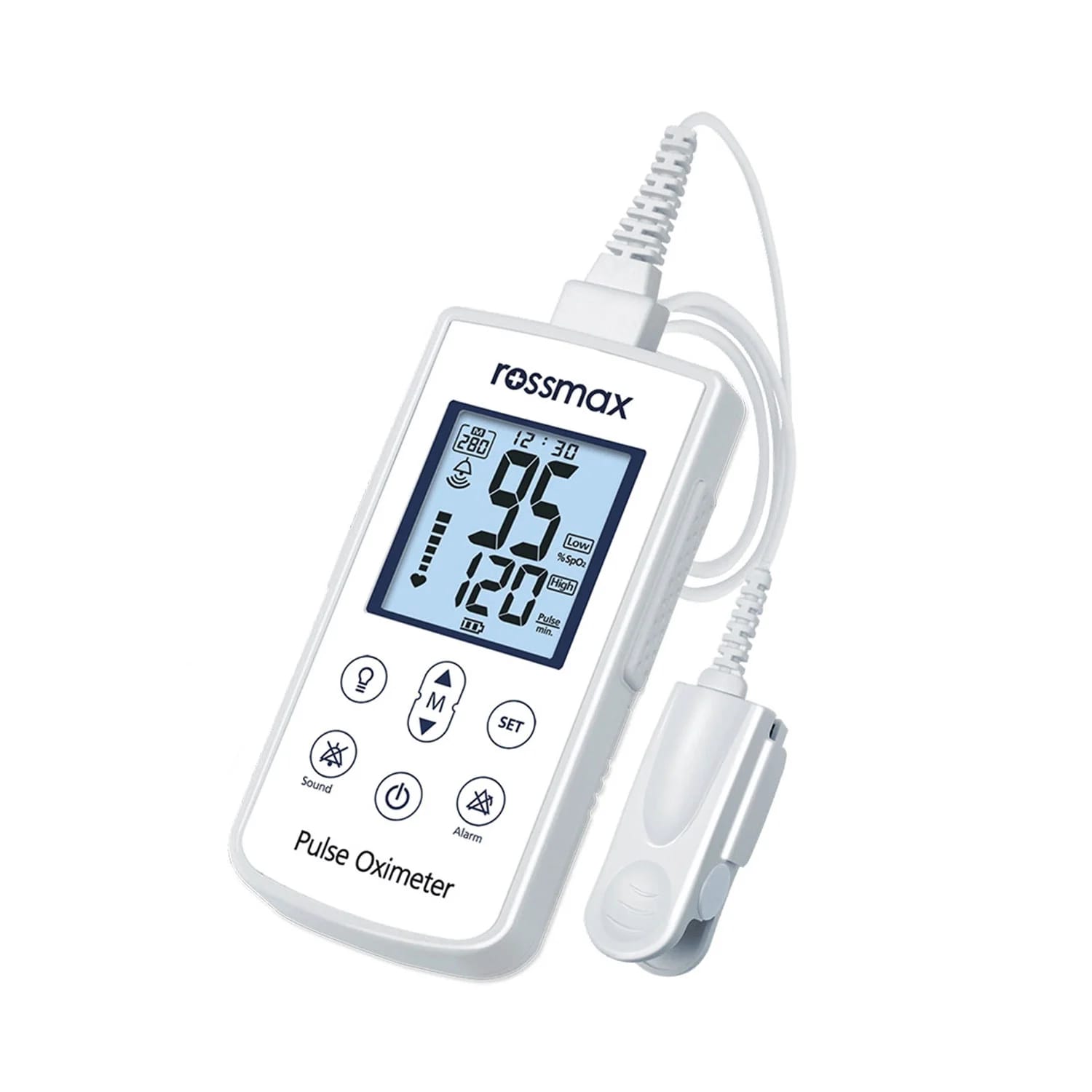



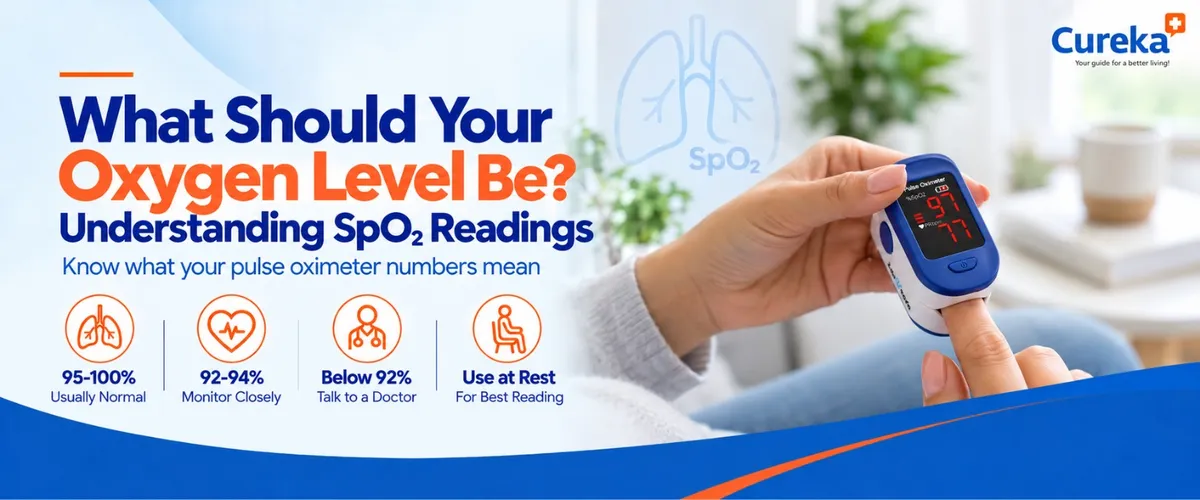
You put on the pulse oximeter and find out that it's 97%.
Is that alright?
Or what if it reads 94% or 91%?
Understanding what this reading represents will allow you to know more about yourself without getting unnecessarily concerned over the slightest change. The reading provided by the pulse oximeter is an estimation of the percentage of oxygenated haemoglobin, referred to as SpO₂.
In general, for most people at sea level, the normal reading will be between 95% to 100%, but there is a lot more to consider than just what this number is. It will depend on each person's own unique situation, their medical condition, their altitude, and other factors.
So rather than just asking "what number is normal?", it would be better to know what your SpO₂ reading indicates.
What Is SpO₂?
The abbreviation SpO₂ represents oxygen saturation of peripheral hemoglobin.
Your blood is made up of haemoglobin, which is a protein in your red blood cells used to transport oxygen in your body from your lungs. Pulse oximeters use light technology to estimate the amount of oxygenated haemoglobin in your blood.
This reading is shown in percentage form.
For instance:
SpO₂ 98% implies that there is an estimated amount of 98% oxygenation of haemoglobin in your blood.
Pulse oximeters show the pulse rate as well, but it is a different measurement from oxygen saturation.
What Is a Normal Oxygen Level?
The oxygen saturation reading for healthy people should be within the range of 95-100%.
This is just a general range rather than a target that everyone should aim to meet all the time.
Some individuals who have particular conditions such as heart diseases or respiratory problems might experience low readings of oxygen saturation.
In addition, oxygen saturation tends to be low when one is in high altitude areas.
That is why having knowledge of the baseline level could sometimes be helpful.
For instance, if one's baseline level is 98%, but their current level is 92%, then this could have some meaning rather than just knowing that it is outside the average range.
If one suffers from heart or respiratory problems, then they will receive a particular oxygen saturation range from their health practitioner.
Oxygen Saturation Levels: What Do Different Numbers Mean?
A simple way to understand oxygen saturation levels is:
SpO₂ reading | General interpretation |
95%–100% | Typical range for most healthy people |
93%–94% | Lower than the usual range and may need attention depending on symptoms and individual circumstances |
92% or below | Potentially concerning and should be medically assessed, particularly if persistent or accompanied by symptoms |
It should be noted that these numbers should not be seen as a diagnosis.
For instance, when it comes to clinical guidelines for home oxygen saturation measurement, values of 93%–94% have been distinguished from those that were 92% or less, with the latter being an indicator for a more immediate action.
If you feel breathless, have chest pain, confusion, blue lips or face, or experience other severe symptoms, do not wait until your number gets lower.
Is 94% a Normal Oxygen Level?
Although 94% is lower than the standard range for most healthy individuals, an individual reading does not necessarily indicate anything serious.
First, confirm the reading.
Your hands might be cold. Your fingers might have been moved. The pulse oximeter might not have a good connection. Fingernail polish or fake nails can affect readings too. (1)
Rest and take another reading as instructed by the device manufacturer.
Seek medical guidance if the reading continues to remain low or you experience symptoms such as shortness of breath.
The critical issue here is:
Don't base an interpretation on a single number alone.
Is 90% Oxygen Level Dangerous?
Any SpO₂ measurement at 90% is markedly low for an average individual’s normal level of health.
A continually low reading ought to be monitored carefully without the necessary professional guidance.
In case of a low reading with additional problems, such as:
difficulty breathing
shortness of breath
chest pains
confusion
unusual drowsiness
blue or gray coloration of lips, face or fingernails
consult your doctor immediately.
The required treatment will vary based on a person's health status.
Why Can Your SpO₂ Reading Change?
It does not mean that your oxygen saturation will always be the exact number all day long.
Some variation may be experienced due to:
activities
posture
altitude
circulation
existing heart/lung disease
a temporary sickness
measuring circumstances
For most healthy individuals, living at sea level, such fluctuations will stay within normal limits.
Sometimes a trend could be more helpful than taking repeated measurements every few minutes.
How to Check Your Oxygen Level at Home
If you are measuring your oxygen levels using the pulse oximeter at home, then technique is key.
1. Sit quietly
Relax for some time before measuring the reading.
2. Warm up your hands
Chilled fingers may affect blood circulation and may lead to less accurate results.Movement and reduced peripheral perfusion can also reduce measurement accuracy.(2)
3. Apply to the proper finger
Apply the pulse oximeter to your index or middle finger unless specified by the manufacturer's instructions.
4. Read the device instructions
Apply the pulse oximeter as instructed by the manufacturer and hold your finger in place inside the device.
5. Keep your hands stationary
Any movement may affect the result.
6. Allow time for stabilization
Let the device stabilize for a moment before taking your SpO₂ reading.
7. Consider your symptoms too
The reading from the pulse oximeter should be evaluated together with your symptoms and general health condition.
Why Your Pulse Oximeter Might Show the Wrong Number
A pulse oximeter is helpful. It is not always correct.
Many things can change SpO2 readings such as:
blood flow
cold skin
moving around
having nail polish on
having dark skin
not enough blood flow where you take the reading
the quality and limits of the machine
The FDA has said that there are problems with the accuracy of pulse oximeters in some cases including differences in how they work depending on skin color.
This does not mean that pulse oximeters are not useful.
It means that if the number is not what you expect you should think about it carefully especially if it does not match how you are feeling.
Does Skin Color Change Pulse Oximeter Readings?
Pulse oximeters function by passing light through the fingertip and analyzing the light absorption properties of both oxygenated and deoxygenated hemoglobin. The fact that pulse oximeters use light means that their results might be affected by skin color in cases where the oxygen level is already reduced.
It has been shown that in individuals with darker skin, some pulse oximeters might give a higher value of oxygen saturation compared to what it actually is, thus misleading the user about the real situation.(3)
This does not mean that pulse oximeters should not be used on various skin colors. This simply means that if you get an unexpected result, it needs to be evaluated together with your symptoms and, when needed, verified using proper medical diagnosis. If you have serious breathing difficulties or any other worrying symptoms, do not rely only on pulse oximeter reading.
Does Nail Polish Change SpO₂?
It can. Some nail polish, fake nails or other things near the place where you take the reading might block the light the pulse oximeter uses.
If the number seems strange, take off the nail polish. Take the reading again. This might help rule out one mistake.
Do not wait to get help if you are very sick just to get a better reading from the pulse oximeter.
Which Is More Important: The Number or the Symptoms?
Both are important. A pulse oximeter gives you a number. Your symptoms give you medical information.
For instance someone might have a number that looks okay. Still have a hard time breathing or have chest pain.
On the other hand , a number that is a little lower might be normal if someone has a known health problem or is at a high place.
When Should You Get Help From a Doctor?
A SpO₂ number becomes more worrying when it is:
always low
much lower than what is usual for you
with trouble breathing
with chest pain
with confusion or feeling very sleepy
with lips or face that are blue or grey
in a person who has a heart or lung problem
If your pulse oximeter keeps showing 92% or less get help from a doctor quickly instead of thinking the machine is wrong. Guidelines for home monitoring have used 92% or less as a point to check in some situations.
If you feel very sick go to the emergency room no matter what the number shows.
Should You Keep Checking Your Oxygen Level?
If you are healthy and have no reason to check your oxygen, doing it over and over during the day is usually not needed.
A pulse oximeter is more useful when there is a reason to check oxygen levels like what a doctor tells you.
For people who are told to check their oxygen level at home following the schedule they are given is better than checking every time the number changes by one point.
Checking all the time can make normal changes seem more serious than they are.
What Happens to Oxygen Levels When You Sleep?
Oxygen levels can change when you are asleep.
Breathing patterns change between sleep stages. Some problems can make the levels drop more. A single reading from a home device should not be used on its own to tell if there is a problem with breathing during sleep.
If you often have:
snoring
someone seeing you stop breathing
waking up not able to breathe
headaches in the morning
feeling very sleepy during the day
Talk to a doctor about whether you need checking.
Can You Improve Oxygen Levels Without Medicine?
If your oxygen is normal you usually do not need to try to make it higher. If your blood oxygen is really low the main question is why.
Low oxygen can happen because of problems with the lungs, the heart, the blood or other ways oxygen moves. Treating the cause is more important than trying to raise a number with breathing exercises or medicines.
Do not start using oxygen without a doctor's advice. Oxygen is a treatment, not a health product.
The Things to Know About Normal SpO2 Levels
For most people who are healthy a normal oxygen level is 95% to 100%.
A number that is lower than this does not always mean something is wrong and one reading from a pulse oximeter should always be seen with information.
When you check your blood oxygen level use the machine correctly to let the reading settle and think about things that can change the result.
Importantly pay attention to how you feel. Your SpO₂ reading is information but it is not a diagnosis. If a low reading stays very different from what is usual or happens with bad symptoms, get medical help instead of just trusting the machine.
Conclusion
For a healthy person living in sea-level conditions, a normal oxygen level is usually anywhere from 95% to 100%; however, individual factors may affect your personal normal range. Do not rely solely on one measurement made by a pulse oximeter, especially if it shows a value that does not correspond to how you feel. Proper use of a pulse oximeter and awareness of factors that may influence the result will increase your chances of getting an accurate measurement. If your oxygen level remains persistently low, significantly different from your normal value, or if you have associated symptoms, like difficulty breathing or chest pain, see your doctor.
References
Impact of Fingernail Polish on Pulse Oximetry Measurements: A Systematic Review - 2023 Sep - https://pubmed.ncbi.nlm.nih.gov/37185113/
Four Types of Pulse Oximeters Accurately Detect Hypoxia during Low Perfusion and Motion - 2018 Mar - https://pubmed.ncbi.nlm.nih.gov/29200008/
The accuracy of pulse oximetry in measuring oxygen saturation by levels of skin pigmentation: a systematic review and meta-analysis - 2022 Aug - https://pubmed.ncbi.nlm.nih.gov/35971142/