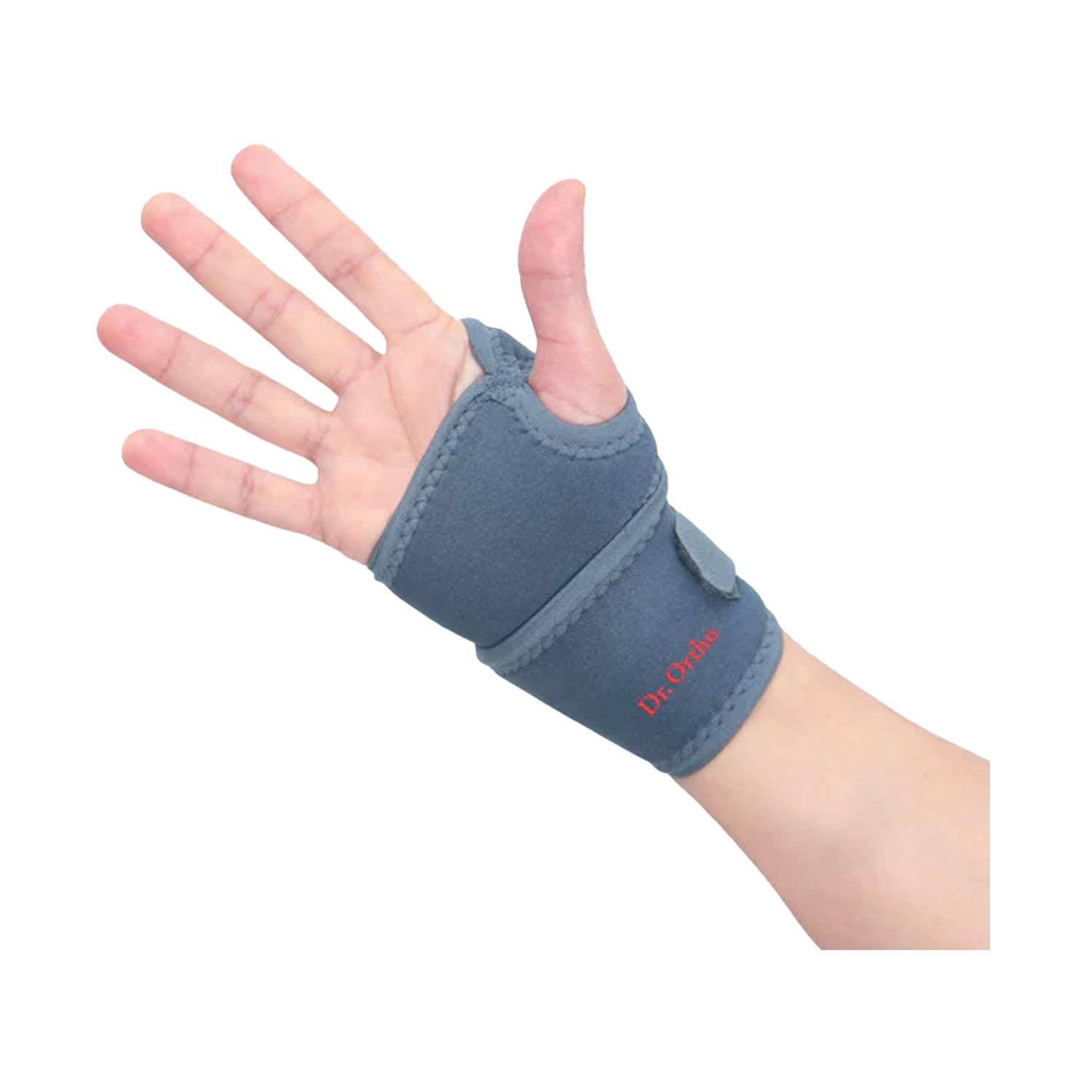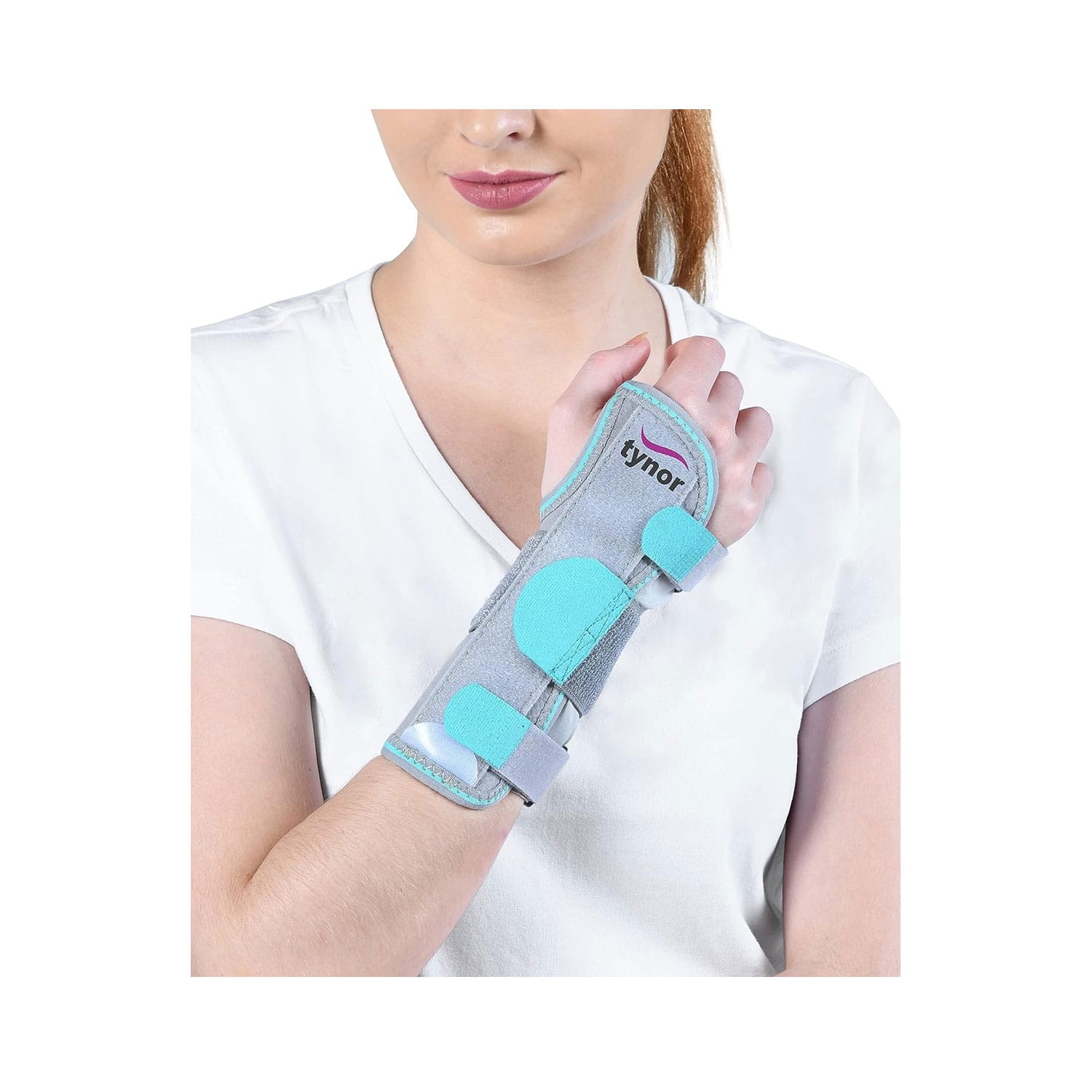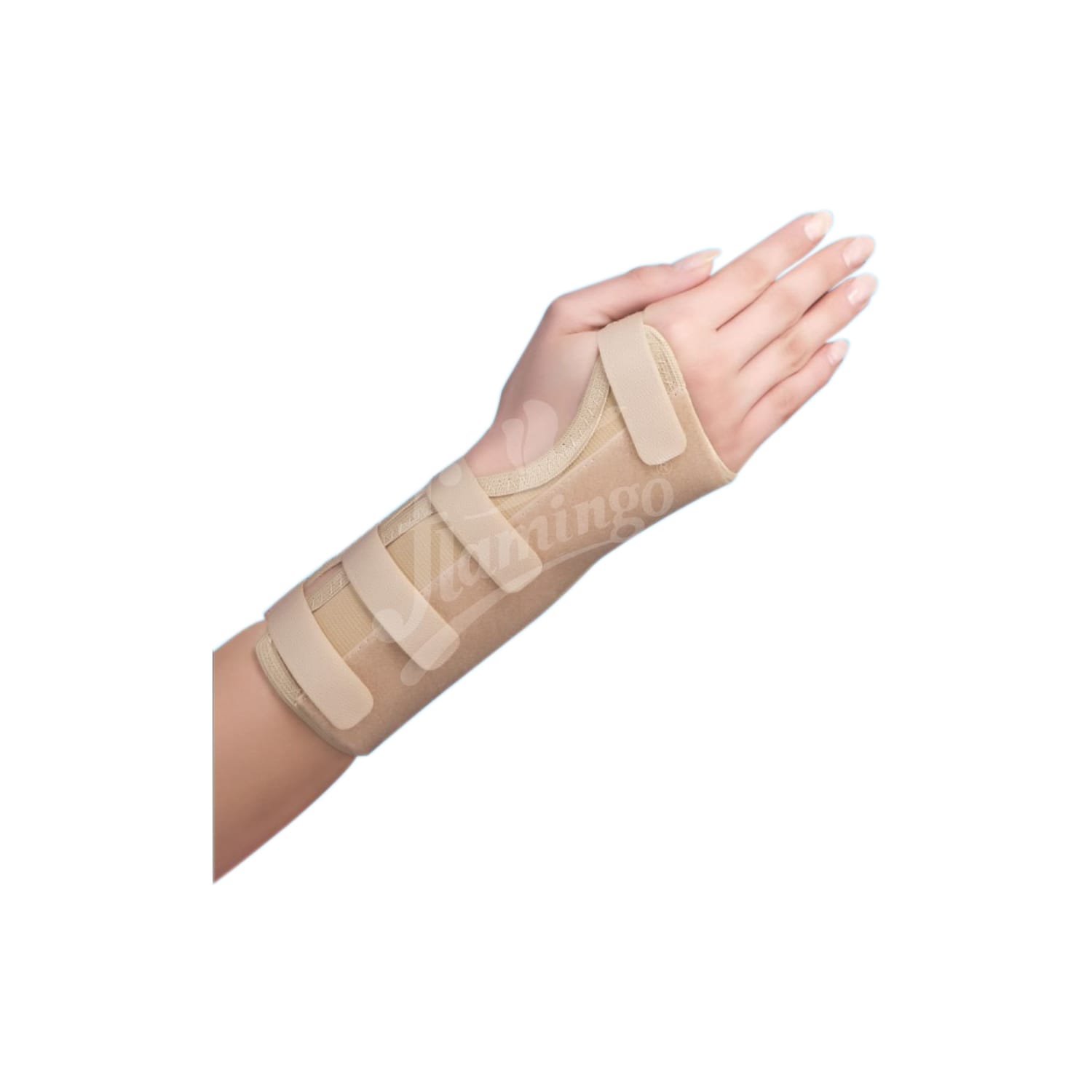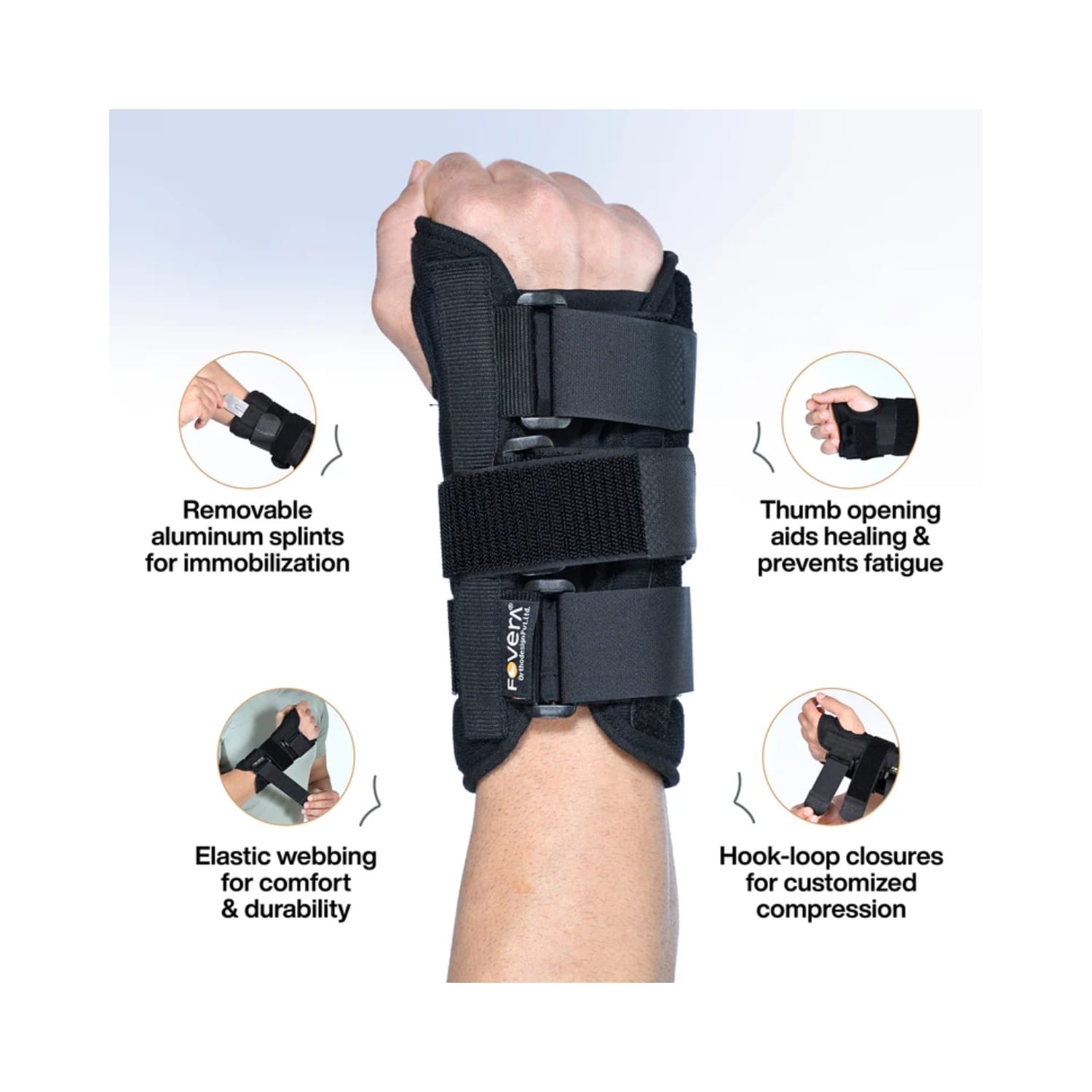



Pain in the forearm, wrist, or hand can disrupt daily life in significant ways. Whether it’s due to an injury, overuse, or chronic conditions, dealing with this pain is essential for restoring comfort and function. One of the most effective ways to manage such pain is by using forearm splints, such as wrist forearm braces and forearm splint braces. These supportive devices play an important role in alleviating pain, providing stability, and promoting healing. This article will explore how forearm splints help relieve discomfort and improve overall function for those suffering from injuries or persistent conditions.
What Are Forearm Splints and How Do They Work?
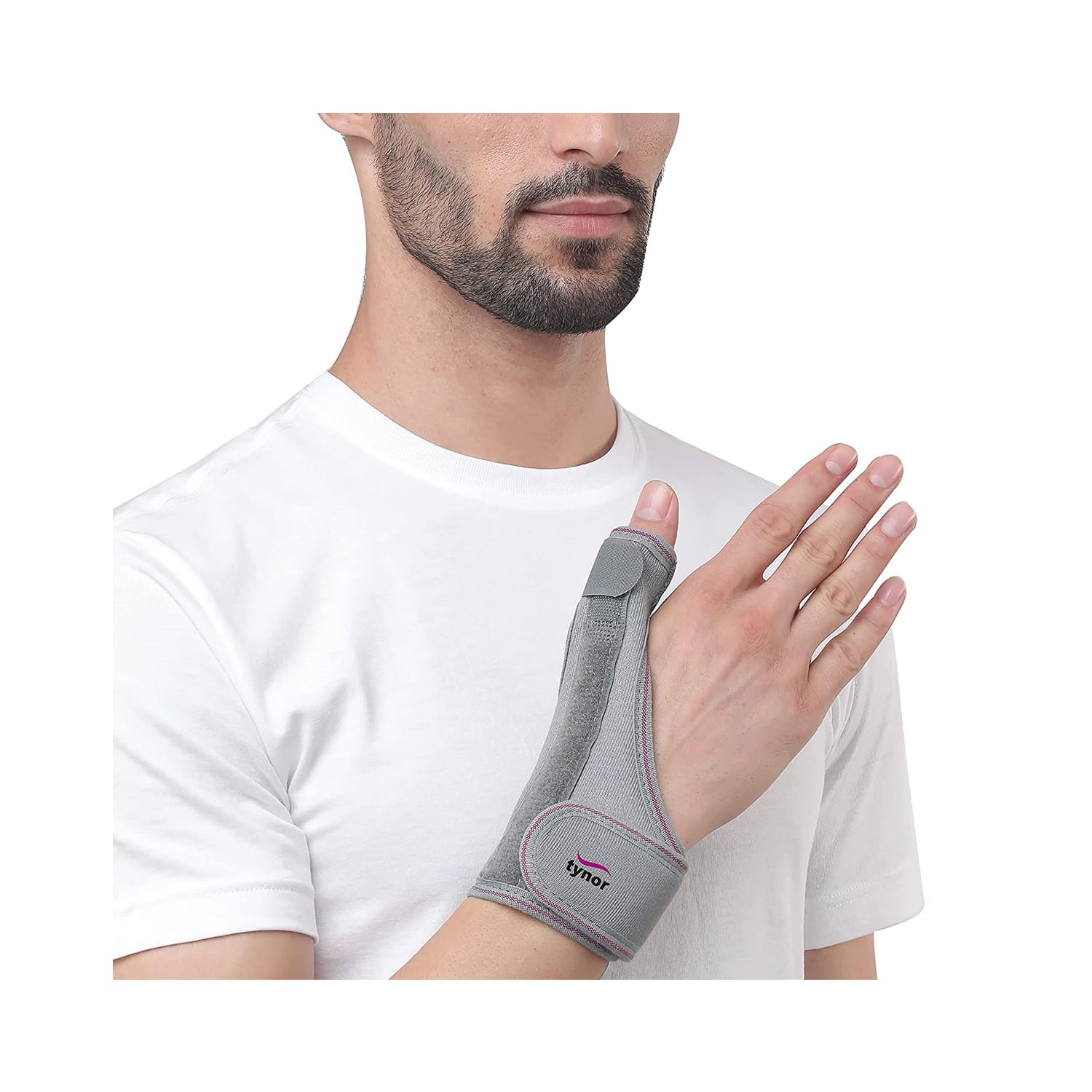
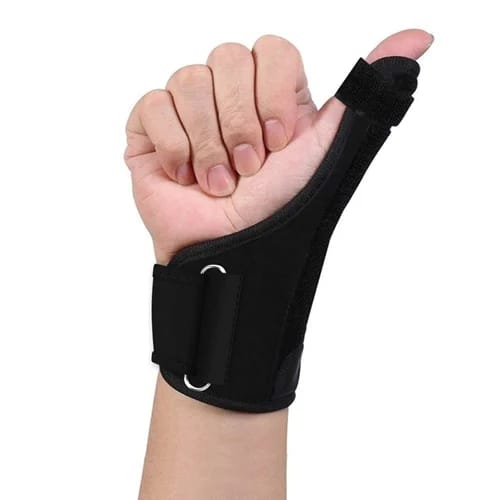
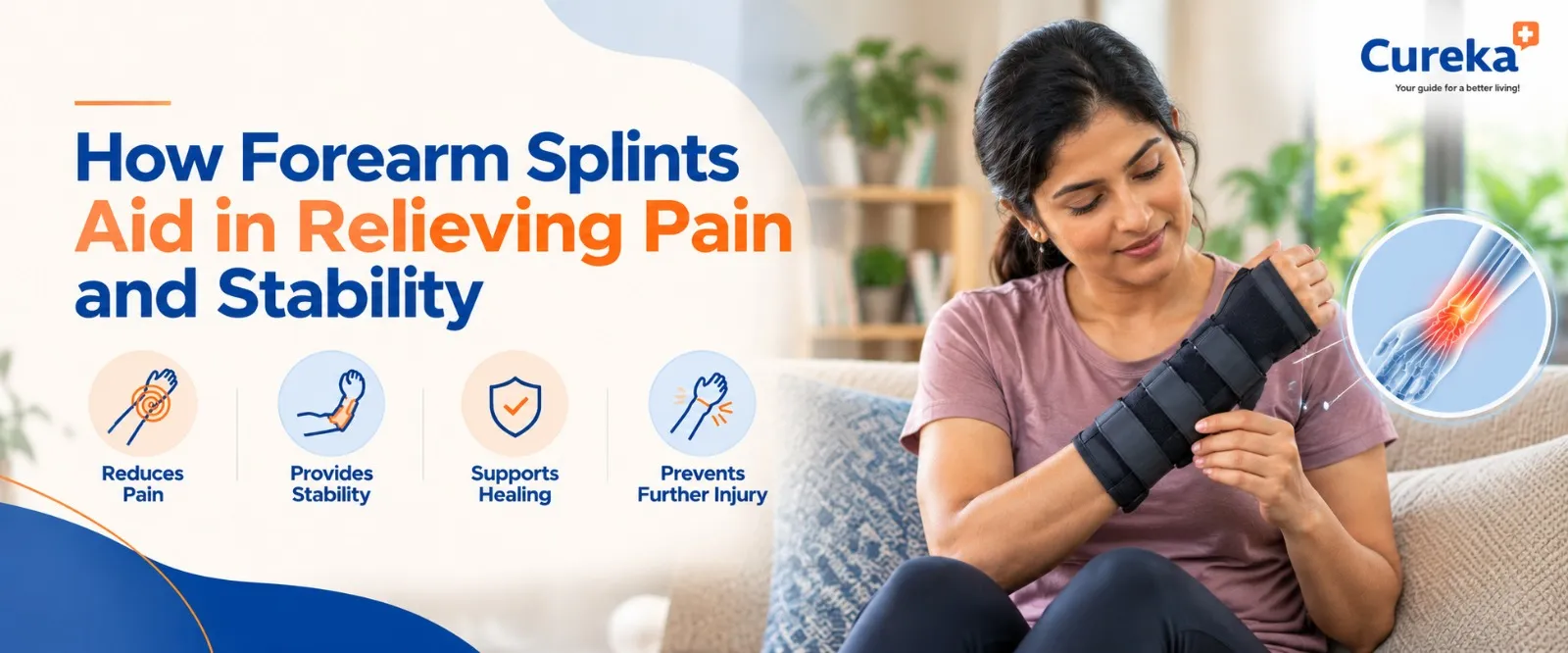
Forearm splints, often used in the form of wrist and forearm braces, are designed to immobilize the wrist and forearm to provide stability and reduce pain. They are typically made of materials such as plastic, metal, or cloth, with straps or fasteners to secure them in place. By restricting movement in the affected area, they help prevent further injury, promote recovery, and reduce pain. Splints are often recommended for both acute injuries (such as fractures or sprains) and chronic conditions (like tendinitis or carpal tunnel syndrome).
The concept of forearm splints is to limit the range of motion in the forearm and wrist, thus preventing strain or further damage to injured areas. Whether you're recovering from a sports injury, dealing with overuse, or managing long-term inflammation, a wrist forearm brace can be a vital tool for reducing pain and stabilizing the affected area.
Types of Forearm Injuries That Benefit from Splints
The forearm is a complex part of the body, consisting of bones, muscles, ligaments, and tendons. Various injuries and conditions can cause pain or discomfort in the forearm, wrist, or hand, and forearm splints offer relief by stabilizing these areas. Some of the most common injuries that benefit from the use of forearm splints include:
Fractures: When any of the bones in the forearm, such as the radius or ulna, are fractured, it's essential to immobilize the area to allow proper healing. Forearm splints provide the support needed to keep the bones aligned during the healing process.
Sprains and Strains: A sprain refers to the stretching or tearing of ligaments, while a strain refers to damage to muscles or tendons. These injuries often result from sudden movements or overexertion. A forearm splint brace can help stabilize the wrist and forearm to prevent further strain and reduce pain during recovery.
Tendinitis and Tenosynovitis: These conditions involve inflammation of the tendons and the sheaths around them, often caused by repetitive motion or overuse. Wrist forearm braces help reduce strain and allow the inflamed tissues to heal by restricting movement.
Carpal Tunnel Syndrome: A condition where the median nerve is compressed at the wrist, causing pain, tingling, or numbness in the hand and fingers. Wrist forearm braces can help alleviate pressure on the nerve, reduce symptoms, and prevent further irritation.
Epicondylitis (Tennis Elbow): This condition, often caused by repetitive strain on the elbow, causes pain on the outer part of the elbow and forearm. Forearm splints can stabilize the area to reduce strain on the muscles and tendons around the elbow.
Pain Relief Through Immobilization
One of the primary benefits of using forearm splints is their ability to immobilize the wrist and forearm. By restricting movement, these braces help to prevent further strain or injury to already damaged tissues. In cases of fractures, sprains, and strains, immobilization is critical for ensuring that the bones or tendons heal properly without being aggravated by unnecessary movement.
Forearm splints can also reduce the intensity of pain caused by inflammation. For instance, conditions like tendinitis or carpal tunnel syndrome often cause swelling and irritation of the tendons or nerves. By limiting movement, wrist forearm braces help reduce the amount of strain placed on the affected areas, thus decreasing pain and providing a more controlled environment for healing.
Supporting the Healing Process
The healing process for injuries to the forearm, wrist, or hand involves several stages, including inflammation, tissue repair, and rehabilitation. During the early stages of recovery, forearm splints are particularly helpful because they stabilize the area and prevent movement that could slow down the healing process or lead to re-injury. Whether you have a bone fracture, tendon injury, or nerve compression, the use of a forearm splint brace helps keep the affected areas immobilized to ensure proper healing.
For chronic conditions like carpal tunnel syndrome or epicondylitis, splints continue to provide support throughout the rehabilitation process. These conditions can worsen with repetitive motion, so wearing a wrist forearm brace helps maintain the necessary stability and prevents further irritation of the tissues, allowing for more effective recovery.
Improving Function and Preventing Long-Term Issues
A significant advantage of using wrist and forearm braces is their ability to help improve function while preventing long-term complications. When you're recovering from an injury, regaining the ability to use your arm without pain is essential for daily activities. However, if you resume normal activities too quickly or without proper support, there's a risk of re-injury or worsening the condition.
Forearm splints help you gradually regain function by providing the support needed to use your arm safely while healing. With the right forearm splint brace, you can prevent overexertion and reduce the risk of re-injury, thus improving the chances of a full recovery. This is especially beneficial for people with conditions that result from repetitive use, such as tendonitis or carpal tunnel syndrome. By stabilizing the wrist and forearm, these splints ensure that you're able to engage in movement without aggravating the condition, helping you return to normal activities sooner.
Moreover, forearm splints can prevent the development of chronic issues. In cases of repetitive strain injuries or work-related upper limb disorders, a wrist forearm brace can help minimize the chances of the condition becoming permanent or leading to more serious problems. This is particularly important for people who work in environments that involve repetitive motions or awkward postures, which can exacerbate these conditions over time.
Ergonomics and Prevention in Occupational Settings
Many cases of forearm and wrist pain are linked to physical risk factors in the workplace. Repetitive motions, excessive force, awkward postures, and long durations of work can all contribute to the development of musculoskeletal disorders like tendonitis or carpal tunnel syndrome. These ergonomic factors are often a significant cause of work-related upper limb disorders, which encompass a broad range of forearm and wrist issues.
In addition to wearing forearm splints, it's important to modify the work environment to reduce these risk factors. Ergonomic solutions, such as adjusting workstation height, using proper tools, and taking frequent breaks, can help prevent forearm pain from occurring or worsening. However, when pain does develop, using a wrist forearm brace provides immediate relief by stabilizing the area and preventing further strain.
For people in occupations that require repetitive movements, such as musicians, factory workers, or office workers who type for long hours, forearm splints provide essential support to avoid exacerbating the condition and allow for faster recovery.
Conclusion
Whether you're dealing with a recent injury or managing a chronic condition, forearm splints offer a reliable and effective solution for pain relief and stabilization. By immobilizing the forearm and wrist, wrist forearm braces and forearm splint braces help prevent further injury, promote healing, and improve function. These splints are especially helpful in managing both acute injuries like fractures and chronic conditions such as tendonitis or carpal tunnel syndrome.
By using a forearm splint, you can reduce pain, protect the injured area, and regain function more quickly, allowing you to return to your daily ativities with confidence. If you’re experiencing pain in your forearm, wrist, or hand, it’s important to consult a healthcare professional to determine if a forearm splint brace is the right solution for your condition. With the right treatment and support, you can prevent long-term complications and enjoy a more comfortable, pain-free life.
References :
1. Forearm splinting - Aug 2023 - https://www.ncbi.nlm.nih.gov/books/NBK499980/