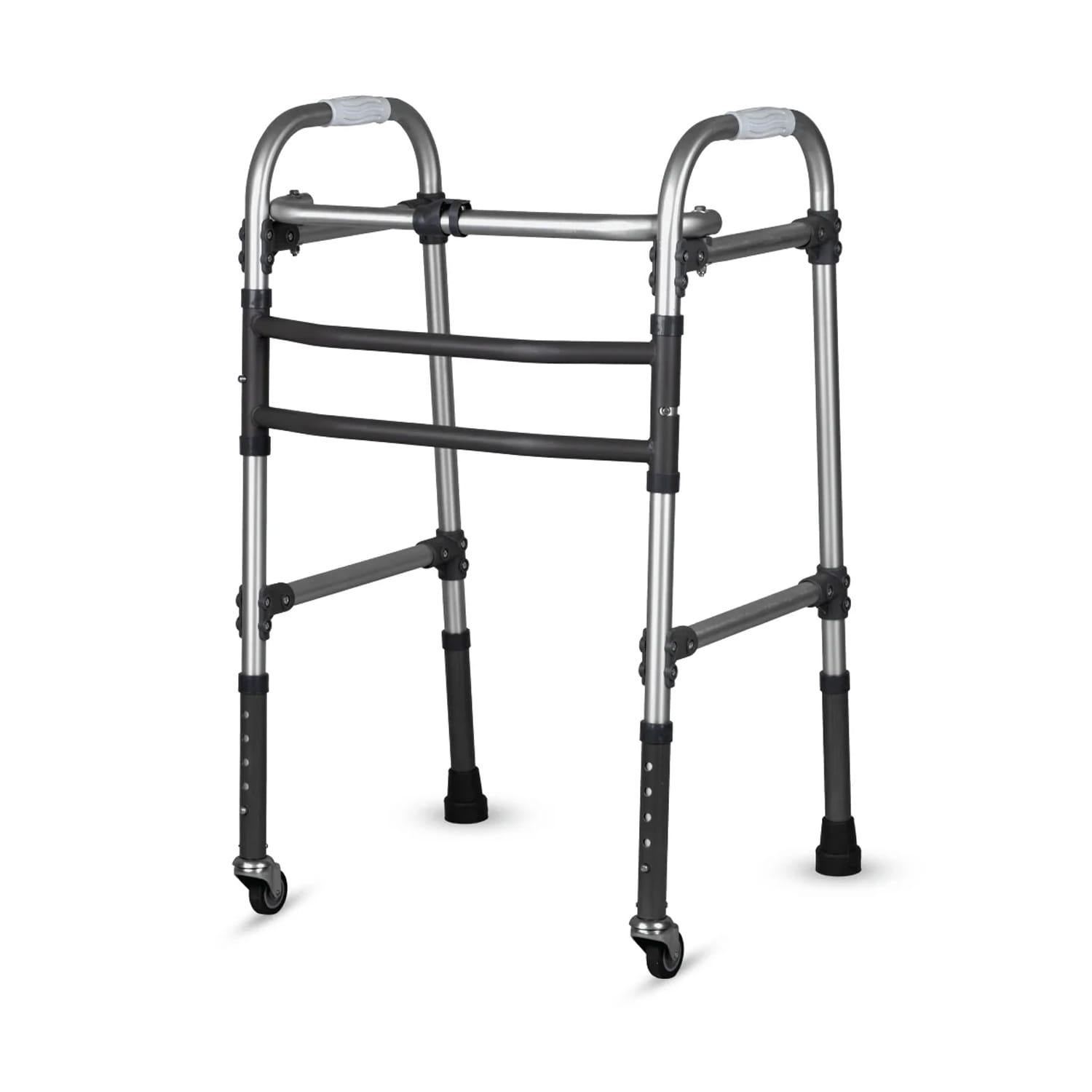




Selection of the appropriate toilet chair for an elderly person goes beyond mere convenience. Having an appropriate commode chair can ensure that an elderly individual, who finds it difficult to walk, move around after an operation, or reach the bathroom, has easier access to the facility.
However, with various designs, sizes, weight capacities, and features available, how do you go about selecting a commode chair which will actually suit an elderly individual?
The right option will depend on the mobility of the individual, the bathroom facilities, size of the body, stability, and how often the individual will use the commode chair. This guide gives all the necessary information that will assist you in choosing the right commode chair.
What Is a Commode Chair?
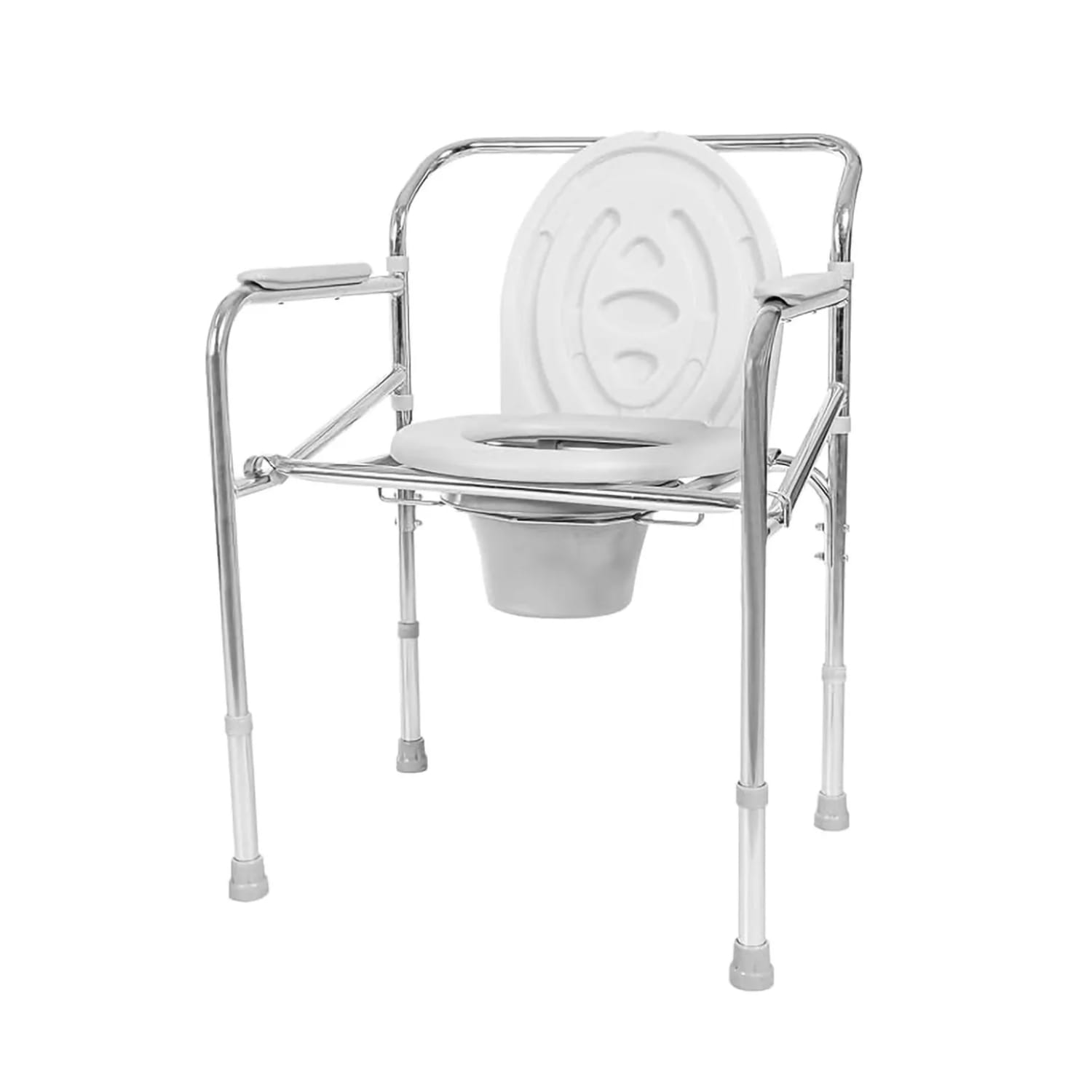
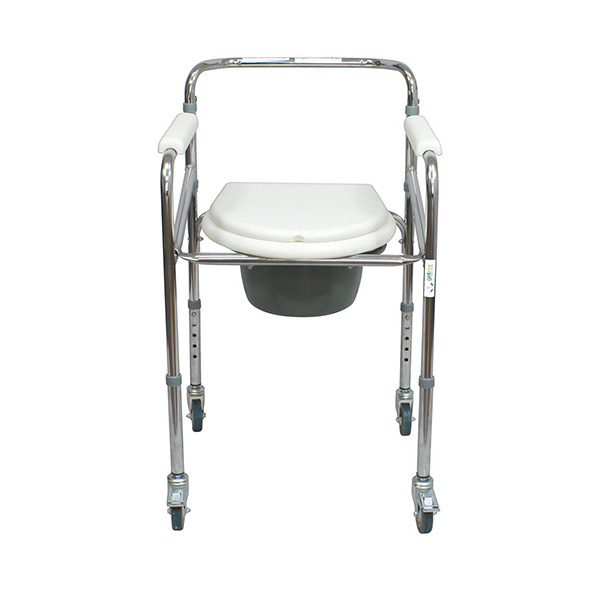
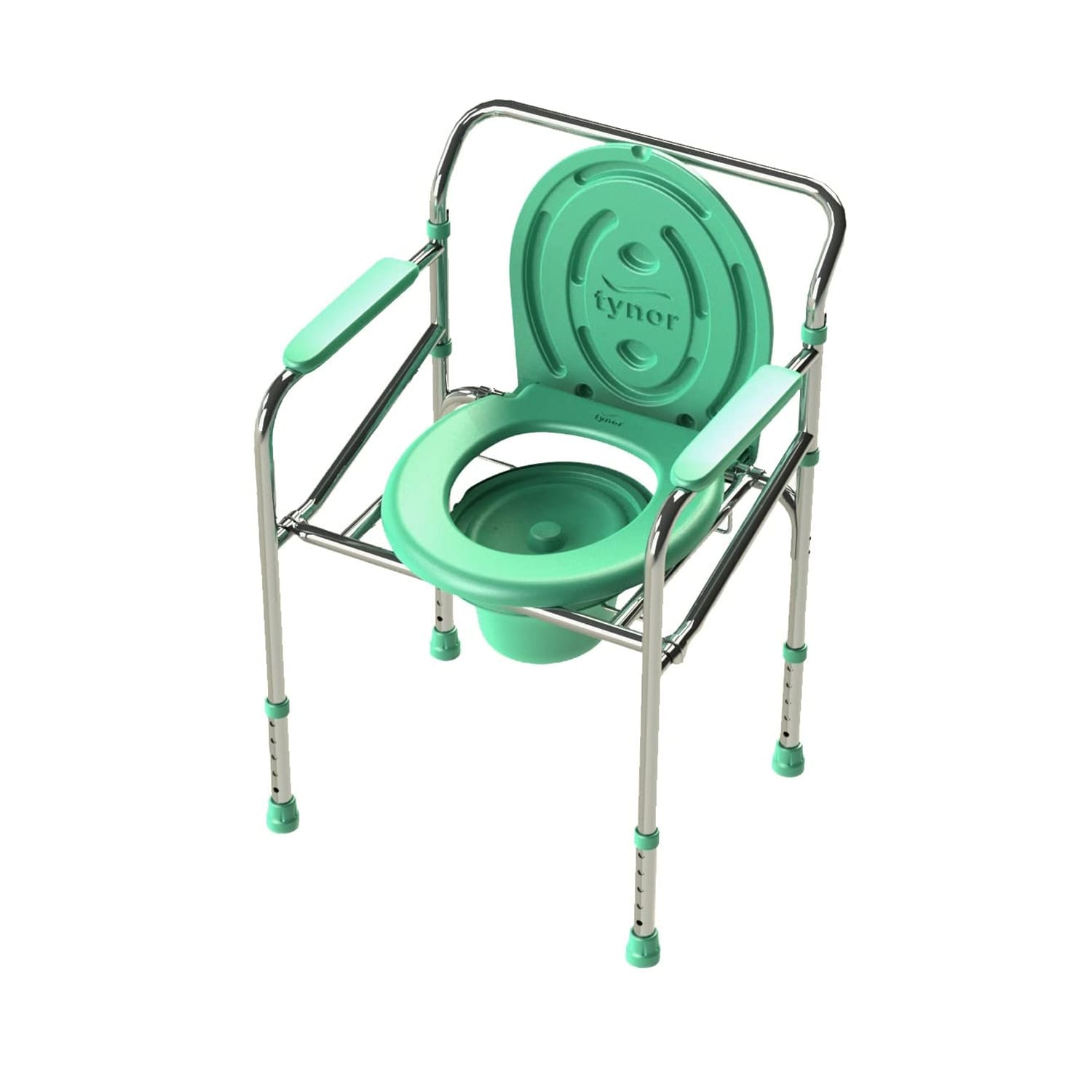
A commode chair is a portable toilet that is made for those who find it difficult to reach the regular toilet in the bathroom. It consists of a toilet seat, a bucket that can be removed and a frame.
While some can be located beside the bed, there are some that can be installed over the existing toilet.
A commode chair for seniors helps the senior citizens who have difficulties in walking because of age gain easy access to the toilet and also avoid long walks especially during nights.
How to Choose a Commode Chair for an Elderly Person?
The following are six key considerations when choosing a commode chair.
1. Consider the Person's Mobility
Begin by considering why the chair is required.
Individuals who are able to ambulate using a walker would require something that is different from those who have difficulty transferring from bed or wheelchair.
Questions to consider:
• Does he/she have the capability to sit and stand by himself/herself?
• Does he/she require help when transferring?
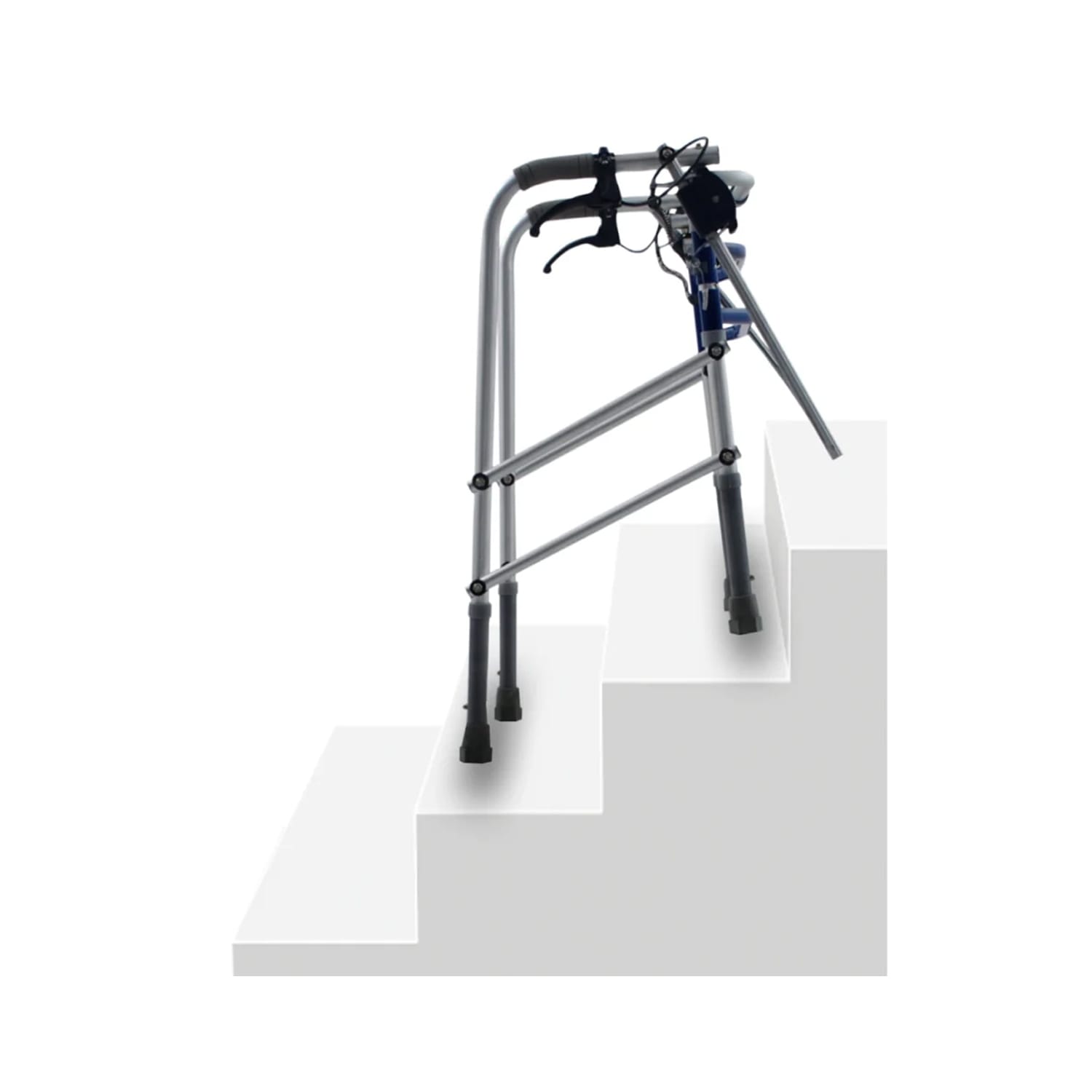
• Does he/she make use of a walker or wheelchair?
• Is the chair only needed at night?
• Will it be used temporarily due to surgery or permanently?
For an individual who has problems moving around easily, attributes like armrests, stability, and seat height can be very beneficial.
2. Choose the Right Height
Seat height is an important factor to consider while selecting an elderly toilet chair.
However, if the seat is too low, it may be difficult to stand. Also, if the chair is too high, it may be hard for one’s feet to lay comfortably on the ground.
Ideally, when seated:
• Feet should be firmly placed on the floor.
• Knees should be in comfortable positions.
• A person should be capable of getting up from and sitting down without much effort.
A model that is adjustable in height can help when various users have varied needs.
3. Check the Weight Capacity
Never underestimate the weight capacity mentioned by the manufacturer.
The commode chair that is designed for use by seniors must be able to comfortably and safely bear the weight of the intended user.
Verify the product specification for:
• Maximum user capacity
• Frame construction
• Width of seat
• Stability
• Reinforced frame
Don’t select any particular model merely due to its looks and cost. Structural stability becomes crucial for elderly users.
4. Look for Stability and Safety Features
The best commode chair is one that feels steady upon sitting, standing up from, and leaning on it.
Useful attributes might be:
• Nonslip rubber footings
• Sturdy framing
• Reliable armrests
• Locking capabilities, when appropriate
• Height adjustment capabilities
• Broad and comfortable seating
Ensure that the chair is placed on a hard and flat surface without any rocking movement.
When an elderly patient suffers from lack of balance or has experienced falls before, it might also be helpful to talk to a medical expert about the right toilet arrangements.
What Are the Different Types of Commode Chairs?
Knowing about the different kinds of commode chairs makes the purchase decision simpler.
Bedside Commode Chair
A bedside commode chair is intended for use in close proximity to the patient’s bed. Such a chair may come handy in situations where moving around to the toilet is hard.
This could be suitable for elderly patients who require frequent help at night.
3-in-1 Commode Chair
The 3-in-1 commode is capable of operating as:
• Individual commode
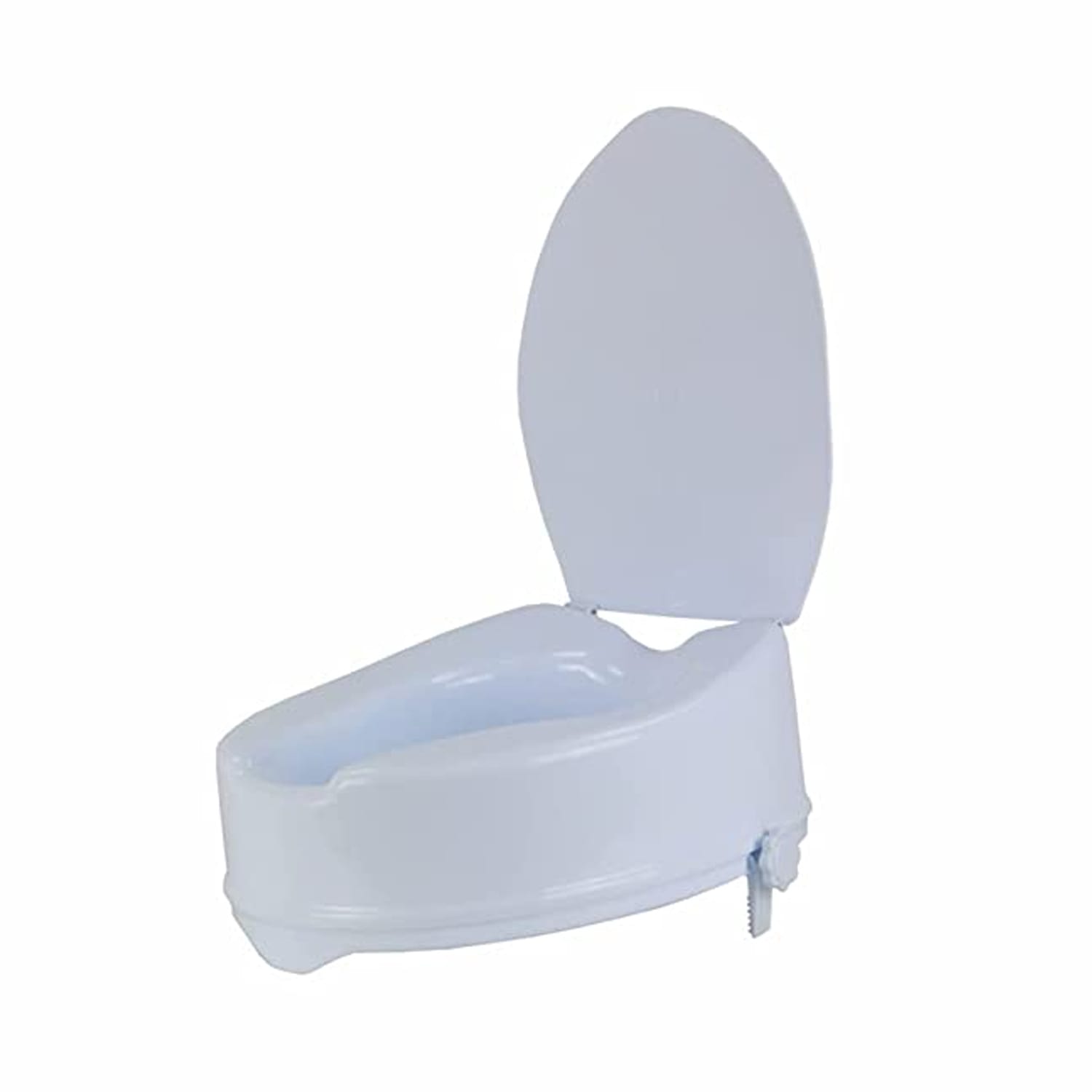
• High rise toilet seat
• Toilet safety frame
This adaptability may come in handy when there are changes in user requirements over time.
Folding Commode Chair
Models that fold can be useful where storage and transportation are significant considerations. They may be appropriate for temporary use, travel, and houses with little space.
But, ensure that the folded structure maintains adequate strength and weight-bearing capabilities when being used.
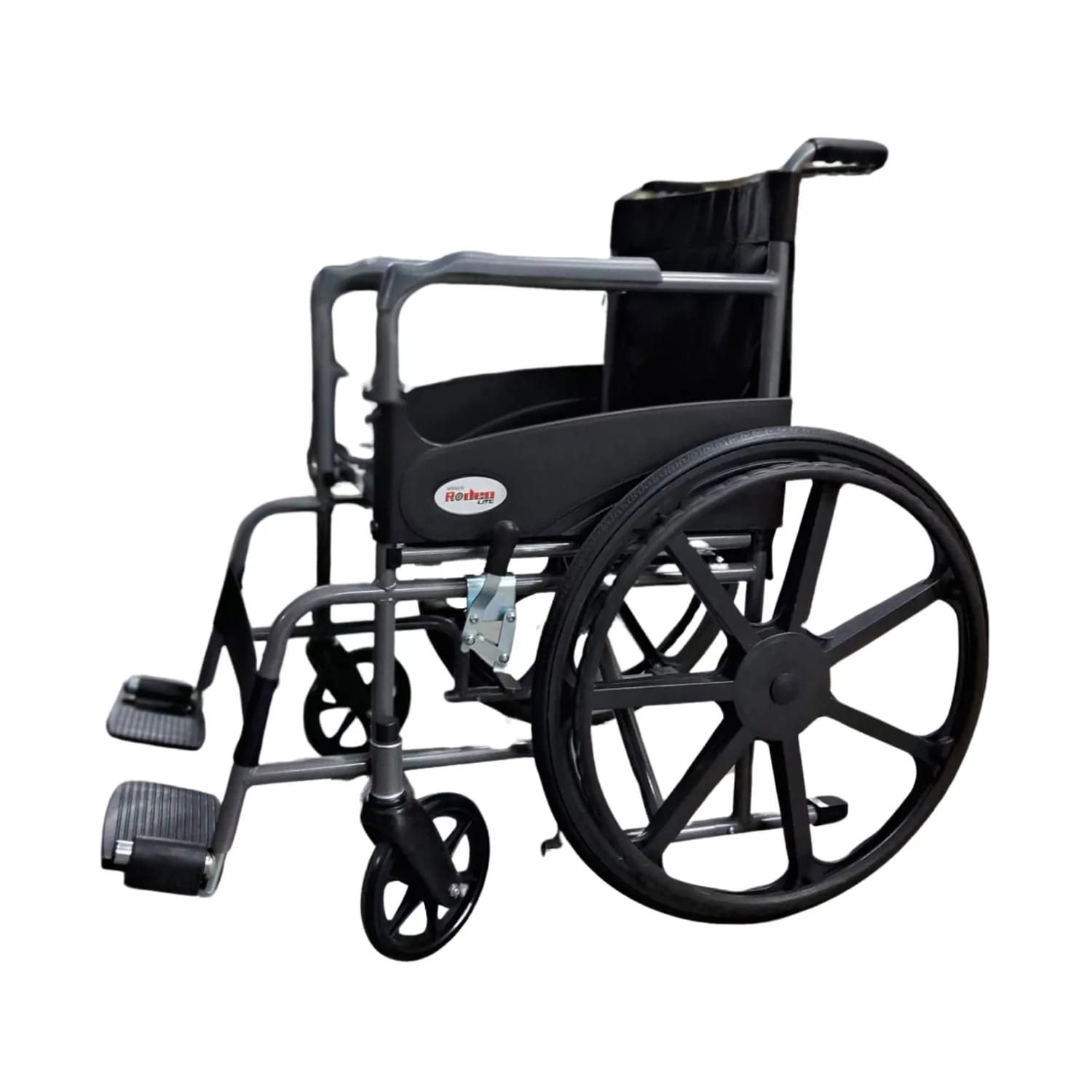
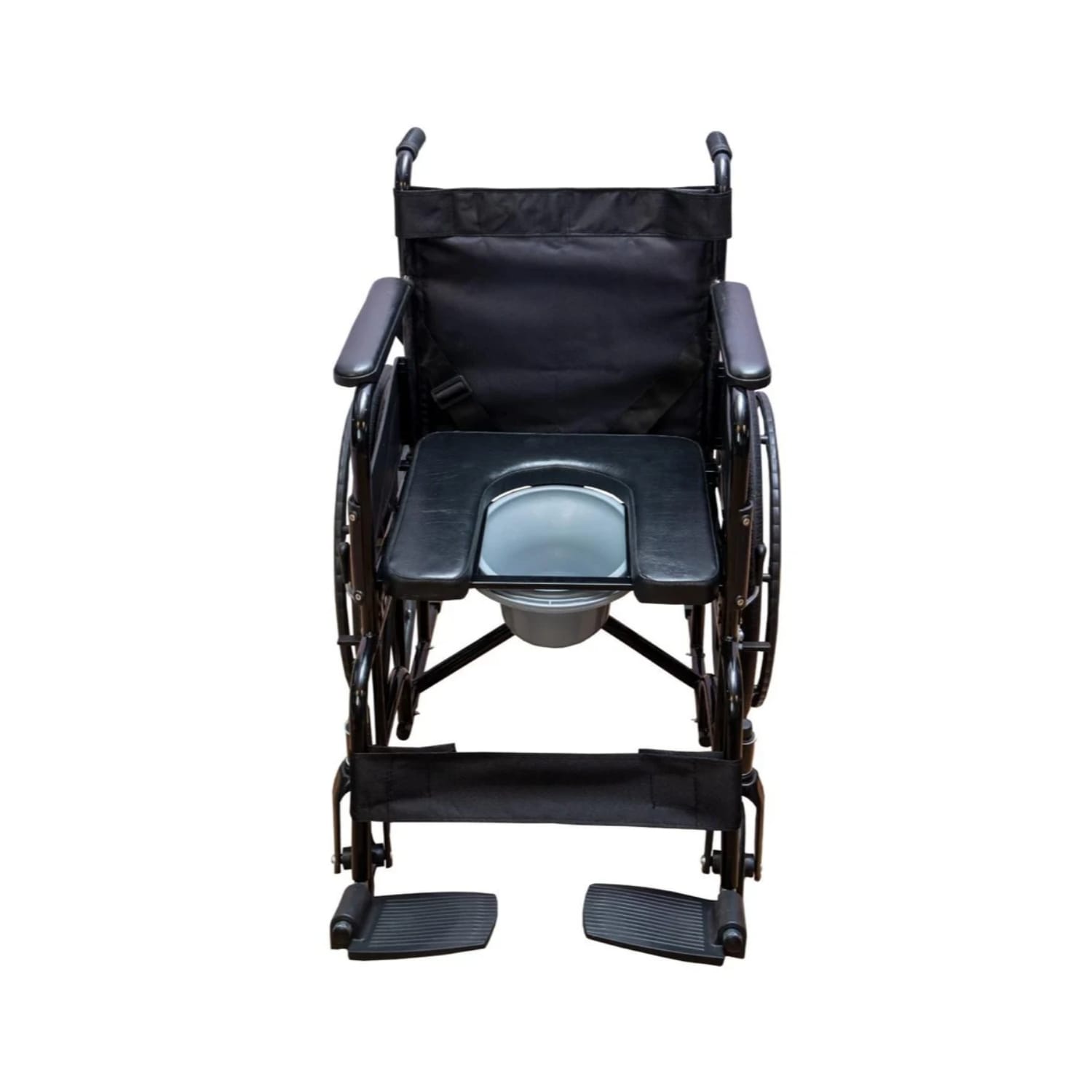
Wheelchair Commode
Some specific models integrate both mobility and toileting capabilities. They can be helpful to those who need help with wheelchairs as well as with transfers.
This depends on the mobility level of the person using the chair and the setting in which it will be utilized.
Which Features Should You Look for in a Commode Chair?
Beyond just the design, think about additional elements that will simplify use on a daily basis.
Adjustable height: Helps accommodate the user's height and transfer needs.
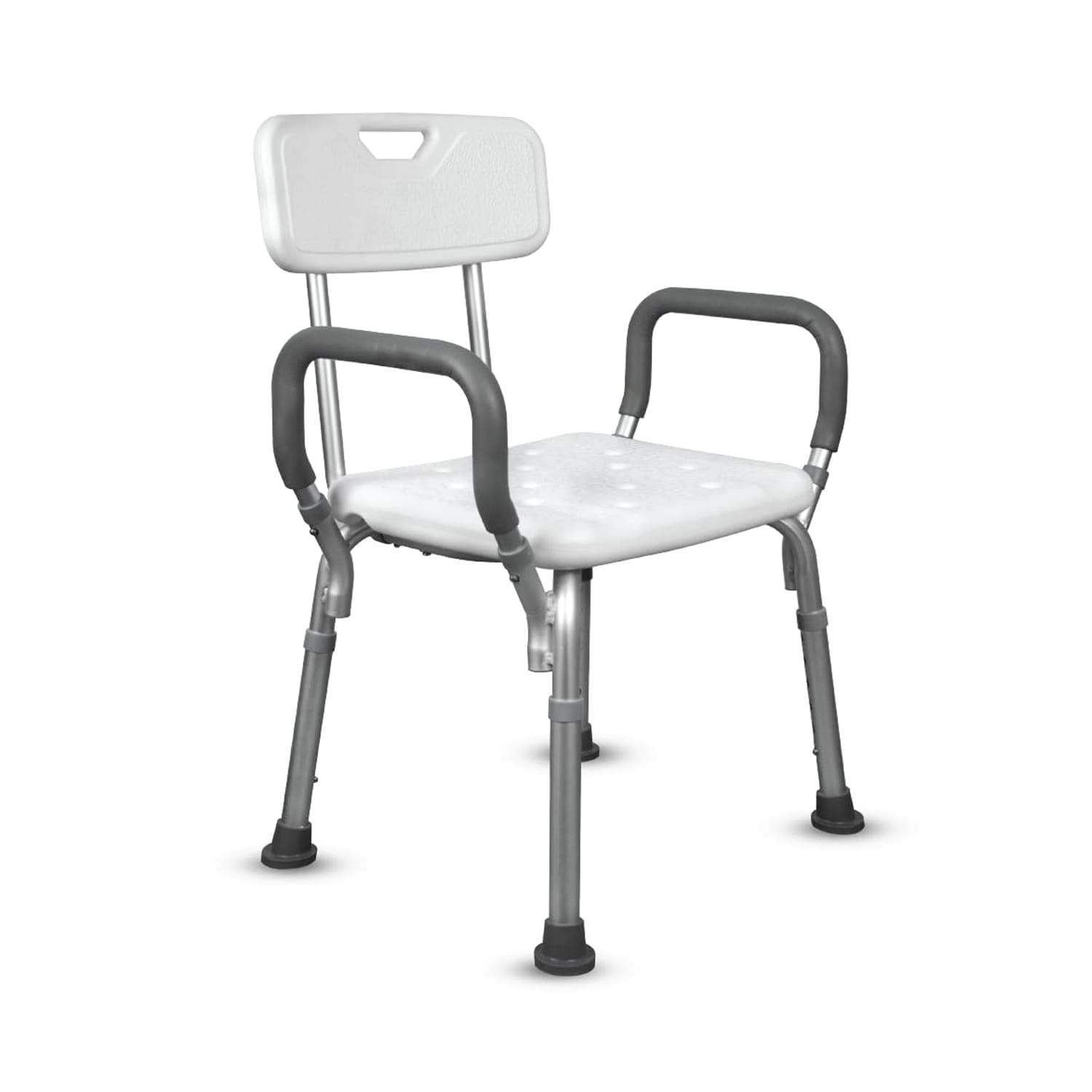
Armrests: Can provide additional support when sitting down or standing up.
Removable bucket: Makes cleaning and emptying easier.
Non-slip feet: Help improve stability on the floor.
Easy-clean surfaces: Important because the chair requires frequent cleaning.
Padded seat: May provide additional comfort for people who need to sit for longer periods.
The most important features are not always those that are the most high tech. Select features that solve the user's specific needs regarding mobility and toileting.
Common Mistakes to Avoid When Buying a Commode Chair
A few common mistakes can affect comfort and safety.
• Purchasing without considering the weight and height of the patient
• Buying the chair which is either too low or too high
• Not taking into consideration the size of the chair
• Giving more importance to price than safety
• Overlooking the availability of replacement buckets and parts
• Placing the chair on uneven and slippery surfaces
• Carrying the impression that all commode chairs are transferable with wheelchairs
A realistic way of dealing with this would be measuring the space available at home and then comparing it to the product dimensions.
How Should a Commode Chair Be Maintained?
Regular cleaning is very necessary since the chair will be in direct contact with bodily waste. (1)
After each use, clean and empty the commode bucket/pan according to the manufacturer’s guidelines for cleaning. Clean the seat, the frame, and other touchable parts as well.
Check the chair regularly for:
• Loss of screws/fittings
• Damaged rubber caps
• Warped/damaged structure/frame
• Weak legs
• Damaged detachable parts
Discontinue use of the chair in case it is no longer stable or damaged until it is repaired or replaced.
The Bottom Line
Understanding how to select a commode chair requires that you consider the needs of the person first—and not just the cost or looks of the product.
Place emphasis on stability, proper height, weight capacity, transferability, comfort, and easy maintenance. A bedside commode can be suitable for a person having difficulties accessing the bathroom, while 3-in-1 or folding models could be more appropriate. (2)
At Cureka, India’s first preventive healthcare store curated by doctors, selecting the proper healthcare and assistance in personal activities is based on knowing the person’s comfort, safety, and needs. Spend time comparing specifications and selecting the proper commode chair to provide safe and more independent daily living.
References
1. Toilet hygiene—review and research needs - https://pmc.ncbi.nlm.nih.gov/articles/PMC9292268/#sec10
2. Design and Analysis of an Intelligent Toilet Wheelchair - https://pmc.ncbi.nlm.nih.gov/articles/PMC8069320/#sec1-sensors-21-02677