

If your doctor has suggested oxygen therapy at home, the machine can look a bit intimidating at first. Dials, tubing, alarms. Don't worry, it gets easy fast. Once you know how to use an oxygen concentrator the right way, it fits into daily life without much fuss. Let's go through how it works, how to set it up and the safety habits worth building from day one.
What Is an Oxygen Concentrator?
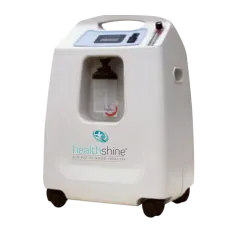
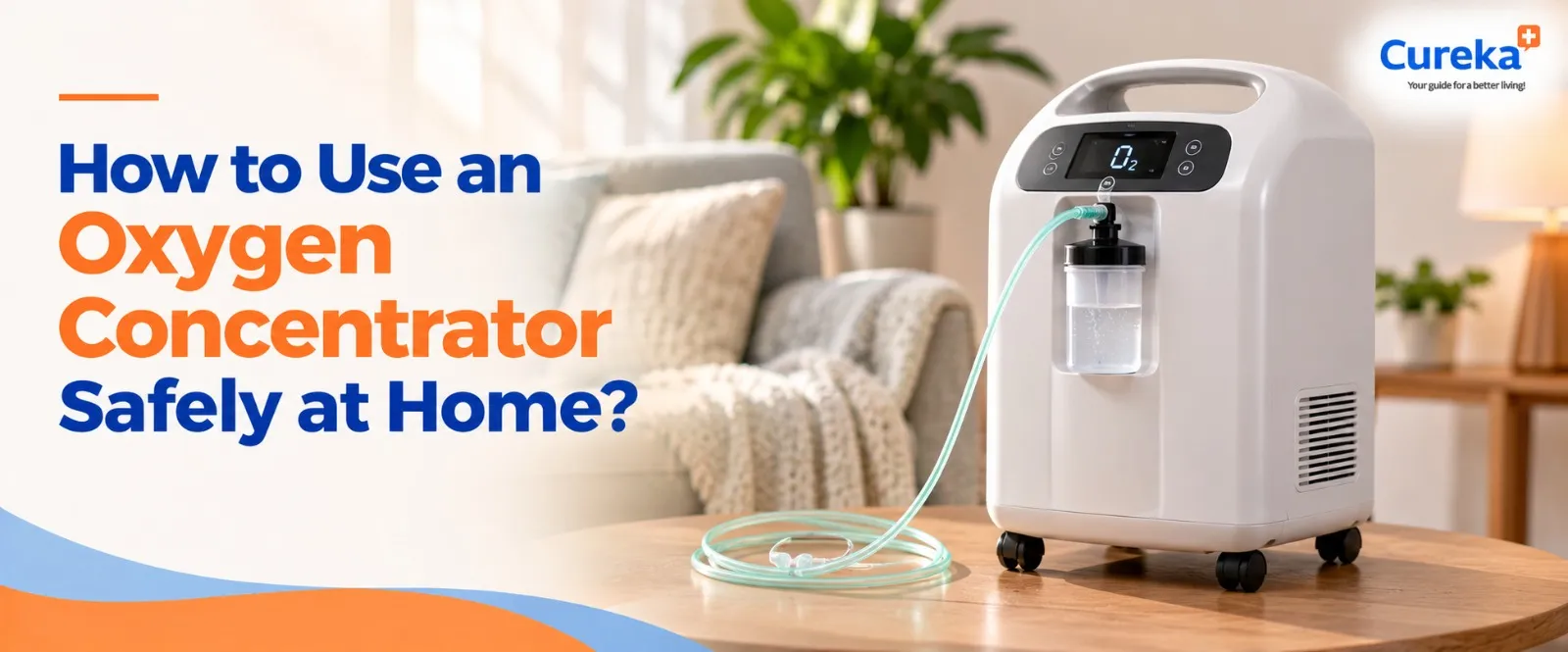
Think of it as a machine that cleans up the air you already breathe. It pulls in room air, removes most of the nitrogen and gives you air that's far richer in oxygen. Regular air has about 21 percent oxygen, while most home models can push that to 90 percent or higher, depending on the flow setting. (1)
The big advantage over cylinders is that you never have to refill anything. Plug it in and it keeps going, which is why an oxygen concentrator at home suits people with long-term lung conditions or low oxygen levels so well.
How Does an Oxygen Concentrator Work?
It's simpler than you'd expect. Air enters through an intake filter, and a compressor pressurises it. That air passes through sieve beds filled with zeolite, a material that grabs nitrogen and lets oxygen slip through. The oxygen collects in a small tank and travels through the tubing to your cannula or mask at the flow rate your doctor set. The nitrogen goes back into the room, and the whole cycle starts again, over and over.
Before You Start
Please don't begin oxygen therapy without medical advice. Your doctor decides your flow rate, how many hours you need it daily, and whether you need it during rest, sleep or activity. Changing the setting yourself, even slightly, can do harm.
Pick the Right Spot
Keep the machine in a well ventilated room, about a foot away from walls, curtains and furniture so air can reach the intake. Use a flat, steady surface and stay away from dusty corners, damp areas and smoke.
Step-by-Step: How to Use an Oxygen Concentrator
Most people follow a routine like this. Your manual may differ a little, so check it too.
1. Wash and dry your hands.
2. Plug the machine directly into a wall socket, and skip extension cords if you can.
3. Make sure the intake filter is clean and in place.
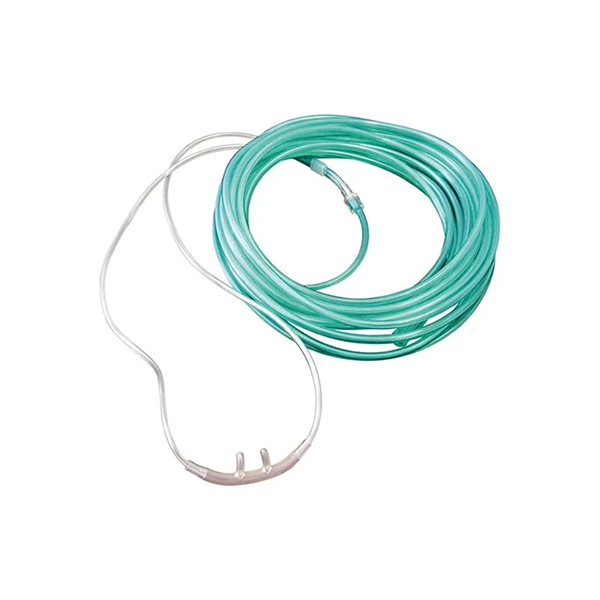
4. Attach the tubing to the oxygen outlet, then connect your cannula or mask.
5. If your model has a humidifier bottle, fill it with distilled water to the marked line and fix it on.
6. Switch on and give it a minute or two to stabilise.
7. Set the flow rate exactly as prescribed.
8. Place the prongs gently in your nostrils, loop the tubing over your ears and adjust until it feels comfortable.
9. Breathe normally.
When you're done, switch off the machine, take off the cannula and store the tubing without kinks.
Oxygen Concentrator Safety: Rules Worth Following
Oxygen itself doesn't burn, but it helps fires start easily and spread quickly. That's why oxygen concentrator safety matters so much at home.
Keep Flames Away
No smoking, candles, incense or open-flame cooking near the machine or while you're wearing the cannula. Stay five to ten feet from gas stoves, heaters and fireplaces. A no smoking sign on the door helps visitors remember.
Skip Oil-Based Products
Petroleum jelly, oily creams and greasy lip balms can be flammable. Water-based moisturisers are safer.
Be Careful with Electricals
Give the concentrator its own outlet when possible, route cords away from walkways and never touch it with wet hands. If power cuts are common where you live, ask your supplier about a backup cylinder or battery.
Watch the Tubing
Long tubing gives you freedom but can trip you up. Run it along walls, keep it off rugs and take extra care on stairs. Replace it when your supplier advises.
Oxygen Concentrator Precautions for Daily Use
Some simple oxygen concentrator precautions keep the machine running well and you healthier.
Clean It Regularly
Wash the outer filter weekly with mild soap and warm water, rinse, and let it dry fully before putting it back. Wipe the outside with a damp cloth, and never let water get inside.
Care for the Humidifier
Empty, wash and refill the bottle with fresh distilled water every day. Tap water leaves deposits and can encourage bacteria.
Keep a Backup
Machines fail and power goes out. If you rely on continuous oxygen, keep a spare cylinder or device nearby and save your supplier's and doctor's numbers where you can find them quickly.
Check Your Levels
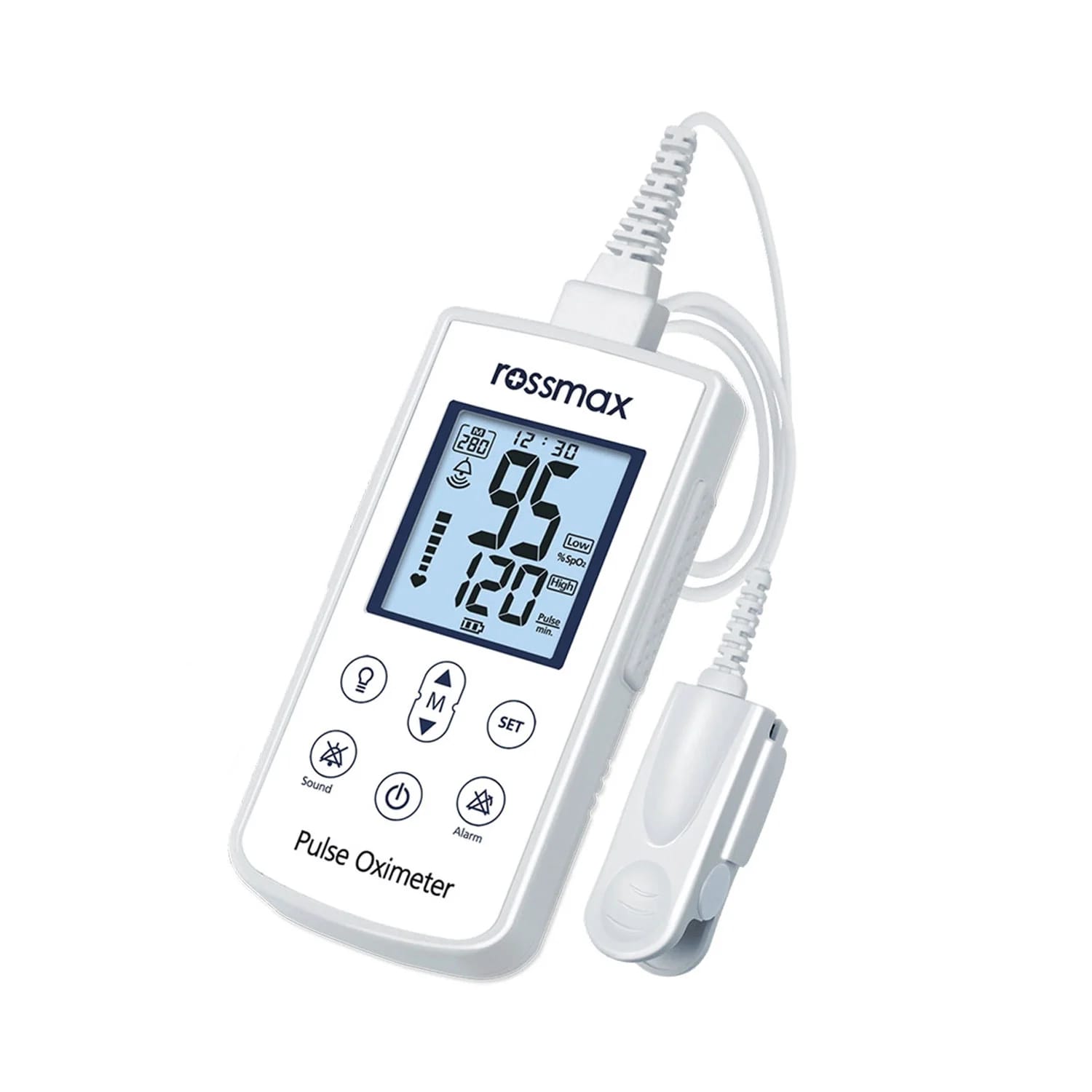
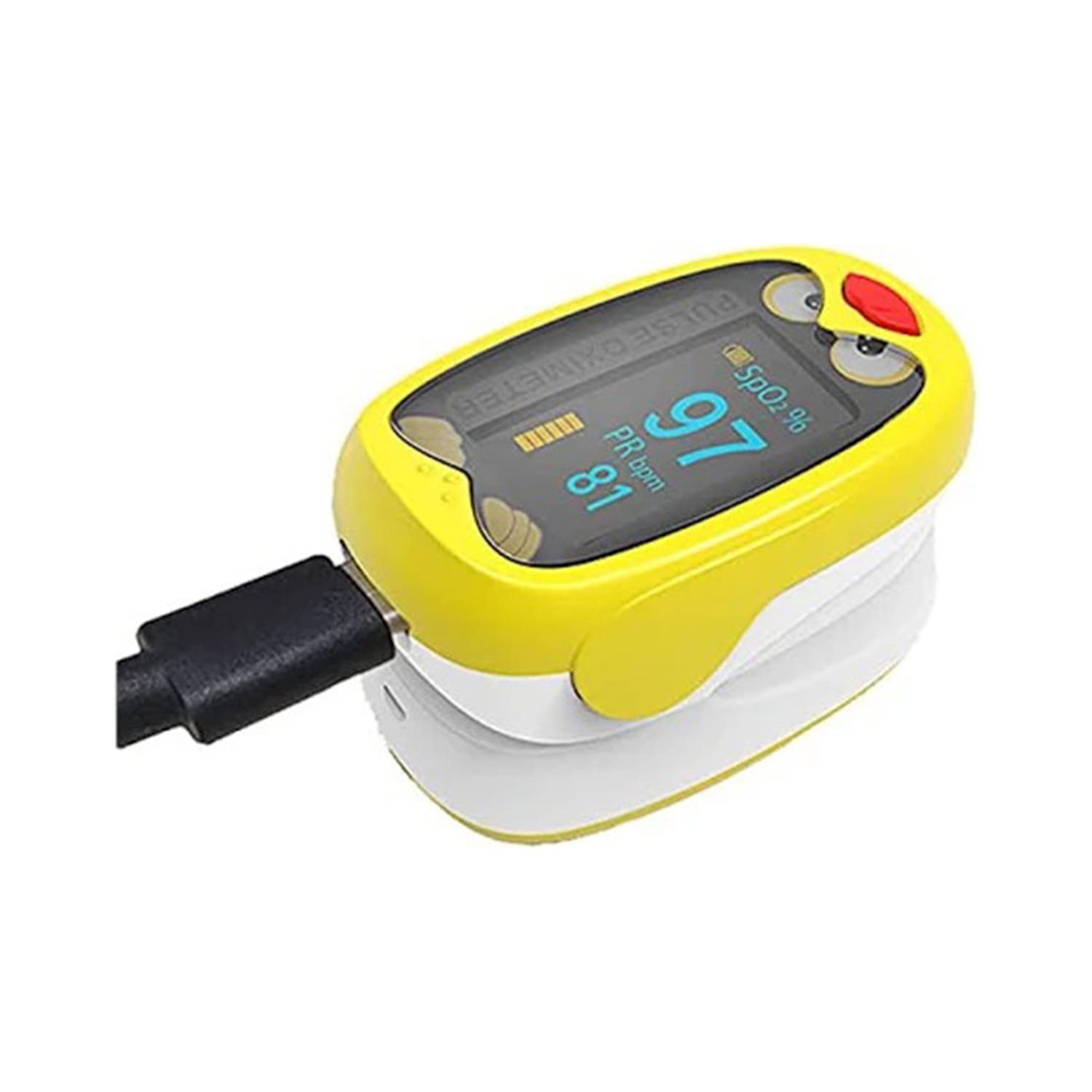
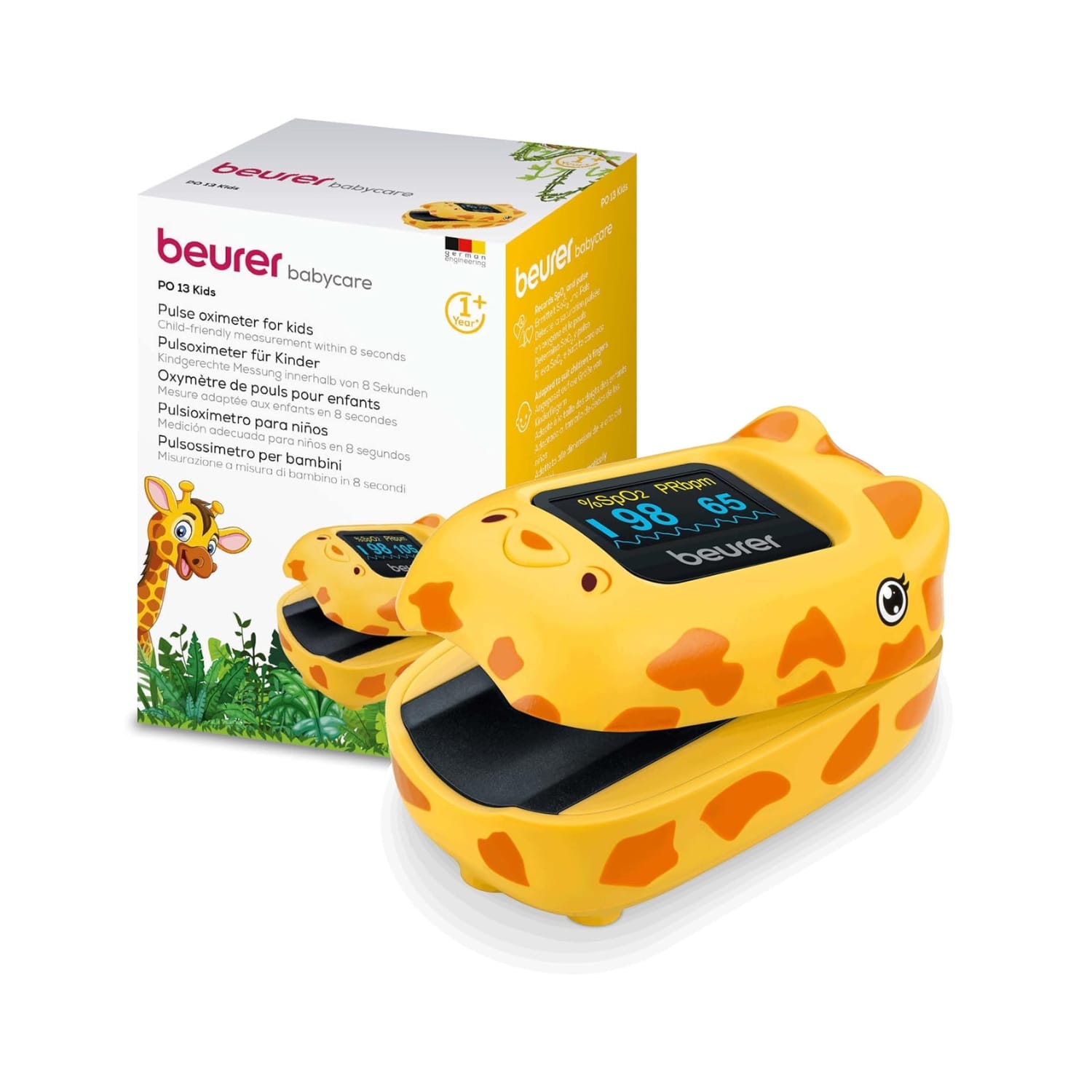
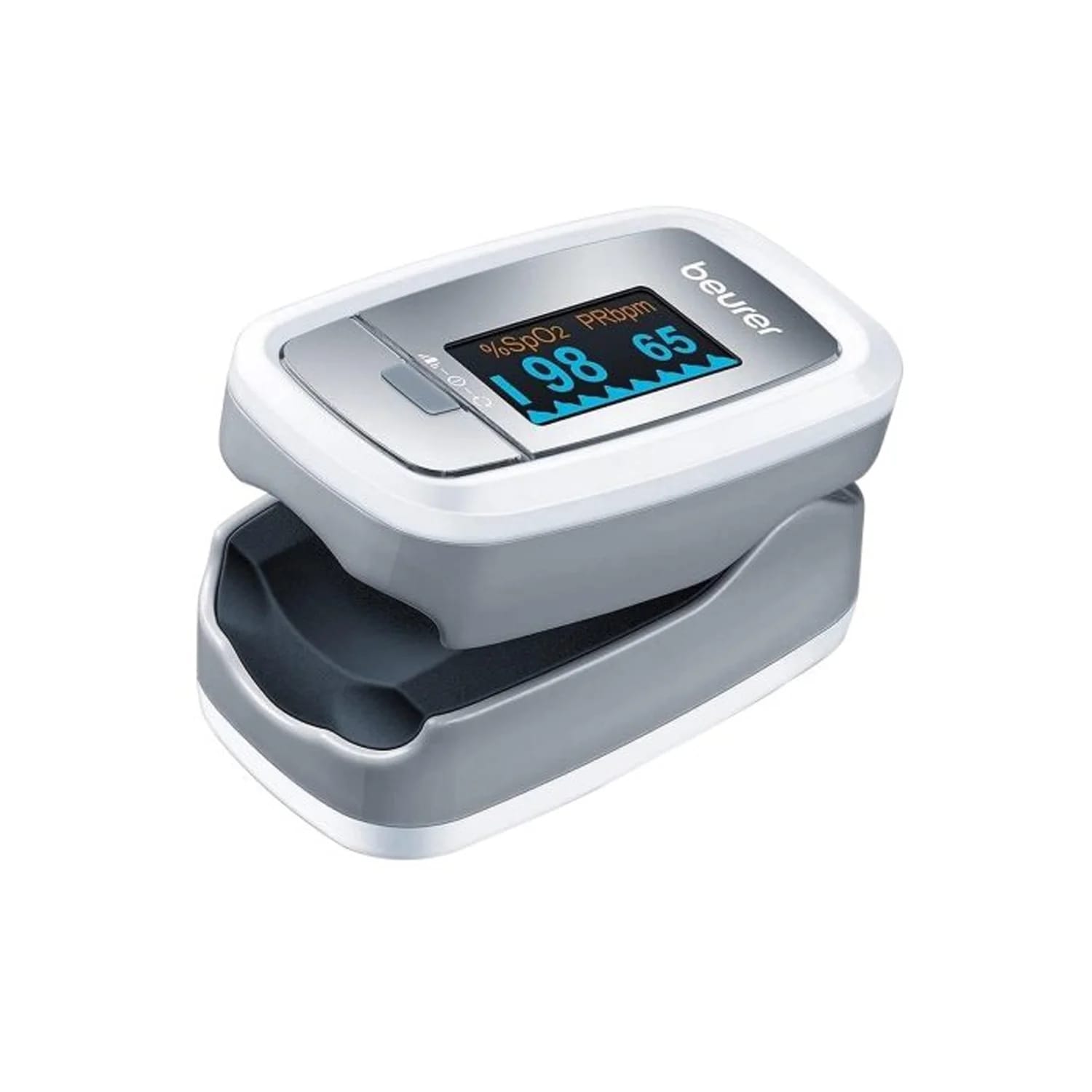
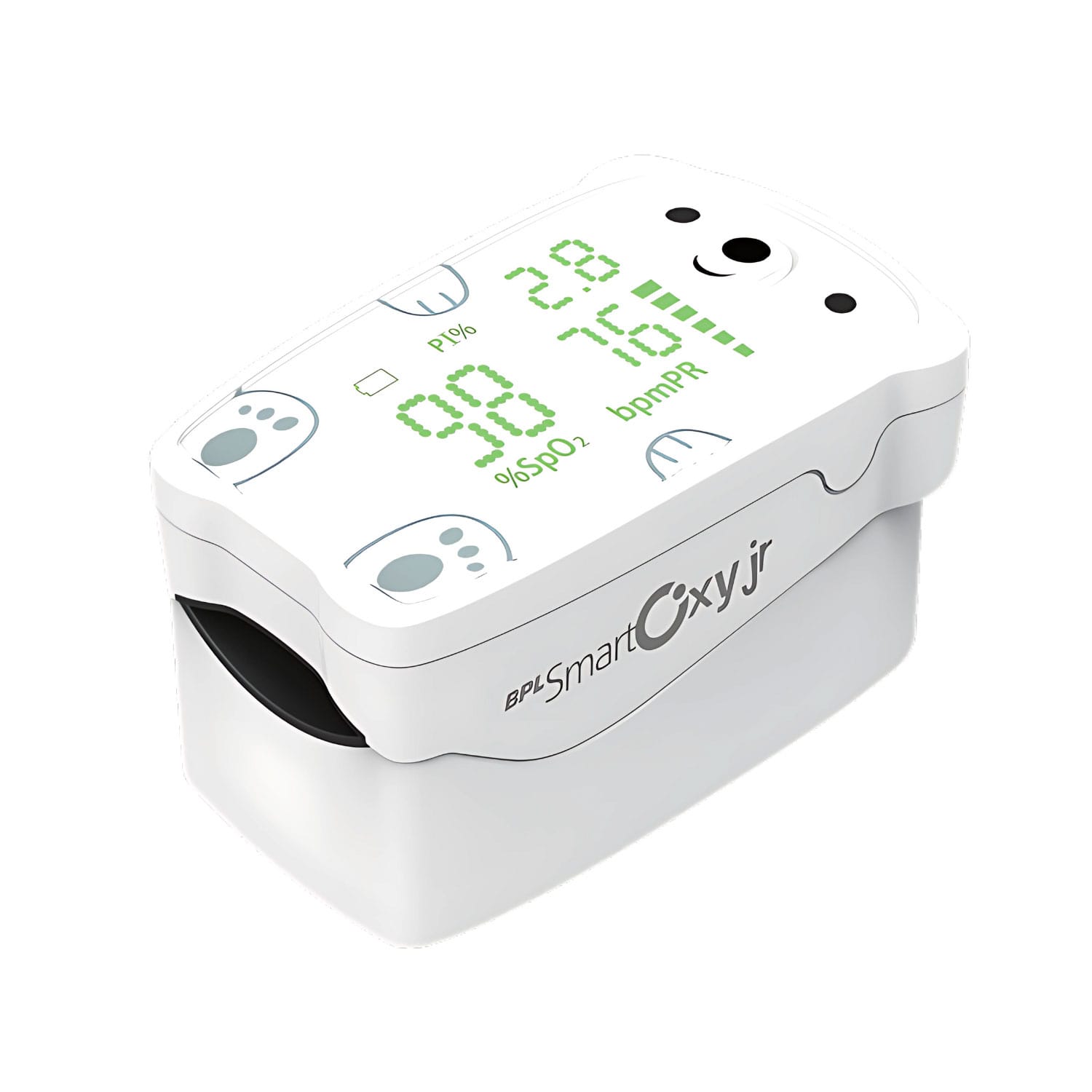
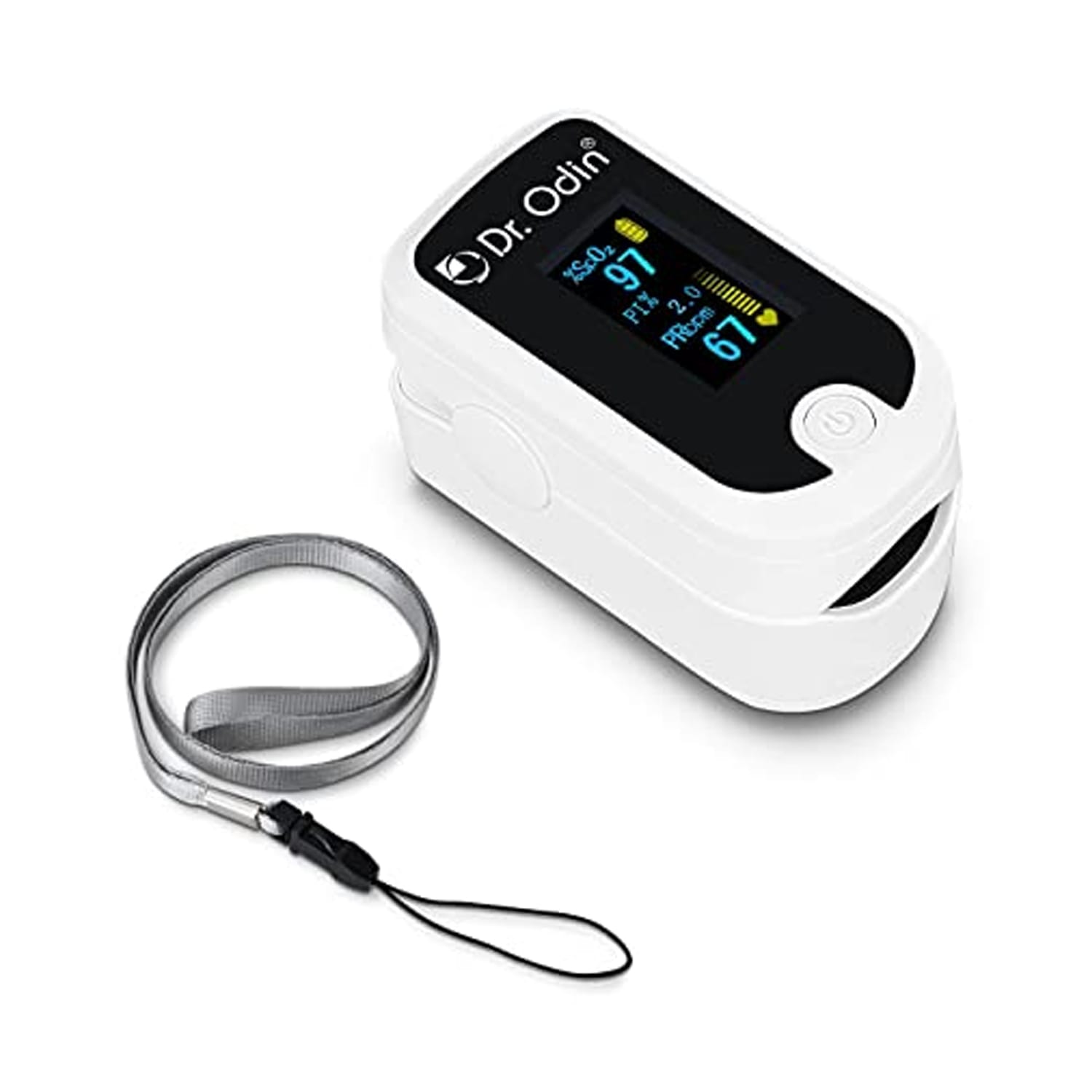
A fingertip pulse oximeter lets you track your oxygen saturation. Share the readings at follow-ups so your doctor can fine-tune treatment.
Know the Warning Signs
Call your doctor if breathlessness increases, your lips or fingertips turn bluish, you feel unusually sleepy or confused, you wake with headaches, or the alarm sounds and won't reset. In an emergency, get medical help right away.
Can You Use an Oxygen Concentrator While Sleeping?
Only if your doctor has prescribed it. Some people need extra oxygen at night, and for them it's a normal, important part of treatment. But night-time oxygen isn't something to start on your own because you feel breathless in bed, and the flow rate you use at night may not be the same as your daytime setting.
If your doctor has advised it, follow their instructions exactly: the prescribed flow rate, the type of cannula or mask, and any guidance on humidification. A few practical habits make nights easier. Place the machine where air can circulate freely around it, and where the sound won't keep you awake. Run the tubing so it can't catch on the bed or get tangled around you, and keep it free of kinks. The fire safety rules still apply, so keep candles, incense and heaters well away from the bed.
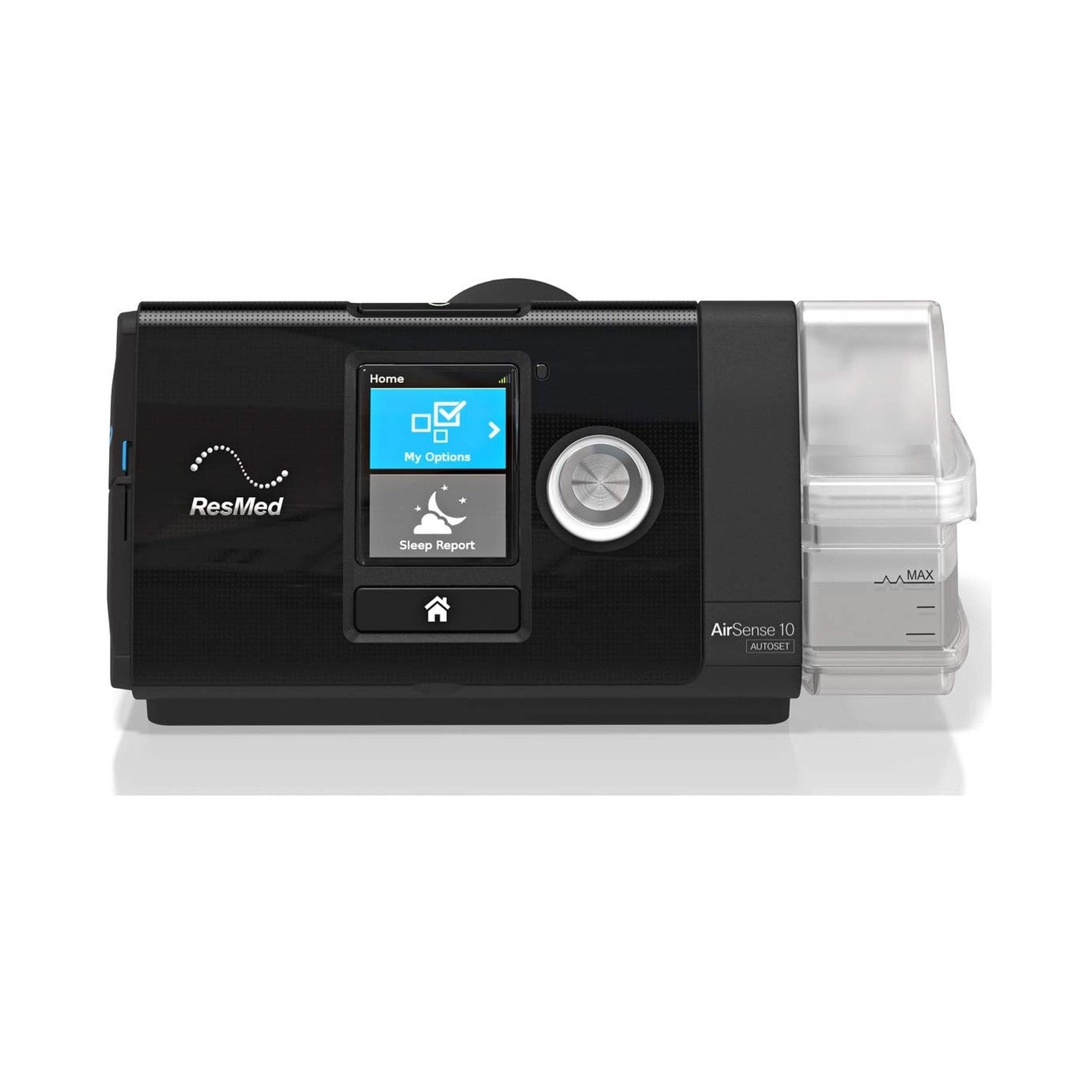
If you also use another breathing device at night, ask your doctor how the two should be set up together. And if you wake with headaches, feel unusually drowsy during the day, or notice your breathing getting worse overnight, let your doctor know rather than adjusting the machine yourself.
What to Do if Your Oxygen Concentrator Stops Working
It helps to think this through before it ever happens. Most concentrators have alarms that warn you when there's a problem, such as a power failure or a fault with the oxygen supply. Get to know what the alarms and indicator lights on your model look like and what they mean, so you can respond quickly instead of guessing.
If the machine stops or an alarm sounds, stay calm and run through a quick check. Is it plugged in and switched on? Is the tubing kinked, disconnected or blocked? Is the filter in place and clean? If a simple check fixes it, carry on. If the alarm doesn't clear or the machine still isn't working, switch to your backup oxygen right away, following the plan your doctor set out for you. That's why a spare cylinder or backup device, kept ready and in working order, matters so much for anyone who depends on continuous oxygen.
Then call your equipment supplier and explain what's happening. Keep their number somewhere easy to find, and don't try to open up or repair the machine yourself. Let your doctor know too, especially if you were without oxygen for any length of time.
Don't wait if you feel unwell. If you become more breathless, your lips or fingertips turn bluish, or you feel confused or very drowsy, get emergency medical help straight away, even if you've switched to the backup.
Travelling and Moving Around
Home concentrators are heavy and meant to stay put. If you head out often, ask your doctor about a portable concentrator, carry spare batteries and check airline rules well ahead.
Mistakes to Avoid
Turning up the flow because you feel breathless, skipping filter cleaning, blocking the intake with cloth, or lending your device to someone else are all best avoided. Oxygen is prescribed treatment, and what suits one person may not suit another.
Wrapping Up
Knowing how to use an oxygen concentrator gets easier with practice. Follow your prescription, pick a safe spot, keep flames far away, clean the filters and pay attention to how you feel. Do that, and oxygen therapy at home becomes comfortable and genuinely helpful.
If you're unsure about choosing, maintaining or using a device, talk to your healthcare provider or a trusted supplier before changing anything.
References
Air–Oxygen Blenders for Mechanical Ventilators: A Literature Review - https://pmc.ncbi.nlm.nih.gov/articles/PMC8954851/#sec2-sensors-22-02182