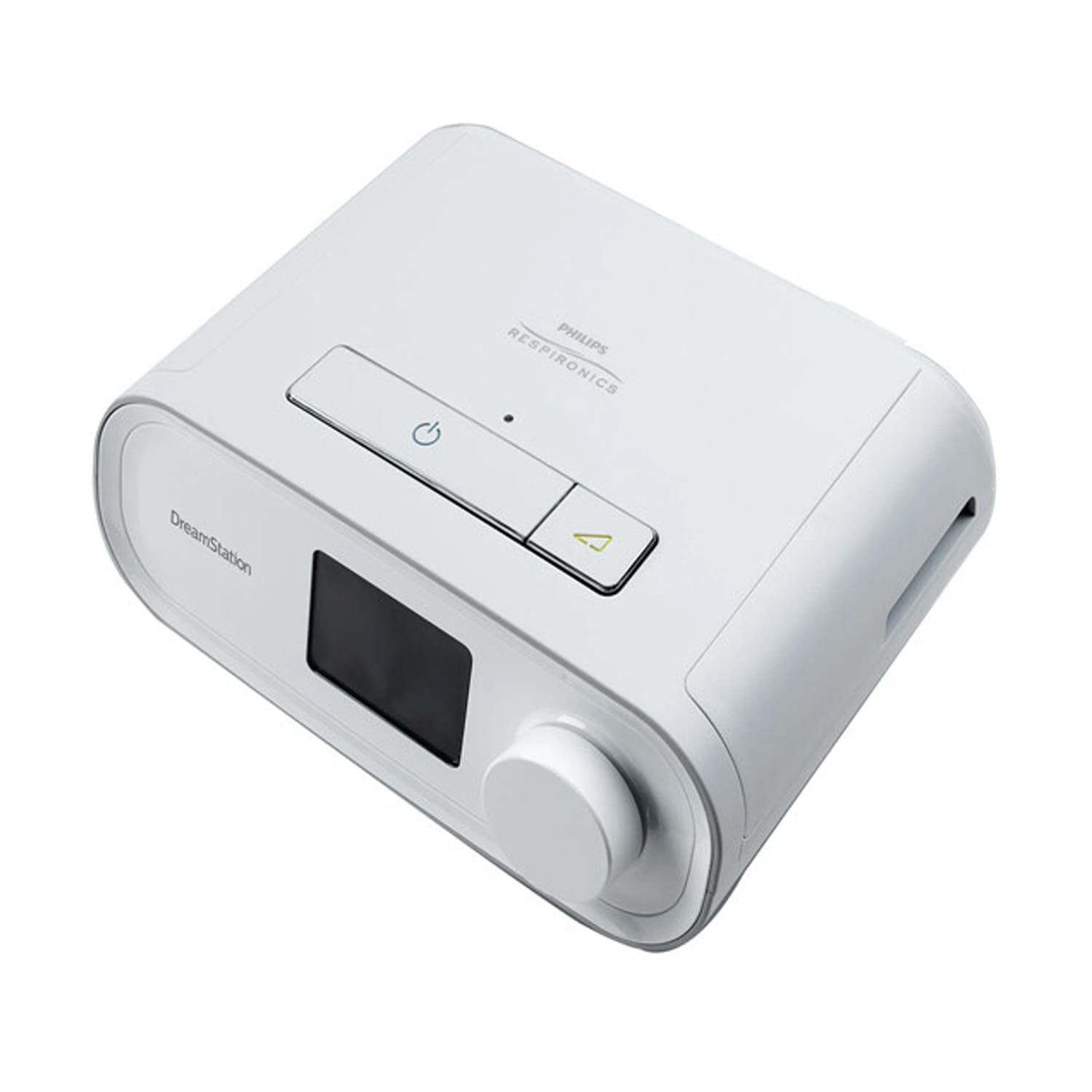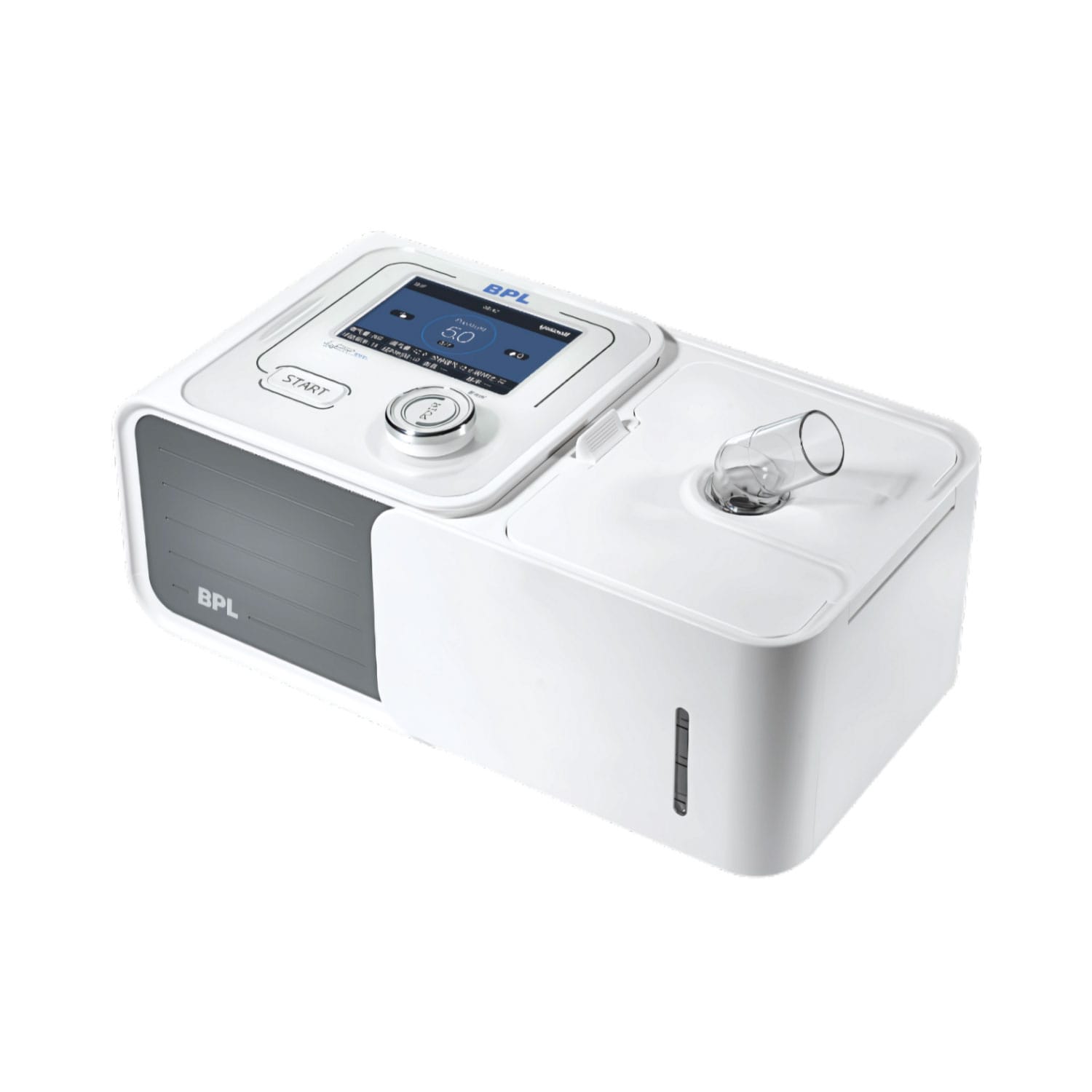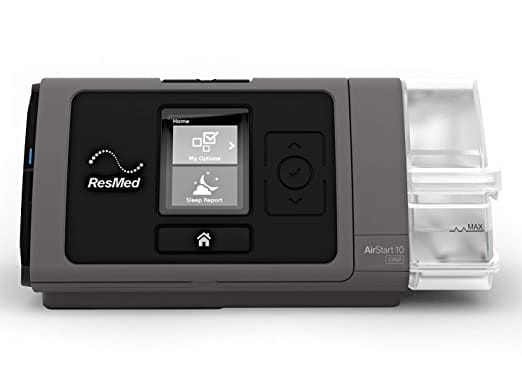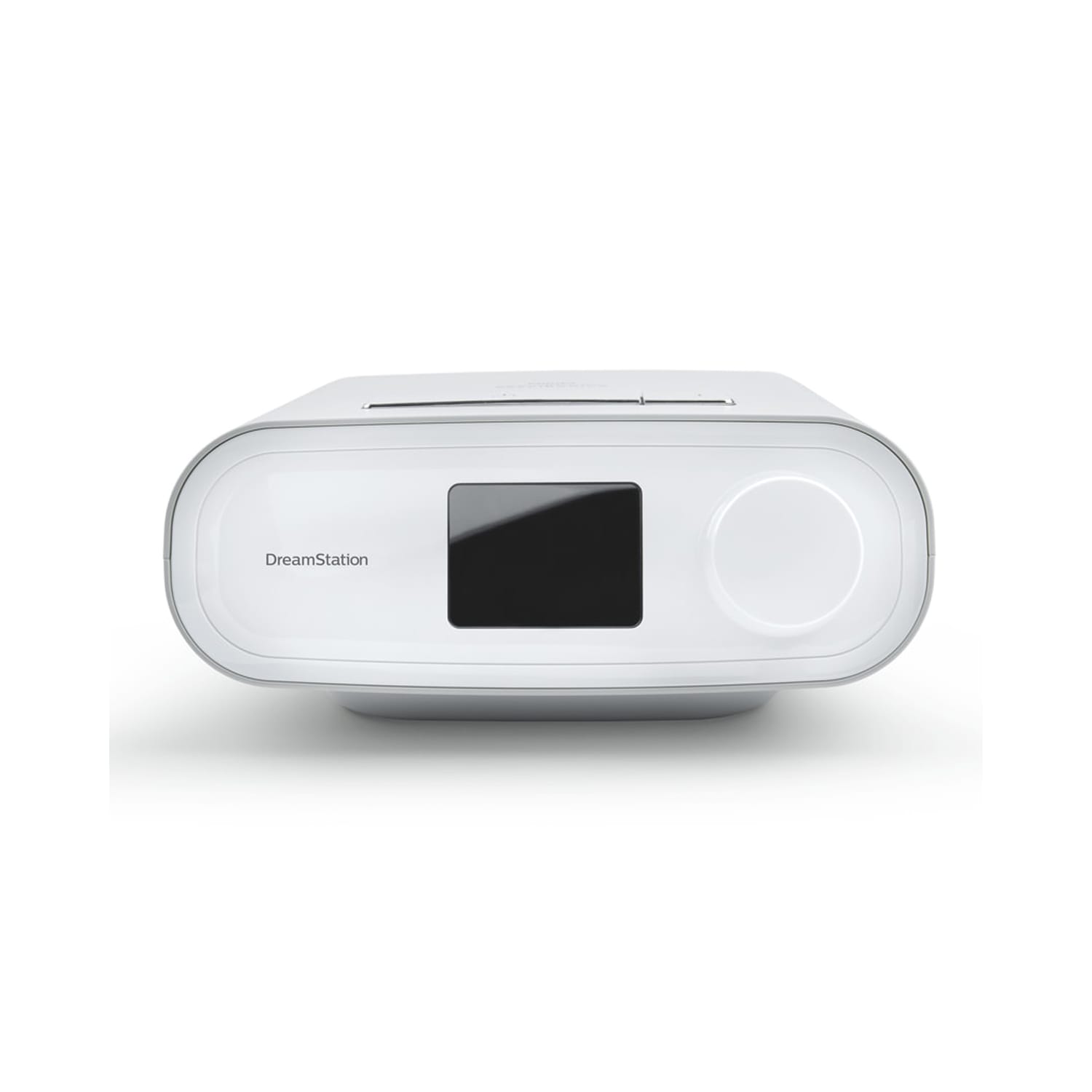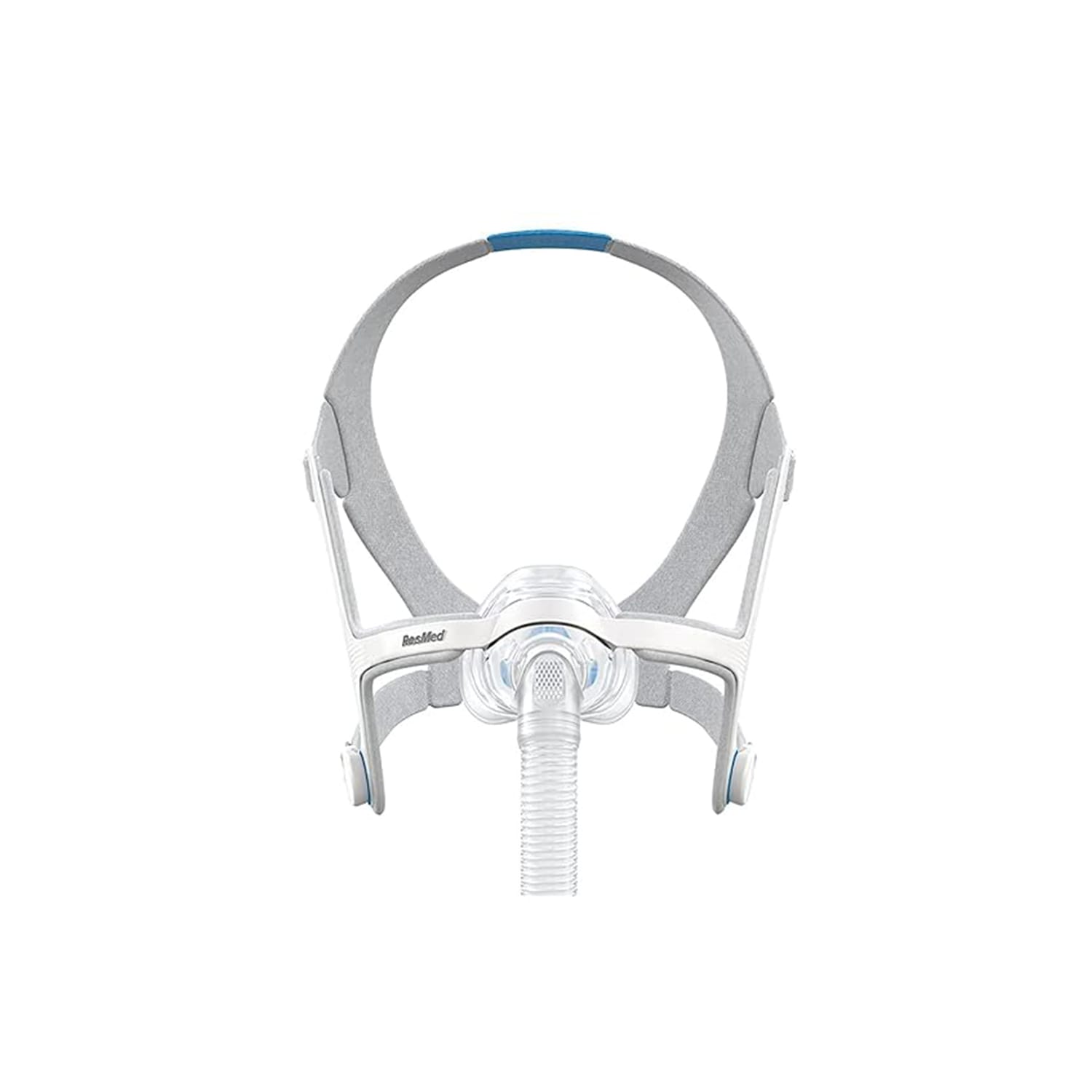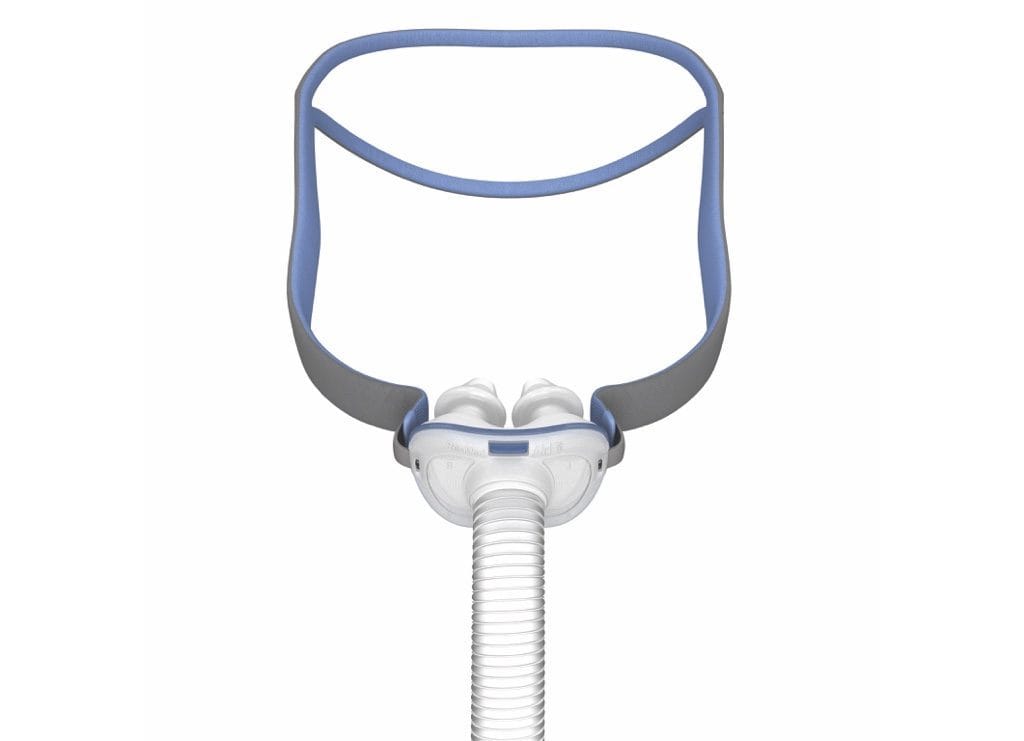



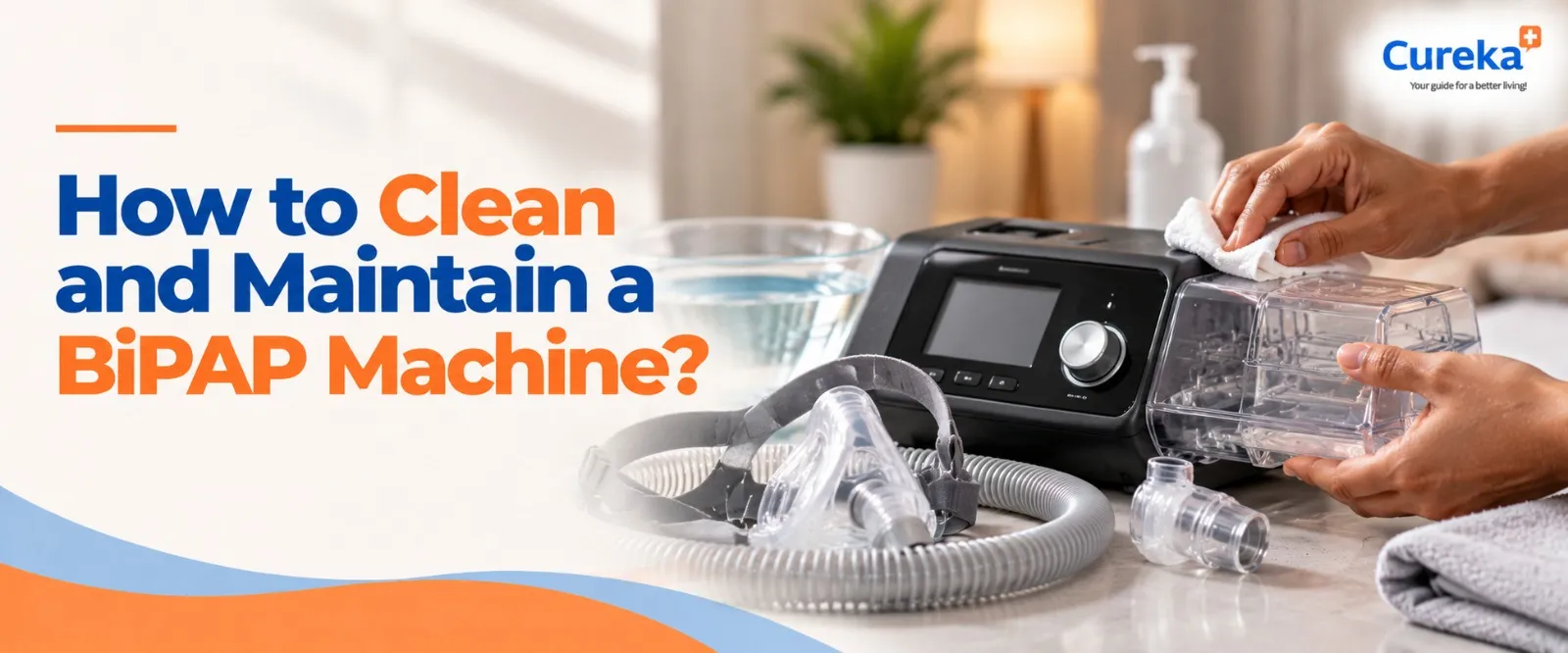
The use of BiPAP machine makes breathing easy while one is asleep through pressurized air delivery through the mask. The use of bilevel positive airway pressure treatment in obstructive sleep apnoea or some other form of respiratory disorder requires proper use and maintenance of the equipment.
The problem of using this device arises from the fact that this BiPAP machine, mask, tubing, and humidifier tend to accumulate moisture, dirt, oils among others and if not cleaned properly, it will emit a bad odor, be difficult to use, and wear out easily.
Knowledge of cleaning your BiPAP machine allows you to do all these things correctly. The frequency of cleaning this machine differs according to its manufacturer, so always follow the directions provided along with it.
Why Is BiPAP Machine Cleaning Important?
Cleaning the BiPAP machine on a regular basis aids in eliminating ordinary dirt, oils and moisture from parts of the machine which comes in direct contact with your body or transports air. It also prevents formation of any deposits in the mask and reduces chances of foul odor developing from the mask.(1)
Cleaning is one aspect of equipment maintenance. Inspecting the machine for any damage to tubes or mask cushions, or any disconnections and malfunctioning parts can assist you in diagnosing any problem areas prior to your treatment being affected by them.
Having a clean machine does not reduce all risks of infections, and cleaning alone cannot protect you from any respiratory infections. However, proper cleaning and maintenance of equipment ensures its continued functioning.
How to Clean a BiPAP Machine: Step-by-Step Instructions
Before cleaning, turn off the machine and unplug it from the source of electricity. Detach the mask, tubing, and humidifier components following the recommendations of the manufacturer. Do not immerse the main device in water.
1. Clean Your BiPAP Mask Every Day
The mask is directly in contact with your skin. It is, therefore, one of the most important parts to clean regularly.
To learn about BiPAP mask cleaning, do as follows:
Unfasten the mask from the tubing in accordance with the recommendations of the manufacturer.
Wash the mask cushion and other removable parts with warm water and a mild, scent-free soap.
Carefully clean away visible oils and residues, particularly those surrounding the cushion of the mask resting against your skin.
Rinse the mask.
Let the mask dry on a clean surface out of direct sunlight or heat.
Do not use abrasive detergents, bleach, alcohol, or perfumed products unless advised by the manufacturer. Such substances can damage the mask material and leave harmful residues on it.
Clean the mask more often if necessary according to your equipment provider or when you see visible residue on it.
2. Wash the Tubing Regularly
The BiPAP tube serves as a pathway through which pressurized air travels from the BiPAP machine to the mask. This tube may become moist or collect debris especially when the device incorporates a humidifier.
Disconnect the tubing according to the manufacturer's instructions. If the tubing is washable, clean it using the recommended mild cleaning solution and water temperature. Rinse thoroughly and allow it to dry completely before reconnecting. Do not use a dishwasher, hot water, or chemical disinfectants unless the manufacturer specifically permits them.
Avoid reattaching the tube until it dries properly unless it is safe to do so. Do not insert any sharp object in the tube during cleaning to avoid puncturing its walls.
Look for any crack, hole, discoloration, or loose connections in the tube and replace it if it gets damaged or at the manufacturer's recommended replacement period.
3. Clean the Humidifier Water Chamber
In many cases, the BiPAP machine has a humidifier, which increases the moisture level in the airflow. The water chamber of this device needs maintenance because of the accumulation of standing water and mineral build-up.
If your device contains a water chamber:
Pour out all standing water.
Clean the chamber using soap and water as per manufacturer instructions.
Dry the water chamber thoroughly.
Refill the water chamber with the appropriate liquid, usually distilled water.
Do not add essential oils, fragrances, or other materials to the water chamber unless your device manufacturer allows it. Such substances could harm your machine or cause irritation to your airways.
Inspect the water chamber for any cracks, spots, or mineral build-up. Replace the chamber if it is damaged or cannot be cleaned thoroughly.
4. Wipe the Machine Exterior
Do not submerge the primary BiPAP apparatus into water or clean it with running water.
Instead, use a damp, soft cloth to wipe its exterior surface, in accordance with the cleaning guidelines provided by the manufacturer. Take care that moisture does not come in contact with electrical connections and openings.
Let the exterior dry before reattaching the apparatus. Do not apply cleaners to the device.
5. Cleaning the Air Filter
The air filter plays an important role in trapping dust and other particles that get in through the machine. The cleaning frequency of such filter will vary depending upon the type and design of the air filter being used.
Some air filters are reusable and need to be cleaned based on the manufacturer's guidelines. However, others are disposable and cannot be reused after cleaning.
Regularly check the filter for dust, discoloration and damage. Do not run the machine without a specified air filter.
BiPAP Cleaning Instructions: How Often Should You Clean Each Part?
The following schedule is a general starting point. Your device manual and equipment provider's instructions take priority.
Component | General cleaning schedule |
|---|---|
Mask cushion and washable mask parts | Daily |
Humidifier water chamber | Empty daily; wash as instructed |
Tubing | Weekly or as directed by the manufacturer |
Machine exterior | Weekly and when visibly dirty |
Reusable air filter | Inspect and clean as directed |
Disposable air filter | Inspect and replace as directed |
Cleaning frequency may vary with the model, environment and equipment provider's recommendations. Do not assume that all BiPAP components can be washed or disinfected in the same way.
Common BiPAP Machine Care Mistakes to Avoid
There are some basic steps that you could follow to safeguard your equipment.
Harsh cleaning products: The use of strong chemical substances, alcohol and abrasive cleansers can be harmful for silicone cushions, plastics and seals.
Putting together wet parts: Any residual moisture inside the tubing or humidifier chamber could facilitate microbial growth. Moreover, it would also impact the functioning of the equipment.
Neglecting deterioration of parts: Damaged tubing, leaking cushion on the mask and malfunctioned water chamber must be replaced.
Sharing of mask or other personal parts: Masks and other personal components must not be shared among different individuals unless the equipment has been properly reprocessed as per the manufacturer's recommendations and those of the health care provider.
Setting changes during cleaning process: No setting change is required during cleaning. In case, there is any error message or malfunction during the reassembly process, please check the instructions manual or contact the equipment provider.
When Should You Replace BiPAP Accessories?
No matter how frequently cleaning is performed, at some point the accessories will need replacement. The mask cushion may no longer be effective in providing the seal, tubing may become cracked and humidifier chambers may sustain damage.
Follow the replacement schedule recommended by the equipment manufacturer, your equipment provider and the state of your accessories. Constant leakage from your mask, lingering odours even after cleaning, obvious damage and frequent alarms should prompt investigation.
Contact your healthcare professional if you experience persistent irritation, worsening respiratory issues or inability to tolerate your treatment regimen.
Conclusion
It is imperative that you know how to take care of the BiPAP machine since it is a necessary component of your prescribed breathing therapy. Clean the mask, humidifier, and any other component of the machine as directed, including the tubing, filter, and any other accessory, as well as the exterior surface of the machine.
Above all, make sure to follow the cleaning instructions provided for your particular model.
References:
Recommendations for hygiene of masks and circuits in mechanically home ventilated patients - 2010 Jul - https://pubmed.ncbi.nlm.nih.gov/20963325/