


Crutches are essential mobility aids for people recovering from leg injuries or surgeries. Whether you're using elbow crutches, arm crutches, or a knee crutch, understanding how to properly use them is key to avoiding unnecessary strain or injury. This guide will cover common mistakes and provide practical tips to help you move confidently with your crutches, be it for short-term recovery or long-term mobility support.
1. Adjust Your Crutches for a Proper Fit
Before using your crutches, make sure they are properly adjusted to your height. Whether you're using folding crutches or forearm crutches, the following steps will help ensure the right fit:
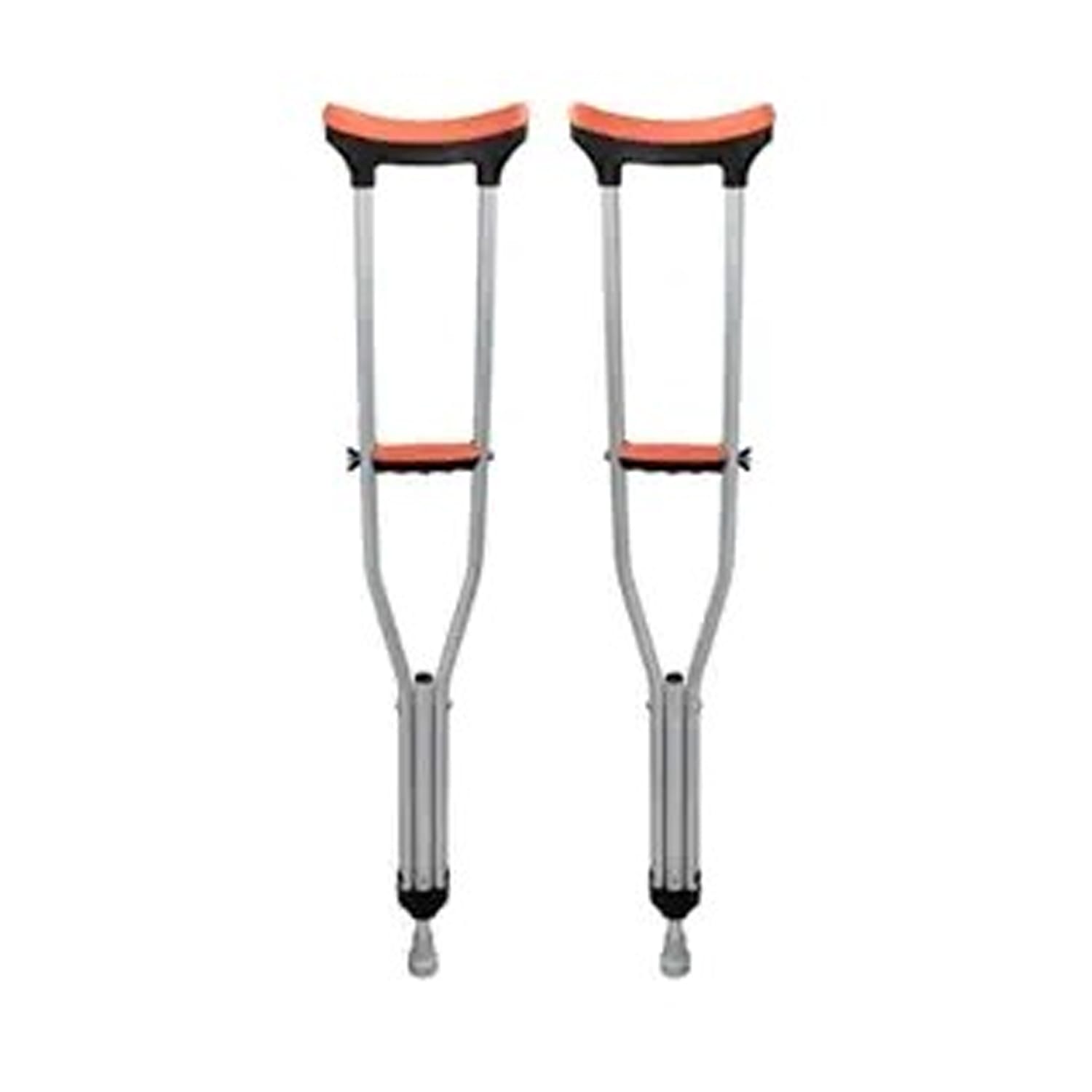
For underarm crutches: The top of the crutch should be about 1-2 inches below your armpits. The handgrips should allow a slight bend in your elbows (around 15 degrees) when you hold them.
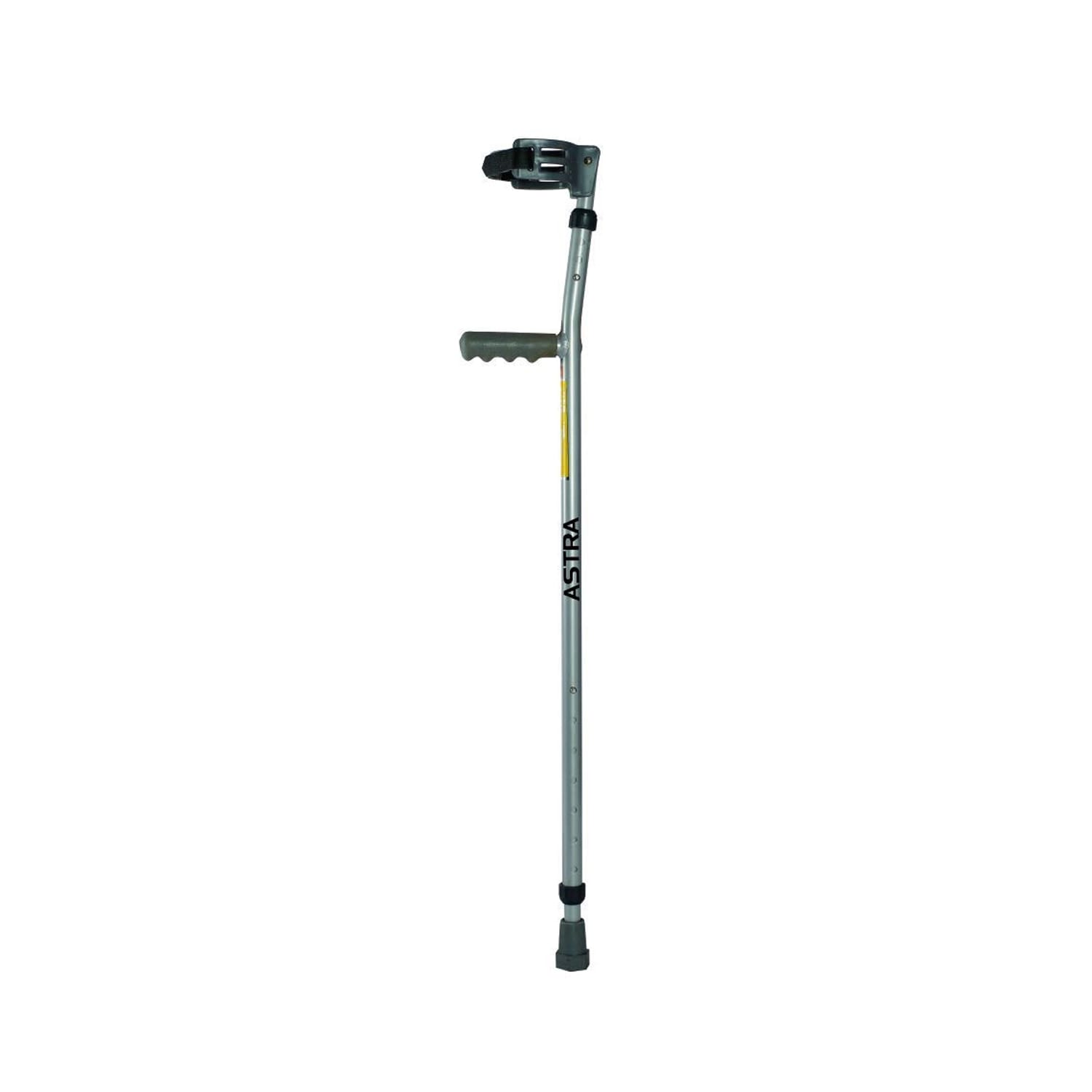
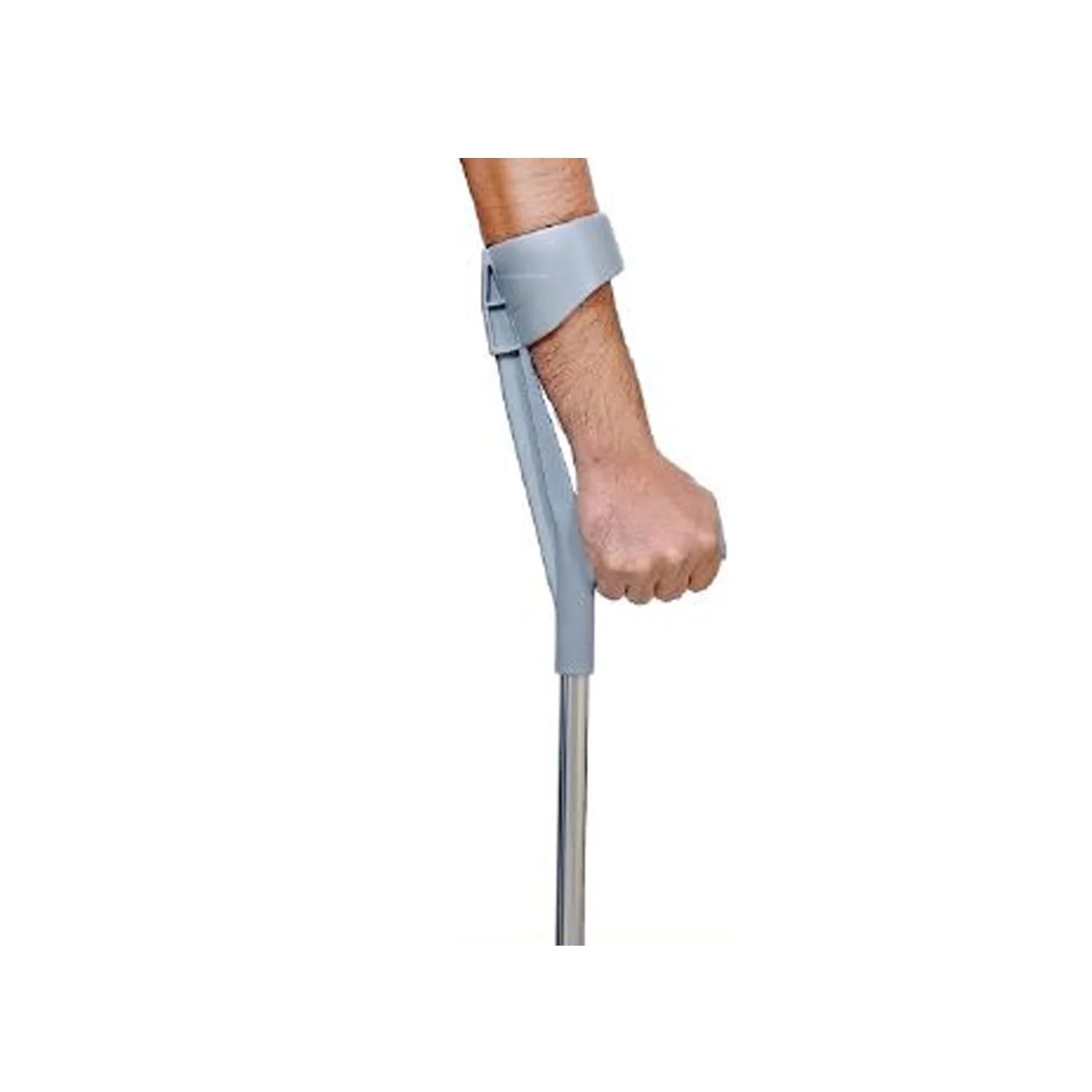
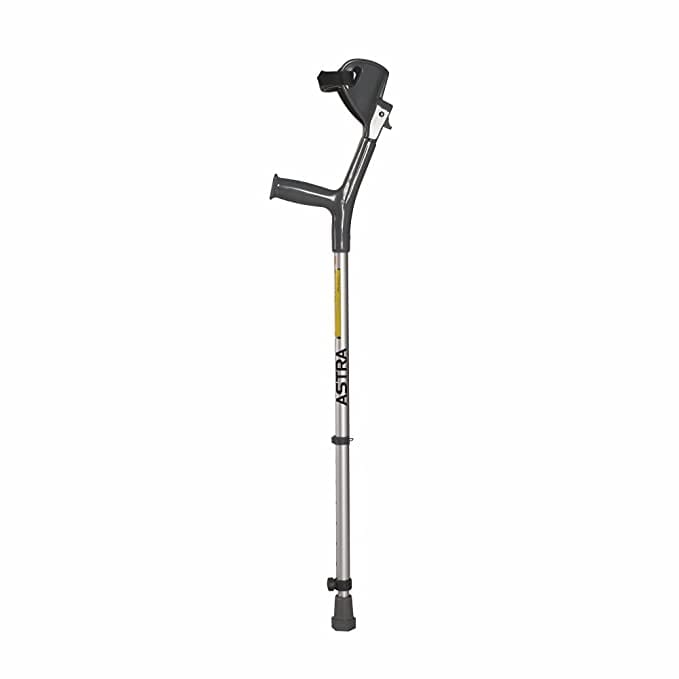
For elbow crutches : Adjust the handgrips so that they are level with your wrists when standing straight. Ensure the forearm cuff is snug, but not tight, allowing for easy movement.
For knee crutches : These are designed to keep weight off your injured leg. Ensure that the knee pad is adjusted to the right height, so your leg can rest comfortably without strain.
Getting the right fit is crucial for reducing stress on your arms, shoulders, and back.
2. Maintain Proper Posture
When using arm crutches or elbow crutches, keeping good posture is essential to prevent strain. Follow these tips:
Keep your back straight and shoulders relaxed.
Avoid leaning too far forward or placing excessive pressure under your armpits.
Distribute your weight evenly between both crutches to maintain balance.
Maintaining the right posture helps protect your joints and muscles from fatigue and injury, ensuring you remain mobile without discomfort.
3. How to Walk Safely with Crutches
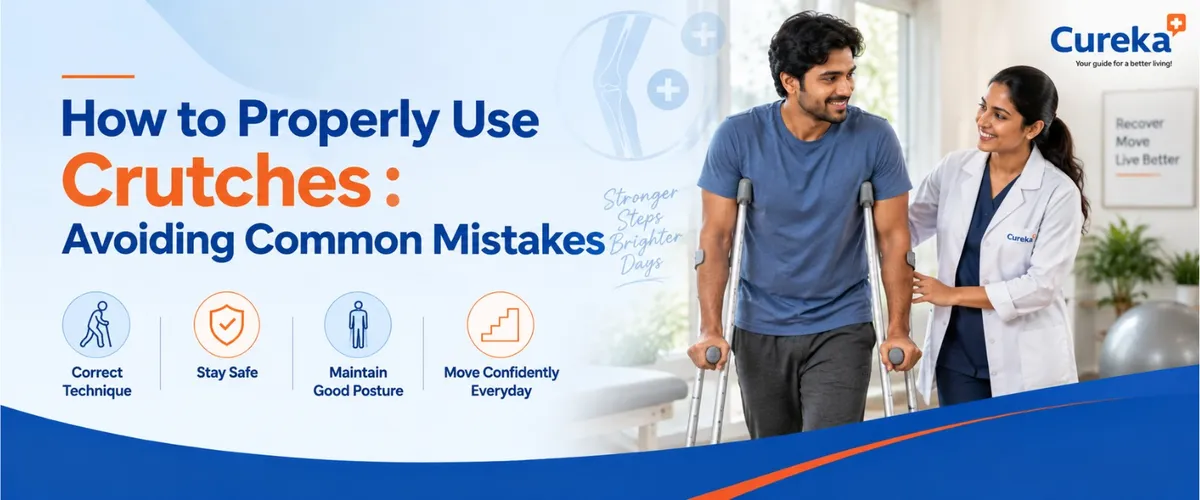
Learning how to walk correctly with crutches is one of the biggest challenges, especially after knee surgery. Here's a simple step-by-step guide to help:
Start by placing both crutches about 12 inches in front of you.
Shift your weight to your uninjured leg.
Swing your body forward, landing your healthy leg between the crutches.
Repeat this motion as you move forward, taking care not to rush.
When using the best crutches for knee surgery, always ensure your movements are slow and controlled to avoid additional injury.
Stairs with Crutches
Navigating stairs with crutches can be tricky but manageable :
Going up: Lead with your uninjured leg first, followed by your crutches.
Going down: Place your crutches on the step below you first, then step down with your uninjured leg.
Use a handrail if available for extra stability.
4. Avoid Common Mistakes
Improper use of crutches can lead to discomfort or even further injury. Avoid these common mistakes:
A. Skipping the Crutch Adjustments
Many people forget to adjust their crutches to the proper height. This can lead to shoulder, back, and wrist pain. Adjust your crutches before each use, especially if you're switching shoes or moving from folding crutches to regular crutches.
B. Leaning Too Much on the Crutches
Never lean heavily on the crutch pads under your armpits. This can cause nerve damage or severe discomfort. Instead, use your hands and wrists to support most of your weight.
C. Moving Too Quickly
It's natural to want to get around quickly, but rushing can lead to accidents. Focus on taking slow, deliberate steps, especially when using crutches on uneven or slippery surfaces.
5. Protecting Your Hands and Wrists
Frequent crutch use can strain your hands and wrists. To prevent this:
Use cushioned handgrips to absorb shock.
Wear gloves, especially if you're going for a long walk, to prevent blisters or calluses.
Keep your wrists in a neutral position and avoid over-bending them.
Special Tip: Use the best crutches for knee surgery with ergonomic grips to minimize hand and wrist strain.
6. Be Cautious on Slippery Surfaces
Walking on wet or uneven surfaces, such as tiles, wet grass, or cobblestone streets, can be dangerous. If possible, choose crutches with non-slip rubber tips for better traction. Always take your time and avoid rushing in these areas to prevent slipping.
7. Strengthen Your Upper Body
Using crutches can be physically demanding, especially on your upper body. To ensure long-term comfort and mobility, incorporate upper body strengthening exercises into your routine. Focus on building strength in your arms, shoulders, and core, which will help you handle the demands of crutch use more efficiently.
Consult with a physical therapist to get the right exercises for your needs.
8. When to Use One Crutch
Once you've progressed in your recovery, you may be advised to use just one crutch. When transitioning to one crutch, always use it on the opposite side of the injured leg. This helps maintain balance and reduces the risk of further injury.
If you're unsure about when to switch, consult with your healthcare provider for personalized advice.
Conclusion
Using crutches properly, whether they're elbow crutches, folding crutches, or a knee crutch, is essential for a smooth and safe recovery. By following the guidelines mentioned above and avoiding common mistakes, you can make your crutch use more comfortable and efficient. Always take it slow, maintain your posture, and keep your hands and wrists protected. By taking these precautions, you'll be able to navigate your recovery with confidence and reduce the risk of further injury.
For further reading
1. Crutches – Aug 14, 2023 - https://www.ncbi.nlm.nih.gov/books/NBK539724/
2. Proper Fitting and Use of Crutches – 1983, Mar - https://pubmed.ncbi.nlm.nih.gov/27409548/