

Dr. Ortho Heating Belt
Dr. Ortho
₹1,349₹1,349


Made with 100% premium memory foam for heat-responsive, long-lasting back support Ergonomically contoured to support the natural curve of your spine Promotes better posture by preventing slouching and hunching Universal fit for office chairs, car seats, sofas, and wheelchairs Includes adjustable straps and a breathable, washable air-mesh cover.
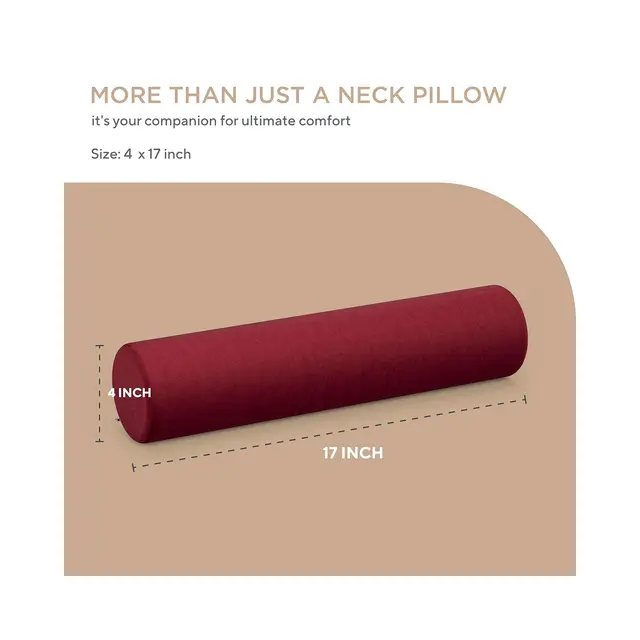
The FOVERA Memory Foam Cervical Neck Roll pillow is an orthopedic must-have for anyone experiencing neck strain or fatigue.
Designed with a contoured ergonomic shape, the roll fits snugly around your neck, ensuring that your cervical spine stays aligned during sleep, rest, or travel.
Neck roll pillow made with high-density memory foam core that responds to body heat and contours to your unique shape, offering firm yet gentle support that relieves pressure on the neck muscles and discs.
Crafted for versatility, the neck roll pillow is ideal for use in bed, during travel, at your work desk, or even during meditation.
Its hypoallergenic, removable outer cover is breathable and easy to clean making it suitable for daily use.
With its lightweight and compact design, this cervical support pillow slips into your bag and can be taken anywhere.
Place the cushion against the chair backrest so it aligns with your lower back.
Use the adjustable straps to secure it firmly in place.
Sit back and adjust your posture to let the cushion support your lumbar region.
Do not wash the memory foam.
Only the outer cover is washable.
Store in a dry, ventilated place away from direct sunlight.

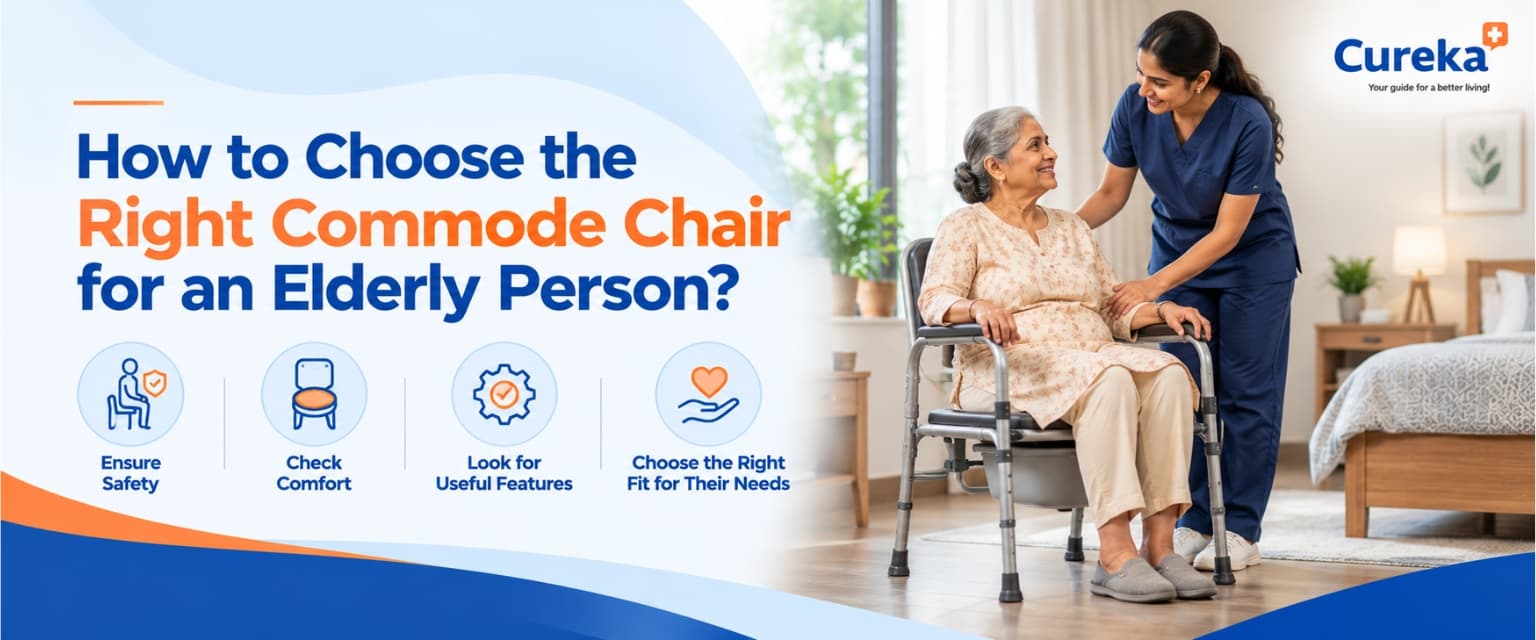
Struggling to pick a commode chair for a senior? Find out what to check before buying so your loved one stays safe and independent.
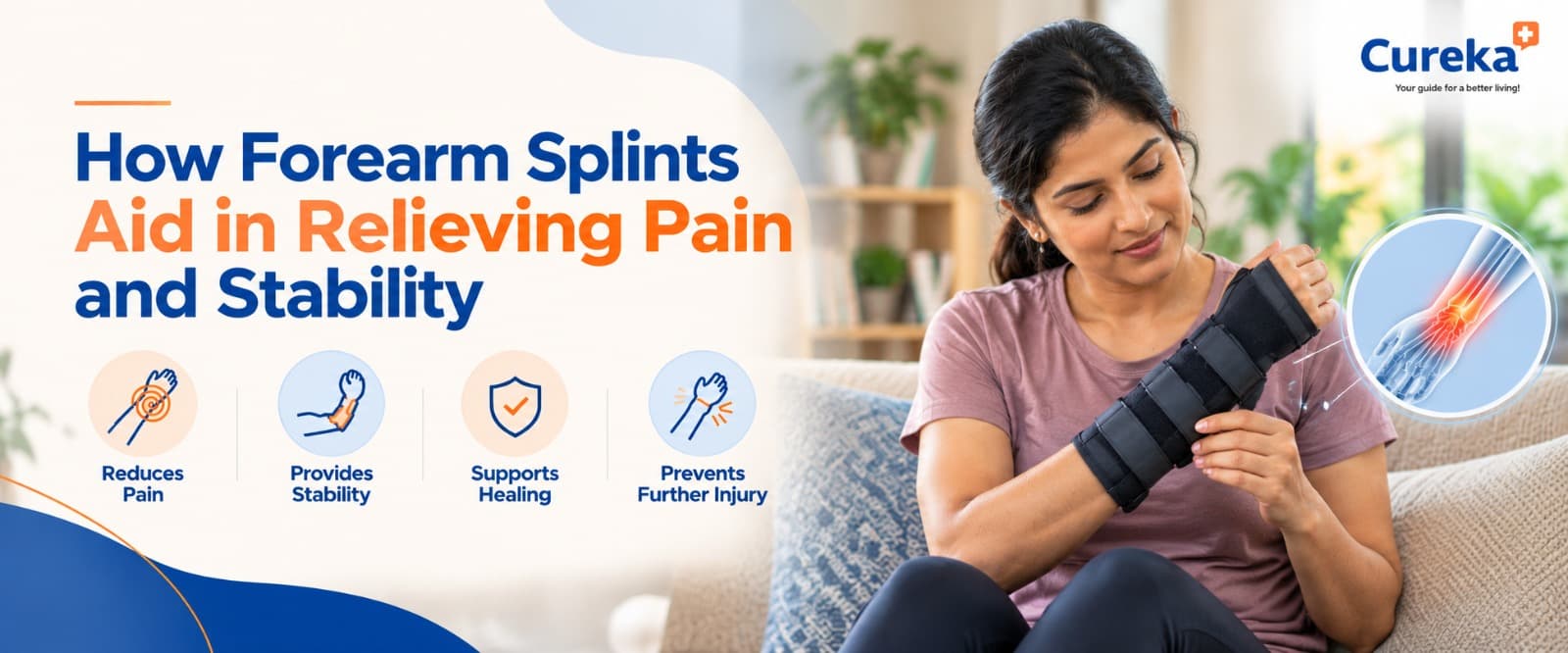
Forearm splints do more than immobilize — they relieve pain, protect injured tissue, and support recovery from sprains, tendinitis, and repetitive strain injuries.
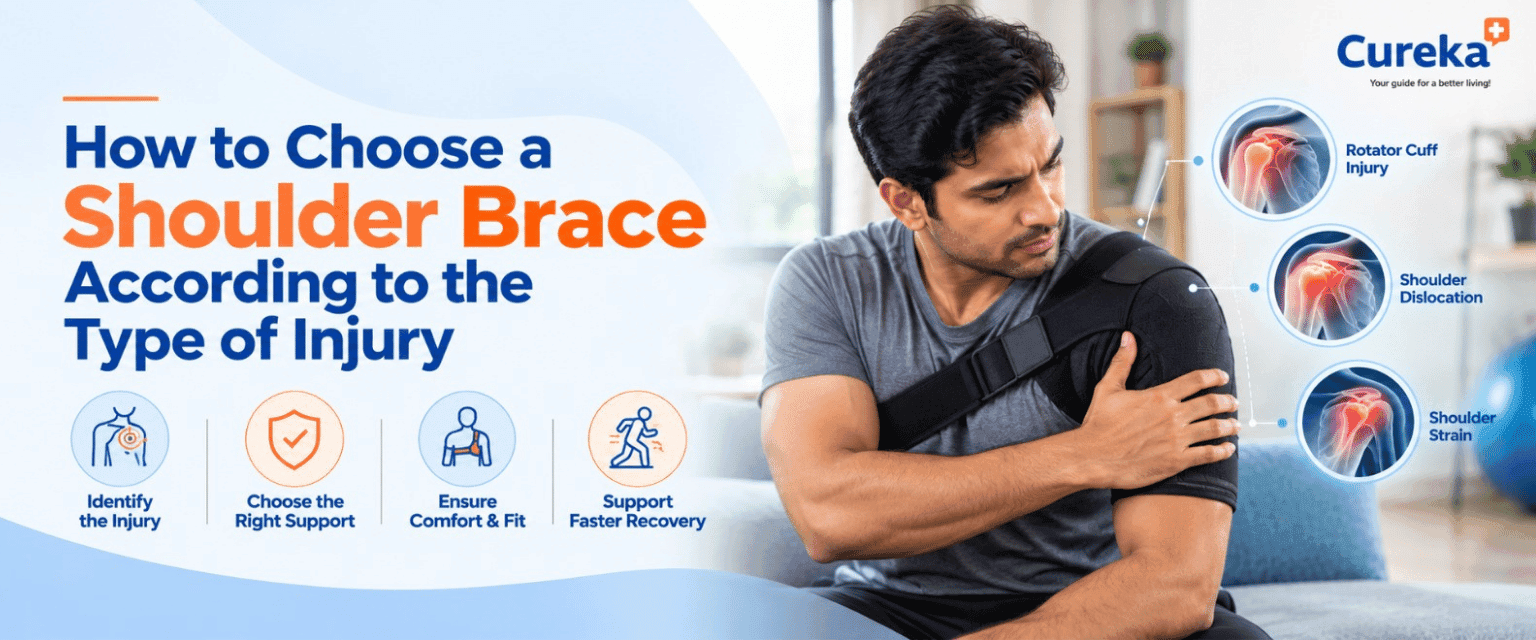
Struggling with shoulder pain? Find out which type of brace suits your injury best, so you can heal faster and get back to your daily routine.
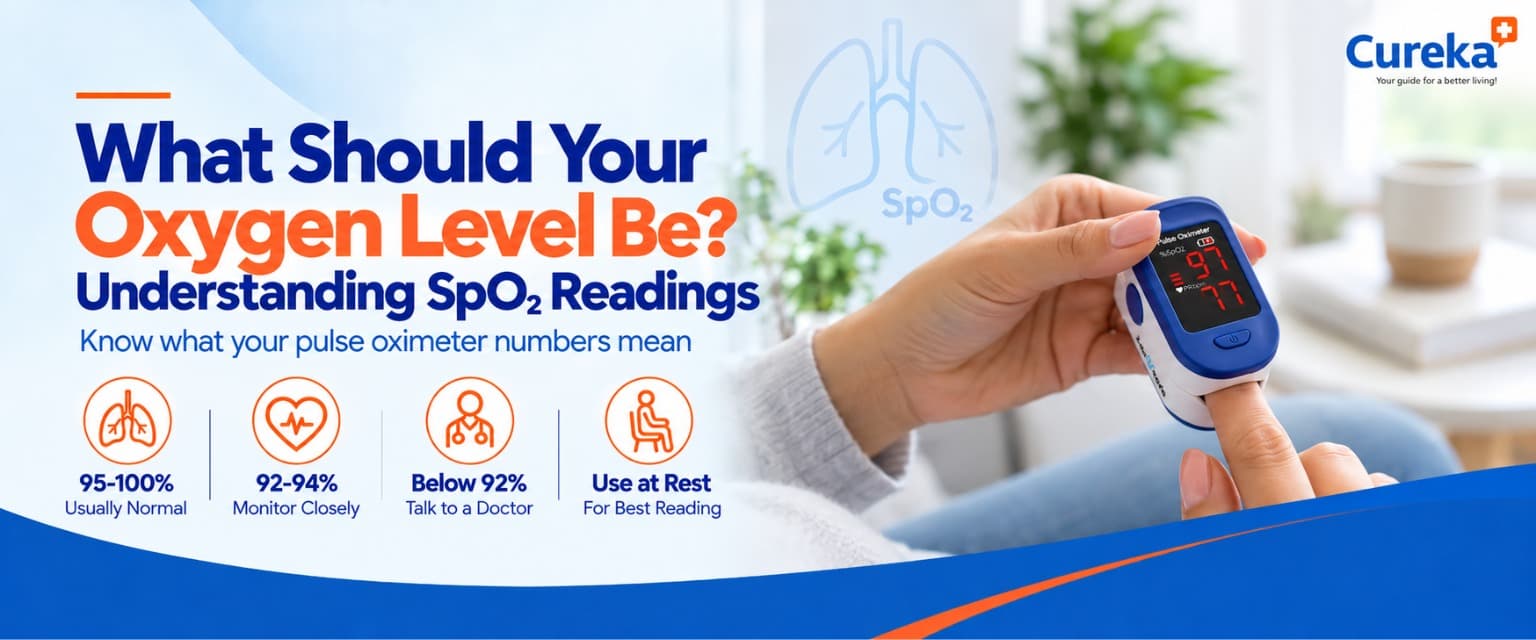
Is 94% a normal oxygen level? Understand healthy SpO₂ ranges, why pulse oximeter readings change, and the warning signs that need medical help.