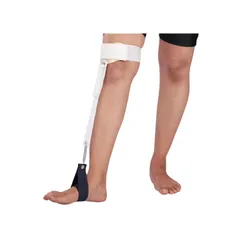


Bestseller
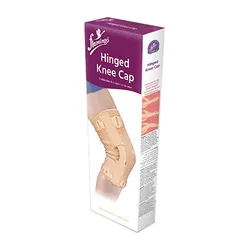
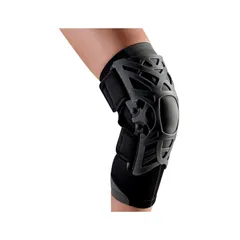
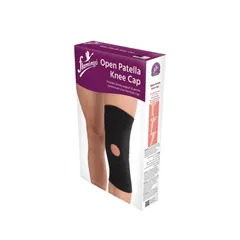
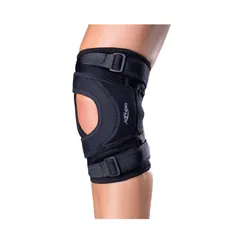
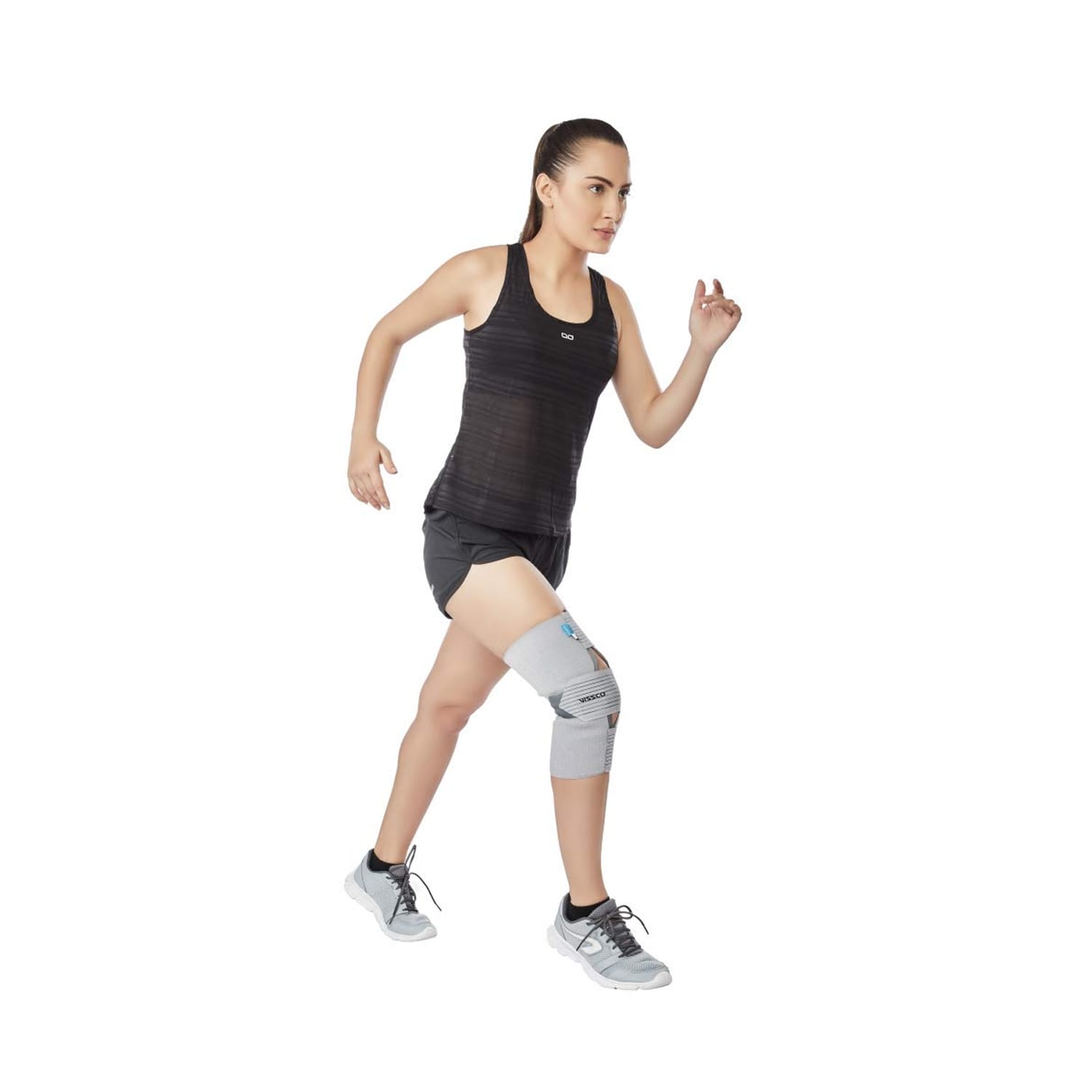
Flamingo Hinged Knee Cap OC2023 S
flamingo
₹56226% off₹749
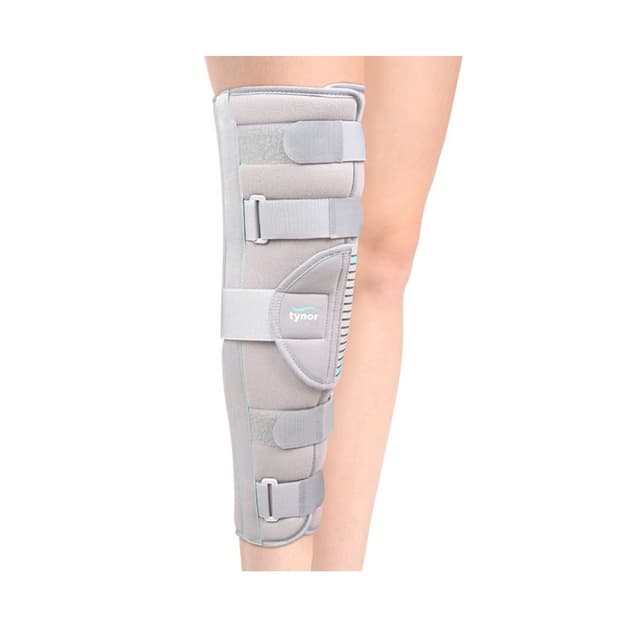


Anatomically shaped for perfect fitting
Made of soft and comfortable material
Provides perfect immobilization.
Immobilization at slight flexion
Sizes available are S, M, L, XL, XXL
Useful aid in Tibial Plateau fractures, Knee fractures and ligament injuries that require immobilization while awaiting nonemergent operative repair or casting.
Controls patellar movement and stabilizes weak/ injured knee
Early cast removal of the knee
Used for motion control problems of the knee
Prepare the knee immobilizer and straps.
Place the immobilizer behind the leg and centered behind the knee vertically and laterally.
If the immobilizer has a patellar cutout, align the cutout over the patella.
If the immobilizer has removable or adjustable stabilizer bars, place the bars medially and laterally along the long axis of the leg.
Secure the stabilizer bars and the immobilizer with the fastener straps (e.g., hook and loop) above and below the knee (typically 2 above and 2 below the knee).
Check distal sensation and capillary refill.
Any open wounds must be covered properly prior to the application of the knee immobilizer.
Do not apply the immobilizer too low on the leg because that does not effectively immobilize the knee.
Hand wash with mild, soapy water, rinse thoroughly, and air-dry.
Size | Inches | CM |
|---|---|---|
Small | 14.8 – 17.2 | 37.6 – 44 |
Medium | 17.2 – 19.6 | 44 – 50 |
Large | 19.6 – 22.0 | 50 – 56 |
XL | 22.0 – 24.4 | 56 – 62 |
XXL | 24.4 – 26.8 | 62 – 68 |
Primary Prevention
Suitable for individuals who require precautionary knee stabilization due to strain, overuse, or vulnerability to injury — helps keep the knee securely aligned and protected from the start. ·
Secondary Prevention
Ideal when early signs of knee injury, pain, or post-trauma discomfort appear — provides firm immobilization to restrict movement, reduce joint stress, and support safe recovery. ·
Tertiary Prevention
Recommended for severe knee injuries, post-surgical care, or prolonged instability — helps maintain strict knee immobilization, supports structured rehabilitation, and promotes long-term joint protection and stability.


Struggling to pick a commode chair for a senior? Find out what to check before buying so your loved one stays safe and independent.
Forearm splints do more than immobilize — they relieve pain, protect injured tissue, and support recovery from sprains, tendinitis, and repetitive strain injuries.
Struggling with shoulder pain? Find out which type of brace suits your injury best, so you can heal faster and get back to your daily routine.
Is 94% a normal oxygen level? Understand healthy SpO₂ ranges, why pulse oximeter readings change, and the warning signs that need medical help.