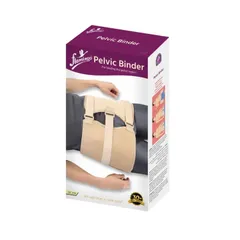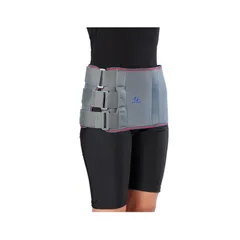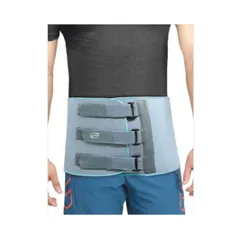


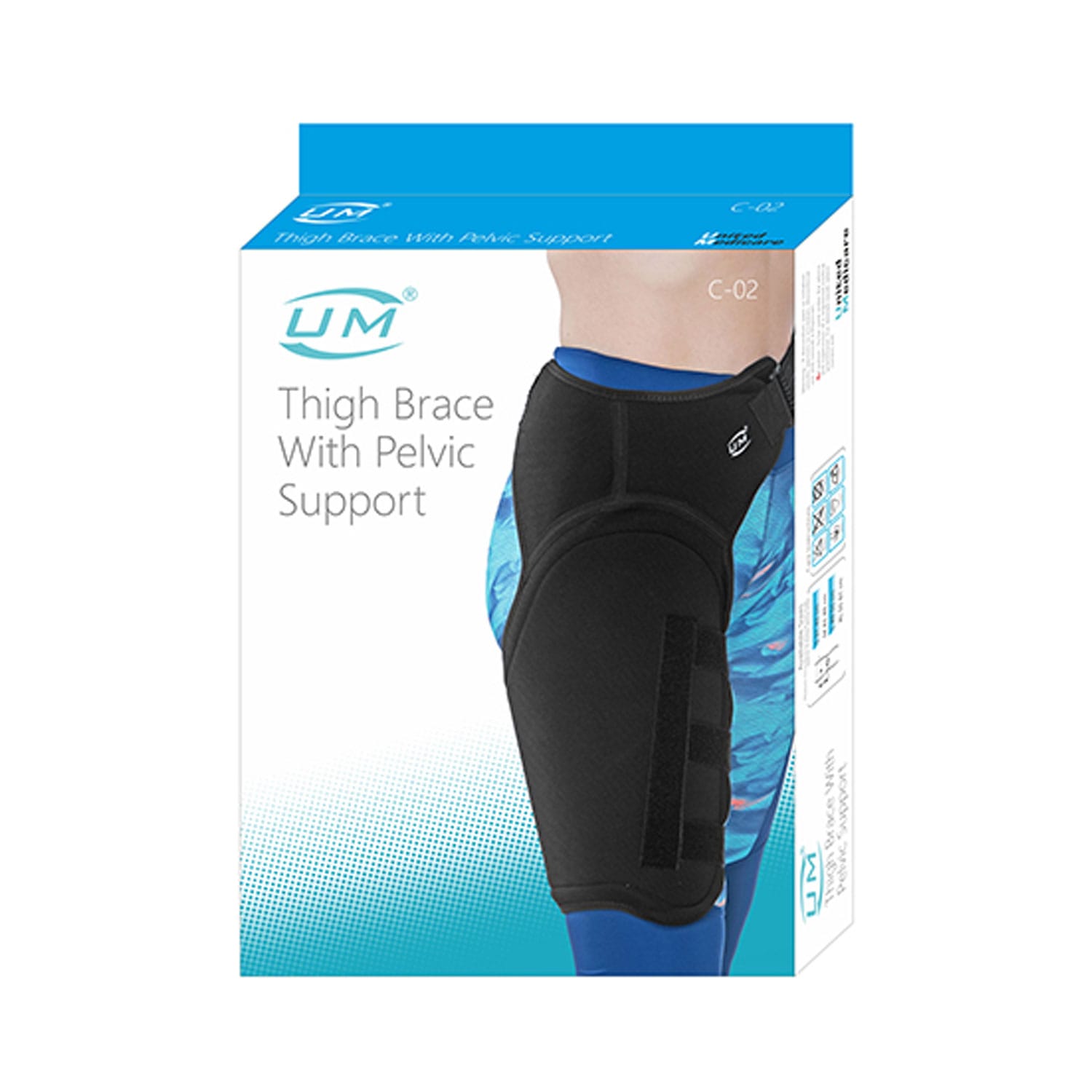
United Medicare Thigh Brace with Pelvic Support Right (C-02) - XL
United Medicare
₹1,33020% off₹1,662
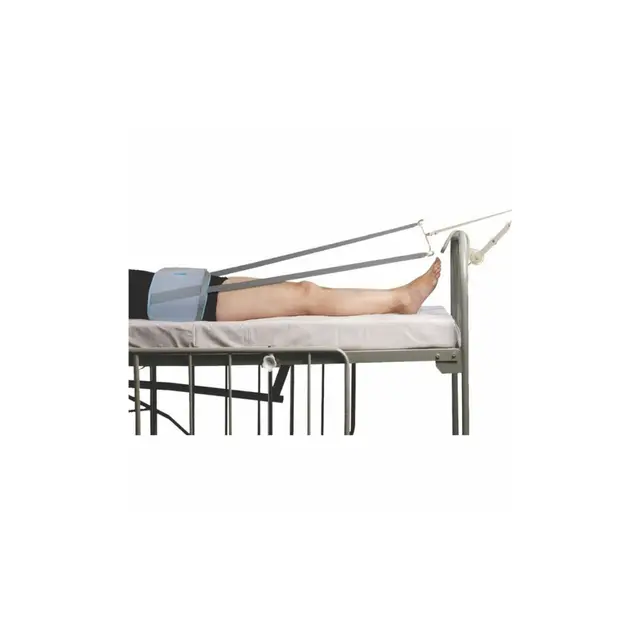


Provides support for lumbo-sacral and lower thoracic region during traction.
Traction belt can be adjustable to ensure comfort during therapy sessions.
Belt is crafted from high-quality, long-lasting materials for consistent performance.
Supports natural spine alignment during traction therapy.
Large hook loop area provides customized compression and flexibility in sizing.
Accusure pelvic traction belt is designed to reduce pain associated with herniated discs, lumbar strains, post-surgical lower back pain and acute back pain.
Pelvic traction has clamp that provides traction when a patient is in the horizontal while a steel pulley support adjust for height.
Pelvic traction belt fits in all beds and neatly slips between the mattress and box spring.
It is suitable for various traction setups and adjustable for individual needs.
Pelvic traction can be a valuable tool in managing chronic low back pain and sciatica.
It can help stabilize and align the spine after certain types of fractures.
A pelvic traction belt is used to apply traction to the pelvic and lower back region, typically for pain relief and spinal alignment.
Wrap the traction belt around your hip region and fasten with the velcro.
Connect the belt to the pully with recommended weight on the other side.
To be strictly used as per medical advice.
Weight should not exceed the recommended Kg.
Keep out of reach of children.
Primary Prevention: Ideal for individuals seeking support for the lower back and pelvis during daily activities — helps maintain proper alignment, reduce strain on the lumbo-sacral region, and promote comfort.
Secondary Prevention: Useful for individuals experiencing mild lower back discomfort, stiffness, or postural imbalance — provides gentle pelvic traction, stabilizes the pelvis, and supports the natural curvature of the spine to relieve tension and improve comfort.
Tertiary Prevention: Recommended for individuals with chronic lower back pain, postural issues, or during ongoing traction therapy — helps maintain spinal alignment, reduce pressure on the lumbar region, and support pain relief, rehabilitation, and functional mobility.

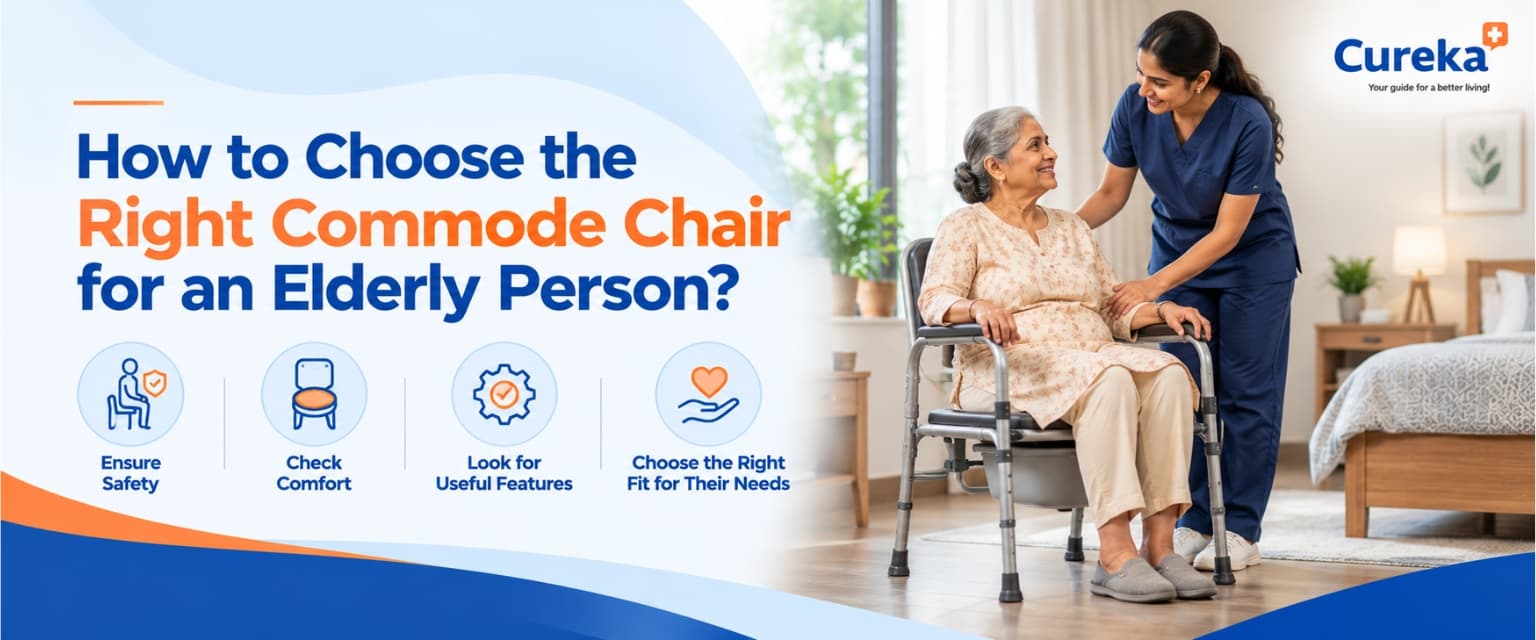
Struggling to pick a commode chair for a senior? Find out what to check before buying so your loved one stays safe and independent.
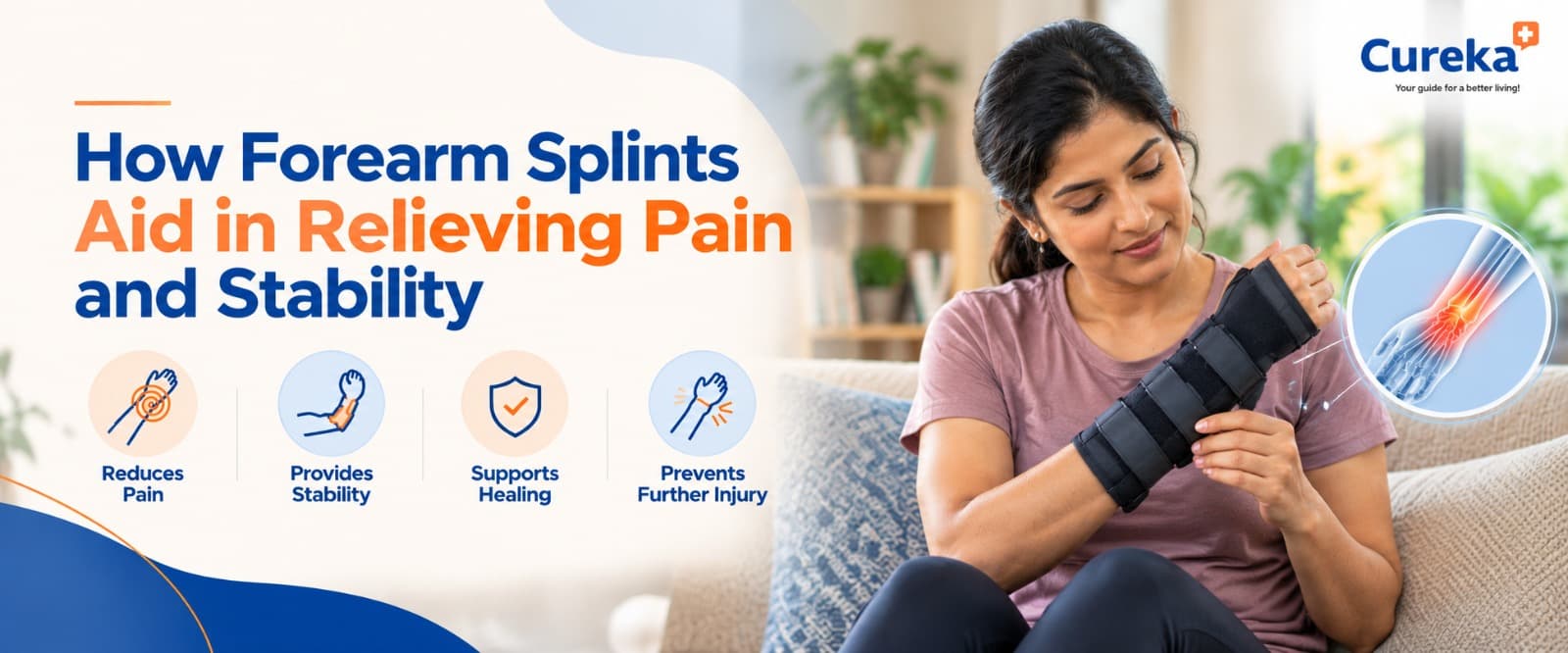
Forearm splints do more than immobilize — they relieve pain, protect injured tissue, and support recovery from sprains, tendinitis, and repetitive strain injuries.
Struggling with shoulder pain? Find out which type of brace suits your injury best, so you can heal faster and get back to your daily routine.
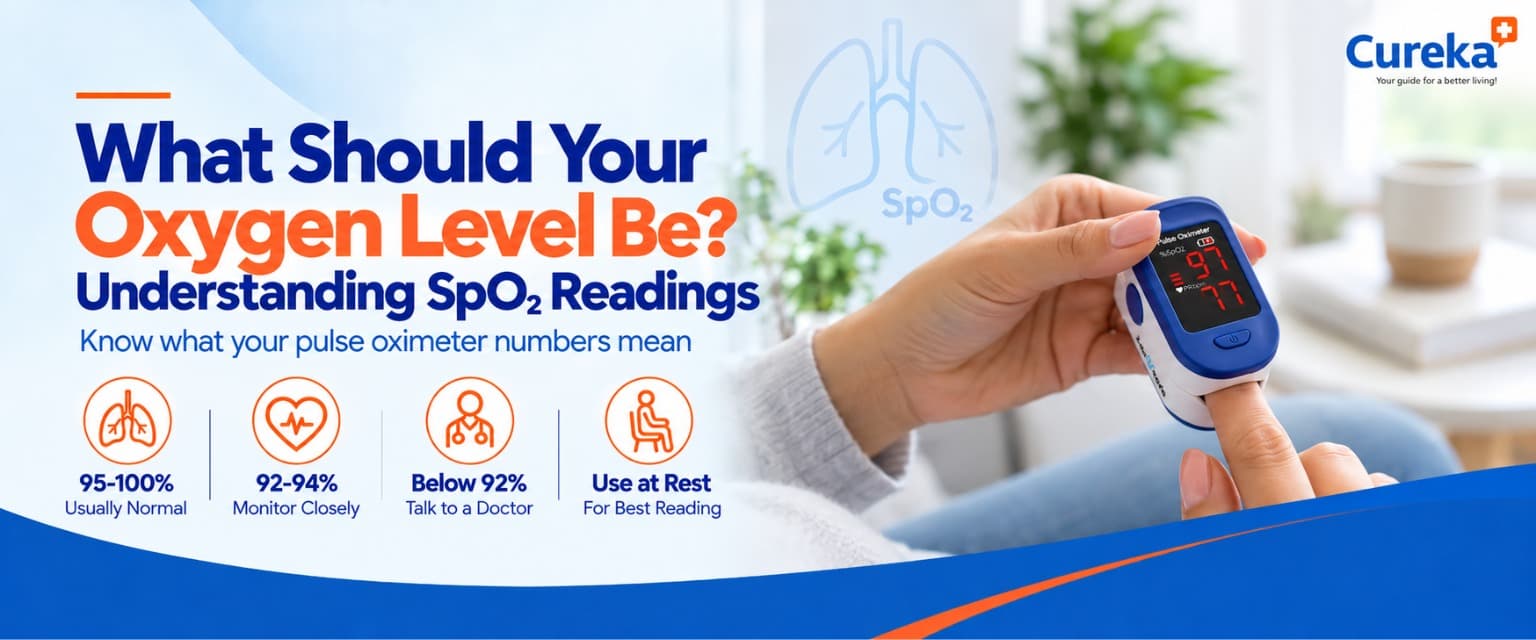
Is 94% a normal oxygen level? Understand healthy SpO₂ ranges, why pulse oximeter readings change, and the warning signs that need medical help.