

Bestseller
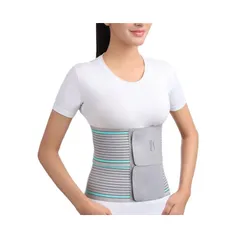
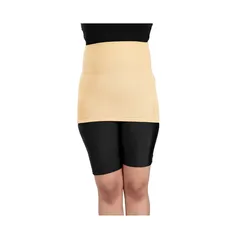
Tynor Tummy Trimmer (Abdominal Belt 8 inches) A -03 Small
Tynor
₹72223% off₹938


Compression support for abdominal region post-surgery.
Broad elastic that is 25 cm wide.
Reduces pain while coughing, sneezing.
Offers ultimate comfort to the abdomen post-surgery
Made with skin friendly and breathable material.
Available sizes S, M, L, XL, 2XL, 3XL.
Widely worn by people for abdominal hernia reduction, bariatric support, flattening or smoothening of the abdomen
Helps to put direct compression to the front side of the abdomen and can be used as a post-operative support in hernia surgery
Stays flexibly to prevent edge roll over when worn that supports the abdomen region better
Has broad Velcro panel for better holding and also offers sizing flexibility.
Made from broad elastic material that recoils without any hard structure.
Wrap the abdominal binder around your waist and ensure the desired abdominal region is enclosed properly.
Handwash it with mild detergent and water.
Don’t wear it too tight.
Keep out of reach of children.
Primary Prevention
Ideal for individuals at risk of mild abdominal strain, postural stress, or early post-surgical discomfort — helps provide gentle support, reduce minor abdominal pressure, and maintain core stability from the start. ·
Secondary Prevention
Suitable for individuals experiencing abdominal weakness, post-operative strain, or early hernia-related concerns — helps provide targeted compression, support healing tissues, and promote proper posture and comfort during recovery. ·
Tertiary Prevention
Recommended for persistent abdominal issues, chronic core weakness, post-surgical recovery, or hernia management — helps deliver consistent abdominal support, enhance core stability, and aid in long-term abdominal health, functional mobility, and rehabilitation.


Fitness trackers and smart watches collect endless data — but are they actually improving your health? Discover how smart devices support prevention, early detection, and better care.
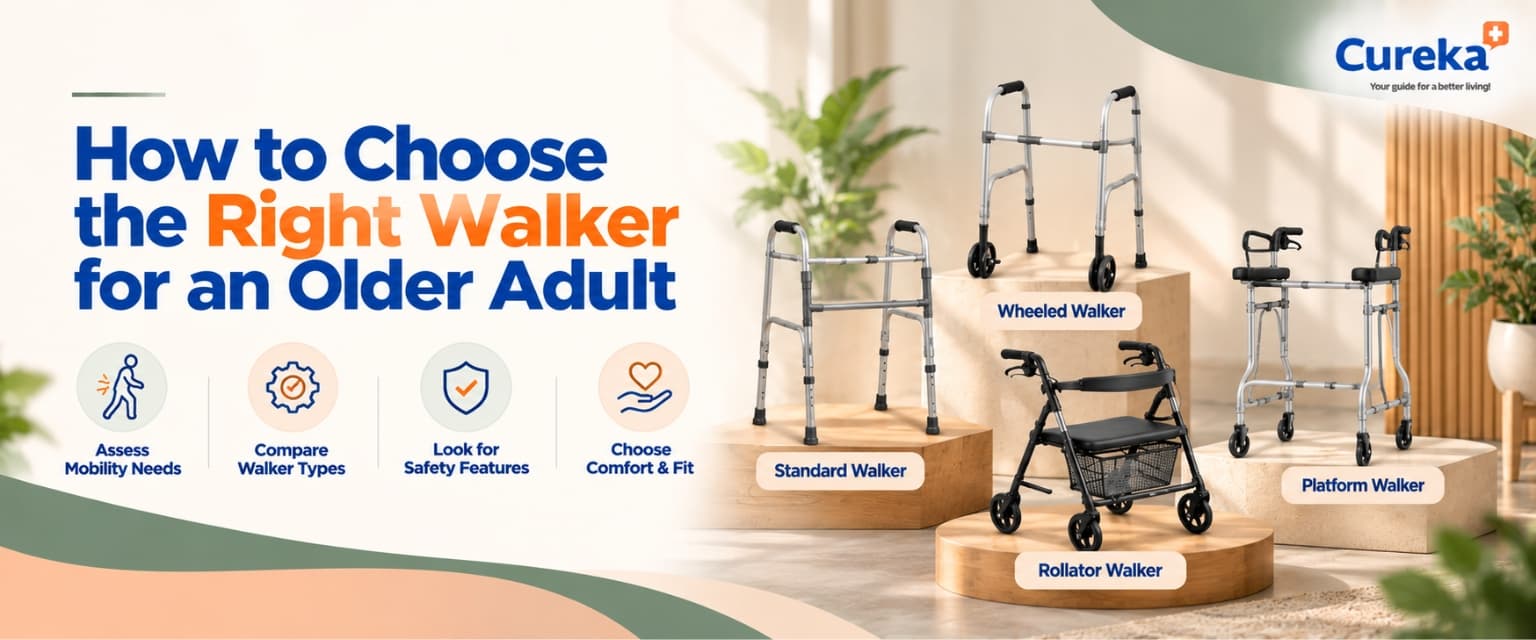
Not sure which walker suits your parent or loved one? An orthopedic surgeon explains how to match walker type, fit, and features to balance, strength, and daily needs.
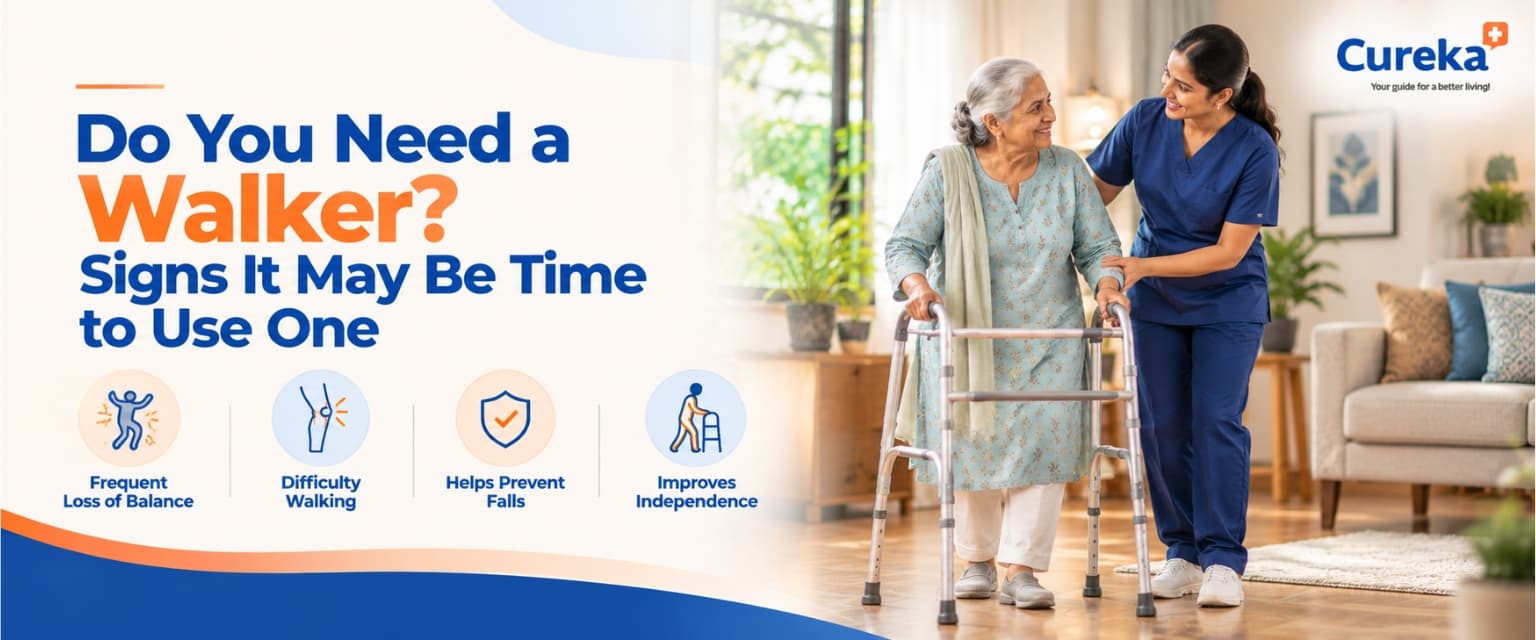
Feeling unsteady or relying on furniture to get around? Find out the signs you may need a walker, who can benefit, and how to use one safely.
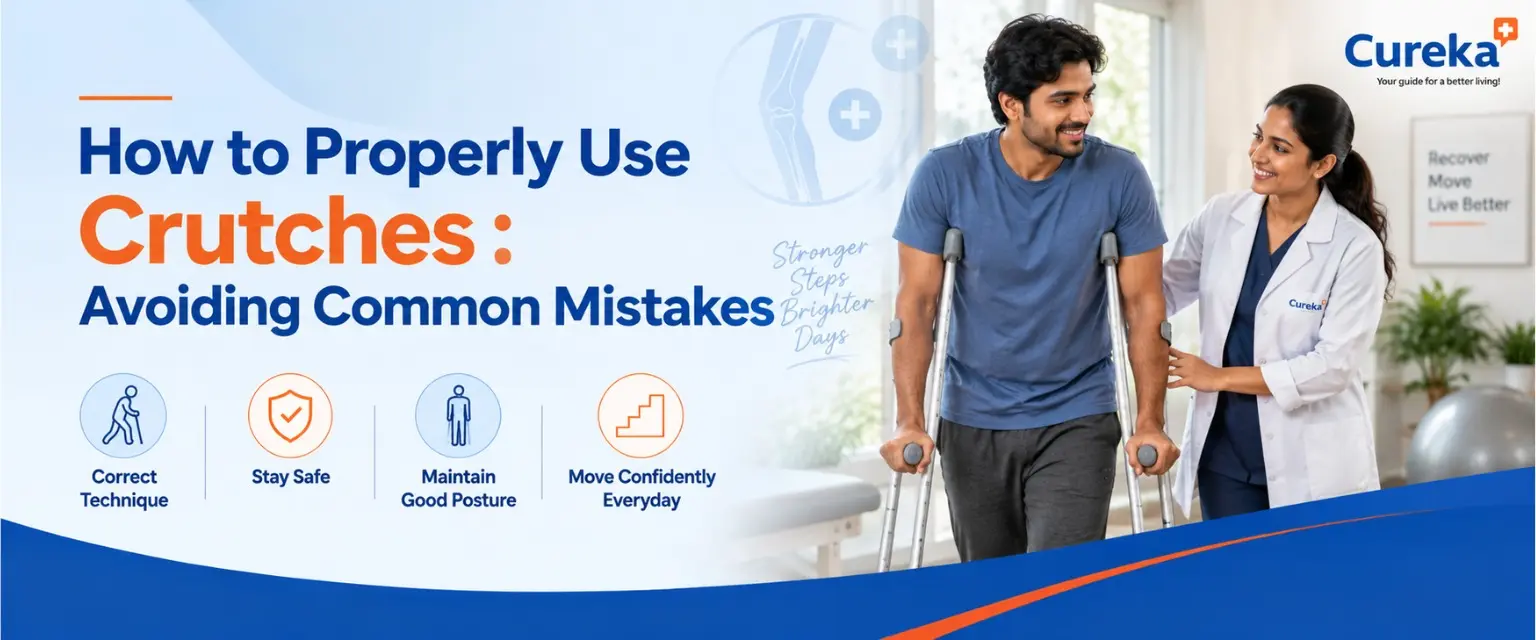
Using crutches the wrong way can slow your recovery. Learn proper fitting, posture, and walking techniques to move safely and avoid strain while healing.