


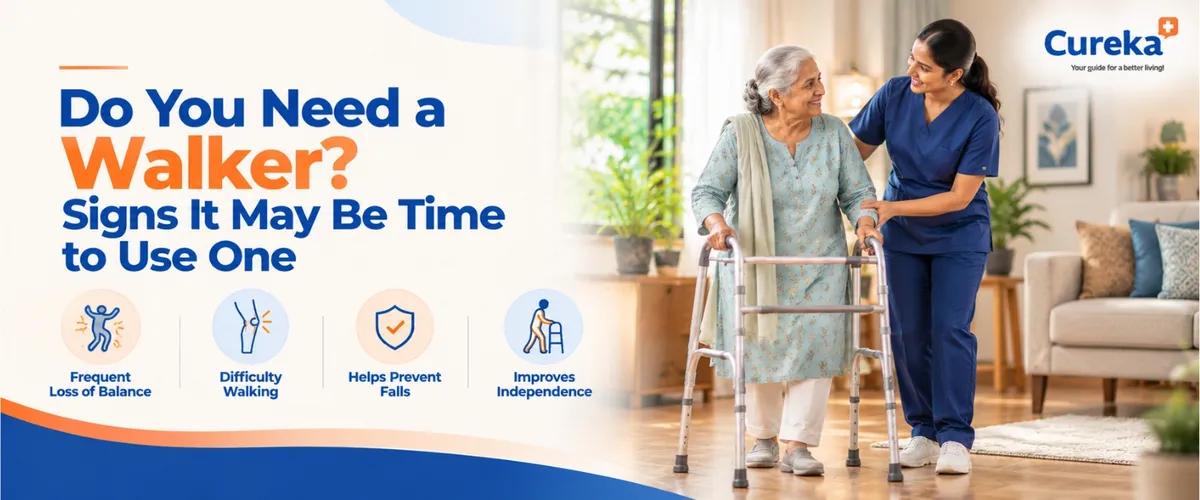
Walking is something that we all do without much thought until balance, strength, pain, or coordination makes it hard. You will probably find yourself walking slower, needing help from furniture while walking, or struggling with stairs and rough ground.
However, this does not necessarily indicate that you require a walker. This could also be the sign that your body requires extra support while walking.
In this case, the answer to when one should use a walker goes beyond age. A walker may be prescribed in cases where extra stability or difficulty carrying your weight safely is present.
When to Use a Walker
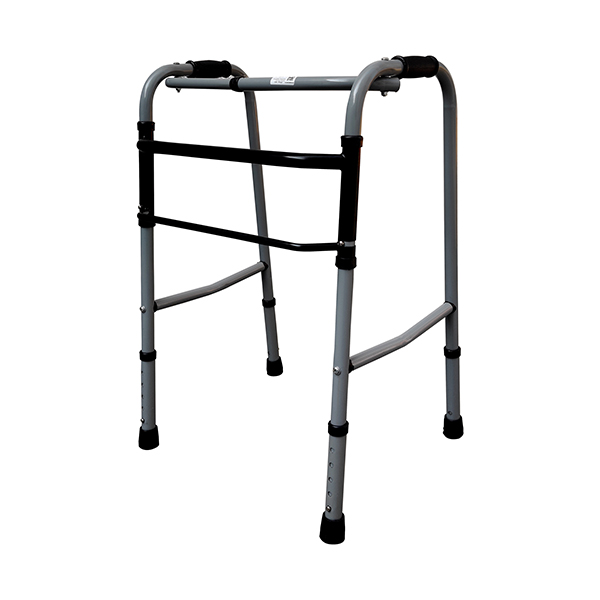
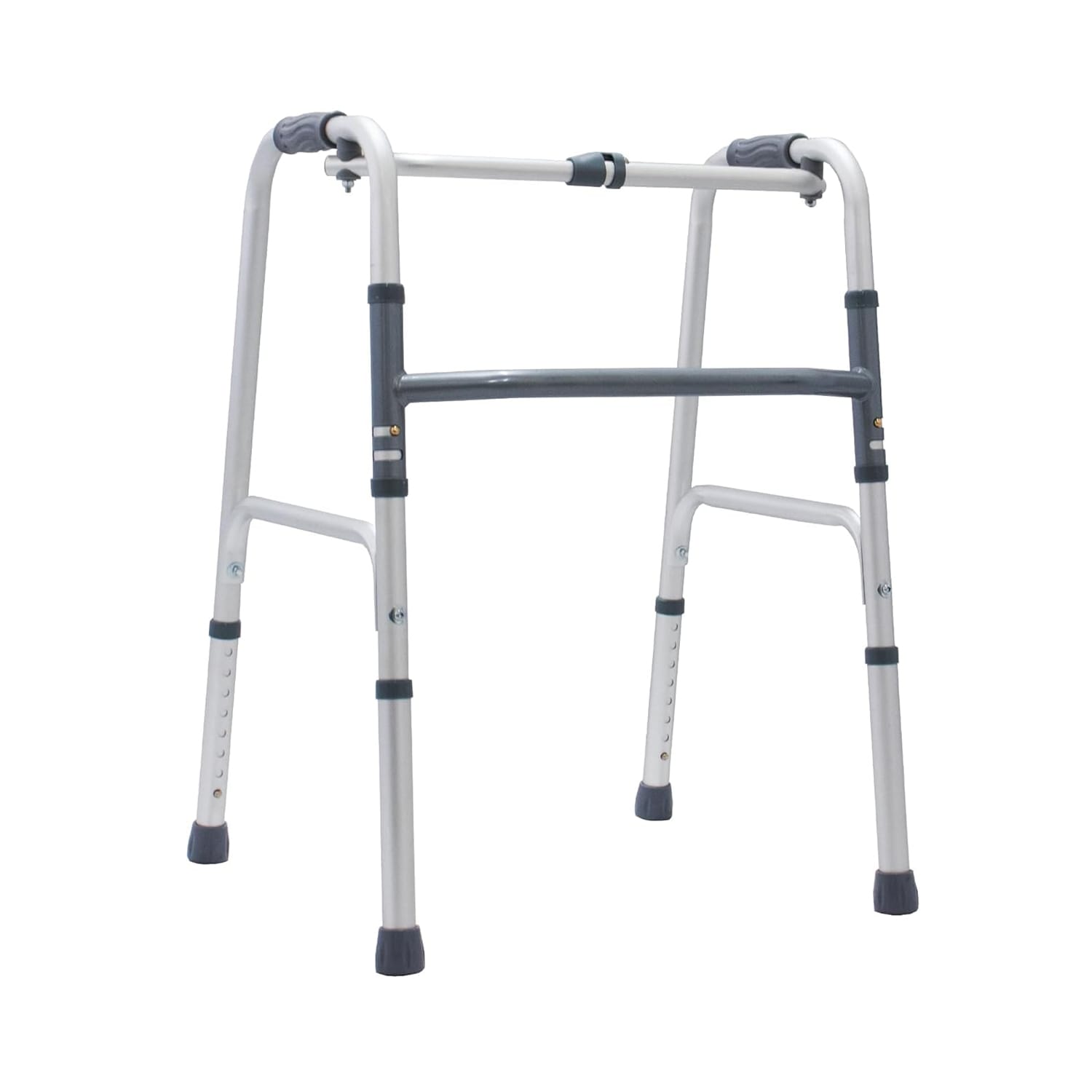
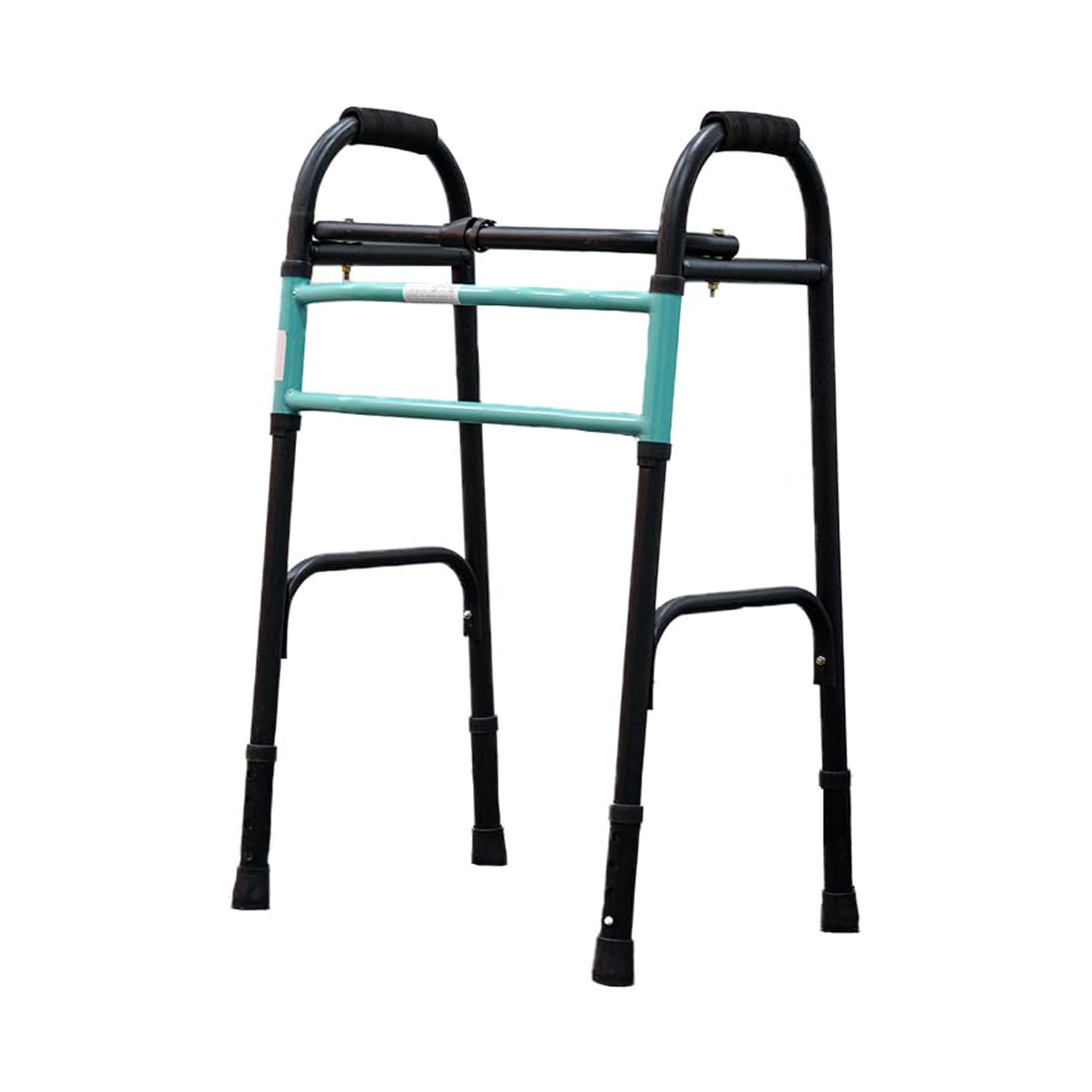
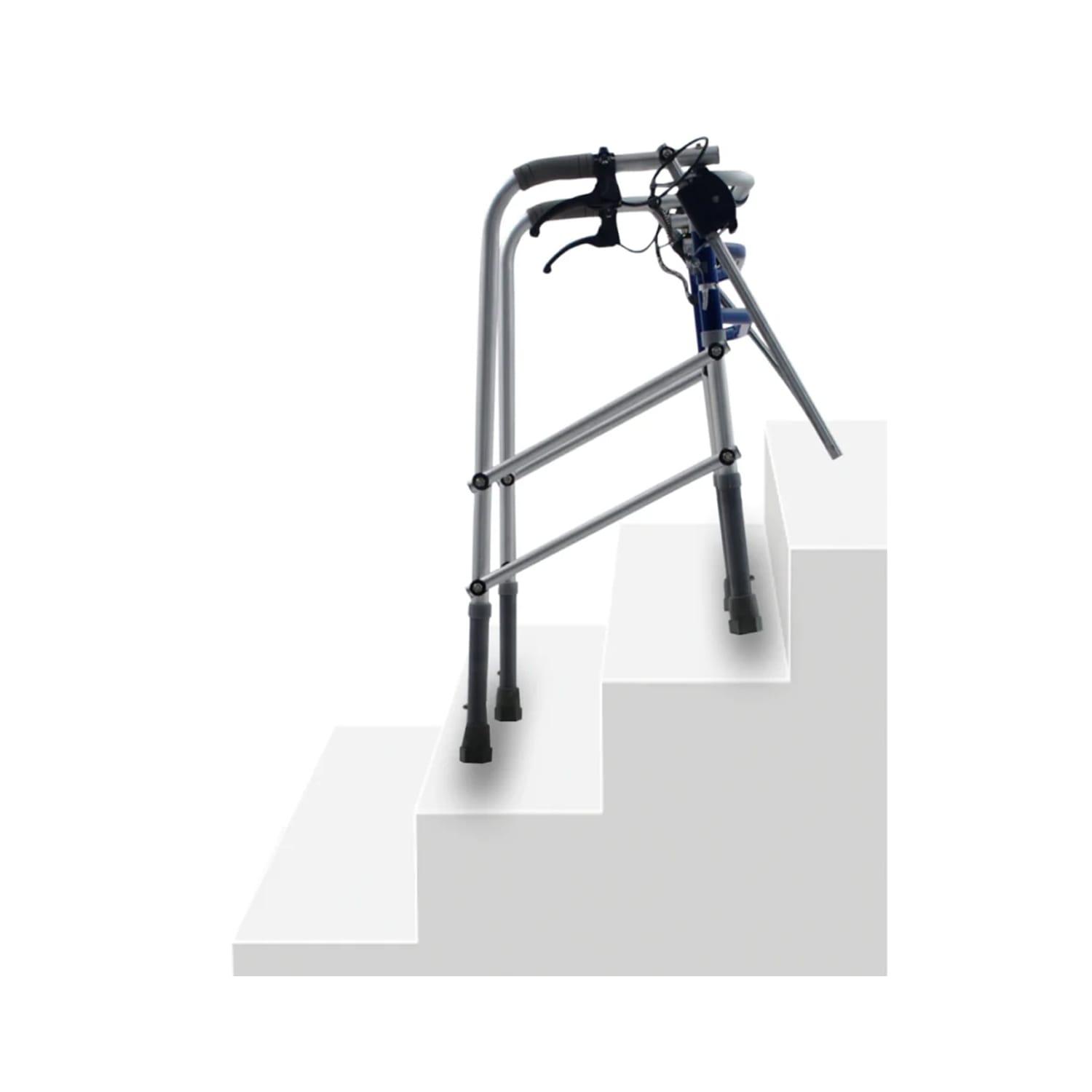
A walker provides a broader base of support in contrast to walking without using an assistance device. The device can be considered helpful when your balance or leg strength is insufficient to help you maintain stability during locomotion.(1)
There are situations when a healthcare specialist recommends a walker when:
You feel unstable while moving
You had recurrent falls or near-falls
You have weak legs
It is hard for you to put weight on one leg
You have just undergone surgery or an injury
You have pain interfering with walking
You have neurological or musculoskeletal disorder impacting mobility
You need to get additional assistance when recovering strength and balance
The key thing to remember is that a walker should correspond to your real mobility needs. Otherwise, improper use of such a device can complicate the process of walking.
What Are the Signs You Need a Walker?
Not all walking changes indicate the need for a walker. There are, however, some signs which do.
1. You Often Feel Unsteady
If you often feel like you might lose balance while walking, especially when turning, starting, and stopping, additional support may be necessary.
While being unsteady alone does not help to determine what type of aid you may need, physiotherapists and doctors can help with this task and choose proper support. Canes can improve standing tolerance and gait by off-loading a weak or painful limb; however, they are the least stable of all assistive devices, and patients must have sufficient balance, upper body strength, and dexterity to use them safely.(2)
2. You Lean on Objects When Walking
Do you reach out for walls, chairs, tables or any other household objects while you are walking around at home?
This may be the indication that you are seeking extra support, but rather than depending on those unstable objects, you may need to use an appropriate walking aid.
3. You Fall or Almost Fall
It is quite obvious that a fall will influence not only physical abilities of a person but his/her state of mind as well. If you have recently experienced any falls or you often feel like you are about to fall, it would be good to discuss your walking problems with a specialist.
4. Your Legs Feel Weak or Fatigued While Walking Short Distances
When your legs feel weak or unsteady after walking short distances, it becomes hard to maintain steady walking.
It could be caused by either recovering from an illness or an operation, low physical activity, or some other health problems. Sometimes, the use of a walking aid can help you become stable when regaining strength.
5. You Are Experiencing Changes in the Way You Walk Because of Pain
Hip, knee, ankle, or foot pain can force you to walk by shifting weight from one side to another or to make small steps.
Sometimes, pain causes limping or fear to put pressure on one leg; then you can use a walker as a temporary aid until the problem is resolved.
6. You Are Recovering from a Surgery or an Injury
If you have had some surgical operations or injuries, you might need to use a walker because you are asked to restrict the weight placed on your leg.
It will enable you to adhere to the recommendations about your movements recommended by a healthcare professional and get back to usual walking.
Please do not try to determine the weight you can put on your leg only considering your comfort.
If you are unsure whether your changes in balance or walking mean you need a mobility aid, read our guide on When do You Need Walking Aids? to understand the signs that may indicate you need additional walking support.
Is a Walker Only for Older Adults?
Not at all. The walker is more than just an elderly walking aid.
Walkers can help individuals of various age groups depending on the situation like surgery, injuries, neurological issues, muscular weakness, imbalance, or other problems associated with mobility.
But walkers are generally used as walking aids for elders, especially when the balance, strength, and gait become vulnerable to falls.
Age shouldn't be the only consideration while deciding whether to use a walker or not.
What Are the Benefits of Using a Walker?
If a walker is chosen and fitted correctly, it may help you gain various advantages.
Increased Stability
The walker provides you with a wider base of support compared to walking without any support. It makes it easier to keep your balance when you stand and walk.
Help While Healing
Using a walker after an injury or surgery can assist you to walk as your strength and ability gradually return.
Decreased Fear of Falling
If you feel insecure because of unsteady posture, you tend to walk carefully. An appropriate walking device can increase your stability and support when you walk.
Support for Weight Bearing
Based on the kind of walker you use and the recommendations of your health care specialist, a walker may decrease the amount of weight put through an injured leg.
Increased Independence
If needed, an appropriate walking aid can facilitate your activities at home and in the clinic.
Those are some of the key advantages of using a walker, but the walker is not necessarily the most suitable walking aid for everybody.
Walker vs Walking Stick: Which One Do You Need?
A walker and a walking stick are not the same.
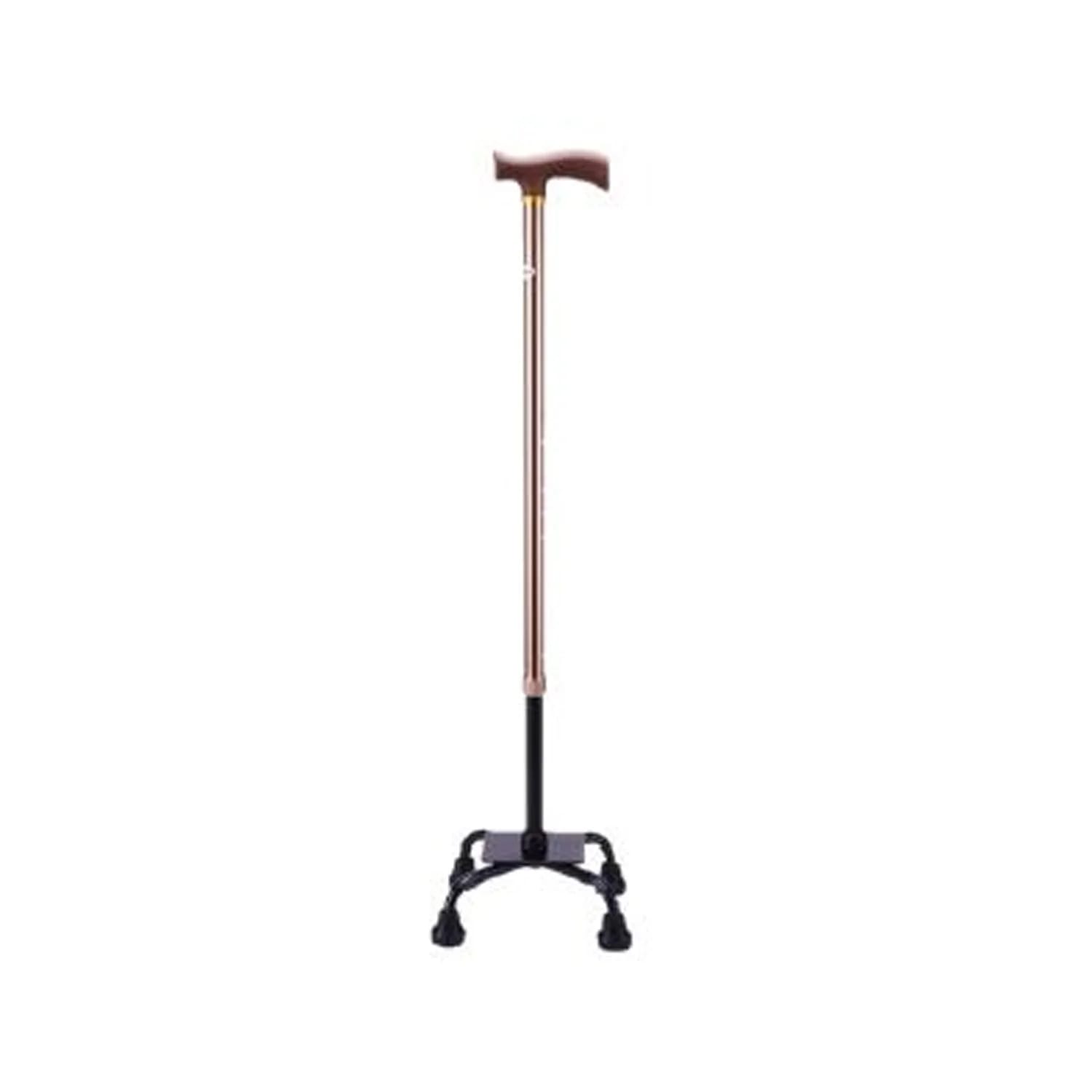
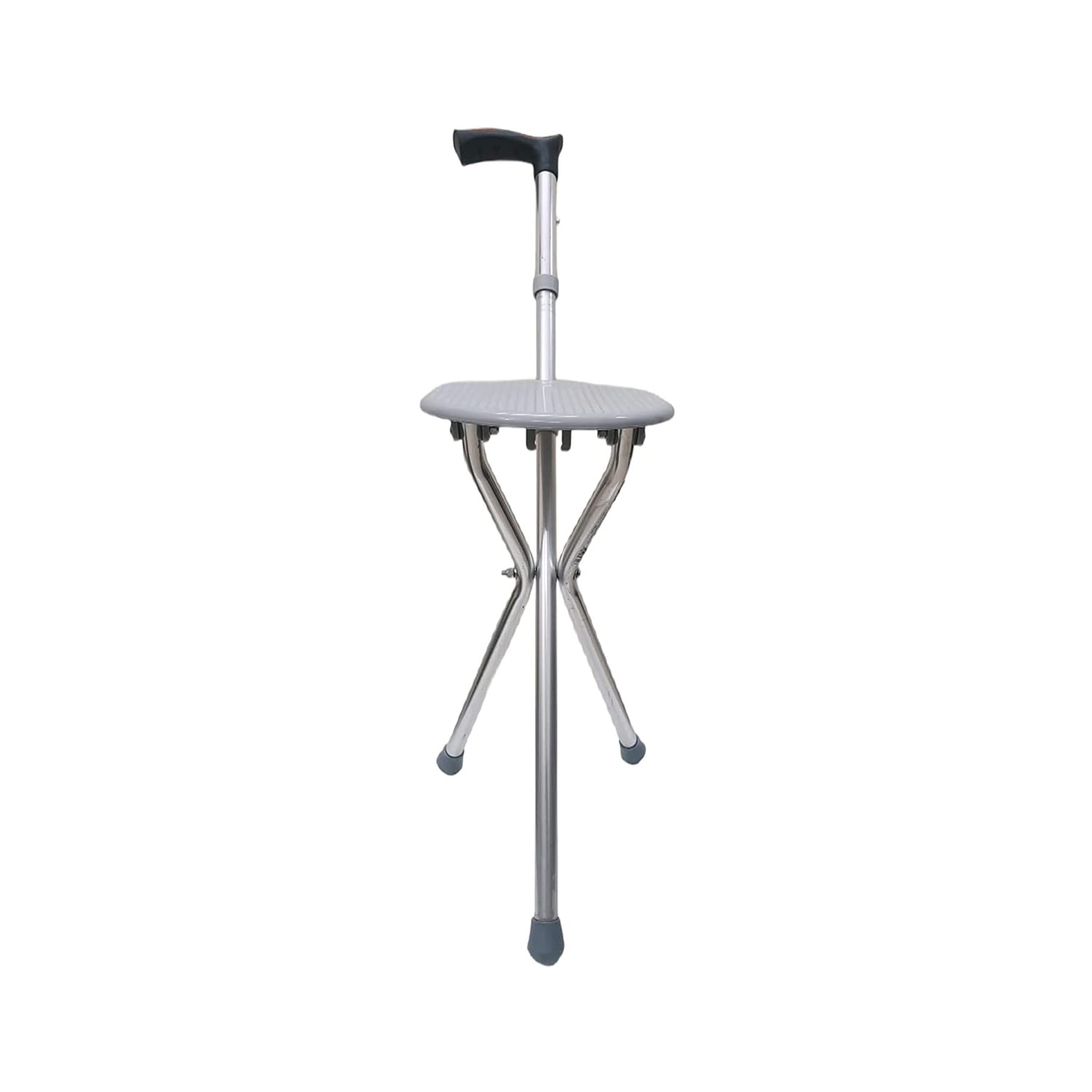
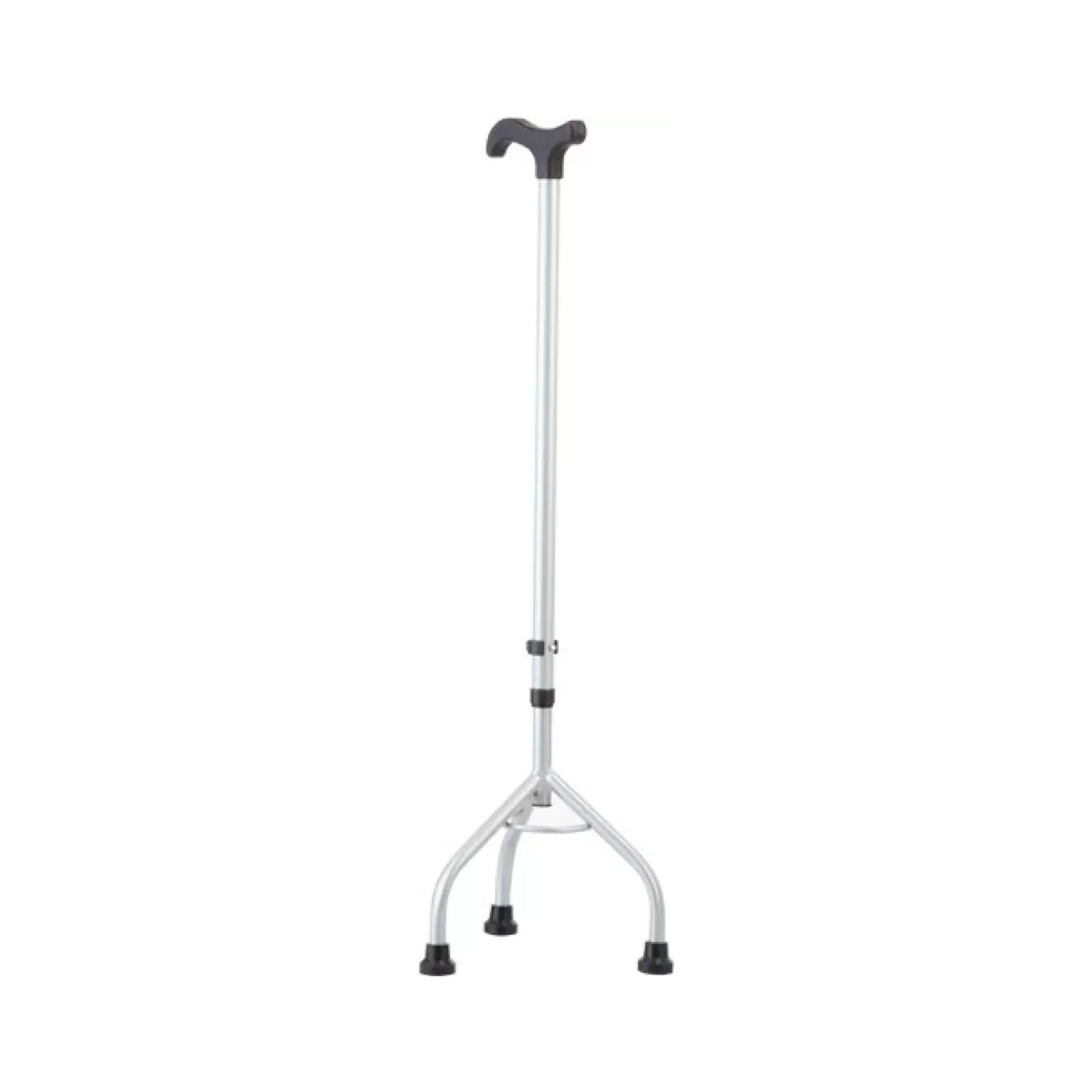
A walking stick normally offers support from one point only, whereas a walker offers a wider base of support.
A walker would suit you better if you require more stability and support for weight-bearing purposes. You might want to choose a walking stick if you have relatively stable balance but require some extra support.
Choosing a suitable walking aid is based on your strength, balance, gait, pain, and safe use of the walking aid.
If you are not sure what kind of walking aid to choose, then a physiotherapist could help.
How to Use a Walker Safely
How to operate a walker is equally important as selecting the correct type of walker.
1. Make Sure That It Is at the Correct Height
It is necessary to adjust the walker to your height. As you stand straight with both hands on the walker, your elbows should be a little bent and not locked.
Improperly adjusted walker can change your posture and make your movements uncomfortable.
2. Stand Between the Handles of the Walker
The walker should not be positioned too far from your body; it needs to be in front of you, so you could control it during your walk.
3. Take the Walker Several Steps Ahead
Place the walker several steps ahead of you so that all of its contact points are in place.
4. Take the Next Step
You need to take the step as directed by your doctor or physiotherapist. The sequence of movement will vary depending on your state especially if you need to transfer weight to one leg.
5. Don’t Hoist Yourself Up Using the Walker
If you are standing up from a sitting position, do not use the walker to hoist your body upwards unless otherwise instructed. Make use of the arms of the chair to support yourself and then grab the walker after you get up.
6. Beware of Uneven Walking Surface
Uneven ground such as loose rugs, wet floors, cluttered space, stairways, etc. can make you lose your balance while walking. Make sure the area where you will be walking is free from such hazards.
When Should I Seek Advice on Walkers from a Physician or Physiotherapist?
You might want to seek advice when you experience:
A new or increasing problem with walking
Falls or close calls
Increased weakness
Pain during walking
Struggling to get out of a chair
Dependence on furniture to help you walk
A change in how you walk
Struggling with using your current walking device
If you have experienced an acute change in walking ability along with symptoms like weakness, confusion, dizziness, chest pain, or trouble speaking, it is better to see a physician right away than start using a walker.
Conclusion
It really doesn’t matter how old you are. It does matter how safe and sure-footed you are able to walk.
If you are feeling unsteady, leaning on furniture, falling, struggling with weak legs, or recovering from a fall or surgery, perhaps now is a good time for your mobility to be evaluated.
A well-fitted walker will offer you stability and support when you require it. Equally as important is the fact that learning how to use it safely will help you walk safely as you become stronger and regain your independence.
If you are uncertain about whether or not you need a walker, consult your physician or physiotherapist before selecting one.
References:
Effectiveness of gait aid prescription for improving spatiotemporal gait parameters and associated outcomes in community-dwelling older people: a systematic review - 2022 Oct - https://pubmed.ncbi.nlm.nih.gov/34375545/
Mobility Assistive Device Use in Older Adults - 2021 Jun - https://pubmed.ncbi.nlm.nih.gov/34128609/