


Table of Contents:
Introduction
Smart Devices in Healthcare
The Rise of the Health – Tracking Revolution
Benefits if using Smart Devices
Prevention and early detection
How Smart Devices Support Healthcare
The Future: Smart Devices as Health Partners
Conclusion
Reference
Introduction
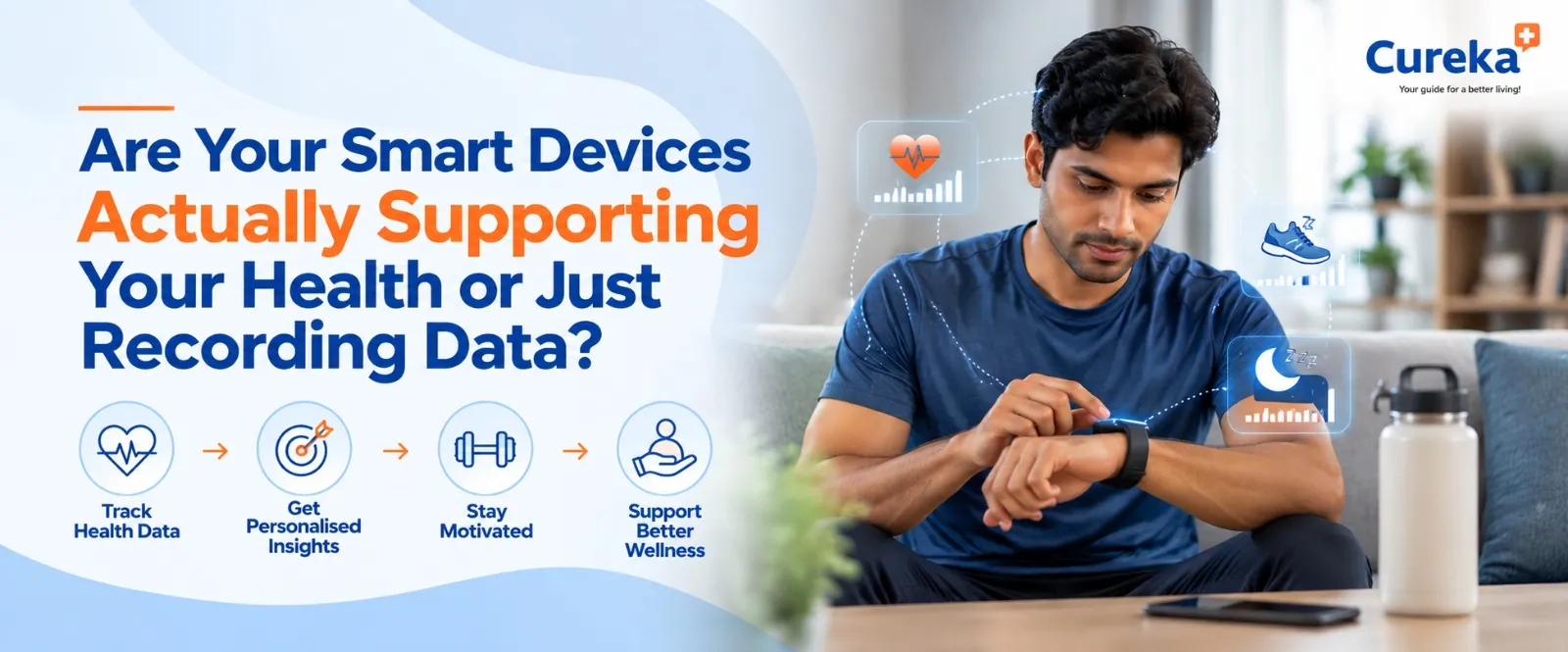
In today's digital age, smart devices have become an integral part of our lives. From fitness trackers and smart watches to health apps and smart scales, these devices promise to revolutionize the way we manage our health. For many, the goal is to leverage this information to build healthier habits and take control of their well-being. Many of us start our mornings checking how well we slept or how many steps we took yesterday. But as the stream of data on steps, sleep, and heart rate swells, it's worth asking a critical question: Are these devices genuinely supporting your health, or are they just recording data?
Smart Devices in Healthcare
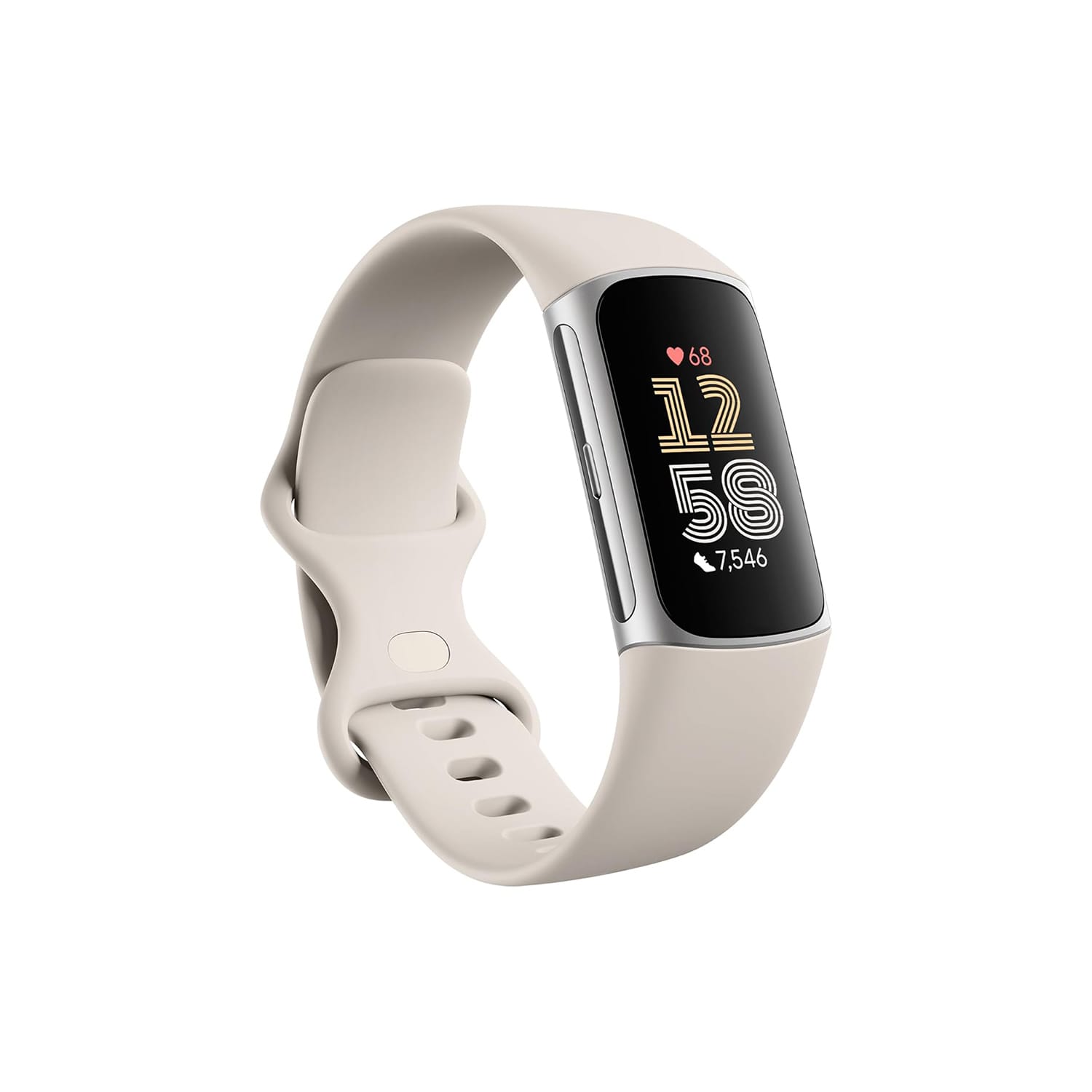
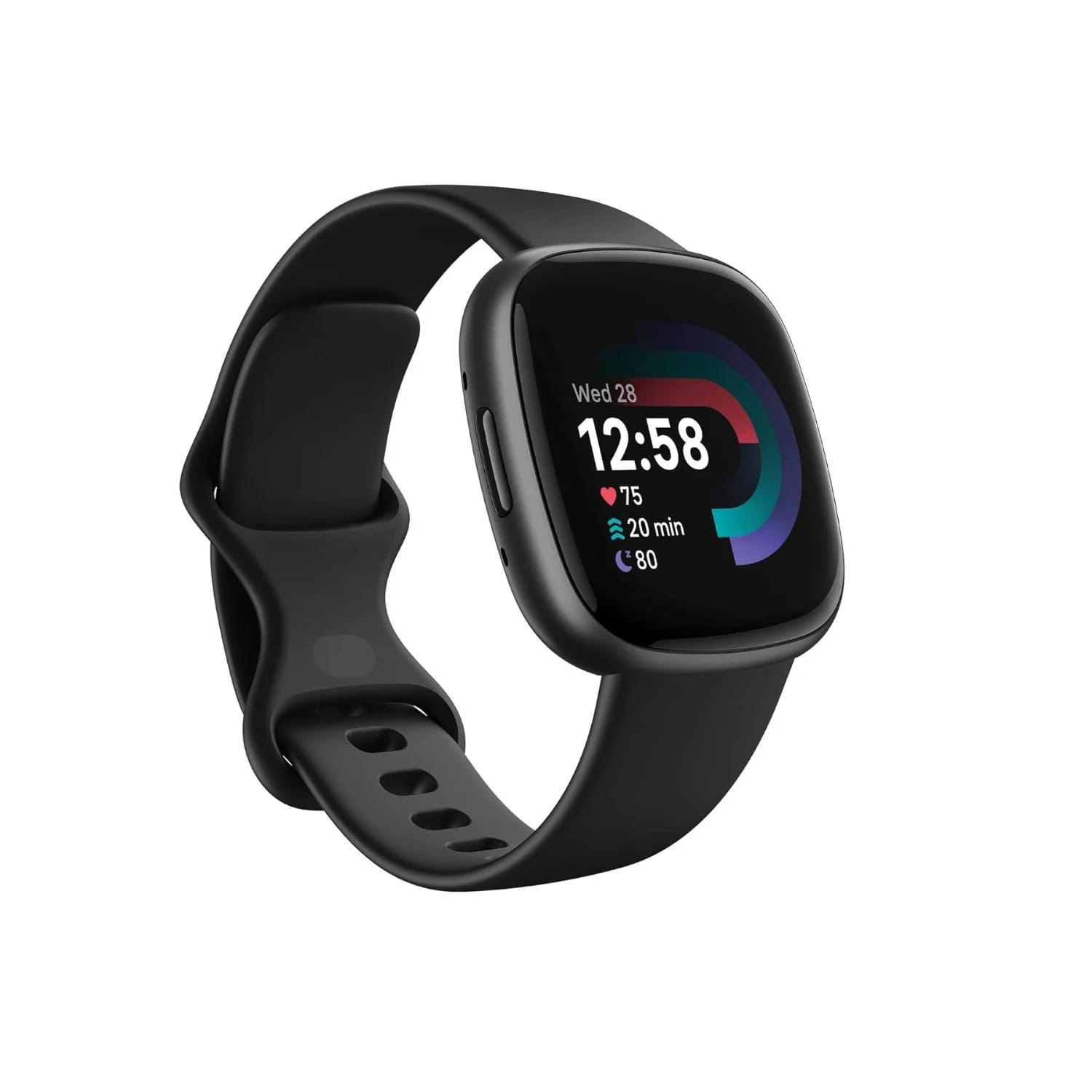
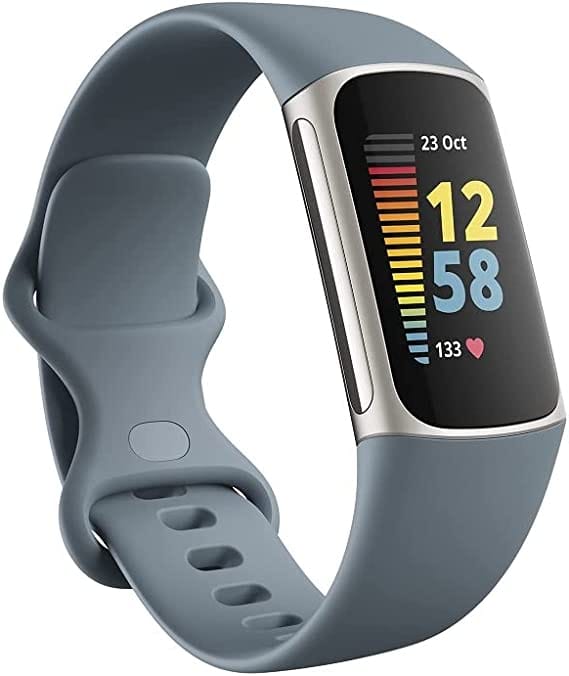
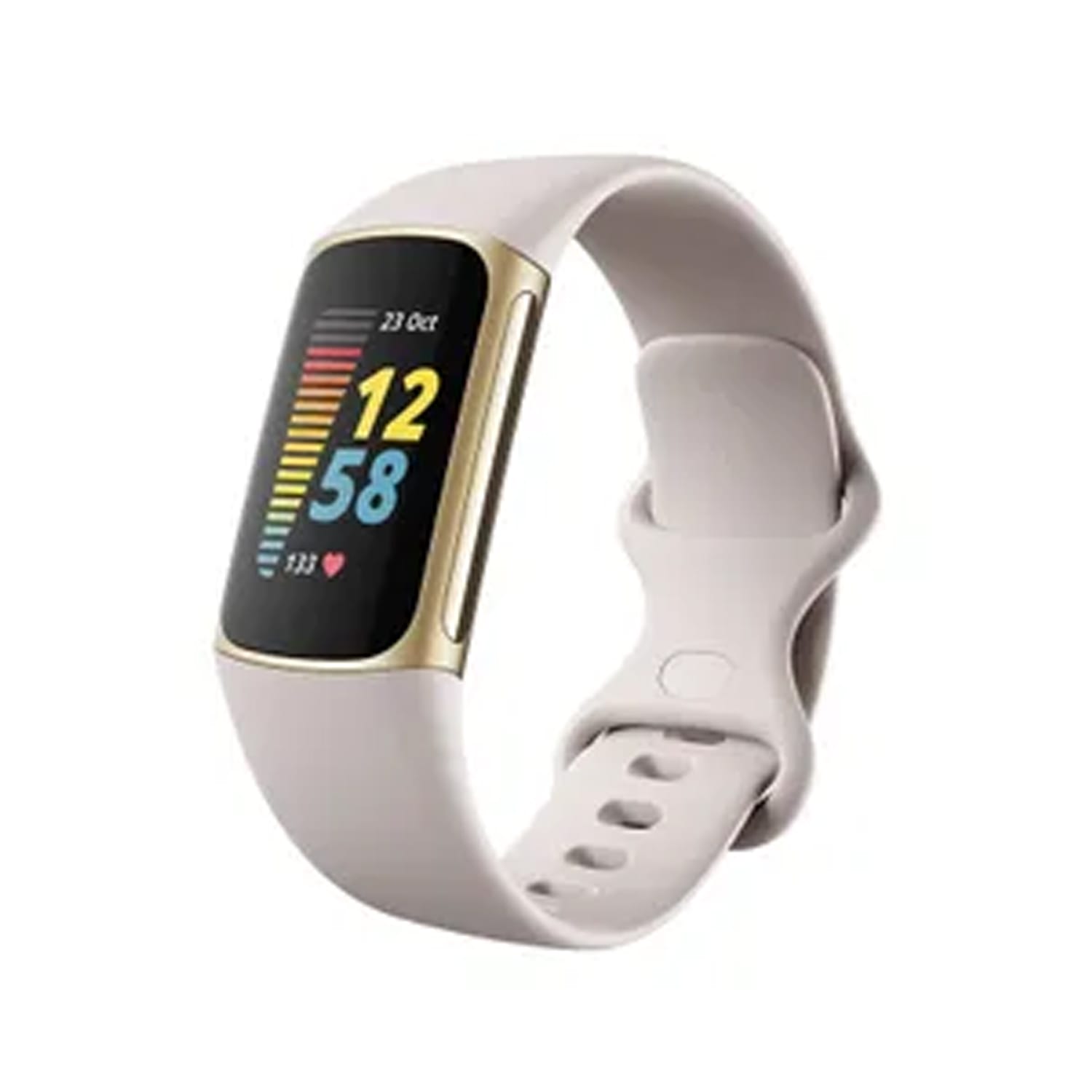
In the healthcare sector, smart devices are used to monitor patients' health and improve patient care. For example, wearable devices such as smart watches and fitness trackers can monitor a person's heart rate, sleep patterns, and physical activity. This data can be used by healthcare professionals to assess a patient's health and provide personalized care.
Smart devices can also be used to remind patients to take their medication, monitor their medication intake, and alert healthcare professionals if a patient's health deteriorates. In addition, smart devices can enable telemedicine, allowing patients to consult with healthcare professionals remotely.
The Rise of the Health – Tracking Revolution
Smart Health devices have come a long way from simple pedometers. Today’s wearable smart devices connect to apps that visualize progress, provide reminders, and encourage users to make healthier choices. The idea is that continuous monitoring empowers individuals to make informed decisions – to move more, sleep better, and manage stress effectively.
People who use fitness trackers are more likely to meet activity goals, while heart rhythm notifications from smart watches have led to early medical evaluations in cases of atrial fibrillation. It is clear that wearable devices can enhance health awareness and support preventive care.
Benefits if using Smart Devices
Many fitness-tracking devices in the Indian market now go beyond monitoring exercise. These include:
Smart Devices track blood pressure, heart rate, sleep quality, temperature, stress, and menstrual cycles, with temperature sensors predicting periods and ovulation.
Wearable’s help manage diseases by providing real-time data, and aiding lifestyle adjustments. Devices like smart watches can detect early signs of heart conditions and changes in the pulse rate the entire day.
These devices identified atrial fibrillation in 87% of cases and detected falls with 82% accuracy.
Prevention and early detection
Smart devices track a variety of health metrics, helping to identify potential issues before they become severe.
Heart health: Smart watches and other wearable’s can monitor heart rate, blood pressure, and heart rate variability. Some advanced watches can even perform electrocardiograms (ECG) to detect heart rhythm disorders like atrial fibrillation (AF), which significantly reduces the risk of serious complications such as stroke through early diagnosis.
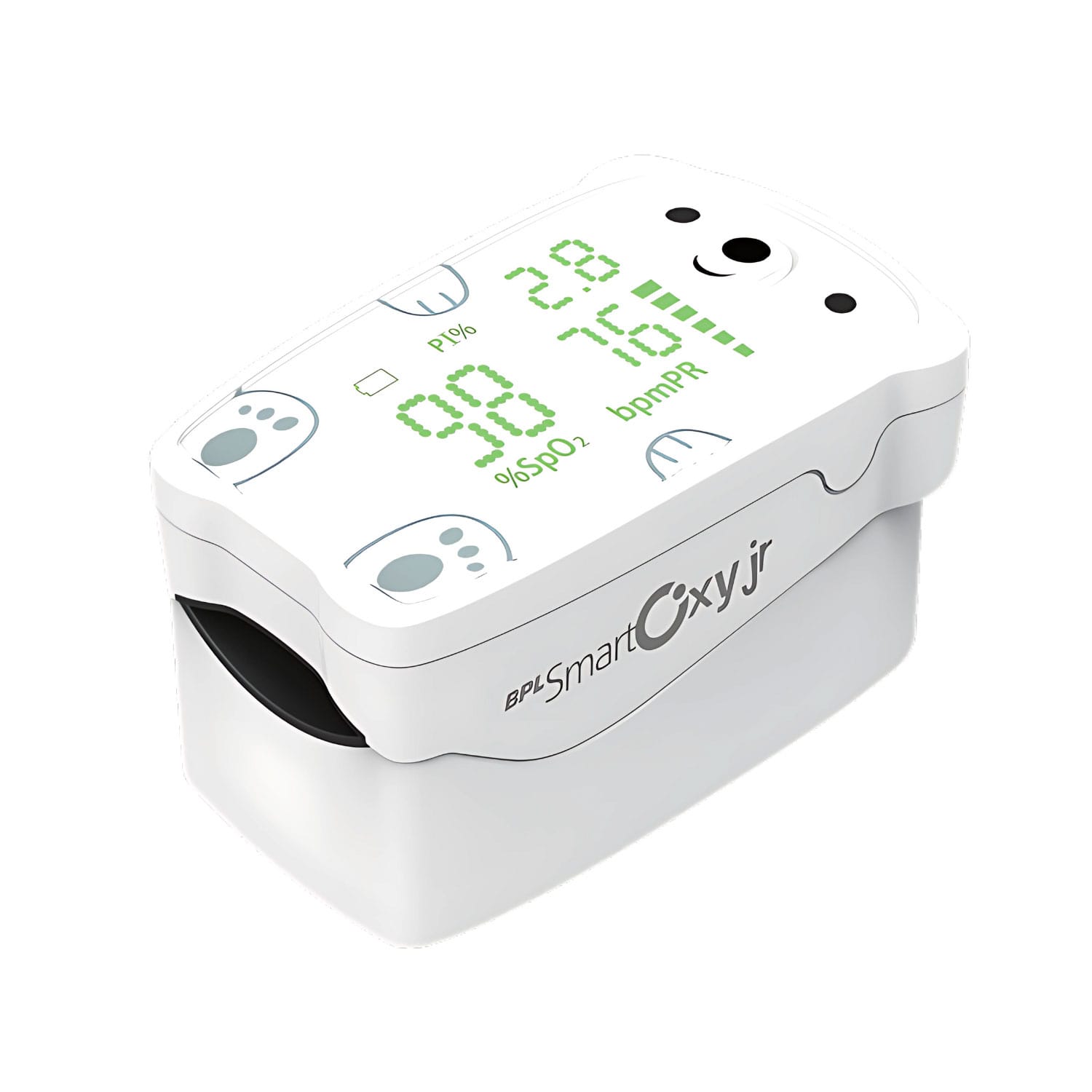
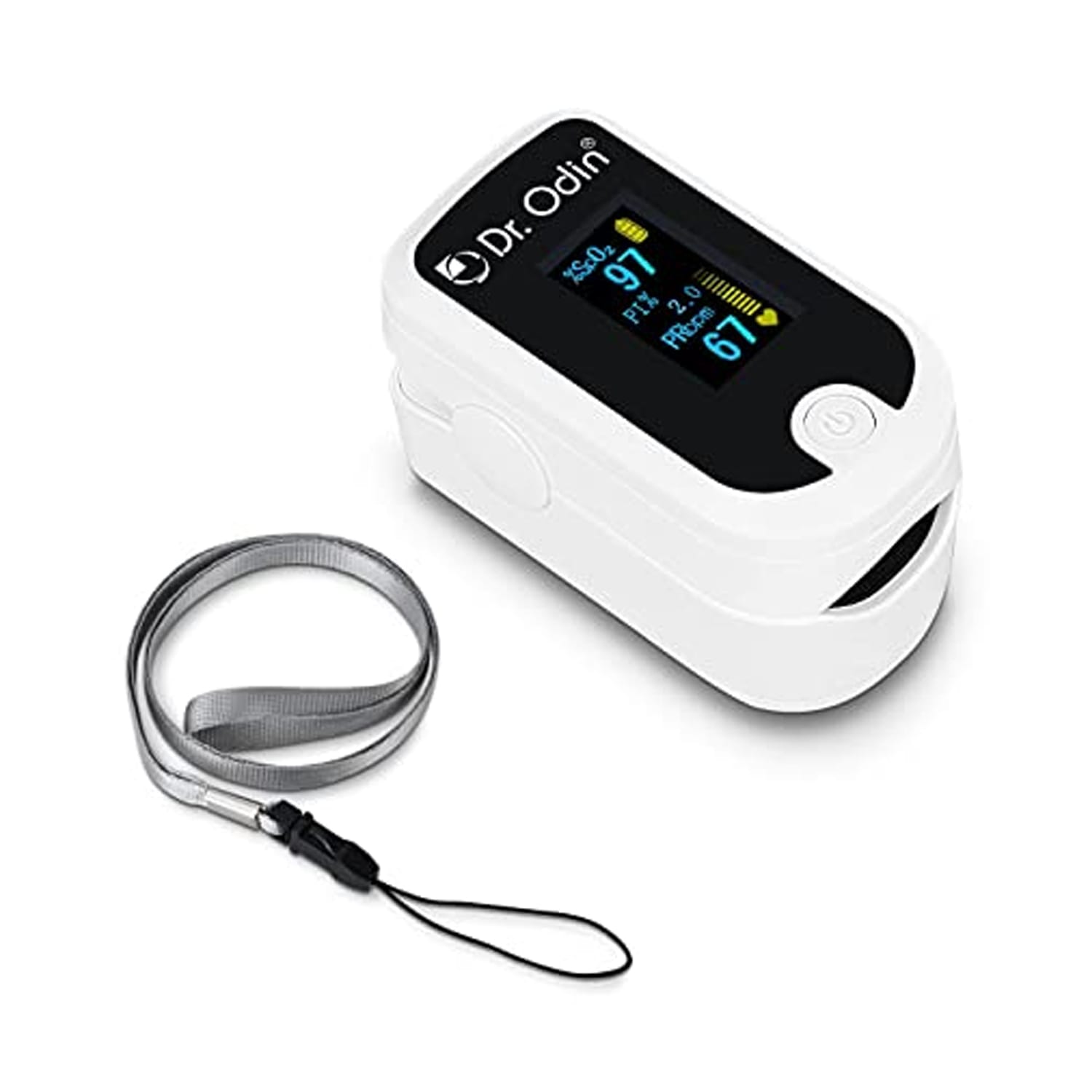
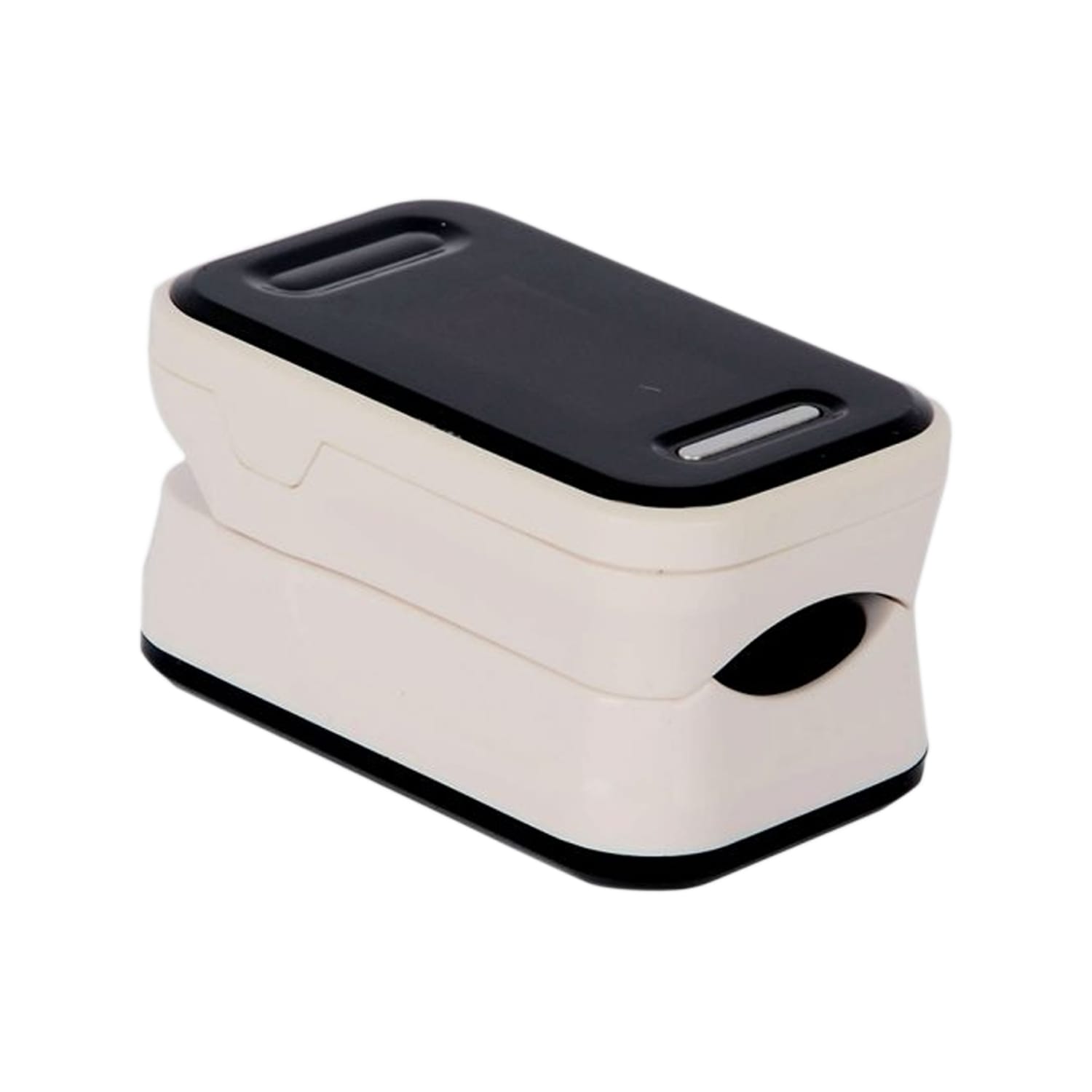
Respiratory health: Devices with built-in SpO2 sensors can measure blood oxygen saturation, helping to identify breathing issues like sleep apnea. This is particularly useful for monitoring patients with respiratory illnesses at home.
Stress and anxiety: Smart devices can help manage mental health by tracking biometric indicators like heart rate variability and breathing patterns that correlate with stress. Many devices and apps offer guided breathing exercises, meditation, and biofeedback to help users reduce stress and anxiety.
Obesity and related diseases: Smart watches and fitness trackers monitor physical activity, including steps taken, calories burned, and exercise intensity. Activity reminders and goal-setting features motivate users to be more active, combating sedentary habits linked to obesity, heart disease, and diabetes.
How Smart Devices Support Healthcare
Smart Devices reshape how health data is collected, analysed, and applied in both personal wellness and clinical care.
1. Continuous Health Monitoring:
One of the most significant contributions of smart devices is real-time health tracking. Wearable devices can monitor key metrics such as heart rate, oxygen saturation, sleep quality, physical activity, and even stress levels. This real time data helps detect abnormalities early and can prompt timely medical attention-potentially preventing complications or emergencies.
2. Personalized Insights and Preventive Care:
By analysing individual health trends, smart devices promote personalized healthcare. They offer users insights into their habits and lifestyle patterns, helping them make informed decisions about diet, exercise, and sleep. This empowers users to take preventive actions and encourages a more proactive approach to health, reducing burden of lifestyle-related diseases.
Smart Devices are not just fitness accessories – they are powerful healthcare tools that promote continuous monitoring, early detection, preventive care, and remote management. By connecting patients and healthcare providers through data-driven insights, these devices are helping build a smarter, more responsive and patient-centered healthcare system.
The Future: Smart Devices as Health Partners
The next generation of wearable technology is moving beyond simple tracking. Advances in artificial intelligence, biosensors, and predictive analytics are enabling devices to become active health partners.
Future wearable may be able to:
Predict illness before symptoms appear.
Detect early signs of depression or anxiety from physiological patterns.
Adjust recommendations based on personal trends, lifestyle, and medical history.
Integrate seamlessly with clinical care teams through secure health platforms.
Conclusion
Smart devices are an integral part of our lives, providing us with convenience, efficiency, and improved quality of life. As technology continues to evolve, we can expect to see even more innovative and useful applications of smart devices in the future. Smart devices can be a powerful tool for wellness, but the responsibility to turn raw data into meaningful health support lies with the user. It’s worth taking the time to perform a “device audit” every few months. These involves reviewing what’s connected to your network and whether each device still serves a purpose; if it doesn’t, consider disconnection or factory resetting it. By understanding the limitations of the technology, working with healthcare professionals, and focusing on actionable insights, you can ensure your device is a helpful health partner—not just a diligent record-keeper.
Reference:
Challenges and recommendations for wearable devices in digital health: Data quality, interoperability, health equity, fairness Oct 2022 - https://pmc.ncbi.nlm.nih.gov/articles/PMC9931360/