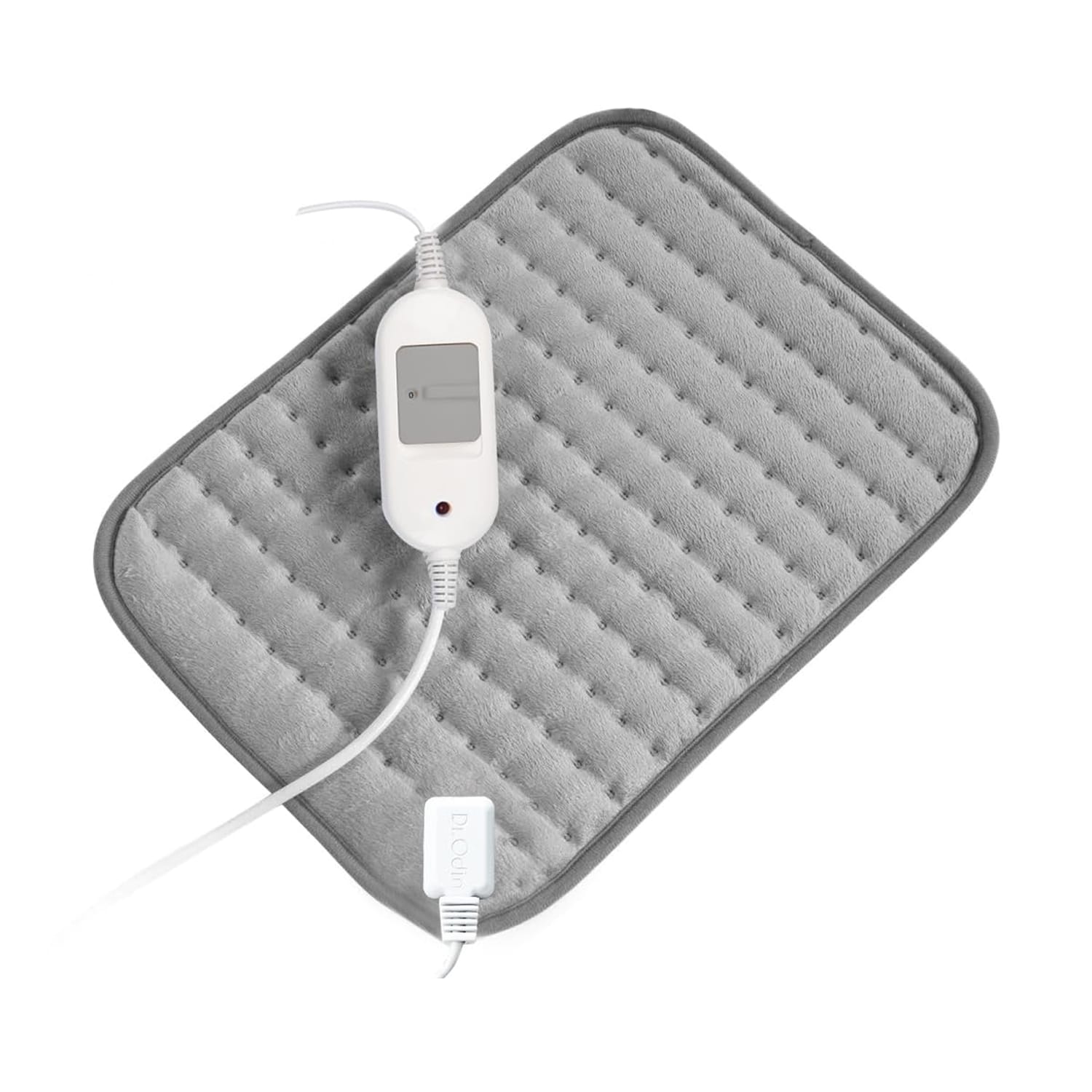


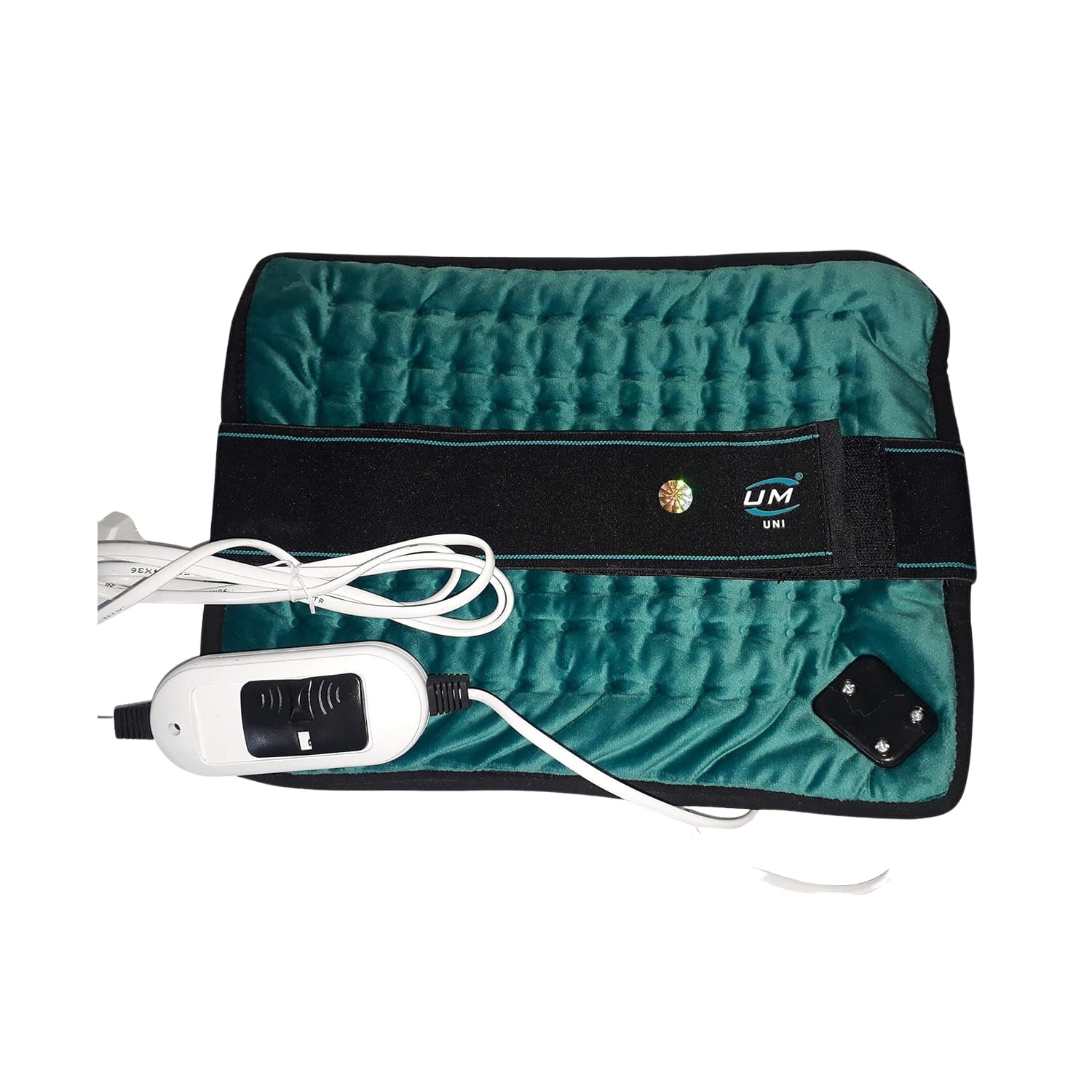
United Medicare Orthopaedic Heating Pad J-10 Universal
United Medicare
₹1,26215% off₹1,485


LS belt with lace pull mechanism.
Suitable for osteoporosis of lumbar spine.
Can be also used for backache.
Designed with semi-rigid back splints.
Available in 3 sizes: SandM, LandXL and XXLandXXXL.
Tynor LS belt is designed to allow variable and independent compression on thoracic and lumbar vertebrae.
Lace pull mechanism multiplies the effects of compression using less force.
Semi-rigid splints provide support and immobilization of the Lumbo sacral region.
Helps to relieve the symptoms of degenerative disc disorder, lumbosacral spondylolysis, vertebral fracture, and back injuries.
Made of special nylon woven fabric to ensure long functional life of the belt.
Place the belt over your lower back region and wrap the belt around tightly.
Hold the two laces and simultaneously pull and strap them as per your comfort.
You can adjust the compression level while wearing.
Store in a cool, dry place away from direct sunlight
Keep out of reach of the children
Primary Prevention: Suitable for individuals experiencing occasional lower back strain due to posture, prolonged sitting, or daily activities — provides controlled compression and stabilization to the thoracic and lumbar spine, helping maintain proper alignment and reduce discomfort.
Secondary Prevention: Ideal for individuals with recurring back pain or spinal stress — offers adjustable and independent compression across the thoracic and lumbar regions to help relieve symptoms associated with conditions like lumbosacral spondylolysis and degenerative disc changes.
Tertiary Prevention: Recommended for individuals recovering from vertebral injuries or managing conditions such as osteoporosis of the lumbar spine — supports the back with firm stabilization, helps reduce strain on the spine, and aids in safer movement during recovery and daily activities.

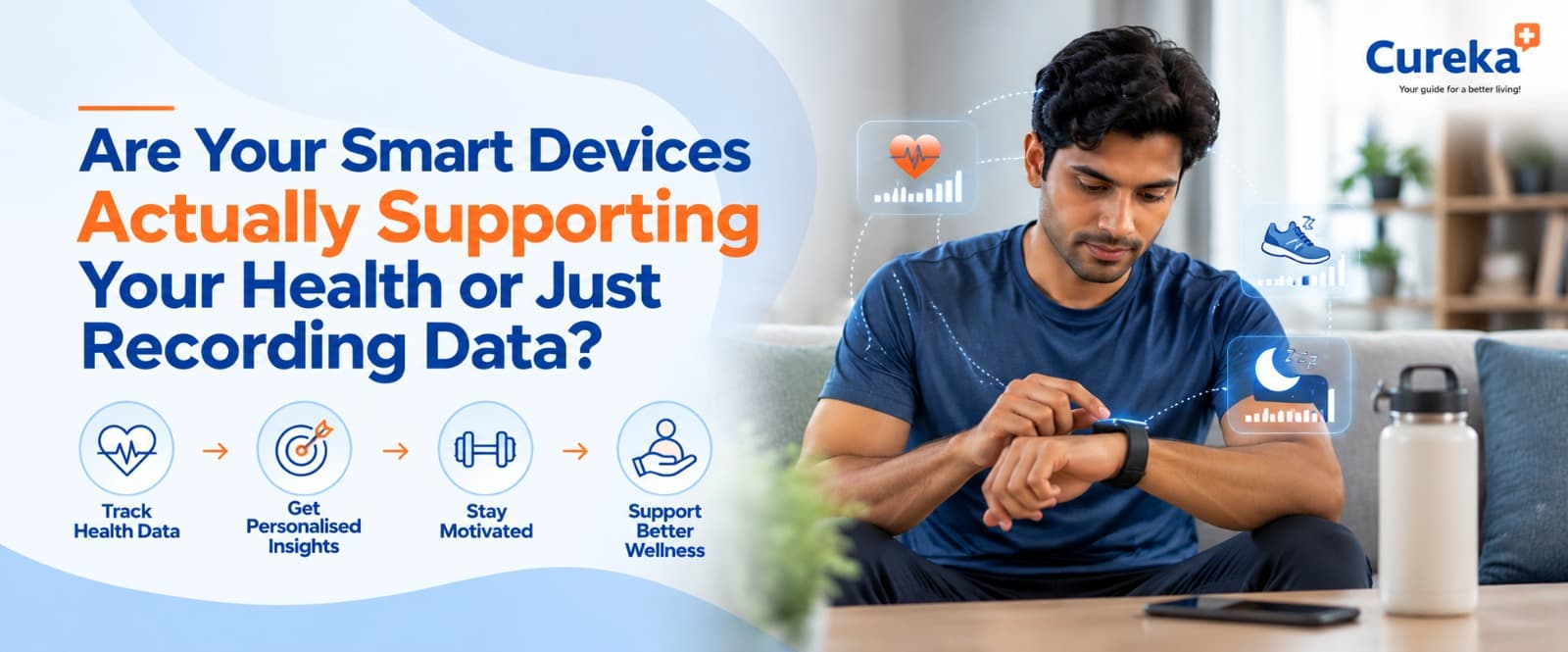
Fitness trackers and smart watches collect endless data — but are they actually improving your health? Discover how smart devices support prevention, early detection, and better care.
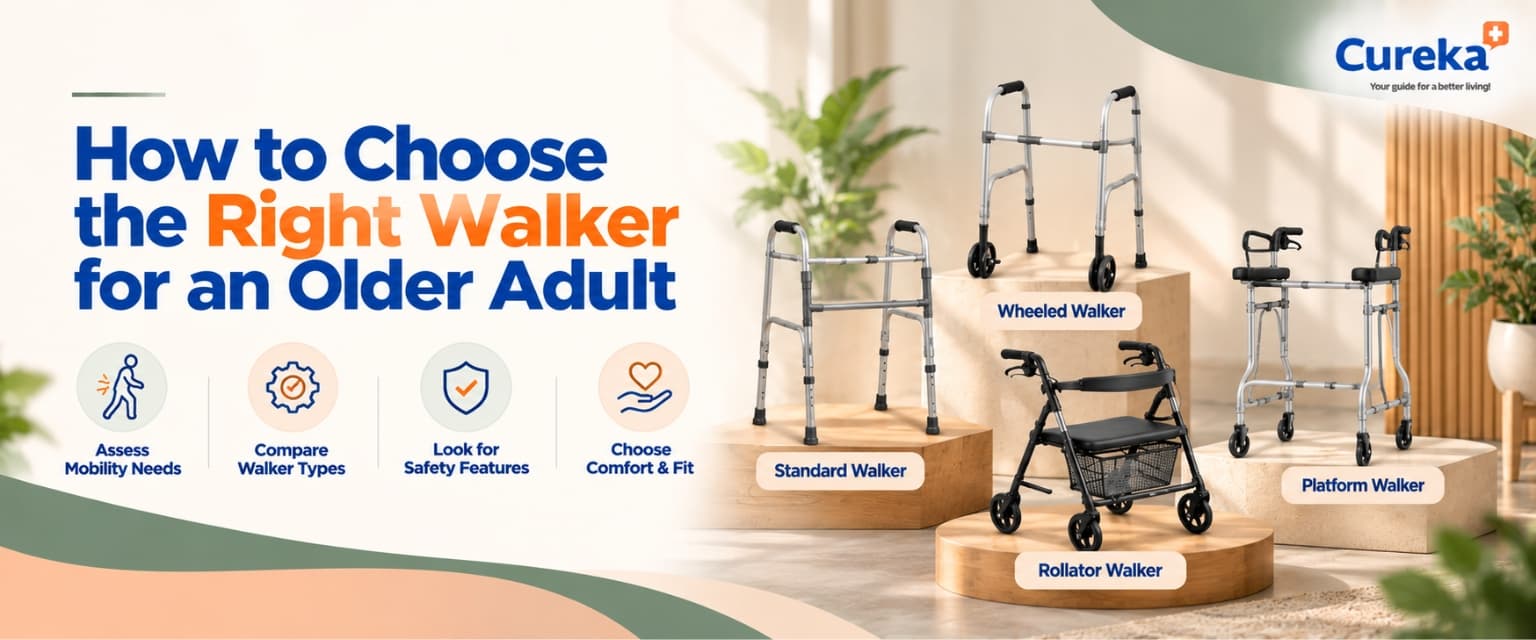
Not sure which walker suits your parent or loved one? An orthopedic surgeon explains how to match walker type, fit, and features to balance, strength, and daily needs.
Feeling unsteady or relying on furniture to get around? Find out the signs you may need a walker, who can benefit, and how to use one safely.
Using crutches the wrong way can slow your recovery. Learn proper fitting, posture, and walking techniques to move safely and avoid strain while healing.