

Bestseller
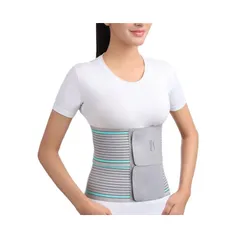
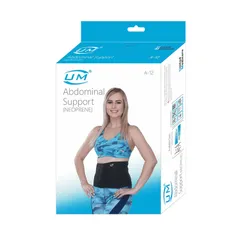
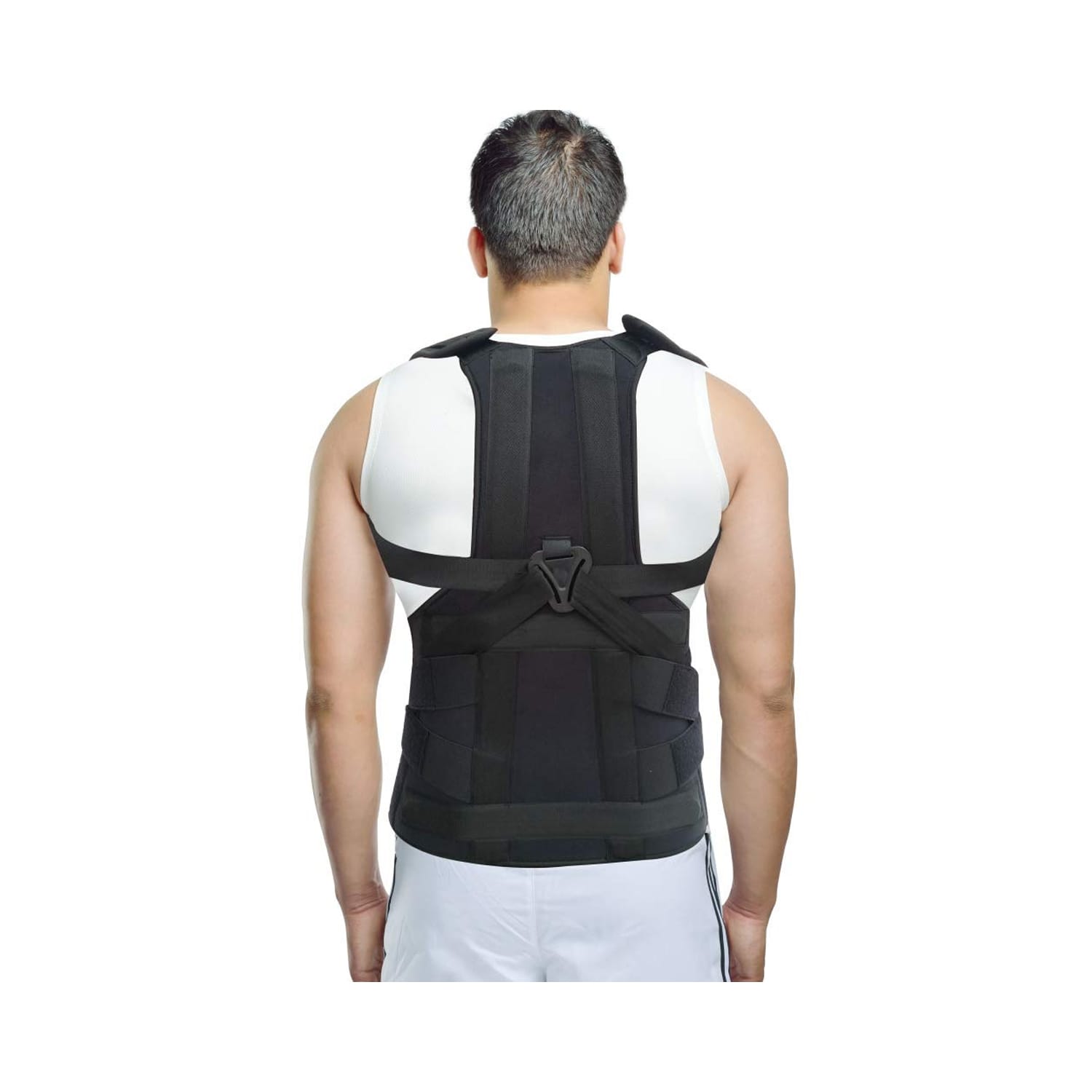
Tynor Tummy Trimmer (Abdominal Belt 8 inches) A -03 Small
Tynor
₹72223% off₹938


Provides required pressure on thoracic and lumbar Delivers perfect fit around the waist Made of breathable and comfortable fabric.
Contributes a high level of compression and immobilization Designed with a semi-rigid posterior back panel.
Lace pull mechanism provides independent top & bottom pressures, degree of compression can be changed while wearing.
Ergonomically braces waist, requires lesser force for old aged users to achieve high compression and immobilization.
Anatomic back panel provides excellent fitting, rigid immobilization and posture correction.
Allows wearing and tightening of the brace by the patient without the aid of another person Easy to use, light weight, pleasing aesthetics, durable & long functional life.
Wrap it around the hip Fasten hook to the loop.
Store in a cool, dry place away from direct sunlight Keep out of reach of the children.
Size | Inches | CM |
|---|---|---|
Small & Medium | 28- 36 | 71 – 91 |
Large & XL | 36 – 44 | 91 – 112 |
XXL & XXXL | 44 – 52 | 112 – 132 |
Primary Prevention: Suitable for individuals experiencing mild lower back strain due to prolonged sitting, poor posture, or daily physical activity — helps provide targeted support to the thoracic and lumbar regions, maintain spinal alignment, and reduce the risk of developing back discomfort.
Secondary Prevention: Provides enhanced compression and stabilization when back pain, muscle fatigue, or postural imbalance appear — helps deliver required pressure, improve posture control, and support restricted movement for better recovery.
Tertiary Prevention: Recommended for individuals with moderate to severe lower back conditions, including lumbar spondylosis, disc-related issues, or chronic back pain — offers a high level of compression and immobilization supports spinal stability, and promotes back care and functional recovery.


Fitness trackers and smart watches collect endless data — but are they actually improving your health? Discover how smart devices support prevention, early detection, and better care.
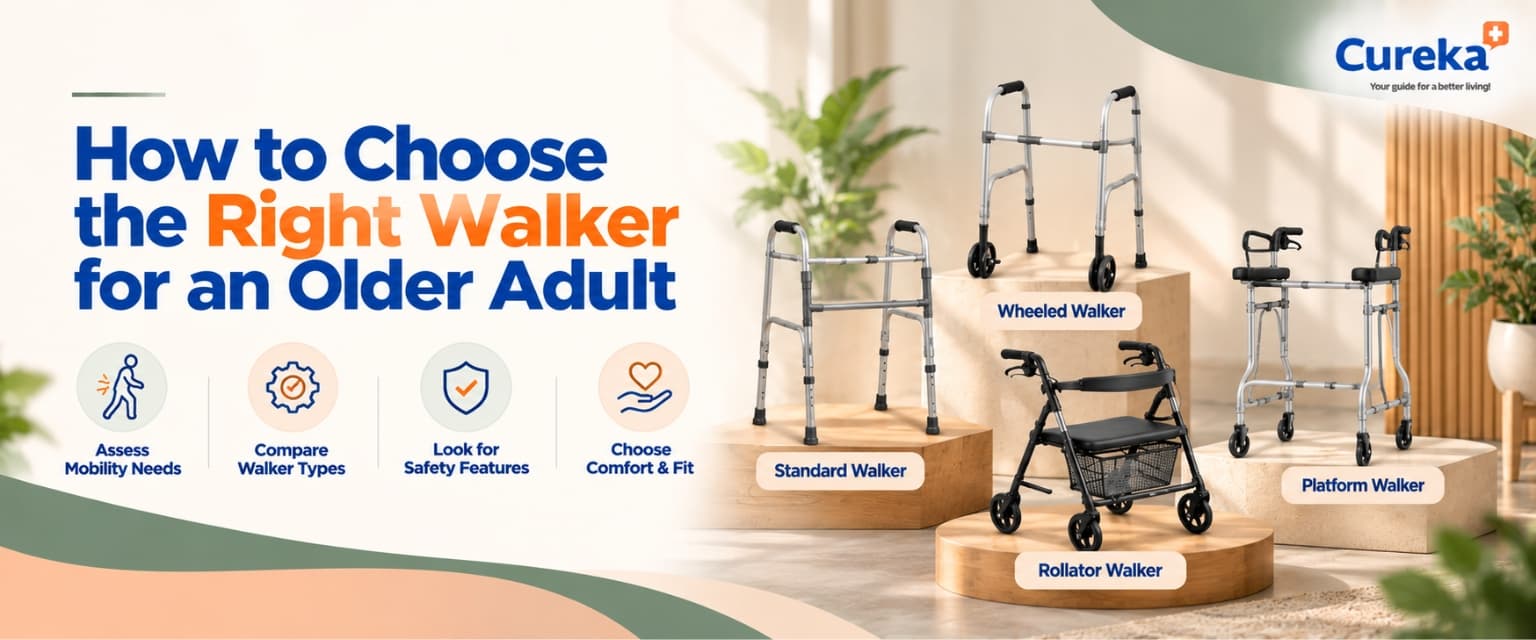
Not sure which walker suits your parent or loved one? An orthopedic surgeon explains how to match walker type, fit, and features to balance, strength, and daily needs.
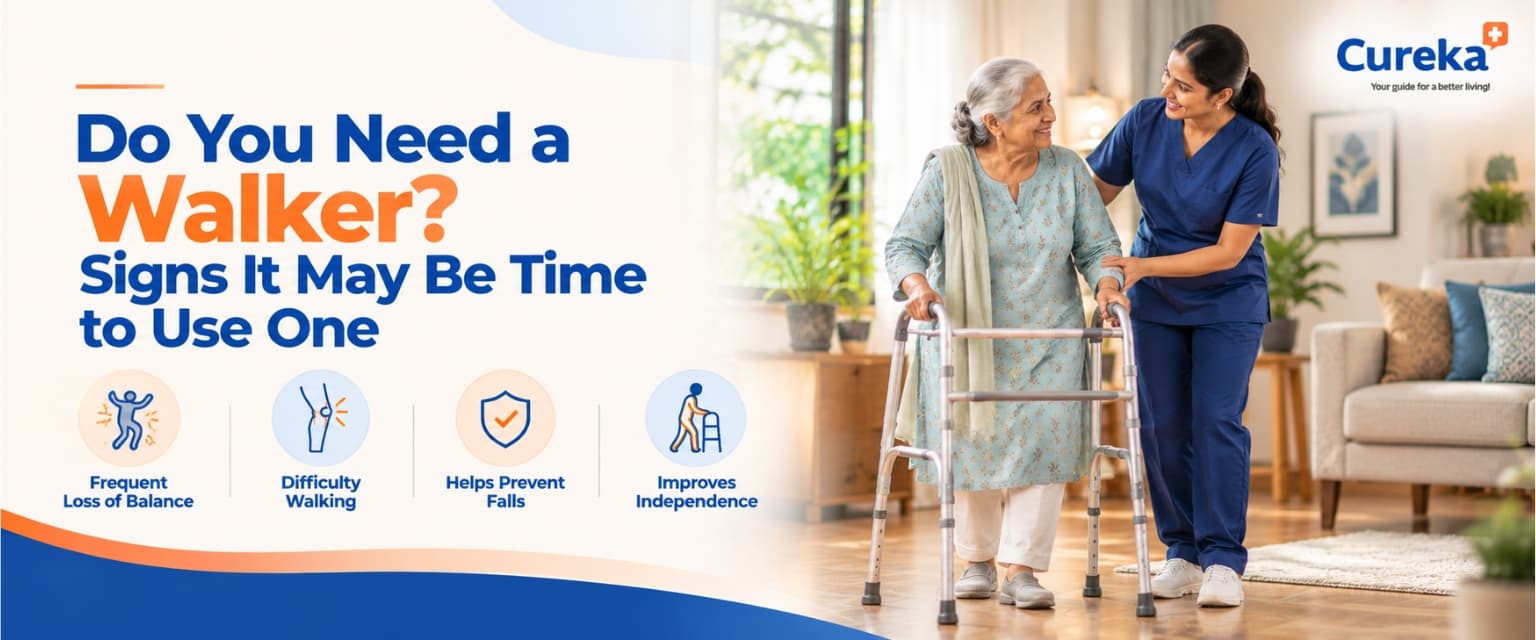
Feeling unsteady or relying on furniture to get around? Find out the signs you may need a walker, who can benefit, and how to use one safely.
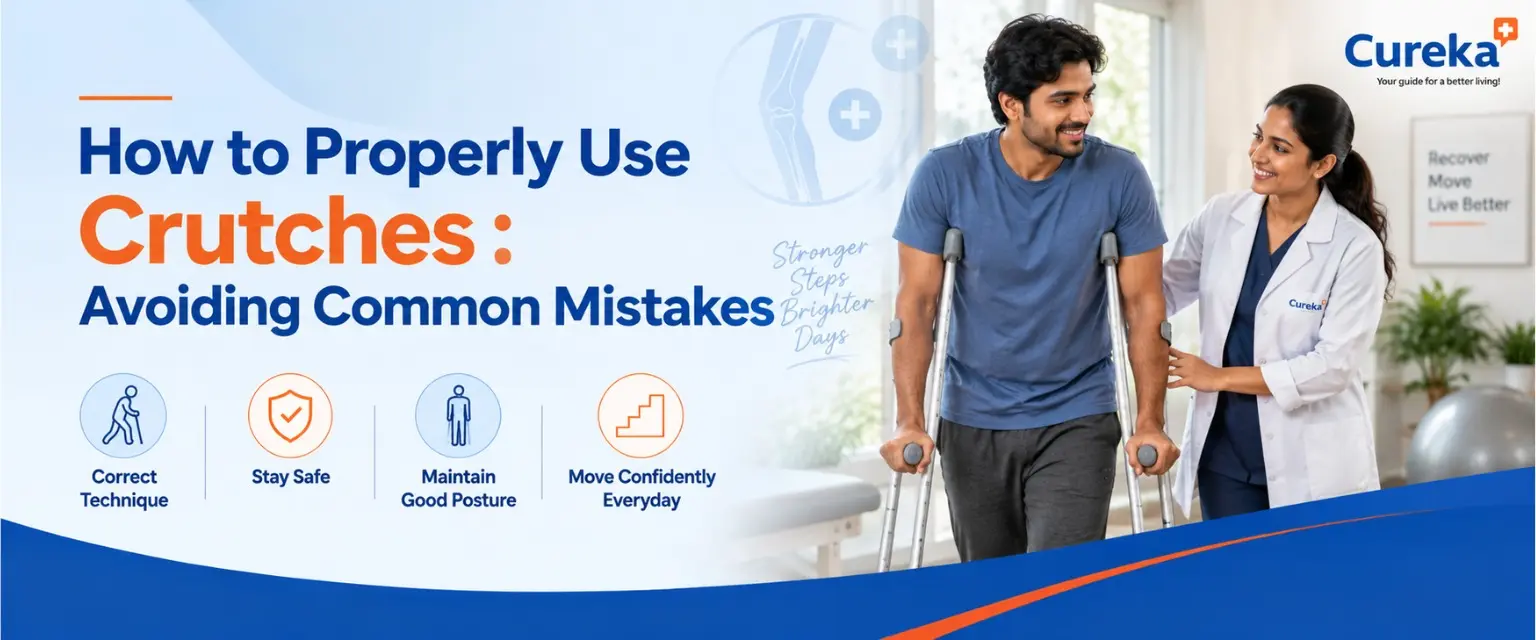
Using crutches the wrong way can slow your recovery. Learn proper fitting, posture, and walking techniques to move safely and avoid strain while healing.