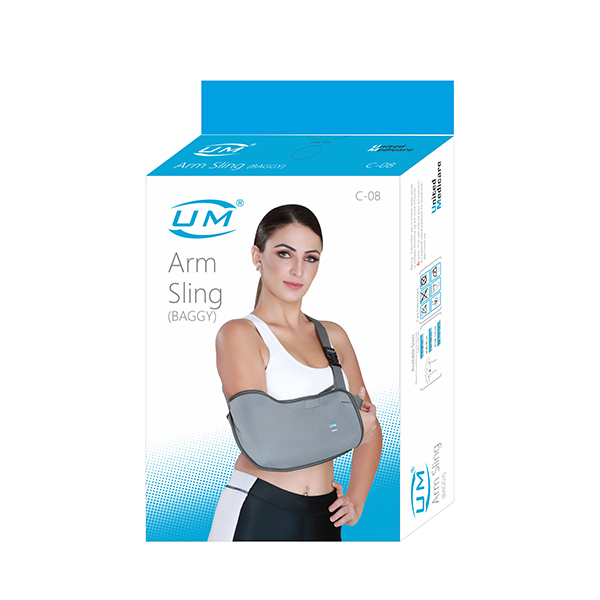


Dr. Ortho Heating Belt
Dr. Ortho
₹1,349₹1,349
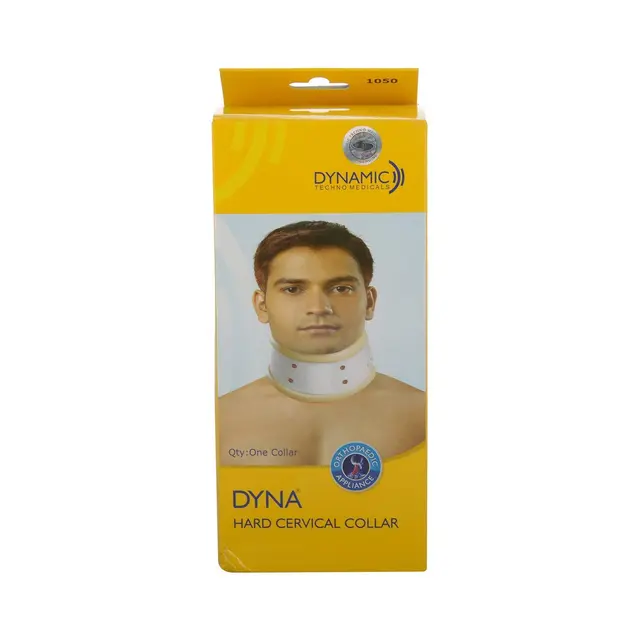


Comes with two piece design for height adjustment
Available with air vents that helps to allow better air circulation
Available Sizes – S 30-34 cms, M 34-38 cms, L 38-42 cms, XL 42-46 cms,
Used for supporting, immobilizing or adjusting the neck in the flexion, extension, or hyper extension position.
Recommended where a rigid immobilization of the cervical region is required.
Anatomically designed with height adjustment – Ensures perfect fitting, improves immobilzation and enhances comfort.
Perforated – Better ventilation, enhances comfort and better patient compliance.
High quality PE Sheet – Ensures rigid support, long life of the collar and improved aesthetics.
Select the required size as per the measurement chart Wrap the product around the cervical region
Make sure that the hook and loop closure on the posterior side of the neck
Apply the product neither too loose nor too tight
Keep reach out of children
Read the label instruction carefully before using
Primary Prevention: Suitable for individuals at risk of mild neck strain, poor posture, or occasional neck discomfort — helps provide gentle support, maintain proper alignment, and prevent early strain from the start.
Secondary Prevention: Provides targeted support when early signs of neck pain, stiffness, or postural fatigue appear — helps stabilize the cervical region, reduce discomfort, and promote healthier neck movement.
Tertiary Prevention: Recommended for individuals recovering from cervical injuries, chronic neck pain, or post-surgical care — helps maintain consistent neck support, reduce strain, and promote long-term cervical stability and functional wellness.

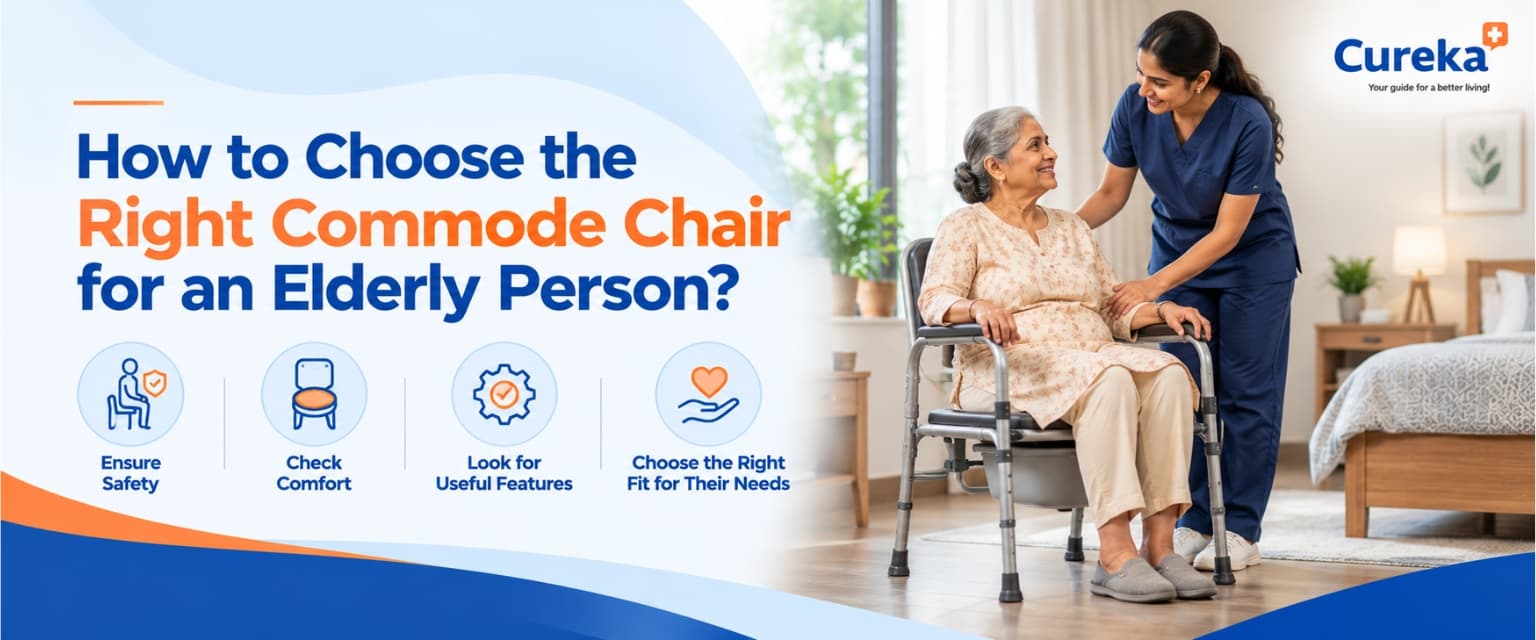
Struggling to pick a commode chair for a senior? Find out what to check before buying so your loved one stays safe and independent.
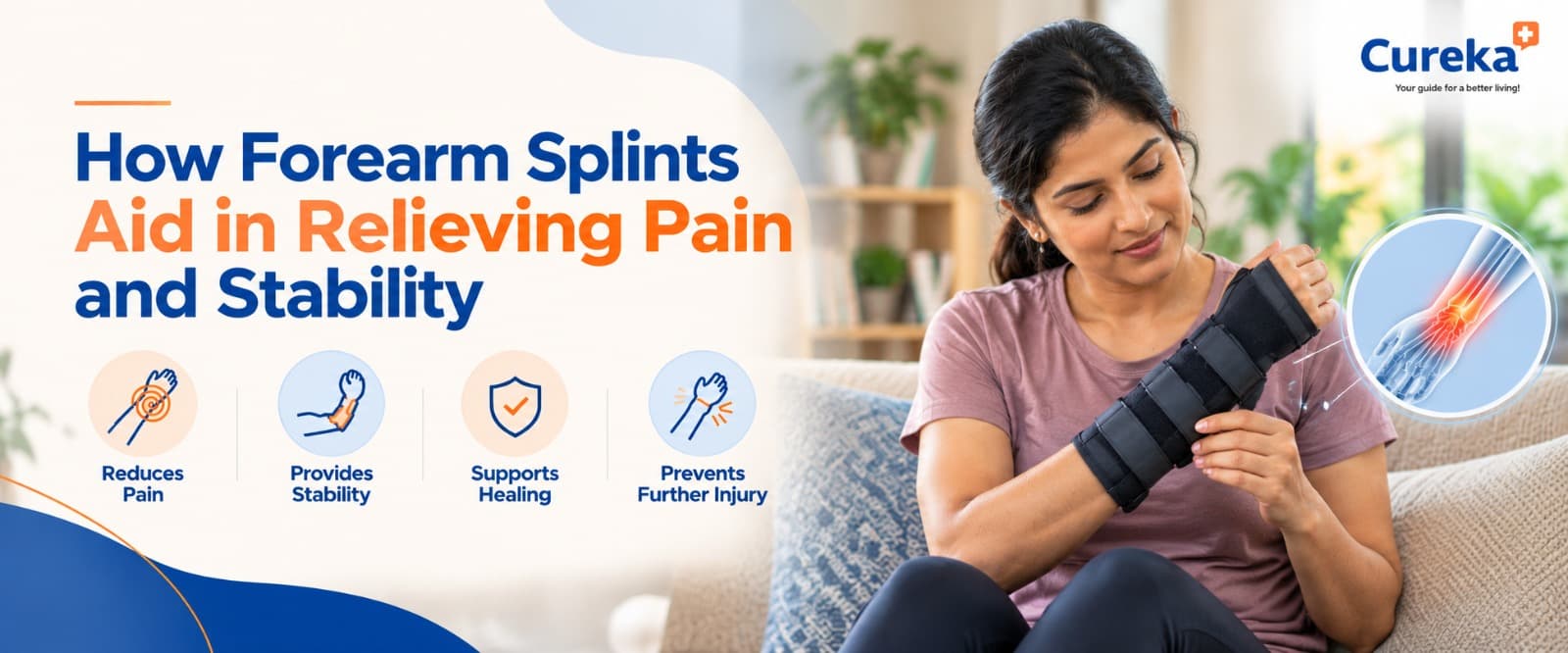
Forearm splints do more than immobilize — they relieve pain, protect injured tissue, and support recovery from sprains, tendinitis, and repetitive strain injuries.
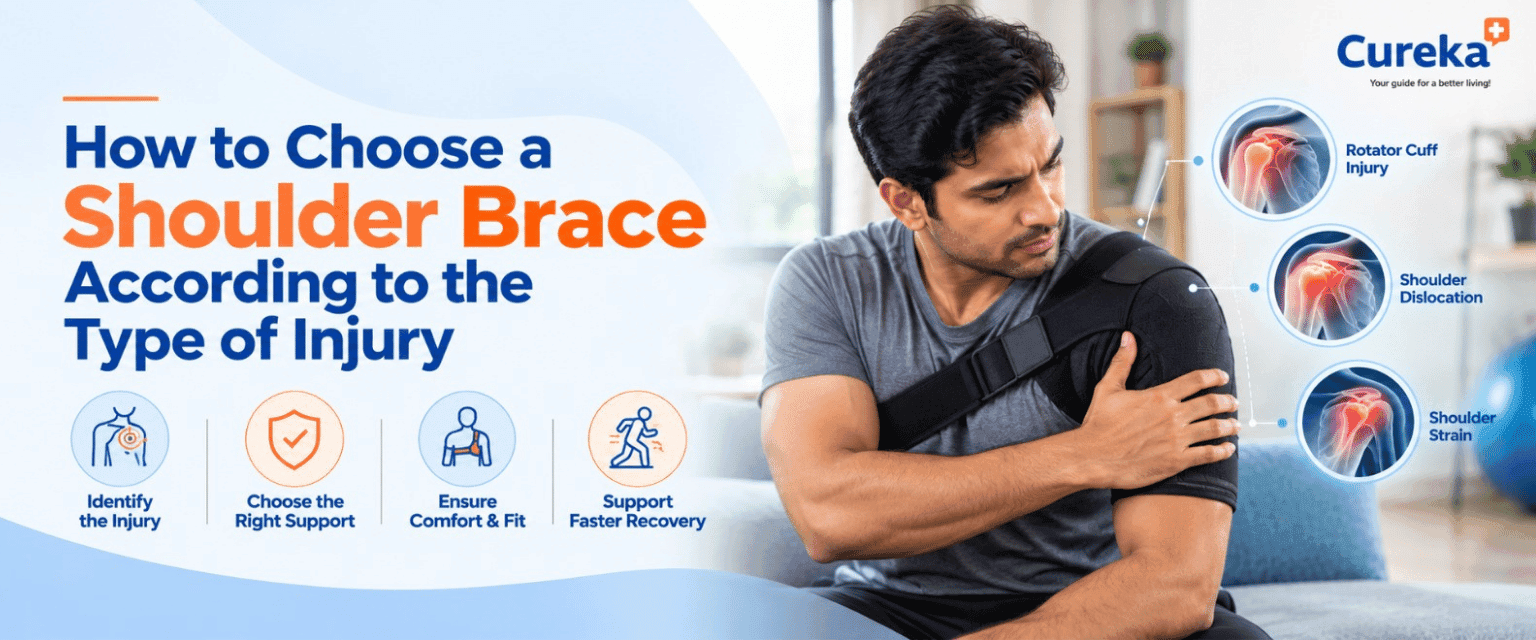
Struggling with shoulder pain? Find out which type of brace suits your injury best, so you can heal faster and get back to your daily routine.
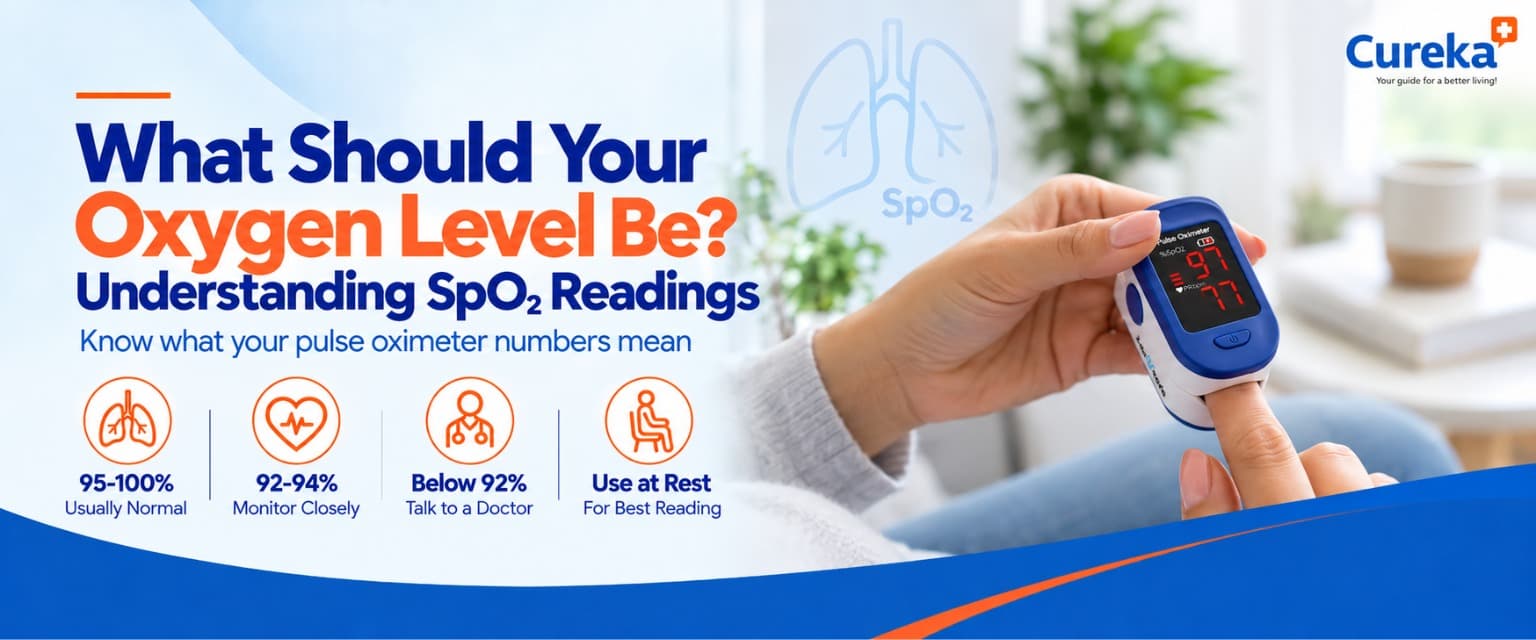
Is 94% a normal oxygen level? Understand healthy SpO₂ ranges, why pulse oximeter readings change, and the warning signs that need medical help.