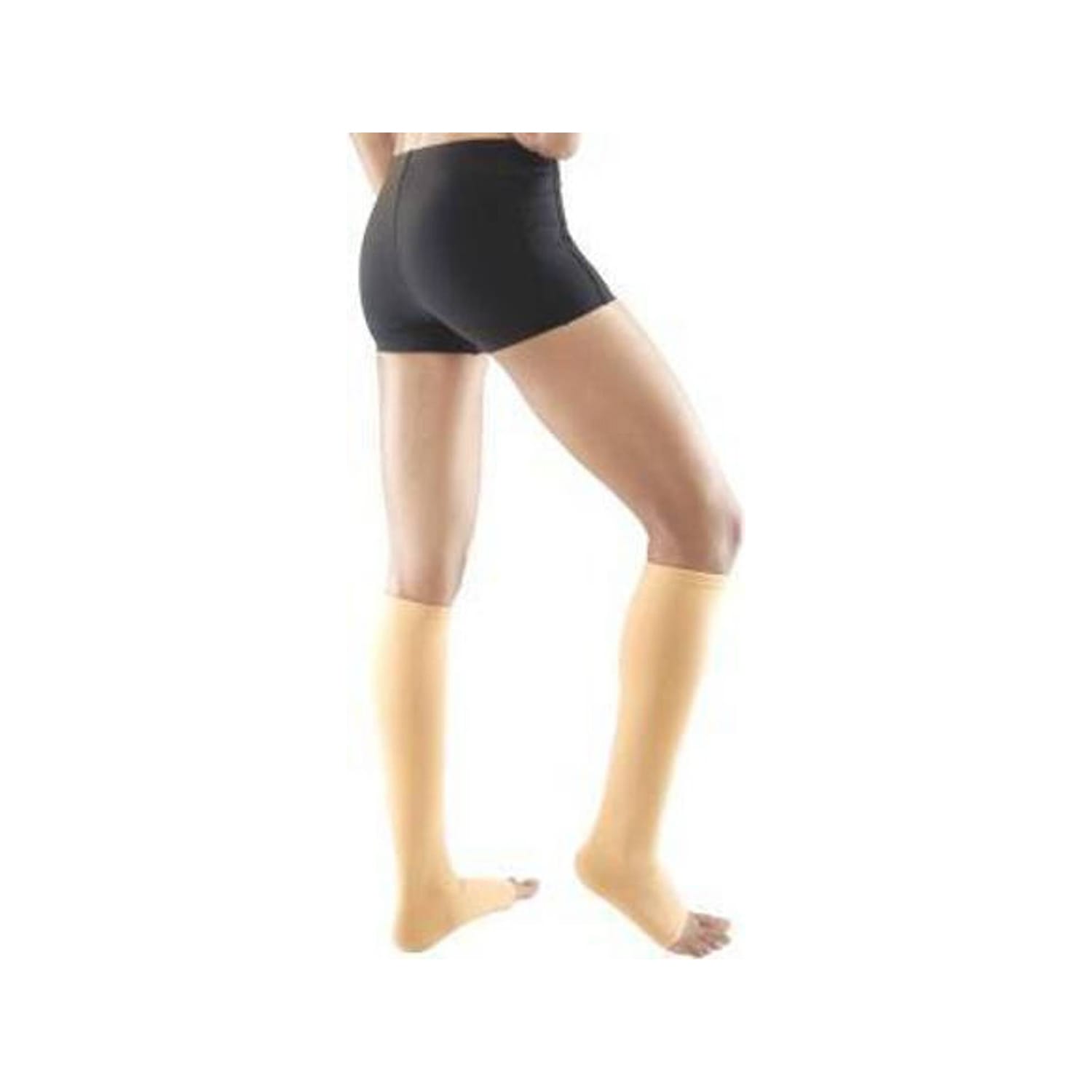


Dr. Ortho Heating Belt
Dr. Ortho
₹1,349₹1,349
Size:
Est. delivery 5-7 Days


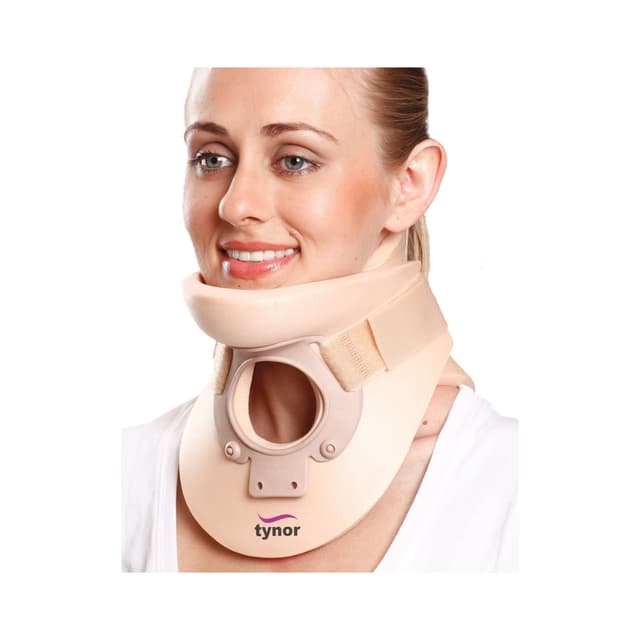
Ideal to be used for cervical spondylitis.
Supports and prevents head and neck movement.
Immobilizes the cervical spine.
Two piece of design for easy application.
Has large trachea opening.
Available in 5 different sizes.
Effectively locks the movements of neck by holding chin and upper chest region.
Stabilizes the neck and limits the movements of neck and head area.
Specially designed philadelphia collar is compatible with endo tracheal tube.
Two parts design with adjustable belt to ensure optimal adjustment and comfort.
Useful in post trauma immobilization, disc herniation, cervical nerve root irritation, spondylolisthesis and simple and stable fractures.
Should be worn under the supervision of a medical practitioner.
Don’t hand wash; clean it with dry cloth.
Keep out of reach of children.
Size | Inches | CM |
|---|---|---|
Child | 2.0 – 2.5 | 5.08 – 6.35 |
Small | 3.0 – 3.5 | 7.62 – 8.89 |
Medium | 3.5 – 4.0 | 8.89 – 10.16 |
Large | 4.0 – 4.5 | 10.16 – 11.43 |
XL | 4.5 – 5.0 | 11.43 – 12.7 |
Primary Prevention: Suitable for individuals needing mild neck stabilization due to posture strain or minor discomfort — helps support the cervical region by limiting excessive movements and maintaining proper alignment during daily activities.
Secondary Prevention: Ideal for individuals experiencing neck pain, disc irritation, or cervical instability — provides firm support to the neck and head, helping relieve pressure on cervical nerves and aiding in safe recovery from minor injuries.
Tertiary Prevention: Recommended for individuals recovering from trauma, cervical fractures, spondylolisthesis, or post-surgical immobilization — effectively stabilizes the neck by securing the chin and upper chest, supporting proper healing and reducing the risk of further injury.


Fitness trackers and smart watches collect endless data — but are they actually improving your health? Discover how smart devices support prevention, early detection, and better care.
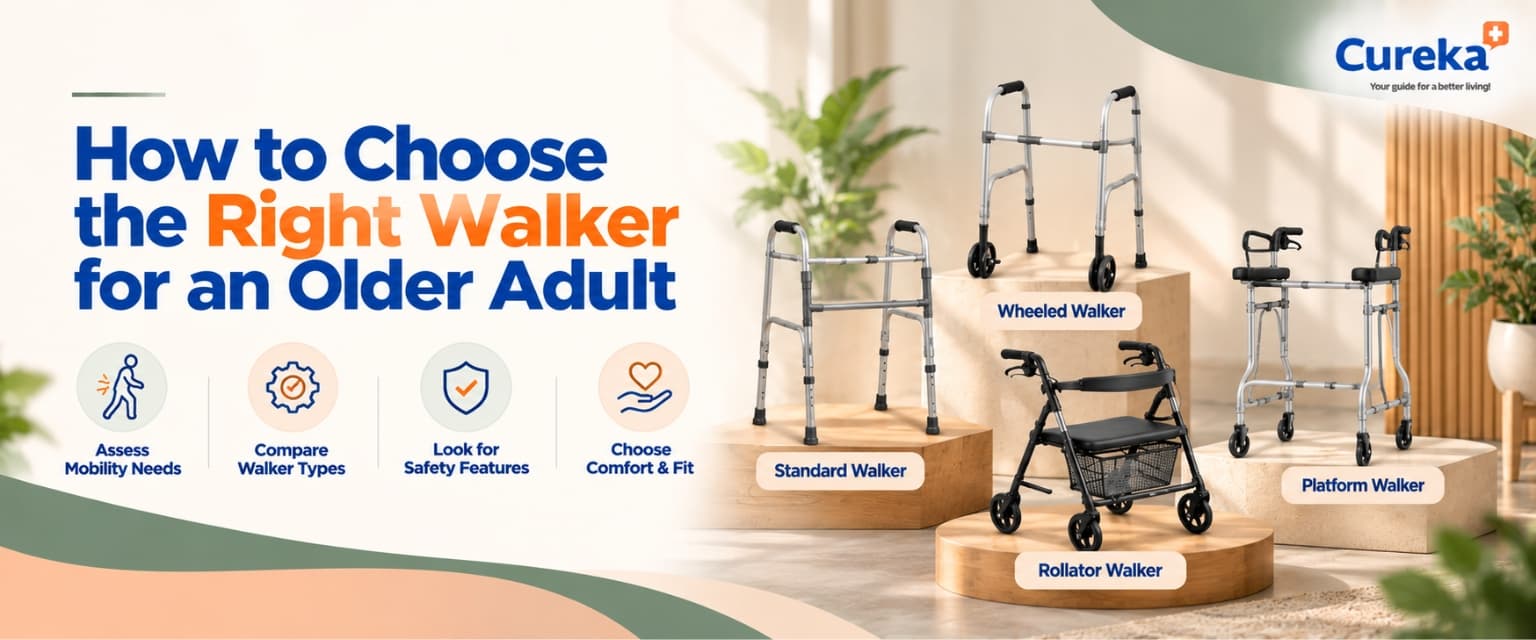
Not sure which walker suits your parent or loved one? An orthopedic surgeon explains how to match walker type, fit, and features to balance, strength, and daily needs.
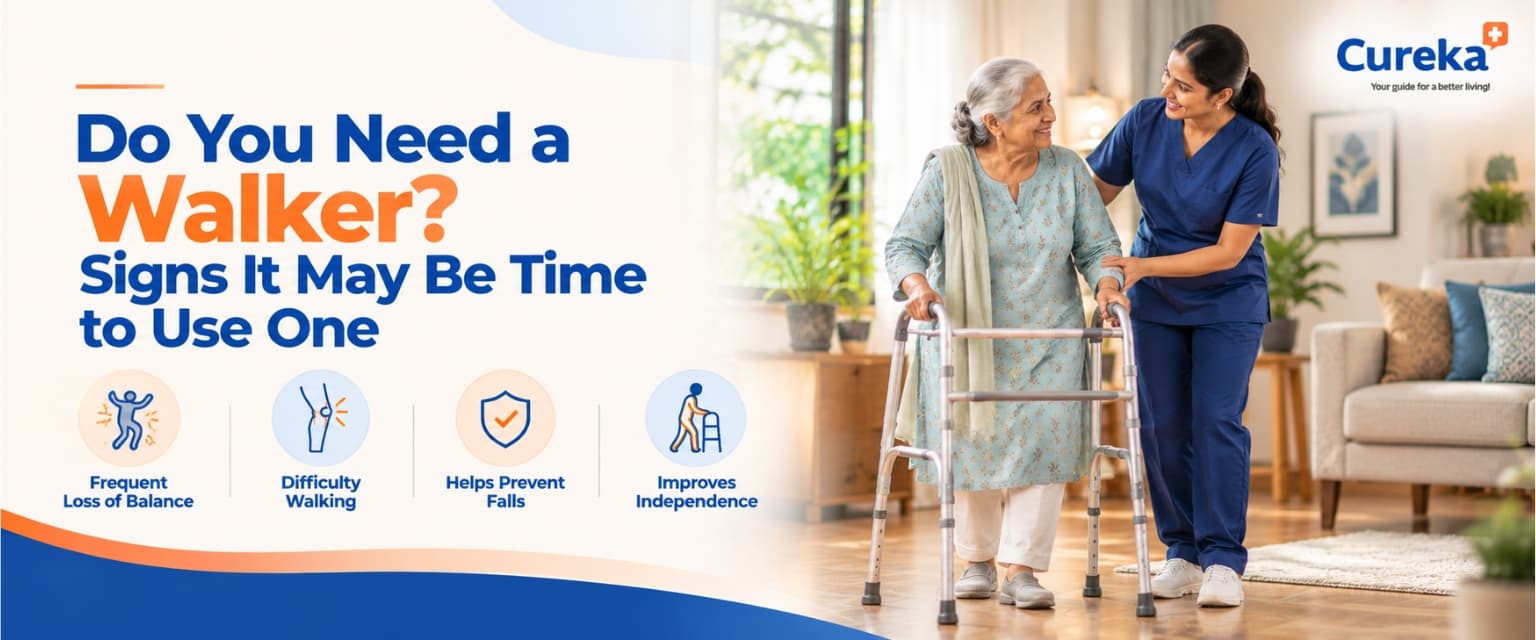
Feeling unsteady or relying on furniture to get around? Find out the signs you may need a walker, who can benefit, and how to use one safely.
Using crutches the wrong way can slow your recovery. Learn proper fitting, posture, and walking techniques to move safely and avoid strain while healing.