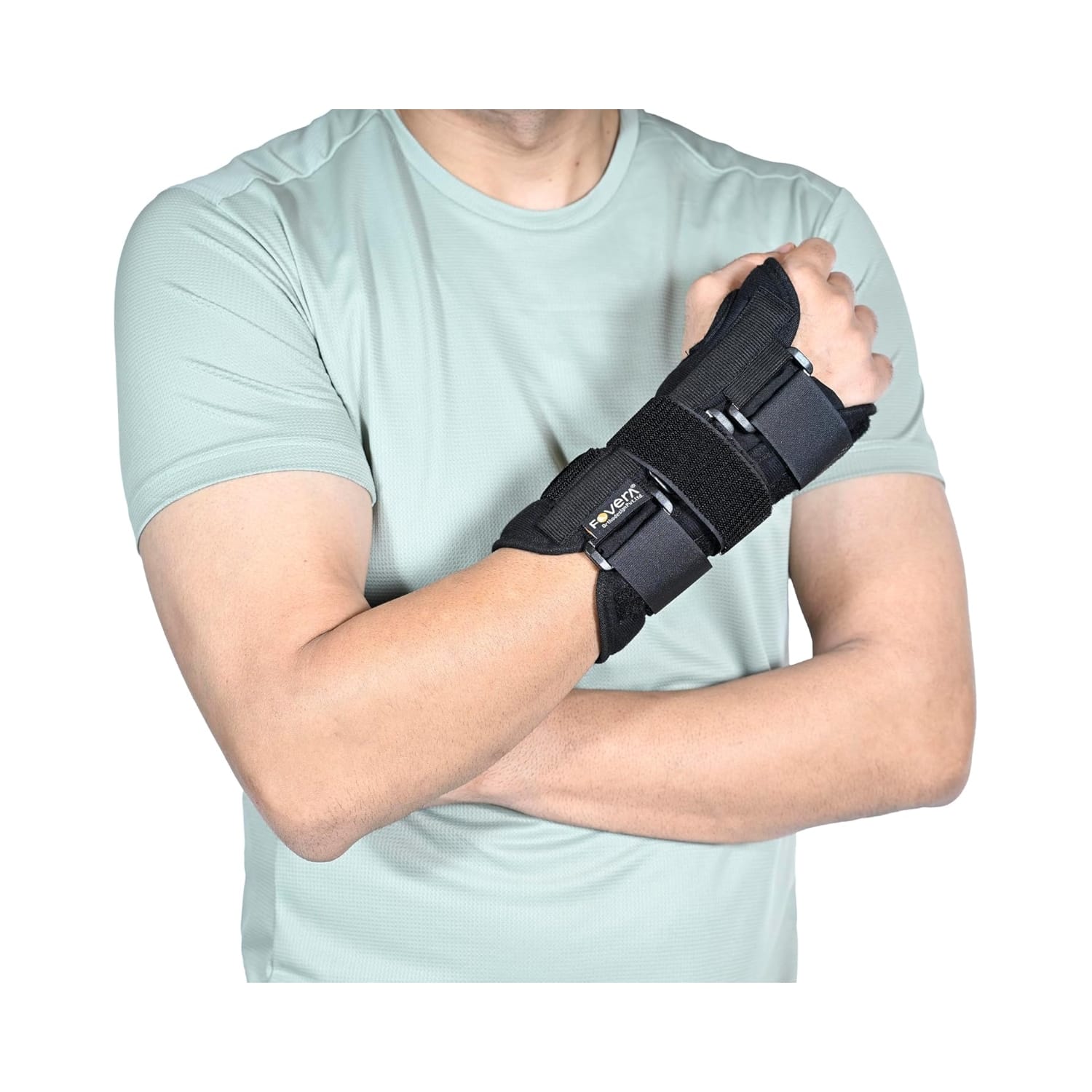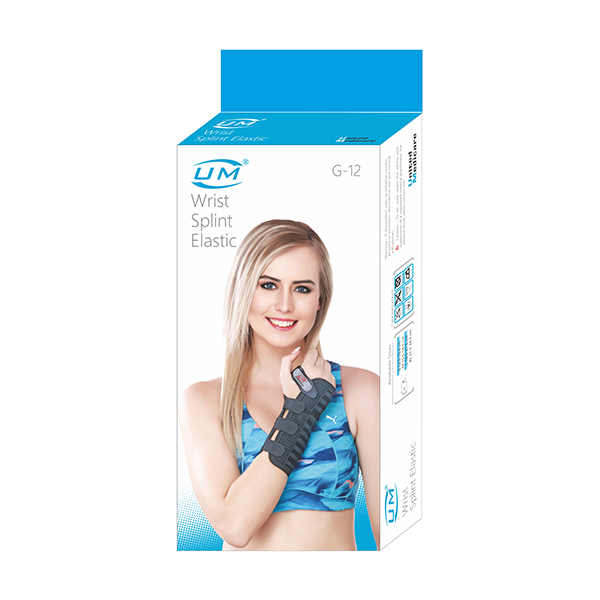


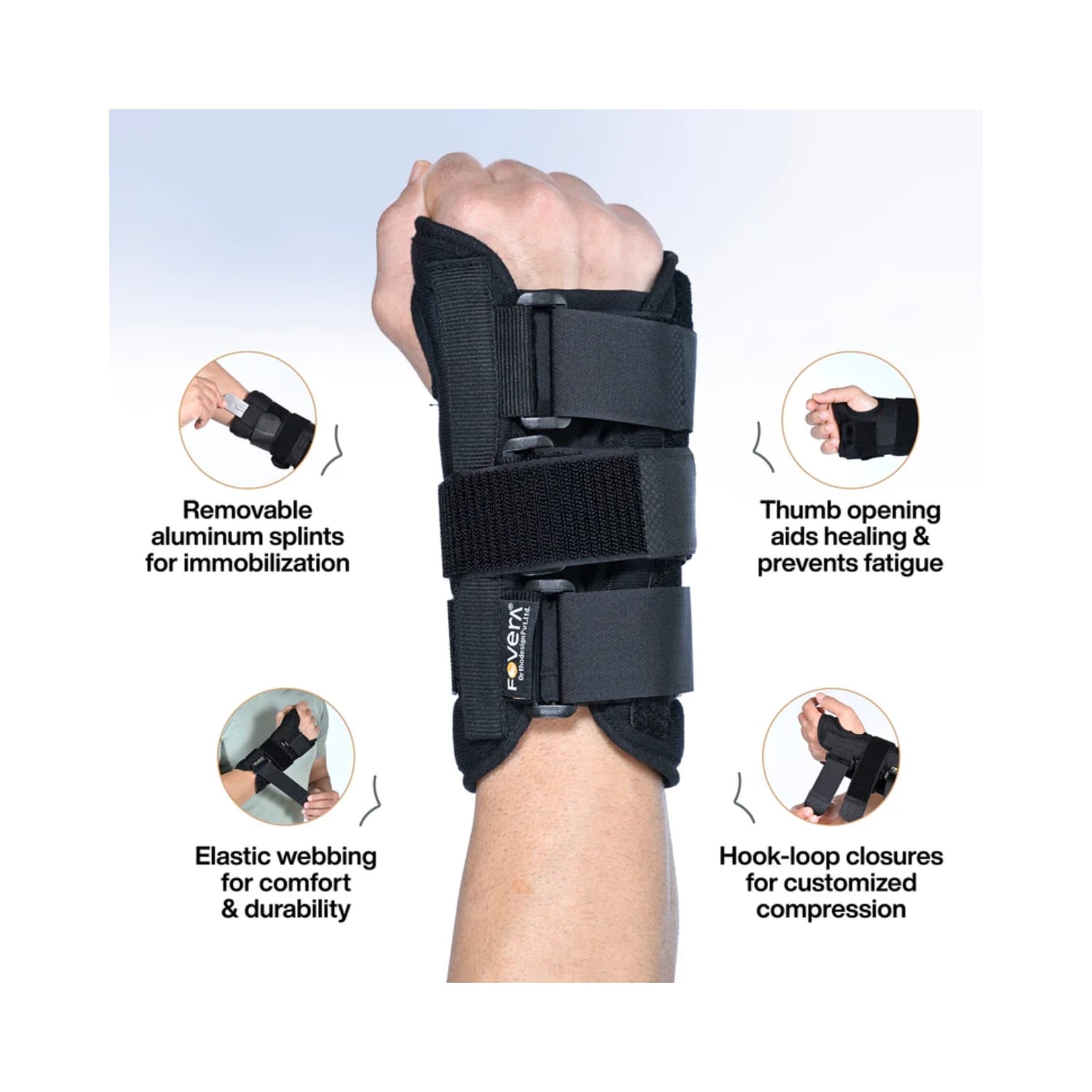
Fovera Wrist Splint Brace for Carpal Tunnel Right Hand (Small / Medium)
Fovera
₹699₹699


Provides firm support.
Partially immobilizes the wrist.
Adjustable Velcro for snug fit.
Comes with malleable metal splint.
Reduces pain in the injured spot.
Available in black and beige colours.
Comes in sizes S,M,L,XL,2XL.
Unique design facilitates the use in both left and right hand by interchanging metal splints in pocket.
Comfortable, reduces pain by delivering firm support to the injured wrist and its supporting muscles.
Designed with special thumb insert hole for comfortable and snug fit.
Promotes faster healing of the wrist post sprains and other minor injuries.
Handwash with mild detergent and water. Dry in flat surface and in shade .
Measure the circumference of the wrist and choose size as per the size chart.
Take out the malleable splint and bent it according to the wrist shape of the wearer.
Now insert the splint and place flamingo elastic wrist splint onto the hand.
Fasten the Velcro for snug fit.
Make sure that the splint is not restricting any movement of fingers.
For single person use only.
Use as per medical advice only.
Do not fasten the Velcro too tight.
Primary Prevention: Suitable for individuals looking to maintain wrist comfort during daily activities, light work, or repetitive tasks — the splint helps provide gentle support, reduce strain, and promote proper wrist alignment, making it an essential part of preventive wrist care.
Secondary Prevention: Ideal for individuals beginning to experience mild wrist pain or stiffness — the splint helps stabilize the joint, limit harmful movements, reduce discomfort, and support gradual recovery as part of corrective care.
Tertiary Prevention: Recommended for individuals with persistent wrist pain, tendonitis, or post-injury recovery — the splint helps maintain consistent support, enhance joint stability, relieve ongoing discomfort, and promote long-term wrist function and rehabilitation when used regularly.

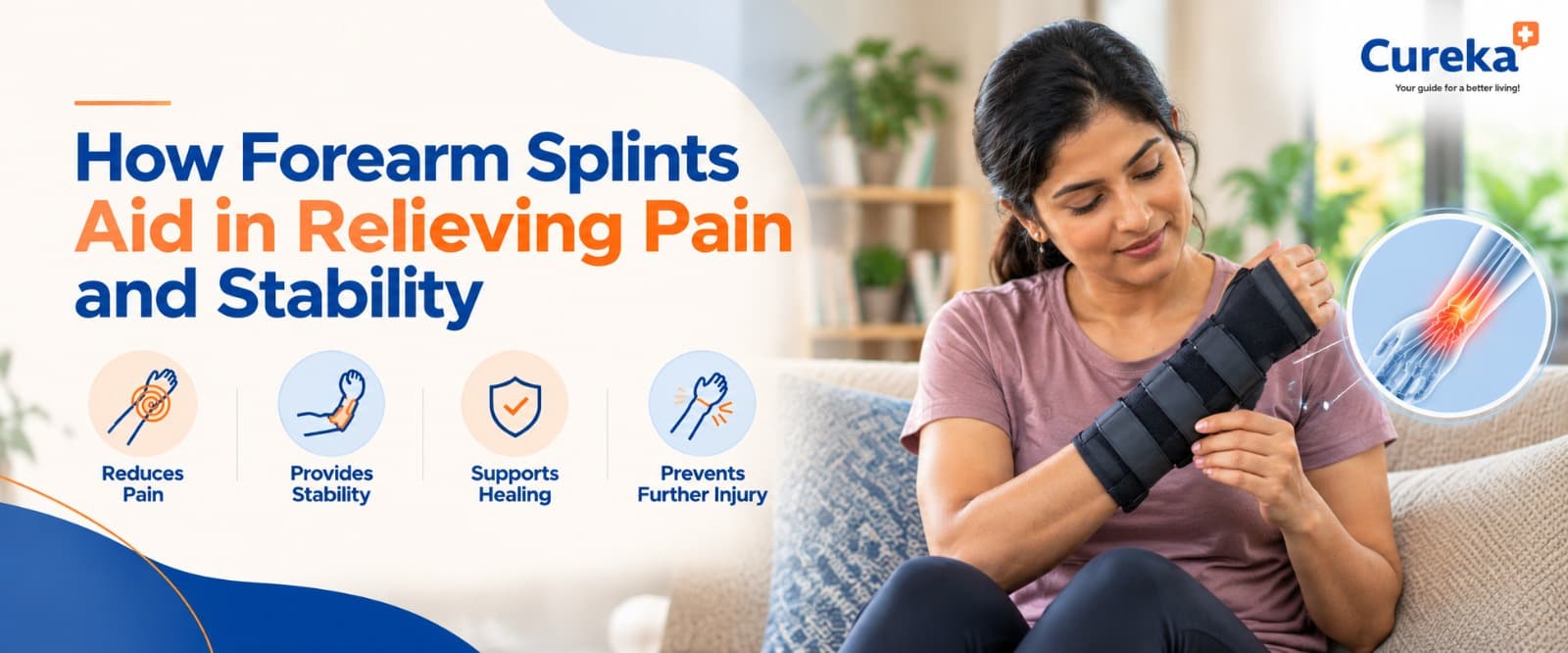
Forearm splints do more than immobilize — they relieve pain, protect injured tissue, and support recovery from sprains, tendinitis, and repetitive strain injuries.
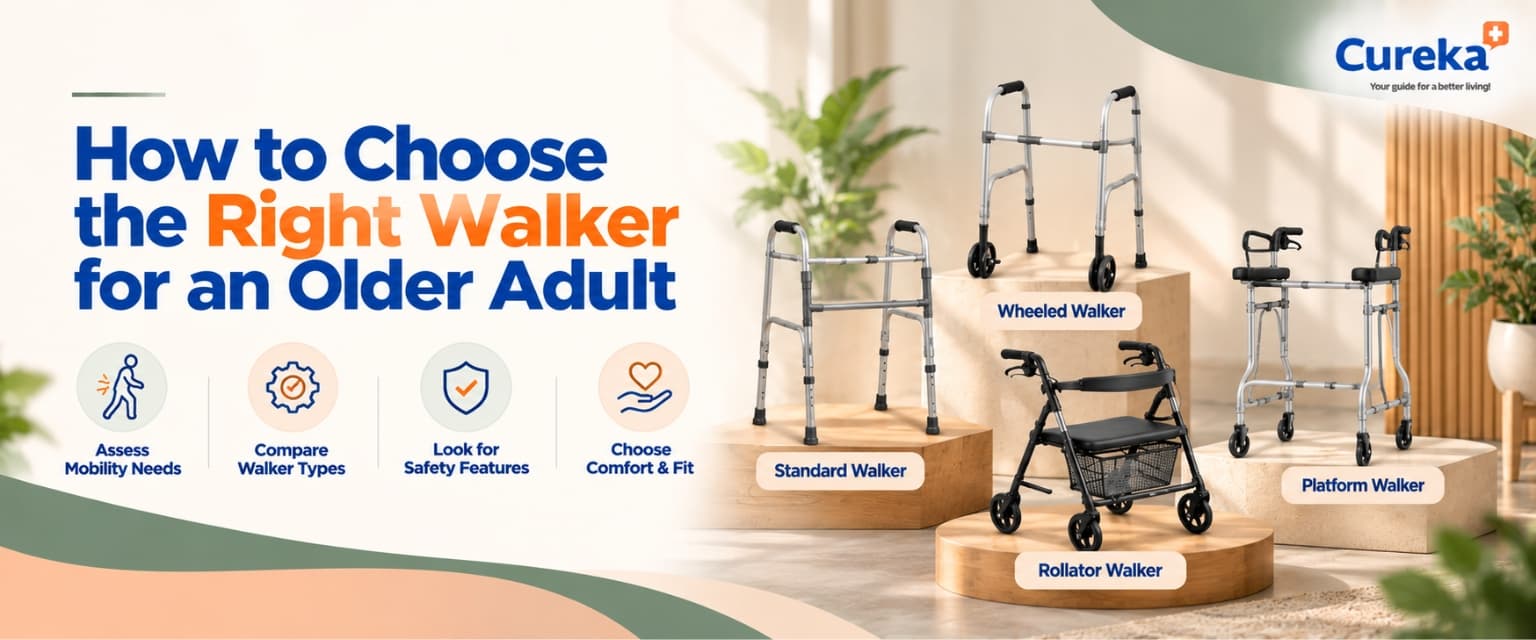
Not sure which walker suits your parent or loved one? An orthopedic surgeon explains how to match walker type, fit, and features to balance, strength, and daily needs.
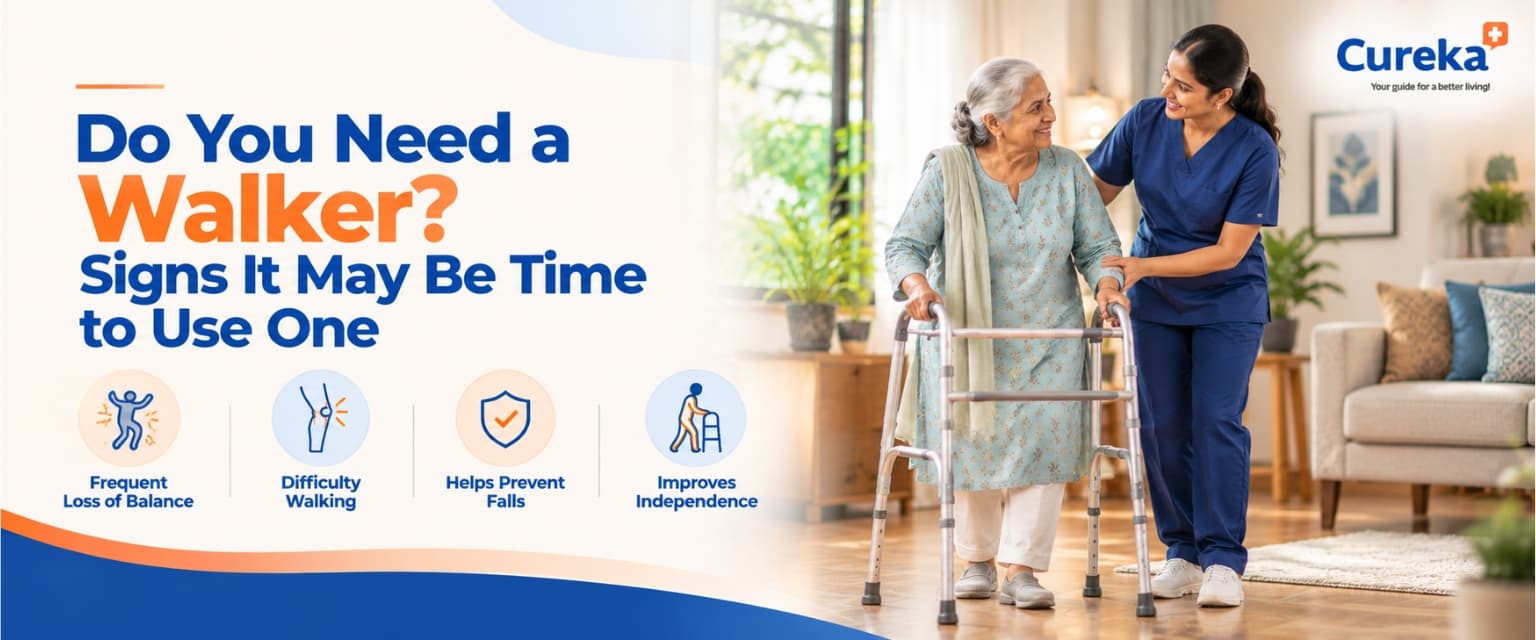
Feeling unsteady or relying on furniture to get around? Find out the signs you may need a walker, who can benefit, and how to use one safely.
Using crutches the wrong way can slow your recovery. Learn proper fitting, posture, and walking techniques to move safely and avoid strain while healing.