


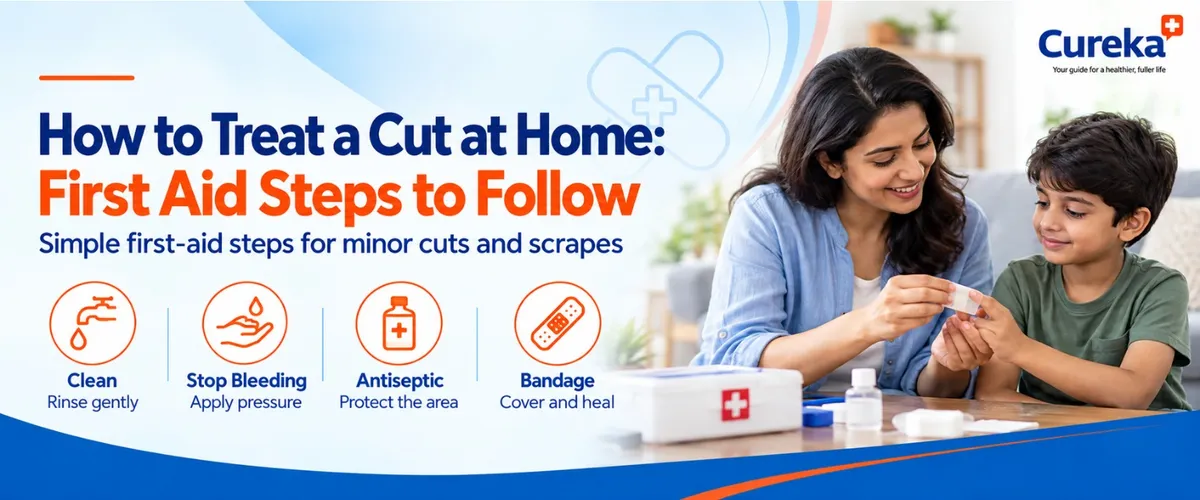
A kitchen knife can slip while you chop vegetables. A child may return home with a scraped knee. A sharp edge may catch your finger while you do a household task. Minor cuts and grazes happen often. Knowing how to treat a cut at home can stop infection and help the cut heal well.
The first few minutes are important. Washing hands, stopping bleeding, removing dirt and covering the cut can often be enough for a simple cut. However not every cut should be treated at home. Deep cuts, cuts that keep bleeding, animal bites and cuts with embedded objects may need medical help.
This guide shows the steps of first aid for cuts, what should not be put on an open cut and when it is safer to see a doctor.
What Counts as a Minor Cut?
Before starting home treatment take a moment to look at the cut.
A minor cut is generally:
The cut is small and shallow.
The cut does not bleed heavily or continuously.
The cut does not contain dirt or foreign objects.
The cut does not cause loss of feeling or movement.
The cut is not caused by a bite or puncture.
A cut that is deep open, heavily dirty or hard to clean may need a professional check even if it looks easy at first.
Why Proper First Aid for Cuts Matters
The skin is the body’s barrier against germs. When the skin is broken dirt and germs can enter the cut.
Good cut care has two goals: stopping bleeding and keeping the cut clean and covered while the skin heals. Bad cut care can raise the risk of infection and slow healing. Sometimes leave a larger scar.
The good news is that first aid for cuts does not need to be hard. Knowing a few steps and having essential supplies at home can make small injuries easier to manage.
Step 1: Wash Your Hands Before Touching the Wound
Before giving aid for a cut wash hands well with soap and clean running water.
This step can be missed when a cut bleeds. It is important. Clean hands lower the chance of adding dirt and germs to the cut.
If soap and water are not available an alcohol-based hand sanitizer can clean hands.. Do not pour sanitizer into the cut.
Step 2: Stop the Bleeding
For small cuts bleeding can be stopped with direct pressure.
Place a cloth, sterile gauze or clean dressing over the cut. Apply firm steady pressure. Keep the pressure steady by lifting the dressing to check the cut. If blood soaks through, put another dressing over the first one instead of taking it off.
Most small cuts should stop bleeding after minutes of steady pressure.
Seek medical help if the bleeding is heavy, spurting or does not stop even with steady direct pressure.
If the cut is on an arm or leg keeping the limb up may help. Steady pressure is the most important step for stopping bleeding.
Step 3: How to Clean a Cut Properly
After the bleeding stops, cleaning is one of the important parts of treating a small cut.
How to clean a cut:
Rinse the wound with running water. This helps wash dirt and other contaminants.(1)
Clean the surrounding skin with soap and water. Try not to work soap into the wound.
Remove dirt gently. Clean tweezers can be used for debris that is easy to grasp.
Do not dig into the wound. If dirt, glass, metal or another object is deeply embedded, leave it in place. Seek medical attention.
Pat the surrounding area dry using gauze or a clean cloth.
There is no need to scrub a wound aggressively. Excessive rubbing can irritate injured tissue and may cause the wound to start bleeding again.
What should you not put on a cut?
Some traditional home remedies may seem harmless. They are not appropriate substitutes for proper wound cleaning.
Avoid applying turmeric, ash, toothpaste, coffee powder, soil or other household substances to an open wound. They may contaminate the wound. Make proper cleaning more difficult.
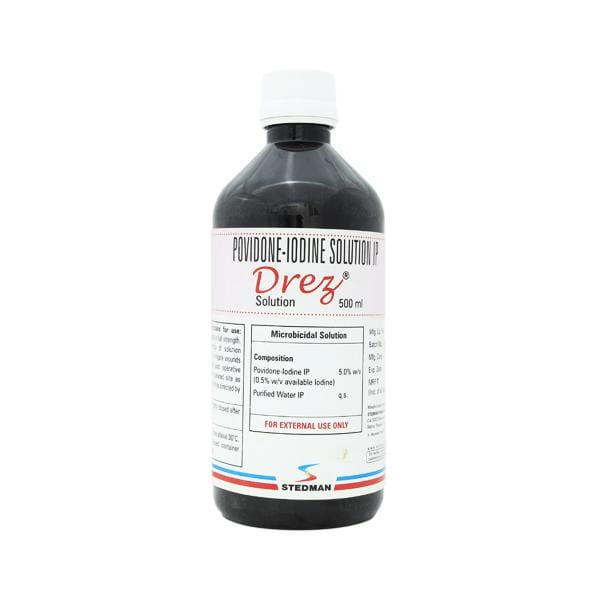
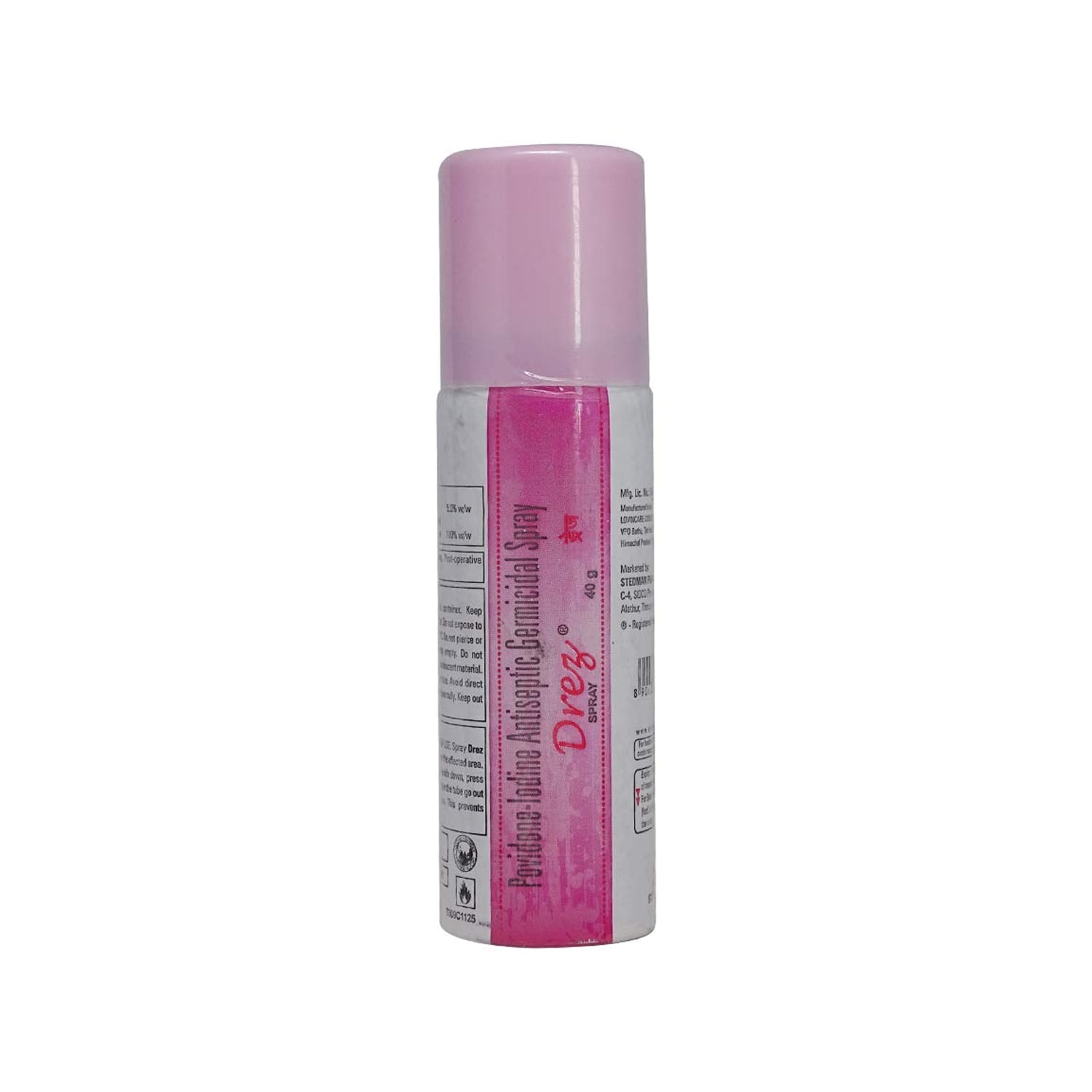
Similarly strong disinfectants such as alcohol or hydrogen peroxide should not routinely be poured into an open wound because they can irritate or damage healthy tissue.
Step 4: Protect the Wound
After cleaning gently pat the surrounding skin dry. Protect the wound with an appropriate dressing.
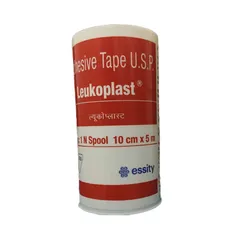
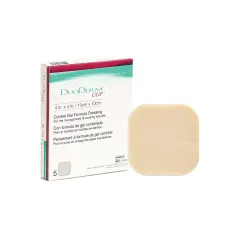
For a cut you can use a sterile adhesive bandage. For a superficial wound sterile gauze secured with medical tape may be more appropriate.
Keeping a wound covered can help protect it from:
Dirt and bacteria
Friction from clothing
Repeated scratching or touching
Further injury
Change the dressing when it becomes wet or dirty or according to the instructions for the dressing. While changing it, wash your hands first. Check the wound for any changes.
For wounds that're likely to rub against clothing or be exposed to dirt keeping them appropriately covered can be particularly useful.(2)
Step 5: Keep Watching the Wound
First aid doesn't end once the bandage goes on. Cut wound care also means checking the wound as it heals.
Some mild redness around a cut can occur as part of the normal healing response. However increasing or spreading redness, swelling, warmth, worsening pain or pus can be warning signs of infection.
Look out for:
Redness that continues to spread
Increasing swelling or warmth
Pain that becomes worse than better
Pus or cloudy discharge
A foul smell
Fever or feeling generally unwell
Red streaks extending away from the wound
If these symptoms develop, contact a healthcare professional rather than continuing to rely solely on home treatment.
Step 6: Check Your Tetanus Protection
Tetanus is an infection caused by bacteria that can enter the body through broken skin particularly through contaminated or puncture wounds.
Whether a tetanus booster is needed depends on factors such as the type of wound when the person's previous tetanus vaccination was given and their vaccination history.
A dirty deep or puncture wound deserves attention. If you are unsure when the last tetanus vaccination was given, speak with a healthcare professional rather than guessing.
First Aid for Cuts in Children Adults and People With Diabetes
The basic principles of first aid for cuts are similar but some people may need closer monitoring.
Children
Children may become frightened when they see blood. Keep them calm while you wash your hands and assess the injury. Small cuts can usually be. Covered at home if they meet the criteria for a minor wound.
Check the dressing regularly particularly if the child is playing outdoors or tends to pick at the wound.
Older adults
Older skin can be more fragile and may be injured easily. Adhesive dressings should be removed gently to avoid pulling on skin.
Monitor healing carefully especially if the person has conditions or takes medicines that may affect wound healing or bleeding.
People with diabetes
A small wound can require more careful monitoring in people with diabetes because diabetes can affect circulation, sensation and the body's ability to heal.
Do not ignore a wound that is becoming more painful, red, swollen or slow to heal. When in doubt consult the person's healthcare professional.
When Should You Not Treat a Cut at Home?
Knowing how to treat a cut at home also means knowing when not to.
Seek medical attention if:
Bleeding does not stop with sustained direct pressure
The wound is deep or widely separated
You can see deeper tissue such as fat, muscle or bone
The cut was caused by a bite
There is an embedded object
The wound is a deep puncture
There is significant loss of sensation or difficulty moving the affected area
The wound is heavily contaminated and cannot be properly cleaned
There are signs of infection
The injury involves the eye or another sensitive area
A wound that may require stitches or other medical treatment should be assessed as soon as possible. Trying to close a contaminated wound yourself can increase the risk of complications.
Common Mistakes to Avoid When Treating Minor Cuts
Common mistake | What to do instead |
|---|---|
Pouring alcohol into the wound | Rinse with clean, running water |
Applying turmeric, ash or other household substances | Keep the wound clean and use an appropriate dressing |
Scrubbing the wound aggressively | Clean it gently |
Removing a dressing that has stuck by force | Moisten it gently to help loosen it |
Constantly touching the wound | Wash your hands before wound care and avoid unnecessary contact |
Ignoring worsening redness or swelling | Monitor healing and seek medical advice if symptoms worsen |
Assuming every cut can be treated at home | Assess the depth, bleeding, contamination and cause of the injury |
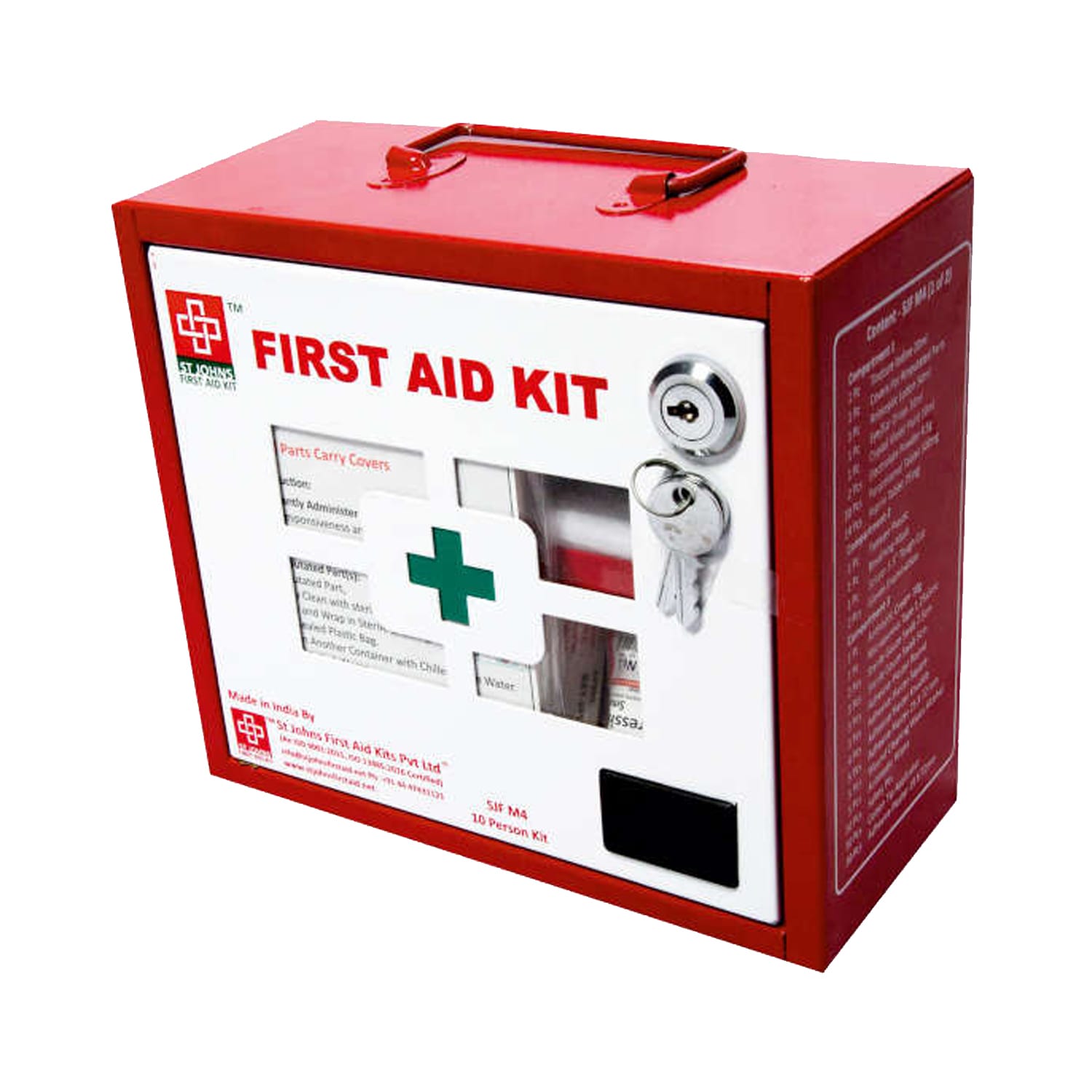
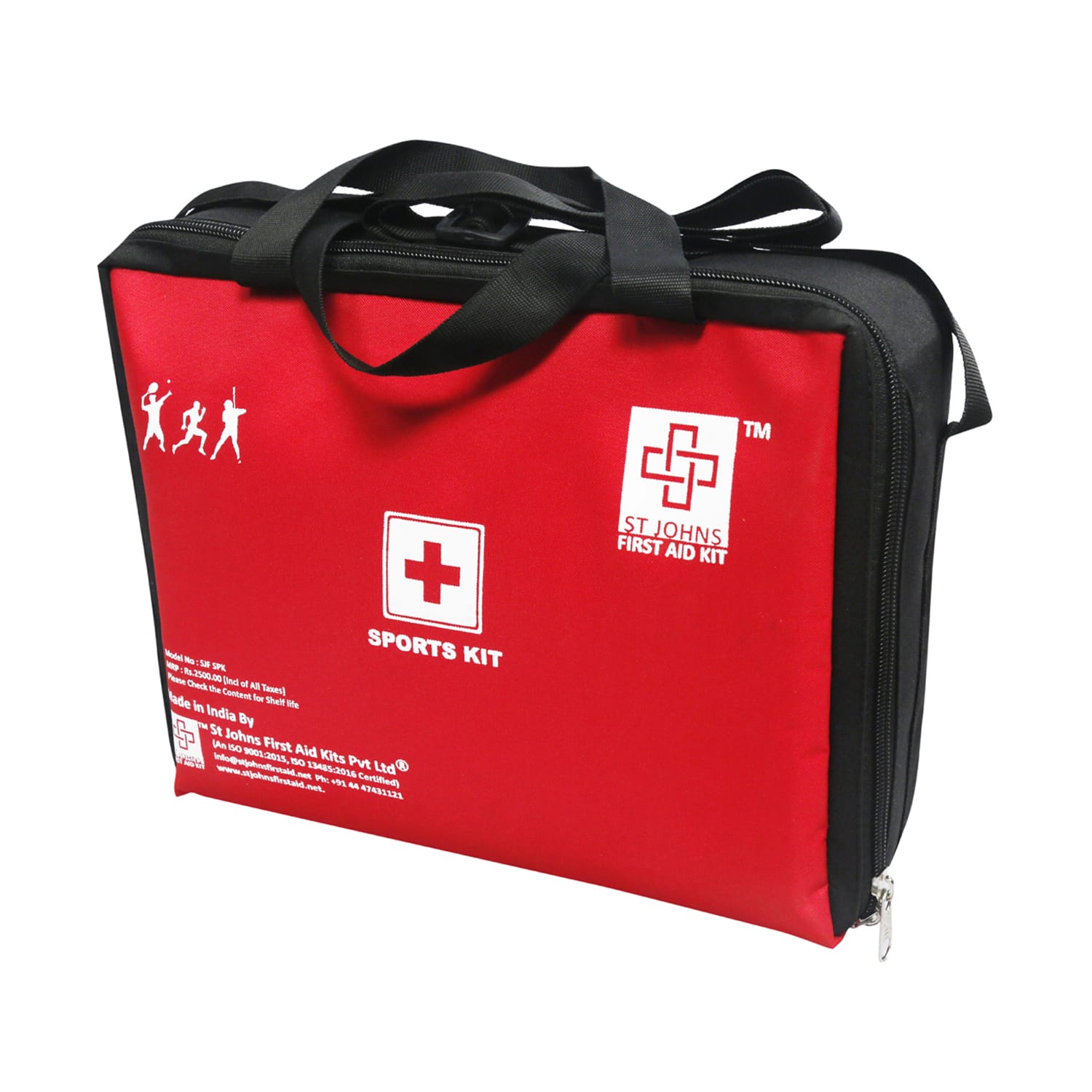
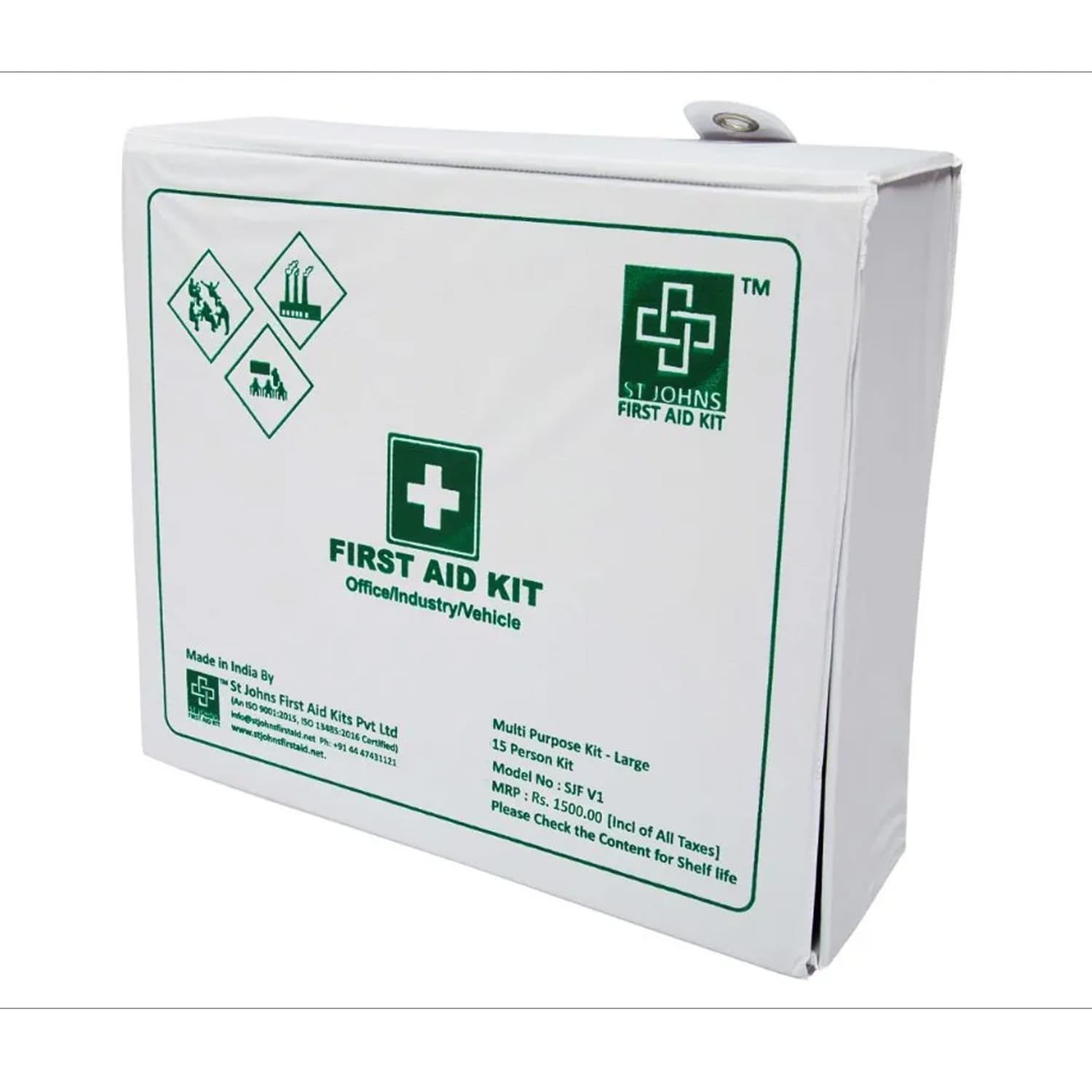
What Should You Keep in a Home First Aid Kit?
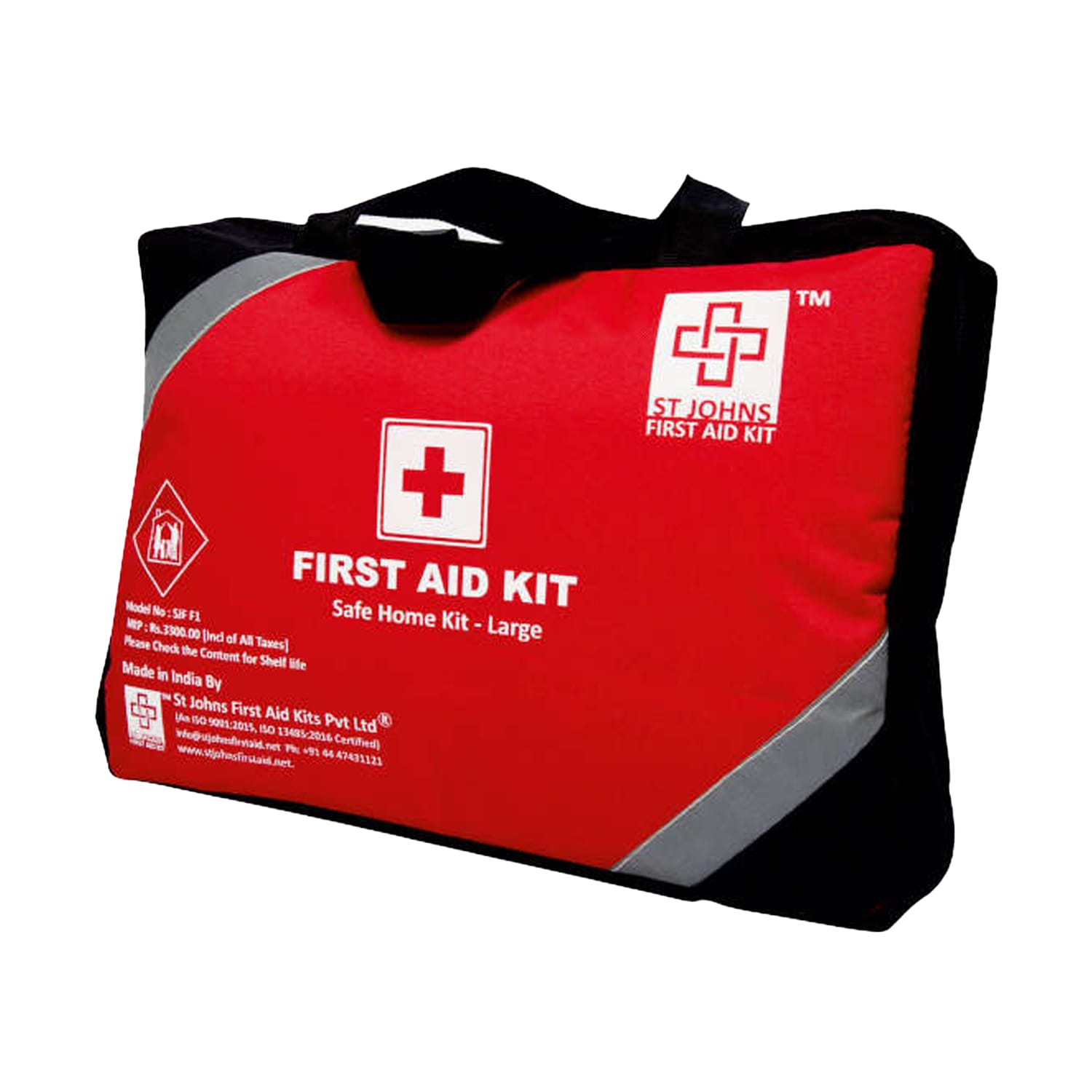
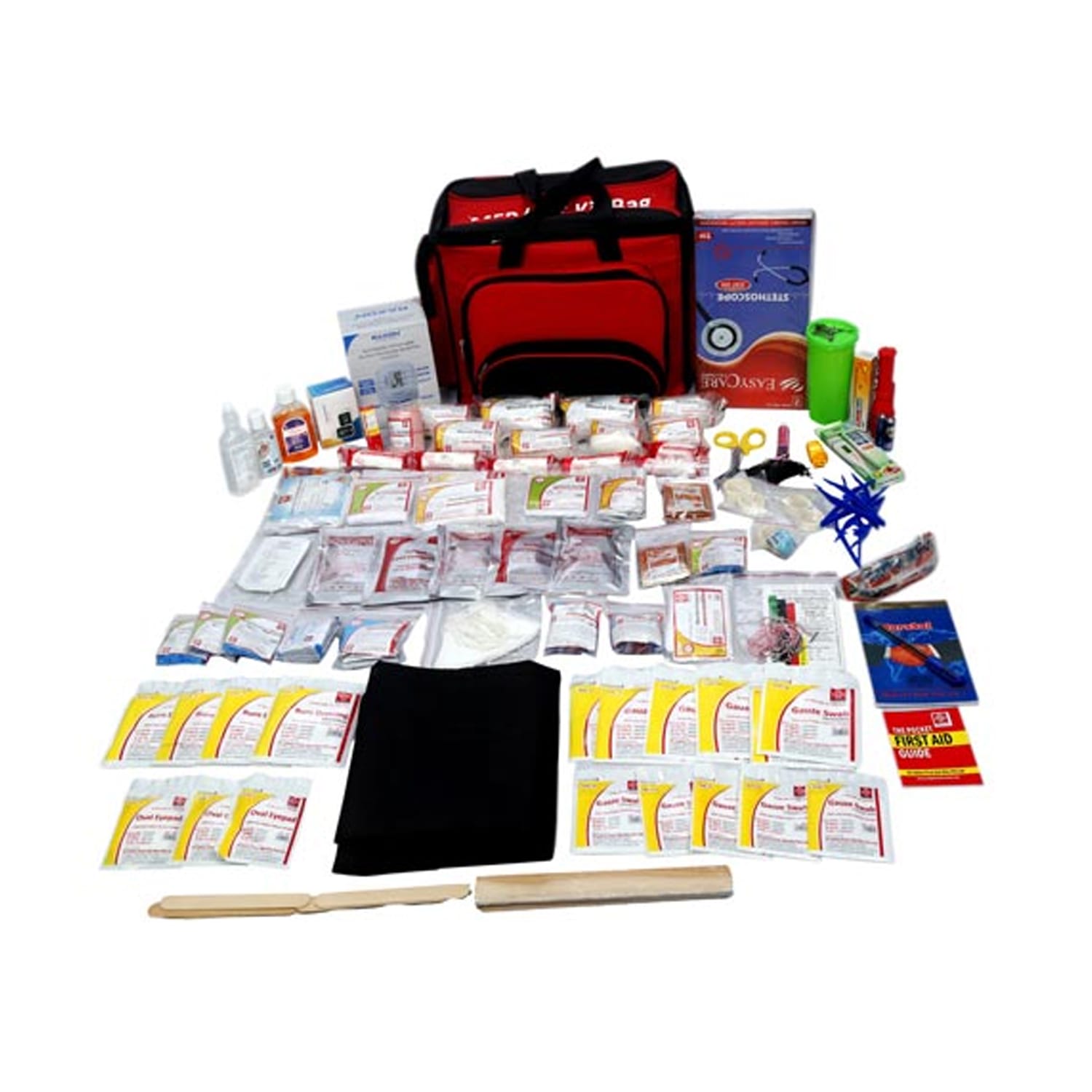
You don't need something complicated for first aid when dealing with wounds. A simple home kit can have:
Sterile gauze pads
bandages in different sizes
Medical tape
Clean disposable gloves
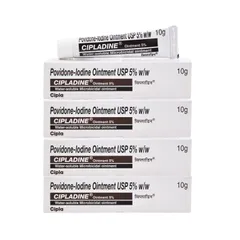
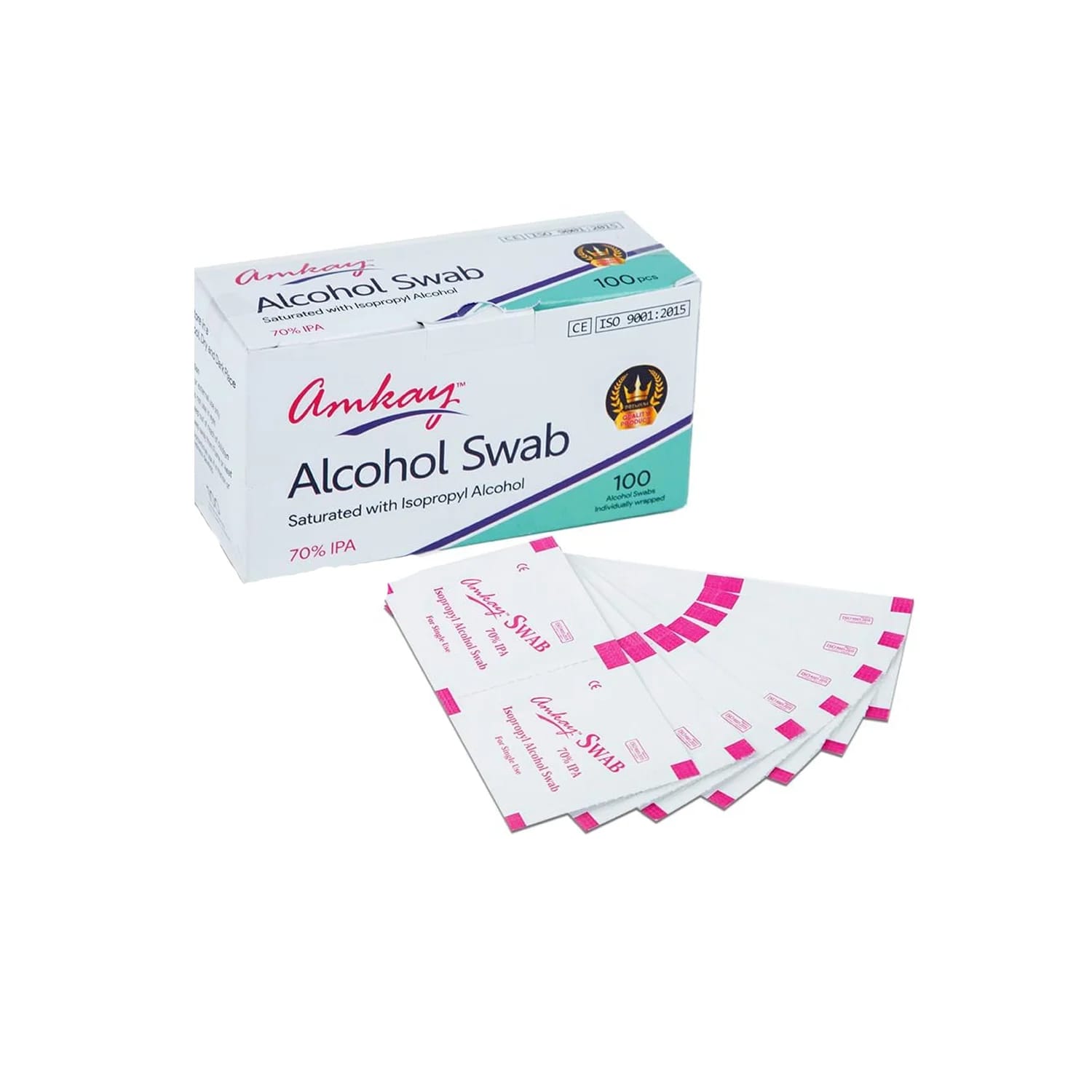
Antiseptic wipes for cleaning hands or surfaces where needed
Small scissors
Tweezers
A digital thermometer
Saline or other proper supplies for cleaning wounds
Having these things all in one place means you don't have to look through drawers when someone is already hurt.
At Cureka our first-aid essentials are chosen by doctors. These everyday healthcare items help families have supplies ready at home. You can check our Healthcare Devices collection, for products that can help your family with health needs.
Conclusion
The main points for treating a cut at home are: keep your hands clean, stop the bleeding, rinse the cut well, cover it with a dressing and watch for signs of infection.
As important, I do not think home care is always enough. If a cut keeps bleeding is deep or wide. Is a bite puncture or has an object stuck inside or if it looks infected you need a professional.
Keeping a first aid kit at home helps you stay calm when a cut happens. If you are not sure whether a cut is really minor, ask a doctor first. It is safer than guessing.
For more doctor-written guidance on everyday health concerns, explore our Health Reads blog, where our medical experts break down topics families search for most
Disclaimer: This information is for learning only and does not replace the advice of a health professional. If you have bleeding a deep wound, a bite, an object stuck inside or signs of nerve or tissue damage or infection see a doctor right away.
References:
Water for wound cleansing - 2008 Jan - https://pubmed.ncbi.nlm.nih.gov/18254034/
Management of minor acute cutaneous wounds: importance of wound healing in a moist environment - 2011 Feb - https://pubmed.ncbi.nlm.nih.gov/20626534/