



Wheelchairs may assist individuals with limited mobility in moving around more comfortably. Nevertheless, the choice of the correct type of wheelchair is crucial since there are various types of wheelchairs intended to fit certain kinds of mobility, environment and support needed.
One of the most frequent questions is whether to choose a manual or an electric wheelchair?
A manual wheelchair requires the effort of either the user or caregiver to move it, but an electric wheelchair is driven by an electric motor that is run by a battery. Mobility needs, muscle strength in the upper body, usage frequency, transportation, comfort, and surroundings are some of the key considerations when deciding on one.
This article discusses the distinction between manual and electric wheelchairs, their advantages, wheelchair types, and the key considerations before purchasing one.
What Is a Manual Wheelchair?
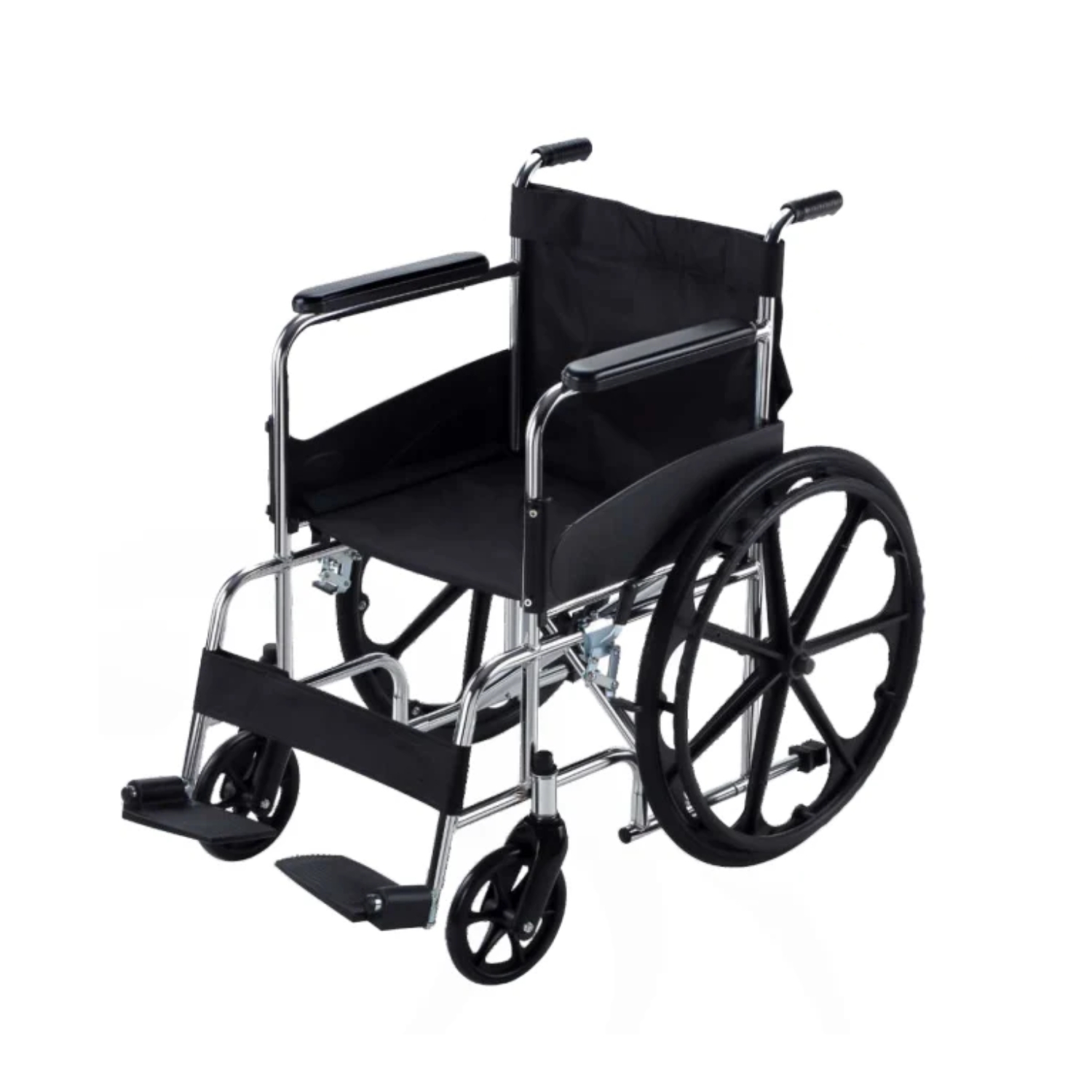
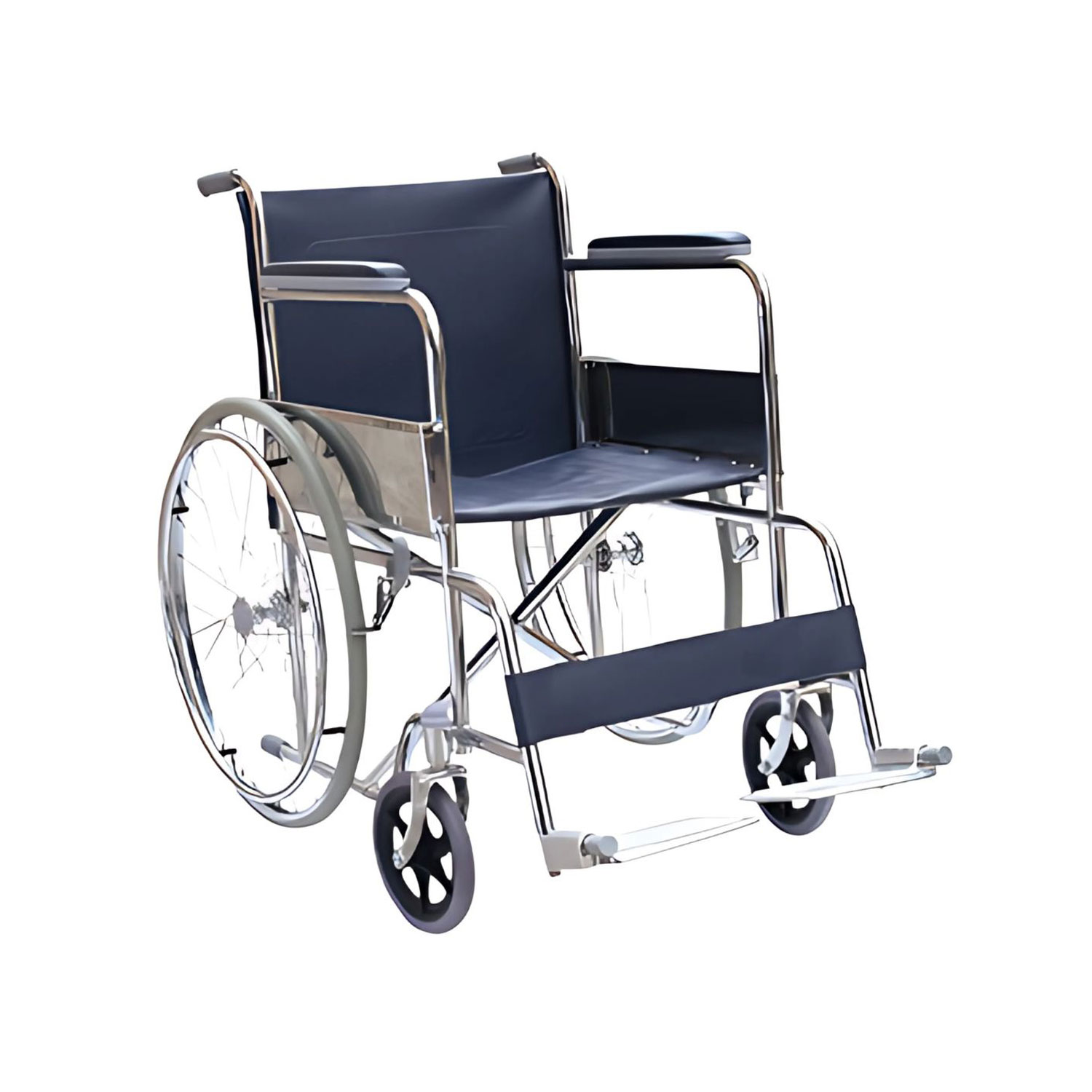
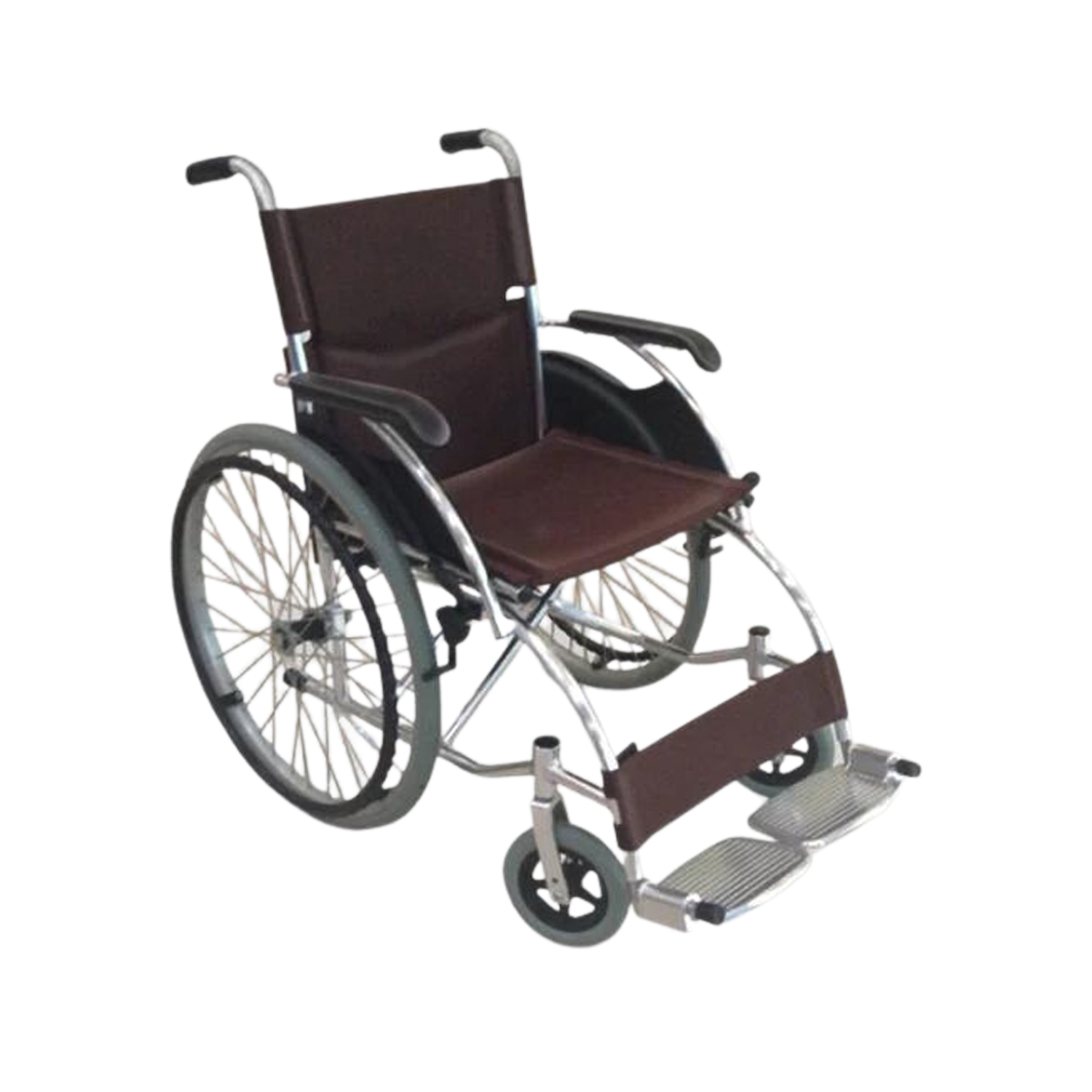
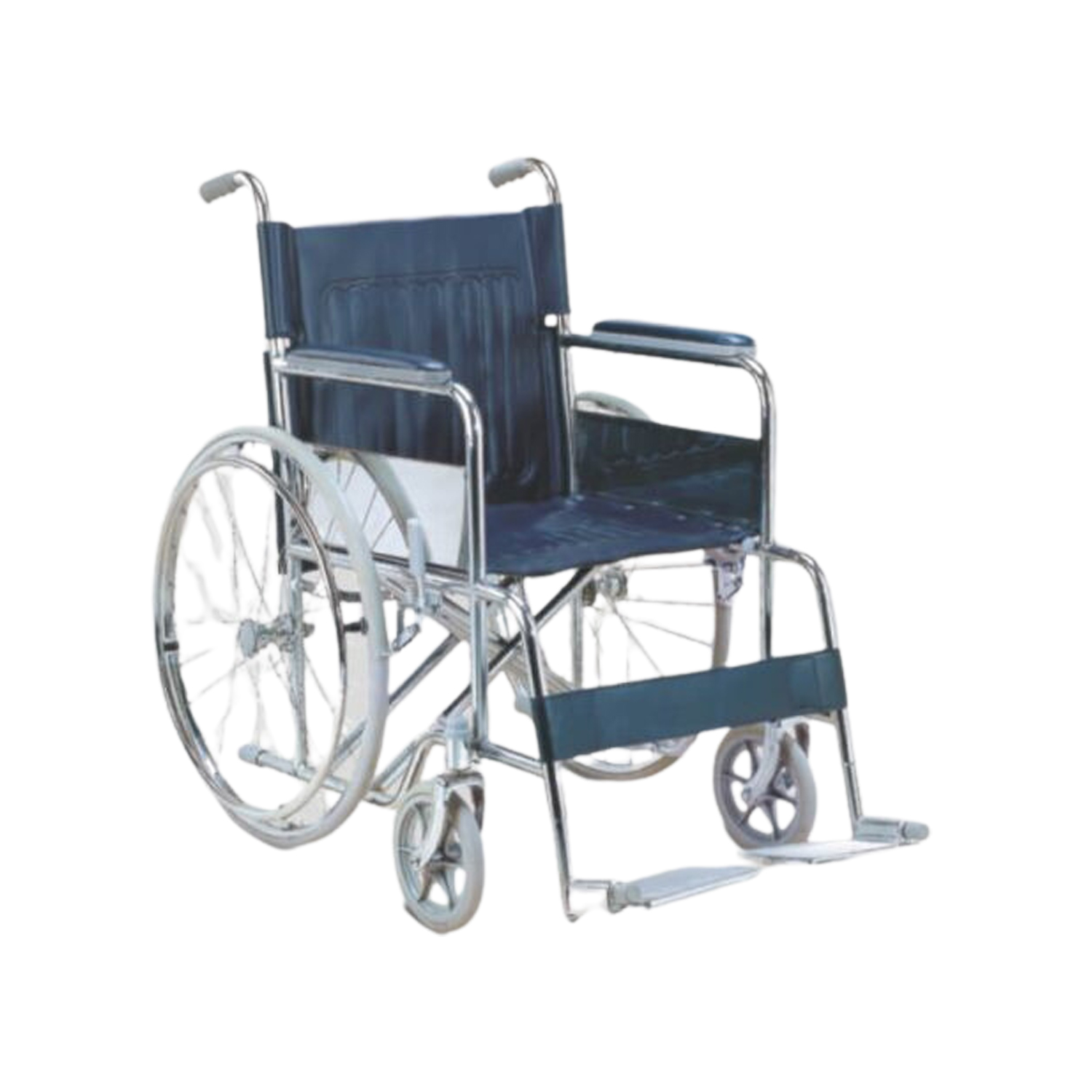
Manual wheelchairs are mobility aids which move through the efforts of the individual himself/herself or through the efforts of someone else like a caregiver.
In self-propelled manual wheelchairs, the rear wheels tend to be bigger since the wheelchair user pushes them using his/her hands. In transit or attendant-propelled wheelchairs, the rear wheels tend to be smaller because the wheelchair is usually pushed by another person.
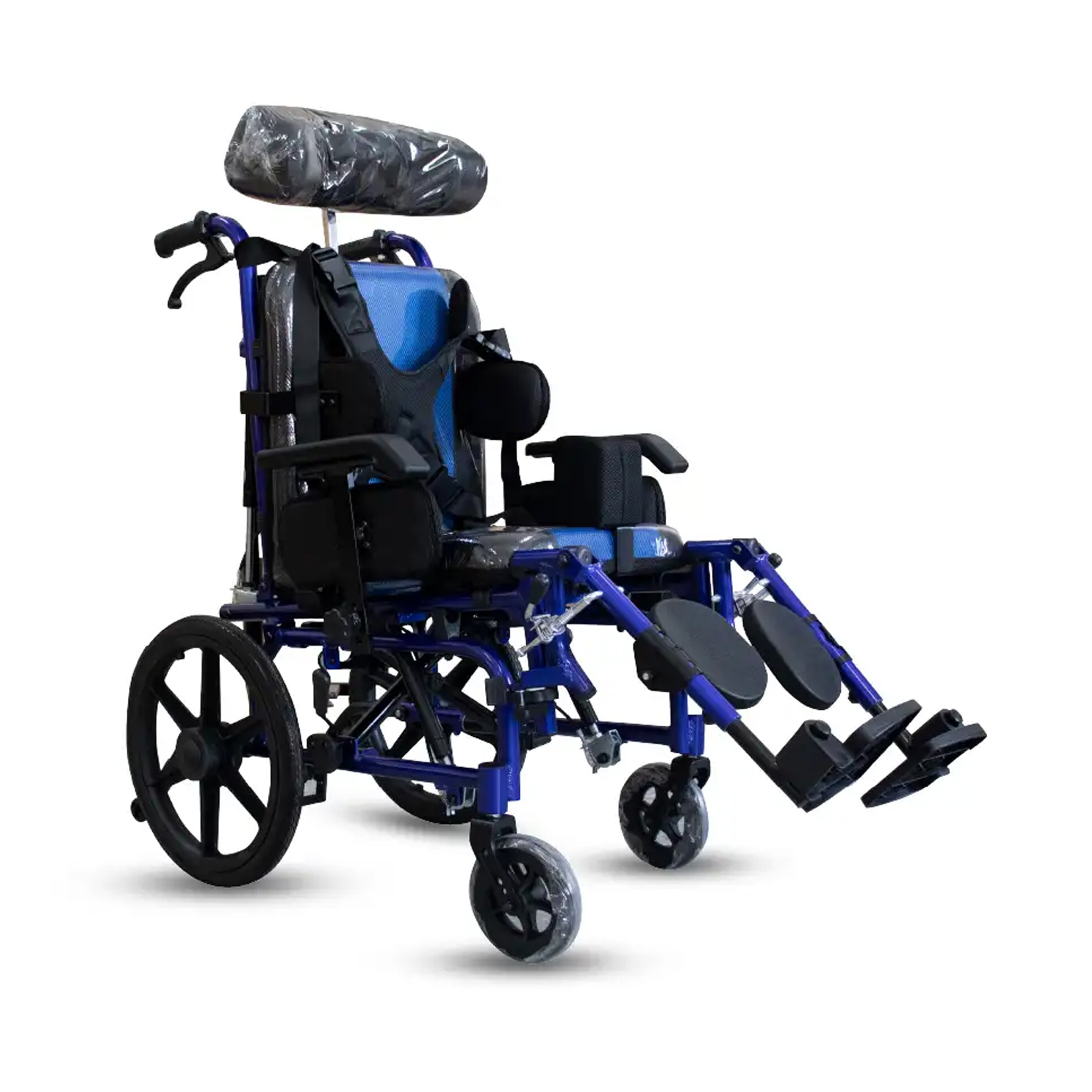
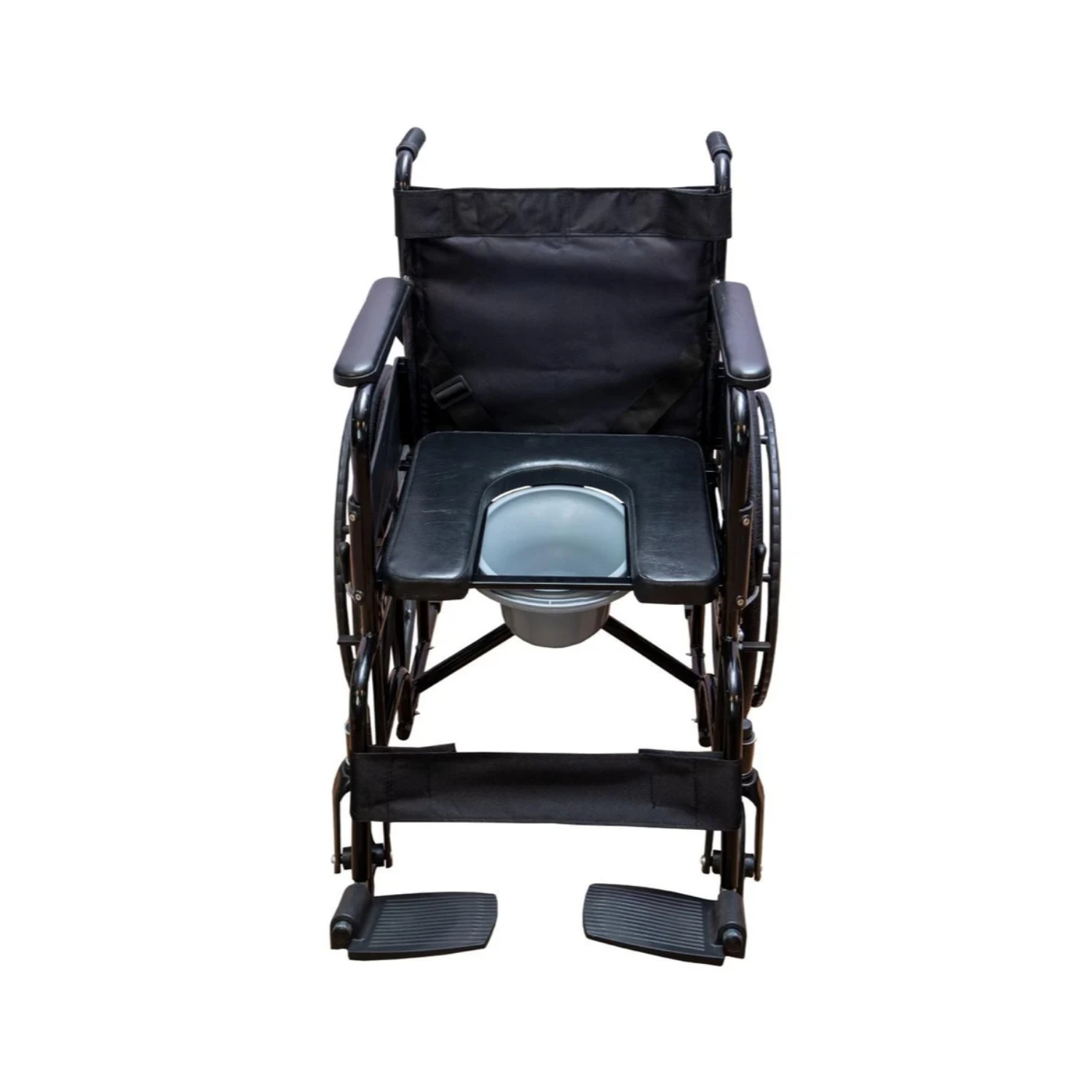
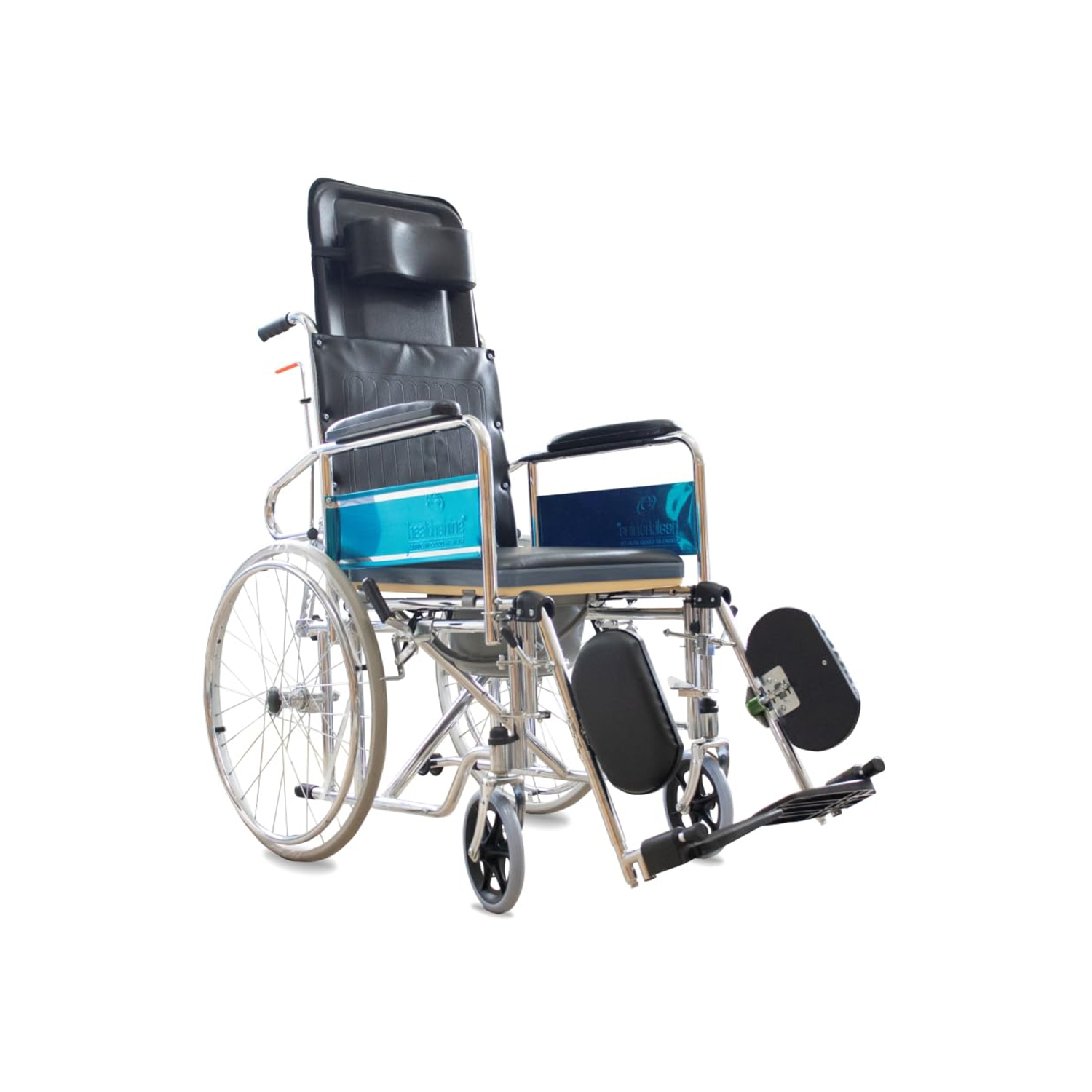
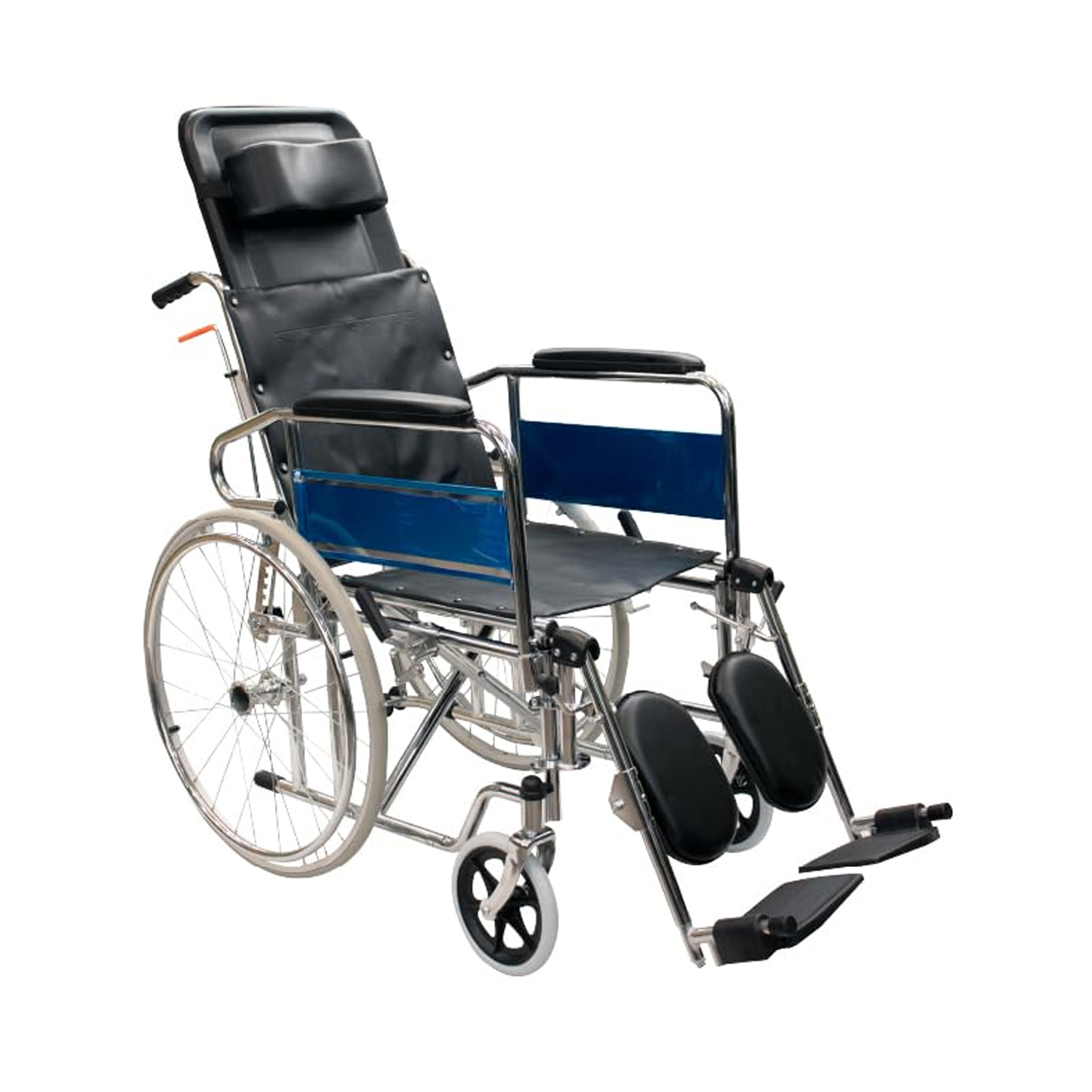
There are various manual wheelchair models such as regular, light weight, transport, reclining, etc. They may be good for those individuals who can push them by themselves or there is somebody who can help them in that regard.
What Is an Electric Wheelchair?
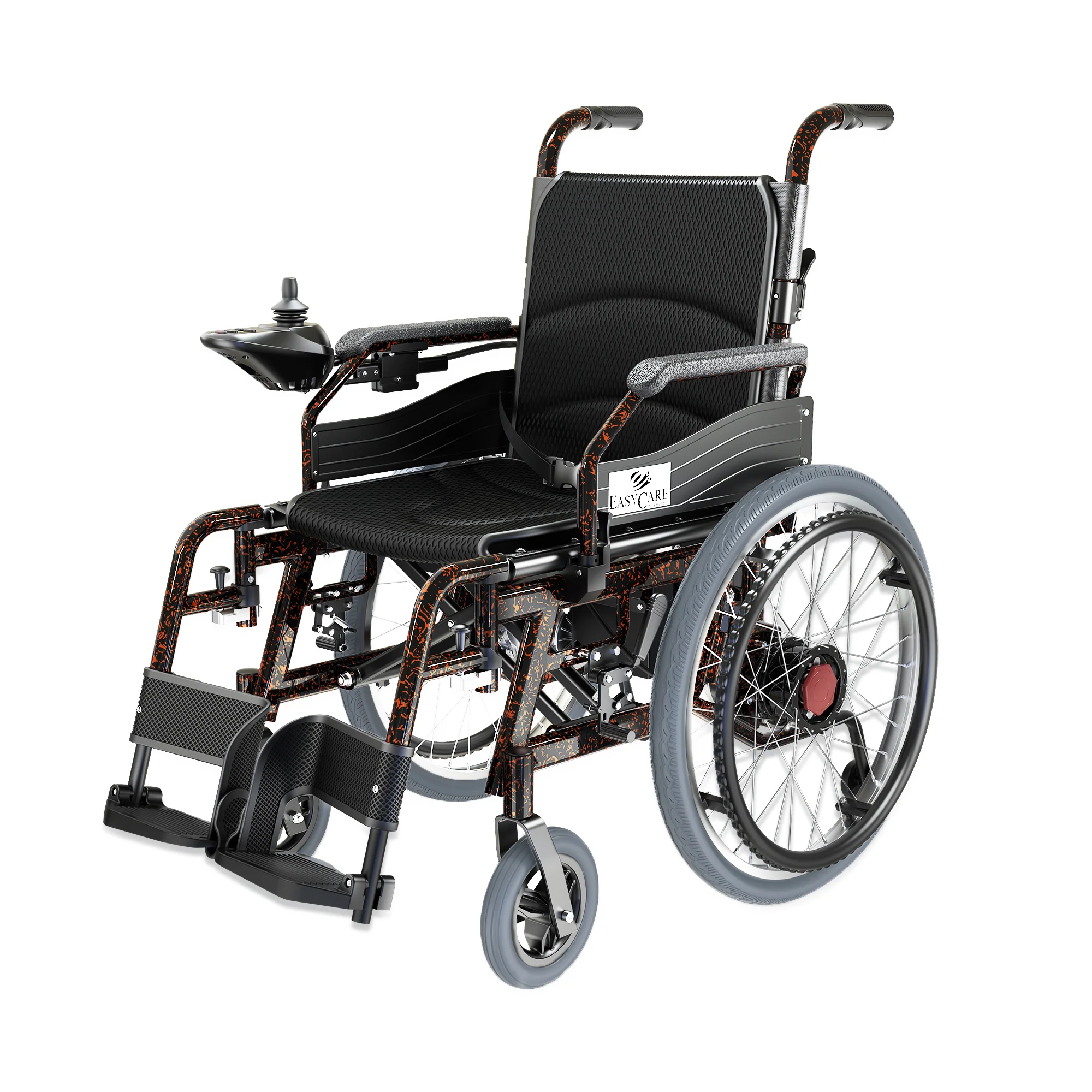
The electric wheelchair, also referred to as a power wheelchair, is a motorized wheelchair driven by electricity from a battery.
Most electric wheelchairs have joysticks for their control system, but there are some alternative control systems depending on the wheelchair type and the user's preference.
Using powered wheelchairs reduces the amount of physical effort needed in moving and can enable more independence in people who cannot move themselves using manual wheelchairs. However, the right control system needs to be determined based on the ability and needs of the user.
Manual vs Electric Wheelchair: How Are They Different?
Interested to know what sets apart a manual wheelchair from an electric wheelchair?
Well, the difference lies in the means of powering the wheelchair. (1)
Manual wheelchair:
User or caregiver → Pushes wheelchair → Wheels move
Electric wheelchair:
Battery → Motor → Controller/joystick → Wheels move
Manual wheelchairs usually need the exertion of physical energy by the patient or his/her attendant, whereas electric wheelchairs employ a motor for locomotion.
However, the decision should not solely depend on whether the wheelchair is manual or powered. The individual's ability to move, living quarters, purpose of the device, and operation of the chair should also be taken into account.
Who May Need a Wheelchair?
The wheelchair can be an appropriate solution for people who find it difficult to walk or those who are unable to walk safely for distances needed for their activities.
A wheelchair is recommended for:
Individuals with limited mobility
Injured individuals recuperating from particular injuries or surgeries
The elderly who find it difficult to walk
Long-term mobility impaired individuals
Those who cannot safely propel themselves and need power mobility
Individuals that require additional assistance for day-to-day movement indoors or outdoors
Not all people who have trouble with walking need the same kind of wheelchair. An expert evaluation will assist in determining which wheelchair is needed. (2)
Manual Wheelchair Benefits
Wheelchair with manual propulsion could be a feasible choice for many.
Easy to Transport
Most manual wheelchairs can be folded or even dismantled to facilitate ease of storage and transportation inside a car. A light weight one might come in handy especially if the wheelchair will be lifted repeatedly.
No Battery Required
The manual wheelchair does not need to be charged. This can make it more convenient to use in instances when one is traveling for a short distance.
Suitable for Caregiver Assistance
If the caregiver is assisting the patient on a consistent basis, then a manually propelled wheelchair is an easy method of getting around.
Different Options Available
A manual wheelchair is either in a standard form, lightweight, self-propelled, or even specialized. It could also have features such as reclining or tilt in space seating.
Potentially Easier Maintenance
Since there is no motor or battery system in the manual wheelchairs, they might have fewer parts which would need maintenance.
Nonetheless, moving a manual wheelchair by oneself requires strength, coordination, and endurance. It might not suit an individual who finds it challenging to propel himself or herself manually.
Electric Wheelchair Benefits
Electric wheelchairs have the potential to provide power-driven mobility for those who may find themselves unable to operate a manual wheelchair.
Less Physical Effort
Movement is provided by the motor, which reduces the manual labour of the person using it.
Can Support Independent Mobility
Where the patient cannot self-propel himself manually in a wheelchair but can safely operate the power controls, then the power wheelchair is preferable.
Useful for Regular Mobility
Individuals who rely on a wheelchair for most of their daily activities may need a wheelchair that is tailored to meet their particular mobility requirements.
Different Control Options
While many powered wheelchairs have a joystick to operate them, there may be other options for controls, based on the physical capabilities of the person who needs the chair and its configuration.
Additional Seating Features
Depending on the model and need of the user, some electric wheelchairs are designed with positioning options such as powered tilt or other advanced seating options.
Electric wheelchairs tend to weigh more than manual wheelchairs and have to be charged regularly. Transportation and storage need to be taken into consideration when buying an electric wheelchair.
Types of Wheelchairs
There are many types of wheelchairs, each type catering to various needs.
Standard Manual Wheelchair
Manual wheelchair can have either big rear wheels to move around by yourself, or small wheels that require someone else to help you move around.
Lightweight Wheelchair
Lightweight wheelchairs are made to facilitate transportation and portability. Some of them can be disassembled for transportation purposes. The parts that may be removable include rear wheels, armrests, or foot rests.
Transport Wheelchair
Push-type wheelchairs are normally meant to be operated by an attendant. They have various uses such as when making short journeys, going out for walks, among others.
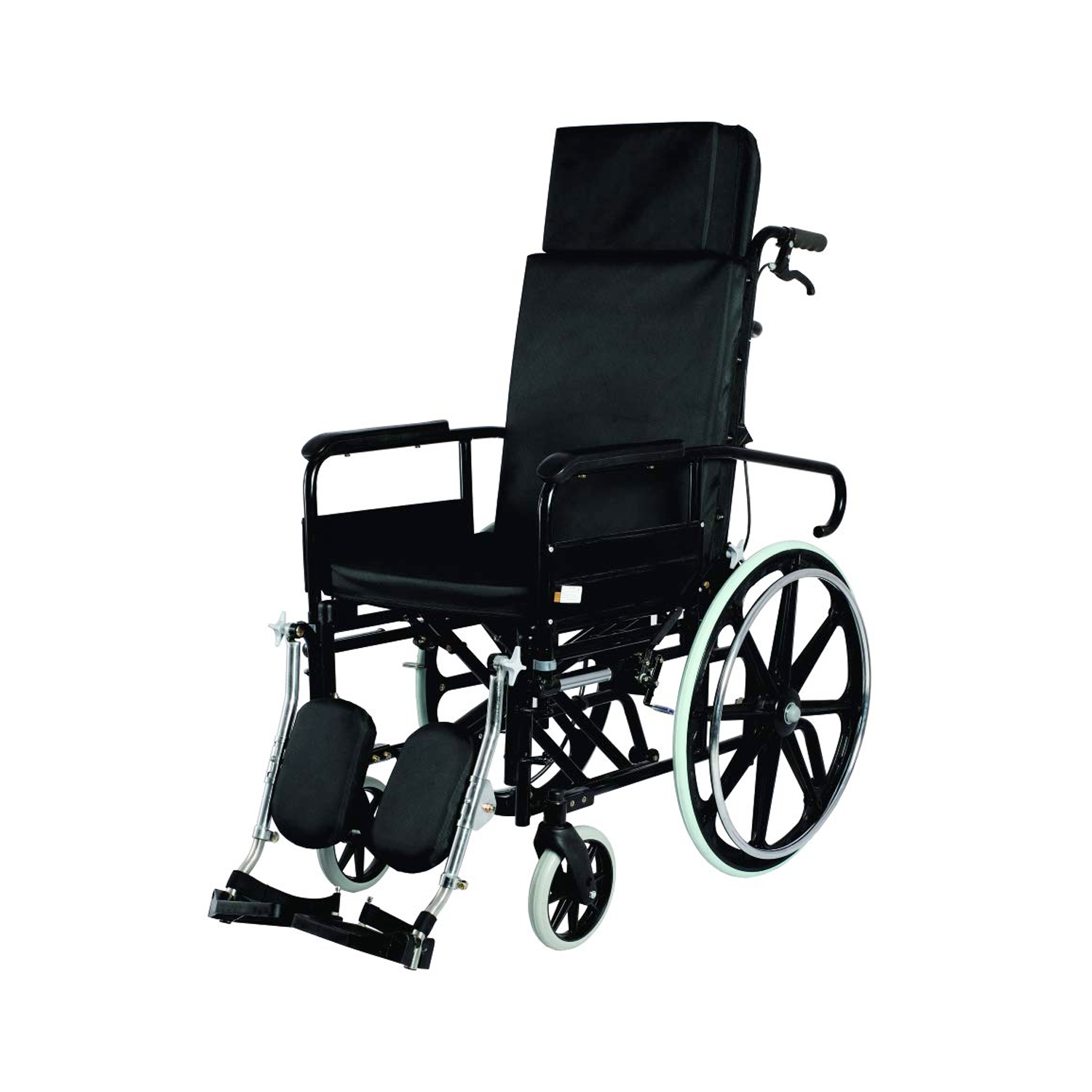
Reclining Wheelchair
These wheelchairs enable the user to recline the backrest as well as have other positioning possibilities.
Tilt-in-Space Wheelchair
The tilt-in-space wheelchair has the ability to tilt backward without moving the person's hips. Tilt-in-space wheelchairs may offer extra postural support to individuals that need extra help with positioning.
Electric Wheelchair
An electric wheelchair is operated using motors that draw their power from batteries. They could either be a simple motorized wheelchair or an advanced wheelchair complete with specialized seating.
How to Choose a Wheelchair
When selecting a wheelchair, keep in mind the mobility requirements of the user and not the price or appearance of the wheelchair. (3)
Step 1: Assess Mobility
Think about the level of assistance that is needed.
Ask:
Can the person move without assistance?
Can he/she self-propel him/herself in a manual wheelchair?
Will someone push the manual wheelchair for the person?
Is the wheelchair going to be his/her main mode of transportation?
The answer to these questions may point to what type of wheelchair the patient requires.
Step 2: Consider Upper-Body Strength
Moving a manual wheelchair is physically demanding.
For individuals who have weak arms, low endurance, or cannot push the wheels consistently, a power-driven wheelchair might be recommended after proper evaluation.
Step 3: Think About Where It Will Be Used
Think about whether the wheelchair is intended for:
Indoor use
Outdoor use
Use on ramps
Use on uneven surfaces
Usage in tight spaces
Elevator usage
Home use
The home environment should be compatible with the wheelchair, particularly for powered models.
Step 4: Check the Wheelchair Size
The wheelchair must have adequate seat width, seat depth, back support, and foot support.
An improper size of the wheelchair may influence comfort and ease of movement.
For individuals who need special seating or positioning assistance, an expert opinion is advised.
Step 5: Consider Transportation
In case the wheelchair has to be moved around often, ensure that its weight, size when folded, and removable parts are considered.
Since manual wheelchairs do not have motors and batteries like electric wheelchairs, they are easier to transport.
Step 6: Check Weight Capacity
Always make sure to confirm the recommended weight limit for a wheelchair before buying one.
The wheelchair should suit the individual's weight and seating needs.
Step 7: Consider Battery Requirements
For an electric wheelchair, consider:
Type of battery
Requirements for charging
Estimated range of operation
Charging time
A source of battery replacement
Service and maintenance facilities
Ensure that the user has a proper place to charge and store the wheelchair.
Step 8: Consider Comfort and Positioning
When using the wheelchair for long durations, comfort becomes very important.
Look at the wheelchair seat, cushions, back supports, arm rests, foot rests and positioning aids.
Individuals with extensive postural or seating requirements might need an extensive wheelchair evaluation.
Common Mistakes to Avoid When Buying a Wheelchair
Selecting the wheelchair because it is cheap or convenient to use will lead to buying an unsuitable product.
Here are some of the common mistakes:
Disregarding the measures: The wheelchair needs to suit the person and their surroundings.
Selection based on weight alone: Lighter weight wheelchairs are easy to transport but may lack the necessary facilities that are needed in the long term.
Ignoring your home environment: Look at doorways, turns, ramps, and storage space prior to buying.
Neglecting transportation: A wheelchair which does not fit in your vehicle can be challenging to use.
Disregard for maintenance: Determine availability of spare parts, maintenance and repair.
Selecting an electric wheelchair without thinking of charging: Electric mobility needs frequent charging and suitable storage.
Avoiding professional assessment: Individuals requiring assessment by physiotherapists, occupational therapists or other health care professionals due to complicated mobility or postural needs.
When Should You Seek Professional Help?
An evaluation for a wheelchair could become very important where the wheelchair will act as the main mode of mobility of the person or if he/she needs advanced seating and positioning.
The following may be evaluated by a health care provider or wheelchair specialist: mobility, posture, strength, environment, and functional needs.
Assessment to determine the safety with which a patient can control the wheelchair and maintain it might be necessary for some powered wheelchairs. (4)
In cases where there is change in mobility requirements due to a progressive disease or condition, re-assessment may be necessary.
Manual vs Electric Wheelchair: Which One Is Right for You?
There is no one specific type of wheelchair which suits everybody.
Manual wheelchair would be appropriate in cases where individual has capability to self-propel or there is regular assistance of caregivers.
Use of an electric wheelchair can be considered if self-propulsion is problematic but the individual can safely control the power device.
The appropriate option will depend on mobility, strength, comfort, surroundings, how often it is used, transport, seating, and maintenance.
When buying a wheelchair, one should consider the wheelchair's dimensions, weight limit, environment for use, comfortable design, and customer services. The professional evaluation will help individuals with complicated needs in determining the best wheelchair. (5)
Conclusion
Knowing the differences between a manual wheelchair and an electric one can simplify the selection process.
While manual wheelchairs are capable of offering simplicity, portability, and mobility with the help of caregivers, electric wheelchairs reduce the efforts needed to move and can increase the independence of appropriate patients.
The best solution is to consider the specific mobility needs of the user and not simply select a wheelchair based on its capabilities or cost.
Cureka features healthcare and mobility products that will assist you in improving your daily life and making better-informed healthcare choices.
References
Issues for the Selection of Wheelchair-Specific Activity and Participation Outcome Measures: A Review - https://pmc.ncbi.nlm.nih.gov/articles/PMC4085084/#S1
Evidence-Based Strategies for Preserving Mobility for Elderly and Aging Manual Wheelchair Users - https://pmc.ncbi.nlm.nih.gov/articles/PMC4562294/#S17
Aspects of Manual Wheelchair Configuration Affecting Mobility: A Review - https://pmc.ncbi.nlm.nih.gov/articles/PMC3944313/#s1
Perceptions of Power Mobility Use and Safety within Residential Facilities - https://pmc.ncbi.nlm.nih.gov/articles/PMC4039552/#S12
Manual wheelchair training for individuals with chronic and progressive conditions: a critical realist approach to improving practice - https://pmc.ncbi.nlm.nih.gov/articles/PMC12751550/#Sec1