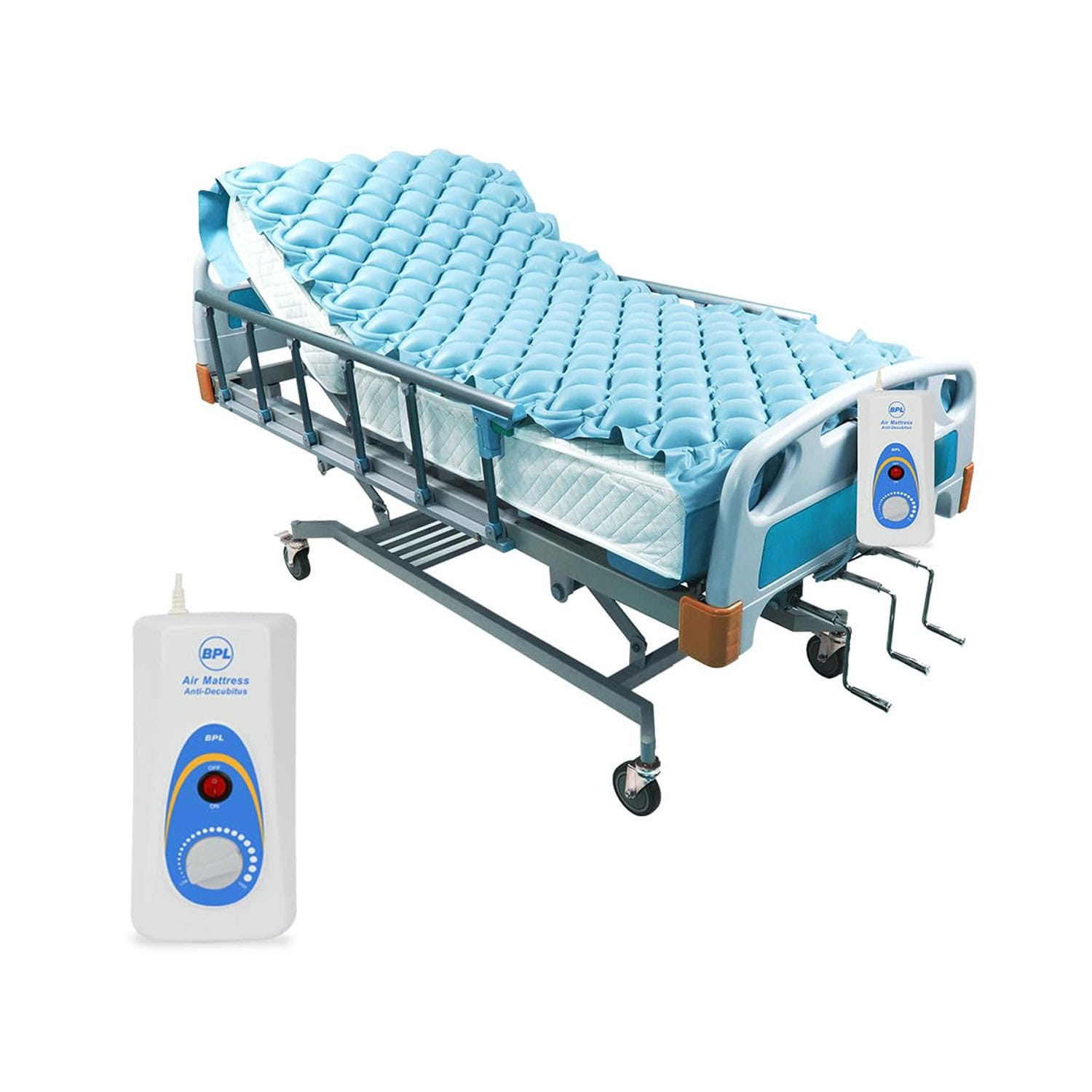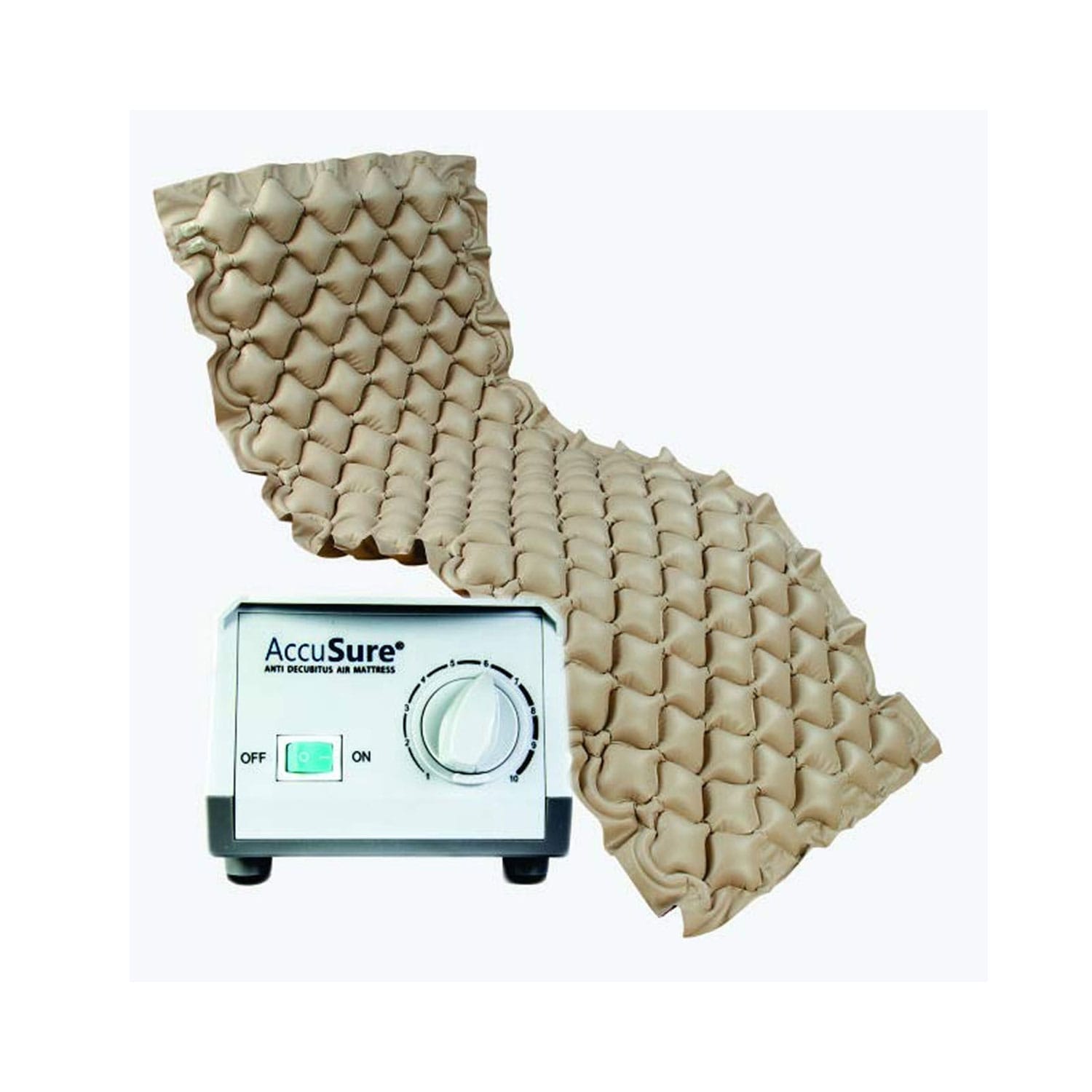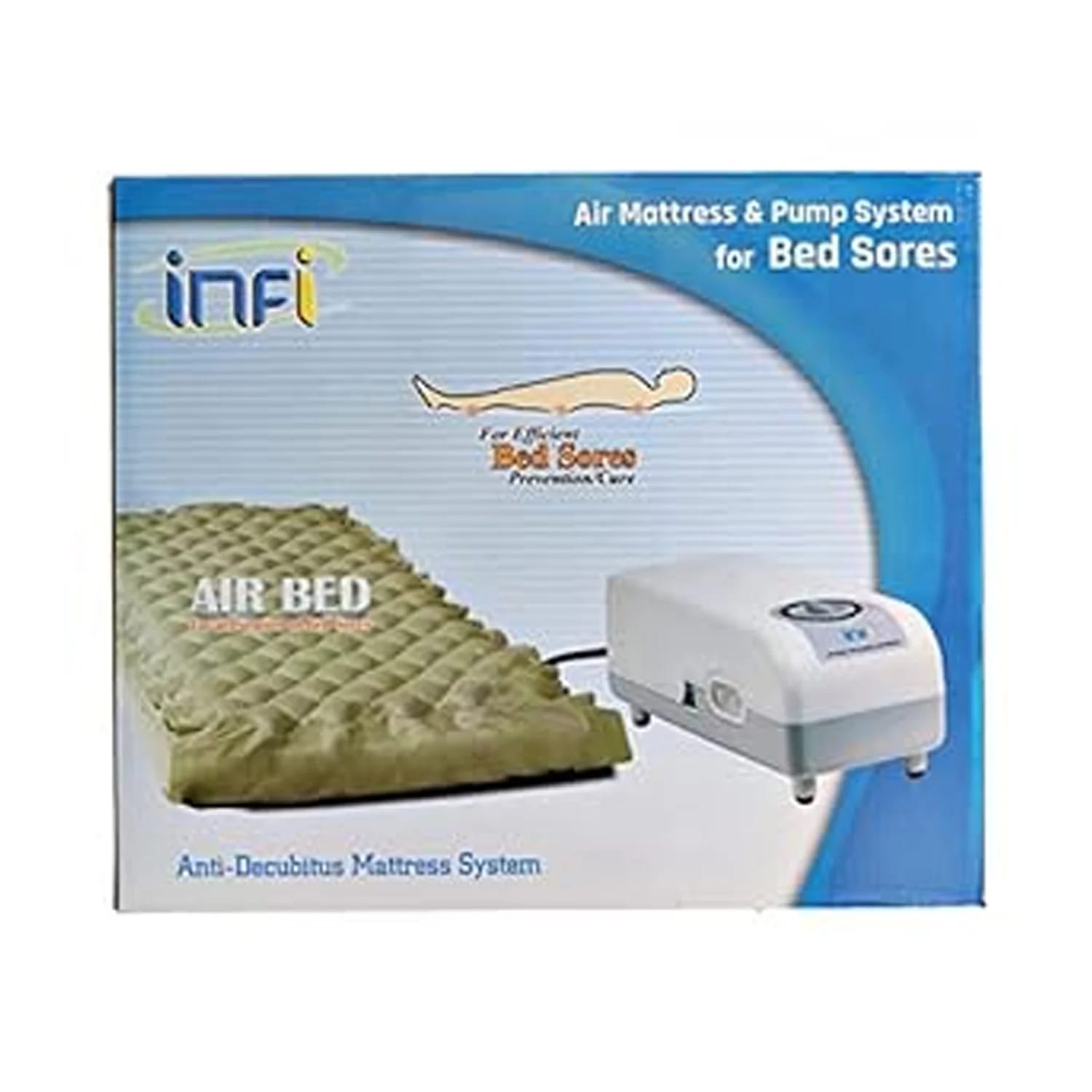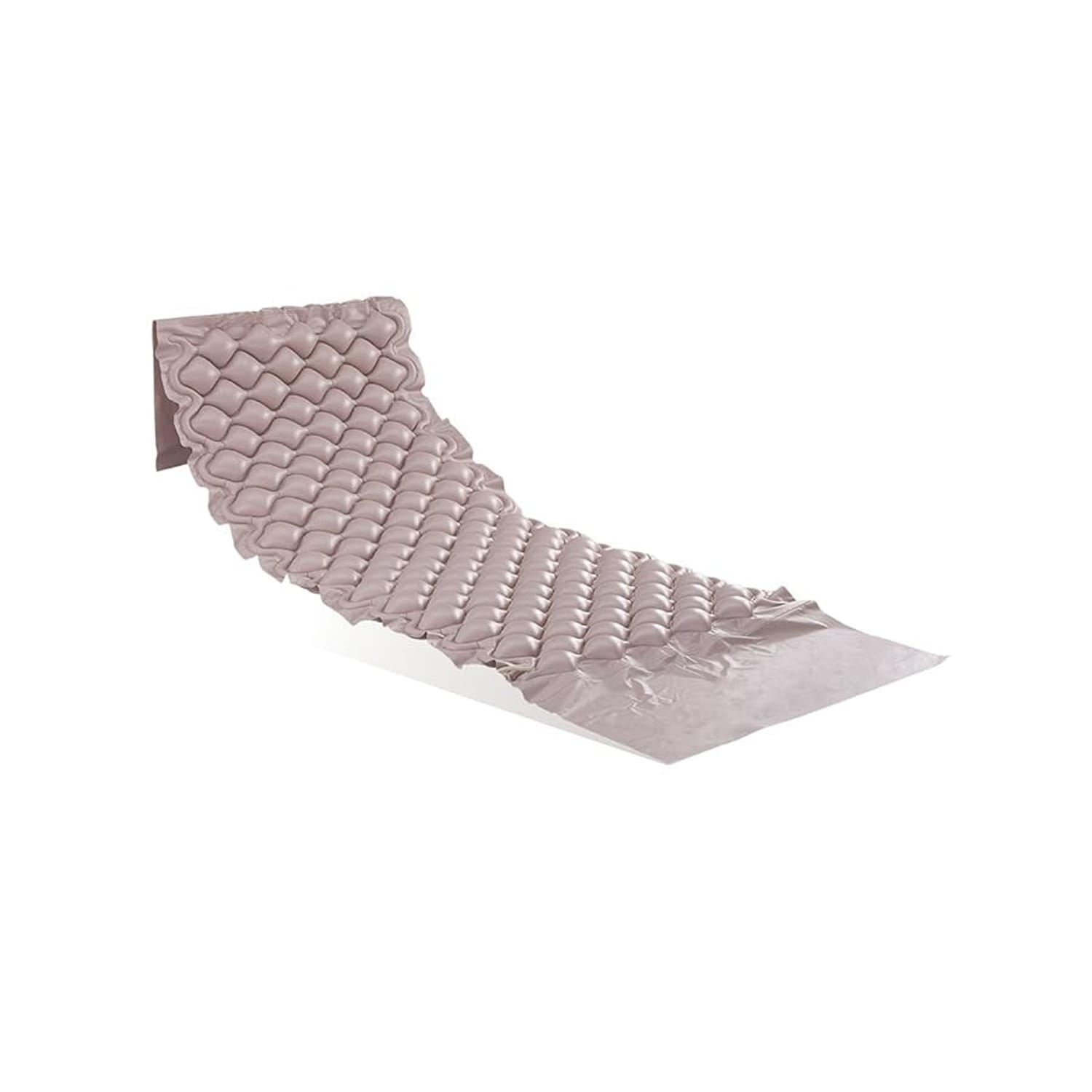




When someone you care about has limited mobility choosing a mattress becomes more than a question of comfort.
A person who spends most of the day in bed may not be able to change position or shift their weight independently. The same parts of the body can therefore remain under pressure for periods, particularly the heels, hips, shoulders, elbows and tailbone.
Prolonged pressure can reduce blood supply to the tissues. Contribute to pressure injuries, commonly known as bed sores or pressure ulcers.(1)
This is why choosing an air mattress for patient care requires thought rather than simply finding the softest mattress available.
The right support surface should help redistribute pressure, support comfort and make everyday care easier for both the patient and caregiver.
Why Does a Patient With Limited Mobility Need an Air Mattress?
Most mobile people change their position throughout the day without thinking about it. We stand, walk, sit, turn in bed and shift our weight regularly.
Someone with mobility may not be able to do this.
When the same area remains compressed against a mattress for a period blood flow to the underlying tissue can become compromised. Reduced oxygen and nutrient delivery can contribute to tissue damage when pressure is not relieved.
This is particularly concerning over bony areas such as the heels, ankles, buttocks, shoulder blades and back of the head.
This is where a pressure relief mattress may become useful as part of a broader pressure-injury prevention strategy. Evidence suggests that some air support surfaces may reduce pressure-ulcer incidence compared with standard support surfaces, although the effectiveness varies by mattress type and patient population.(2)
However an air mattress is not a replacement for repositioning, skin checks, good nutrition or appropriate medical care. It is one part of a care plan.
What Should You Look for in the Best Air Mattress for Patients?
There isn't one best air mattress for patients because the appropriate choice depends on the person's weight, mobility, health condition, time spent in bed and level of care required.
If choosing based only on price or appearance, look at how the mattress will actually support the patients needs.
1. Look for Pressure Redistribution
One of the important reasons families consider an air mattress is pressure redistribution.
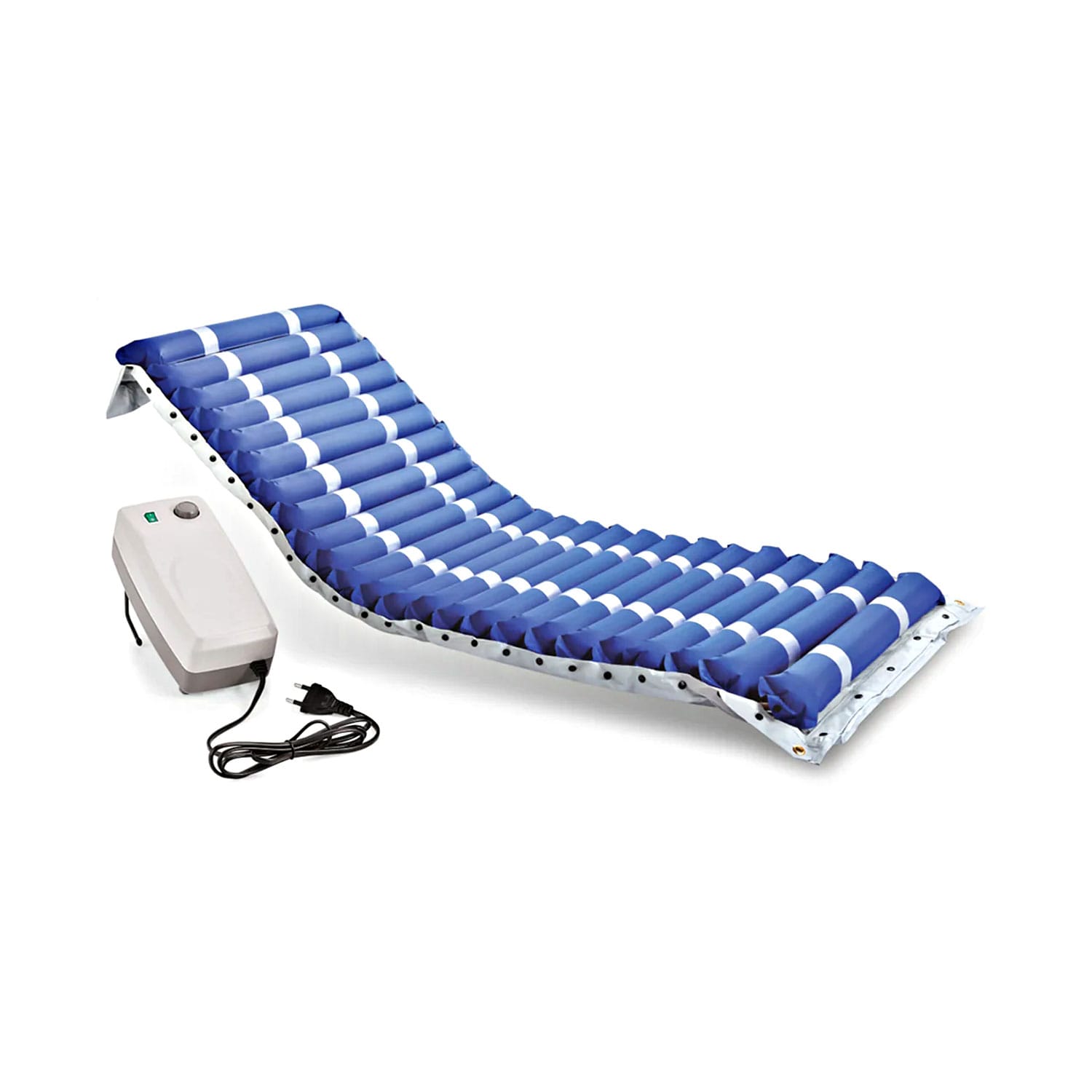
Air mattresses designed for pressure management use air-filled cells or sections to distribute the load across the body. In alternating-pressure systems, different sections. Deflate in cycles changing the areas receiving the greatest pressure.
For someone who cannot reposition themselves easily this can be particularly useful.
Imagine remaining in the same position for several hours. Even if the mattress feels comfortable certain parts of the body may continue carrying most of the person's weight.
Changing the pressure pattern can help avoid keeping the areas under continuous pressure.
That is why alternating-pressure systems are often considered when choosing a medical air mattress for people who spend prolonged periods in bed.
2. Consider Adjustable Pressure
Not every patient requires the level of firmness.
A lightweight older adult and a heavier adult may place different loads on a mattress. Some air mattresses therefore allow pressure to be adjusted according to the users requirements.
The goal isn't to make the mattress as firm as possible.
It is to find a balance between support, comfort and pressure redistribution.In alternating-pressure systems, different sections inflate and deflate in cycles, changing the areas receiving the greatest pressure. This approach is designed to avoid keeping the same areas of the body under continuous pressure. (3)
Before adjusting the pressure follow the manufacturers instructions. If the patient already has a pressure injury consult a healthcare professional about the appropriate support surface rather than relying solely on the mattress settings.
3. Check the Patients Weight
Weight capacity is a detail to overlook when purchasing an air mattress.
Always check the manufacturer's recommended weight range before buying.
If the mattress is not appropriate for the patients weight it may not provide the intended level of support or pressure redistribution.
This is particularly important when choosing an air mattress for elderly because body weight, mobility and health conditions can vary significantly from one person to another.
The mattress should be selected for the individual not simply because it is marketed as a purpose medical mattress.
4. Understand Bubble and Tubular Designs
When researching an air mattress you may come across designs including bubble and tubular systems.
Bubble mattresses use smaller air cells while tubular mattresses use larger air tubes arranged across the sleeping surface.
Both designs can incorporate alternating-pressure technology. Their construction and recommended applications may differ.
Of choosing based purely on appearance consider:
Patient weight
Level of mobility
Number of hours spent in bed
Risk of pressure injuries
Pressure-adjustment options
Pump specifications
Mattress dimensions
Cleaning requirements
Manufacturers recommended use
If the patient already has a pressure ulcer, product selection should be discussed with a healthcare professional rather than based solely on online descriptions.
5. Don't Forget the Pump
An alternating-pressure mattress depends on its pump.
The pump controls airflow between the mattress cells. Its reliability and ease of use are important.
When comparing options look at:
pressure control
Inflation and deflation cycle
Noise level
Tubing connections
Ease of operation
Power requirements
Availability of replacement parts
Noise may seem like a minor consideration but it can become surprisingly important when the patient spends many hours sleeping or resting in bed.
For home care a system that is straightforward for the caregiver to operate is often more practical than one with controls.
6. Think About the Caregiver
When choosing an air mattress for elderly patients or someone who requires assistance remember that the person using the mattress isn't the only one interacting with it.
A caregiver may need to inflate it, adjust the pressure, clean it, inspect it and make sure it remains correctly positioned.
Look for a system that's
Easy to install
Simple to operate
Easy to clean
Secure on the bed
Easy to inspect for damage
Supplied with clear instructions
This may sound like a practical consideration rather than a medical one but it matters.
Home care can already involve medication schedules, bathing, feeding, repositioning and mobility assistance. Equipment should make those responsibilities easier than adding unnecessary complexity.
An Air Mattress Does Not Replace Repositioning
This is one of the important points for families to understand.
An air mattress can help redistribute pressure. It should not be treated as permission to leave a person in the same position indefinitely.
Regular repositioning remains important.An air mattress can help redistribute pressure, but it should not be treated as permission to leave a person in the same position indefinitely. Regular repositioning remains an important part of pressure-injury prevention.(4)
Cureka's blog on bed sores recommends changing the position of an immobile person when independent movement is not possible. It also identifies quality and pressure-relieving devices as part of prevention.
Caregivers should also regularly inspect areas where pressure injuries commonly develop including:
Heels
Ankles
Tailbone
Hips
Elbows
Shoulders
Back of the head
Pay attention to redness changes in skin colour, swelling, warmth, broken skin or areas that appear painful.
Early attention matters because pressure injuries can progress from skin damage to deeper tissue injury.
What If the Patient Already Has Bed Sores?
Prevention and treatment are not the thing.
If someone already has a wound, significant pressure injury or signs of infection an air mattress should not be considered a treatment by itself.
The patient may require wound assessment, dressing care, repositioning strategies, nutritional support and other interventions.
A pressure relief mattress can be part of pressure management. The appropriate support surface depends on the patient's individual condition and the severity of the injury.
Do not wait for a skin problem to become a larger wound before seeking medical advice.
Don't Forget Mattress Maintenance
An air mattress needs attention after it has been installed.
Check the mattress and tubing periodically for leaks, damage or loose connections. Keep the surface clean according to the manufacturer's instructions. Make sure the pump continues to function properly.
Also consider where the pump will be positioned.
Is there a power outlet nearby?
Can the caregiver reach the controls easily?
Will the mattress remain securely positioned on the bed?
These small practical details can have an impact on whether the mattress works comfortably as part of everyday home care.
For someone already managing the demands of caring for a family member, equipment that is easy to set up, clean and operate can remove one more source of unnecessary stress.
How to Choose an Air Mattress: A Simple Checklist
Before purchasing an air mattress for care ask:
☐ How many hours does the patient spend in bed?
☐ Can they reposition themselves independently?
☐ Are they at increased risk of pressure injuries?
☐ Do they already have a pressure injury?
☐ Does the mattress support their weight?
☐ Does it provide pressure redistribution?
☐ Is the pressure adjustable?
☐ Is the pump easy to operate?
☐ Is the pump reasonably quiet?
☐ Will the mattress fit the existing bed?
☐ Can the caregiver. Maintain it easily?
Answering these questions can help you choose a mattress based on the patient's needs rather than simply choosing the most popular or expensive option.There isn't one best air mattress for patients because the appropriate support surface depends on the individual's risk factors and care needs. Evidence comparing different support surfaces does not establish one universally superior option for every patient.(5)
Conclusion
Picking an air mattress for care is really about more than just finding something soft to sleep on.
For someone who can't move their body easily the mattress is part of their daily care setup.
Features like pressure relief cycles that change pressure options to adjust the right weight limit, a good mattress style and a pump that is easy to use can all affect how helpful the system is.
No mattress can take the place of careful attention.
Frequent moving, checking the skin, keeping clean, providing food and getting medical help when needed are all still very important.
Maybe the most important thing for a caregiver to remember is that the purpose isn't just to give someone a softer place to lie.
It is to build a more comfortable and more doable place, for someone who can't move as easily as they used to.
Medical Disclaimer
This article is, for information only. It is not meant to take the place of medical advice, diagnosis or treatment. If a patient notices skin that changes color, a sore that stays open growing pain, swelling, fluid coming from a wound or any other signs of a pressure injury they should talk to a healthcare provider.
References:
Support surfaces for pressure ulcer prevention - 2015 Sep - https://pubmed.ncbi.nlm.nih.gov/26333288/
Prevention of pressure ulcers with a static air support surface: A systematic review - 2018 Jun - https://pubmed.ncbi.nlm.nih.gov/29504266/
Alternating pressure (active) air surfaces for preventing pressure ulcers - 2021 May - https://pubmed.ncbi.nlm.nih.gov/33969911/
Repositioning for pressure injury prevention in adults - 2026 Jun - https://pubmed.ncbi.nlm.nih.gov/42240176/
Support surfaces for pressure ulcer prevention: A network meta-analysis - 2018 Feb - https://pubmed.ncbi.nlm.nih.gov/29474359/