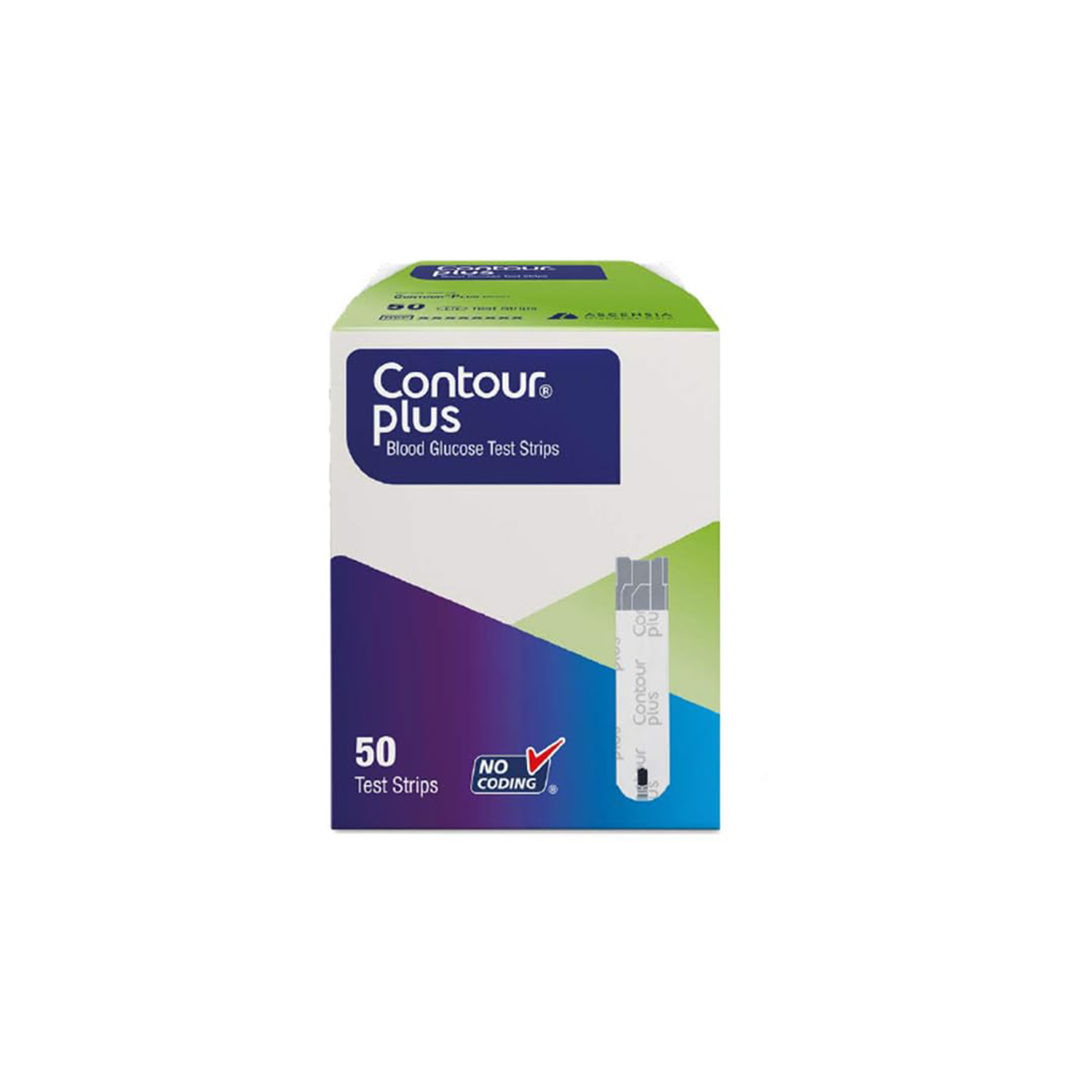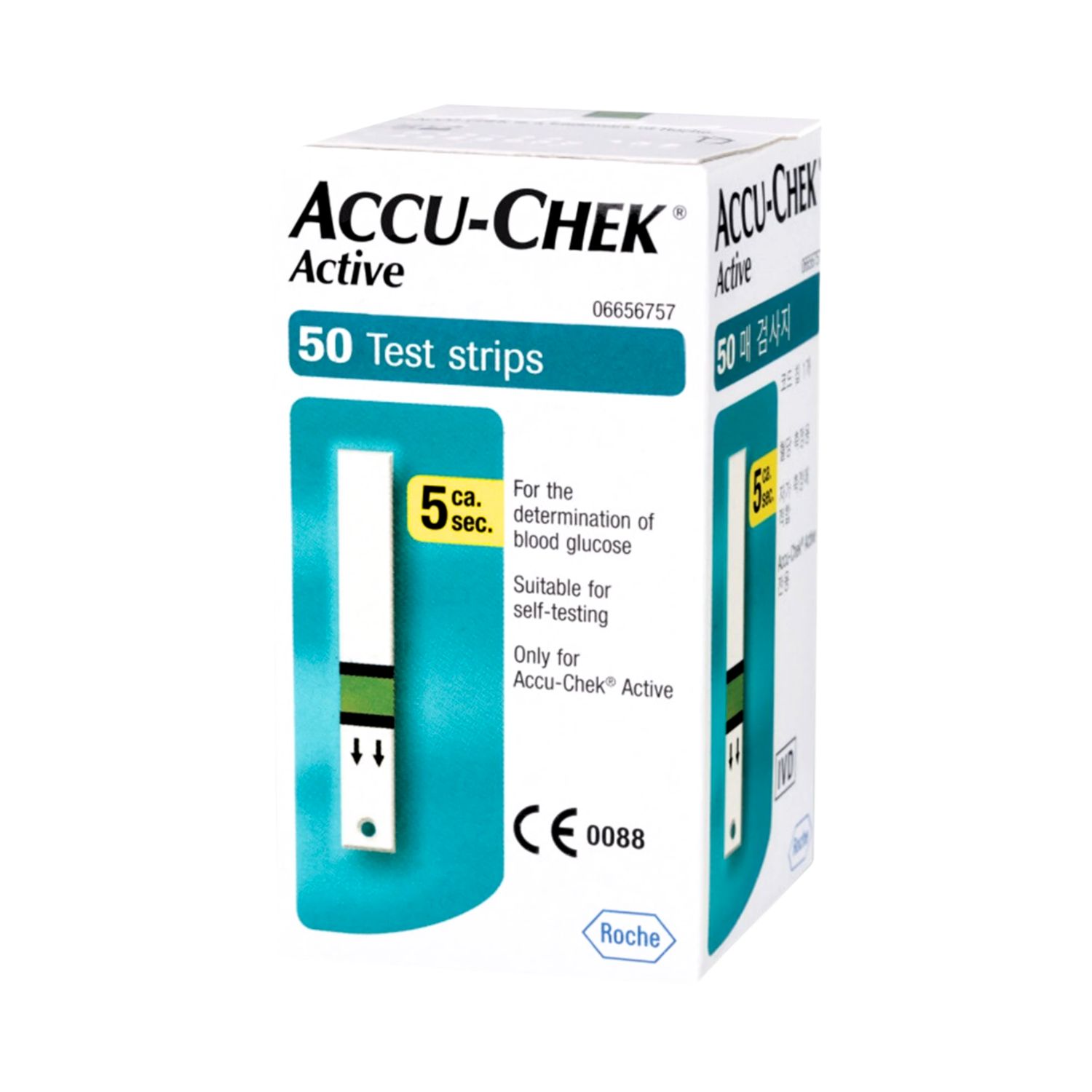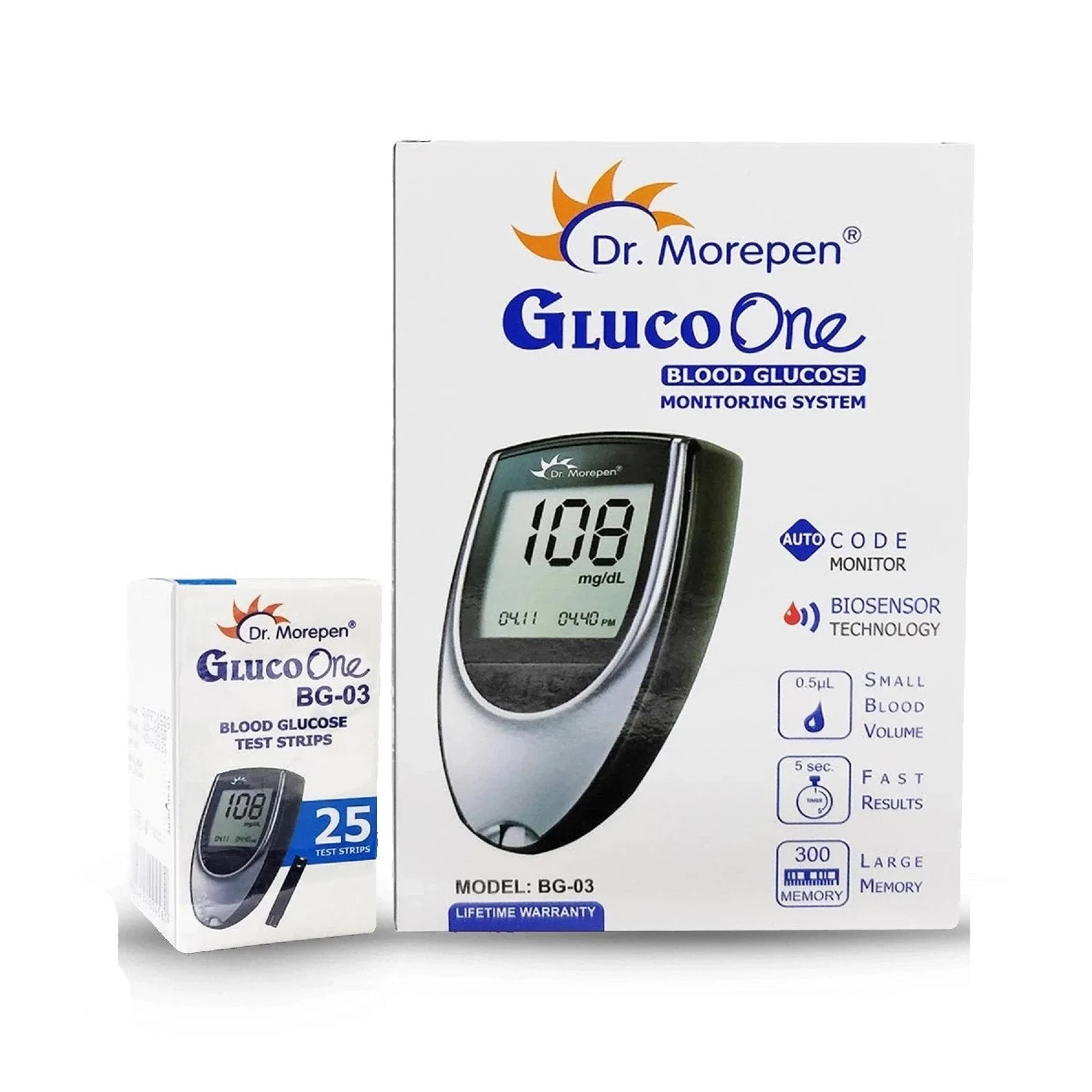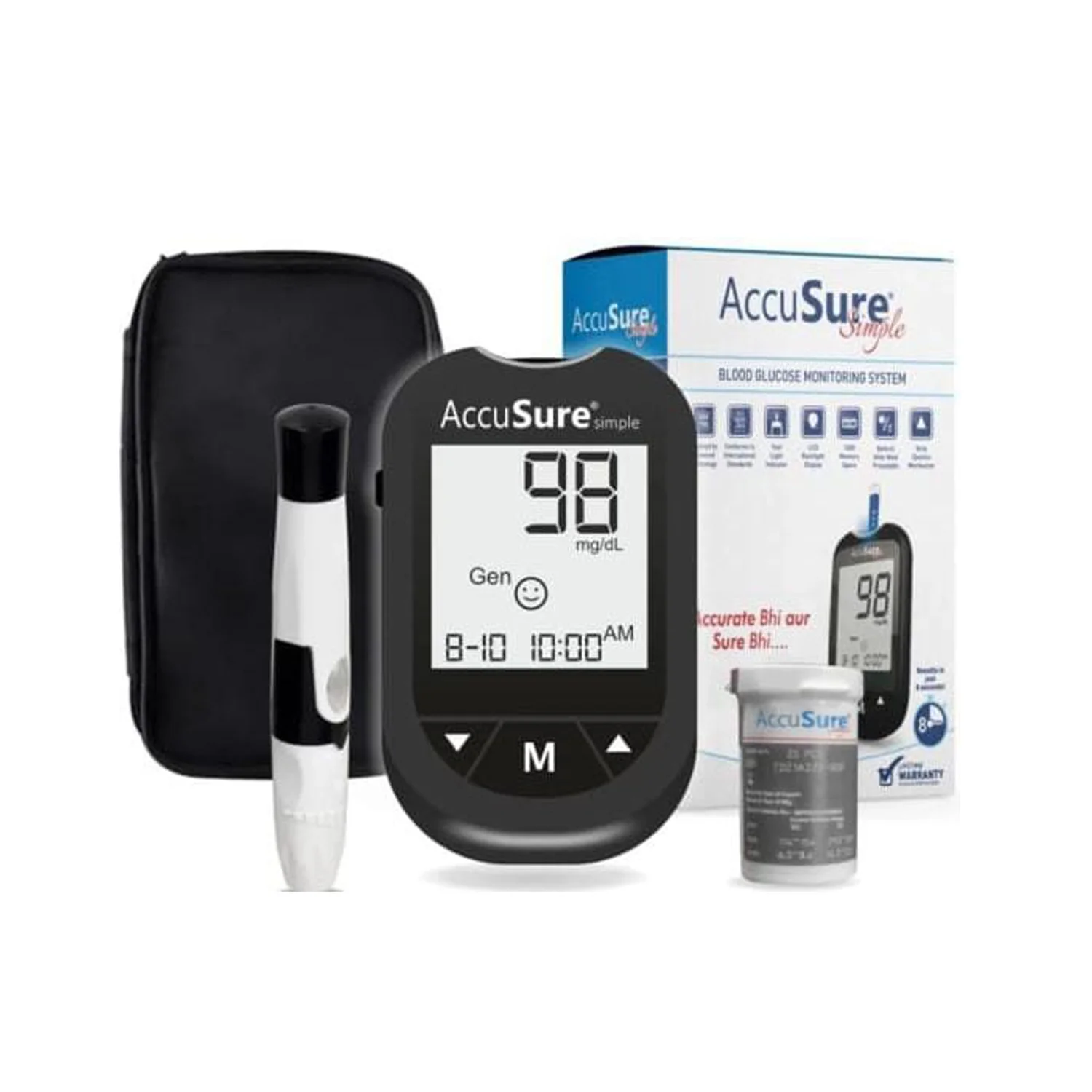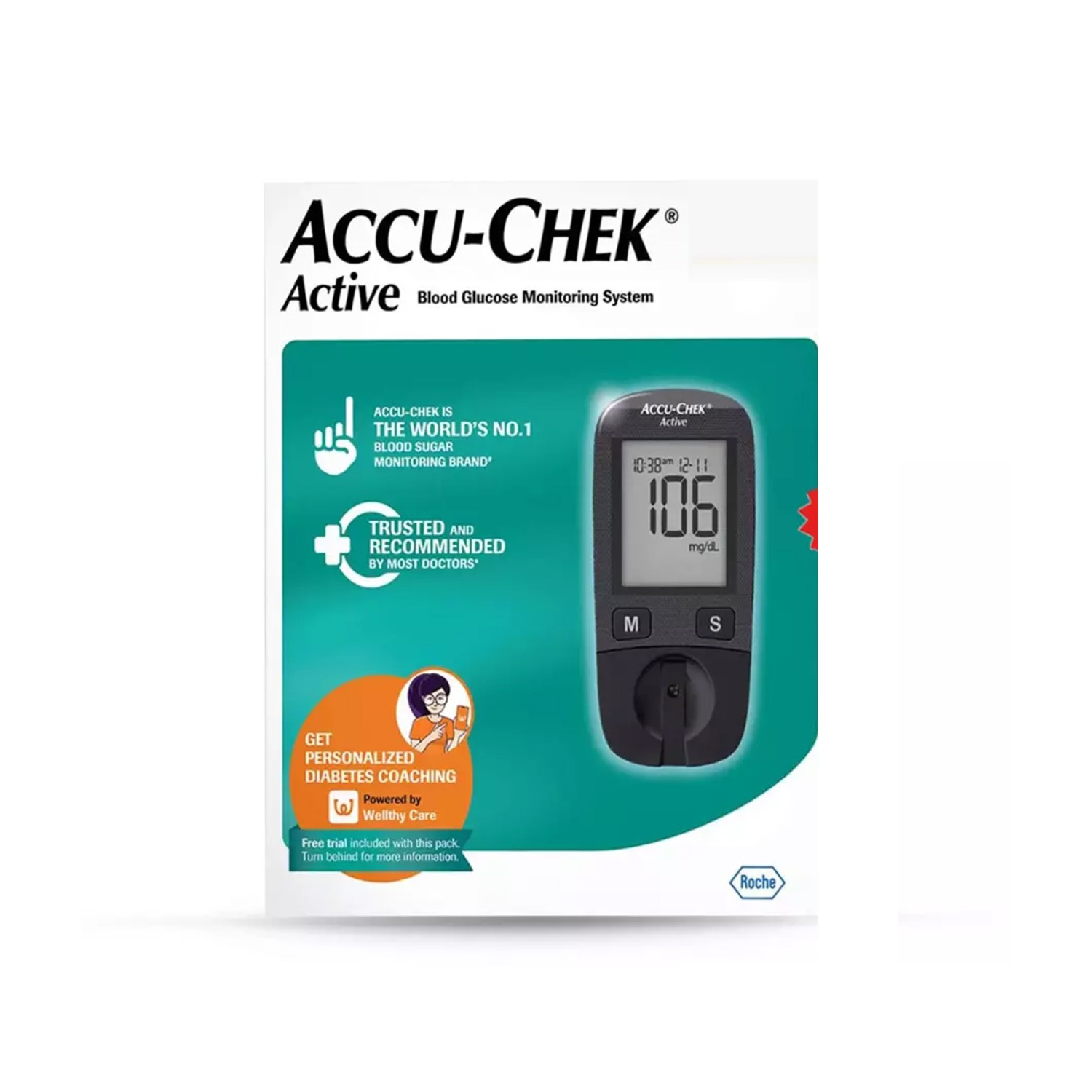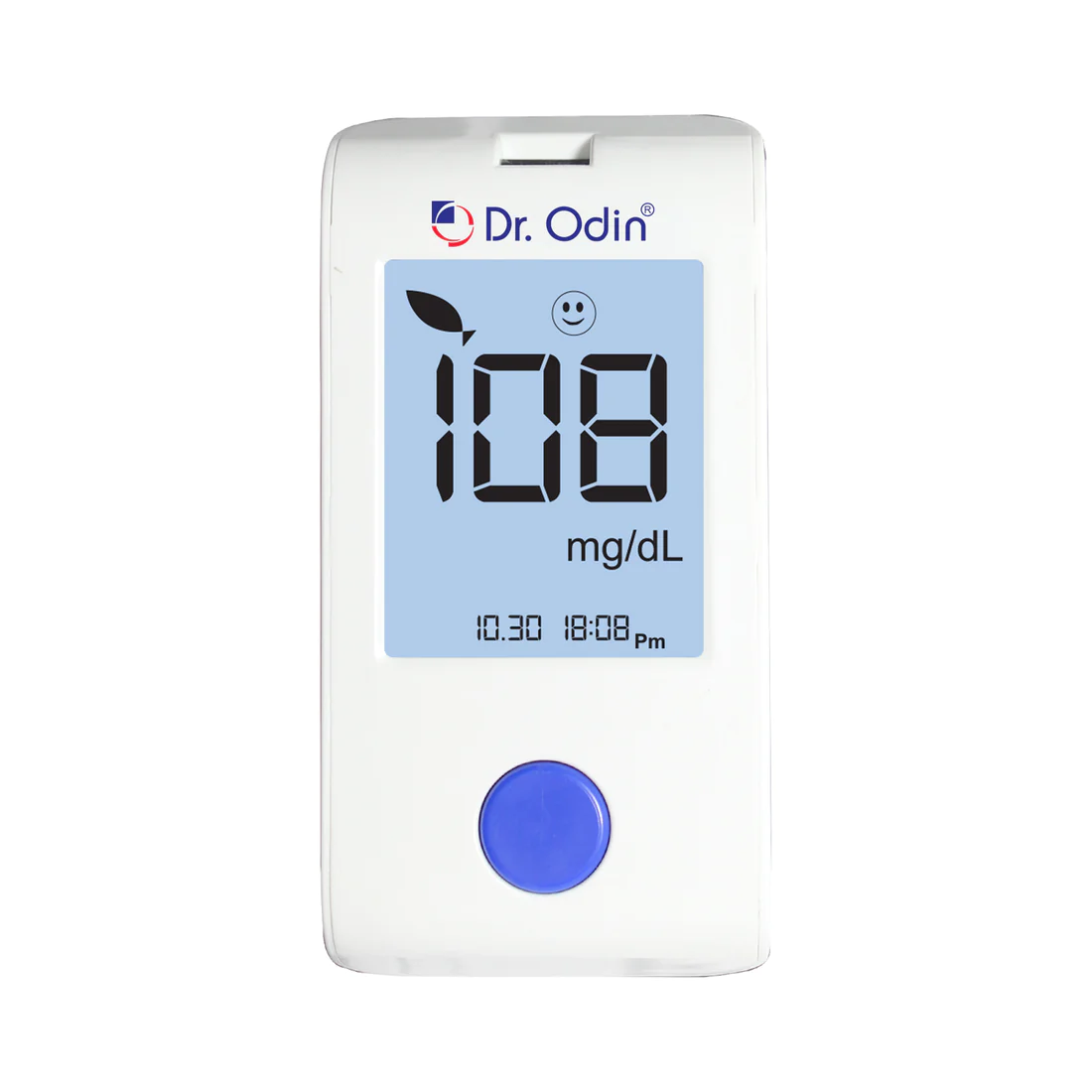



You measure your blood glucose level. You get 96 mg/dL.
The next morning, you repeat the measurement and receive 108 mg/dL.
After several days, it is 99 mg/dL.
You wonder then: why do I get such different results every time? Does my glucose meter give false readings or is my blood glucose level really fluctuating so much?
It can turn out to be quite a difficult question to answer.
Unlike a lot of numbers, blood glucose does not stay the same. This number changes constantly due to food consumption, the effects of insulin and other hormones, glucose production in the liver, physical activity, sleep, and stress. While at the same time, a glucose meter is checking your blood glucose on a very small blood sample with the help of chemical reactions, and this can be influenced by many factors like your blood glucose testing technique and storage of test strips.
Thus, when you see differences between blood sugar measurements, you should ask yourself the following questions:
Did something happen to my body?
Did something change during the testing procedure?
Is there any variability due to the device or test strip?
This will help you understand the difference.
Your blood sugar is not supposed to be exactly the same every time
The first and probably the most widespread misconception about glucose testing is that the reading is supposed to be virtually the same all day long.
It is not.
Upon digestion, glucose gets into the bloodstream, and the pancreas secretes insulin which allows tissues like muscles to absorb glucose and also stops the liver from producing glucose.
In between meals, the liver secretes glucose in order to supply the organism with energy.
Therefore, the glucose concentration in your blood at any particular time equals:
glucose in the bloodstream + glucose secreted by the liver − glucose absorbed by tissues.
This is constantly changing.
Doctor’s Note
A blood glucose reading is a snapshot, not a verdict. Your glucose can naturally change with food, sleep, stress, exercise, hormones and the time of day, while testing technique and the condition of your meter and strips can also influence the number you see. So, don't be alarmed by one unexpected reading or assume that every difference means your blood sugar control has worsened. Instead, use a consistent testing technique, look at patterns over time and, if readings remain unusually high, low or inconsistent, discuss them with your doctor rather than reacting to a single number.
Even fasting glucose levels vary biologically from day to day. In other words, people can have different fasting glucose levels without any problems.
Reasons:
1. The time of day can change your glucose response
This is one of the more fascinating explanations for blood sugar variations.
You may consume nearly identical breakfast at 8 AM and dinner at 8 PM, yet your body will process glucose differently at both those times.
Metabolism works on a schedule determined by circadian rhythms. Glucose creation, insulin production, insulin sensitivity, etc., all are impacted by these processes.
Research has revealed that glucose tolerance can be lower in the biological evening compared to the morning period regardless of any behavioral aspects.(1) The time when you administer the glucose load is important.
What does that mean at home?
If you compare:
8 AM fasting glucose
with
8 PM glucose after a meal
you are not simply comparing two glucose concentrations. You are comparing two different metabolic states. This is why timing should always be recorded when you are trying to identify a pattern.
2. A poor night's sleep can change glucose regulation the next day
What you probably do not connect with your glucose meter? Yes, that's right – sleep!
Insulin works to get the glucose out of the bloodstream and into the tissue. When the body gets less sensitive to insulin, it requires more insulin to provide the same result – decreased glucose concentration.
Sleep deprivation causes transient insulin resistance.
Several experiments have shown that sleep deprivation of even relatively short duration lowers insulin sensitivity among healthy subjects. In a study, a week of reduced amount of sleep (about 5 hours per night) led to a decrease in insulin sensitivity by 20% in healthy men is especially interesting.(2)
There was another experiment that showed that reduced amount of sleep for several nights lowered insulin sensitivity, however, it did not cause elevated glucose levels in all participants.(3)
The point is clear.
As an answer to the lack of insulin sensitivity, the body produces more insulin, and glucose level does not get elevated much.
So two days can show almost the same results on the glucose meter even if they had different insulin responses in reality.
Sleep deprivation does not guarantee high glucose numbers, but it affects the metabolic conditions.
3. Stress can raise glucose even when you haven't eaten
"Why do I not eat anything but still have high blood sugar?"
The reason is that there are other factors that cause high glucose besides eating.
During times of stress, the body triggers processes that will give rise to the fast availability of energy. Stress hormones, like adrenaline and cortisol, may affect glucose production by the liver.(4)
The liver has two ways of producing glucose: through glycogenolysis or gluconeogenesis.
It is reasonable from the biological standpoint because during stress the body needs energy right away for the brain and muscles.
Sometimes the same physiology becomes puzzling when the body experiences "stress" from a challenging workday, bad sleep, illness, or fear about one's glucose level.
And therefore, if you have a higher than expected blood sugar level on an especially stressful morning, it does not mean you had something to eat that you were not supposed to.
The liver can put glucose in the blood without food intake.
4. What you ate matters, but so does how you ate it
People usually consider only the amount of carbohydrates in their meal.
However, the way your body reacts to a certain amount of carbohydrates depends on many factors other than the total amount of grams.
The physical structure of food, presence of protein and fats, gastric emptying, intestinal absorption, and hormone response to the meal affect how soon and how fast glucose becomes available in your bloodstream.
It means that two meals with the same quantity of carbohydrate will give you two different glucose curves.
And here comes an important aspect:
Your glucose meter shows only one point, not the whole curve.
Consider that your glucose after a meal looks like that:
95 → 125 → 155 → 138 → 110 mg/dL
If you test yourself in five different moments, you will have five different numbers. Nothing bad happens. You just take a sample from the same physiological curve.
5. "Two hours after meals" becomes meaningful if you measure it consistently.
It may seem obvious, yet it is one of the most frequent reasons for misunderstanding.
When you say:
"My blood sugar was 140 two hours after my meal."
There are two very important questions to ask:
Two hours after the first bite?
Or
Two hours after the end of the meal?
These moments may be different on the glucose graph.
The size of the portion and its composition may also shift the moment when glucose peaks. If you are measuring your blood sugar at home, choose a consistent way suggested by your medical advisor. Otherwise, you may compare two measurements which technically were performed in different situations.
6. Your hands may provide the meter information not coming from your blood
This is probably one of the most common mistakes in blood glucose testing. It is also extremely easy to commit.
Suppose that you have just:
peeled a fruit
ate something sweet
touched some food
prepared a meal
You prick your finger without washing your hands. The glucose meter is designed to measure glucose.
It cannot distinguish between glucose originating from inside the bloodstream and glucose present on the skin.
Scientists have shown this quite convincingly. In the research where patients touched fruit and then performed a glucose test without washing their hands thoroughly, their results could be falsely increased. A good wash with water restored the results to almost normal.(5)
Here comes the interesting fact about which many people seem unaware:
Alcohol wipe is not the same as hand washing. In the fruit-handling experiment, the application of alcohol wipes was not able to get rid of the falsely increased readings, whereas proper hand washing did. So if you are confused why your blood sugar levels vary, please do not jump into complicated hypotheses.
Think of:
Are my hands clean enough?
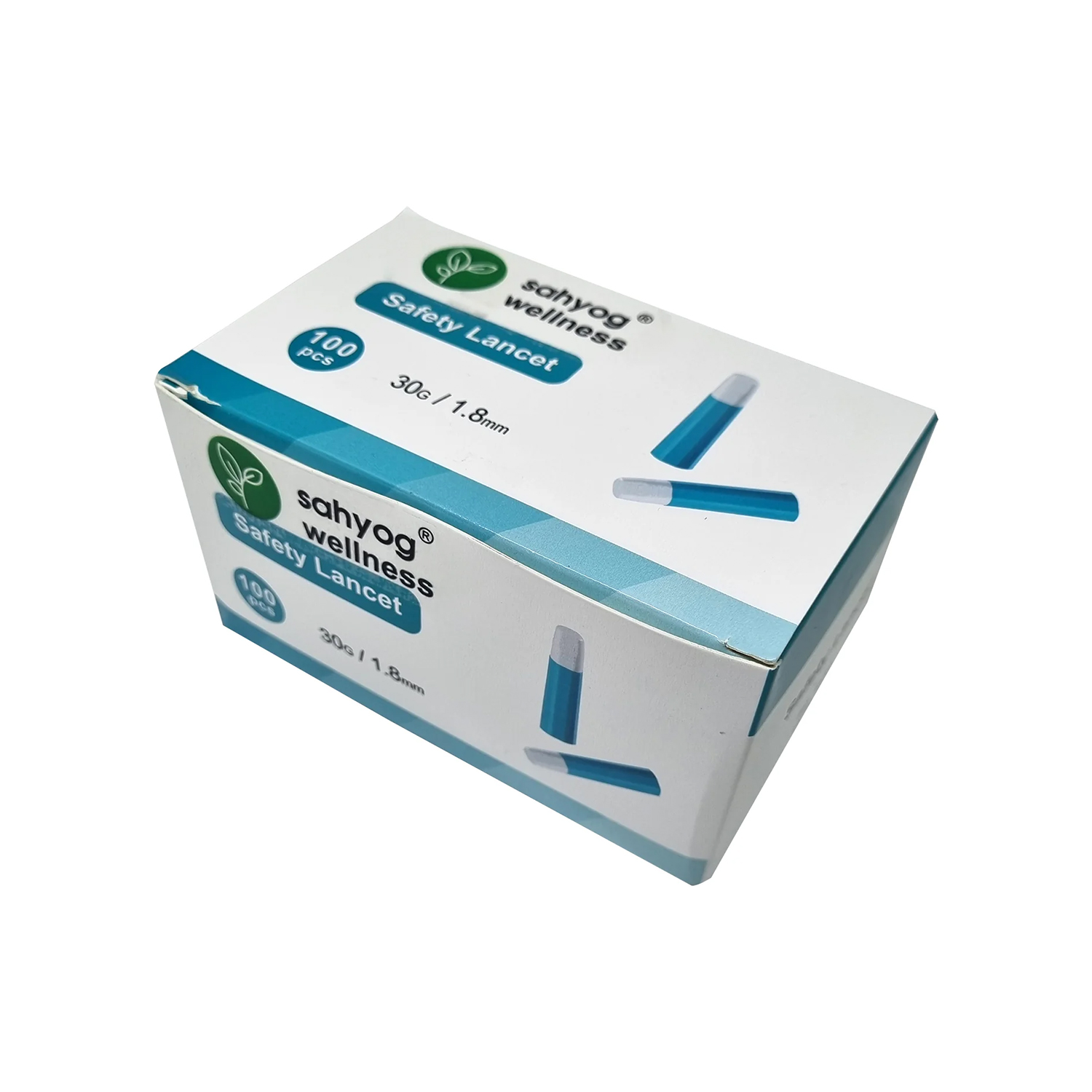
7. Squeezing the finger too hard may reduce the accuracy of the test
When one cannot collect enough blood, the tendency would be to squeeze harder and harder.
However, it is not about getting every fluid that could possibly come out. The target is getting a satisfactory capillary blood sample in a consistent manner.
Squeezing of the finger may change the sample quality, especially when there is a poor circulation of blood or an insufficient first drop. A capillary blood sample is not simply a drop of pure circulating blood. Excessive squeezing can alter the composition of the sample by mixing blood with interstitial fluid and changing the characteristics of the collected specimen. The problem is that the sample becomes less standardized. (6)
That is why warming up the cold hands, using the lancet properly and collecting an adequate amount of the first drop is better than squeezing the finger repeatedly.
The helpful tip is:
Do not try to produce the blood drop. Make sure the conditions for its creation are right.
8. Blood sample size is important
Current glucose testers demand small samples; this is handy.
However, “small” doesn’t mean “it doesn’t matter how much you take.”
The strip needs an adequate amount of blood for the chemical process to proceed appropriately.
Several studies into glucose monitoring systems have proved that insufficient sample size may lead to incorrect readings, and not all glucose monitoring systems will generate an error message if there is not enough of a sample.(7)
Thus, if you receive a weird reading after obtaining a small blood sample, you should not instantly interpret it as a sudden physiological change.
It may be a poor test reading.
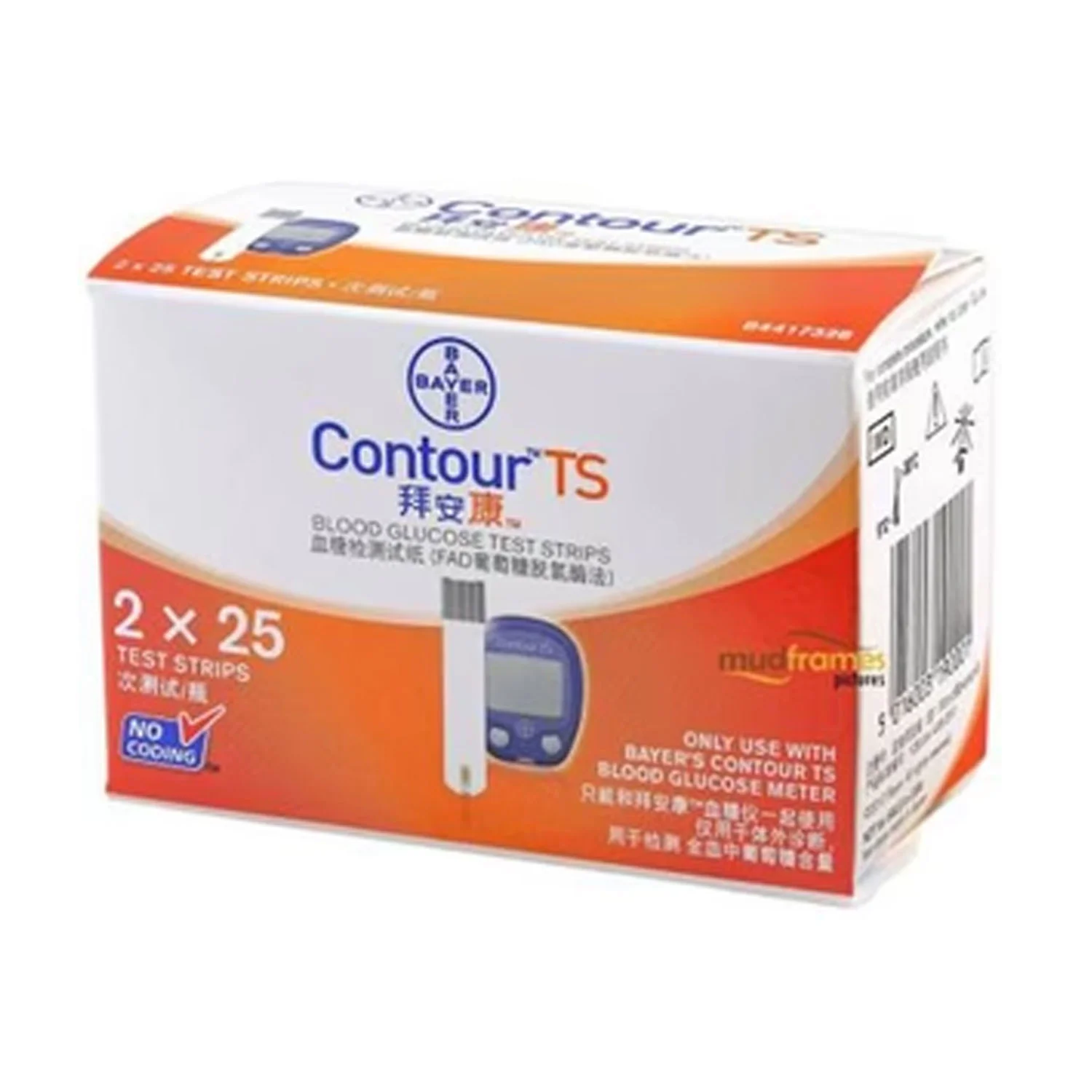
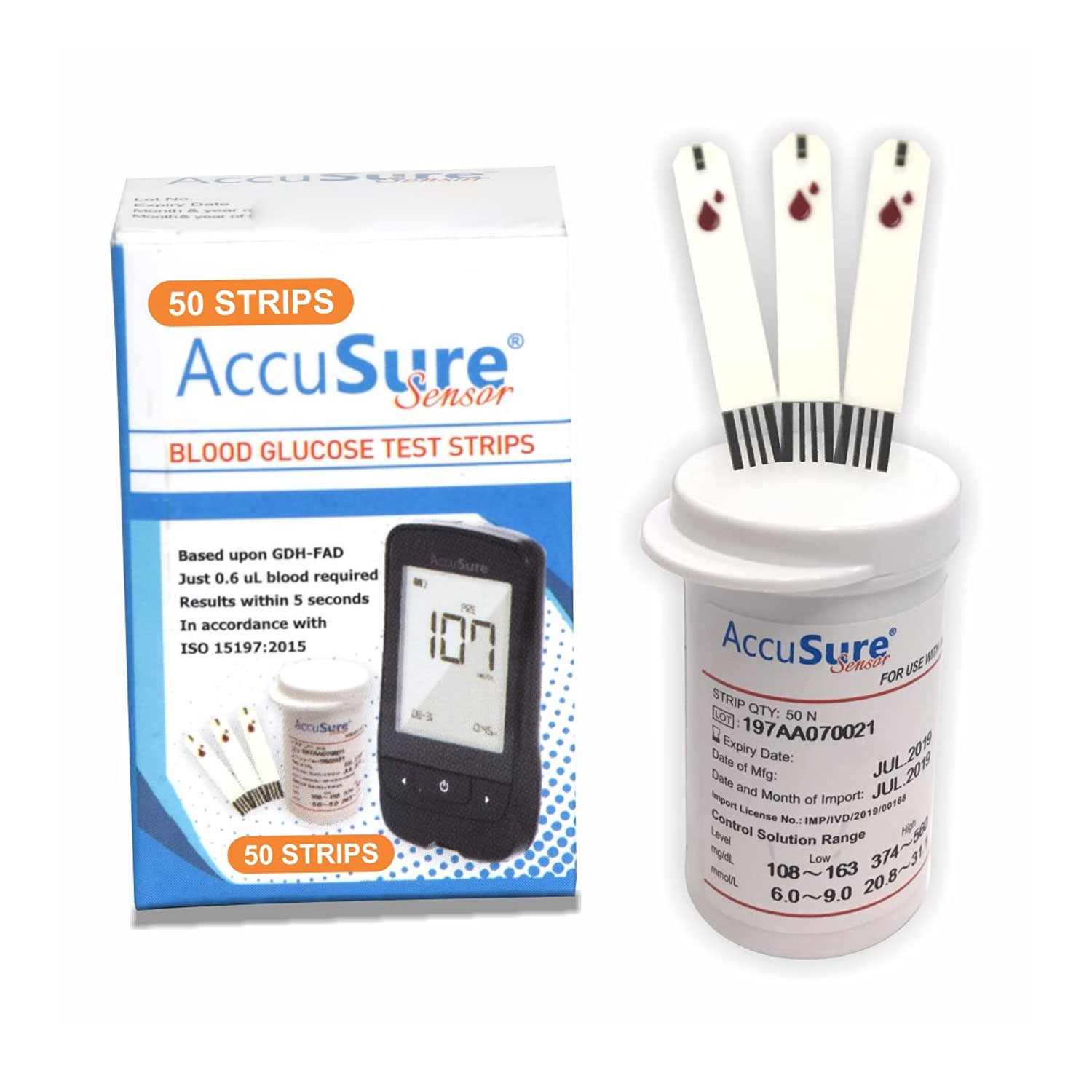
9. Your test strips are chemical reagents
A test strip is not simply a piece of plastic that "reads sugar."
It contains a chemical system often involving enzymes and an electrochemical or optical detection process. Glucose reacts with the system producing a signal that the meter converts into a numerical glucose result.
That means the strip has limits. Heat and humidity matter.
Research from settings has shown that temperature and humidity outside recommended conditions can affect point-of-care glucose measurements.(8)
Another experimental study found that short exposure to temperature and humidity could produce significant measurement bias in some glucose-meter systems.(9)
This is especially relevant in humid climates.
A simple habit makes a difference
Take out one strip.
Close the container immediately.
Don't leave it open while you prepare your finger, meter and lancet.
Store strips according to the manufacturer's instructions rather than treating them like ordinary household items.
10. Different meters can genuinely give different numbers
If you have two glucose meters at home don't be surprised if they don't produce exactly the same result.
Different meters use strips, measurement chemistry and algorithms.
Home glucose meters are designed to meet defined accuracy requirements not to reproduce a laboratory value every single time. Under ISO 15197:2013 criteria for example 95% of home-meter results are required to fall within ±15 mg/dL of a laboratory result when glucose's below 100 mg/dL or within ±15% when glucose is 100 mg/dL or higher.(10)
That does not mean a meter is "15% wrong."
It means there is an analytical range around the reference measurement.
So if you want to understand your glucose trend, constantly switching between meters can make interpretation more difficult.
For monitoring, consistency of equipment and technique is valuable.
11. Your blood itself can affect some glucose meters
This is where glucose testing becomes surprisingly technical. Blood is not glucose floating in liquid. It contains blood cells, white blood cells, platelets and plasma. The proportion of blood occupied by blood cells is called hematocrit.
Some glucose-meter technologies are sensitive to hematocrit.
Studies comparing glucose meters have found that some systems are more affected by abnormal hematocrit than others. In systems low hematocrit can produce falsely higher readings while high hematocrit can produce falsely lower readings.(11)
This does not mean everyone with anaemia will automatically get a glucose reading. Modern meters vary considerably in their susceptibility. It explains why a person with an abnormal blood count can occasionally encounter unexplained differences between a home-meter result and a laboratory measurement.
12. Some medicines and substances can interfere with the meter itself
This is different from a medication genuinely changing your blood glucose.
Certain substances can interfere with the measurement chemistry used by glucose meters.
Examples reported in glucose-monitoring literature include:
vitamin C
acetaminophen/paracetamol
maltose
galactose
xylose
Uric acid
dopamine
some other substances depending on the meter technology
The important word here is specific.
Not every meter is affected by every substance.
The American Diabetes Association's diabetes technology standards list medication and physiological interferences and emphasize that their effects depend on the glucose-monitoring system.(12)
Therefore if you notice a change after starting a new medication or supplement don't assume either that the medicine has raised your blood glucose or that the meter is faulty.
Check the information provided for your meter and strips and discuss persistent discrepancies with your healthcare professional.
What about exercise?
Exercise deserves its mention because it can change glucose in ways that are not always predictable from one reading.
During muscle contraction skeletal muscle can increase glucose uptake through pathways that're partly independent of insulin. So a walk, workout or demanding day can change your glucose profile.
The effect depends on:
exercise intensity
duration
timing
previous meal
starting glucose
insulin sensitivity
individual metabolic response
This means comparing:
"fasting glucose after a sedentary evening"
with
"fasting glucose after a long evening walk"
is not a perfect apples-to-apples comparison.
The day's activity can be part of the metabolic context of the next morning's reading.
Why your morning reading can be different: the dawn phenomenon
You may go to bed with a glucose level and wake up with a higher one despite eating nothing overnight.
That can happen because the body does not simply switch off glucose regulation while you sleep.
As morning approaches hormonal signals help prepare the body for waking and activity. Cortisol, growth hormone, glucagon and catecholamines can influence liver glucose production and insulin sensitivity.
In some people this contributes to the dawn phenomenon, an early-morning rise in glucose.
So a higher morning reading does not automatically mean: "I must have eaten something at night." Your body has its overnight glucose-management system.
The easiest way to understand blood sugar readings
When a reading surprises you don't immediately ask:
"Is my sugar getting worse?"
Ask three questions instead.
1. Did my biology change?
Think about:
sleep
stress
food
exercise
illness
time of day
hormones
2. Did my testing technique change?
Think about:
hands
wet fingers
food residue
excessive squeezing
inadequate blood
inconsistent timing
3. Did my measurement system change?
Think about:
new strip vial
expired or improperly stored strips
heat or humidity exposure
glucometer
medication interference
abnormal hematocrit
This simple framework explains a surprising number of blood glucose fluctuations.
How to get reliable blood sugar readings at home
If you want your readings to actually tell you something useful, consistency is more important than testing repeatedly at random times.
Before testing:
Wash your hands with soap and water.
Dry them completely.
Check that the strip is within its expiry and storage conditions.
Take out the strip when you're ready to use it.
Keep the strip container closed.
During testing:
Use the recommended finger or site.
Avoid squeezing.
Make sure there is a blood sample.
Follow the glucometer’s instructions.
Record the timing and circumstances.
When comparing readings note:
time + fasting/post-meal status + meal + exercise + unusual stress or illness + glucose value
That information is far more useful than a long list of isolated numbers.
When should you take readings seriously?
Not every variation is a problem.
Recurring or unexplained abnormalities deserve attention.
Speak with your healthcare professional if:
your readings are repeatedly higher than expected
fasting values are consistently elevated
you repeatedly get low values
your symptoms do not match your meter reading
your home readings consistently disagree with laboratory results
you are experiencing significant illness or dehydration
you have started a medicine that may interfere with glucose measurement
you are getting unusually different readings within a short period
If a result looks unexpectedly high or low and does not make sense, repeat the measurement correctly rather than immediately acting on a single questionable value.
Do not change diabetes medication or insulin doses based on an unexplained reading unless your healthcare professional has given you a specific plan for doing so.
Conclusion
Why is my blood sugar reading different every time?
Because the number on your glucose meter is the result of more than just the food you ate.
It reflects:
your biology + your blood sample + your measurement system.
Your body may genuinely have changed. Your testing technique may have changed. Or the meter and strip may have introduced some variation.
The smartest response isn't to panic over every different number.
Standardize the way you test. Look at the pattern. And investigate persistent or unexplained changes rather than trying to interpret one reading in isolation.
That is how a glucose number becomes useful information rather than just another number to worry about.
References:
Circadian Regulation of Glucose, Lipid, and Energy Metabolism in Humans -2019 Jul - https://pmc.ncbi.nlm.nih.gov/articles/PMC5995632/
Sleep restriction for 1 week reduces insulin sensitivity in healthy men - 2010 Sep - https://pubmed.ncbi.nlm.nih.gov/20585000/
Short-Term Moderate Sleep Restriction Decreases Insulin Sensitivity in Young Healthy Adults - 2016 Mar - https://pubmed.ncbi.nlm.nih.gov/28819636/
Physiology, Cortisol - Dec 2025 - https://www.ncbi.nlm.nih.gov/books/NBK538239/
Glucose monitoring after fruit peeling: pseudohyperglycemia when neglecting hand washing before fingertip blood sampling: wash your hands with tap water before you check blood glucose level - 2011 Mar - https://pubmed.ncbi.nlm.nih.gov/21282342/
Capillary blood sampling: national recommendations on behalf of the Croatian Society of Medical Biochemistry and Laboratory Medicine - 2015 Oct - https://pmc.ncbi.nlm.nih.gov/articles/PMC4622200/
Evaluation of the Effects of Insufficient Blood Volume Samples on the Performance of Blood Glucose Self-Test Meters - 2013 Nov - https://pmc.ncbi.nlm.nih.gov/articles/PMC3876330/
The Effects of Temperature and Relative Humidity on Point-of-Care Glucose Measurements in Hospital Practice in a Tropical Clinical Setting - 2016 Feb - https://pmc.ncbi.nlm.nih.gov/articles/PMC5032940/
Short-Term Thermal-Humidity Shock Affects Point-of-Care Glucose Testing - 2014 Jan - https://pmc.ncbi.nlm.nih.gov/articles/PMC4454105/
Guidelines and Recommendations for Laboratory Analysis in the Diagnosis and Management of Diabetes Mellitus - 2023 Jul - https://pmc.ncbi.nlm.nih.gov/articles/PMC12376302/
Hematocrit Interference of Blood Glucose Meters for Patient Self-Measurement - 2013 Jan - https://pmc.ncbi.nlm.nih.gov/articles/PMC3692232/
7. Diabetes Technology: Standards of Care in Diabetes—2025 - 2024 Dec - https://pmc.ncbi.nlm.nih.gov/articles/PMC11635043/