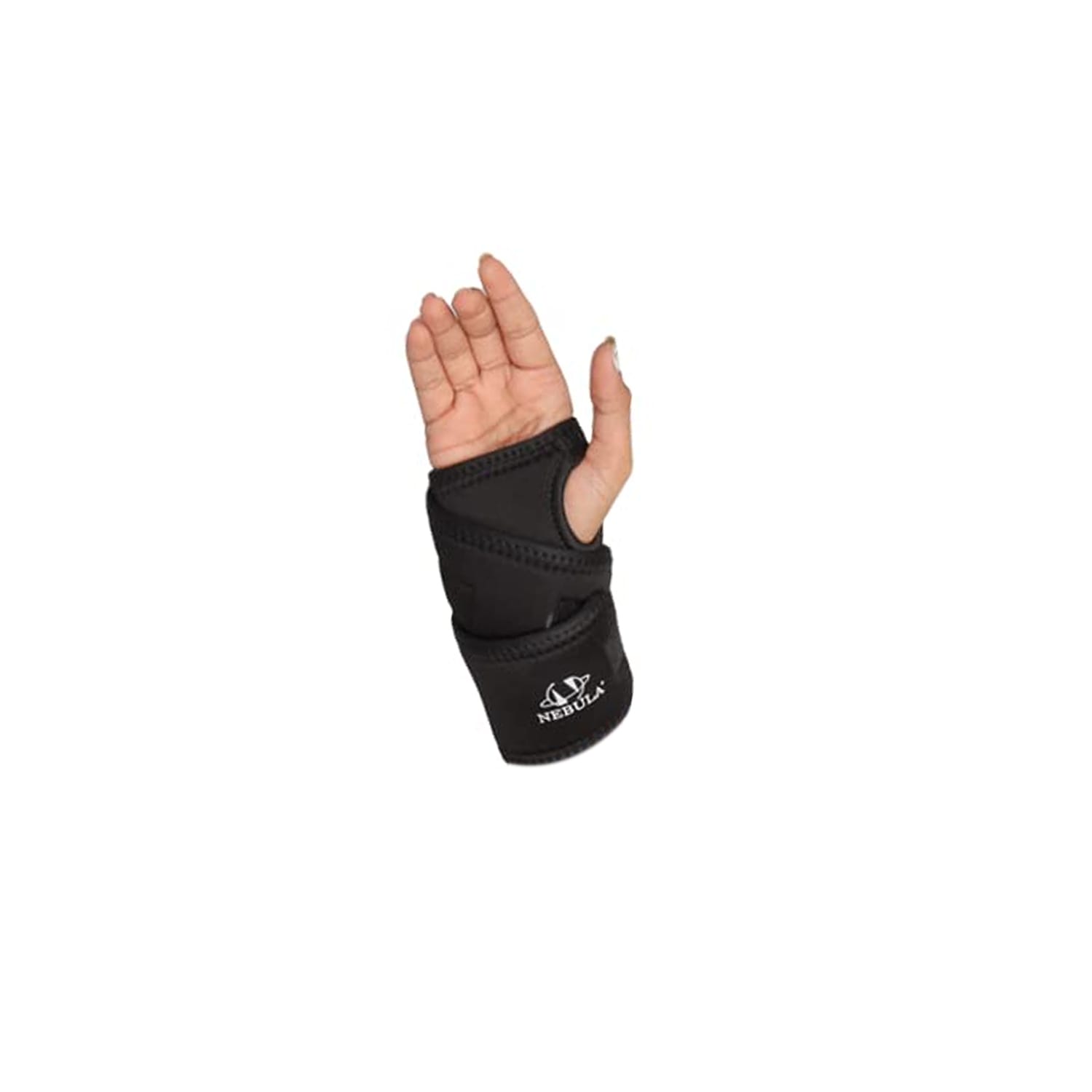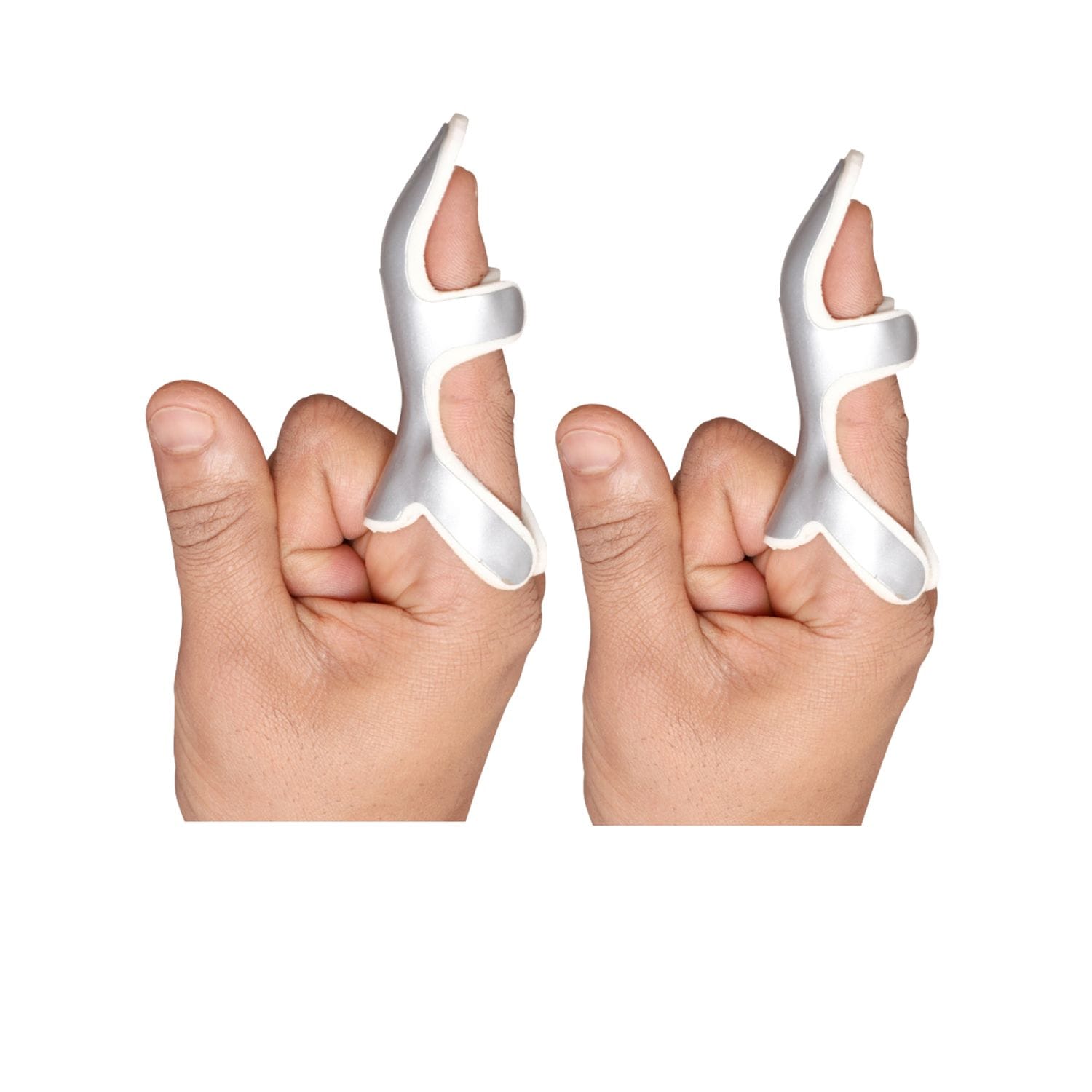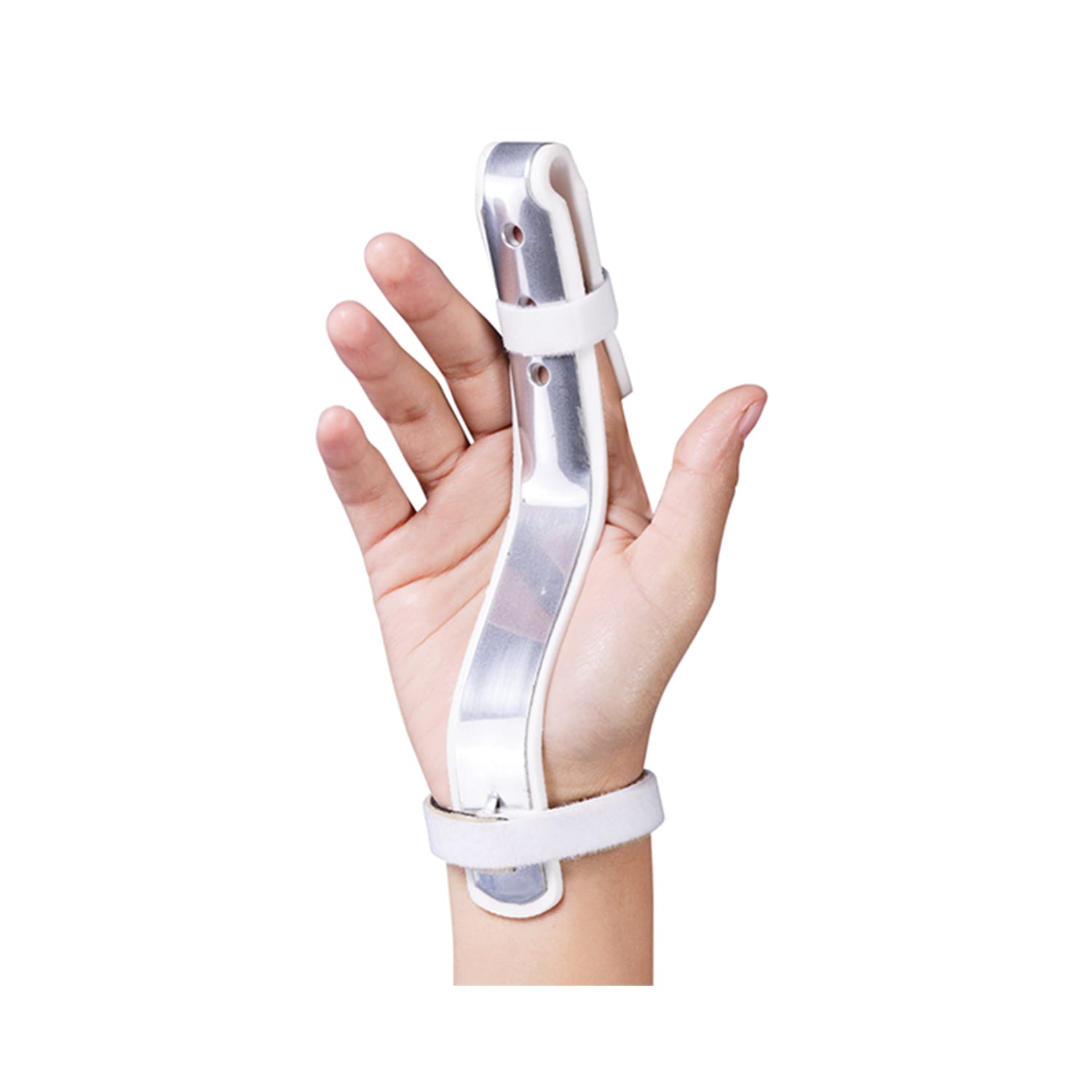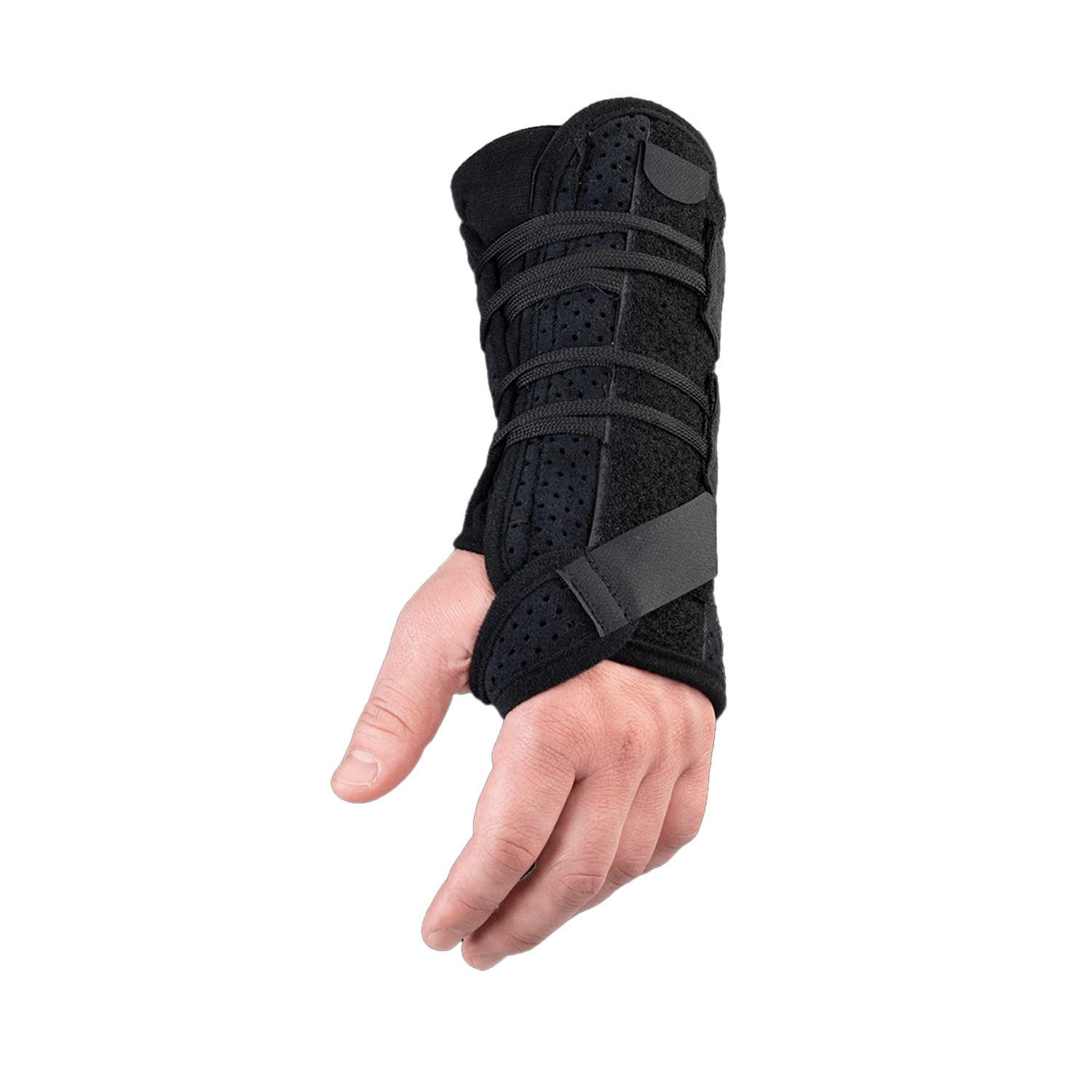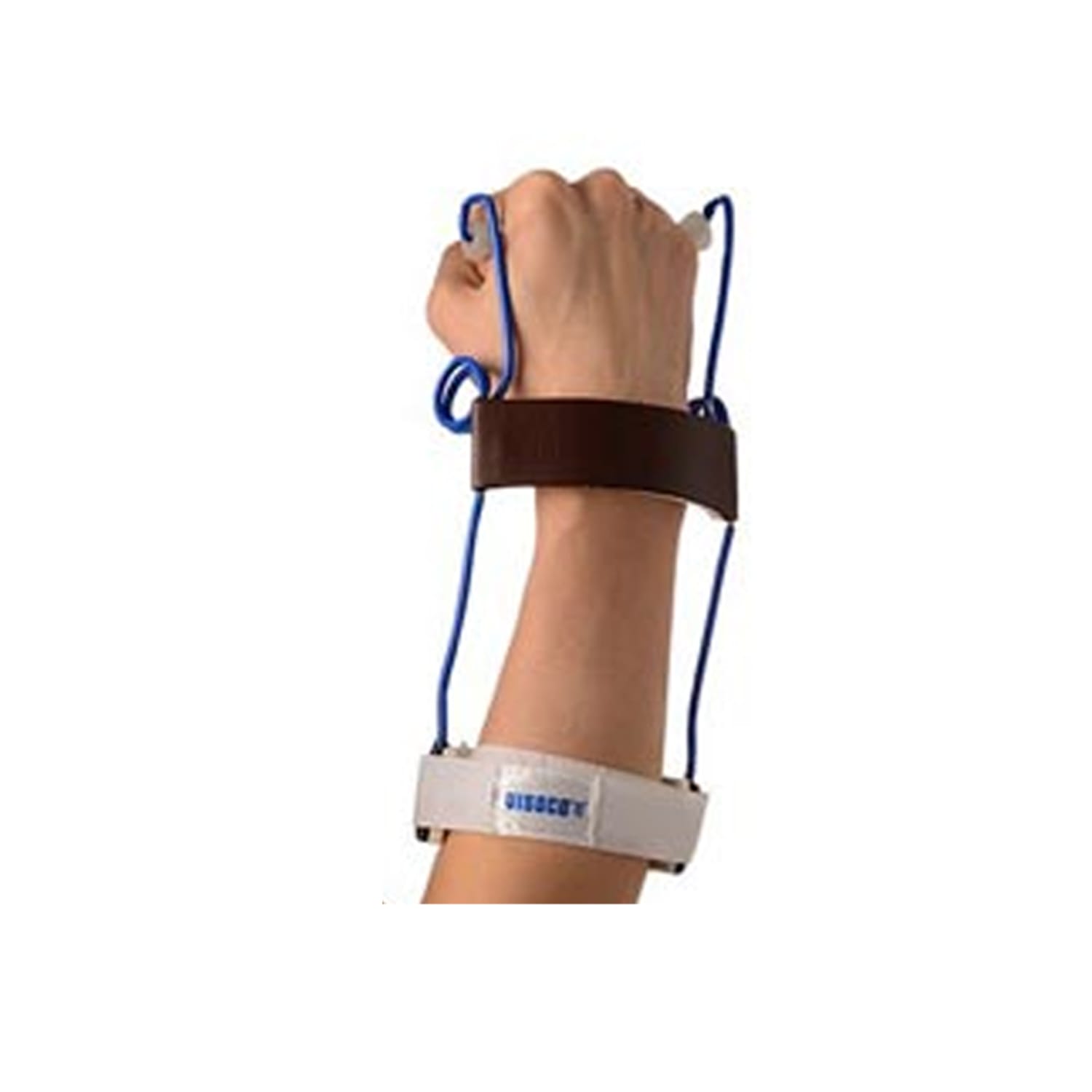


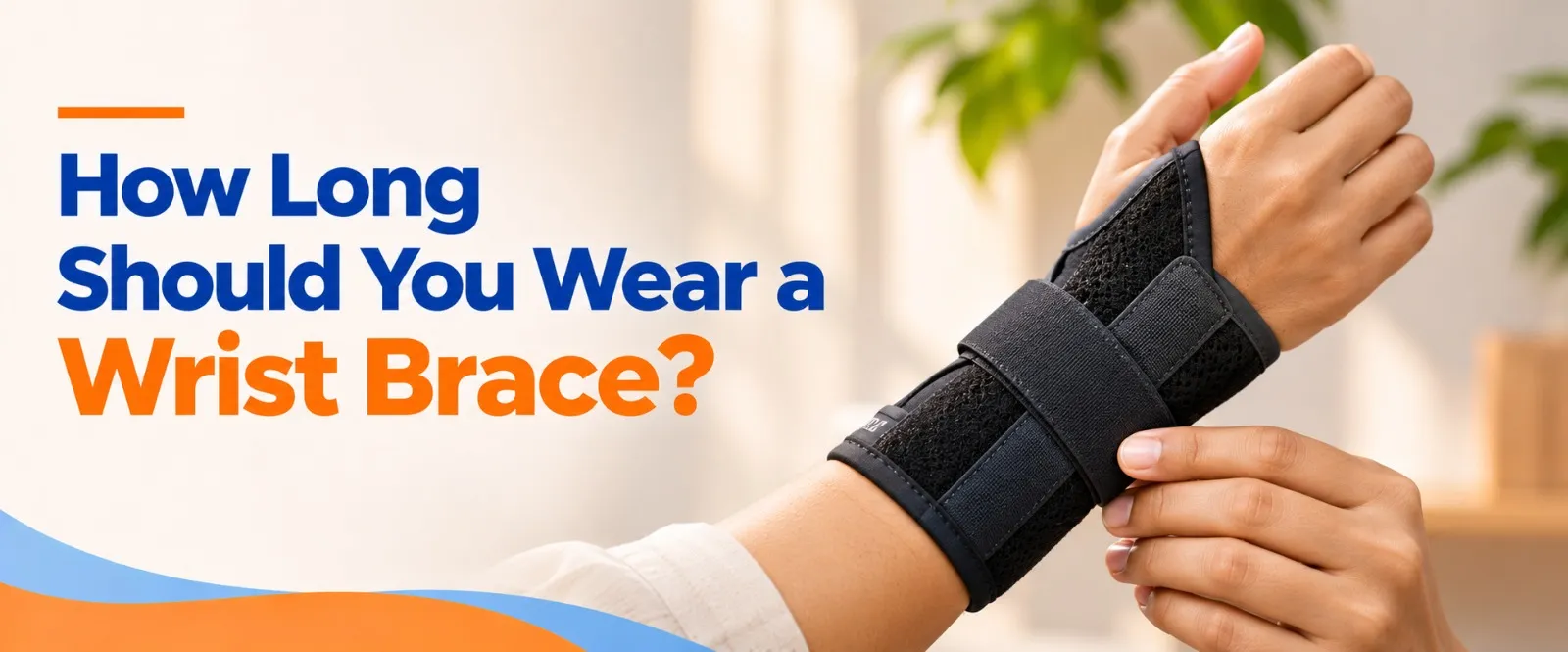
Wrist pain makes even simple daily actions quite tough. Actions such as typing on a computer keyboard, carrying a bag, preparing food, driving, and even talking on your mobile phone can be challenging if your wrist is sore. A brace can help give your wrist support and control its movements during treatment of the condition causing your wrist to hurt.
However, the amount of time you should wear a wrist brace depends on what causes you to use the brace in the first place. Some cases where a brace is recommended for wrist pain need it only when participating in certain activities, whereas a fracture needs extended immobilization.
If you do not wear your wrist brace for enough time, you will leave your injury untreated. If you wear the brace for too long, you will hinder your movements and cause stiffness. Therefore, knowing the cause of your wrist pain is the key.
How Long to Wear a Wrist Brace Depending on Your Condition
There is no single wrist brace duration that suits everyone. The recommended schedule depends on the type and severity of the problem.
Condition | Typical brace use |
|---|---|
Mild wrist strain or sprain | During painful activities or for a short period, depending on symptoms and clinical advice |
Carpal tunnel syndrome | Often at night for several weeks; reassessment may be needed if symptoms persist |
Wrist fracture | As directed by an orthopaedic specialist, commonly for several weeks |
Repetitive strain or overuse | During aggravating activities, alongside activity modification |
Arthritis-related wrist pain | During activities that provoke pain, depending on individual needs |
These are general examples, not fixed treatment schedules. A suspected fracture, severe sprain or persistent wrist pain needs appropriate assessment before deciding how long to wear a brace.
Should You Wear a Wrist Brace All Day?
Not always. Some problems need support only for certain tasks, whereas other injuries or issues might need more constant immobilization.
In case you have minor wrist discomfort, the use of brace when doing some tasks which trigger the symptoms might be helpful to avoid further irritation. You must take it off when washing and checking your skin and moving slightly if necessary.
If your doctor has prescribed a wrist brace for an injury or following treatment, follow the recommended wearing schedule. Remove it only when permitted, such as for washing or prescribed exercises.
The brace is supposed to be worn comfortably but not too tightly. If your fingers turn numb, tingly, unusually swollen, cold or discolored, loosen or remove it.
Should You Wear a Wrist Brace at Night?
Wearing a wrist brace during the night can be helpful for some ailments, especially carpal tunnel syndrome.
While asleep, a person tends to bend his or her wrist unknowingly. Maintaining a neutral position for the wrist is less likely to put pressure on the median nerve and can be helpful in relieving symptoms during the night. It may take a few weeks of wearing the brace at night to see any effects.(1)
Nevertheless, wearing a wrist brace during the night is not obligatory for all types of injuries. For instance, removable braces for minor sprains can be removed during the night, while fractures and other types of injuries necessitate constant wearing of a wrist brace. The appropriate wrist splinting schedule may vary by condition; a clinical trial has examined both nighttime and full-time wear for carpal tunnel syndrome.(2)
For instance, some minor sprains may not require overnight bracing, while certain fractures or more serious injuries may require continuous immobilisation as directed by a clinician.
Can You Stop Wearing a Wrist Brace When the Pain Goes Away?
Not always.
Relief from pain doesn’t imply that the damaged ligaments, tendons, or bones have fully healed. This point becomes crucial when talking about fractures or severe strains.
In case of minor damage, you can decrease the time spent wearing the brace as pain subsides and your daily routine starts to feel comfortable. Slow wrist motion and gradual return to daily activities might assist you with regaining mobility. Immobilisation duration after a distal radius fracture should be individualised because fracture stability and severity influence the appropriate treatment period.(3)
However, if you had a brace for fractures or after surgery, talk to your doctor before removing it since early return to strenuous activity can worsen the problem.
What Happens If You Wear a Wrist Brace for Too Long?
A wrist brace may prove useful in instances where its purpose is defined; however, long-term or unnecessary use can lead to certain difficulties.
Specific issues that may arise include:
Rigidity: Long-term immobilisation may limit the flexibility of the joint.
Inactivity: The use of brace may impede the recovery process depending on the specific problem.
Irritation: Inadequate fit may result in skin irritation due to sweat, friction, or pressure.
Excessive pressure: If the brace is overly tight, tingling sensation, numbness, or even swelling may occur.
These considerations do not mean that one should cease using a brace prescribed by a doctor; rather, they should be taken into account.
How to Wear a Wrist Brace Correctly
The way the wrist injury brace is worn is equally important as selecting the appropriate duration.
Selecting an appropriate brace: Depending on the injury and whether or not the movement of the wrist should be limited, the amount of support needed differs.
Placing the wrist in the proper position: Although most braces keep the wrist in the neutral position, some injuries call for a different position.
Wearing it comfortably: The brace must be snug, but not cut off the blood circulation or press on the skin.
Monitoring your skin: Persistent redness or irritation must be checked.
Avoid actions that increase the pain: Wearing a brace will not protect you from performing aggravating actions.
Following a correct therapy plan: Some injuries call for gradually moving and exercising the wrist instead of immobility.
When Should You See a Doctor for Wrist Pain?
See a doctor if the wrist pain is severe, or not responding to home remedies within a couple of weeks. Any tingling or numbness should be examined too.
See a doctor urgently after any wrist injury if the wrist appears deformed, is unable to move or grasp, or if the hand becomes numb, cold or discolored. This could indicate a bone fracture, nerve damage or impaired circulation.
A wrist brace shouldn’t be used as the only treatment when the cause of the wrist pain is unknown. A doctor will be able to determine the right treatment option – this might include imaging, immobilization, drugs or physiotherapy.
See a doctor if wrist pain is severe or does not improve with home care. Persistent tingling or numbness should also be assessed. Seek urgent medical attention for sudden or worsening numbness, particularly after an injury or when accompanied by weakness or changes in hand colour or temperature.
Conclusion
Understanding the amount of time one should keep the brace on begins with understanding the condition that requires this device. Temporary support for mild injuries, splinting at night for carpal tunnel syndrome, and immobilisation for weeks when dealing with fractures – all require understanding the underlying condition first.
The idea behind using a brace is not to keep it on for as much time as possible. It is about providing proper support for a certain period of time.
In case of ongoing wrist pain or any other associated symptoms such as numbness, swelling, or lack of mobility, consult a physician instead of prolonging wearing of the brace.
References:
Randomized controlled trial of nocturnal splinting for active workers with symptoms of carpal tunnel syndrome - 2005 Jan - https://pubmed.ncbi.nlm.nih.gov/15640980/
Neutral wrist splinting in carpal tunnel syndrome: a comparison of night-only versus full-time wear instructions - 2000 Apr - https://pubmed.ncbi.nlm.nih.gov/10768530/
Cast immobilization duration for distal radius fractures, a systematic review - 2024 Aug - https://pubmed.ncbi.nlm.nih.gov/38507086/