


Cerebral palsy looks different in every person. One child walks with a slight limp and tires quickly, while another needs support just to sit upright. So no single piece of equipment suits everyone, and the question families usually start with, "which mobility aid should we get?", doesn't have a one-line answer. What helps is knowing the options and matching them to how the person actually moves.
How Doctors Think About Mobility in CP
Therapists often describe movement ability using the Gross Motor Function Classification System, or GMFCS. In simple terms, children at levels I and II can usually walk without help, while those at levels III to V generally need assistive devices such as walkers or a wheelchair to get around [1]. GMFCS levels are generally stable, although a person's mobility needs and the support they require may change with age, growth and treatment. It does explain why the right mobility aids for cerebral palsy vary so much from one person to the next.
Walking Aids for Cerebral Palsy
For people who can walk but need extra balance or stability, there are a few common choices.
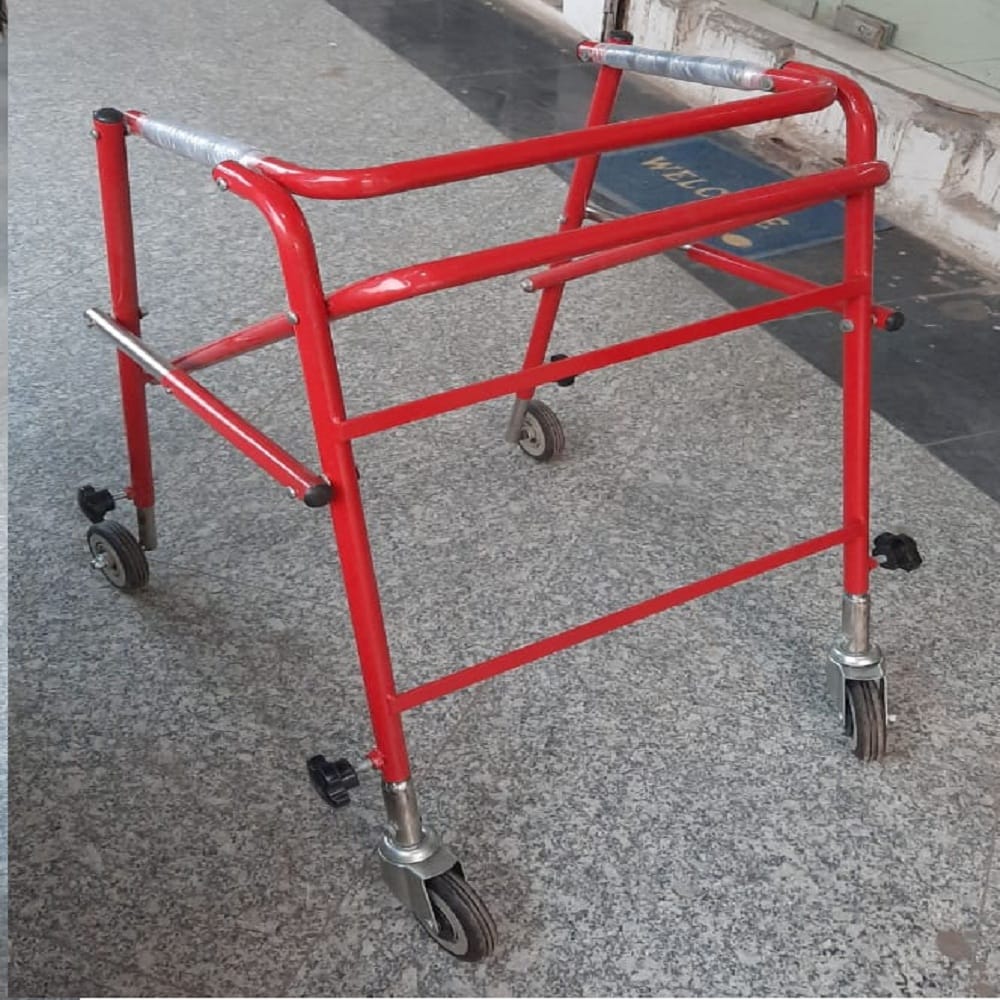
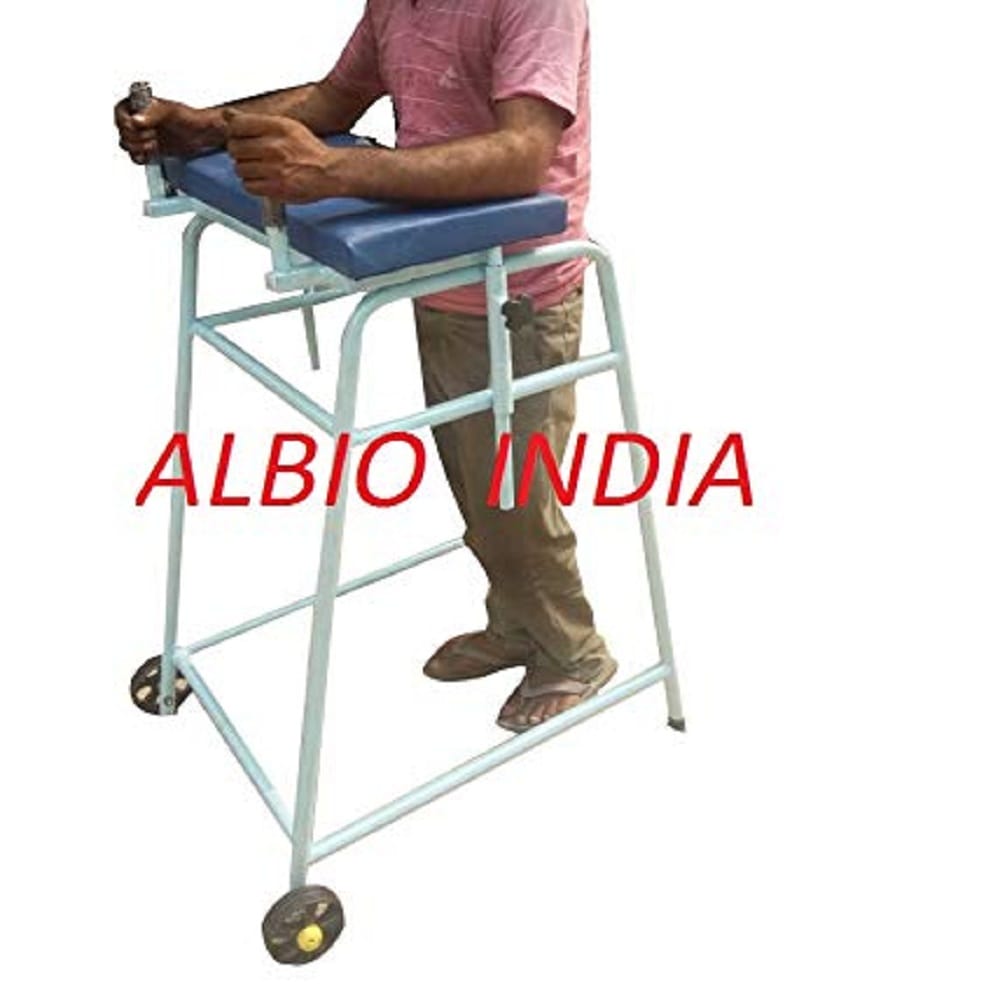
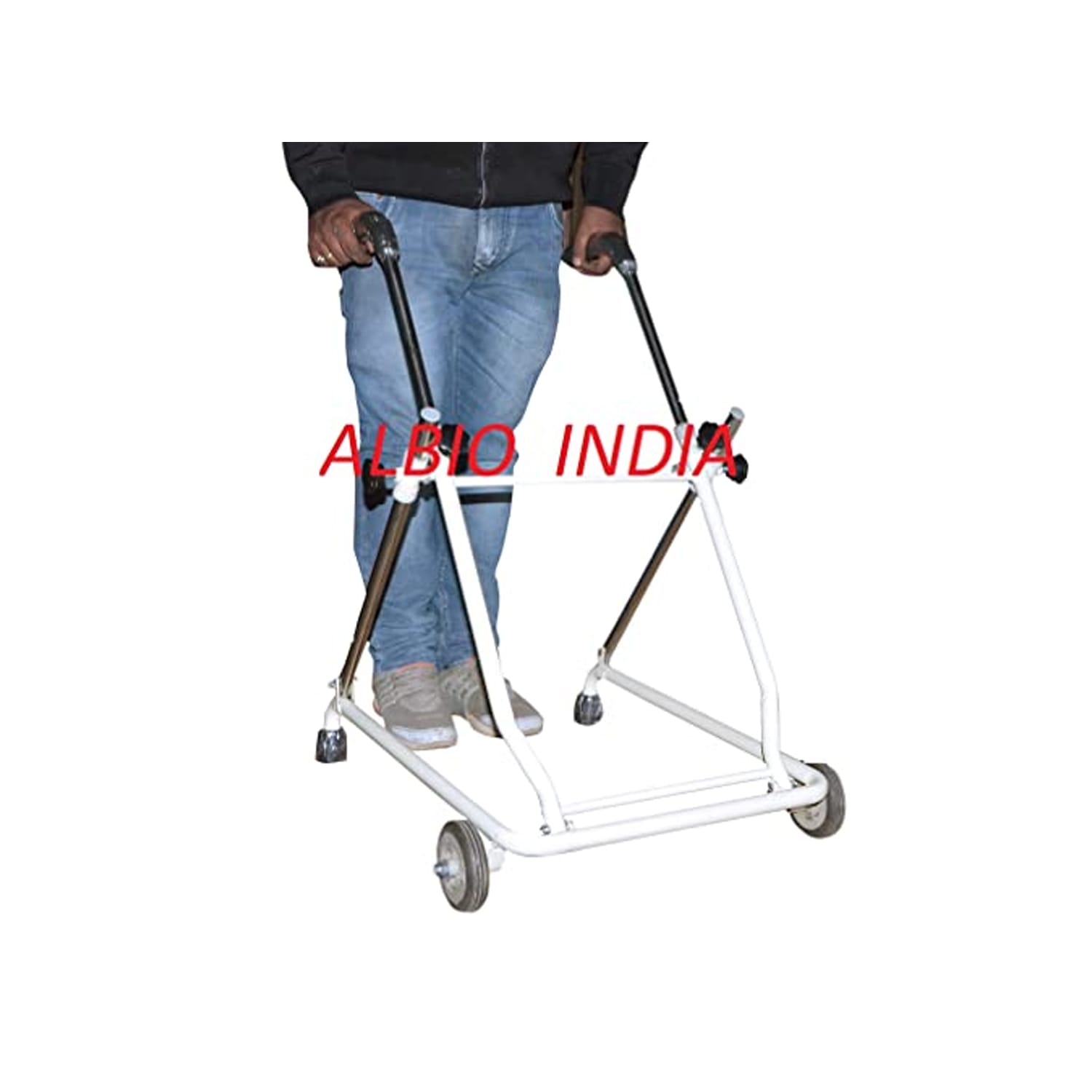
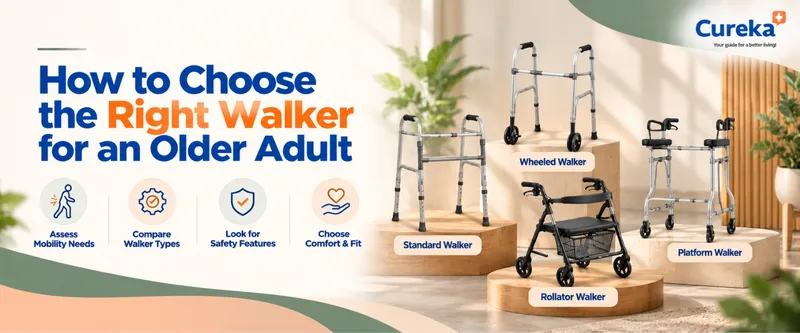
Walkers and rollators come first. A front-wheeled or four-wheeled walker gives a wide, steady base to lean on while moving forward. Rollators with hand brakes and a built-in seat suit those who tire quickly and need to rest along the way.
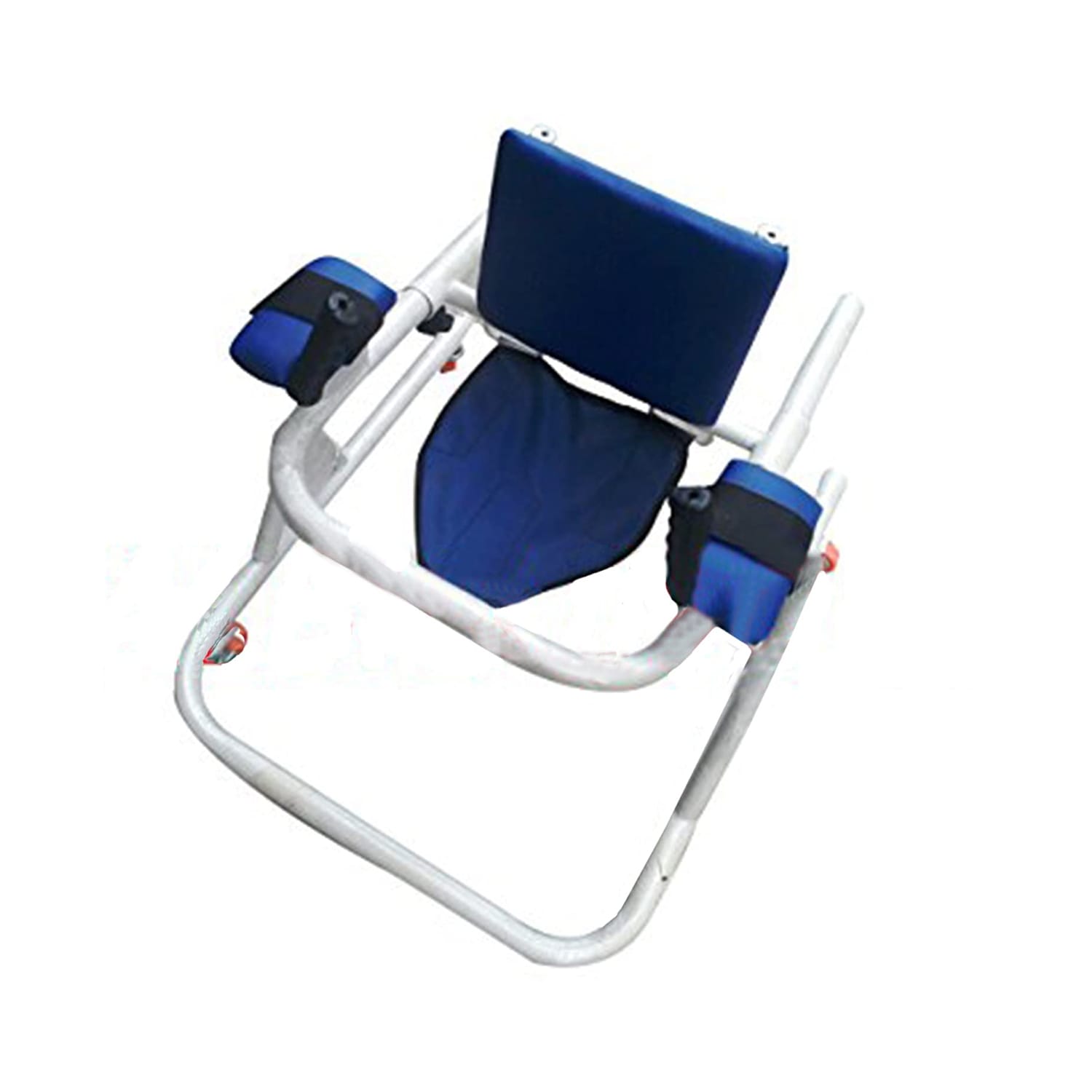
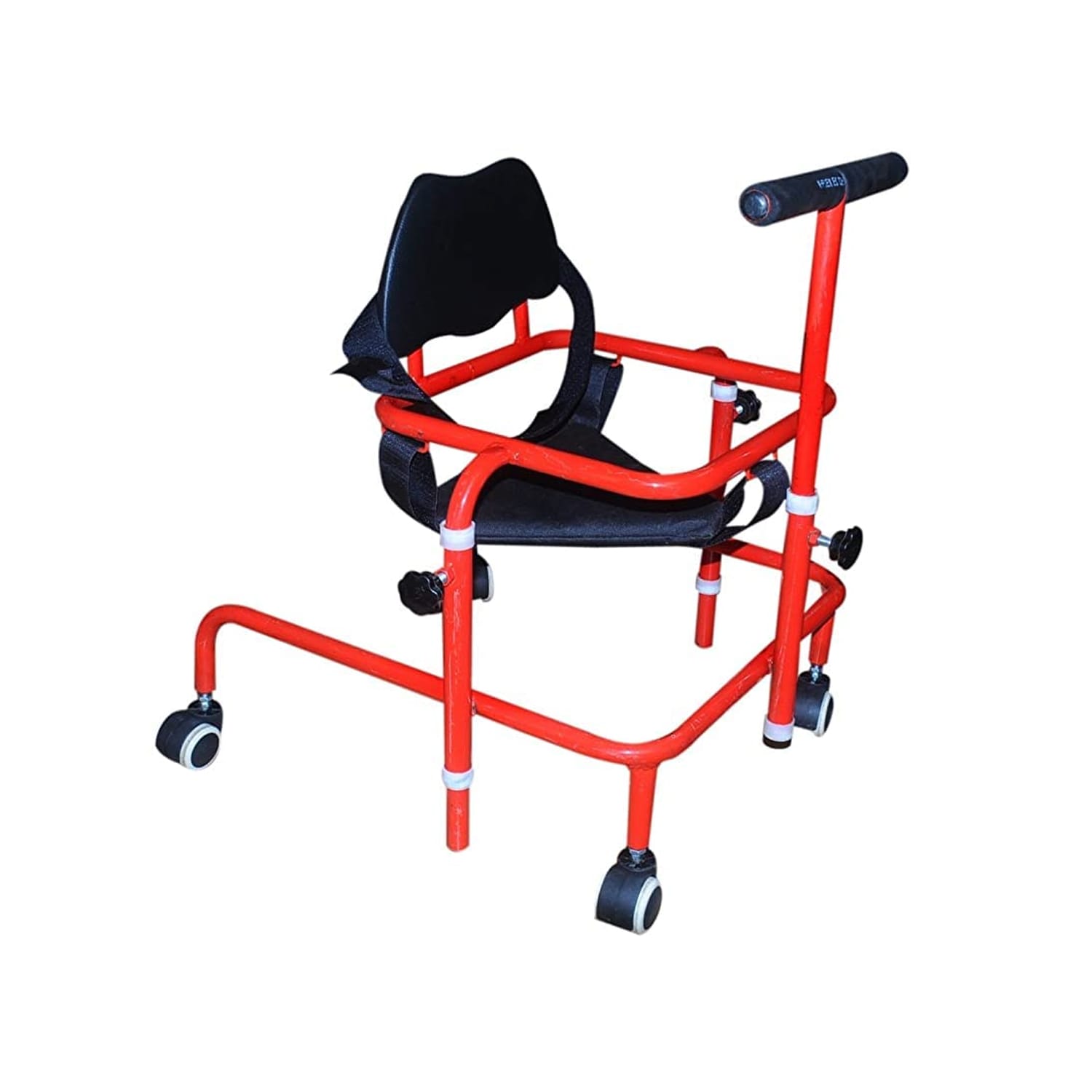
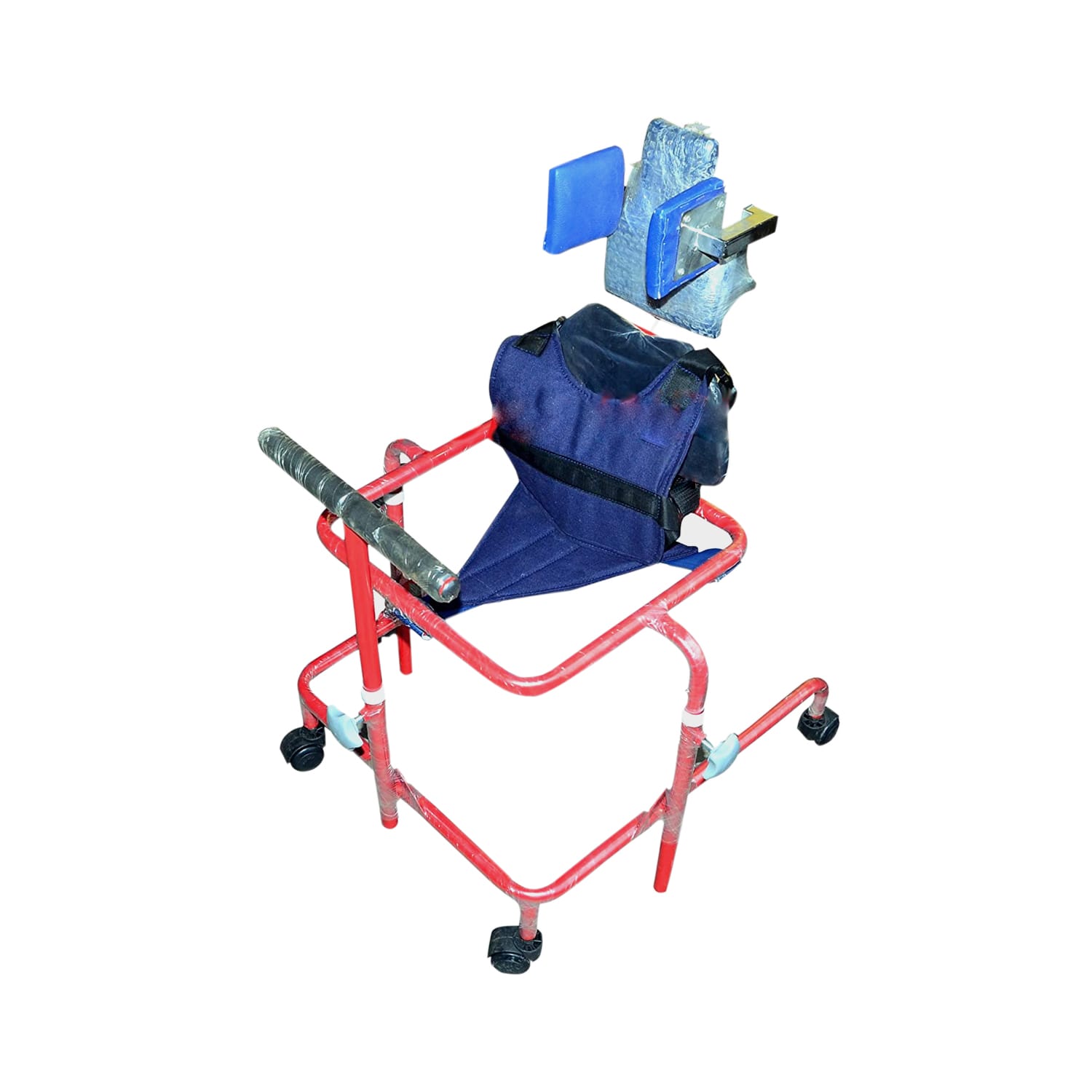
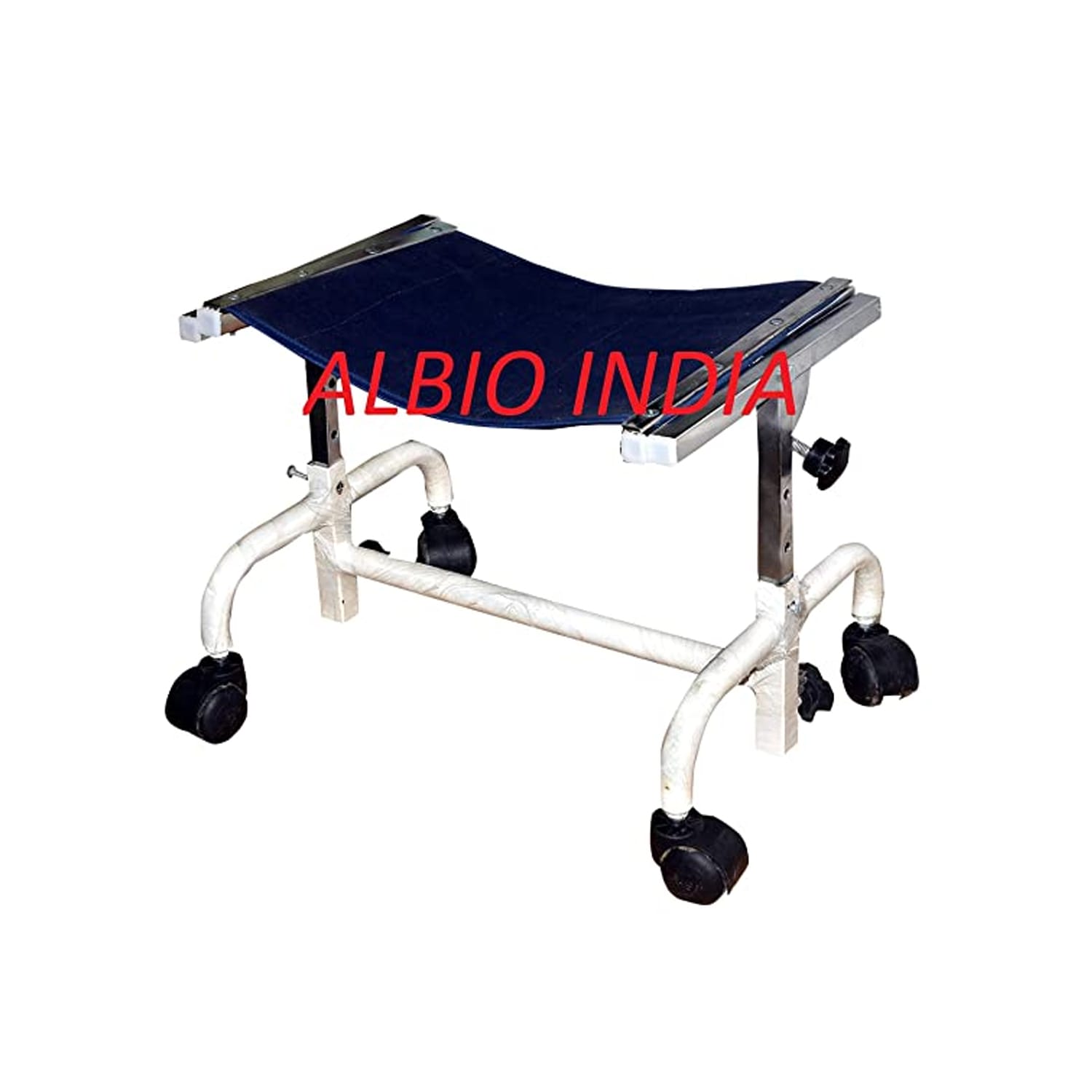
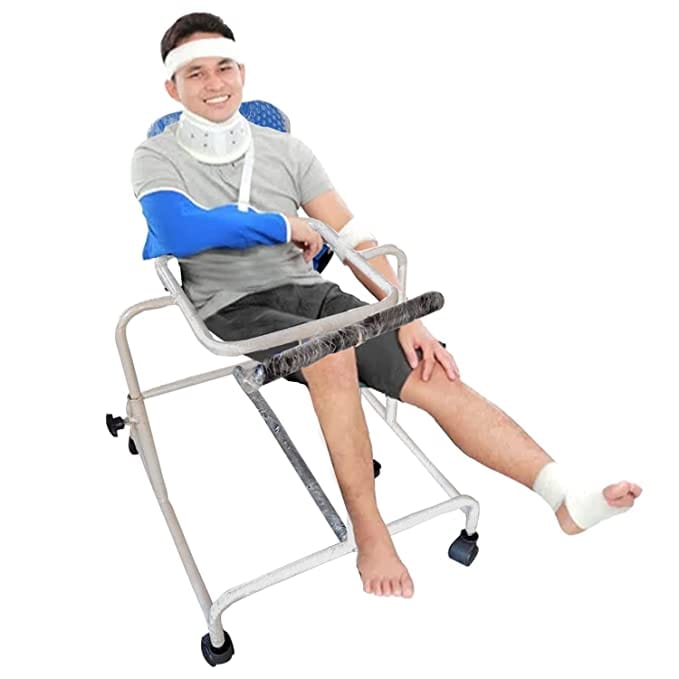
Gait trainers go a step further. These are frame-based walkers with added support, such as a seat, harness, or trunk and pelvic supports, so someone who can't safely hold themselves upright can still practise stepping. Many children use them both at therapy and at home.
Crutches and canes work for milder cases, where balance is a little off and one or both sides need extra help. Forearm crutches usually give more control than underarm ones.
Orthoses: Support Worn on the Body
Not every mobility aid is something you push. Ankle-foot orthoses, or AFOs, are lightweight braces that sit inside the shoe and support the foot and ankle. Reviews of the research suggest that certain types can improve walking speed and stride length in children with CP, and some reduce the energy it takes to walk, though the authors point out that better-quality trials are still needed [2]. Longer braces that extend above the knee are also used alongside rehabilitation to support walking and balance [3]. An orthotist usually fits these, because the wrong type or a poor fit can cause more trouble than it solves.
Wheelchairs and Seating
When walking is tiring, slow or unsafe, a wheelchair isn't a step backwards. For many people it's what makes school, work and outings possible. Manual chairs suit those with good upper-body control, or a caregiver doing the pushing. Power chairs are for people who can't propel a manual one, and many can be driven with a joystick or switches adapted to the person's abilities. Lightweight transit chairs are handy for travel and short distances.
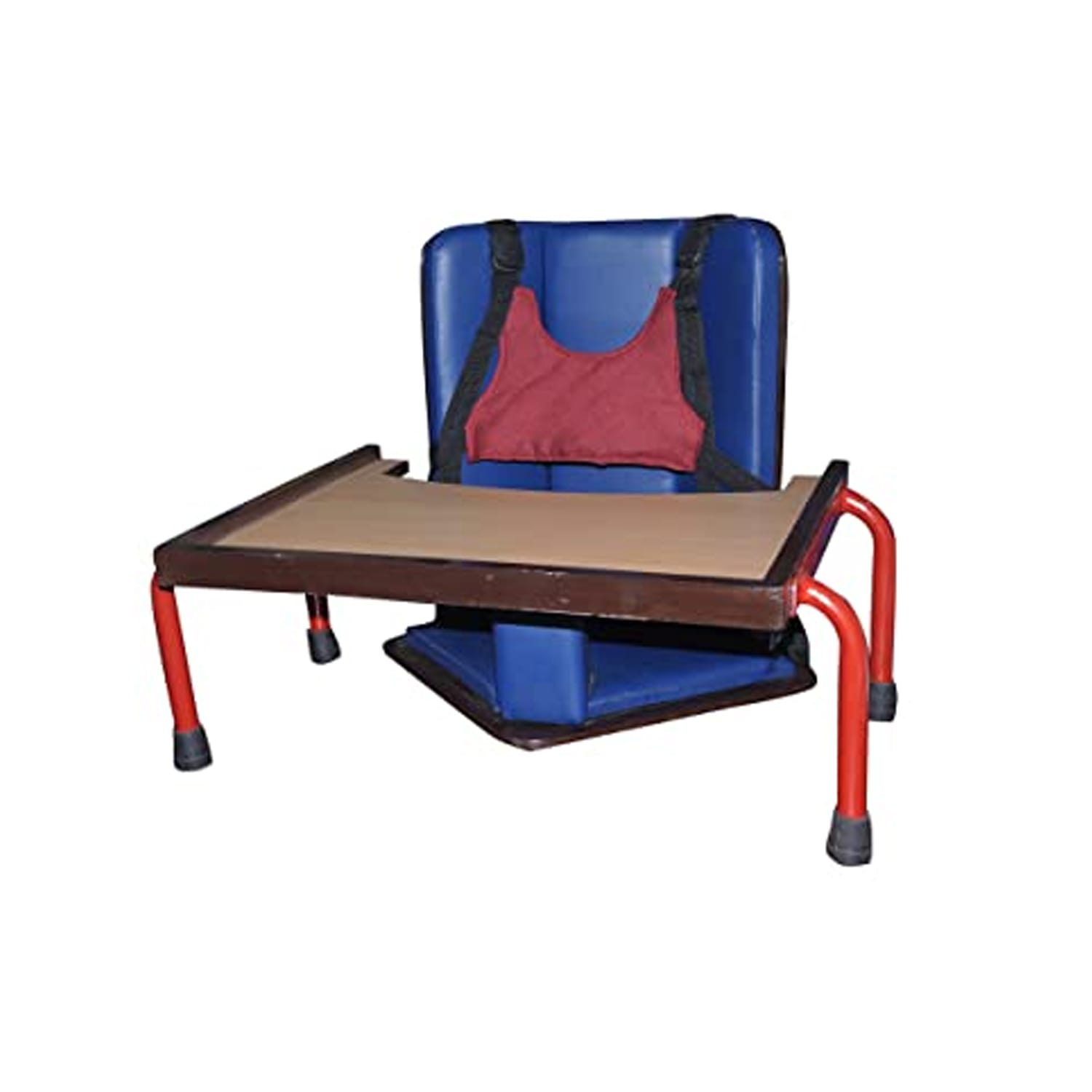
Whichever type you choose, the seating matters as much as the frame. Good trunk and head support, proper cushioning and a correct fit help with posture and comfort, and they lower the risk of pressure sores.
Standing Frames and Everyday Supports
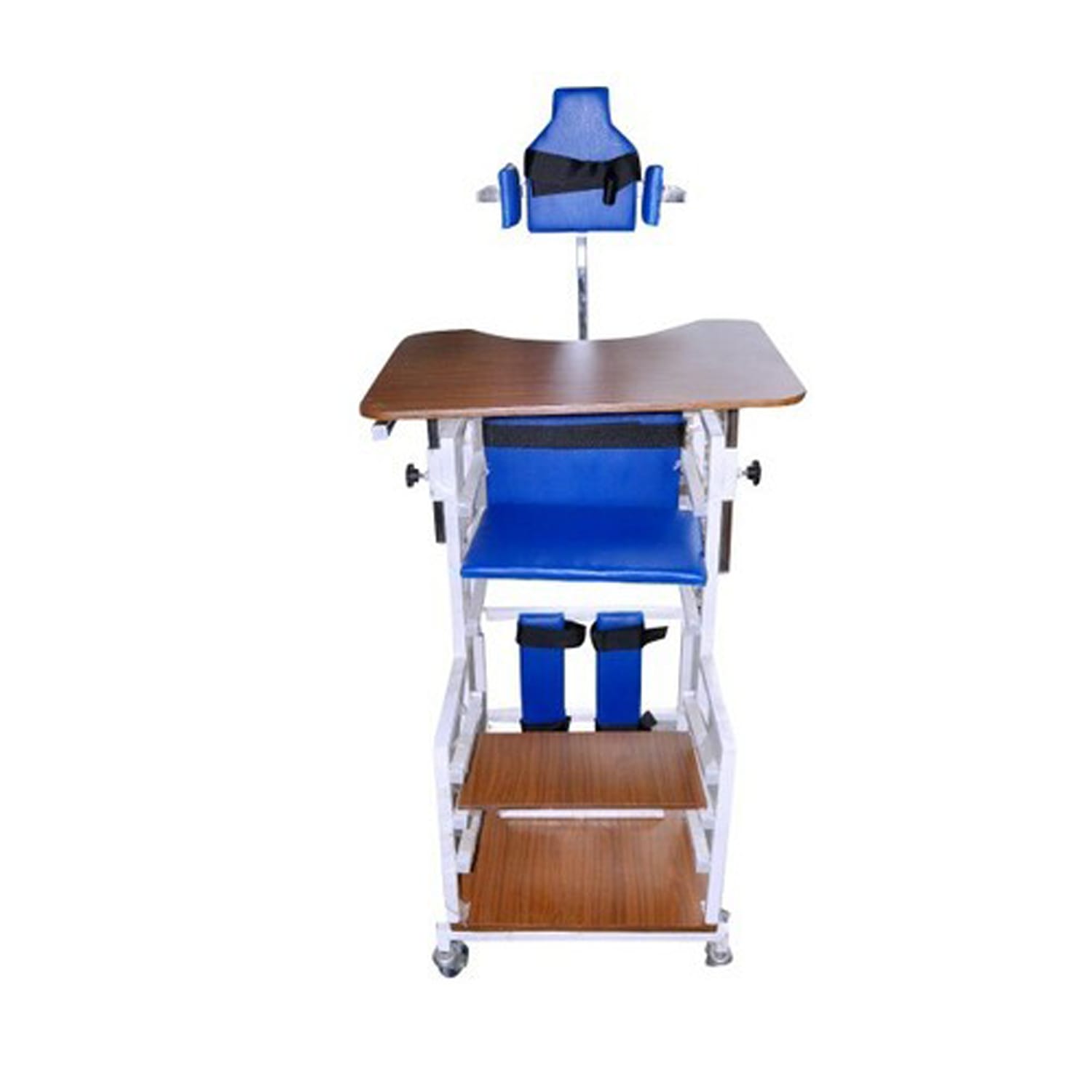
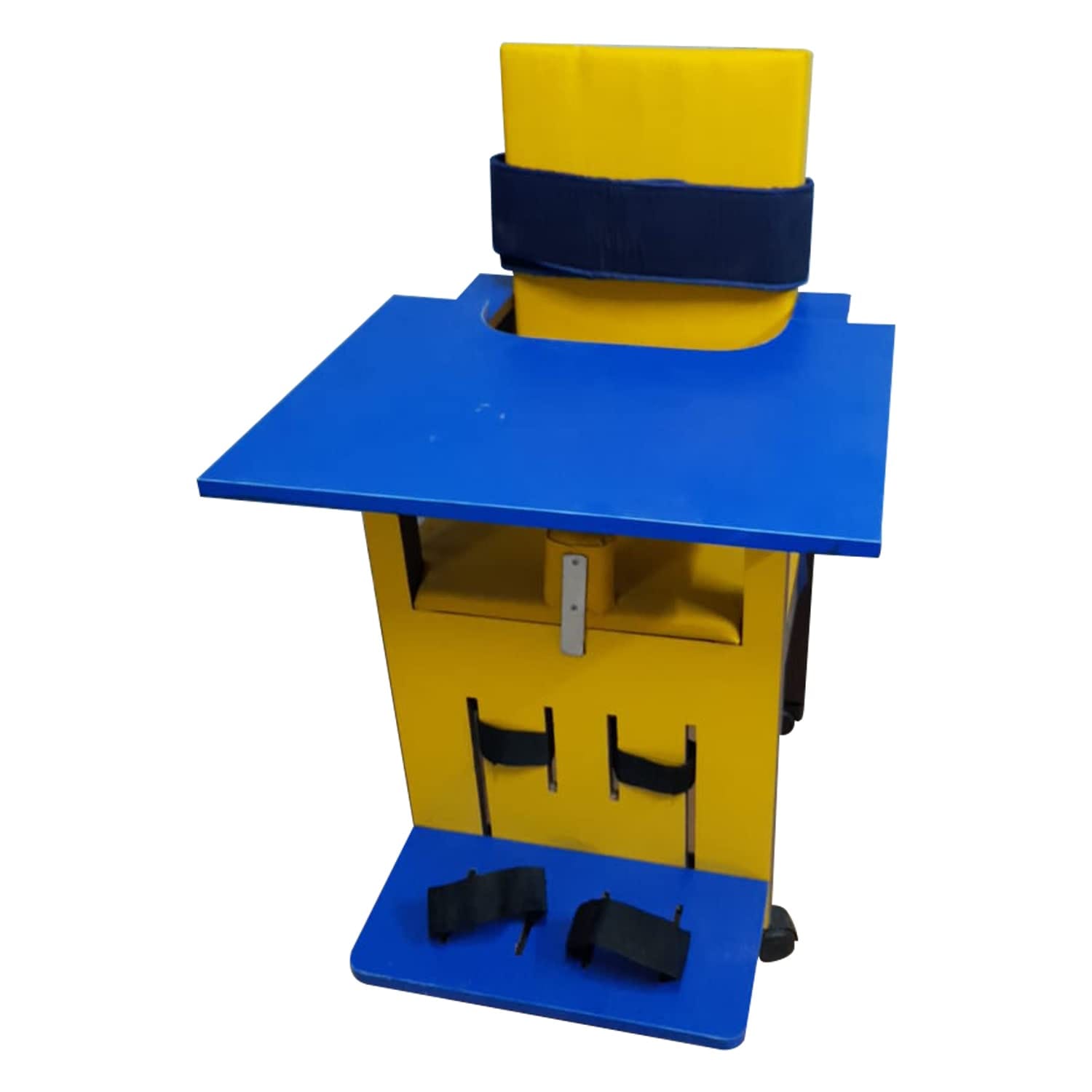
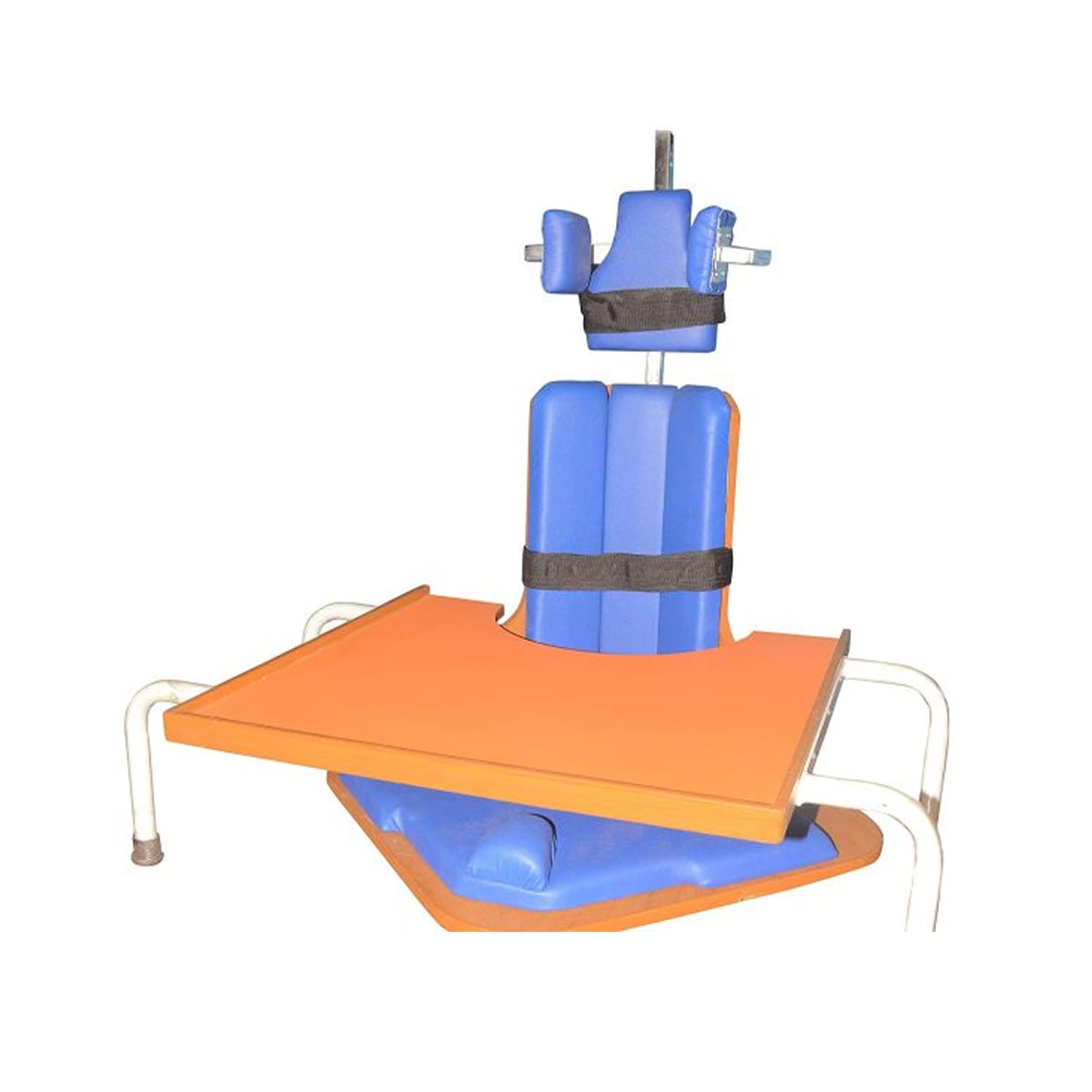
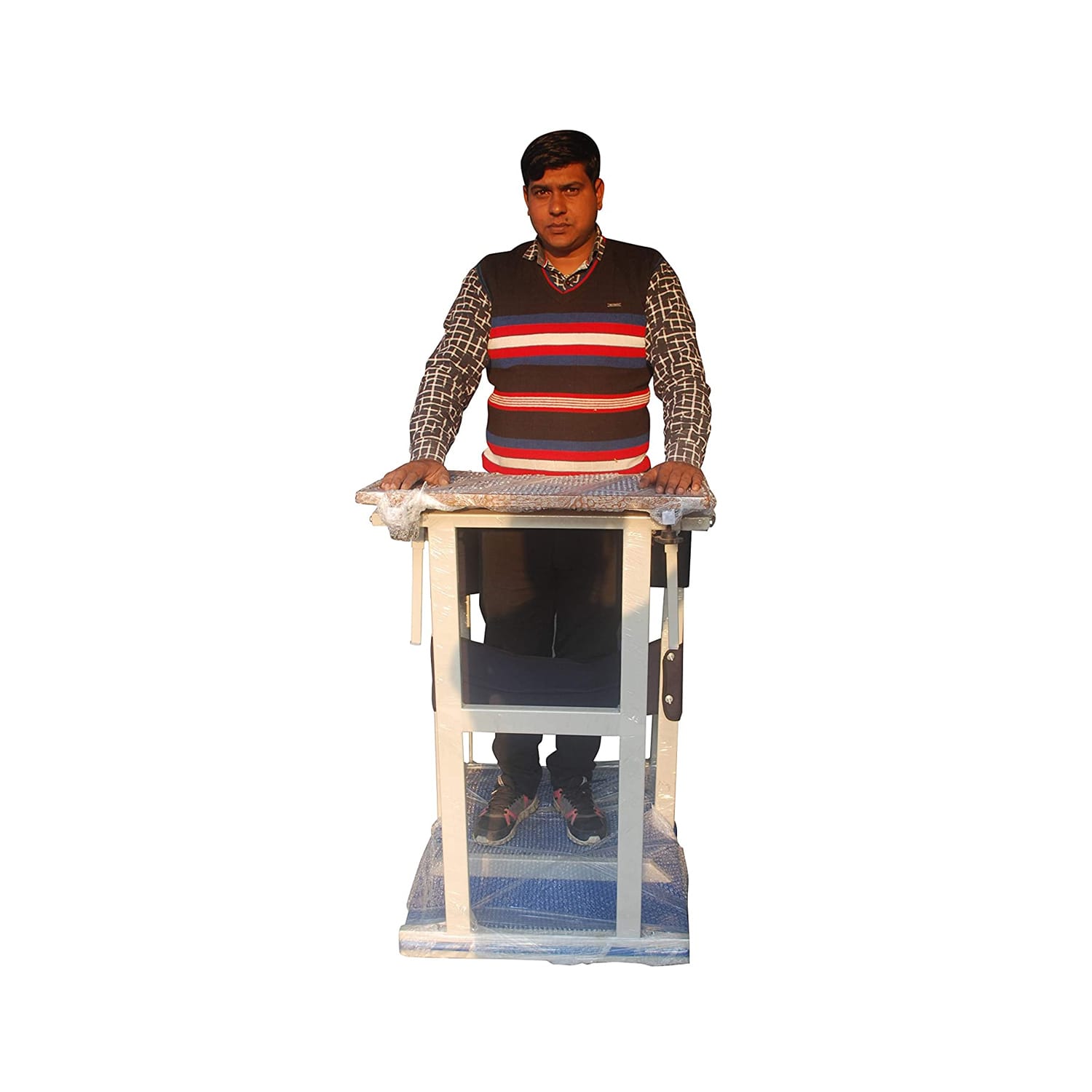
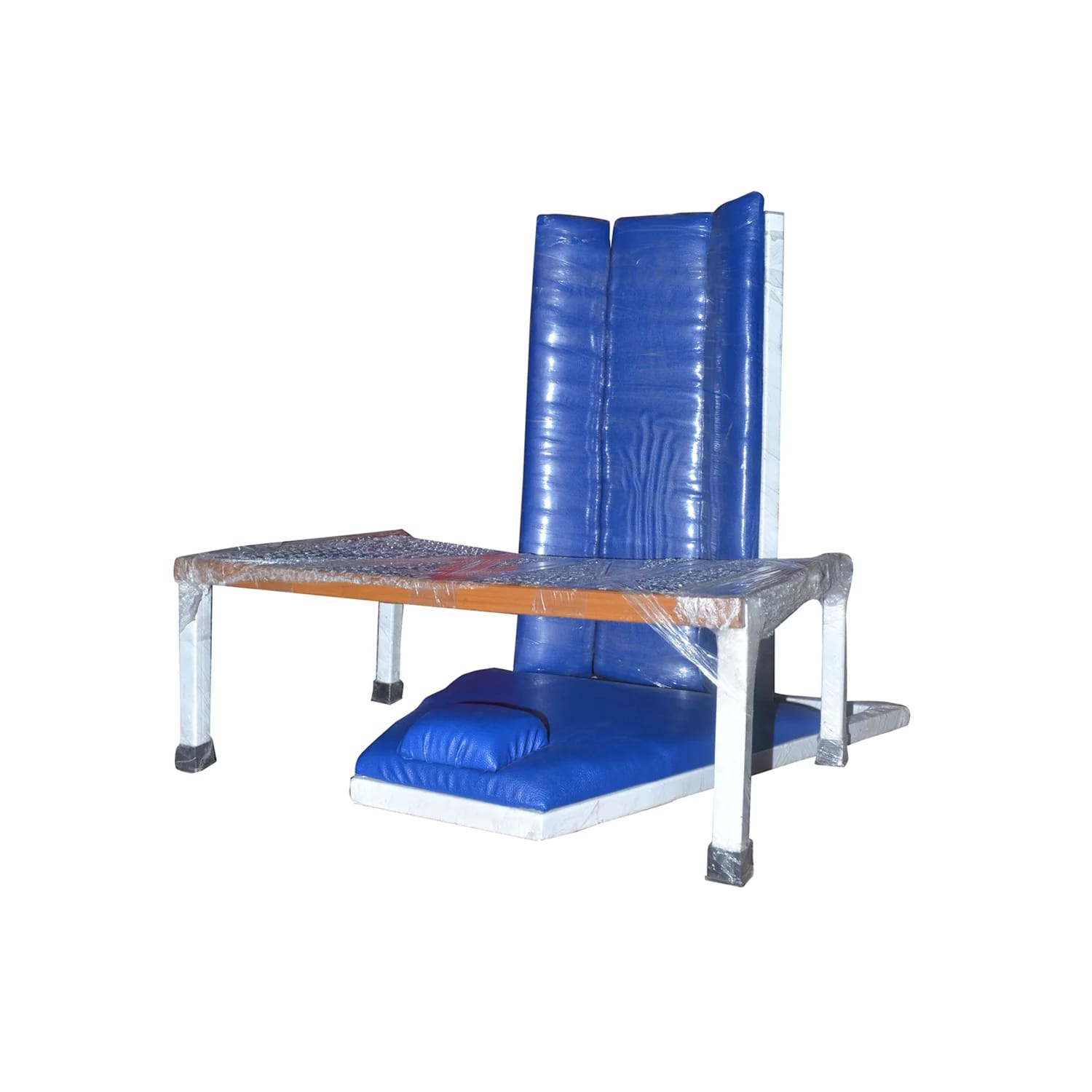
Standing frames hold a person upright, which is useful for weight bearing and for joining in activities at a table or counter. Therapy tricycles and adaptive bikes build strength and give children a way to play outdoors. At home, smaller things add up: shower chairs, grab bars, raised toilet seats and ramps can make daily routines far safer and give back a good deal of independence.
What About Robotic or High-Tech Options?
Robotic gait trainers get plenty of attention. They're mostly used in clinics, and a review of randomised trials found that tethered robotic gait training did not improve mobility more than standard therapy [4]. That doesn't make them useless. It's a reminder that a simpler, well-fitted aid used consistently is often the better place to start.
How to Choose the Right Aid
A few things are worth thinking through before you buy.
Get a professional assessment first. A physiotherapist or occupational therapist can match the device to the person's strength, balance and goals, and check the fit.
Think about where it will be used. A walker that's perfect indoors may be too bulky for uneven pavements.
Plan for growth. Children outgrow equipment quickly, so look for adjustable height and width.
Ask about weight and comfort. A device that's heavy or awkward tends to end up in a corner.
Review it regularly. Needs change, and the equipment should change with them.
You can browse mobility and daily-living support products on Cureka, but it's worth showing any shortlist to your therapist before you order.
The Bottom Line
The best mobility aid is the one that fits the person, the home and the daily routine, and actually gets used. Start with an assessment, try things out where you can, and expect to adjust as time goes on.
References
[1] The efficacy of functional gait training in children and young adults with cerebral palsy: a systematic review and meta-analysis - https://pubmed.ncbi.nlm.nih.gov/29512110/
[2] Efficacy of ankle foot orthoses types on walking in children with cerebral palsy: a systematic review - https://pubmed.ncbi.nlm.nih.gov/28713039/
[3] Efficacy of Lower Limb Orthoses in the Rehabilitation of Children Affected by Cerebral Palsy: A Systematic Review - https://pubmed.ncbi.nlm.nih.gov/38397324/
[4] Conner BC, Remec NM, Lerner ZF. Is robotic gait training effective for individuals with cerebral palsy? A systematic review and meta-analysis of randomized controlled trials - https://pubmed.ncbi.nlm.nih.gov/35331027/