

Blood pressure reading at the doctor's clinic is a single snapshot, and it isn't always a fair one. Plenty of people get nervous in a white coat and see their numbers jump, while others look perfectly fine in the clinic and run high the rest of the day. That's a big reason doctors now ask many patients to track their numbers at home, since home readings tend to give a truer picture of everyday blood pressure than a one-off clinic check [1]. But walk into any store, or scroll through any listing, and you'll find a dozen devices that all look alike. So how to choose a sphygmomanometer you can actually rely on? It comes down to a handful of things, most of which have nothing to do with fancy features.
First, a Quick Word on the Name
Sphygmomanometer is just the formal term for a blood pressure monitor: a cuff, a way of inflating it, and a gauge or display that shows your reading. Everything below applies whether you call it a BP machine, a BP monitor or the full tongue-twister.
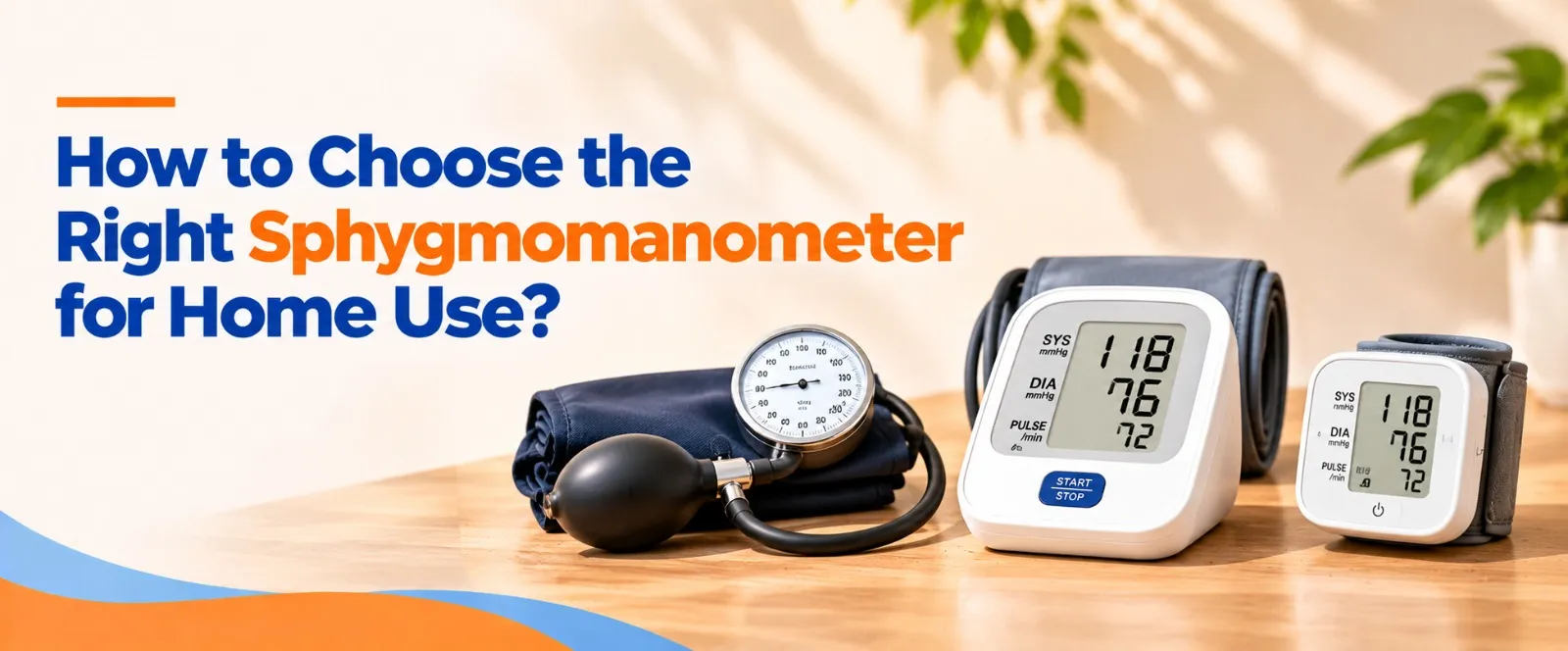
Types of Sphygmomanometers
There are three main types you're likely to come across.
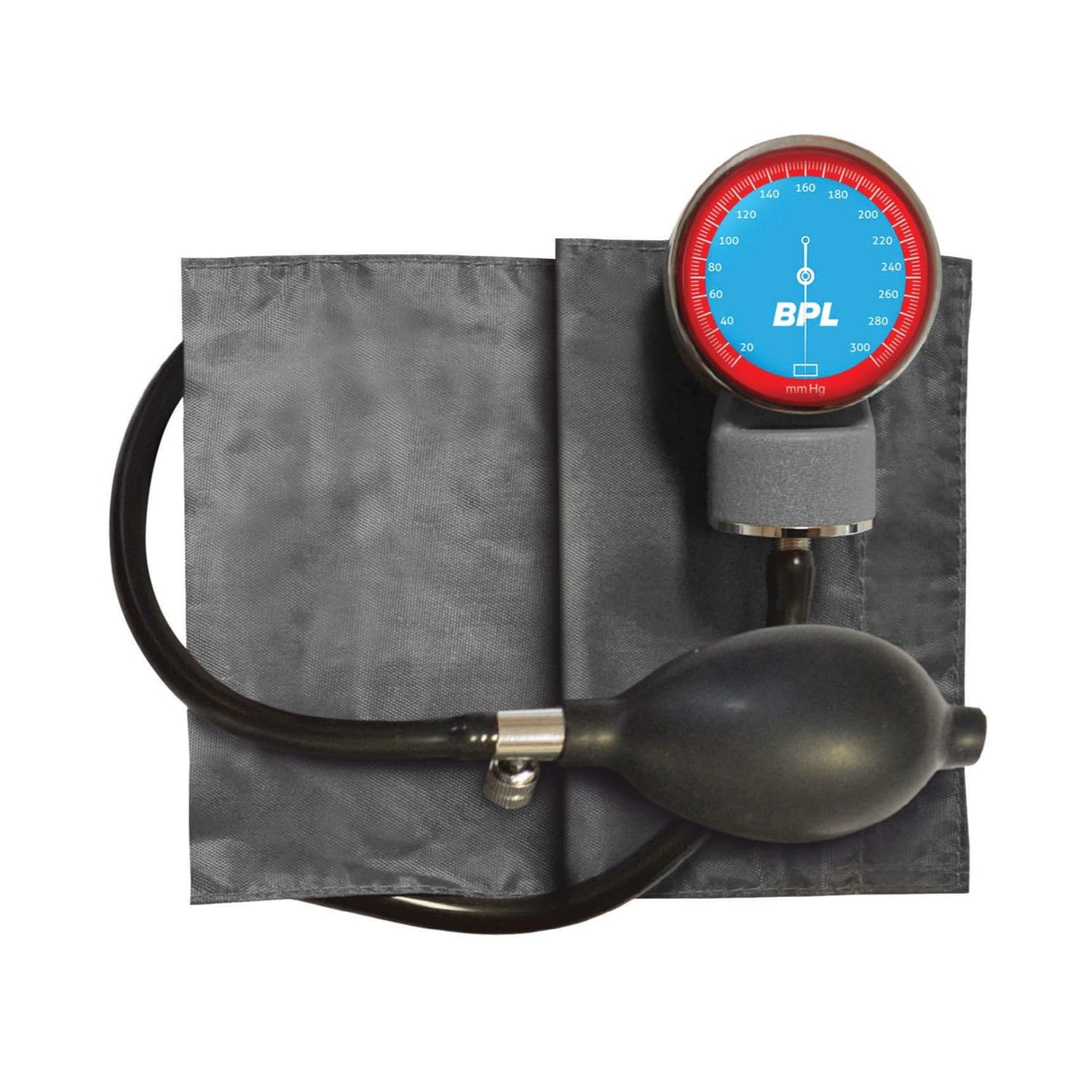
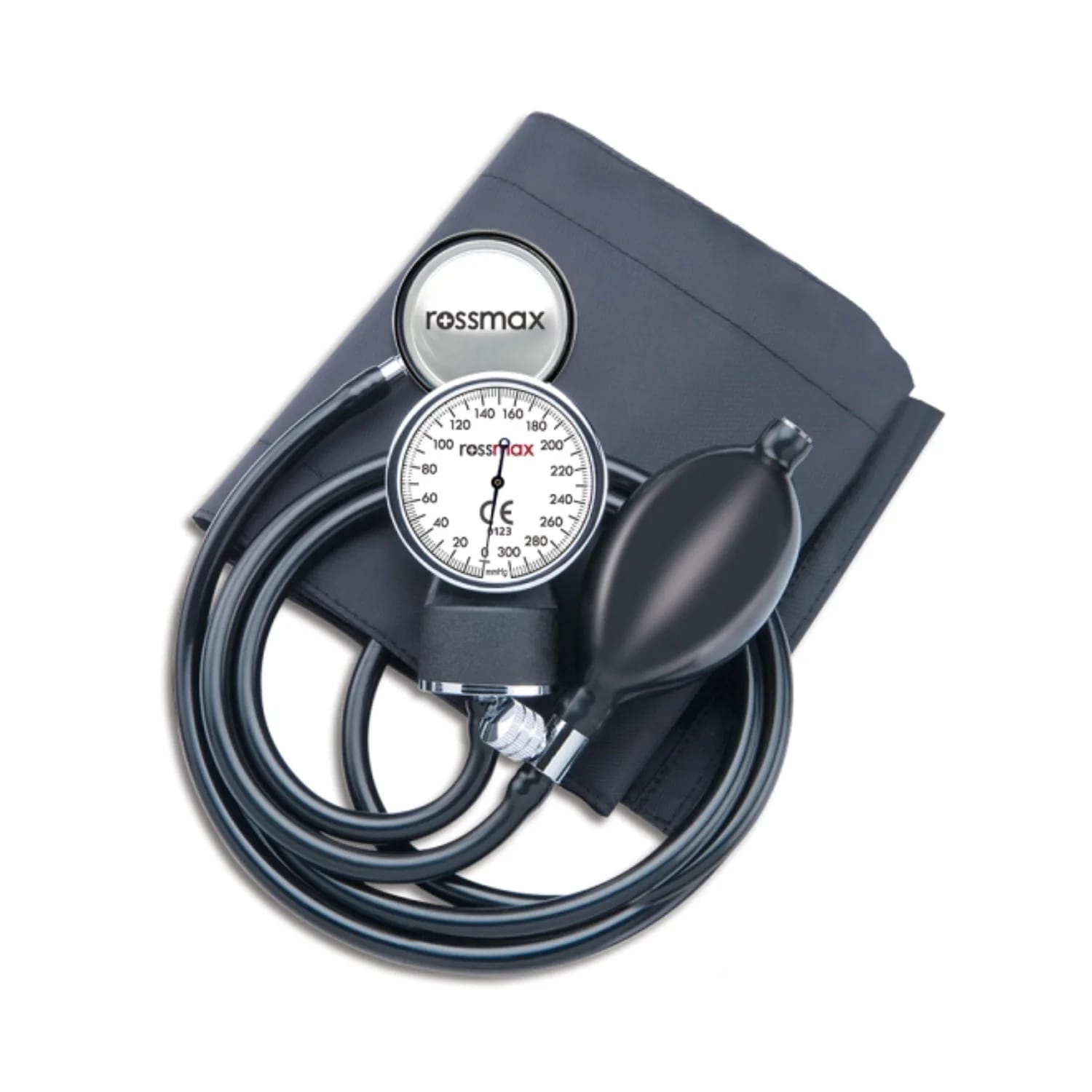
Manual (aneroid) models have a cuff, a hand bulb and a dial gauge. You inflate the cuff, listen through a stethoscope placed over the artery, and read the dial yourself. They're accurate in trained hands, but they take practice, and they're not ideal if you're alone or have hearing, vision or dexterity problems.
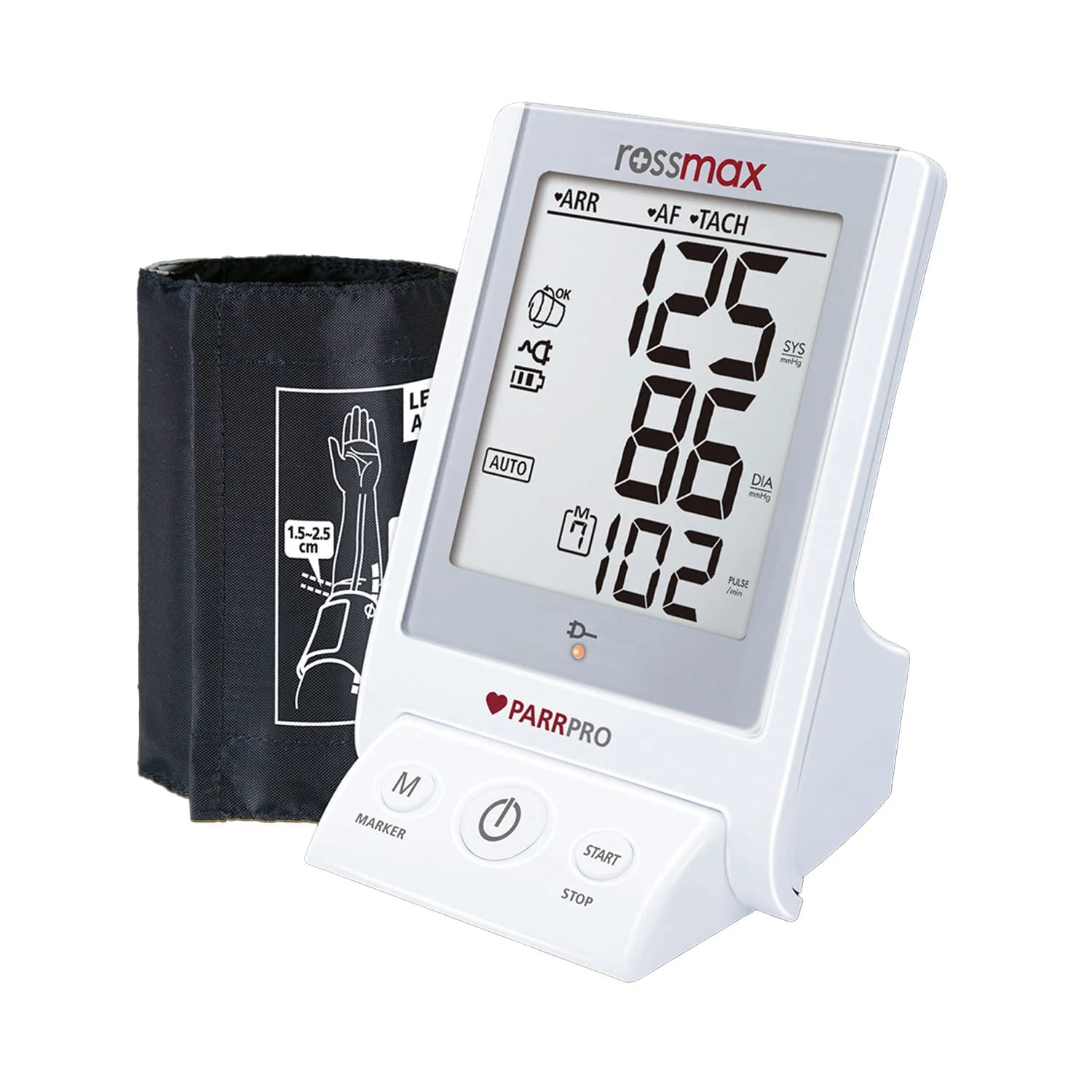
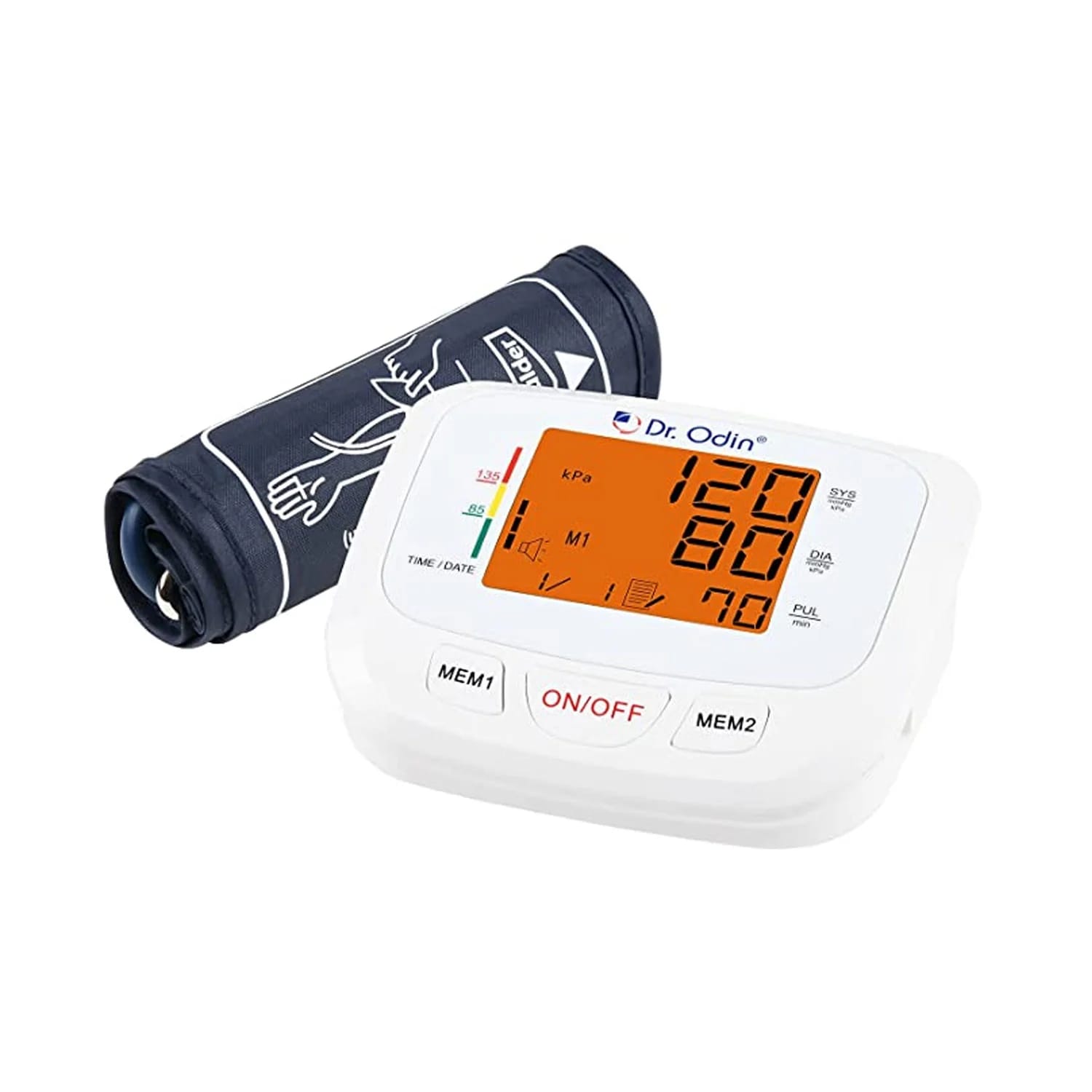
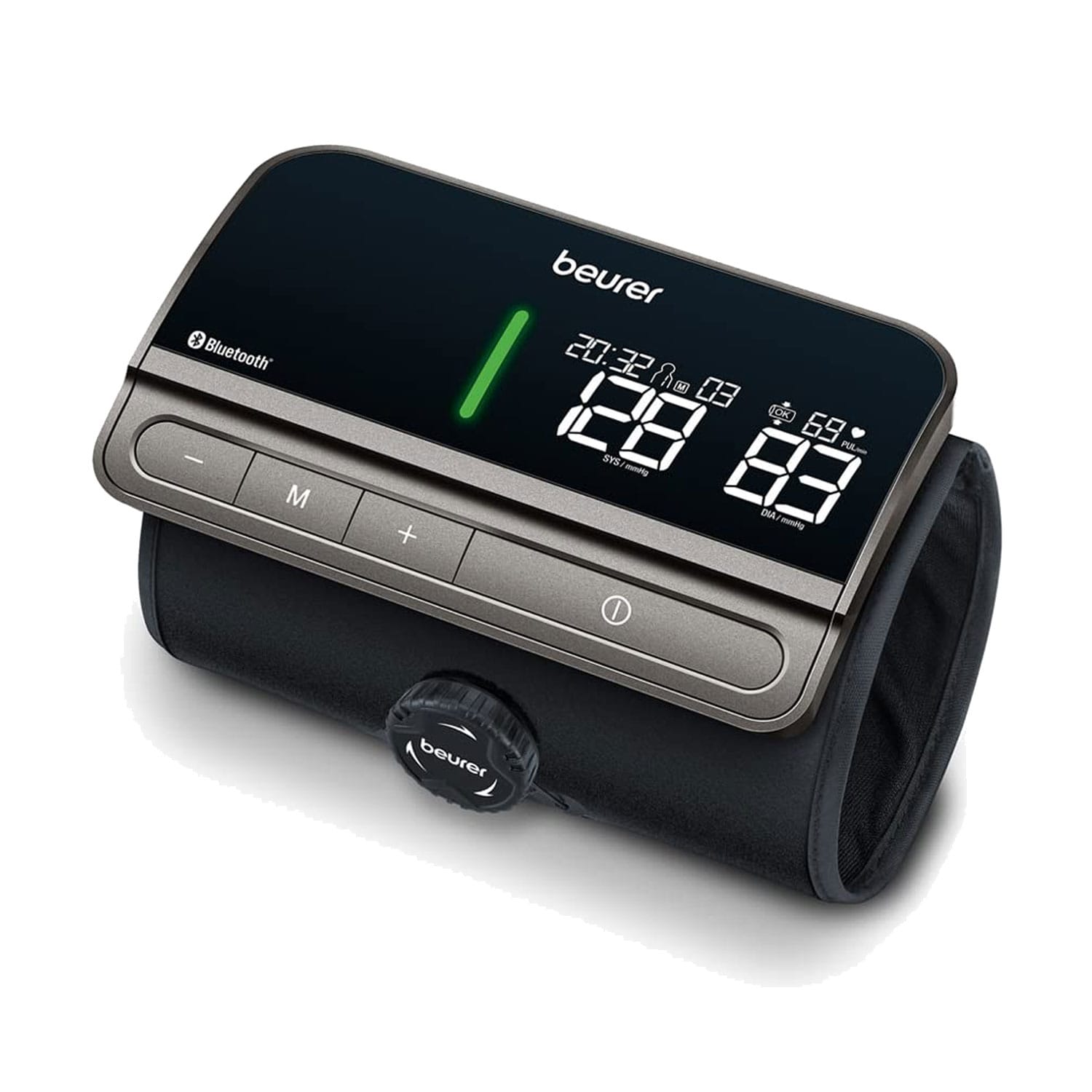
Digital automatic models do the work for you. You wrap the cuff, press a button, and the monitor inflates, measures and shows systolic, diastolic and pulse on a screen. For most households, this is the easiest option.
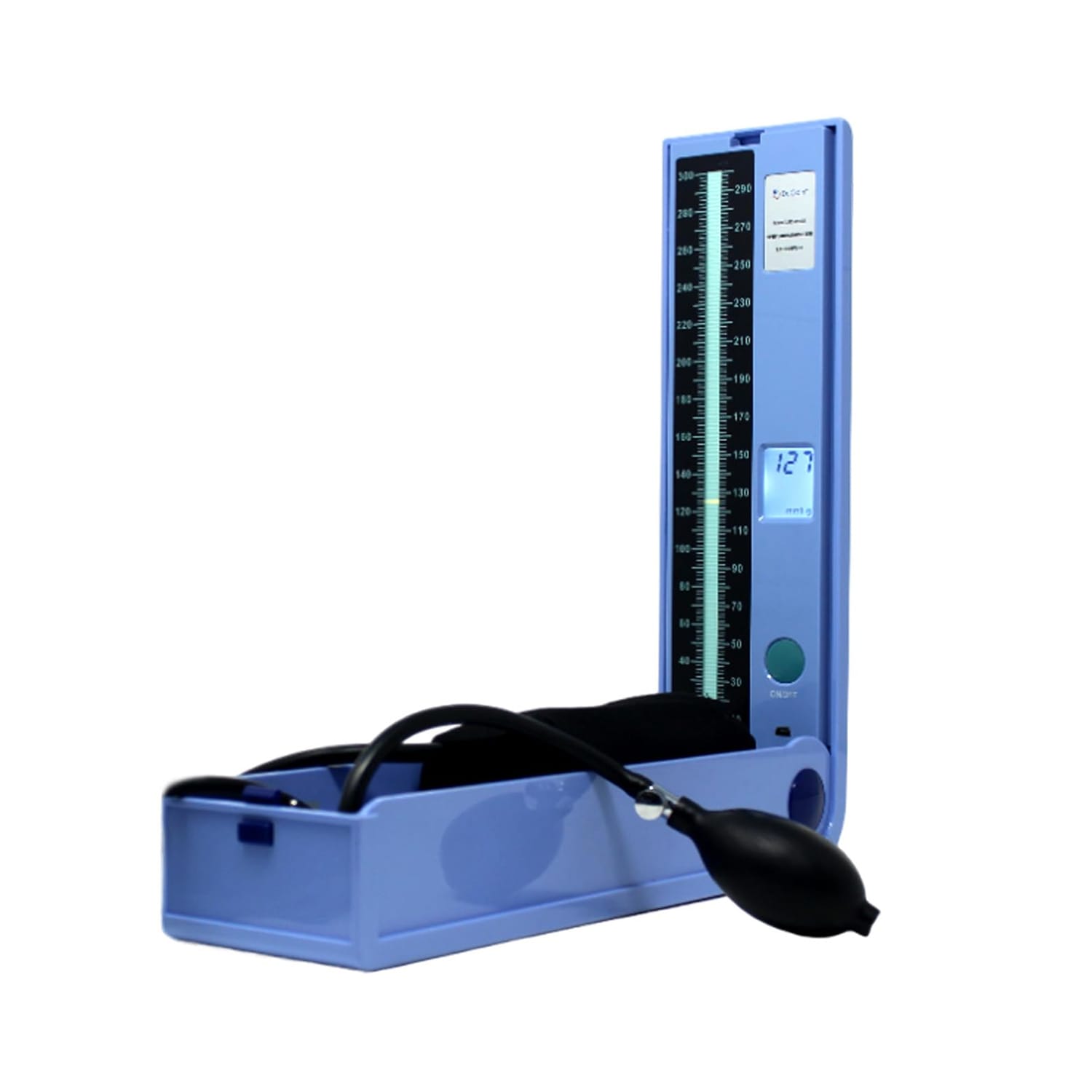
Mercury models were the old clinic standard, but they're being phased out in many places because of mercury's environmental and safety risks. You won't need one for home use.
Manual vs Digital Blood Pressure Monitor: Which Suits You?
If you're a healthcare worker, or someone already comfortable with a stethoscope, a manual unit works well and tends to last. For everyone else, particularly older adults, anyone measuring on their own, or families sharing one device, a digital monitor wins on simplicity. It removes the guesswork of listening for sounds, and many store past readings so you can show them to your doctor. The trade-off is that digital devices need batteries or a power adapter, and cheaper, unvalidated ones can drift in accuracy over time.
Upper Arm or Wrist BP Monitor?
This one matters more than it looks. Upper-arm monitors are generally preferred because the cuff sits at a consistent height near the heart and the readings tend to be more dependable. Wrist monitors are compact and easy to travel with, but they're far more sensitive to arm position, and studies have found that wrist readings can shift depending on where the arm is held [2]. If your wrist is even slightly below or above heart level, the number can change. Unless there's a specific reason you can't use an upper-arm cuff, such as a very large arm or a medical condition, go for the upper-arm type.
Get the Cuff Size Right
This is the single most overlooked point when choosing a sphygmomanometer for home use. A cuff that's too small can give a falsely high reading, and one that's too large can read low. Measure around the middle of your upper arm and check it against the size range printed on the cuff. If you're between sizes, or you have a muscular or larger arm, look for a model that offers an extra-large cuff, or one sold separately. If the device will be shared between family members with very different arm sizes, an adjustable or interchangeable cuff is worth having.
Check That the Device Is Clinically Validated
A screen that shows numbers doesn't mean those numbers are right. Look for monitors that have been clinically validated, meaning they've been tested against a reference standard for accuracy. For home use, the usual advice is a validated automatic device, ideally with memory storage, paired with a correctly sized upper-arm cuff [3]. The product details or the manufacturer's documentation usually say whether a monitor has been validated. If you're not sure, ask your doctor or pharmacist, and bring your home monitor along to a clinic visit so a reading can be compared against the clinic's own device.
Features That Help, and Ones You Can Skip
A few features are genuinely useful in daily life. A large, clear display and big buttons make a difference, especially for older users. Memory storage lets you look back at past readings, and some monitors support more than one user profile. An irregular heartbeat indicator can be handy, though it isn't a diagnosis. Automatic shut-off saves battery, and a carry case is nice if you travel.
Things you can usually do without: Bluetooth apps and fancy colour screens, unless you really will use them. A simpler device you measure with every day beats an advanced one that stays in a drawer.
How to Get an Accurate Reading at Home
Even the best blood pressure monitor gives poor numbers if the technique is off. Sit quietly for five minutes first, with your back supported, feet flat on the floor and legs uncrossed. Rest your arm on a table so the cuff is at heart level, and place it on bare skin, not over a sleeve. Skip coffee, smoking and exercise for 30 minutes beforehand. Stay still and don't talk while it measures. Take two readings a minute or so apart, and try to measure at the same times each day, say morning and evening, so you're comparing like with like.
When to Call Your Doctor
A home monitor is a tracking tool, not a replacement for medical advice. If your readings are consistently high, consult your doctor. If your blood pressure is extremely high (around 180/120 mmHg or higher), repeat the measurement after at least one minute. If it remains that high, seek prompt medical advice even without symptoms. If you have chest pain, severe breathlessness, sudden vision changes, weakness or difficulty speaking, seek emergency medical care immediately, regardless of the reading. And don't change or stop any prescribed medication based on home readings alone.
The Bottom Line
The best sphygmomanometer for home is the one that's validated, fits your arm, and is simple enough that you'll actually use it. For most people, that means an automatic upper-arm digital monitor with the right cuff size. You can browse blood pressure monitors on Cureka, and it's worth checking cuff size and validation details on the product page before you order.
References
[1] Hodgkinson JA, et al. Schedules for Self-monitoring Blood Pressure: A Systematic Review.
https://pubmed.ncbi.nlm.nih.gov/30668627/
[2] Inaccuracy of wrist-cuff oscillometric blood pressure devices: an arm position artefact?
https://pubmed.ncbi.nlm.nih.gov/15812253/
[3] How to measure home blood pressure: Recommendations for healthcare professionals and patients.