


Correct Usage of Thermometers
Fever causes a change in body temperature. If you think you have a fever the best way to check is to use a thermometer. The first thing your doctor will ask is if you have checked your temperature. Therefore it is important to know how to use a thermometer correctly.
Types of Thermometers
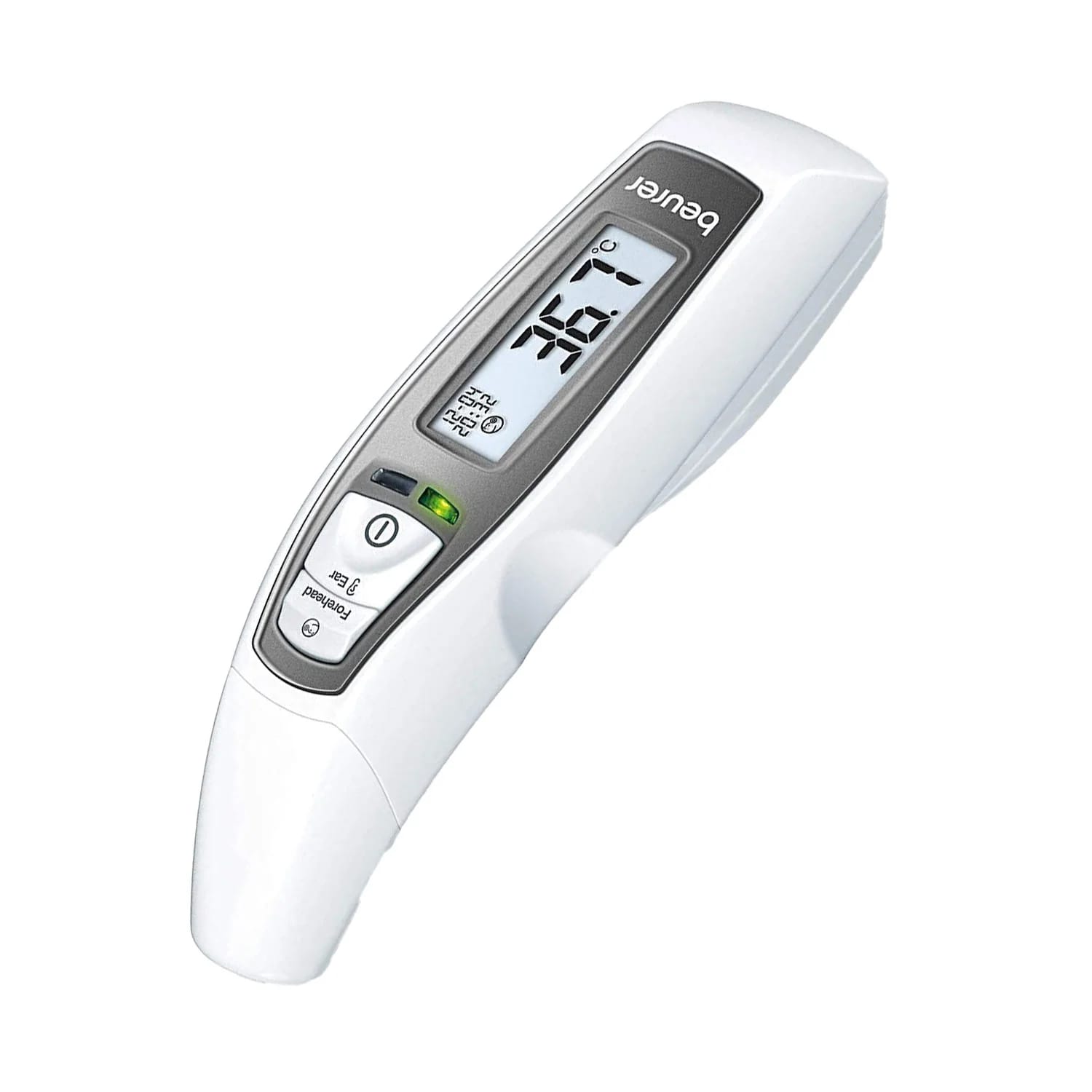
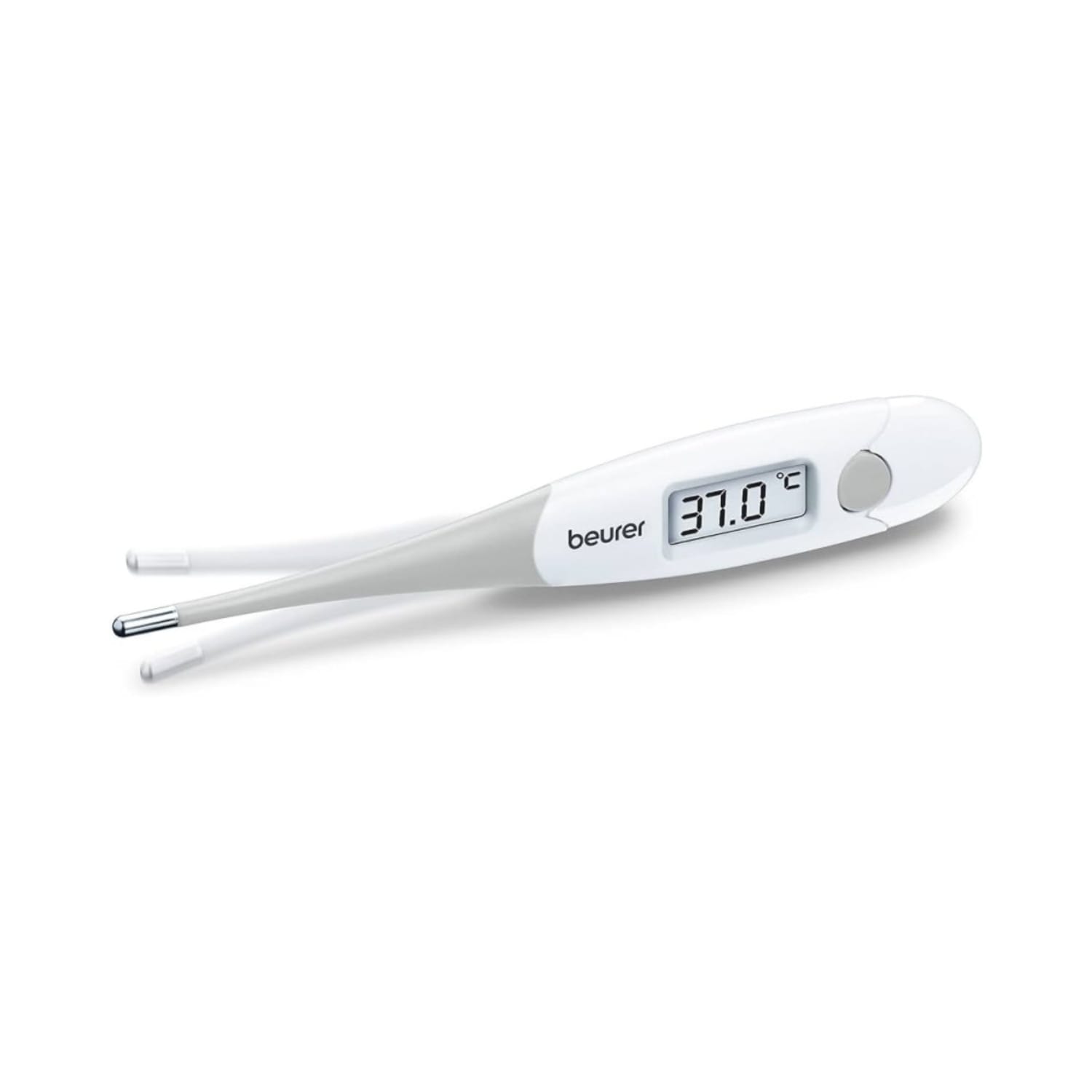
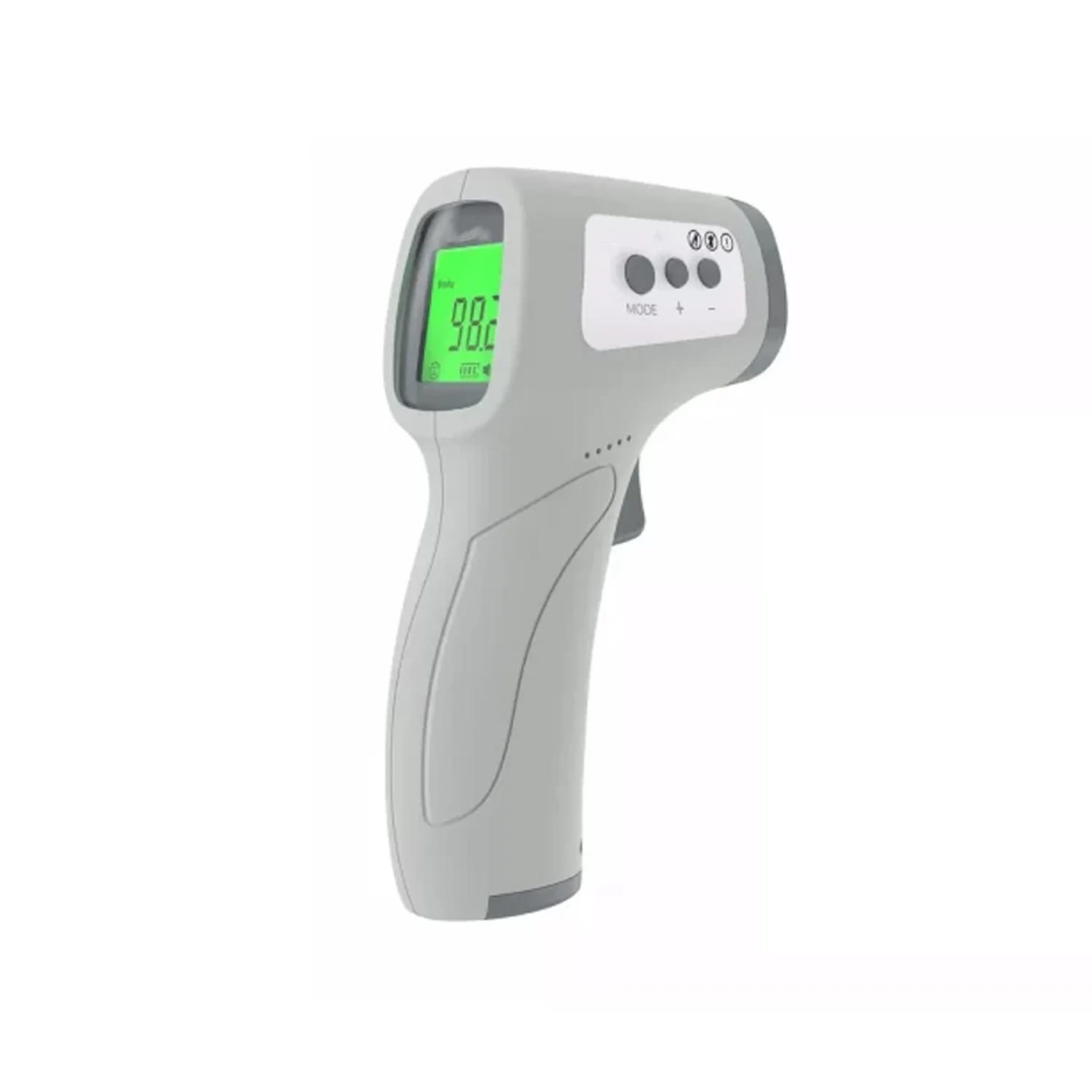
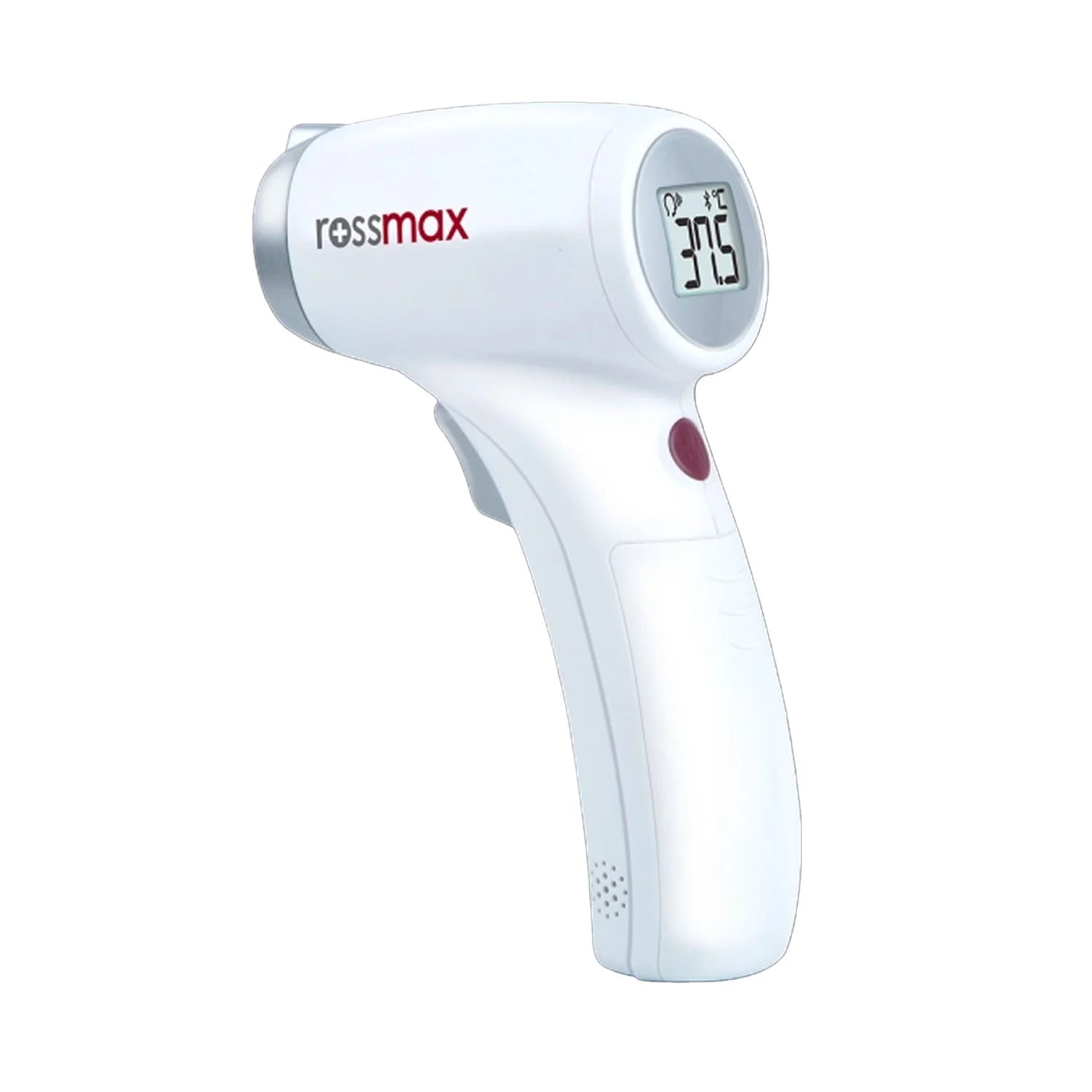
Broadly speaking, thermometers function either using a digital circuit or mercury. In recent years, IR non-contact thermometers are being used to measure temperature non-invasively. Most IR thermometers measure temperature in the forehead region. Make sure that the forehead is not covered by hair or sweat. They can be safely used for both adults and children. The best brands in India include Omron MC720 and Dr. Odin
Human Temperature Range.
Normal temperature is 98.6° F or 37° C. Temperature up to 101° F or 38.4° C is considered mild fever. Temperature above 103° F or 39.5° C requires immediate medical attention and temperature above 105° F or 40.5° C is considered dangerous and needs hospitalization.
Children Measurement
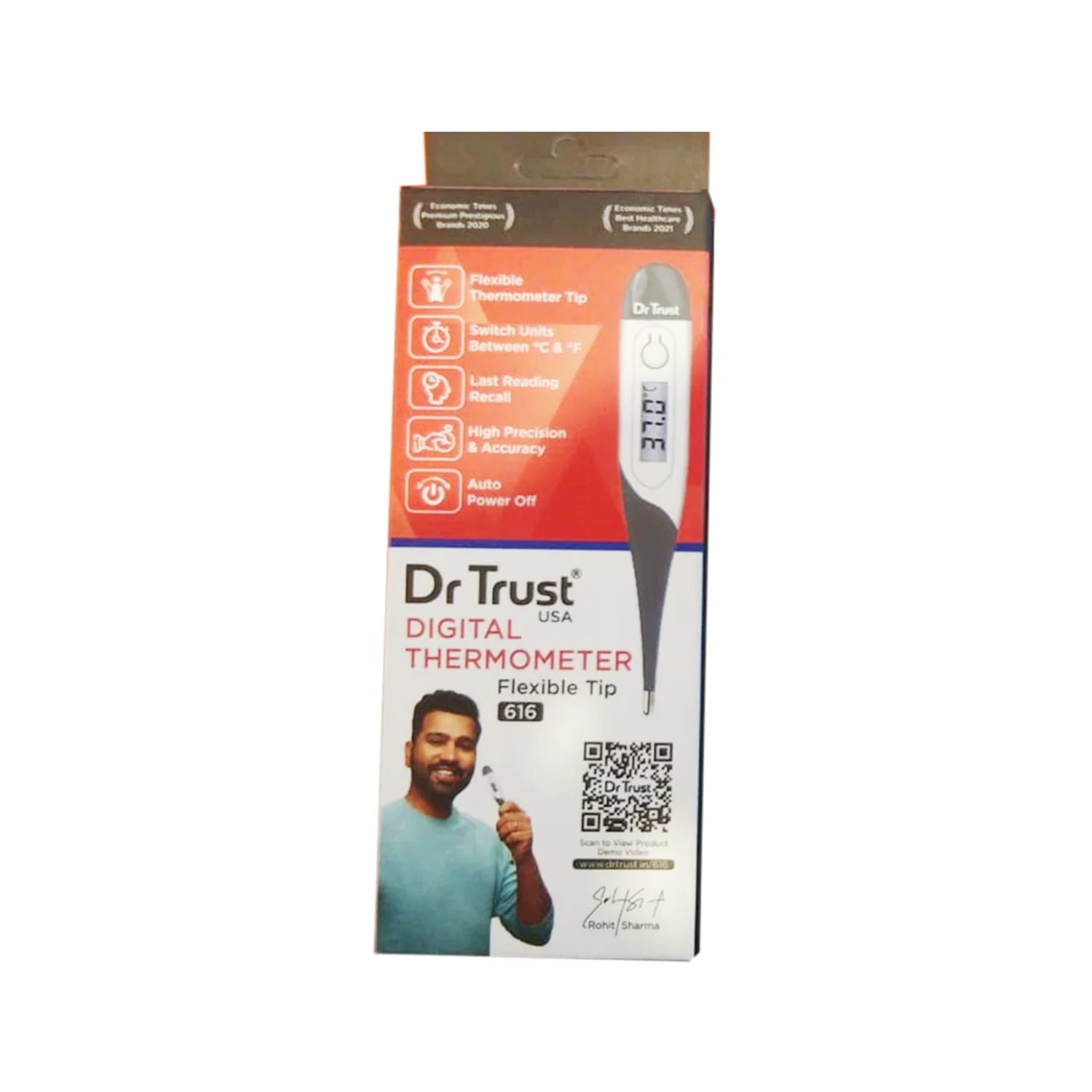
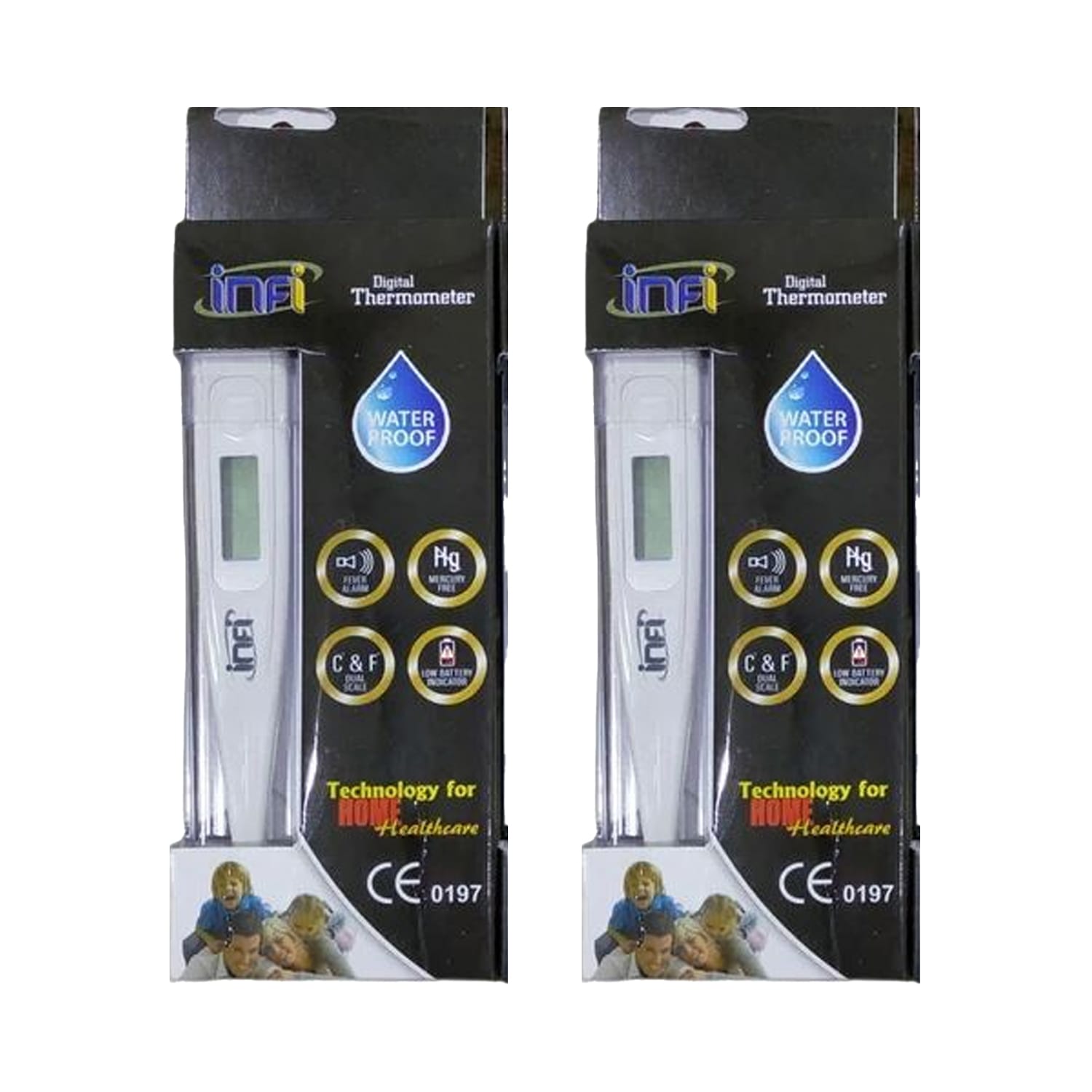
1. Newborns and infants till age one – For newborns it is best to check the temperature by inserting a thermometer in the rectum. From birth to about the age of six months it is best to use a digital thermometer to check the temperature of a newborn. A temperature higher than 100.4° F or 38° C indicates a fever in a newborn. It is not advisable to use a mercury thermometer because it can break and cause serious injury. Insert it using a little bit of petroleum jelly.
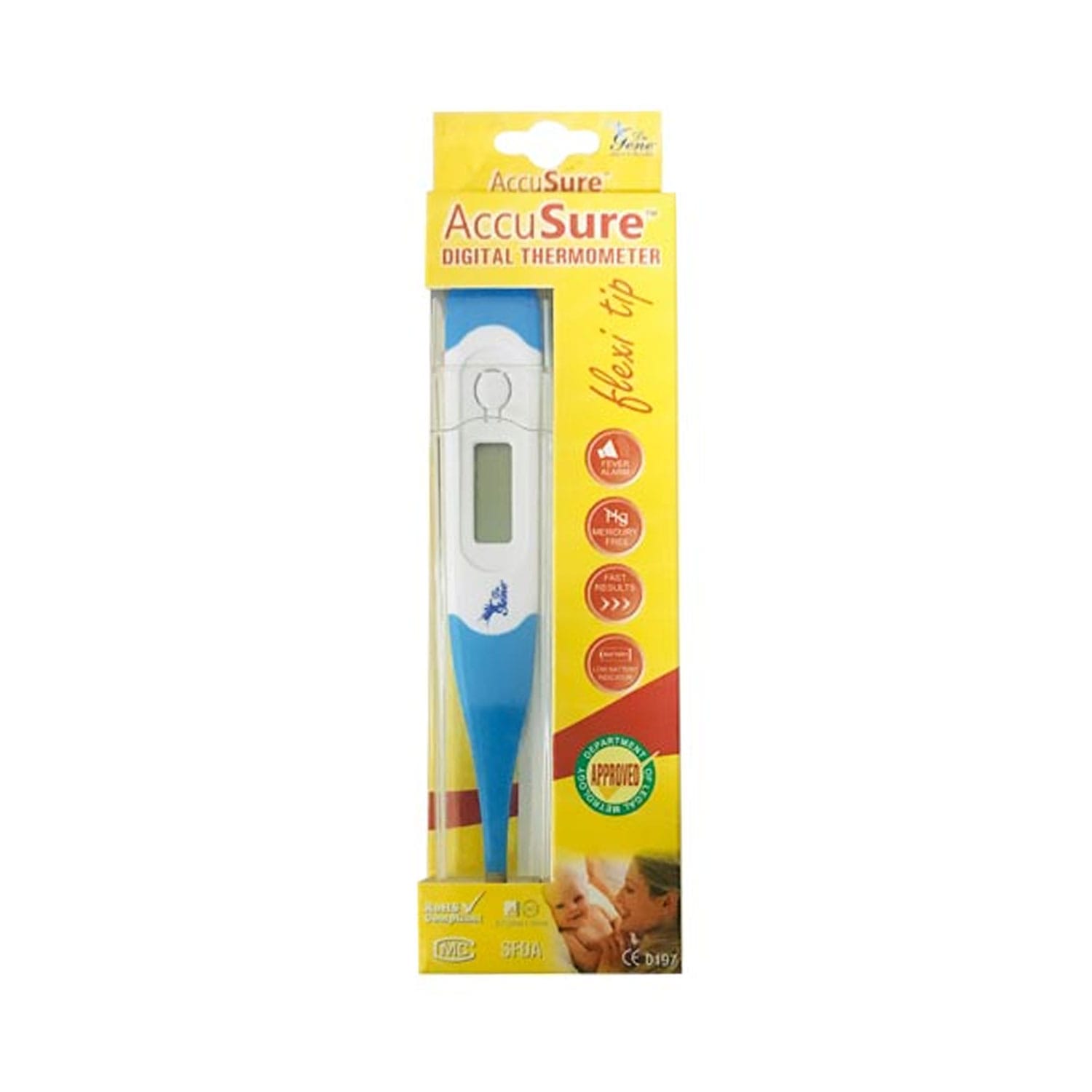
2. Age one to five - Up to an age of five, a rectal reading is still preferable. Otherwise, you can use an ear thermometer. Since mild fever in toddlers is more dangerous than in adults it is important to get an accurate reading. Infrared ear thermometers can be wrong due to the buildup of ear wax. On another hand, regular digital thermometers are very good devices and can be used in the rectum and also in the armpit.
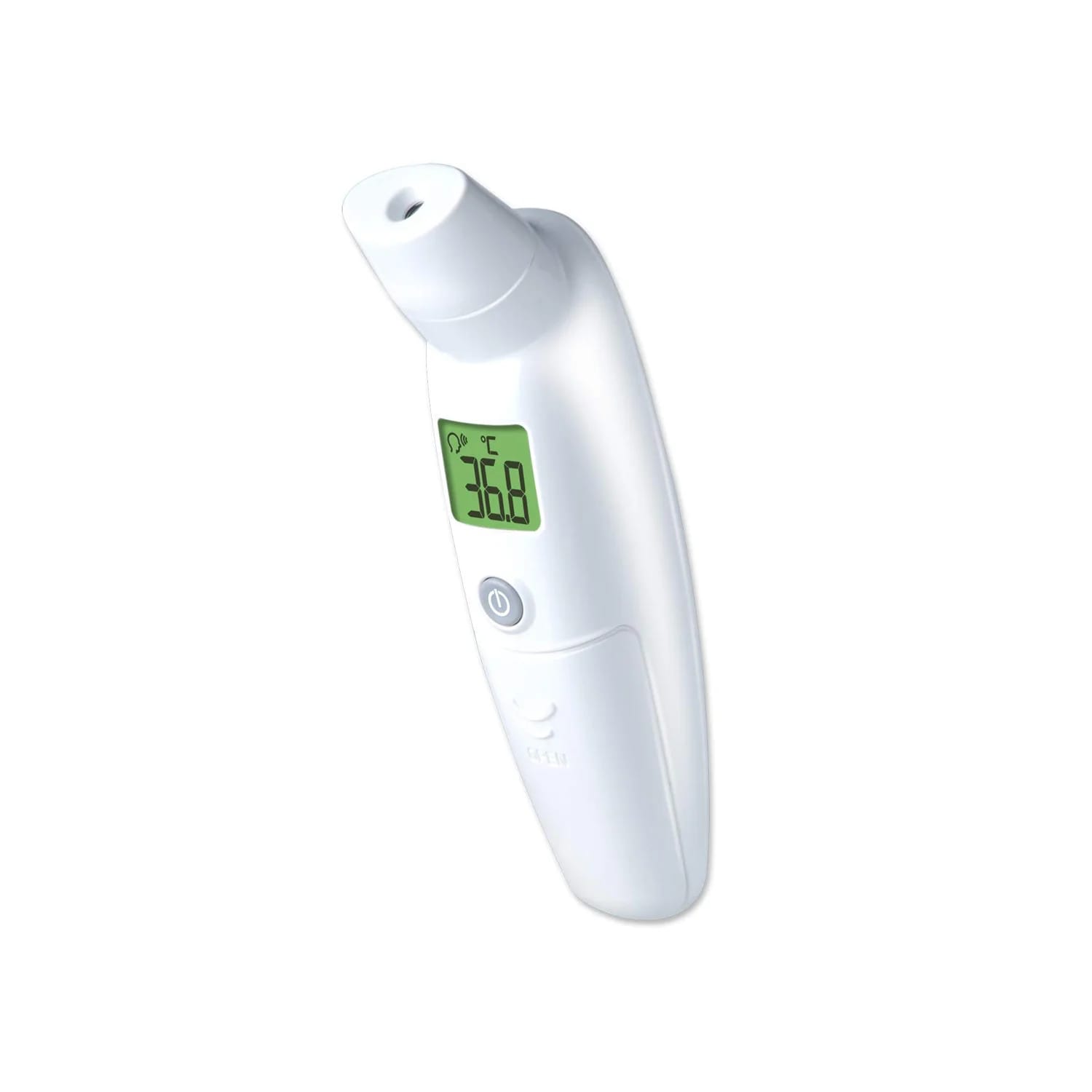
3. Above age five – Beyond the age of five it is easy to clean ear wax and possible to use ear thermometers. The digital ear thermometer is the easiest way to take the temperature.
Adults Measurement
1. Oral measurement – The best thermometer to use orally is a digital thermometer. The mouth is the best place to discover temperature when the thermometer is placed under the tongue. Place it carefully and wait for a few minutes. It is important to breathe through the nose and allow the tongue to press the thermometer lightly. The normal temperature in the mouth is 98.4° F or 36.8° C.
2. Rectal measurement – Though normally performed in newborns rectal measurement is also very accurate for adults. It is best to use petroleum jelly to lubricate the anus before inserting the thermometer. Make the patient lie on their stomach and gently insert the tip of the thermometer to about half an inch. Do not push if there is an obstruction. Wait for few minutes till it beeps and then take it out in one swift movement. Clean the thermometer thoroughly with warm water heated to about 40° C for washing the thermometer.
3. Armpit measurement – The armpit is another area where one can measure the temperature. Make sure the armpit the dry before putting in the thermometer. Place the tip of the thermometer in the middle of the armpit and move the arm close to the body so that the heat is trapped. Wait for the thermometer to start beeping. For adults, the temperature in the armpit is 97.7° F and 36.5° C.
Conclusion
It is important to learn how to use thermometer correctly. Fever has to be measured correctly. It is imperative to learn how to use a thermometer correctly.